Sarajevo and Mostar
The Ottoman Baščaršija, the Tunnel of Hope, the train down the Neretva valley, Mostar's Old Bridge, Blagaj and the Kravica waterfalls.
- Sarajevo
- Konjic
- Jablanica
- Mostar
- Blagaj
- Počitelj
- Kravica
Day by day
- Day 1
Sarajevo: the Baščaršija, the four faiths and the Latin Bridge
This six-day trip crosses Bosnia and Herzegovina from Sarajevo to Mostar, between different cultures and the memory of the war of the 1990s, with a stretch by train along the Neretva.
Before you go: Italian citizens can enter Bosnia and Herzegovina with a passport or an electronic identity card, valid for at least three months beyond the length of the stay; no visa is needed for up to 90 days in six months. Foreigners must register within 48 hours of arrival: hotels do this for you. Other nationalities should check their own rules. Italy's travel advice does not list any areas to avoid, but landmines from the 1992 to 1995 war remain in the country, including on the hills around Sarajevo: always stay on paved roads and marked paths, and do not enter overgrown fields, woods away from paths or abandoned houses. In Sarajevo, watch out for bag snatchers in summer.
In the morning walk into the Baščaršija, the old Ottoman bazaar, with the wooden Sebilj fountain, the coppersmiths' workshops and the Gazi Husrev-beg mosque, from 1531, the most important in Bosnia. Check prices and times.
Then walk along Ferhadija street: in a few hundred metres you pass from the mosque to the Catholic cathedral, the Orthodox cathedral and the old synagogue. This is why Sarajevo has been called the Jerusalem of Europe.
In the afternoon reach the Latin Bridge over the Miljacka: on the corner, on 28 June 1914, Gavrilo Princip killed Archduke Franz Ferdinand, an event that led to the First World War. A little further on is the Vijećnica, the old Moorish-style city hall, burned in 1992 and reopened in 2014. Check prices and times.
Sleep in Sarajevo.
Practical tip: in the Baščaršija keep your bag in front of you and your phone in your pocket, especially at the busiest times.
- Day 2
The Tunnel of Hope, Trebević and the bobsleigh track
Today you discover the Sarajevo of the siege and the mountain that overlooks it.
In the morning take a taxi or a bus to Butmir, near the airport, for the Tunnel of Hope. During the siege of the city, between 1992 and 1995, residents dug by hand a tunnel of about 800 metres beneath the airport runway, the only link with the outside world, to bring in food, weapons, wounded and people. Today you can visit a short stretch of the tunnel and the house where it began, with a small museum. Check prices and times.
In the early afternoon return to the centre and take the Trebević cable car, which leaves from just above the old town. Built in the 1950s, it was destroyed during the siege and reopened in 2018. In a few minutes you rise above the roofs and minarets to a plateau of meadows and woods.
From the top station follow the marked path to the old bobsleigh track from the 1984 Winter Olympics. During the war the mountain was on the front line, and the concrete track was left abandoned: today it is covered in colourful graffiti, with trees growing along its edges. On Trebević always stay on marked paths and roads: some parts of the mountain have not yet been fully cleared of mines.
At sunset climb to the Yellow Fortress, above the old town, for the view over Sarajevo.
In the evening try ćevapi, small grilled meat sausages in somun bread.
Sleep in Sarajevo.
Practical tip: go to the tunnel early in the morning, before the organised groups, and allow an hour for the visit.
- Day 3
The train along the Neretva, Konjic and Jablanica
Today you travel south by train, along one of the most beautiful lines in the Balkans.
In the morning take the train from Sarajevo to Mostar. There are two trains a day and the journey takes about two hours: check the timetable on the website of the Federation railways and buy your ticket at the station. After the mountains around Sarajevo, the railway descends into the Neretva valley, through tunnels and viaducts and past Lake Jablanica, with its emerald green water.
If you want to stop in Konjic, halfway, check the times carefully: with only two trains a day it may be easier to continue by bus. Konjic is a small town on the Neretva with a seventeenth century Ottoman Old Bridge, destroyed in 1945 and recently rebuilt. Near the town is Tito's atomic bunker, a secret base built during the Cold War, which can only be visited by booking. Check prices and times.
Further south the train passes Jablanica, where in 1943 Tito's partisans blew up the railway bridge over the Neretva during one of the most famous battles of the Second World War in Yugoslavia. The remains of the bridge still lie in the river, next to a museum.
In the late afternoon you arrive in Mostar. Walk to the Old Bridge to see it in the evening light.
Sleep in Mostar.
Practical tip: buy your ticket at the station a little in advance, bring water and something to eat, and keep your phone charged for photos of the valley.
- Day 4
Mostar: the Old Bridge, the bazaar and the Koski Mehmed-pasha mosque
Today you discover Mostar at a gentle pace, early in the morning and in the evening, when the groups have left.
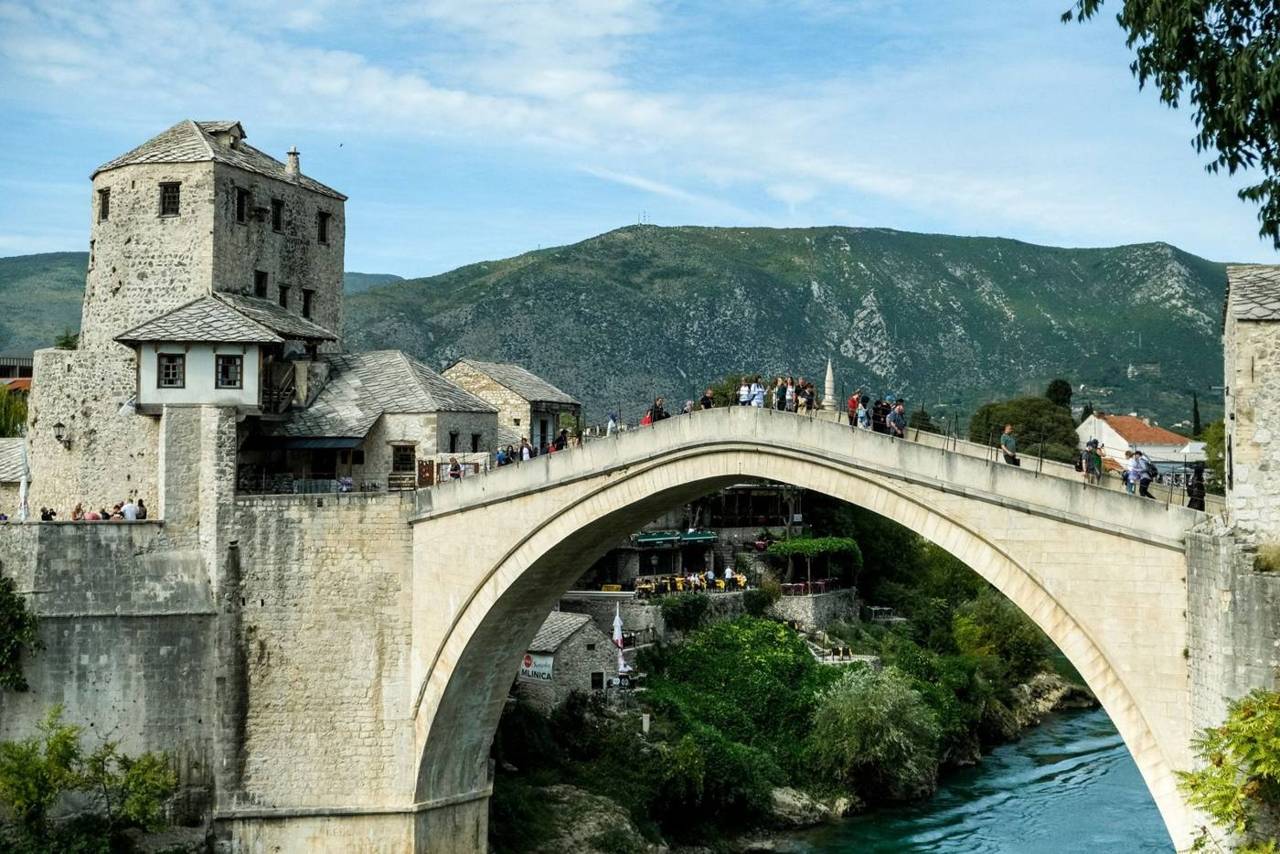
Early in the morning walk across the Old Bridge, the Stari Most, built by the Ottomans in 1566 with a single stone arch over the Neretva. It was destroyed on 9 November 1993, during the war, and rebuilt with the same techniques and stones recovered from the river. Reopened in 2004, it is a UNESCO World Heritage Site. In summer the bridge divers leap from more than twenty metres: watch them from the bank, because diving is very dangerous and has caused serious injuries and deaths.
Then stroll through the Kujundžiluk, the old coppersmiths' bazaar, with its stone workshops, and cross the small Crooked Bridge, older and smaller, over the Radobolja stream.
In mid-morning visit the Koski Mehmed-pasha mosque, from 1618: climb the minaret for the best view of the bridge, and from the courtyard take the classic photo from the river. Check prices and times.
In the afternoon visit one of the old Ottoman houses of the town, with wooden rooms, carpets and a courtyard, to understand how a wealthy family lived at the time. Check prices and times. Then walk to the Bulevar, the former front line, where some buildings still bear the marks of the war.
In the evening try Neretva trout or dolma, vegetables stuffed with meat and rice.
Sleep in Mostar.
Practical tip: in summer, from mid-morning to mid-afternoon, Mostar fills up with groups arriving from the coast; plan the main visits before ten and after five.
- Day 5
The Blagaj tekke, Počitelj and the Kravica waterfalls
Today you tour the most beautiful places around Mostar.
In the morning drive south-east to Blagaj, about a quarter of an hour. Here the river Buna flows out of a cave at the foot of a rock face more than a hundred metres high, one of the largest springs in Europe. Next to the water is the tekke, the dervish house, from the sixteenth century, with wooden rooms and carpets. You enter with arms and legs covered; women are given a headscarf at the entrance. Check prices and times.
Then continue south to Počitelj, a fortified Ottoman village climbing a hill above the Neretva, with the sixteenth century Hadži Alija mosque, stone houses and the watchtower at the top. Climb to the tower for the view over the valley, on uneven stone steps.
In the afternoon reach the Kravica waterfalls, on the river Trebižat, about half an hour away: an amphitheatre of falls about 25 metres high, ending in a green lake surrounded by trees. In summer you can swim, but the water is cool. Check prices and times.
Return to Mostar in the evening.
Sleep in Mostar.
Practical tip: arrive at Kravica early in the morning or in the late afternoon, because at midday in summer many visitors come; bring water shoes for the slippery rocks.
- Day 6
Back to Sarajevo or on to Dubrovnik
On the last day you choose your direction: back to Sarajevo or on to the Croatian coast.
If you return to Sarajevo, take the morning train from Mostar and enjoy the Neretva valley again, this time going uphill. In the afternoon, before your flight, visit Gallery 11/07/95, near the Catholic cathedral, dedicated to the Srebrenica genocide of July 1995, with photographs, videos and testimonies. It is a very powerful visit. Check prices and times.
If you continue to Dubrovnik, take the bus or drive south, about three hours, through the Neretva valley to the sea and the border with Croatia, in the European Union and the Schengen area: keep your document at hand.
Before leaving Mostar, sit down for a last Bosnian coffee, served in a copper džezva with a sugar cube and a piece of rahat lokum.
In these six days you have seen the Baščaršija and the four faiths of Sarajevo, the Latin Bridge, the Vijećnica, the Tunnel of Hope, the Trebević bobsleigh track, the train along the Neretva, Konjic and Jablanica, the Old Bridge and the Koski Mehmed-pasha mosque in Mostar, the Blagaj tekke, Počitelj and the Kravica waterfalls.
When to go: from April to June and from September to October. In July and August Mostar often exceeds 35 degrees and is crowded. In winter Sarajevo is often grey with smog.
Practical tip: if you travel to Croatia in a hire car, check that the contract allows you to cross the border and that the insurance is valid in both countries.
An intense trip through different cultures and the memory of the 1990s war, well told in Sarajevo's museums. At midday in summer Mostar is overrun by groups from the coast: sleep there and see it early or in the evening. Do not leave marked paths in the countryside: some areas are still mined.
Before you go
- Documents and visa
- British passport issued less than 10 years before arrival and valid for at least 90 days after departure. No visa needed for up to 90 days in any 6-month period. All foreign nationals must register with the police within 72 hours; hotels usually do this.
- Health and vaccines
- No compulsory vaccinations. Medical facilities are limited, especially outside Sarajevo: you need travel insurance covering treatment and medical evacuation. Emergencies: police 122, fire 123, ambulance 124.
- Money and payments
- Convertible mark (KM or BAM), at a fixed rate of 1.9558 KM to the euro. Cash is common; Visa and Mastercard work in shops and hotels in the larger towns, where there are cash machines.
- Power sockets
- Types C and F, 230 volts: you need an adapter for British plugs.
- Time zone
- One hour ahead of the UK all year.
- Safety
- There are no areas the UK advises against, but landmines and unexploded weapons remain from the 1992 to 1995 war. Do not step off roads and paved areas without an experienced guide, and take extra care near former front lines, abandoned buildings, neglected land, woods and orchards. Thefts from cars are rising in tourist areas. Official advice: GOV.UK.
Information checked in November 2026 for Italian and EU citizens. Rules change: always check before you travel.
Variations
In 4 days: two days in Sarajevo, the train to Mostar and a day in Mostar.
In 8 days: add Stolac with the Radimlja necropolis and Trebinje, before Dubrovnik.
Frequently asked questions
Is the Sarajevo to Mostar train running?
Yes, there are two trains a day and the journey takes about two hours, with a beautiful stretch along the Neretva. Check the timetable on the Federation railways website before you go.
Can you dive from the Old Bridge in Mostar?
No: it is very dangerous and has caused serious injuries and deaths. Watch the local divers from the bank.
Which document do you need for Bosnia and Herzegovina?
Italian citizens can enter with a passport or an electronic identity card, valid for at least three months beyond the stay, without a visa for up to 90 days. Other nationalities should check their own rules.
Indicative itinerary written by World Atlas. Before booking, check timetables, seasonal openings, documents and safety.
 7 daysModerate
Mountains and lakes of Bosnia
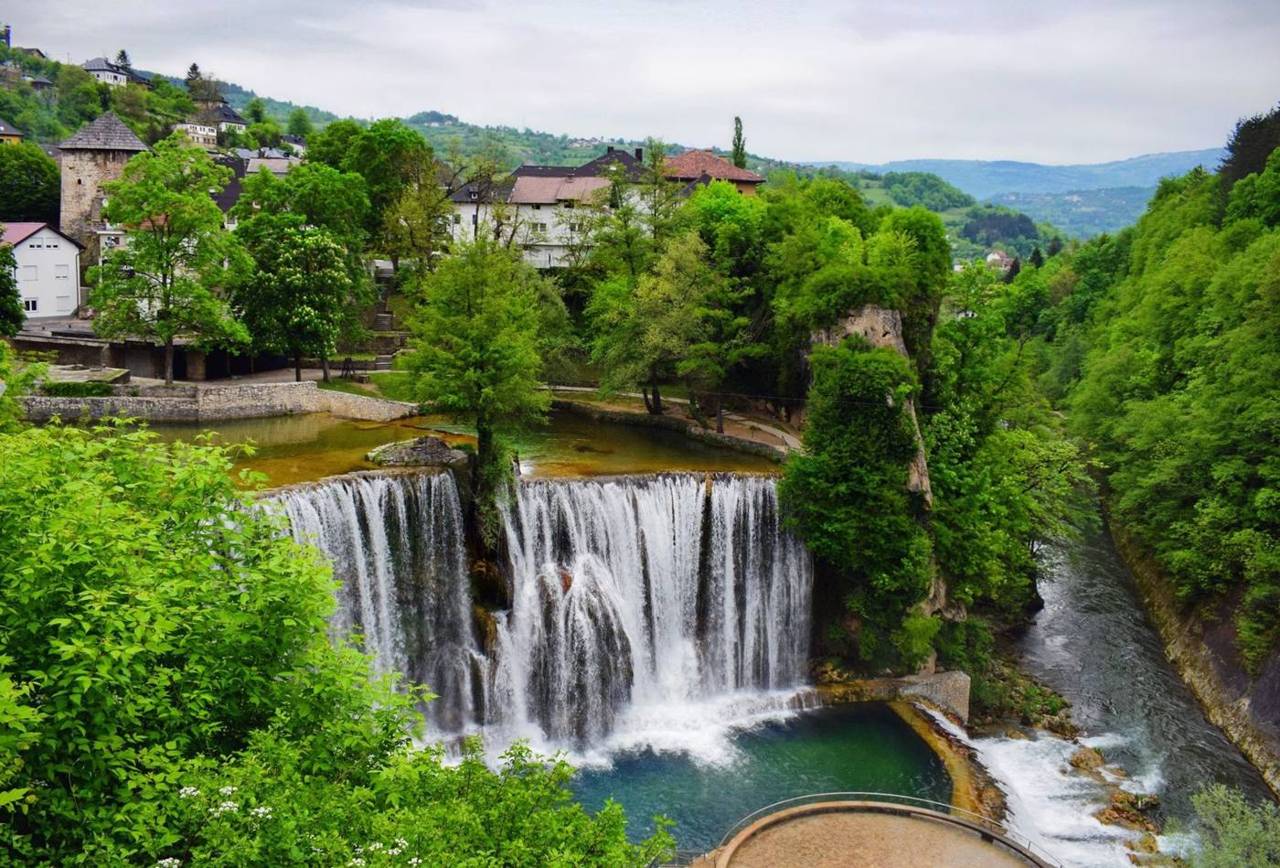
The stone villages of Lukomir, Sutjeska National Park with Perućica forest, the Jajce waterfall, the Pliva lakes and the Una river.
 4 daysEasy
Herzegovina and its wine
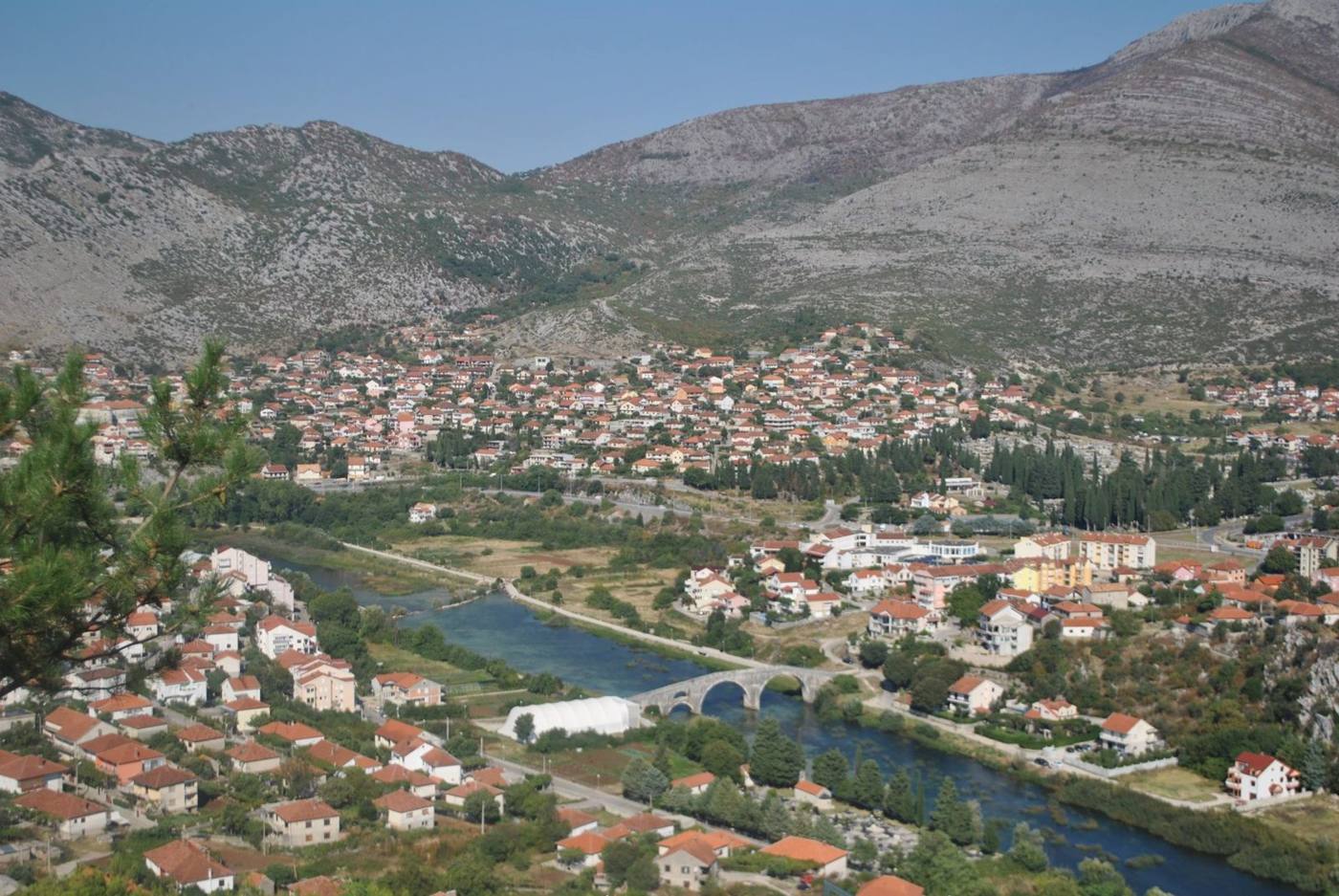
Žilavka and Blatina wineries around Mostar and Čitluk, Trebinje with its plane trees and Tvrdoš monastery.
 3 daysEasy
Sarajevo and Mount Trebević
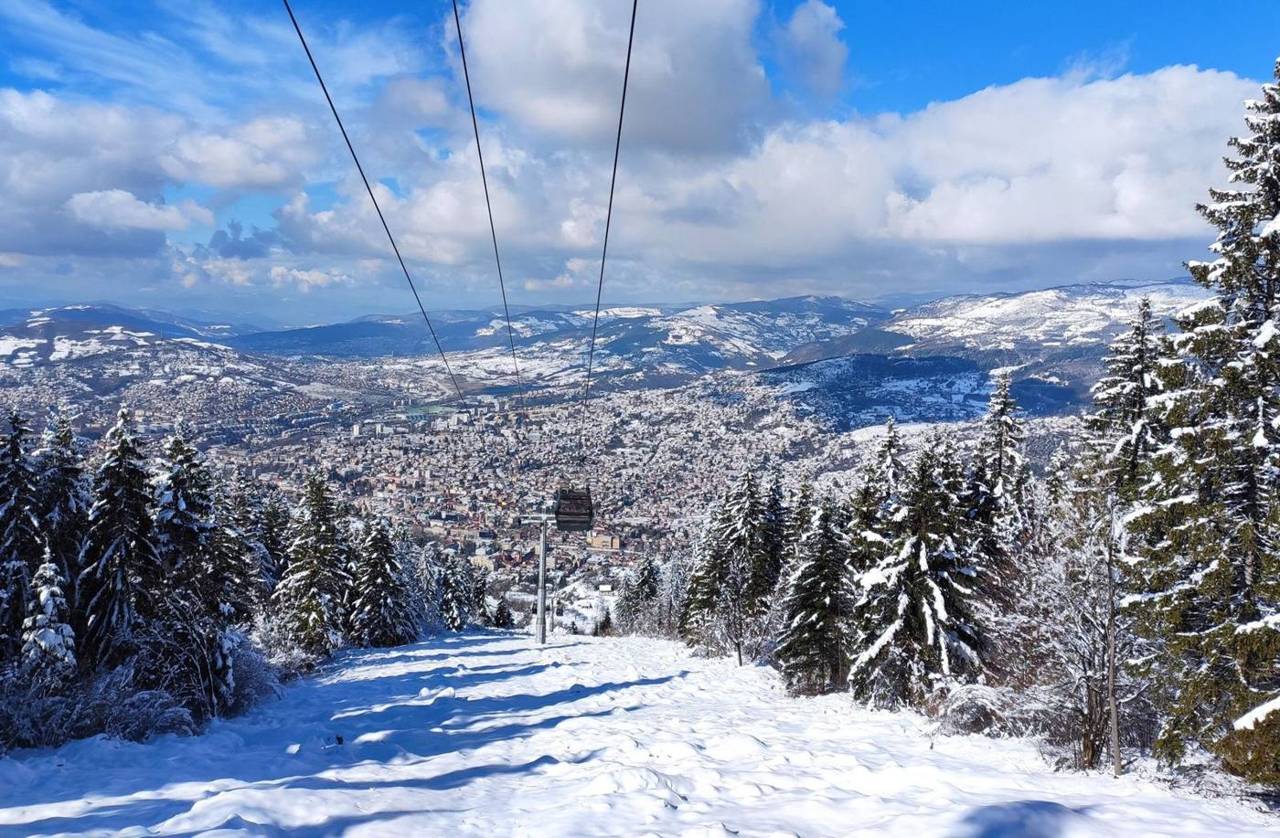
The Trebević cable car, the old graffiti-covered Olympic bobsled track, the 11/07/95 gallery, the Vijećnica and Bosnian coffee in the Baščaršija.