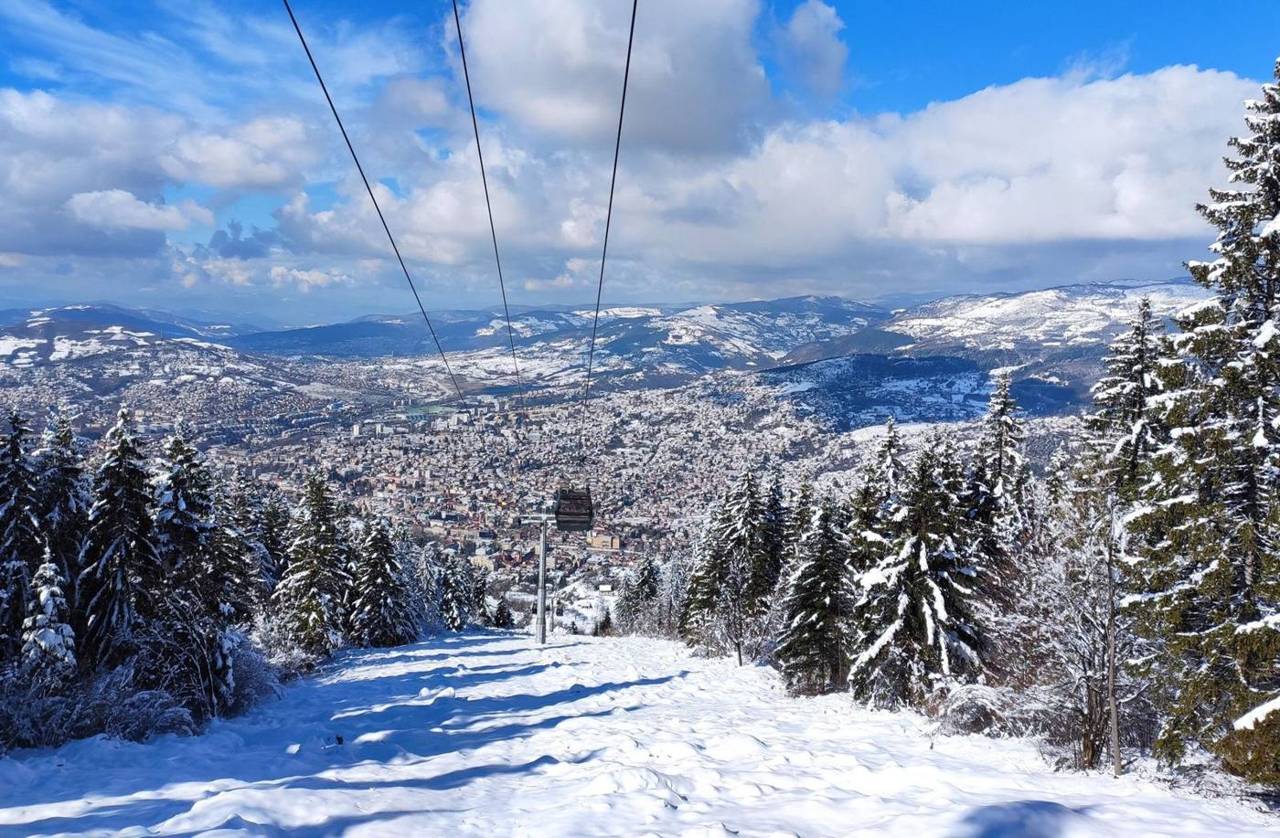
Sarajevo and Mount Trebević
The Trebević cable car, the old graffiti-covered Olympic bobsled track, the 11/07/95 gallery, the Vijećnica and Bosnian coffee in the Baščaršija.
- Sarajevo
- Vijećnica
- Trebević
- Vrelo Bosne
Day by day
- Day 1
The Vijećnica, Gallery 11/07/95 and the Baščaršija
This trip is a second look at Sarajevo, to understand its recent history beyond the Ottoman centre, from the Vijećnica to Trebević and Vrelo Bosne.
Before you go: Italian citizens can enter Bosnia and Herzegovina with a passport or an electronic identity card, valid for at least three months beyond the length of the stay; no visa is needed for up to 90 days in six months. Foreigners must register within 48 hours of arrival: hotels do this for you. Other nationalities should check their own rules. Italy's travel advice does not list any areas to avoid, but landmines from the 1992 to 1995 war remain in the country, including on the hills around the city: always stay on paved roads and marked paths, and do not enter overgrown fields, woods away from paths or abandoned houses. In Sarajevo, watch out for bag snatchers in summer.
In the morning visit the Vijećnica, the old city hall built at the end of the nineteenth century in Moorish style, on the bank of the Miljacka. It became the National Library and in August 1992 it was shelled and burned along with most of its books. Rebuilt, it reopened in 2014. Check prices and times.
Then go to Gallery 11/07/95, near the Catholic cathedral, dedicated to the Srebrenica genocide of July 1995, with photographs, videos and testimonies. It is a very powerful visit: take the time you need. Check prices and times.
In the afternoon walk through the Baščaršija, the old bazaar, between the Sebilj fountain, the coppersmiths' workshops and the Gazi Husrev-beg mosque. Sit down for Bosnian coffee, served in a džezva, a small copper pot, with a sugar cube and a piece of rahat lokum.
Sleep in Sarajevo.
Practical tip: in the bazaar keep your bag in front of you and your phone in your pocket, especially at the busiest times.
- Day 2
The cable car and the bobsleigh track on Trebević
Today you go up Trebević, the mountain that overlooks Sarajevo from the south.
In the morning take the Trebević cable car, which leaves from just above the old town. Built in the 1950s, it was destroyed during the siege of the city and reopened in 2018. In a few minutes you rise above the roofs and minarets to a plateau of meadows and woods, with a view over the whole valley. Check prices and times.
From the top station follow the marked path to the old bobsleigh track from the 1984 Winter Olympics. During the war the mountain was on the front line, and the concrete track was left abandoned: today it is covered in colourful graffiti, with trees growing along its edges. Walk inside the track, through the banked curves, and look at the writing and drawings.
On Trebević always stay on marked paths and roads: some parts of the mountain have not yet been fully cleared of mines. Do not go into the woods off the paths, do not touch metal objects and follow the signs.
In the afternoon ride the cable car back down to the city and climb to the Yellow Fortress, an Ottoman bastion above the old town, for sunset over the roofs of Sarajevo.
In the evening try ćevapi or burek in the old town.
Sleep in Sarajevo.
Practical tip: before going up download the trail map and ask at the cable car station which routes are marked and safe.
- Day 3
Vrelo Bosne, the source of the river, and departure
On the last day you leave the centre for a morning of nature on the edge of the city.
In the morning take the tram west to Ilidža, Sarajevo's spa district. From here the Velika aleja begins, a long tree-lined avenue closed to traffic, which you can walk, cycle or ride along in a horse-drawn carriage. At the end of the avenue lies the park of Vrelo Bosne, where the Bosna river rises from springs at the foot of Mount Igman.
The park brings together clear streams, small wooden bridges, islets, meadows and large trees, with ducks and swans. The water is ice cold and transparent. Walk along the paths and bridges and stop at one of the kiosks for a lemonade or a coffee. For entry, check prices and times.
Around midday return to the city for a last lunch and then go to the airport, which is in this same area, a short distance from Ilidža.
Trip summary: three easy days to understand Sarajevo, between the rebuilt Vijećnica, the memory of Srebrenica at Gallery 11/07/95, coffee in the Baščaršija, the Trebević cable car and bobsleigh track and the park of Vrelo Bosne.
When to go: from April to October. In spring and autumn the temperatures are ideal for walking; in summer it is hot but Trebević and Vrelo Bosne are cool. In winter the city is often grey with smog.
Practical tip: go to Vrelo Bosne on a weekday or early in the morning, because at weekends the park is full of families.
A second trip to Sarajevo to understand its recent history beyond the Ottoman centre. On Trebević stay on marked paths: some areas are still not cleared of mines.
Before you go
- Documents and visa
- British passport issued less than 10 years before arrival and valid for at least 90 days after departure. No visa needed for up to 90 days in any 6-month period. All foreign nationals must register with the police within 72 hours; hotels usually do this.
- Health and vaccines
- No compulsory vaccinations. Medical facilities are limited, especially outside Sarajevo: you need travel insurance covering treatment and medical evacuation. Emergencies: police 122, fire 123, ambulance 124.
- Money and payments
- Convertible mark (KM or BAM), at a fixed rate of 1.9558 KM to the euro. Cash is common; Visa and Mastercard work in shops and hotels in the larger towns, where there are cash machines.
- Power sockets
- Types C and F, 230 volts: you need an adapter for British plugs.
- Time zone
- One hour ahead of the UK all year.
- Safety
- There are no areas the UK advises against, but landmines and unexploded weapons remain from the 1992 to 1995 war. Do not step off roads and paved areas without an experienced guide, and take extra care near former front lines, abandoned buildings, neglected land, woods and orchards. Thefts from cars are rising in tourist areas. Official advice: GOV.UK.
Information checked in November 2026 for Italian and EU citizens. Rules change: always check before you travel.
Variations
Short version: two days, with the Vijećnica, Gallery 11/07/95, the Baščaršija and Trebević.
Long version: add the Tunnel of Hope, near the airport, and a day in Konjic and the Neretva valley.
Frequently asked questions
Is Trebević safe?
Yes, if you stay on marked paths and roads: some parts of the mountain have not yet been fully cleared of mines. Follow the signs and do not go into the woods off the paths.
What is Gallery 11/07/95?
It is a memorial gallery in central Sarajevo dedicated to the Srebrenica genocide of July 1995, with photographs, videos and testimonies.
How do you get to Vrelo Bosne?
By tram to Ilidža, then on foot, by bike or by carriage along the Velika aleja.
Indicative itinerary written by World Atlas. Before booking, check timetables, seasonal openings, documents and safety.
 3 daysModerate
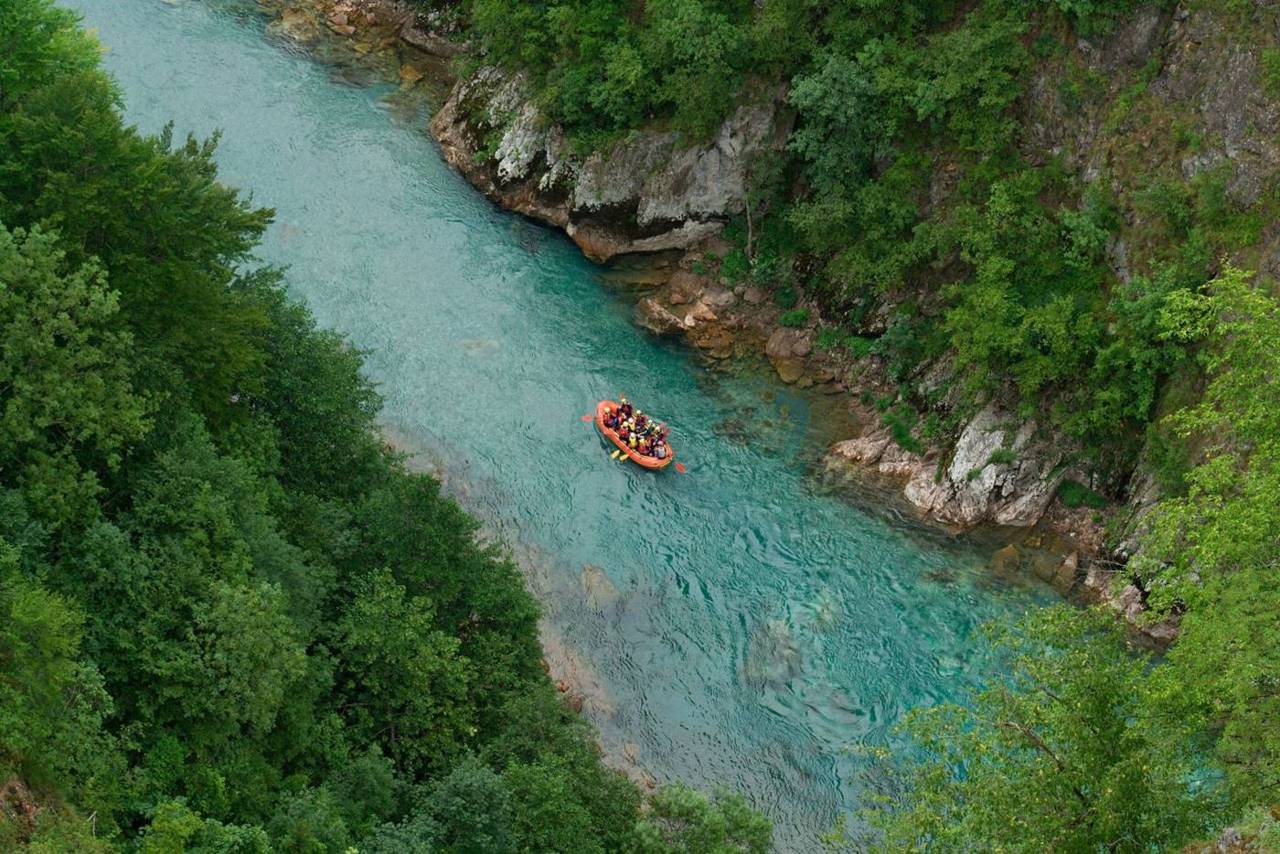
Rafting on the Tara
The Bosnian stretch of the Tara canyon, rafting from the Montenegrin border to Šćepan Polje and the rafting camps on the Drina near Foča.
 2 daysEasy
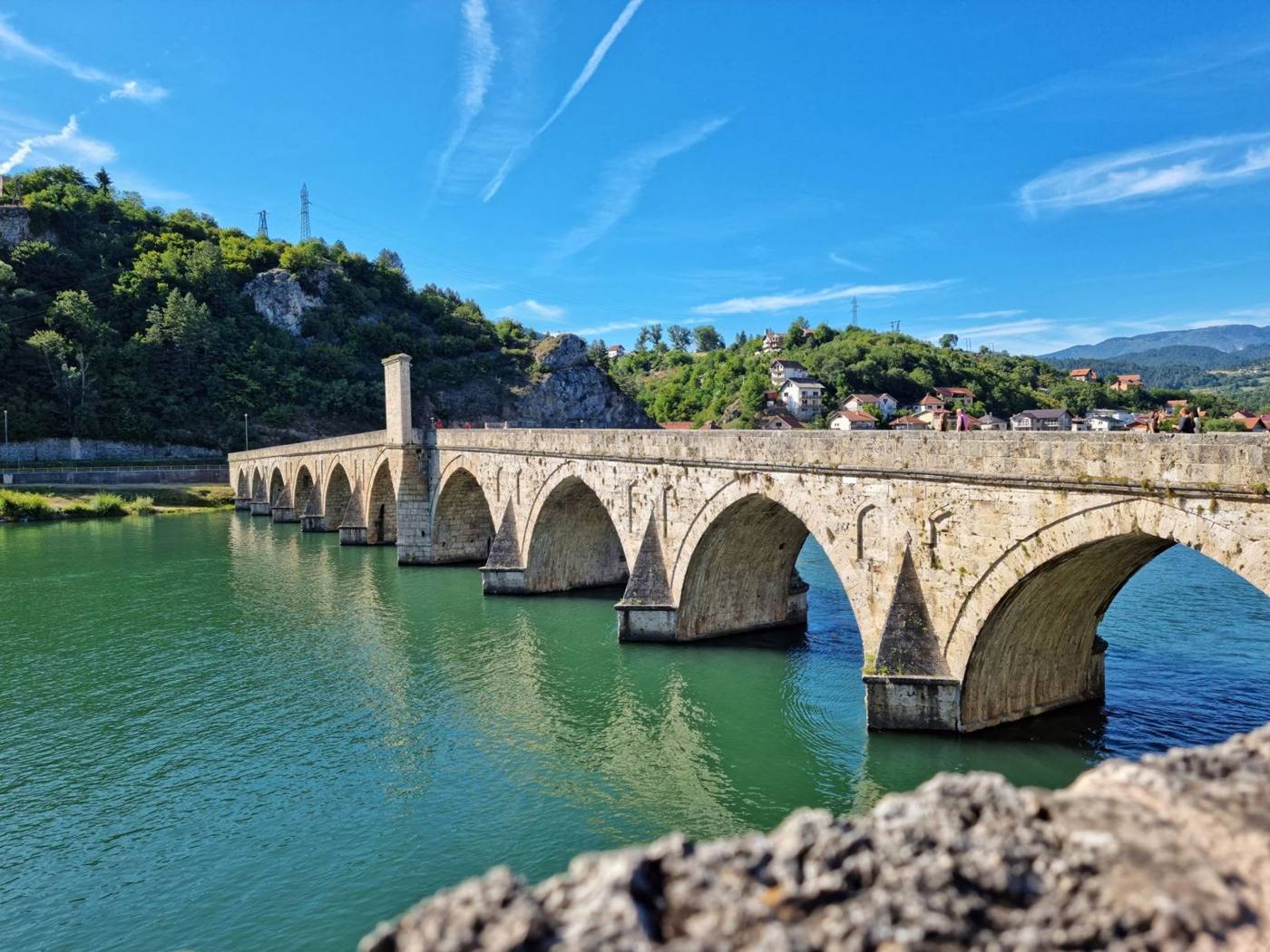
Višegrad and the Drina
The UNESCO Ottoman bridge of Mehmed Paša Sokolović made famous by Ivo Andrić's novel, the Andrićgrad quarter and the Mokra Gora steam train just over the border.
 3 daysEasy
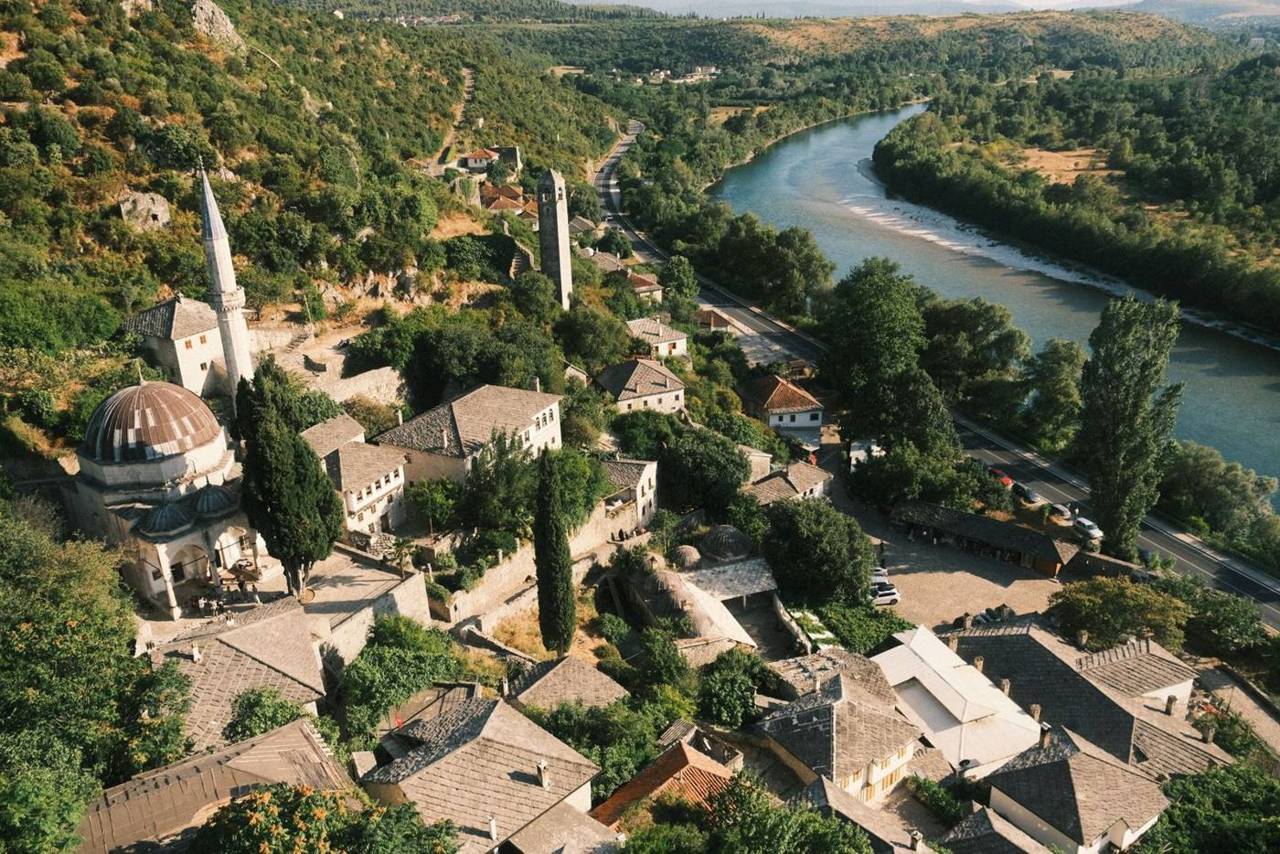
Počitelj and Stolac
The Ottoman stone village of Počitelj on the Neretva, the medieval stećci tombstones of Radimlja, Stolac with its mills and the Hutovo Blato marsh with its birds.