Brasília and the Chapada dos Veadeiros
Oscar Niemeyer's modernist capital, a UNESCO World Heritage site, and the Chapada dos Veadeiros plateau in the cerrado, with canyons, waterfalls, quartz rocks and the Valley of the Moon.
- Brasília
- Alto Paraíso de Goiás
- São Jorge
- Vale da Lua
- Cavalcante
Day by day
- Day 1
Brasília: the Monumental Axis and the cathedral
Brasília, the capital of Brazil, is one of the most unusual cities in the world: built from nothing in less than four years on the central plateau and inaugurated in 1960, it was laid out by the urban planner Lúcio Costa in the shape of an aeroplane, or a bird, with the residential districts as wings and the axis of the seats of power as the body, while the architect Oscar Niemeyer designed its most famous buildings. It has been a UNESCO World Heritage Site since 1987. About three and a half hours away lies the Chapada dos Veadeiros, a savannah plateau of canyons, waterfalls and quartz crystals. In six days you see Brasília, the Chapada and the Kalunga territory.
You arrive by plane at Brasília airport, with flights from São Paulo, Rio and other Brazilian cities, or from Lisbon.
In the afternoon, travel along the Eixo Monumental, the Monumental Axis, the great central avenue with ministries and public buildings. Visit the metropolitan cathedral, one of Niemeyer's masterpieces, with sixteen curved concrete columns rising to the sky like joined hands or a crown of thorns, and inside coloured stained glass and suspended angels. In front stand statues of the four evangelists.
Then go up the TV tower, whose viewing platform shows the city's aeroplane plan, and at the weekend visit the craft market at its foot.
In the evening, sleep in Brasília.
Practical tip: Italian citizens enter Brazil without a visa for tourism. The United States has Brazil at level 2: in Brasília the central areas are calm by day; in the evening, get around by taxi.
- Day 2
Brasília: Congress, the Alvorada Palace and Lake Paranoá
In the morning, go to the Praça dos Três Poderes, the Square of the Three Powers, at the tip of the Monumental Axis, where the buildings of the three branches of the state stand. The National Congress, with its twin towers between two great domes, one facing up and one facing down, is the symbol of the city: the inverted dome houses the Senate, the upright one the Chamber. Next to it are the Planalto Palace, seat of the presidency, with its slender, light columns, and the Supreme Federal Court.
Visit also the Itamaraty Palace, the foreign ministry, surrounded by a reflecting pool, with gardens by Roberto Burle Marx and a great unsupported spiral staircase. Some buildings can be visited on guided tours on set days.
In the afternoon, go to the Alvorada Palace, the president's official residence on the shore of Lake Paranoá, with its white sail-shaped columns, seen from outside. Visit also the Dom Bosco chapel, whose blue glass walls fill the interior with blue light in the afternoon, and the JK bridge, with three great steel arches leaping across the lake.
At sunset, watch the sun go down over Lake Paranoá, an artificial lake created for the city.
In the evening, sleep in Brasília.
Practical tip: Brasília is built for cars, with great distances between buildings. Use taxis or cars with drivers, or hire a car right away for the Chapada.
- Day 3
The road to Alto Paraíso and São Jorge
In the morning, leave Brasília heading north-east through the cerrado, the savannah of central Brazil, one of the most species-rich environments in the world, with low thick-barked trees, tall grasses and flowers. The road climbs onto the plateau to Alto Paraíso de Goiás, about three and a half hours away.
The Chapada dos Veadeiros is an ancient quartzite plateau, among the oldest on Earth, at more than a thousand metres. The national park, a UNESCO World Heritage Site since 2001 together with nearby Emas park, protects canyons, waterfalls, grassy plains and buriti palms along the streams. The area is also known for the quartz crystals underground, which have attracted alternative and spiritual communities.
Alto Paraíso is a small town with shops selling natural products, crystals and vegetarian food. Stop for lunch, then continue for about half an hour on a dirt road to São Jorge, a smaller, quieter village with red earth streets at the entrance to the national park.
In the afternoon, if there is time, visit a waterfall outside the park, such as Raizama, with its pools in a canyon, or rest.
In the evening, look at the starry sky of the Chapada, far from lights.
In the evening, sleep in São Jorge.
Practical tip: in the rainy season, from November to March, rivers can rise suddenly in flash floods. Do not stay in stream beds when it rains upstream and listen to the guides.
- Day 4
The national park: the Saltos and Cânions trails
In the morning, enter Chapada dos Veadeiros National Park through the São Jorge entrance at opening time. There are two main trails, done on different days or, if you are fit, one in the morning and one in the afternoon.
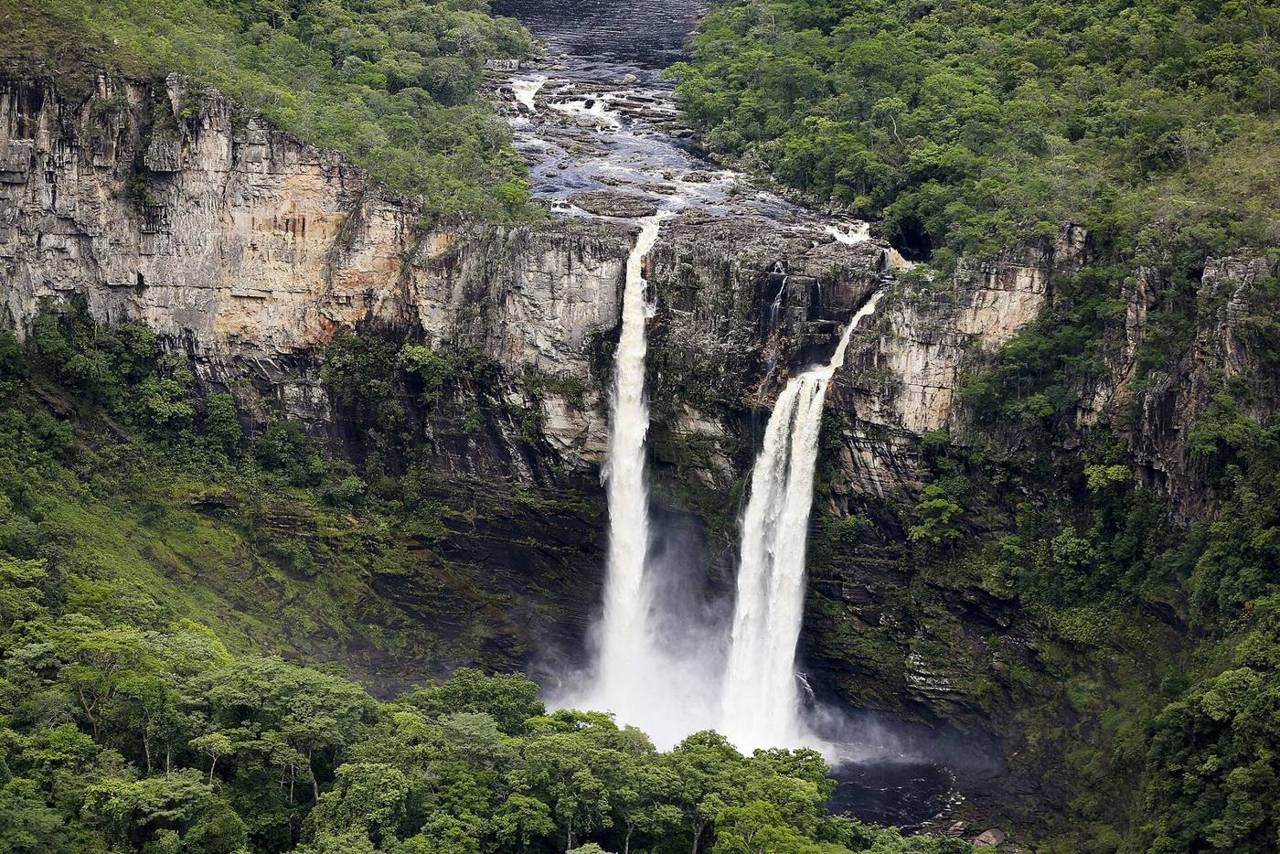
The Saltos do Rio Preto trail, about ten kilometres there and back, leads to two large waterfalls. The first, the 120-metre fall, is seen from a viewpoint: the water drops vertically into a rock canyon. Then the trail descends to the foot of the 80-metre fall, which ends in a large dark pool where you can swim. Along the way are the Corredeiras, rapids and natural pools on the rock.
The Cânions trail, about twelve kilometres there and back, follows the Preto river between the walls of Canyon 1 and Canyon 2, where the water runs through narrow gorges of dark rock, and the Cariocas waterfall, with its stepped pools.
Along the trails you see the cerrado landscape, quartzite rocks, everlasting flowers and sometimes animals such as the maned wolf, the rhea, toucans and monkeys.
In the afternoon, return to São Jorge and rest.
In the evening, sleep in São Jorge.
Practical tip: in the park, trail entry closes in the late morning so that walkers return before dark. Arrive early and check the times and trail rules, which sometimes require a guide.
- Day 5
Vale da Lua and the Loquinhas waterfalls
In the morning, go to the Vale da Lua, the valley of the moon, a few kilometres from São Jorge, in a private reserve. Here the São Miguel river has carved the grey rock into incredible shapes, with holes, channels, basins and smooth surfaces that look like a lunar landscape. The clear water runs between the rocks, forming small waterfalls and natural pools where you can swim. The path is short, about a kilometre.
In the afternoon, go to the Loquinhas waterfalls, near Alto Paraíso, also in a private reserve. A boardwalk crosses the forest along a stream and links a series of small waterfalls and emerald-green and blue pools, where you swim in a calm, shady setting. It suits those who do not want to walk much too.
Alternatively, you can climb to the Morro da Baleia viewpoint, the whale hill, for sunset over the cerrado plain, or visit the Jardim de Maytrea, a plain with buriti palms and flowers that turns golden at sunset.
In the evening, sleep in Alto Paraíso, which has more places to eat.
Practical tip: Vale da Lua and Loquinhas are in private reserves with an entry fee. In the rainy season the Vale da Lua may close when the river rises: check before going.
- Day 6
Cavalcante and the Santa Bárbara waterfall in Kalunga territory, then back
Early in the morning, drive north to Cavalcante, about an hour and a half from Alto Paraíso, a small town born in the eighteenth century with the gold mines.
From here you enter the Kalunga territory, the largest quilombola community in Brazil: the Kalunga descend from enslaved Africans who fled the mines and took refuge in these isolated valleys, where they lived for centuries with almost no outside contact. Today the community runs tourism on its land, with compulsory local guides.
The Santa Bárbara waterfall is the most famous spot: a waterfall dropping into a pool of incredibly turquoise and blue water, surrounded by rock and forest. You reach it by car on a dirt road and then on foot, with a Kalunga guide. You can swim, but with limited times and numbers of people.
In the early afternoon, head back to Brasília, about five and a half hours from Cavalcante, or spend another night in the Chapada and leave the next day.
This trip combines well with Jalapão further north, with its dunes and springs, or with the Pantanal and Bonito to the west.
Practical tip: in Kalunga territory access is regulated by the community, with compulsory local guides and a limited number of visitors per day. Book ahead and respect the rules: at some times the waterfall may be closed.
For those who love walking and the nature of the cerrado. In Brasília the United States advises against the outlying satellite cities at night: stay in the Plano Piloto. In the rainy season (November-March) rivers can rise suddenly: never swim in a canyon when it rains upstream. The Santa Bárbara falls can only be visited with Kalunga community guides, in limited numbers.
Before you go
- Documents and visa
- Valid passport; no visa for tourism up to 90 days for EU citizens.
- Health and vaccines
- No compulsory vaccines arriving from Europe; yellow fever is recommended for the Amazon and some inland areas. Protect yourself against mosquitoes because of dengue. Emergencies: 190 police, 192 ambulance, 193 fire.
- Money and payments
- Brazilian real. Cards and instant payments are everywhere; carry little cash.
- Power sockets
- Type N, plus C, 127 or 220 volts depending on the city: check the voltage before plugging in devices.
- Time zone
- Rio and São Paulo are UTC-3 all year: Brazil does not use daylight saving time.
- Safety
- The United States rates Brazil level 2 for crime, with level 4 within 160 km of land borders (except Foz do Iguaçu and the Pantanal). No favelas without a community guide. Official advice: GOV.UK.
Information checked in November 2026 for Italian and EU citizens. Rules change: always check before you travel.
Variations
In 3 days: one day in Brasília and two in the Chapada.
In 10 days: add Jalapão, with its dunes and springs.
Frequently asked questions
When is the best time to go?
From May to September, in the dry season, with clear skies and dry trails. From November to March it rains a lot: the waterfalls are finer but there is a risk of floods and some areas close.
Do I need guides?
On some park trails and in Kalunga territory a local guide is compulsory. In the private reserves you pay an entry fee.
Do I need a car?
Yes, it is very useful: distances between Brasília, Alto Paraíso, São Jorge and Cavalcante are long and some roads are unpaved.
Indicative itinerary written by World Atlas. Before booking, check timetables, seasonal openings, documents and safety.
 7 daysEasy
Recife, Olinda and the Coral Coast
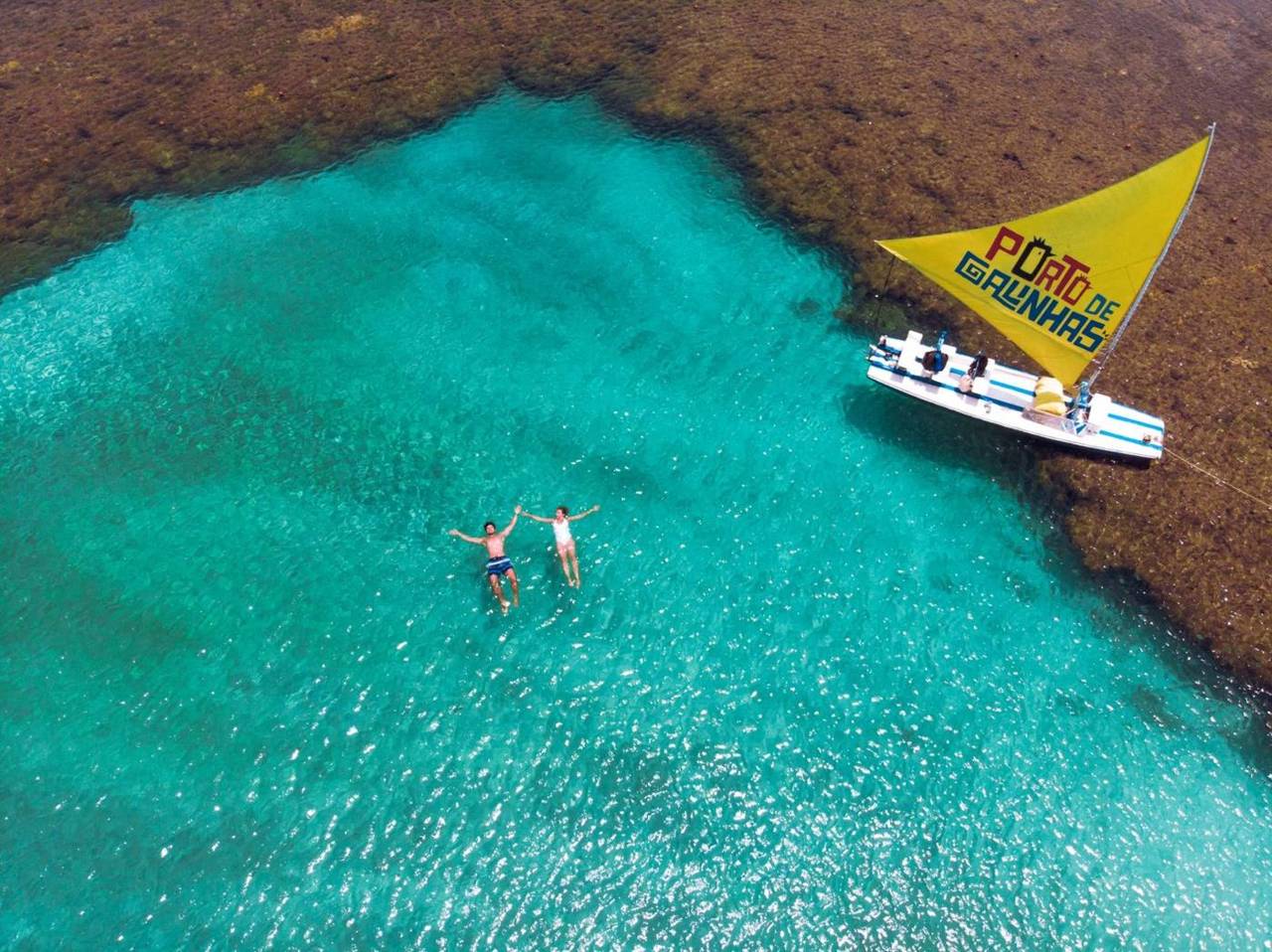
The colonial north-east and the natural pools: Olinda with its baroque churches on the hill, Recife and its bridges, Porto de Galinhas, Maragogi and São Miguel dos Milagres, where at low tide you swim among corals and fish in shallow, clear water.
 6 daysEasy
São Paulo and the coast of Ilhabela and Ubatuba
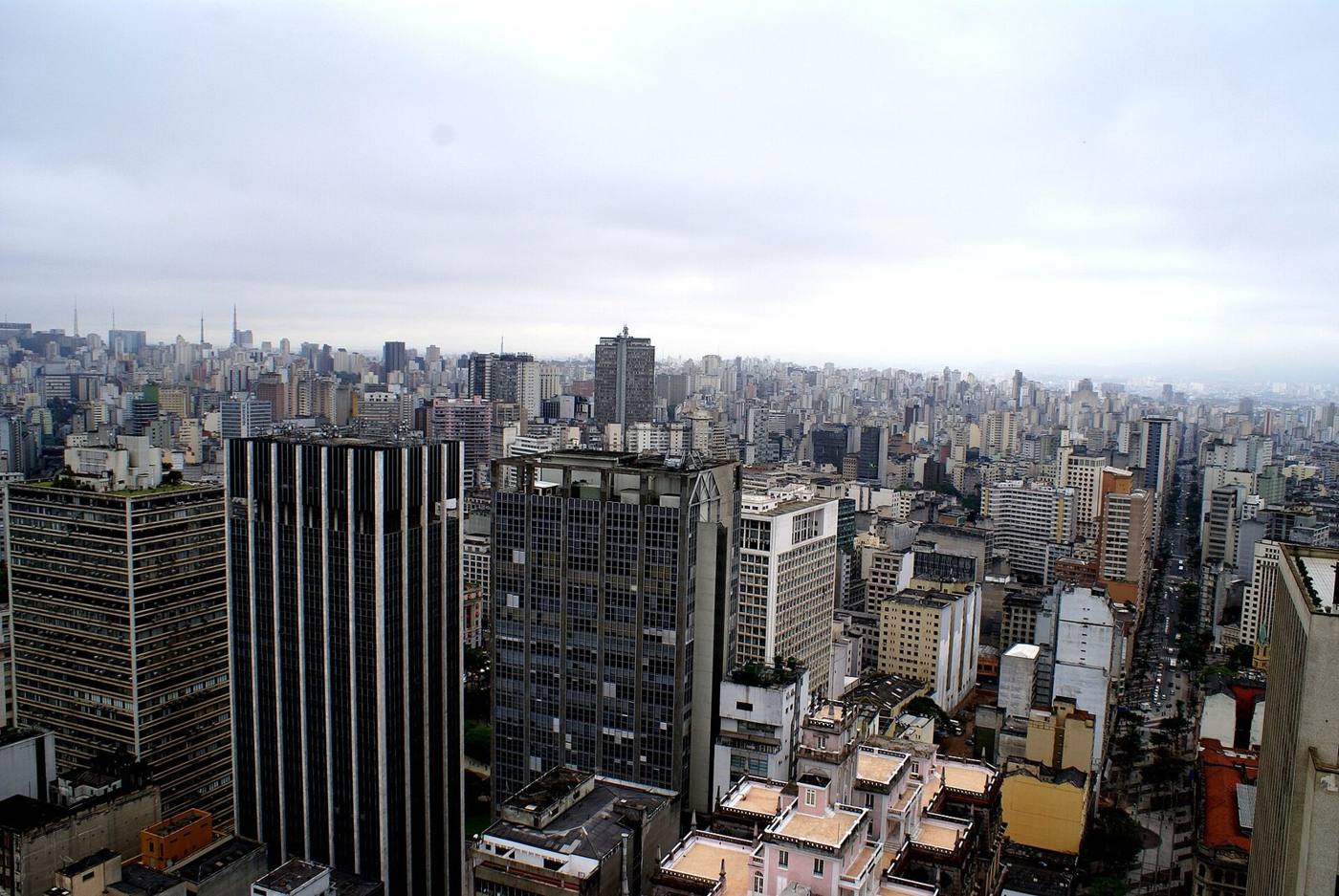
South America's largest metropolis with its museums, markets and food from every corner of the world, then the Costa Verde: Ilhabela island with waterfalls in the Atlantic forest and the beaches of Ubatuba.
 7 daysModerate
Belém, Marajó and Alter do Chão
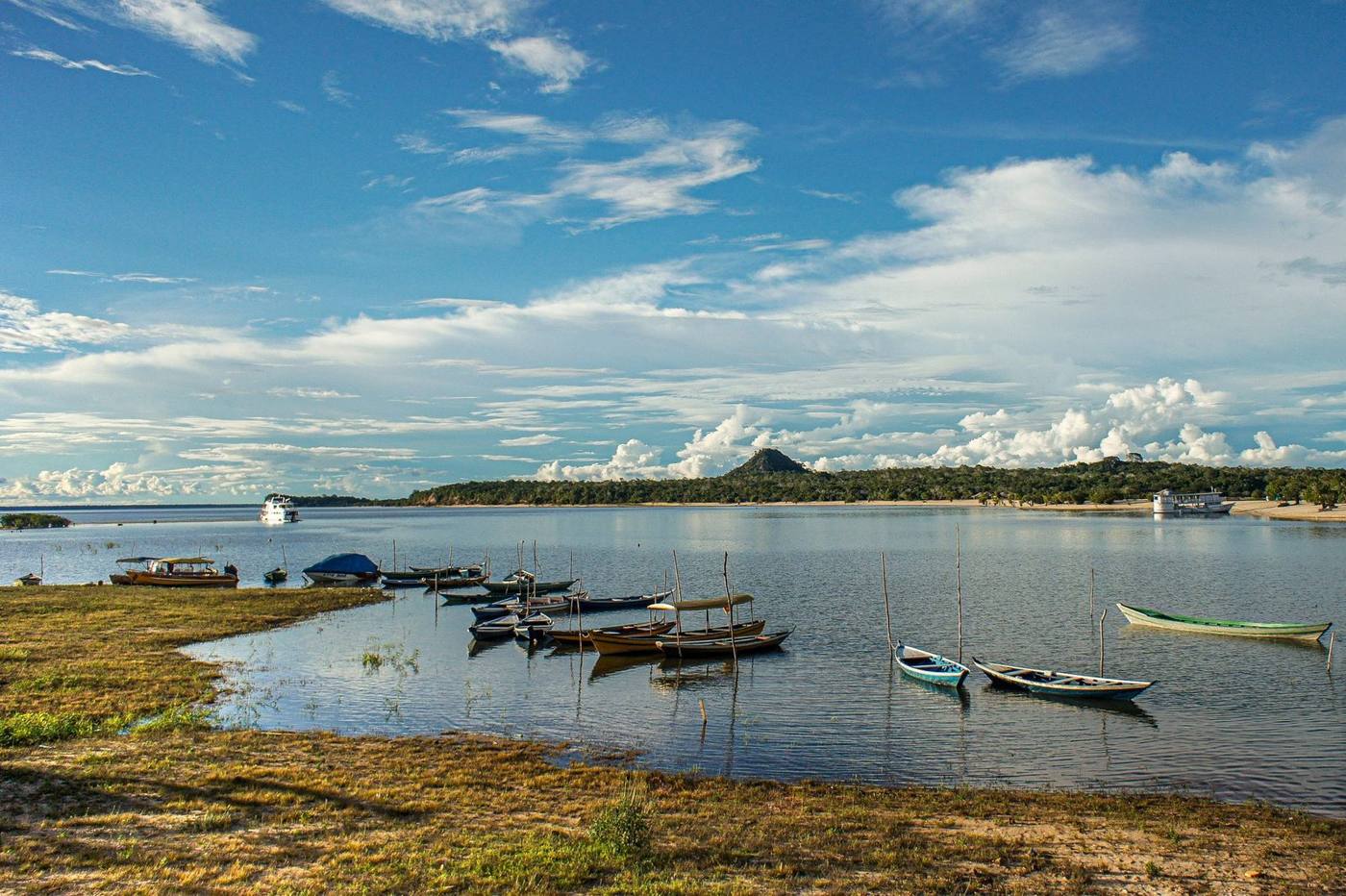
The eastern Amazon, along the great river: the Ver-o-Peso market in Belém, Marajó island with its buffaloes and ranches, and Alter do Chão on the Tapajós river, with white-sand freshwater beaches and the Tapajós National Forest.