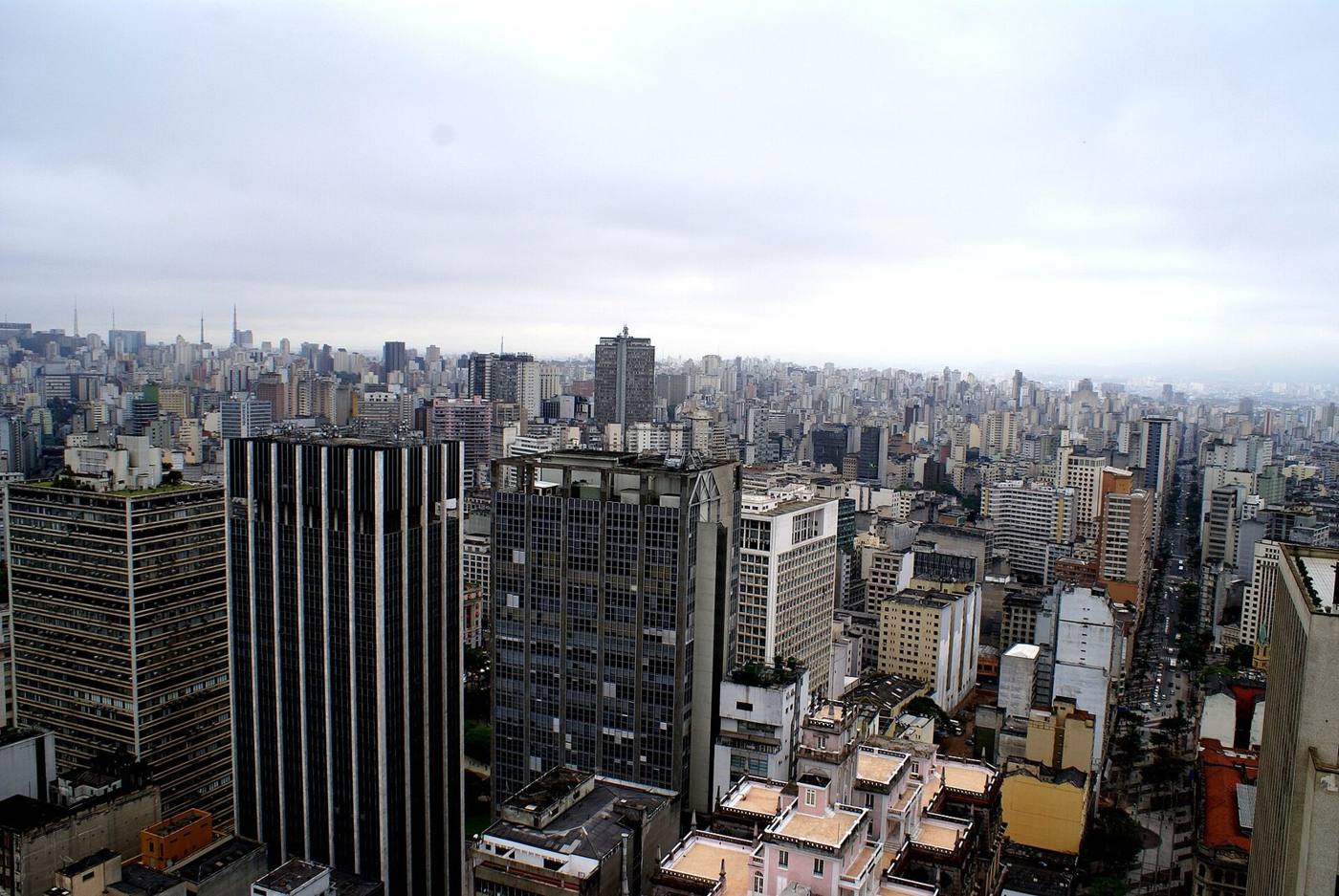
São Paulo and the coast of Ilhabela and Ubatuba
South America's largest metropolis with its museums, markets and food from every corner of the world, then the Costa Verde: Ilhabela island with waterfalls in the Atlantic forest and the beaches of Ubatuba.
- São Paulo
- Ilhabela
- Ubatuba
Day by day
- Day 1
São Paulo: Avenida Paulista and MASP
São Paulo is the largest city in Brazil and the southern hemisphere, with over twelve million people in the city and more than twenty million in the metropolitan area: a metropolis of skyscrapers, museums, neighbourhoods of immigrants from all over the world and one of the most varied cuisines on the continent. About three hours away towards the sea is the north coast of São Paulo state, with the island of Ilhabela, covered in Atlantic forest and waterfalls, and the beaches of Ubatuba. In six days you see São Paulo, Ilhabela and Ubatuba.
You arrive at Guarulhos international airport, with direct flights from Europe.
In the afternoon, walk along Avenida Paulista, the great avenue of skyscrapers, banks and cultural centres, the symbol of the city. On Sundays it is closed to cars and fills with people, musicians and stalls.
Visit MASP, the São Paulo Museum of Art, in a building designed by the Italian-Brazilian architect Lina Bo Bardi and opened in 1968: a red glass and concrete box suspended on four pillars, with a large covered square underneath. Inside is the most important collection of European art in Latin America, with works by Raphael, Titian, Van Gogh, Renoir, Modigliani and others, displayed on glass easels as the architect intended.
In the evening, taste the city's food in the Jardins or Pinheiros districts.
In the evening, sleep in São Paulo.
Practical tip: Italian citizens enter Brazil without a visa for tourism. The United States has Brazil at level 2: in São Paulo in the evening, use taxis booked through an app and do not show phones or jewellery in the street.
- Day 2
São Paulo: the Pinacoteca, the Municipal Market and Liberdade
In the morning, visit the Pinacoteca do Estado, the city's oldest art museum, in a nineteenth-century brick building renovated with glass-roofed courtyards and walkways. It holds Brazilian art from the colonial period to today, with paintings of rural life and the country's landscapes.
Then go to the historic centre, with the neo-Gothic Sé cathedral, the monastery of São Bento, where monks sing Gregorian chant on Sundays, and the Pátio do Colégio square, where the Jesuits founded the city in 1554.
For lunch, go to the Municipal Market, a large 1930s covered market with stained-glass windows depicting work in the fields. The stalls sell every kind of tropical fruit, spices, cheeses and cured meats. Taste the famous mortadella sandwich, tall and generously filled, and the codfish pastel, a fried filled pastry.
In the afternoon, explore Liberdade, the Japanese quarter, with red lanterns over the streets, shops, temples and restaurants. São Paulo has the largest community of Japanese descent outside Japan, which began arriving in 1908 to work on the coffee plantations. On Sundays there is a food and craft market in the square.
In the evening, taste the neighbourhood's Japanese food.
In the evening, sleep in São Paulo.
Practical tip: in the historic centre, especially in the evening and on Sundays, watch out for pickpockets. Visit by day and carry little with you.
- Day 3
São Paulo: Ibirapuera and Beco do Batman in Vila Madalena
In the morning, go to Ibirapuera Park, the city's great green park, with lakes, tree-lined paths, cycle tracks and families running and picnicking. Many of the park's buildings were designed by Oscar Niemeyer for the city's fourth centenary in 1954, linked by a long, undulating canopy.
In the park, visit the Afro-Brazilian Museum, dedicated to the history and culture of the Africans brought to Brazil as slaves and their descendants, and the Museum of Modern Art. In some years the São Paulo Biennial pavilion, home to one of the world's most important contemporary art exhibitions, hosts major shows.
In the afternoon, go to Vila Madalena, a hillside neighbourhood with low houses, bars, art galleries and design shops. Beco do Batman is a narrow alley completely covered in graffiti and colourful murals that change often: São Paulo is considered one of the world capitals of street art.
In the evening, stay in Vila Madalena, where the bars fill with people and music, often live samba or Brazilian popular music. Taste the caipirinha, the national cocktail, made with cachaça, the sugarcane spirit, lime and sugar.
In the evening, sleep in São Paulo.
Practical tip: São Paulo traffic is among the worst in the world. To get around the city use the metro, which is fast and clean, and allow plenty of time to reach the airport.
- Day 4
Ilhabela: the ferry from São Sebastião and the waterfalls
In the morning, hire a car and drive towards the north coast, descending from the plateau to the sea along the Serra do Mar, covered in Atlantic forest, to São Sebastião, about three hours away. From here, take the ferry to Ilhabela, in about twenty minutes.
Ilhabela, the beautiful island, is a mountainous island largely covered by a state park of Atlantic forest, with more than three hundred waterfalls, quiet beaches and a single road running along the west coast. The east side, facing the ocean, can only be reached by boat or by a dirt track for 4x4 vehicles.
In the afternoon, take a walk in the forest to a waterfall, such as Cachoeira do Gato or Água Branca, in the state park, with pools of cool water for swimming among ferns, bromeliads and colourful butterflies. Monkeys, toucans and hummingbirds live in the forest.
At sunset, walk around the historic centre of the Vila, with its colonial church, low houses and pier, with views of the channel and the coast.
In the evening, taste the island's fish and seafood, such as camarão, prawns, cooked with coconut.
In the evening, sleep on Ilhabela.
Practical tip: Ilhabela is home to borrachudos, small biting flies active by day, especially near waterfalls. Bring strong repellent and light long-sleeved clothes.
- Day 5
Ilhabela: the northern beaches
Today, explore the island's beaches. In the morning, drive north along the coast road, which ends in a series of small, quiet beaches, such as Jabaquara, with calm green water surrounded by forest, where you can swim and snorkel among the rocks.
Alternatively, take a boat trip, the best way to see the isolated beaches of the north and east, reachable only from the sea. Boats stop in bays with clear water, such as Praia do Jabaquara or Ilha das Cabras, a small island with a marine protected area where you snorkel among colourful fish.
If you prefer adventure, take a 4x4 with driver along the dirt track that crosses the mountain to Castelhanos Bay, on the ocean side, a large heart-shaped bay of pale sand with a village of caiçara fishermen, descendants of the coast's Indigenous peoples and Portuguese settlers. The track is difficult and sometimes closed after rain.
In the afternoon, relax on one of the beaches in the south of the island, such as Feiticeira or Bonete, further away.
In the evening, sleep on Ilhabela.
Practical tip: the Castelhanos track can only be driven in a 4x4 with an experienced driver and is closed in bad weather. Ask about its condition before setting out.
- Day 6
Ubatuba: Prumirim and Félix beaches, then the return
In the morning, take the ferry back to São Sebastião and drive north-east along the coast to Ubatuba, about an hour and a half away, on a road following the sea between forest and bays.
Ubatuba is a coastal town with more than a hundred beaches, much loved by São Paulo residents and surfers. Stop at Prumirim beach, with turquoise water, pale sand and a waterfall near the road, or at Praia do Félix, a bay surrounded by forest, with calm water and rocks.
If you have time, visit the sea turtle conservation project in town, which protects the five turtle species of the Brazilian coast, with tanks and explanations.
In the early afternoon, start back towards São Paulo, about three and a half to four hours away, through the Serra do Mar, or continue to Paraty, about an hour and a half further north, the colonial seaside town in Rio de Janeiro state.
This trip combines well with Paraty and Ilha Grande, then Rio de Janeiro, or with the Iguaçu Falls, reachable by plane from São Paulo.
Practical tip: at weekends and on public holidays traffic between the coast and São Paulo is very heavy, with hours of queues and long waits for the ferry. If you can, travel on weekdays.
For those who want urban Brazil, food and art, plus some sea. In São Paulo use the metro and taxis or ride apps, keep your phone out of sight on the street and watch unattended drinks. The United States advises against entering favelas, even on guided tours. Ilhabela has many borrachudo insects: bring repellent.
Before you go
- Documents and visa
- Valid passport; no visa for tourism up to 90 days for EU citizens.
- Health and vaccines
- No compulsory vaccines arriving from Europe; yellow fever is recommended for the Amazon and some inland areas. Protect yourself against mosquitoes because of dengue. Emergencies: 190 police, 192 ambulance, 193 fire.
- Money and payments
- Brazilian real. Cards and instant payments are everywhere; carry little cash.
- Power sockets
- Type N, plus C, 127 or 220 volts depending on the city: check the voltage before plugging in devices.
- Time zone
- Rio and São Paulo are UTC-3 all year: Brazil does not use daylight saving time.
- Safety
- The United States rates Brazil level 2 for crime, with level 4 within 160 km of land borders (except Foz do Iguaçu and the Pantanal). No favelas without a community guide. Official advice: GOV.UK.
Information checked in November 2026 for Italian and EU citizens. Rules change: always check before you travel.
Variations
In 4 days: two days in São Paulo and two on Ilhabela.
In 10 days: add Paraty, Ilha Grande and Rio de Janeiro.
Frequently asked questions
When is the best time to go?
From April to October, with less rain and milder temperatures. In summer, from December to March, it is hot with frequent afternoon rain, and the coast is very crowded.
Is São Paulo safe?
The United States has Brazil at level 2. Use taxis booked through an app, avoid showing phones and jewellery, and avoid the historic centre in the evening.
Do I need a car?
Not in the city, where the metro is convenient. For the coast yes, or you can take buses to São Sebastião and Ubatuba.
Indicative itinerary written by World Atlas. Before booking, check timetables, seasonal openings, documents and safety.
 7 daysModerate
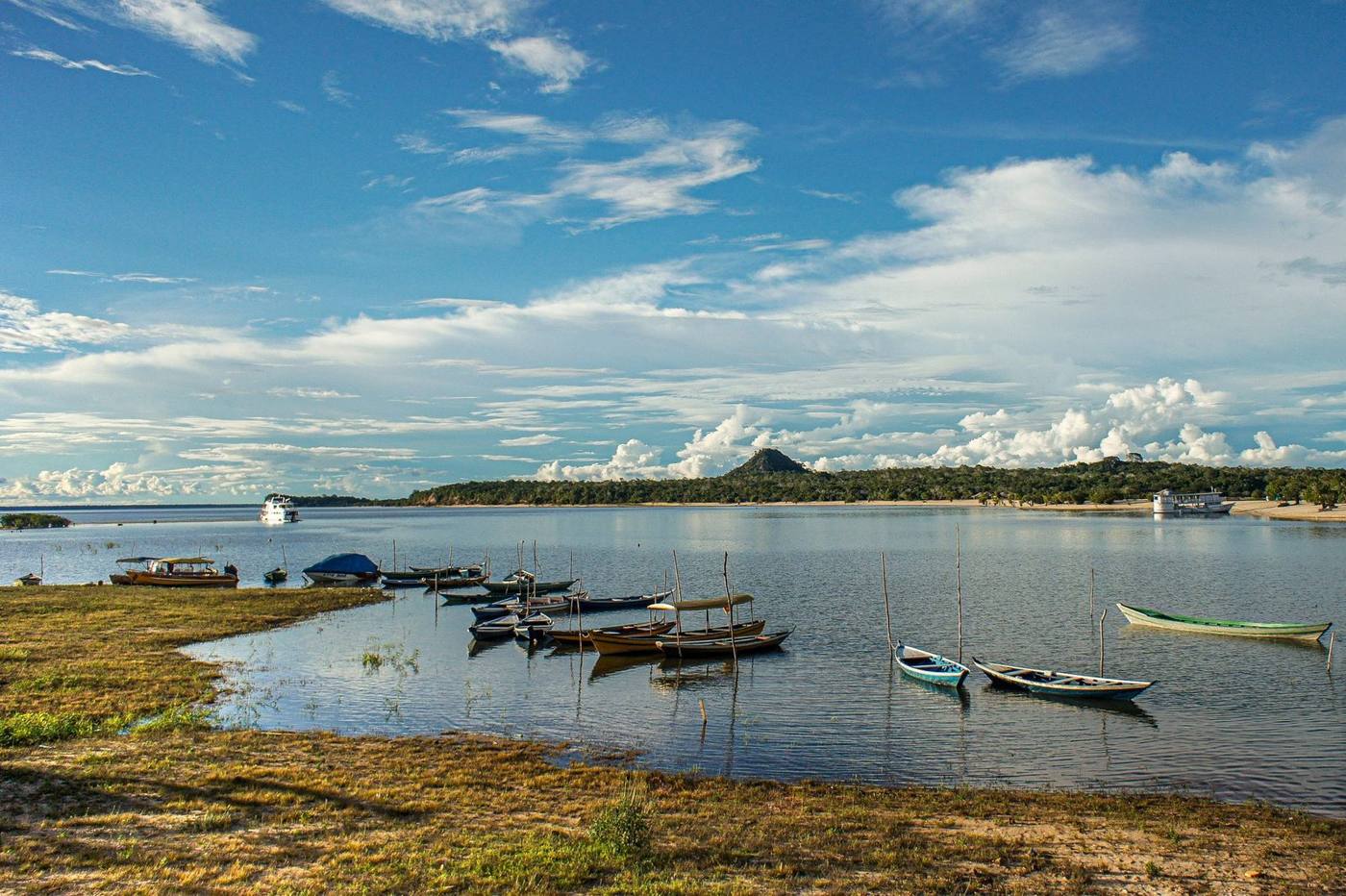
Belém, Marajó and Alter do Chão
The eastern Amazon, along the great river: the Ver-o-Peso market in Belém, Marajó island with its buffaloes and ranches, and Alter do Chão on the Tapajós river, with white-sand freshwater beaches and the Tapajós National Forest.
 8 daysEasy
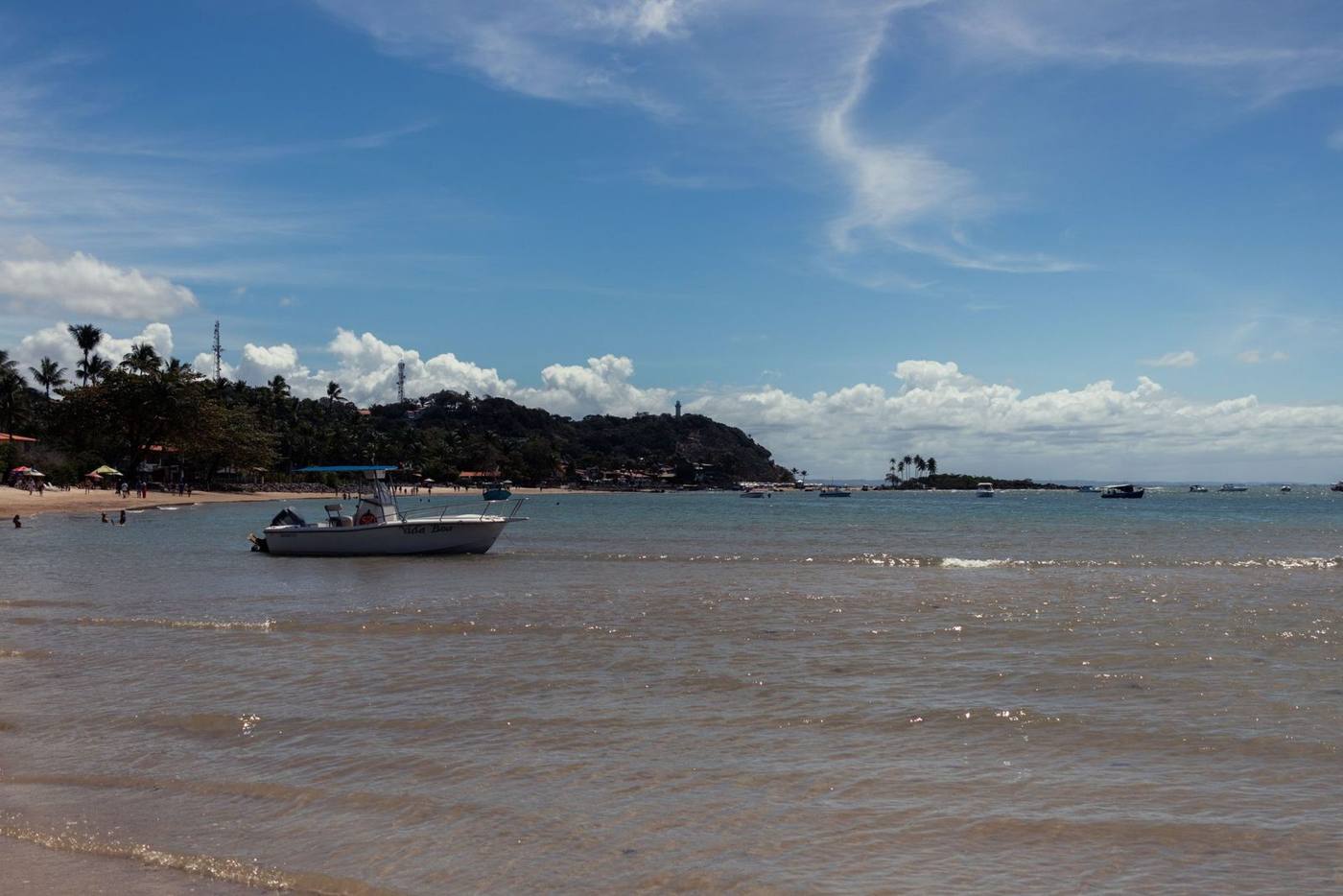
Southern Bahia: Morro de São Paulo, Boipeba and Itacaré
The islands and beaches south of Salvador: Morro closed to cars de São Paulo, Boipeba with its fishing villages and natural pools, the Maraú peninsula and Itacaré, between Atlantic forest, surf waves and cocoa.
 6 daysEasy
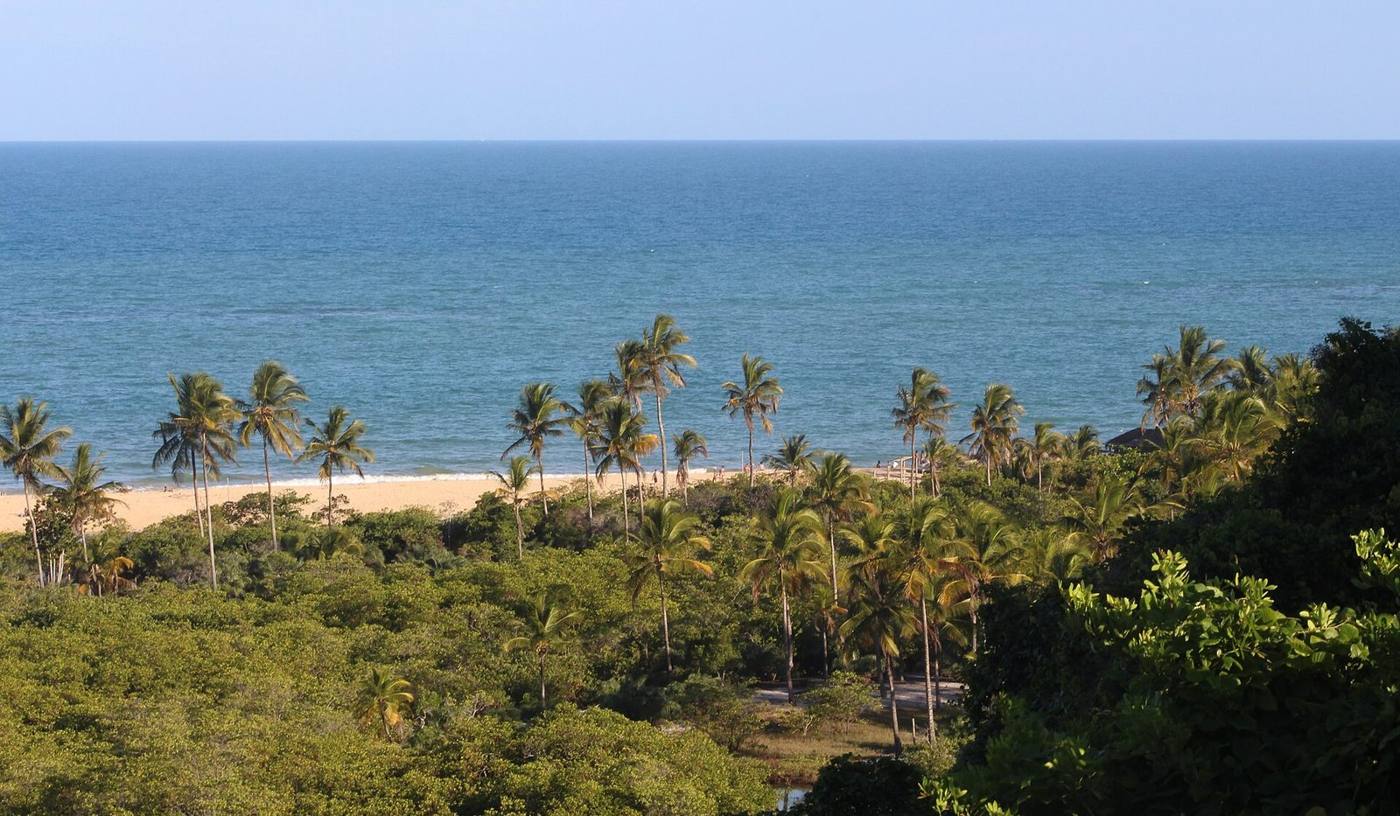
Trancoso and Caraíva
The coast where Brazil was discovered, south of Porto Seguro: the Quadrado of Trancoso with its colourful houses and white church above the sea, the cliffs of Arraial d'Ajuda, the village closed to cars of Caraíva with no paved roads and the Pataxó village of Barra Velha.