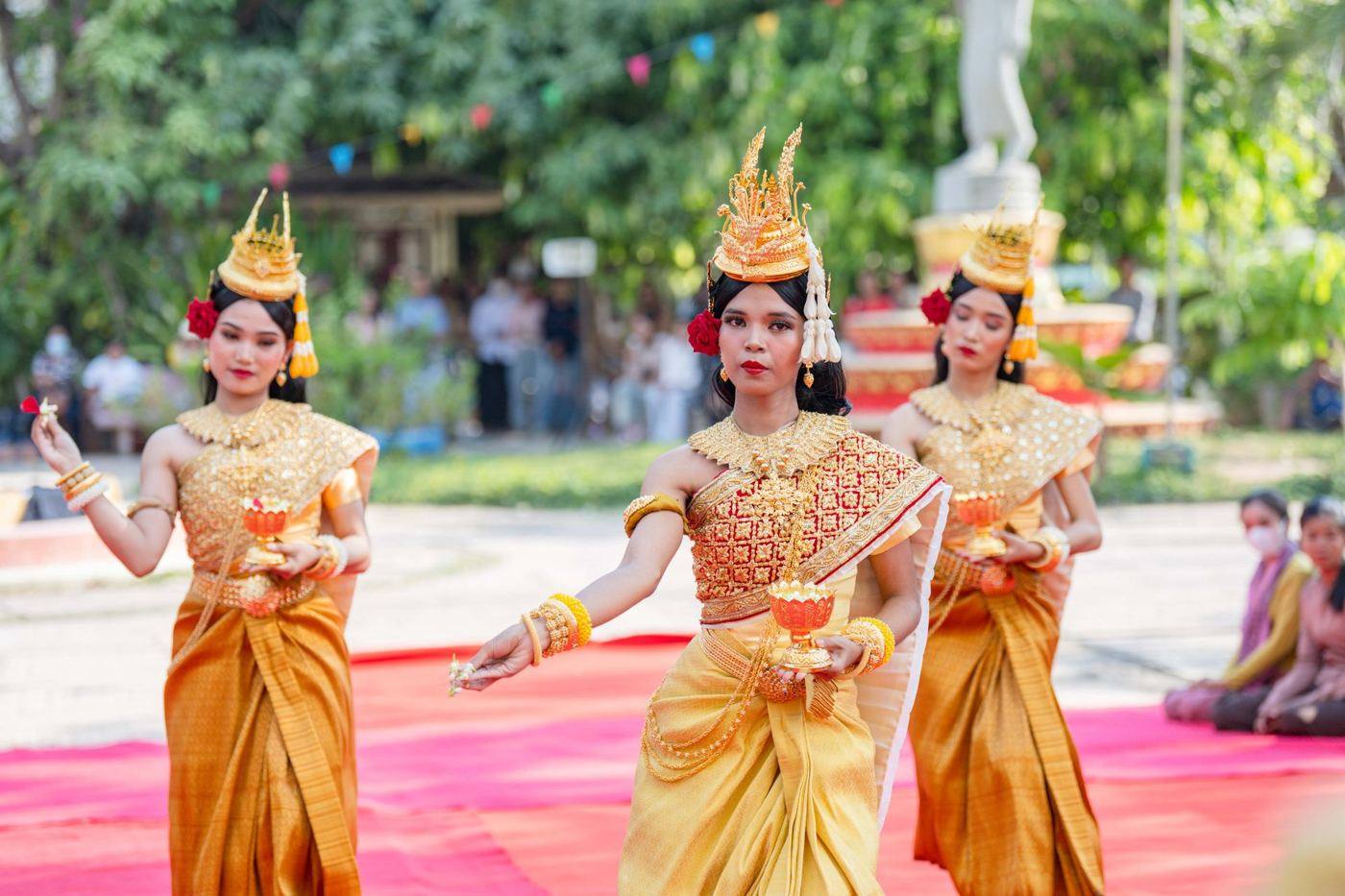
Battambang
Cambodia's second city with its colonial houses, the bamboo train, Phnom Sampeau hill with millions of bats streaming out at dusk and the Phare circus.
- Battambang
- Phnom Sampeau
- Wat Banan
Day by day
- Day 1
Battambang on foot and by bicycle
This three day trip tells the story of Battambang, Cambodia's second city, on the Sangker River: the colonial houses, the bamboo train, the hilltop temples, the bats of Phnom Sampeau and the young people's circus. You get around on foot, by bicycle, by tuk-tuk and by boat or bus.
Before you go: Italian citizens need a visa for Cambodia. Apply for the tourist e-visa only on the official website evisa.gov.kh, with a passport valid for at least six months from entry, and before arrival also fill in the electronic arrival form. Other nationalities should check their own rules.
Safety: the British government advises against all but essential travel within 20 kilometres of the border with Thailand. After the 2025 fighting there is a ceasefire, but the crossings are closed. Battambang and the surrounding hills lie more than fifty kilometres from the border: arrive from Phnom Penh or Siem Reap and do not head towards Pailin and the frontier. In the countryside stay on the paths: this province was among the most heavily mined in the country.
In the morning walk along the river, among French shophouses with coloured shutters, and visit the central market, Psar Nat, in a building from the 1930s. In the afternoon hire a bicycle and ride through the riverside villages, among orchards, rice paper workshops and pagodas.
In the evening watch the show by the circus born from an art school for the town's young people, with acrobatics, music and theatre. Check prices and times.
Sleep in Battambang, for two nights.
Practical tip: in Battambang tuk-tuks are hired for half a day or a full day: agree the route before you set off.
- Day 2
The bamboo train, Wat Banan and the bats
Today you head into the countryside: the bamboo train, the temple on Banan hill and, at sunset, the bats of Phnom Sampeau.
In the morning ride the bamboo train, the norry: a bamboo platform resting on two axles with wheels and pushed by a small engine. It was once used by farmers to carry rice along the railway; today it runs on a short stretch for visitors, fast and noisy, through the rice fields. Check prices and times.
Then go to Wat Banan, south of the city. A long stone stairway climbs to five eleventh century Khmer towers, with views over the rice fields and the river. Go up early, before the heat.
In the afternoon reach Phnom Sampeau, a hill with pagodas and caves. One of the caves remembers the victims of the Khmer Rouge, killed and thrown in here: enter with respect. At sunset go down to the foot of the hill and wait: millions of bats pour out of a crack in the rock, in a long dark cloud that stretches over the fields for many minutes.
In all these areas stay on the main paths and stairways: around the hills the war left unexploded ordnance.
Sleep in Battambang.
Practical tip: bring a head torch for the return after sunset and some mosquito repellent.
- Day 3
To Siem Reap by boat or bus
Today you leave Battambang and travel to Siem Reap, by boat on the river or by bus.
The boat leaves early in the morning and goes down the Sangker River to Tonle Sap lake, then crosses the lake towards Siem Reap. It is a long journey of many hours, but it is the best way to see life on the water: floating villages, stilt houses, fishermen with their nets, children going to school by boat. The boat only runs when the water level is high enough, usually in the months after the rains. In the dry season the river is too low and the bus is the better choice. Check prices and times in advance and wear a life jacket.
The bus takes a few hours and follows the main road to Siem Reap, away from the border strip that is advised against. You can leave later and spend the morning in Battambang, with a coffee by the river or a last visit to the market.
In these three days you have seen a relaxed side of Cambodia: the colonial houses and market of Battambang, the villages by bicycle, the young people's circus, the bamboo train, Wat Banan, the bats of Phnom Sampeau and the river down to Tonle Sap.
When to go: the best period is from November to March, when it is drier and cooler. In April and May the heat is very strong; from June to October it rains often.
Practical tip: on the boat bring water, food, a hat and sunscreen: there are few stops and the sun on the lake is strong.
A relaxed town with art, food and countryside. The Phare circus is a wonderful social project. After the 2025 clashes there is a ceasefire, but land crossings with Thailand are closed and the 20 km strip along the border is advised against: arrive from Phnom Penh or Siem Reap.
Before you go
- Documents and visa
- Passport valid for at least six months from entry and a tourist visa: apply for the e-visa only on the official website evisa.gov.kh. Before arrival, also fill in the electronic arrival form.
- Health and vaccines
- Ask your doctor about recommended vaccines at least eight weeks before, and about malaria prevention if you visit forest areas. Protect yourself from mosquitoes against dengue and drink only bottled water. Emergencies: 117 police, 118 fire service, 119 ambulance.
- Money and payments
- Cambodian riel, but the US dollar is used everywhere for larger amounts and change often comes in riel. Bring undamaged dollar notes and check the ones you receive: counterfeit notes circulate.
- Power sockets
- Universal sockets for type A and C plugs, sometimes also G, 230 volts: a universal adapter is useful.
- Time zone
- UTC+7 all year.
- Safety
- The UK advises against all but essential travel within 20 km of the land border with Thailand: after the 2025 fighting there is a ceasefire, but the situation remains tense, the crossings are closed and there are landmines in the area. The temples of Preah Vihear, Ta Krabey and Tamone Thom are closed. In the countryside and around temples stay on well used paths, as landmines and unexploded ordnance remain and are often unmarked. In Phnom Penh watch out for bag snatching from motorbikes. Official advice: GOV.UK.
Information checked in November 2026 for Italian and EU citizens. Rules change: always check before you travel.
Variations
In two days: the city and the circus on the first day, the bamboo train and the bats on the second, then the bus to Siem Reap.
In four days: add a day for a Khmer cooking class and bicycle rides through the villages along the river.
Frequently asked questions
Is Battambang safe, so close to the Thai border?
The city and the hills of Banan and Sampeau lie more than fifty kilometres from the border, outside the 20 kilometre strip the British government advises against. Do not head towards Pailin and the frontier.
Does the boat to Siem Reap run all year?
No, only when the water level is high enough, usually in the months after the rains. In the dry season take the bus.
When do the bats of Phnom Sampeau come out?
At sunset, from a cave at the foot of the hill. Arrive a little early and stay on the main paths.
Indicative itinerary written by World Atlas. Before booking, check timetables, seasonal openings, documents and safety.
 2 daysEasy
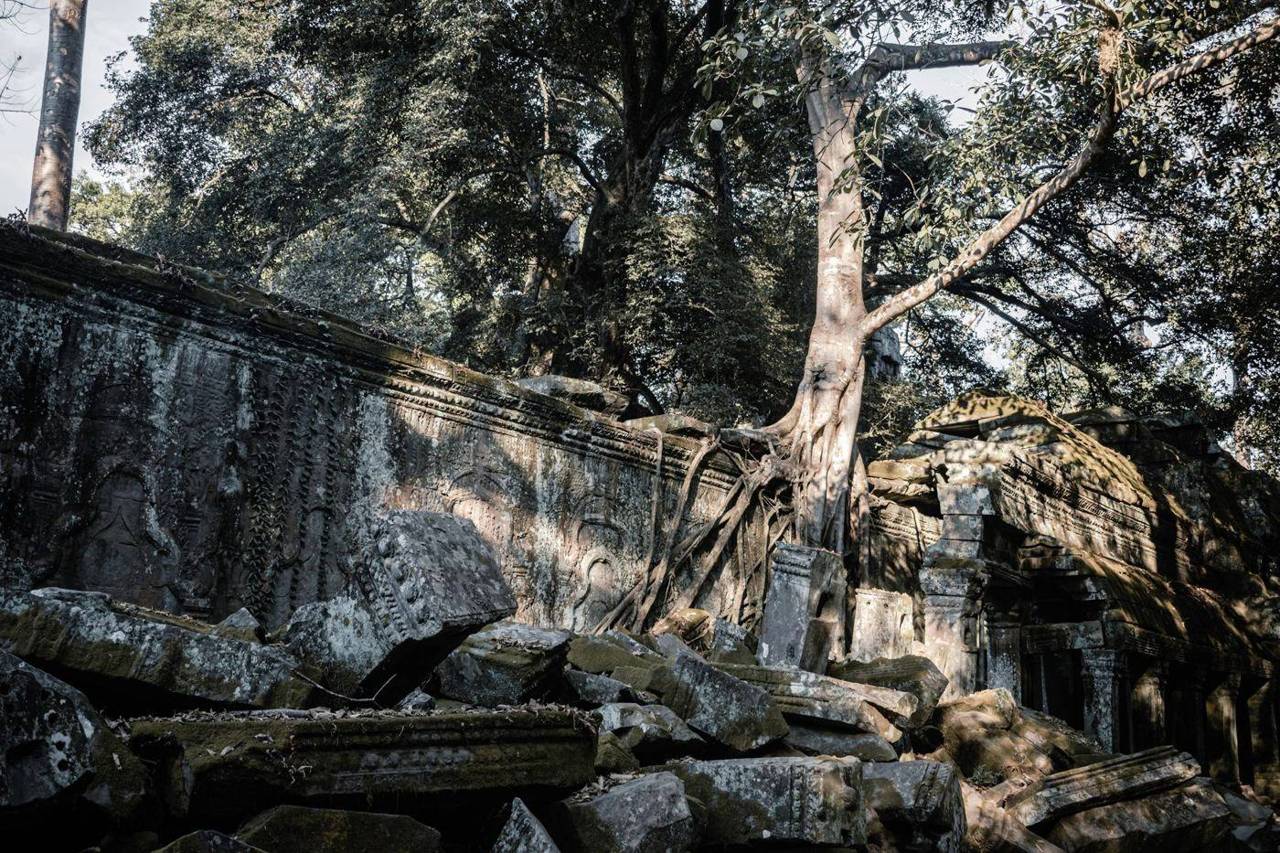
Koh Ker and Beng Mealea
The temples far from Angkor: jungle-swallowed Beng Mealea and the seven-tiered pyramid of Prasat Thom at Koh Ker, a UNESCO-listed former Khmer capital.
 2 daysEasy
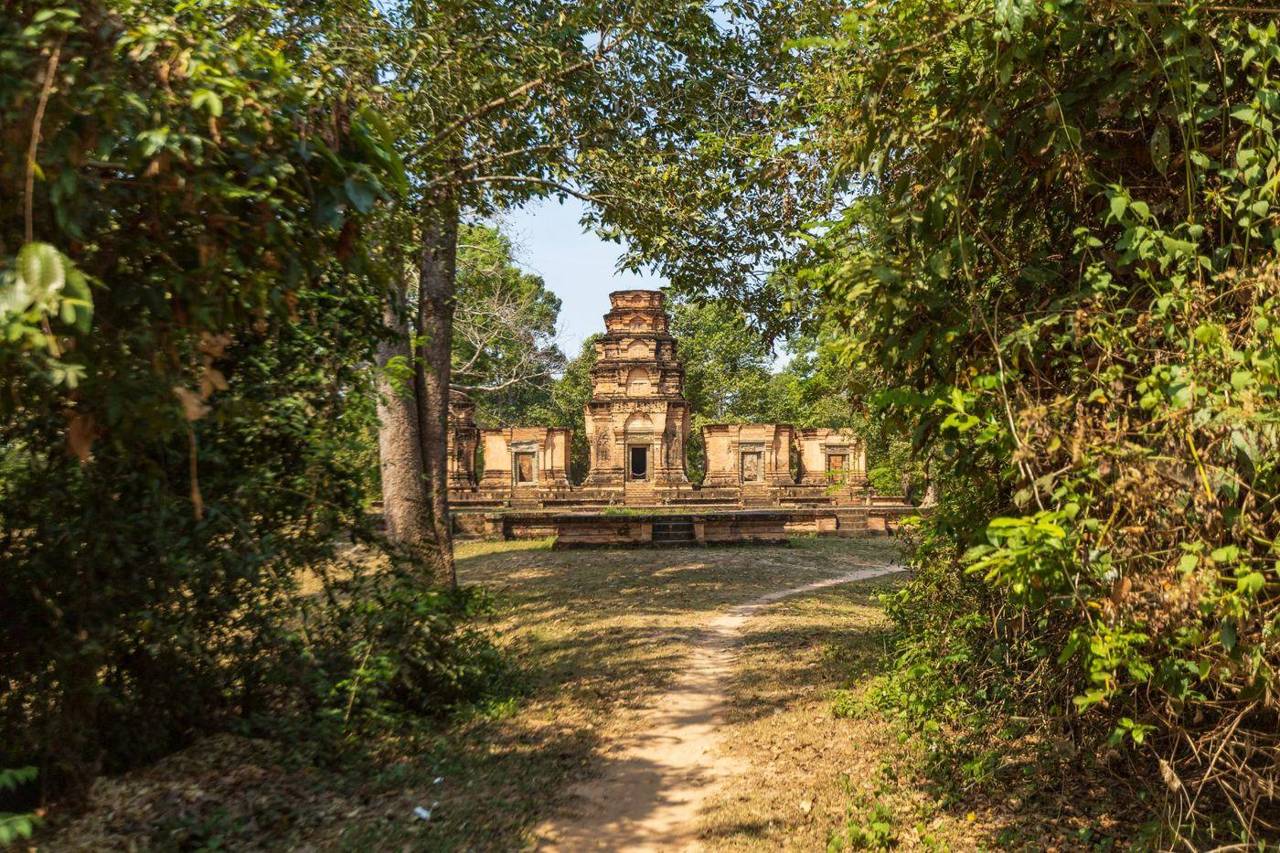
Sambor Prei Kuk
The pre-Angkorian brick temples of Sambor Prei Kuk in the forest, a UNESCO site, with a night in a village homestay and the town of Kampong Thom.
 4 daysModerate
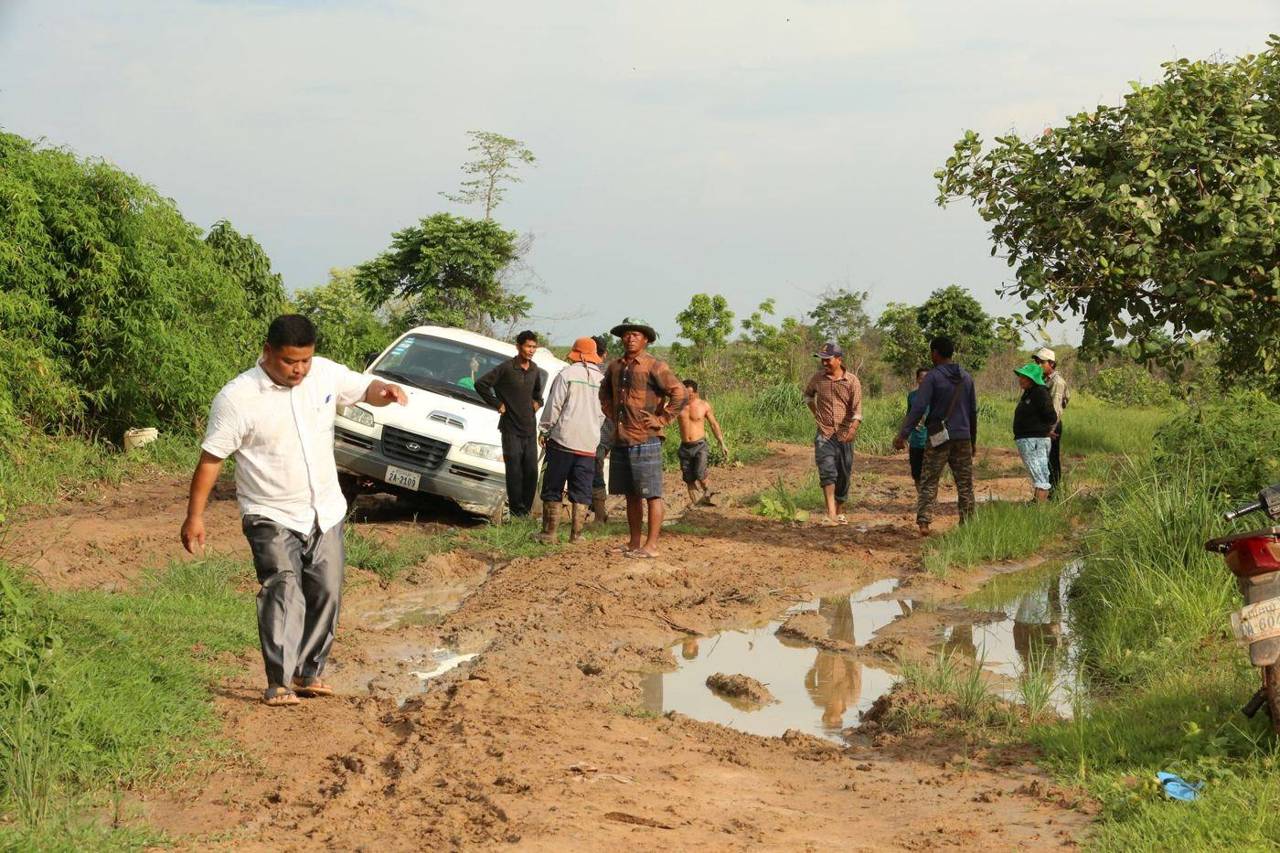
Mondulkiri
The green hills of the east: the forest elephant protection project, Bou Sra waterfall, the villages of the Bunong people and coffee plantations.