Brava
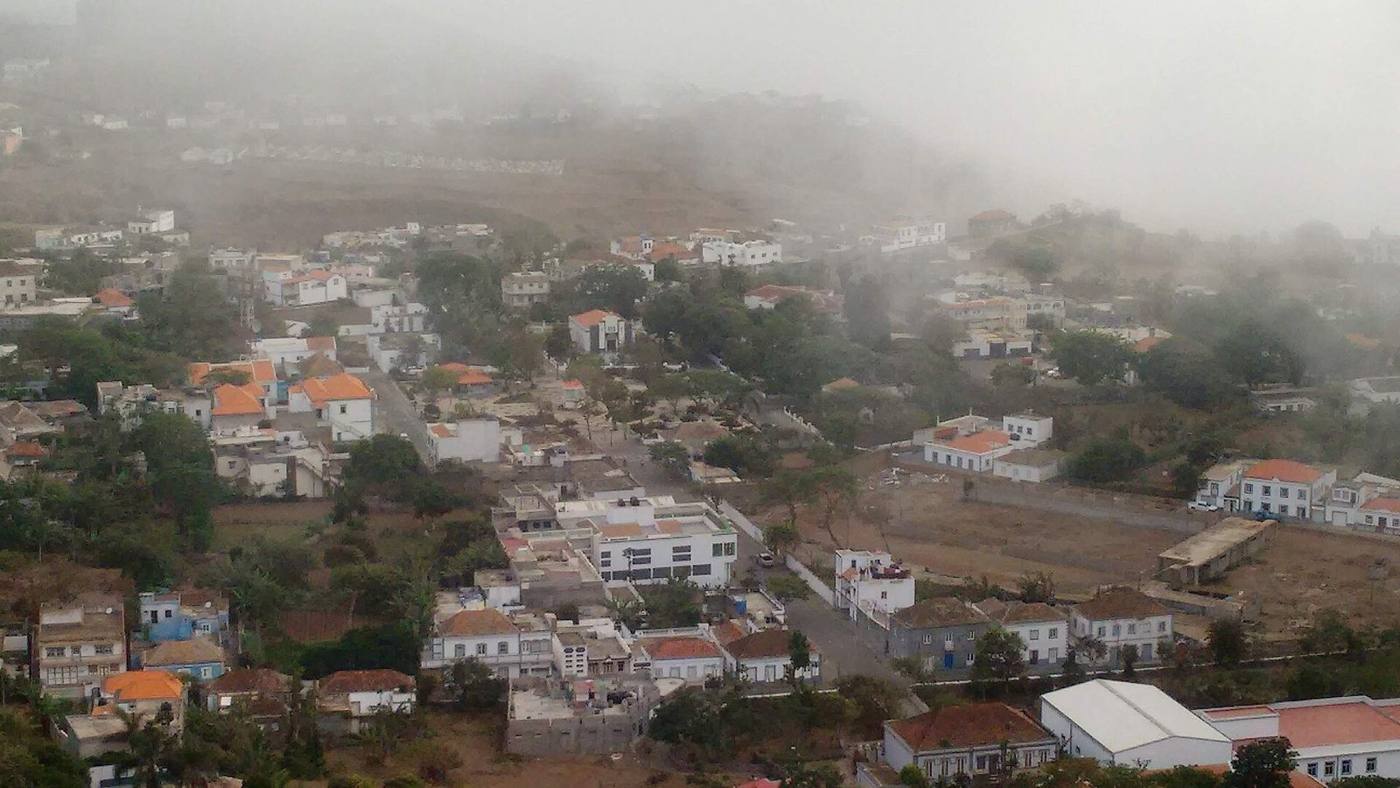
The island of flowers, the smallest inhabited one: Nova Sintra among the hydrangeas, trails down to Fajã de Água and its natural pools, and views of Fogo volcano.
- Fogo
- Furna
- Nova Sintra
- Fajã de Água
Day by day
- Day 1
The ferry from Fogo and the climb to Nova Sintra
This three-day trip takes you to Brava, the smallest of Cape Verde's inhabited islands, a few miles from Fogo. It is a mountain island, green and full of flowers, with one main town, paved paths and bays set beneath steep cliffs. You start from Fogo and return to Fogo.
Before you go: Italian citizens enter Cape Verde without a visa for up to 30 days, with a passport valid for at least three months beyond the length of the stay. Pre-registration on the official EASE platform is compulsory, with online payment of the airport security tax, at least five days before arrival: anyone arriving without it pays double at the border. Check the current amount on the portal. Other nationalities should check their own rules. The British government notes that sea travel to Brava and Fogo is often disrupted and that small earth tremors are sometimes felt.
The ferry leaves from the port of São Filipe and crosses the channel in about an hour. The sea here is often rough: sit outside, look at the horizon and take a seasickness remedy before boarding. You land at Furna, a small fishing harbour inside an old crater open to the sea.
From Furna a winding road climbs to Nova Sintra, the main town, at about five hundred metres. The town has colonial houses with gardens, a square with a bandstand and plenty of hydrangeas and bougainvillea. Eugénio Tavares lived here, the poet who wrote some of the most famous mornas in Creole: look for his bust and his house.
Practical tip: buy the ferry ticket the day before and ask for confirmation of the time that evening, because departures change with the weather.
- Day 2
On foot to Fajã de Água
Today is the day of the island's great path: from Nova Sintra you walk down to the bay of Fajã de Água, on the west coast. It is a descent of a few hours on an old paved path, with many steps and steep sections, through terraces, small villages and narrow valleys.
Leave early, while the air up high is still cool and mist often rises from the ocean. At the top the landscape is green, with fields of maize and beans, fruit trees and stone walls. The lower you go, the drier the vegetation and the more the volcanic rock takes over. On clear days, to the east, you see the cone of Fogo rising out of the clouds across the channel.
Fajã de Água is a village of a few colourful houses squeezed between the mountain and a sheltered bay. Near the village there are natural pools among the black rocks, where the sea flows in with the waves. Swim only when the sea is calm and ask local people where it is safe, because Atlantic waves can be very strong.
Along the coast you also see the old airport runway, closed for years because of dangerous winds: this is why Brava can now only be reached by boat.
You do not need to climb back on foot: look for an aluguer, the shared minibus, or a taxi back to Nova Sintra along the road.
Practical tip: wear hiking shoes with a good sole and carry at least two litres of water and some food, because there are no shops along the path.
- Day 3
A last morning on Brava and back to Fogo
Spend the last day on the town and the journey back. In the morning walk around Nova Sintra again, when people go to the market and children go to school. The paved streets, the houses with balconies and the flowering gardens explain why Brava is called the island of flowers.
If you have time before the ferry, go up to one of the viewpoints above the town, such as Nossa Senhora do Monte, a small hilltop shrine with views over the valleys and the sea. Over the centuries many emigrants left Brava for the United States, especially New England, on board American whaling ships: this is why many families speak some English and receive parcels from America.
Then go down to Furna and take the ferry to São Filipe. Back on Fogo, you can continue with the volcano trip or take a flight to Praia.
In three days you have seen the smallest and most secluded island of Cape Verde: the port of Furna in its crater, Nova Sintra among the hydrangeas and the path down to the natural pools of Fajã de Água. It is a place apart, best combined with Fogo, and suited to people who love walking and are not looking for beaches or nightlife.
When to go: the best months are November to June, when there is little rain and the paths are dry. Between August and October the rains arrive and the sea can be rougher.
Practical tip: keep a spare day before an international flight, because the ferry to Fogo can be cancelled, even for several days.
An island out of this world, beautiful and melancholy. Reached only by ferry, often in rough seas, and crossings can be cancelled. Combine with Fogo.
Before you go
- Documents and visa
- Passport valid for at least three months beyond the length of your stay. Citizens of the Schengen area do not need a visa for up to 30 days, but pre-registration on the official EASE platform is compulsory, with online payment of the airport security tax (TSA), at least five days before arrival. From 1 July 2026 anyone arriving without pre-registration pays double the tax at the border. Check the current amount on the EASE portal.
- Health and vaccines
- No vaccinations are compulsory, except yellow fever for travellers arriving from a country at risk. Dengue is present, with outbreaks in Praia in the rainy season, and malaria cases are possible on Santiago from July to December: protect yourself from mosquitoes. Drink bottled water.
- Money and payments
- Cape Verdean escudo, with a fixed exchange rate to the euro. Importing and exporting the local currency is prohibited: change money on arrival or use cash machines in towns. Euros are accepted in many tourist places.
- Power sockets
- Type C and F, 220 volts: you need an adapter for British plugs.
- Time zone
- UTC-1 all year.
- Safety
- A calm country with no areas advised against. Theft and pickpocketing happen mainly in Mindelo, Sal and Boa Vista; in Praia avoid the night and the outer districts, and do not walk on isolated beaches after dark. Ocean currents are very strong: swim only where there is a lifeguard. Ferries and flights between the islands, especially to Fogo and Brava, are often cancelled because of the sea or the wind. Official advice: GOV.UK.
Information checked in November 2026 for Italian and EU citizens. Rules change: always check before you travel.
Variations
In 2 days: ferry from Fogo, Nova Sintra and the path to Fajã de Água, returning on the second afternoon if the ferry allows.
In 8 days: combine Brava with the Fogo trip, with the climb of Pico do Fogo and a night in Chã das Caldeiras.
Frequently asked questions
How do you get to Brava?
Only by ferry, in about an hour from the port of São Filipe on Fogo. The island's airport has been closed for years and the sea is often rough, so departures can be cancelled.
Is the path to Fajã de Água difficult?
It is a descent of a few hours on a paved path with many steps. No technical skills are needed, but you need good knees, hiking shoes and water. You can take an aluguer or a taxi back.
How many days do you need on Brava?
Two or three days are enough for Nova Sintra and the main path. Always keep a spare day for the ferry.
Indicative itinerary written by World Atlas. Before booking, check timetables, seasonal openings, documents and safety.
 7 daysModerate
Santo Antão and São Vicente
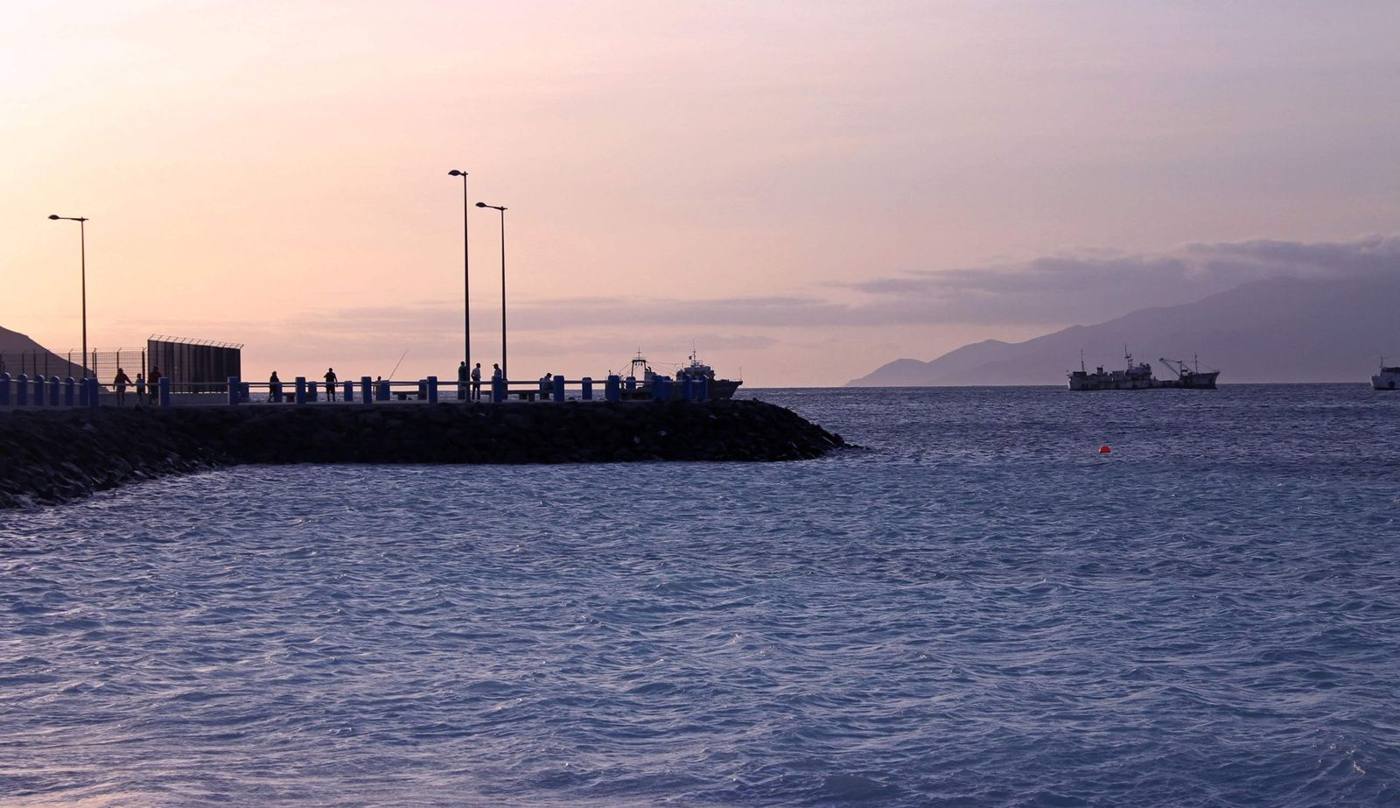
Mindelo and its music, then Santo Antão with cobbled trails through green valleys, sugarcane terraces and villages above the ocean.
 5 daysModerate
Fogo and its volcano
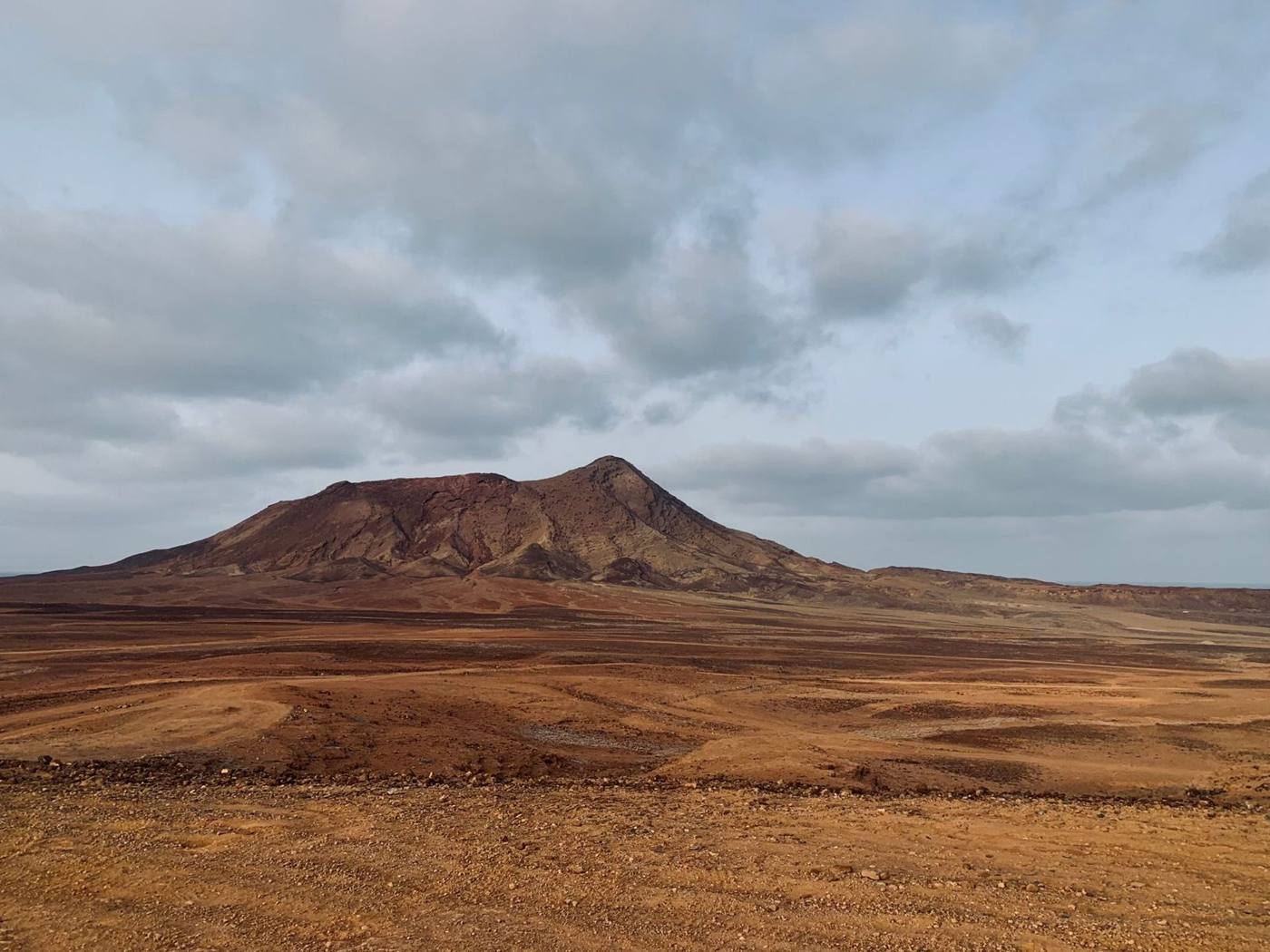
Pico do Fogo at 2,829 metres, the village of Chã das Caldeiras rebuilt in the crater after the 2014 eruption, its wine and colonial São Filipe.
 6 daysEasy
Sal and Boa Vista
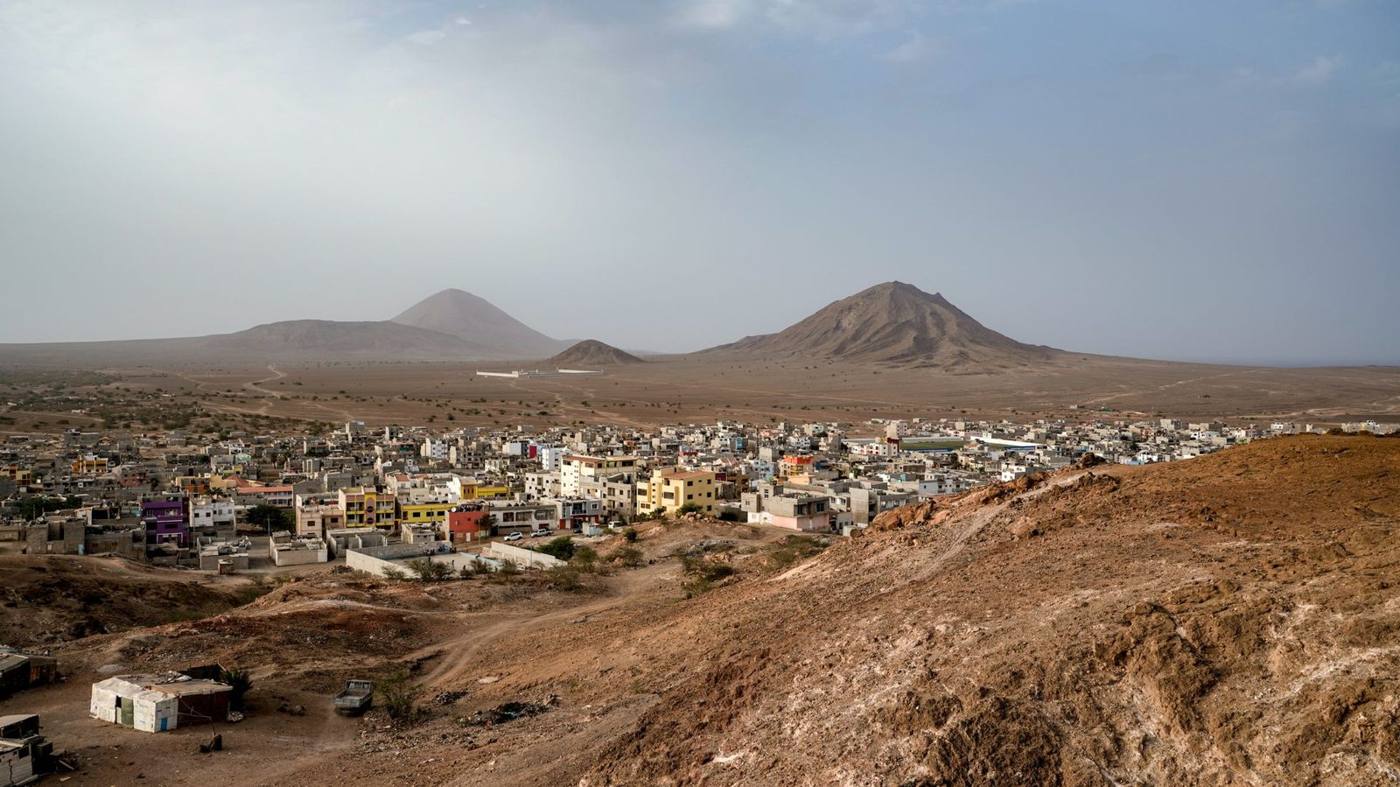
The salt pans in the Pedra de Lume crater, kitesurfing at Santa Maria, the dunes of Boa Vista and turtles nesting on the beaches in summer.