Tierra del Fuego and king penguins
The Strait of Magellan, the penguin colony of Isla Magdalena, the king penguins of Bahía Inútil and the steppes of Tierra del Fuego.
- Punta Arenas
- Isla Magdalena
- Porvenir
- Bahía Inútil
- Puerto Natales
Day by day
- Day 1
Arrival in Punta Arenas
This trip goes to the far south of Chile, to the Magallanes region on the Strait of Magellan: a land of wind, steppe, grey sea and immense skies at the end of the American continent. You discover the city of Punta Arenas, the Magellanic penguin colonies on Magdalena Island, the only king penguin colony in South America, on Tierra del Fuego, and the road to Puerto Natales, the gateway to mountain Patagonia.
Italian and most EU citizens do not need a visa for tourist stays of up to 90 days. The United States has Chile at level 2.
You fly into Punta Arenas on a domestic flight from Santiago, about three and a half hours. Hire a car for getting around.
Punta Arenas is one of the world's southernmost cities, on the shore of the Strait of Magellan. At the end of the nineteenth century, before the Panama Canal opened, it was a very rich port where every ship passing from the Atlantic to the Pacific called, and where sheep farmers made fortunes. Mansions from that era, built with materials shipped from Europe, still stand in the centre.
In the afternoon walk around the Plaza de Armas, with the statue of Magellan and an indigenous man: by tradition, whoever touches the man's foot will return to Punta Arenas. Then visit the Sara Braun palace, now a club, and the Magallanes regional museum, in a nineteenth century mansion.
At sunset go up to the Cerro de la Cruz viewpoint, overlooking the city and the strait.
Spend the night in Punta Arenas.
Practical tip: the wind in Patagonia is very strong, especially in summer, and weather changes quickly. Bring a windproof jacket, hat and gloves even in January.
- Day 2
Punta Arenas and Fuerte Bulnes
In the morning visit the Punta Arenas municipal cemetery, considered one of the most beautiful in South America, with avenues of cypresses clipped into geometric shapes and monumental mausoleums of the great sheep farming and trading families, many of European origin: Croatian, Spanish, English, German, Italian. The tombs tell the story of immigration to Patagonia.
Then drive south along the coastal road beside the Strait of Magellan, about an hour, to the Estrecho de Magallanes park, home to Fuerte Bulnes.
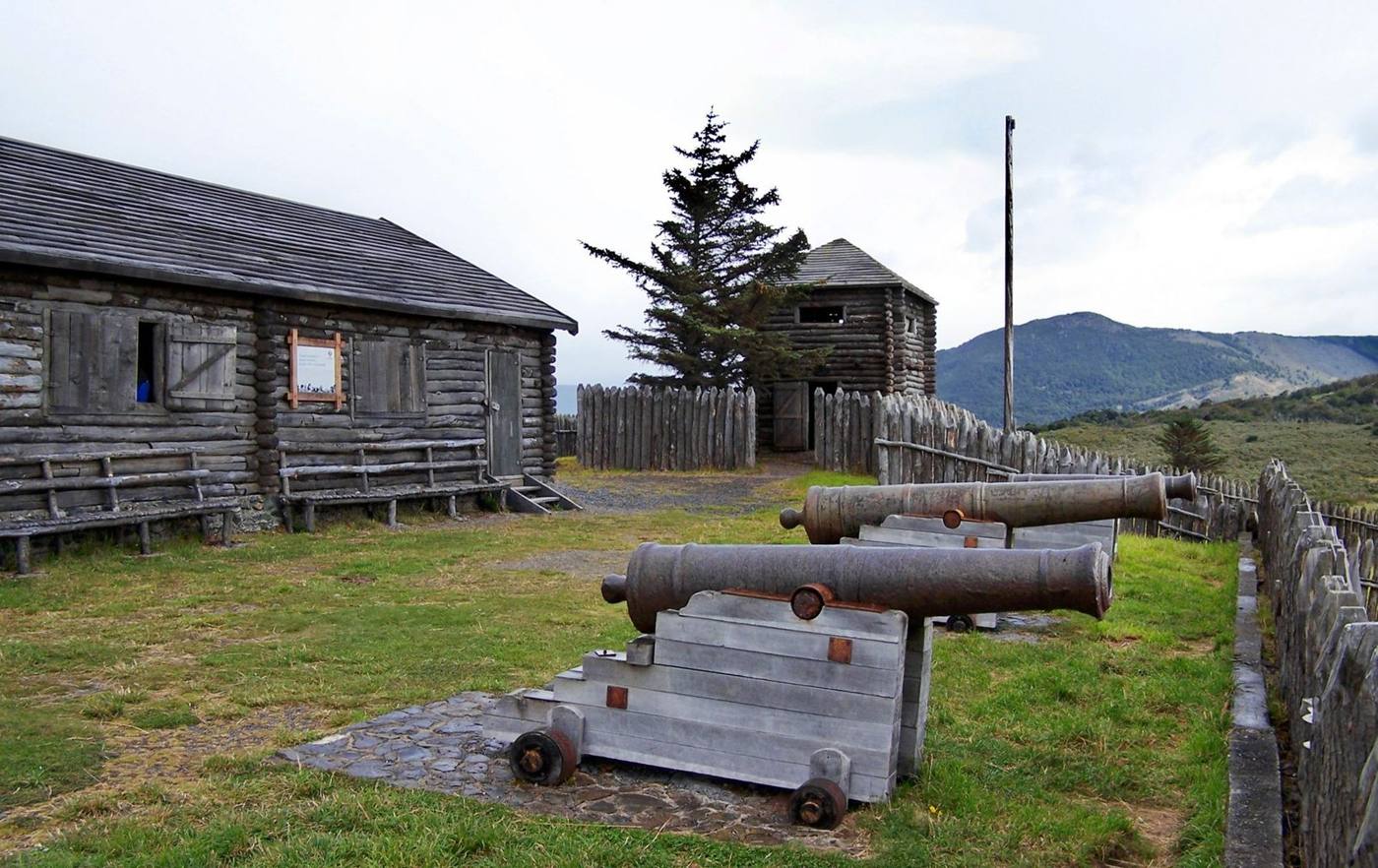
Fuerte Bulnes was built by Chile in 1843 to assert its sovereignty over the strait, shortly before other European powers arrived. It is a wooden reconstruction of the original fort, with stockades, cannons, a chapel, a jail and soldiers' quarters. From the walls the view over the strait and Tierra del Fuego on the horizon is very wide.
Near the fort is Puerto del Hambre, the port of hunger, where in the sixteenth century the Spanish founded a colony, the city of King Philip, which ended in tragedy: almost all the settlers died of hunger and cold. Only a few ruins remain.
Along the road is also a monument marking the geographical centre of Chile, including the territory it claims in Antarctica.
In the afternoon return to Punta Arenas.
Spend the night in Punta Arenas.
Practical tip: the Fuerte Bulnes park has an entrance fee: check price and opening times. The wind on the coast can be very strong.
- Day 3
By boat to Magdalena Island and the Magellanic penguins
Today take a boat trip to Magdalena Island in the Strait of Magellan, about two hours' sailing from Punta Arenas. The island is a protected natural monument, known as Monumento Natural Los Pingüinos.
The island is home to one of Chile's largest colonies of Magellanic penguins, with tens of thousands of pairs. The penguins arrive in spring, dig burrows in the ground, lay eggs and raise their chicks, then leave at the end of summer. They are named after the sailors of Ferdinand Magellan's expedition, who first described them in 1520.
On the island you walk a roped path up to a red and white lighthouse. The penguins pass beside the path, go in and out of their burrows, call their partners with a donkey like bray, and walk down to the sea in lines. There are few places in the world where you see so many penguins so close.
From the boat you often see dolphins, cormorants and sea lions too, and sometimes the boat passes Marta islet, home to sea lion colonies.
The visit on the island lasts about an hour.
In the afternoon return to Punta Arenas.
Spend the night in Punta Arenas.
Practical tip: trips to Magdalena Island run only in penguin season, usually from October or November to March, and may be cancelled for wind. Book ahead and check the dates.
- Day 4
The ferry to Porvenir and Tierra del Fuego
Today cross the Strait of Magellan on the ferry from Punta Arenas to Porvenir, on Tierra del Fuego, in about two and a half hours. With luck, during the crossing you see Commerson's dolphins, small black and white dolphins that ride the ship's wake.
Tierra del Fuego is the large island at the southern tip of the continent, divided between Chile and Argentina. The name comes from the fires Magellan's sailors saw on the coast, lit by the Selk'nam and Yagán, the peoples who had lived here for millennia. At the end of the nineteenth century, with the arrival of sheep farmers and gold prospectors, these peoples were almost entirely wiped out.
Porvenir is a small village of colourful wooden and tin houses by the sea, founded at the end of the nineteenth century during the Tierra del Fuego gold rush. Many of the first inhabitants were Croatians from Dalmatia. In the centre a small museum tells the story of the Selk'nam, the gold rush and the first settlers.
In the afternoon walk along the seafront and around Porvenir bay, where you see seabirds, black necked swans and Chilean flamingos.
In the evening have Patagonian lamb roasted slowly over the fire, the region's speciality, or centolla, king crab.
Spend the night in Porvenir.
Practical tip: the Porvenir ferry does not sail every day and has limited car space. Check times and book. In strong wind the crossing may be cancelled.
- Day 5
The king penguins of Bahía Inútil
Today go to see the king penguins, about an hour and a half by gravel road from Porvenir, on the shore of Bahía Inútil, the useless bay, so named by sailors because it offered no shelter to ships.
Here, in 2010, a few king penguins began living on a beach of the bay. It is the only king penguin colony on mainland South America. These penguins usually live much further south, on sub Antarctic islands such as South Georgia. The land was later protected as a private reserve, with a visitor centre.
The king penguin is the world's second largest penguin, after the emperor: about ninety centimetres tall, with a grey back, white chest and bright orange patches on the neck and bill. The chicks have brown, woolly plumage. The colony is small, with a few dozen birds.
The visit is on foot, along a path to a viewing area at a distance from the penguins, so as not to disturb them. You watch them calmly through binoculars as they stand on the beach, preen their feathers or walk to the sea.
In the afternoon, on the road, look out over the Tierra del Fuego steppe, with guanacos, wild relatives of the llama, and rheas, running birds similar to ostriches.
Spend the night in Porvenir or on Tierra del Fuego.
Practical tip: visiting the king penguins requires a booking and places are limited. Check price, times and season. Roads are gravel: drive slowly.
- Day 6
Back to the mainland and the road to Puerto Natales
Today leave Tierra del Fuego and return to the mainland. You can take the ferry from Porvenir back to Punta Arenas, or drive north to Bahía Azul, where a short ferry of about twenty minutes crosses the Strait of Magellan at its narrowest point, the Primera Angostura. Ferries here run frequently during the day, and Commerson's dolphins are sometimes seen.
Once on the mainland, continue north west along the road across the Patagonian pampa, an endless steppe of yellow grass, with estancias, large sheep farms, and few villages. Along the way you see flocks of sheep, guanacos, rheas and foxes.
If you come via Punta Arenas, before leaving you can stop at the Seno Otway penguin colony on the mainland, about an hour from the city, with wooden walkways among the burrows, in penguin season.
In the afternoon you reach Puerto Natales, about three hours from Punta Arenas, a small town on the Última Esperanza fjord, the last hope, with views of snowy mountains. It is the base for visiting Torres del Paine National Park.
In the evening walk along the seafront, where at sunset black necked swans swim in front of the mountains.
Spend the night in Puerto Natales.
Practical tip: fill up whenever you can: on the pampa and Tierra del Fuego petrol stations are few and far between.
- Day 7
The Milodón cave and the Última Esperanza fjord
Today discover the surroundings of Puerto Natales.
In the morning go to the Milodón cave, about half an hour north of town. It is a large cave, about eighty metres wide and two hundred deep, carved by the waters of an ancient glacial lake. In 1895 the skin, bones and dung of a mylodon were found here, a huge ground sloth up to three metres tall that lived at the end of the Ice Age, about ten thousand years ago. Remains of prehistoric humans have also been found in the cave. At the entrance is a life size statue of the mylodon. The cave inspired the English writer Bruce Chatwin's book In Patagonia.
Around the cave are trails among oddly shaped rocks, such as the Silla del Diablo, the devil's chair.
In the afternoon, weather permitting, take a boat trip on the Última Esperanza fjord towards Bernardo O'Higgins National Park, to the Balmaceda and Serrano glaciers, which descend from the mountains to the sea. Along the fjord you see waterfalls, cormorant colonies and sea lions. Alternatively, spend a day at Torres del Paine, about an hour and a half away.
In the evening have a last dinner of Patagonian lamb or trout.
Spend the night in Puerto Natales.
Practical tip: the Milodón cave has an entrance fee: check the price. Fjord boat trips depend on the weather and must be booked.
- Day 8
Departure from Punta Arenas or Puerto Natales
On the last day leave for your flight home.
Puerto Natales has a small airport with flights to Santiago, mainly in the summer season, from October to April. If your flight leaves from here, enjoy the morning in town.
If instead your flight leaves from Punta Arenas, you must drive back about three hours along Route 9 across the pampa. On the way you can stop at the village of Villa Tehuelches, with a small museum, or at one of the estancias offering visits, lunches of roast lamb and sheep shearing demonstrations.
If you have time in Punta Arenas before your flight, visit the Nao Victoria museum, with life size replicas of historic ships, including the Victoria, the only ship of Magellan's expedition to complete the voyage around the world, and the James Caird, the lifeboat of Shackleton's Antarctic expedition.
Before leaving buy some souvenirs: Patagonian wool sweaters and goods, handmade chocolate, and calafate jam, made from a blue Patagonian berry. Legend says that whoever eats calafate will return to Patagonia.
From Santiago you then continue to Europe.
Practical tip: in the summer months flights from Punta Arenas and Puerto Natales are in high demand. Book early and leave a time margin, as wind can cause delays.
Patagonia's wildlife side, perfect to pair with Torres del Paine. King penguins are watched from a fixed distance, without approaching, so bring binoculars or a telephoto lens. Boats to Isla Magdalena depend on the wind.
Before you go
- Documents and visa
- Valid passport; no visa for tourism up to 90 days for EU citizens. On arrival you receive the PDI electronic slip, to be kept until you leave.
- Health and vaccines
- No compulsory vaccines arriving from Europe. In the Atacama Desert and the Andes beware of altitude sickness. Emergencies: 131 ambulance, 132 fire, 133 police.
- Money and payments
- Chilean peso. Cards are accepted almost everywhere; carry some cash in parks and villages.
- Power sockets
- Types C and L, 220 volts: European two-pin plugs almost always fit.
- Time zone
- UTC-4 in the southern winter and UTC-3 from September to April. The Magallanes region stays on UTC-3 all year.
- Safety
- The United States rates Chile level 2 for crime and civil unrest, with protests in the Araucanía region. In Santiago and Valparaíso watch out for pickpockets. Official advice: GOV.UK.
Information checked in November 2026 for Italian and EU citizens. Rules change: always check before you travel.
Variations
In 4 days: Punta Arenas, Fuerte Bulnes and Magdalena Island.
In 10 days: add three days at Torres del Paine, or continue to El Calafate and the Perito Moreno glacier in Argentina.
Frequently asked questions
When is the best time to go?
November to March, with penguins and long days. In winter it is cold and many trips do not run.
Do I need a visa?
No, Italian citizens do not need a visa for up to 90 days.
Are the king penguins always there?
The colony lives there all year, but visits require booking and numbers vary. Check beforehand.
Indicative itinerary written by World Atlas. Before booking, check timetables, seasonal openings, documents and safety.
 6 daysEasy
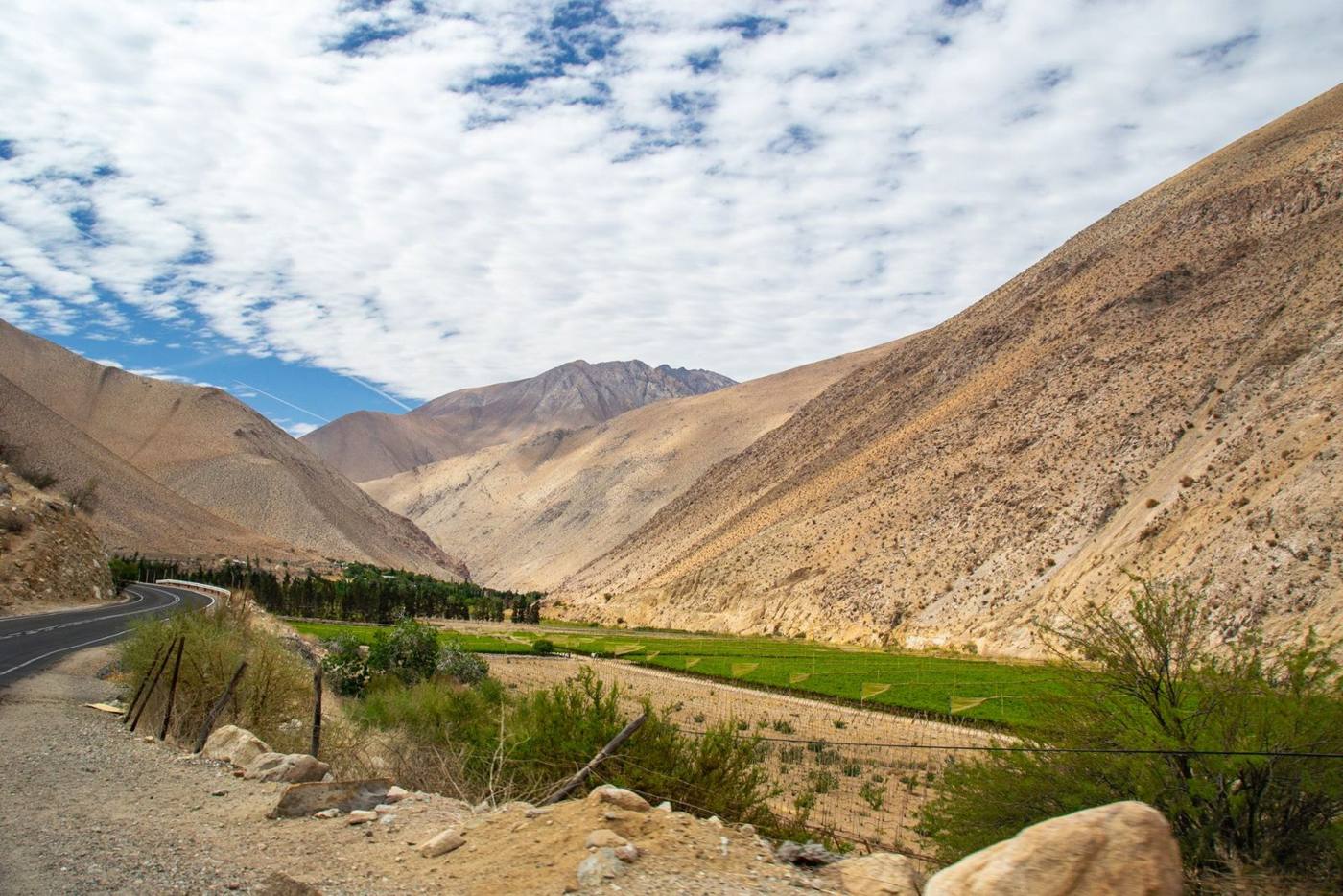
The Elqui Valley and the stars
A valley of vineyards and pisco distilleries, the clearest skies in South America and the coast of the Humboldt penguins.
 10 daysModerate
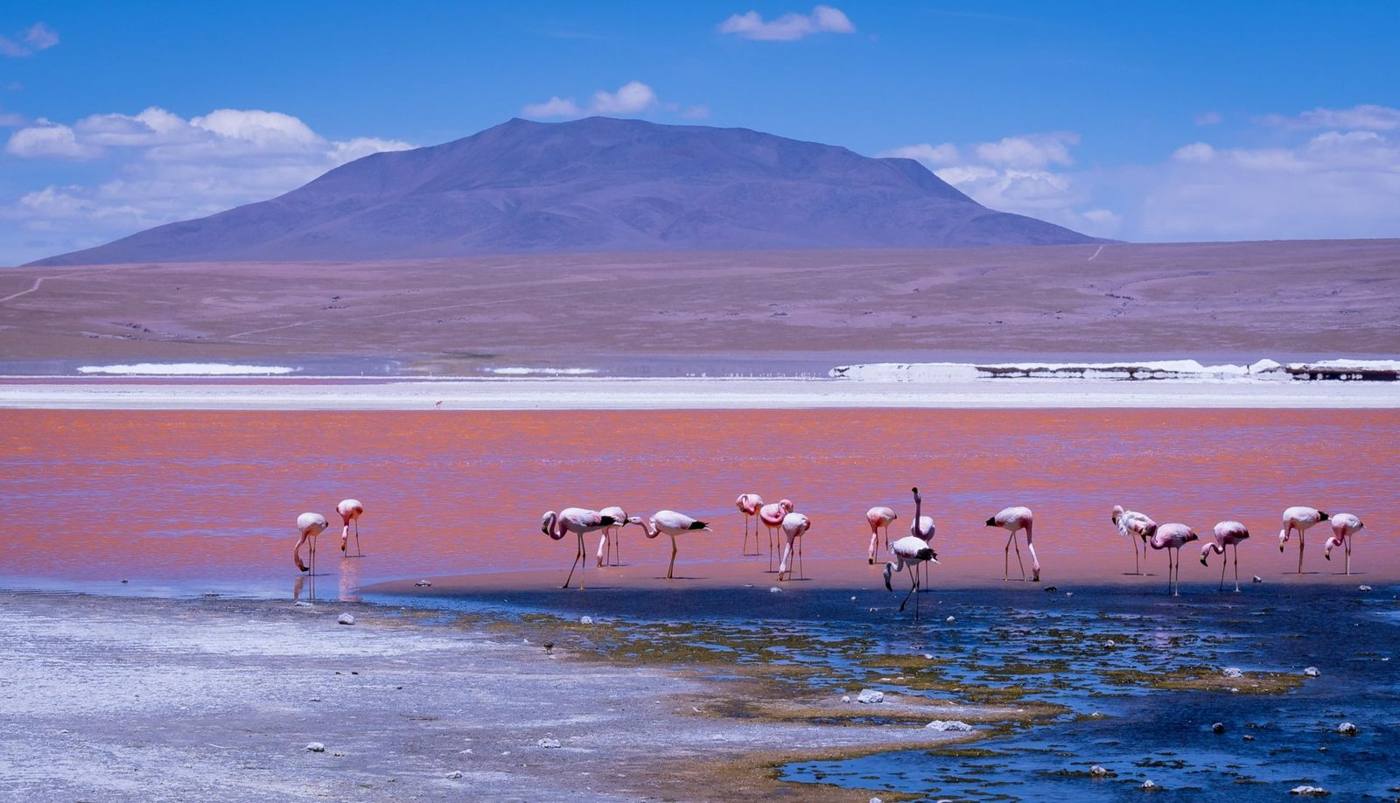
Chile and Bolivia, from the Atacama to Uyuni
Three days by 4x4 across the altiplano among red and green lagoons, geysers and flamingos, all the way to the Salar de Uyuni.
 9 daysChallenging
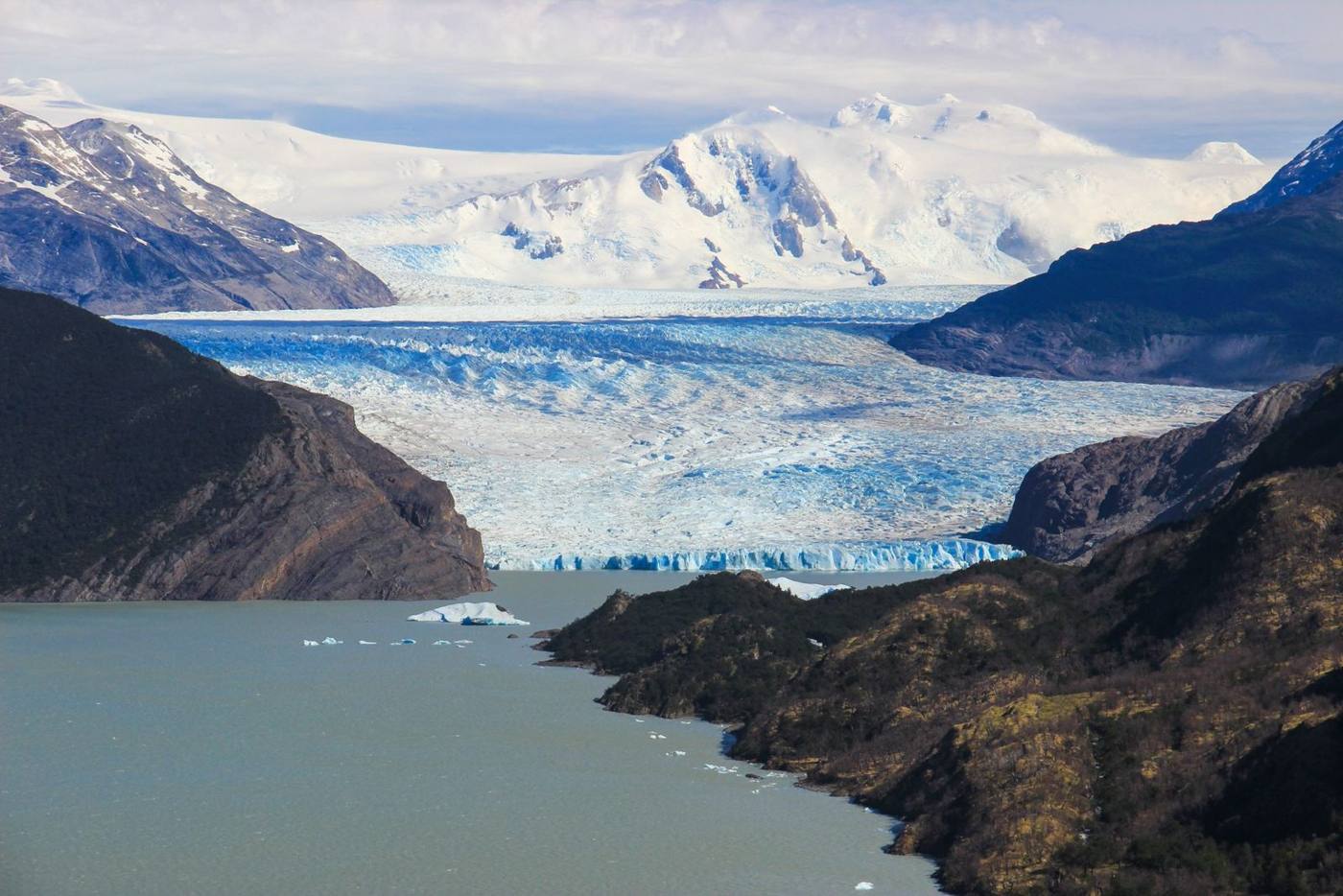
Torres del Paine: the O Circuit
The full loop of the Paine massif, eight days on foot: beyond the classic W, the wild north side, John Gardner Pass with the view over Grey Glacier, lenga forests and glacial lakes, with the towers at dawn as the final stage.