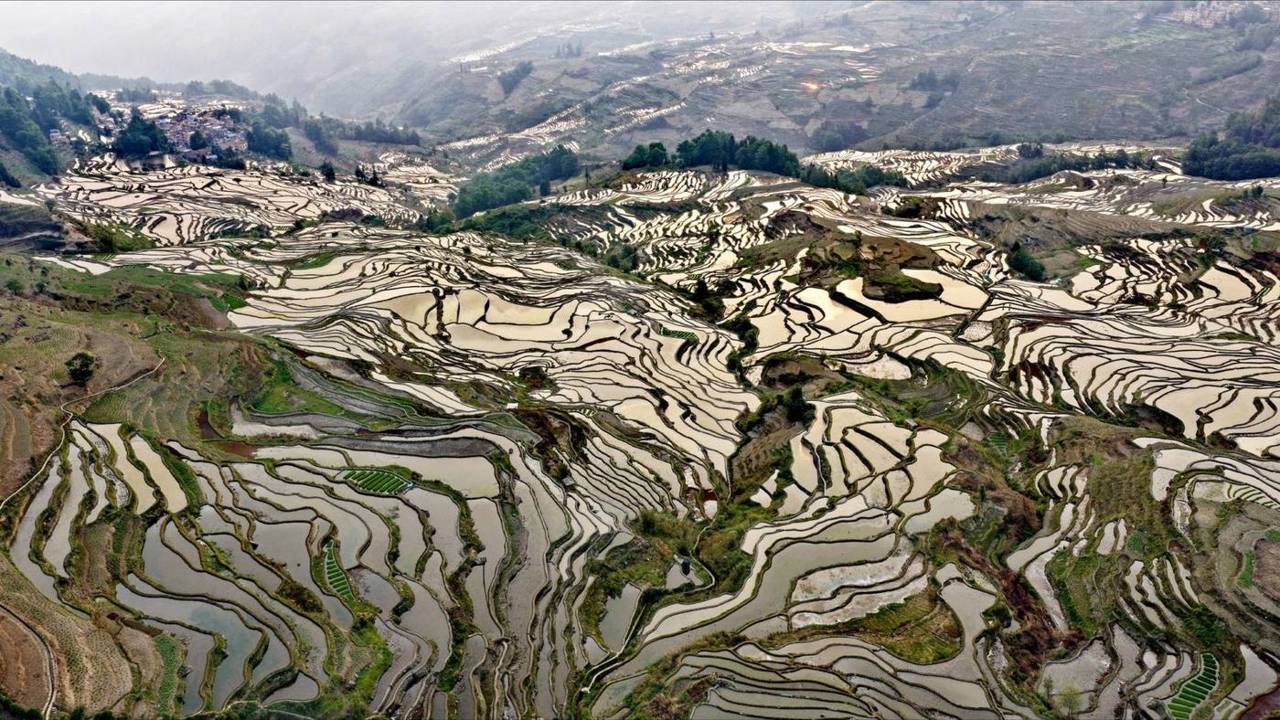
Southern Yunnan: Yuanyang and Xishuangbanna
The other Yunnan: the Hani rice terraces of Yuanyang, a UNESCO World Heritage site, mirroring the sky at dawn, the old town of Jianshui and tropical Xishuangbanna, with Dai villages, Theravada Buddhist temples and forests.
- Kunming
- Jianshui
- Yuanyang
- Kunming
- Jinghong
- Menglun
Day by day
- Day 1
Kunming: Lake Dian and the Stone Forest
This trip goes to southern Yunnan, China's most varied province, bordering Vietnam, Laos and Myanmar. In a few days you move from the hills of Kunming, the city of eternal spring, to the old walled town of Jianshui, the rice terraces of Yuanyang, a UNESCO World Heritage Site carved by the Hani people into the mountainsides, and on to the tropical jungle of Xishuangbanna, land of the Dai people, with Buddhist temples like those of Laos and Thailand.
For Italian citizens, visa no-cost entry to China for up to 30 days applies until 31 December 2026: for trips in 2027 check whether the rule has been extended.
You fly into Kunming, usually with a connection in another Chinese city.
On the first day, in the morning, visit the Shilin Stone Forest, a UNESCO World Heritage Site, about an hour and a half from Kunming: a huge labyrinth of grey limestone pinnacles up to thirty metres high that look like petrified trees. You walk among the rocks on narrow paths, passages and small lakes. This is the land of the Yi people, of the Sani group.
In the afternoon return to Kunming and go up the Western Hills above the great Lake Dian, with the Dragon Gate path, a series of caves, temples and passages cut into the rock high above the lake.
In the evening have dinner with Yunnan's most famous dish, crossing the bridge noodles, a boiling broth in which meat, vegetables and rice noodles are cooked at the table.
Spend the night in Kunming.
Practical tip: in China many European websites and apps do not work. Before leaving install the local apps for paying and getting around, and also carry cash.
- Day 2
Jianshui: the old town, the Confucius Temple and the Zhu residence
Today go to Jianshui, about two hours by high speed train or three and a half hours by road south of Kunming, one of the best preserved ancient towns in Yunnan, with walls, gates, lanes and traditional houses.
In the morning enter through the Chaoyang Gate, a large multi storey wooden tower above the walls, from the fourteenth century, the symbol of the town. Then visit the Confucius Temple, one of the largest in China, built in the thirteenth century, with a large pond in front, pavilions, courtyards and ancient trees. For centuries candidates for the imperial examinations studied here.
In the afternoon visit the Zhu family residence, a huge complex of houses, courtyards, gardens and halls built in the nineteenth century by a wealthy merchant family, with more than forty interconnected courtyards. The wooden beams and doors are carved and painted.
Then wander the lanes of the old town, where ancient wells are still used for drawing water, and try Jianshui grilled tofu, made with well water, cooked on a grill and eaten with spicy sauces.
On the outskirts you can see the Double Dragon Bridge, a long stone bridge with seventeen arches and three pavilions, from the eighteenth and nineteenth centuries.
Spend the night in Jianshui.
Practical tip: Jianshui old town has tickets for some of the main monuments: check whether the combined ticket is worth it. Jianshui is also famous for its purple pottery, a polished earthenware decorated with calligraphy.
- Day 3
Yuanyang: the Duoyishu terraces at dawn
Today go to Yuanyang, about two and a half hours by road from Jianshui, to the area of the Hani rice terraces, a UNESCO World Heritage Site.
For more than thirteen hundred years the Hani people have carved the slopes of the Ailao Mountains into thousands of terraces for growing rice, from the valley floor up to about two thousand metres. At the top of the mountains are the forests, which gather water from clouds and rain; below them the villages; and further down the terraces, irrigated by channels carrying water from one terrace to the next. The system still works today.
The best time to see the terraces is between December and March, when they are flooded and reflect the sky like mirrors, with colours changing with the light. In spring and summer the terraces are green, in autumn golden.
In the afternoon walk among the Hani villages, with mushroom shaped thatched houses, and the village of Pugao Laozhai, with paths among the terraces.
The next day, at dawn, go to the Duoyishu viewpoint, the most famous for sunrise: the sun rises over the mountains and lights up thousands of mist covered terraces. Arrive before dawn to find a spot.
Spend the night in Xinjie or in a village near the terraces.
Practical tip: there is a ticket for the terrace viewpoints: check. The terraces are often covered in mist, so it is worth staying at least two nights.
- Day 4
Yuanyang: Bada at sunset and the Hani markets
Today stay in Yuanyang. After sunrise at Duoyishu, spend the morning discovering village life.
Around the terraces there are rotating markets: each day a different village holds its market, according to a traditional calendar. Hani, Yi and Yao villagers arrive on foot from the mountains, in their traditional dress, to sell rice, vegetables, animals, textiles, tobacco and medicinal herbs. It is one of the most beautiful and authentic moments of the trip. Ask your guide or your lodging where the day's market is being held.
In the afternoon walk one of the trails among the terraces with a local guide. You pass along the narrow earth walls between one terrace and the next, cross water channels and see farmers at work with water buffalo.
At sunset go to the Bada viewpoint, the most famous for sunset, where you see an entire valley covered in terraces, thousands of them, glowing red and gold in the setting sun. Alternatively, Laohuzui, the tiger's mouth, is another very beautiful afternoon viewpoint, with wave shaped terraces.
In the evening have dinner with Hani food: red rice grown in the terraces, fish and ducks raised in the paddies, wild vegetables and rice liquor.
Spend the night in Xinjie or in a village near the terraces.
Practical tip: it is easy to slip on the terrace edges. Wear shoes with good soles and walk slowly. Do not step into the paddies or damage the walls.
- Day 5
Back to Kunming and flight or train to Jinghong
Today leave the terraces and head back towards Kunming, about six hours by road, or to the nearest high speed train station, to continue to Xishuangbanna.
From Kunming there are two ways to reach Jinghong, the capital of Xishuangbanna: by plane, in about an hour, or by high speed train on the China Laos railway, in about three hours. The train crosses mountains and valleys on bridges and through tunnels, and is an interesting experience.
If you reach Kunming in time, before leaving visit Yuantong Temple, the city's largest and most important Buddhist temple, with a pond, stone bridges and pavilions, or the flower and bird market, selling plants, dried flowers, tea and minority crafts.
In the afternoon or evening you arrive in Jinghong, on the banks of the Mekong, which here is called the Lancang. The climate changes completely: it is hot and humid, with palms, rubber trees, tea and banana plantations, and tropical vegetation.
In the evening walk along the river and go to the Jinghong night market on the bank, with stalls of Dai food, tropical fruit such as mangosteens and mangoes, grilled fish stuffed with herbs and handicrafts.
Spend the night in Jinghong.
Practical tip: high speed train tickets to Jinghong must be bought with your passport and often sell out. Book ahead, especially during Chinese holidays.
- Day 6
Xishuangbanna: Dai temples and Manting
Today discover the culture of the Dai people, the main group in Xishuangbanna. The Dai are related to the Thai of Thailand and the Lao of Laos: they speak a similar language, practise Theravada Buddhism, with monks in orange robes, and live in wooden stilt houses with steep roofs.
In the morning visit Manting temple and Manting Park in Jinghong, an old royal garden of the Dai kings, with a Buddhist temple, golden pagodas, ponds and tropical trees. Then go to Zongfo temple, the large Buddhist temple on the hill, with views over the city and the Mekong.
In the afternoon visit one of the Dai villages around Jinghong, such as Manchunman or the Dai villages park at Ganlanba, about half an hour away, where families still live in traditional stilt houses among palms, banana plants and temples. In the village temples you see young monks studying and praying.
In mid April Xishuangbanna celebrates the Dai new year, the water splashing festival, when for three days everyone throws water at each other in the streets as a blessing, with dragon boat races on the Mekong.
In the evening have dinner with Dai food, rich in herbs and spices: lemongrass fish, rice cooked in pineapple or bamboo, meat with herbs and spicy salads.
Spend the night in Jinghong.
Practical tip: in temples remove your shoes and enter with shoulders and knees covered. Women must not touch monks. During the water festival book your lodging well in advance.
- Day 7
The Menglun tropical botanical garden
Today go to the Xishuangbanna tropical botanical garden at Menglun, about an hour and a half from Jinghong. It is the largest botanical garden in China, run by the Chinese Academy of Sciences, on a peninsula surrounded by the Luosuo River, a tributary of the Mekong.
The garden holds thousands of tropical plant species, in many different areas: the palm garden, the bamboo garden, a greenhouse of desert plants, a garden of medicinal plants used in traditional Dai medicine, an orchid area and giant tropical trees with enormous buttress roots. Part of the garden is genuine protected rainforest, with trails where you hear the birds and insects of the jungle.
Among the most curious plants are giant water lilies with leaves more than a metre across and the dancing plant, which moves its leaves in response to sound and light.
The garden is large: to see it properly you need at least five or six hours. Electric shuttles link the different areas.
If you have time, in the late afternoon walk along the river in Menglun village, with its Dai stilt houses.
In the evening return to Jinghong or stay in Menglun.
Spend the night in Menglun or Jinghong.
Practical tip: the botanical garden charges a fee: check the price. Bring mosquito repellent, water and a hat: in the tropical zone it is hot and humid all year round.
- Day 8
Villages, market and departure from Jinghong
The last day in Xishuangbanna is devoted to villages and markets before departure.
In the morning, if you are interested in tea, go to the Menghai area, about an hour from Jinghong, one of the world's most famous areas for pu'er tea, the fermented tea of Yunnan, kept in pressed cakes and improving with age, like wine. Ancient tea trees grow on the Menghai hills, some hundreds of years old. You can visit plantations and small workshops where the leaves are processed by hand, and taste the tea.
Alternatively, visit a village morning market selling tropical fruit, jungle vegetables, fried insects, wild mushrooms and spices, or walk in a village of the Akha people, where women wear headdresses decorated with silver coins.
In the afternoon return to Jinghong and take a flight to Kunming, or directly to other major Chinese cities such as Beijing, Shanghai or Guangzhou, with flights to Europe. Alternatively, the high speed train takes you back to Kunming in about three hours.
Before leaving buy some souvenirs: a cake of pu'er tea, Dai textiles, minority silver jewellery or Yunnan coffee, which is grown right in this region.
Practical tip: pu'er tea is sold at very different prices. Taste before buying and be wary of cakes claimed to be very old at low prices. Check customs rules for bringing tea into Europe.
For lovers of landscapes and local cultures. The terraces are flooded and at their best from December to March; dawn often brings mist, which can hide the view or make it magical. Xishuangbanna borders Laos and Myanmar: stay on tourist routes and away from border areas. For Italian and many other European citizens, entry without a visa for up to 30 days applies until 31 December 2026: for trips after that date, check whether it has been extended.
Before you go
- Documents and visa
- Passport with at least six months' validity. Until 31 December 2026 Italian and many other European citizens need no visa for tourism up to 30 days; check whether the scheme has been extended and covers you.
- Health and vaccines
- No compulsory vaccines arriving from Europe. In big cities check air quality. Emergencies: 110 police, 120 ambulance, 119 fire.
- Money and payments
- Renminbi yuan. Almost everything is paid with Alipay and WeChat QR codes, which can be linked to foreign cards; carry some cash.
- Power sockets
- Types A, C and I, 220 volts: a universal adapter is useful.
- Time zone
- UTC+8 all year: all of China uses Beijing time.
- Safety
- The United States rates China level 2 because of arbitrary enforcement of local laws. Always carry your passport. Many Western websites and apps are blocked. Official advice: GOV.UK.
Information checked in November 2026 for Italian and EU citizens. Rules change: always check before you travel.
Variations
In 5 days: Kunming, Jianshui and Yuanyang, without Xishuangbanna.
In 11 days: add Dali, Lijiang and Tiger Leaping Gorge in northern Yunnan.
Frequently asked questions
Do I need a visa for China?
For Italians, visa no-cost entry for up to 30 days applies until 31 December 2026. For 2027 check whether it has been extended.
When should I visit the Yuanyang terraces?
December to March, when the terraces are flooded. It is also the dry season in Xishuangbanna.
Do I need a guide?
It is very useful at the terraces and in the villages, where few people speak English and markets change day.
Indicative itinerary written by World Atlas. Before booking, check timetables, seasonal openings, documents and safety.
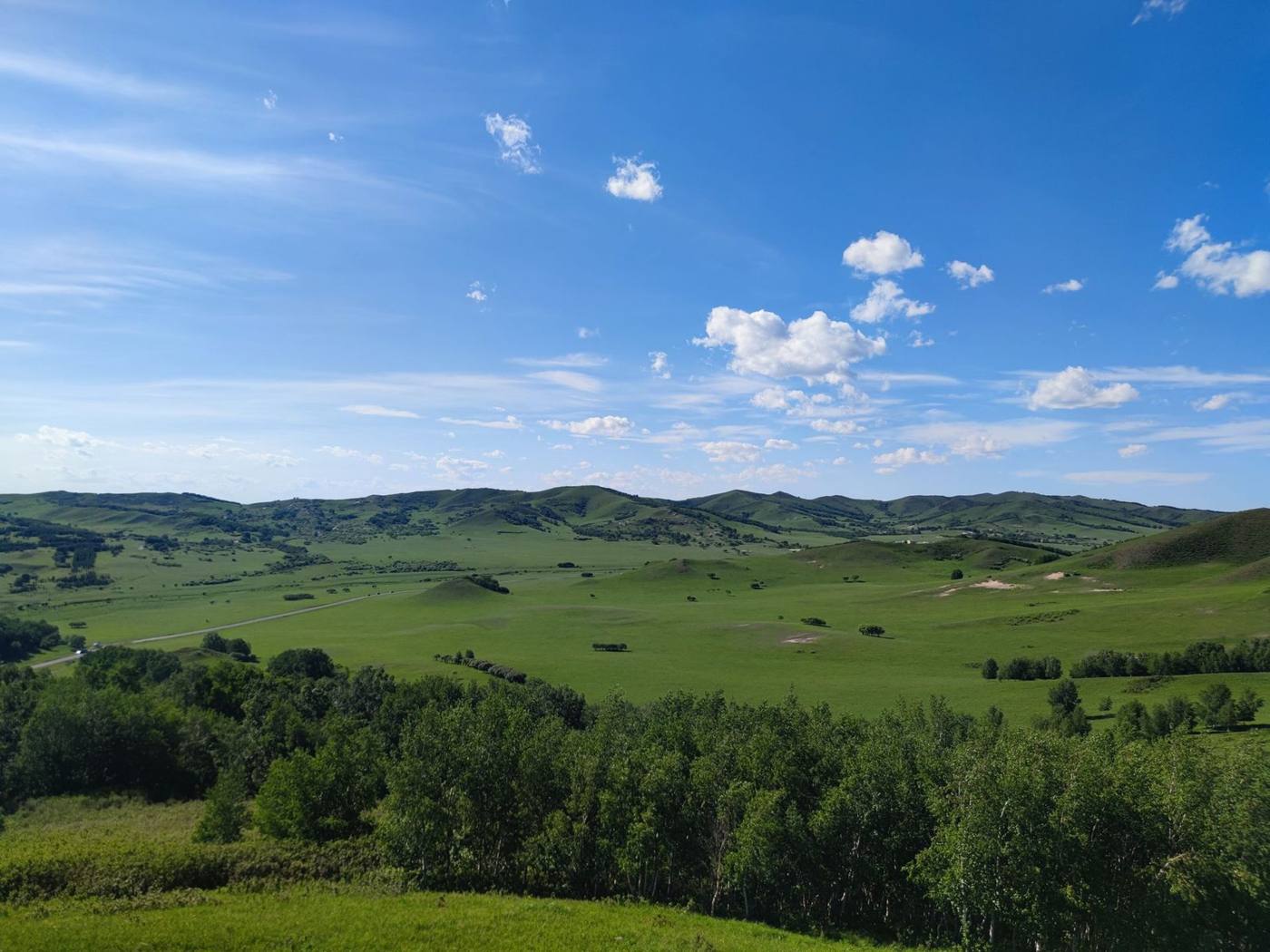 6 daysEasy
Inner Mongolia: the Hulunbuir grasslands
China's largest grasslands: Hailar, rivers winding through the green, Mongolian herders' tents, Hulun lake, the birch forests of the Greater Khingan and the Russian village of Shiwei on the Argun river.
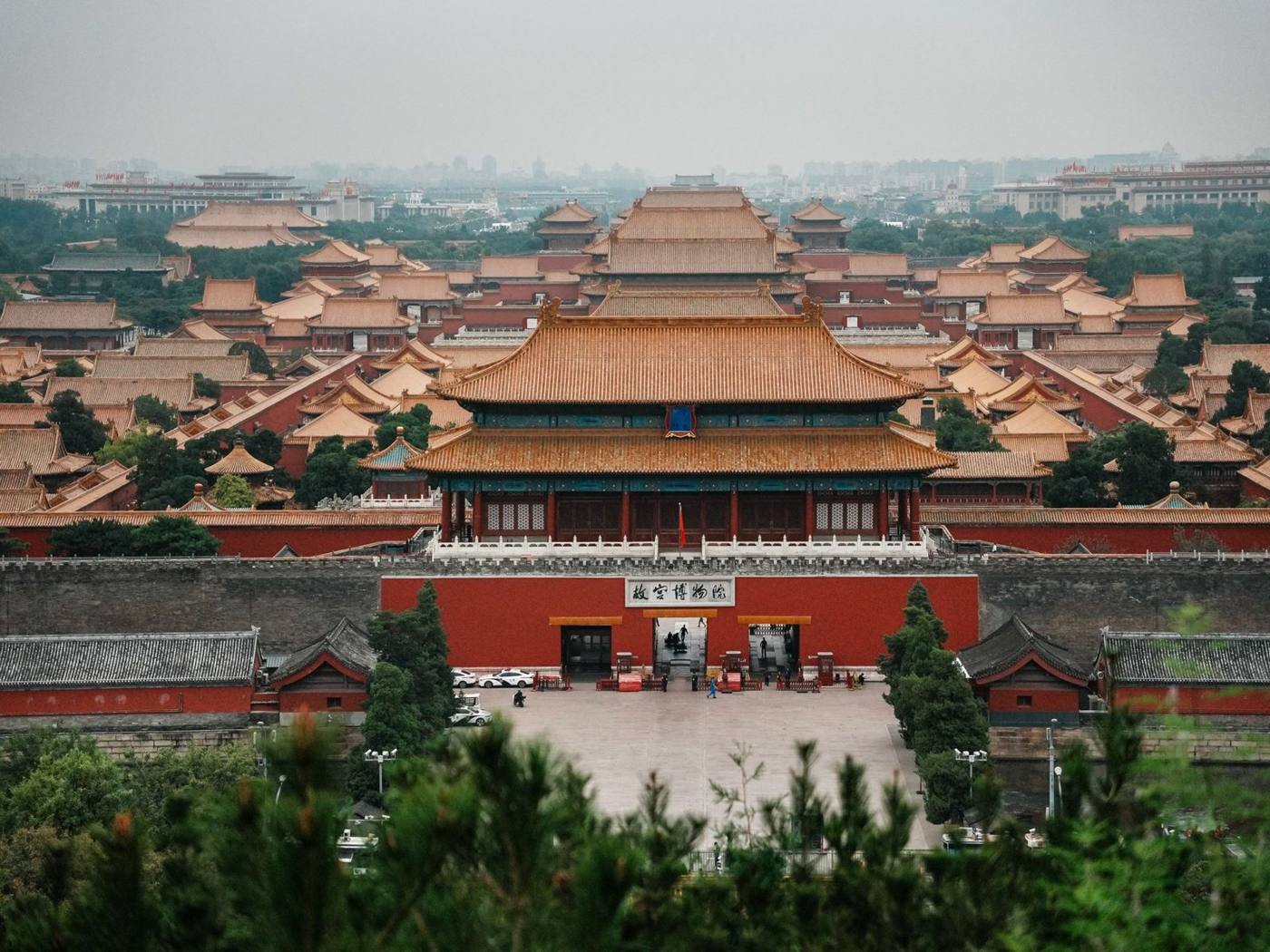 12 daysEasy
Beijing, Xi'an and Shanghai
A first trip to China: the Forbidden City and the Great Wall, the Terracotta Army of Xi'an, the gardens of Suzhou and the Shanghai skyline, linked by high-speed train.
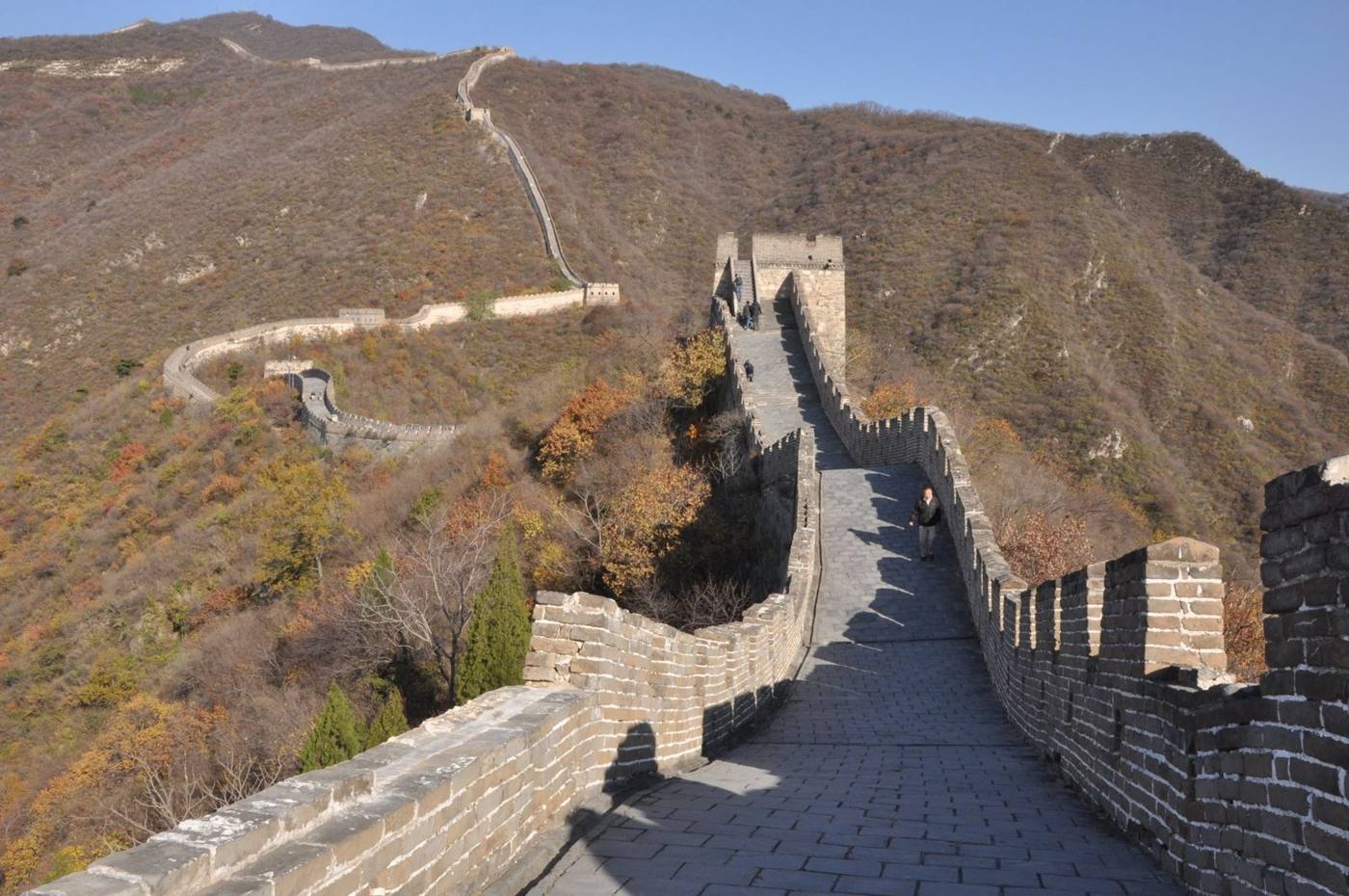 5 daysModerate
The Great Wall on foot
Away from the restored sections: walks between Jiankou and Mutianyu and east from Jinshanling, with a night in a village below the towers.