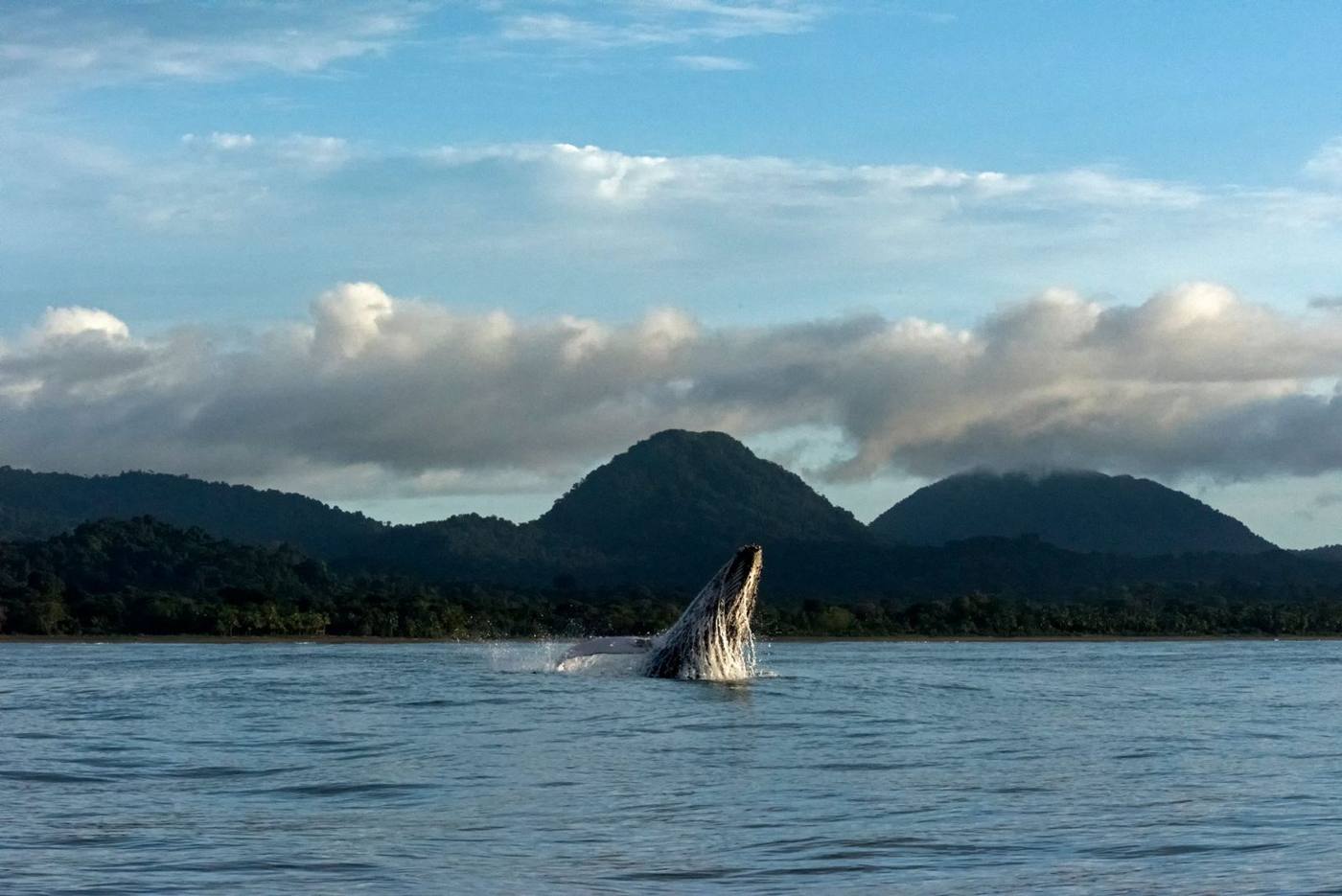
The Pacific: Nuquí and the whales
The Chocó coast, where jungle meets the beach: humpback whales with calves a few metres from the boat, waterfalls, hot springs and Afro-Colombian villages.
- Medellín
- Nuquí
- Guachalito
- Termales
- Nuquí
- Medellín
Day by day
- Day 1
Flight from Medellín to Nuquí and a boat to Guachalito
Nuquí lies on Colombia's Pacific coast, in the department of Chocó, one of the rainiest and greenest regions in the world. Here the rainforest runs down to the ocean, with dark sand beaches, waterfalls dropping straight into the sea, rivers, mangroves and villages of Afro-Colombian and Indigenous Emberá communities. No roads link the coast to the rest of the country: you arrive only by plane or boat. From July to October humpback whales arrive from Antarctica to give birth and raise their calves in these warm waters. In six days you see the whales, the jungle, the natural hot springs and the mangroves.
In the morning, take a small plane from Medellín to Nuquí, in about an hour. From above you see the Andes swathed in cloud and then the dense forest reaching the sea.
Nuquí is a small town of colourful wooden and concrete houses, with a football pitch, a church and a river port. Here you pay the municipal entry fee and take a boat south along the coast, in about half an hour, to Guachalito beach, a long beach of grey sand between forest and ocean, with a few wooden ecolodges hidden among the trees.
In the afternoon, walk along the beach and listen to the sound of the waves and the jungle.
In the evening, sleep at Guachalito.
Practical tip: before travelling, fill in the Check-MIG form online. The United States has Colombia at level 3: follow the latest advisories and travel only with reliable local operators.
- Day 2
By boat to see the humpback whales
Early in the morning, set off in a small boat with a local guide to see the humpback whales. From about July to October, the whales arrive in the Gulf of Tribugá and along the Chocó coast after a journey of thousands of kilometres from the cold waters of Antarctica. Here they mate, give birth and nurse their calves before heading south again.
The boat moves slowly and stops at a distance from the whales, turning off the engine. You see the blows rising from the water, the dark backs, the long white pectoral fins and the tails lifting before a dive. Mothers often swim slowly with their calf close by. Sometimes a whale leaps clear of the water and falls back with a huge splash.
If it is quiet, you can sometimes hear the males singing, the sound travelling through the boat's hull.
In the afternoon, return to the lodge and relax in a hammock. If you like, walk along the beach to the small waterfalls that tumble from the forest straight onto the sand, for a freshwater shower.
In the evening, taste Pacific cooking, with fresh fish, coconut, rice, plantain and aromatic herbs from the forest.
In the evening, sleep at Guachalito.
Practical tip: choose operators who respect the rules for approaching whales, with minimum distances and limited time near the animals. If a boat gets too close, ask the guide to move away.
- Day 3
Snorkelling and jungle waterfalls
In the morning, if the sea is calm, go out by boat again. Head for the rocks and islets near the coast to snorkel among tropical Pacific fish, starfish and sometimes turtles. The water is less clear than in the Caribbean, but full of life.
If you still have the chance in the morning, take another whale-watching trip: every day is different and behaviour changes.
In the afternoon, set off on foot with a guide into the rainforest behind the beach. The path follows a stream, among giant trees, lianas, ferns, orchids and bromeliads, to a waterfall with a pool of cool water for swimming.
Along the way the guide shows you plants the communities use for food and medicine, and the forest's animals: colourful frogs, birds such as toucans and hummingbirds, blue butterflies and sometimes monkeys. Chocó is home to one of the greatest varieties of animal and plant species on the planet.
Return to the lodge before dark.
In the evening, after dinner, look at the starry sky over the ocean and listen to the jungle at night.
In the evening, sleep at Guachalito.
Practical tip: it rains a lot in Chocó, even in the whale season. Bring rubber boots or shoes that can get wet, a light waterproof jacket and bags to protect your phone and camera.
- Day 4
The natural hot springs at Termales and the village of Joví
In the morning, walk along the beach at low tide to the village of Termales, about an hour on foot or a few minutes by boat. Termales is a small Afro-Colombian village with wooden houses on stilts, a school and a beach where youngsters play football and surf.
The village takes its name from the hot springs a little way inland, in the forest. The community has built a few small pools of stone and concrete where the hot spring water collects. Soak in the warm water surrounded by forest, listening to the birds.
In the afternoon, take the boat to the village of Joví, at the mouth of a river. From here, go up the river by canoe or on foot with a community guide, through the forest, to a waterfall. The river is clear and you can swim in the pools.
In some villages in the area there are community tourism projects, where local families accompany visitors, prepare food and share their culture, with marimba music and the traditional songs of the Pacific coast, recognised as world heritage.
In the evening, return to Guachalito.
In the evening, sleep at Guachalito.
Practical tip: for the hot springs and village excursions you usually pay a small contribution to the community. Bring cash in pesos, as there are no cash machines on the coast.
- Day 5
The mangroves by canoe and the beach
Early in the morning, at high tide, set off by canoe with a local fisherman along the mangrove channels near the coast. Mangroves are forests of trees growing in salt water at river mouths, with roots rising from the water like stilts.
Paddling quietly, you see crabs climbing the branches, herons, kingfishers and sometimes sloths in the high branches. The fisherman tells you how the communities gather piangua, small black shellfish living in the mangrove mud, used in many coastal recipes.
In the afternoon, relax on Guachalito beach, walking along the sand to the rivers and waterfalls flowing into the sea. If you like, try surfing: along the coast there are waves suitable even for beginners, and some lodges rent boards and give lessons.
At sunset, sit on the beach: with luck you may still see whales blowing offshore, lit by the orange light.
In the evening, have a farewell dinner of fish cooked in coconut milk, the most typical dish of the coast.
In the evening, sleep at Guachalito.
Practical tip: between September and December, sea turtles lay their eggs on some beaches in the area. If you join a night outing, follow only community guides and do not use bright lights.
- Day 6
Flight to Medellín and departure
In the morning, take a last walk on the beach and a last swim in one of the waterfalls.
Then take the boat back to Nuquí, in about half an hour. If you have time before your flight, walk around the town, look at the market and the port, and say goodbye to the coast.
Then take the flight to Medellín, in about an hour. From Medellín you can connect to your international flight, or stay a few days to discover the city, with its metro, the cable cars over the hillside neighbourhoods, Comuna 13 with its murals and outdoor escalators, and its museums.
This trip combines well with Medellín and Guatapé, with the great rock of El Peñol and the colourful town, or with the coffee region, with Salento and the Cocora valley, or with Cartagena and the Caribbean.
If you want to stay longer on the coast, north of Nuquí is Utría National Park, with a narrow bay surrounded by forest, mangroves and beaches, and further north Bahía Solano and El Valle, with more beaches and a sea turtle centre.
Practical tip: flights between Nuquí and Medellín use small planes and can be delayed or cancelled by rain and fog. Leave at least a day's margin before your international flight and respect the luggage weight limits.
A remote, wild place, one of the best in the world to see whales up close. It is one of the rainiest areas on the planet: it rains almost every day, even in whale season. Access is only by small planes with a 10-15 kilo baggage limit. Lodges are simple and expensive, as everything comes in by sea.
Before you go
- Documents and visa
- Valid passport; no visa for tourism up to 90 days for EU citizens. Before the flight, between 72 hours and one hour before departure, you fill in the no-cost Check-MIG form online.
- Health and vaccines
- No compulsory vaccines arriving from Europe; yellow fever is recommended for forest areas and some parks. Protect yourself against mosquitoes because of dengue. In Bogotá, at 2,600 metres, the altitude is noticeable. Emergencies: 123.
- Money and payments
- Colombian peso. Cards work in cities; use cash machines inside banks or shopping centres, by day.
- Power sockets
- Types A and B, 110 volts: you need an adapter and devices must accept 110 volts.
- Time zone
- UTC-5 all year: Colombia does not use daylight saving time.
- Safety
- The United States rates Colombia level 3 for crime and terrorism, with level 4 for Arauca, Cauca except Popayán, Valle del Cauca except Cali, Norte de Santander and 10 km from the Venezuelan border. Use app taxis and never accept drinks from strangers. Official advice: GOV.UK.
Information checked in November 2026 for Italian and EU citizens. Rules change: always check before you travel.
Variations
In 4 days: Guachalito, two whale trips and the Termales hot springs.
In 10 days: add Medellín, Guatapé and the coffee region.
Frequently asked questions
When can you see the whales?
Roughly from July to October, with the best period in August and September. Out of season the coast is lovely for the jungle, surfing and fishing.
Is it safe?
The United States has Colombia at level 3. The tourist area of Nuquí is visited with local operators, but some parts of Chocó are advised against: check the latest advisories.
Do I need malaria prophylaxis?
There is a risk of malaria and other mosquito-borne diseases in Chocó. Ask your doctor for advice before you travel and bring a good repellent.
Indicative itinerary written by World Atlas. Before booking, check timetables, seasonal openings, documents and safety.
 4 daysEasy
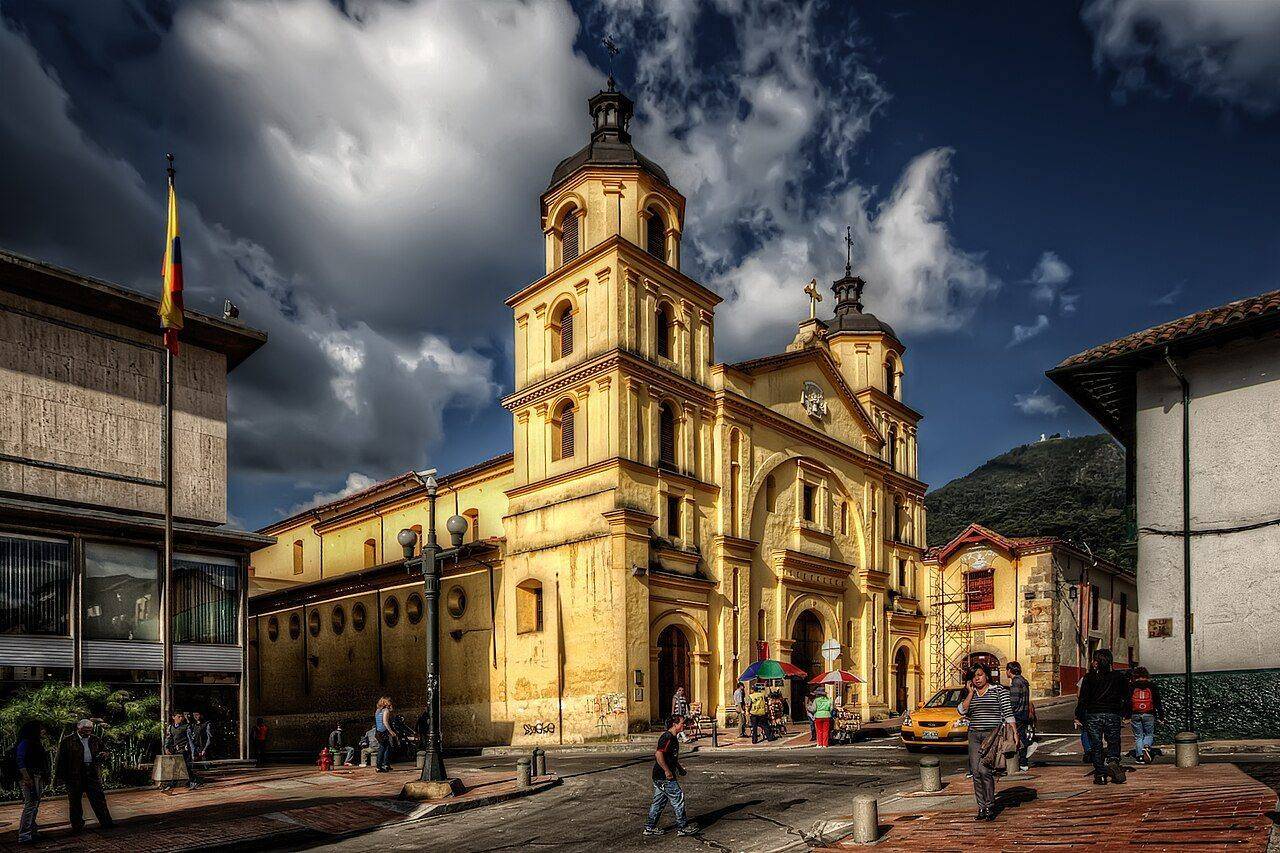
Bogotá in depth
The capital at 2,600 metres: the colonial Candelaria district, the Gold Museum with thousands of pre-Hispanic pieces, the Botero Museum, Monserrate sanctuary by cable car, the downtown murals, Paloquemao market with fruits you have never seen and Usaquén on a Sunday.
 4 daysEasy
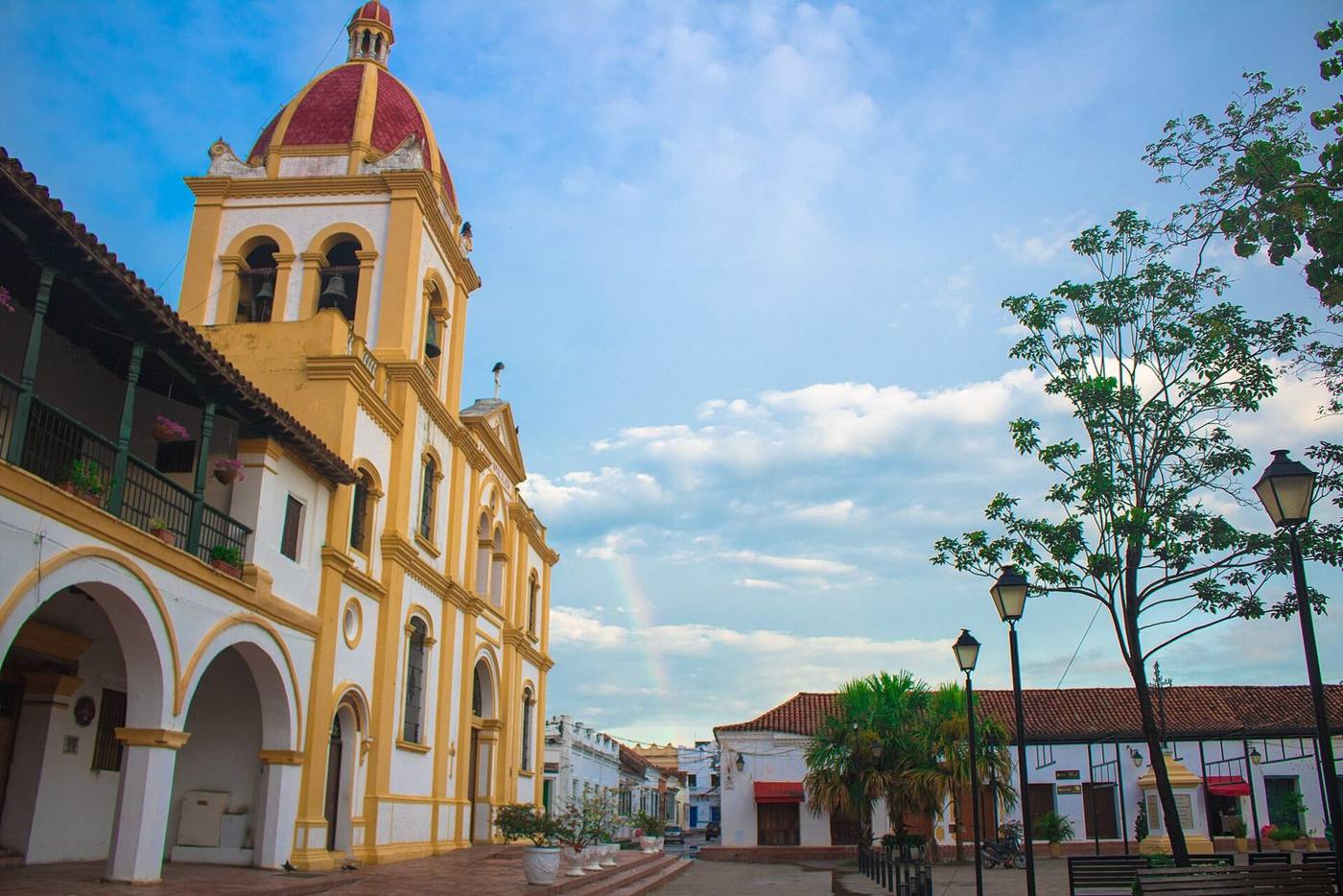
Mompox, the town on the river
The colonial town frozen in time on a branch of the Magdalena River, a UNESCO site: yellow-painted churches, houses with wrought-iron grilles, silver filigree workshops, the Holy Week processions and a dawn boat trip through the Ciénaga de Pijiño wetlands.
 6 daysEasy
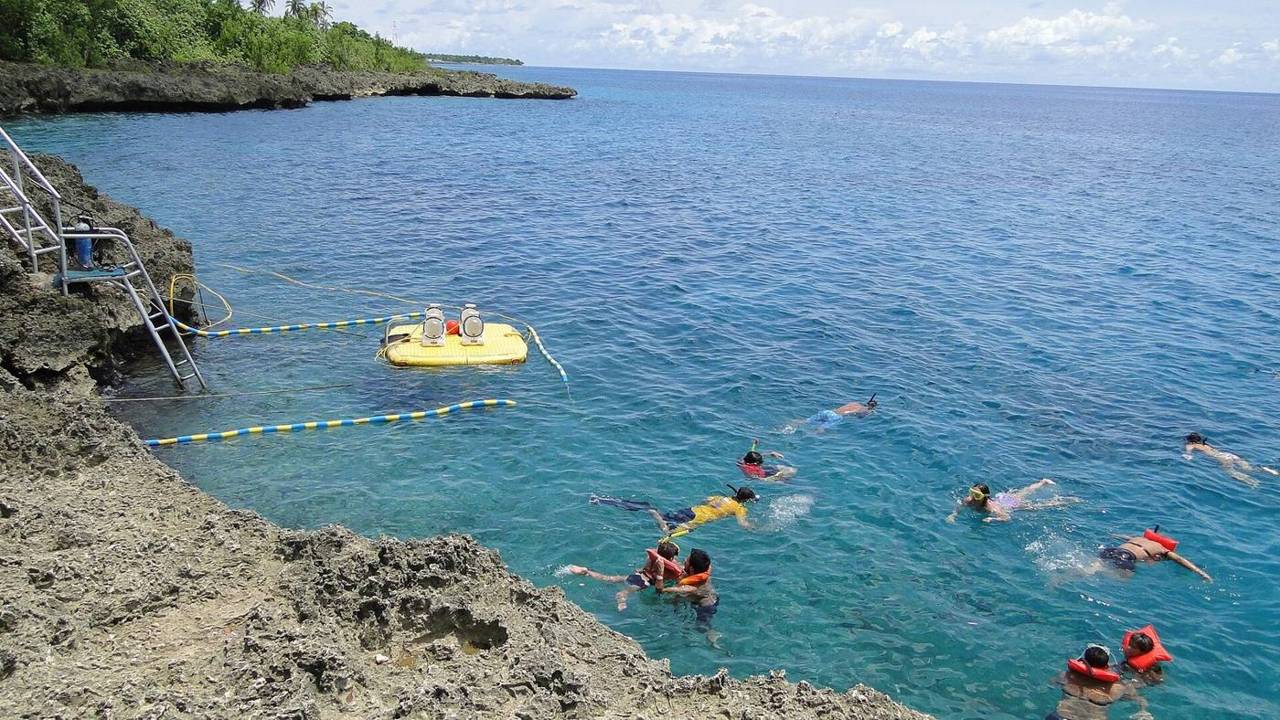
San Andrés and Providencia
Colombia's Caribbean islands, closer to Nicaragua than to Bogotá: the sea of seven colours around San Andrés, Johnny Cay and the natural aquarium, then Providencia, a quiet island of Raizal culture, with its barrier reef and McBean Lagoon marine park.