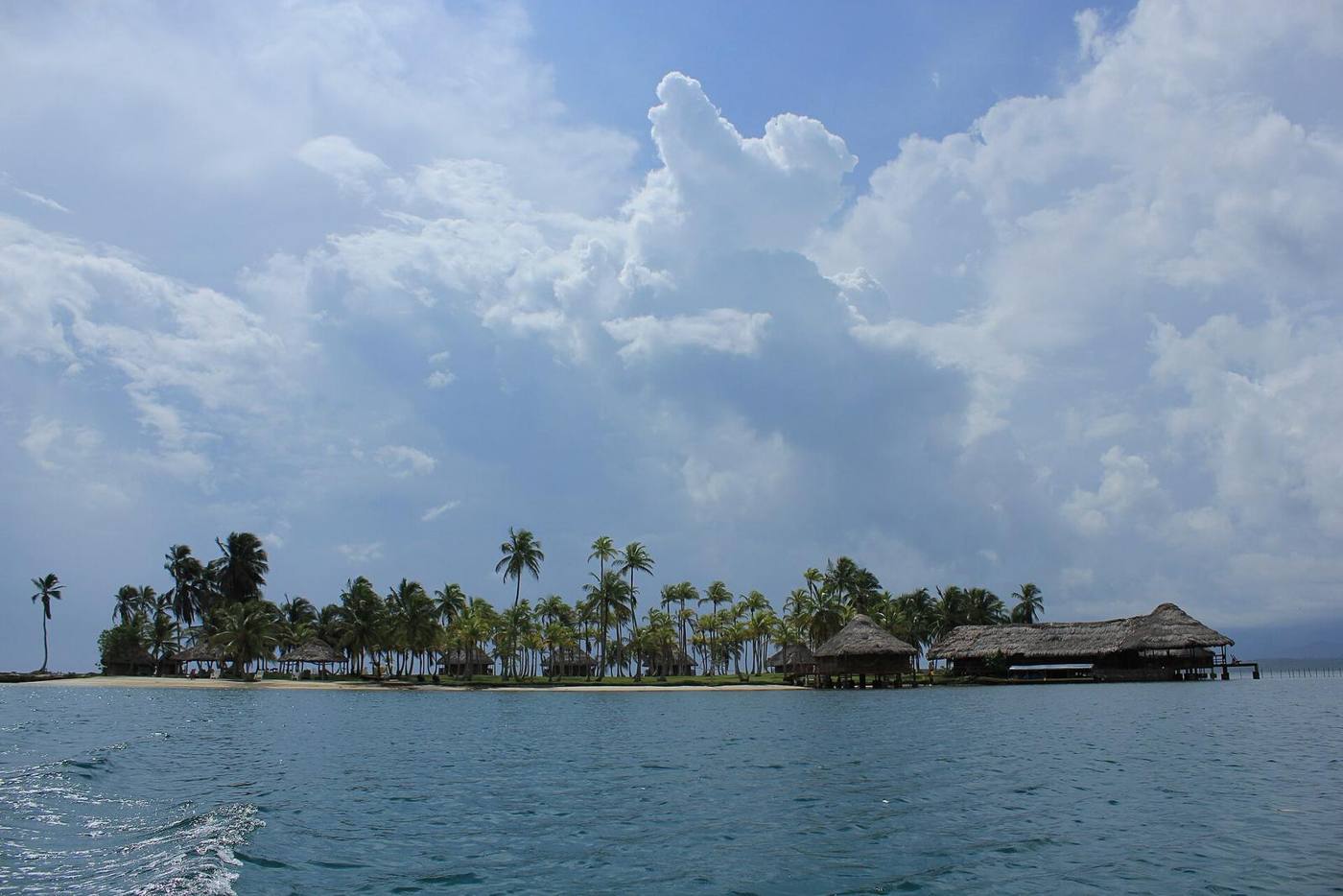
Costa Rica and the San Blas islands
Two weeks of nature in Costa Rica and then Panama's islands, home to the Guna people: a hundred islets of sand and palms in the Caribbean Sea.
- San José
- Tortuguero
- Arenal
- Monteverde
- Manuel Antonio
- Panama City
- San Blas
Day by day
- Day 1
Arrival in San José
This trip combines, in three weeks, the nature of Costa Rica and the sea of Panama: the canals of Tortuguero, Arenal volcano, the cloud forest of Monteverde, the beaches of Manuel Antonio and Uvita, then Panama City with its canal and five days in the San Blas islands, the comarca of Guna Yala.
Before you go: Italian citizens enter Costa Rica without a visa for tourism for up to 180 days, with a passport valid for at least 90 days from the date of entry and a return air ticket. They enter Panama without a visa for tourism for up to 90 days, with a passport valid for at least three months from arrival and a return or onward ticket. Other nationalities should check their own rules. For Costa Rica, Italy's official travel advice reports a sharp rise in crime, with greater risks in central San José, and recommends avoiding the isolated areas on the border with Nicaragua. For Panama it advises against eastern Darién, on the border with Colombia, and urges caution in Colón; the US government puts parts of Darién and of the Mosquito Gulf, on the western Caribbean coast, at level 4. This trip touches none of these areas. Panama's authorities recommend the yellow fever vaccine for visitors to Guna Yala.
On arrival take an official taxi, red in the city or orange from the airport. In the afternoon walk around the centre and visit the pre-Columbian gold museum, beneath the square next to the Teatro Nacional. Check prices and times.
In the evening try a casado, with rice, beans, plantain and meat or fish.
Practical tip: book your San Blas nights and the flight from David to Panama City before leaving home; places are few.
- Day 2
Towards the canals of Tortuguero
Today you reach Tortuguero, on the northern Caribbean coast, a village you can reach only by boat or by plane.
Leave San José at dawn. The road crosses Braulio Carrillo National Park, with forested mountains, hairpin bends and mist, and then descends to the Caribbean plain among banana plantations. After a few hours you reach the boat landing.
From here a motorboat travels along rivers and canals for more than an hour. The journey is already an excursion: watch the banks, where you see motionless caimans, white herons, iguanas on the branches and, with a little luck, a sloth.
Tortuguero is a strip of sand between the lagoon and the sea. The houses are of colourful wood and instead of a road there is a path. The beach is long, dark and wild, but the sea is very dangerous because of the currents: do not swim.
In the afternoon stroll around the village, say hello to the children playing football on the sand and visit the small sea turtle conservation centre, which explains the work done here for decades to protect them.
In the evening have rice and beans in coconut milk with chicken in a spicy sauce, the typical cooking of the Caribbean coast.
Practical tip: bring enough cash for two days; the village has few cash machines and they are often out of order.
- Day 3
Tortuguero from the water
Today you explore Tortuguero National Park, a maze of canals in the rainforest.
At dawn board a canoe or a quiet boat with a licensed guide. The water is calm, the air cool and the animals active. In the narrowest canals you see howler monkeys calling from the trees, spider monkeys, toucans with colourful beaks, kingfishers, tiger herons and caimans on the banks. Sometimes an otter appears too. Check prices and times.
After breakfast walk the park trail, often muddy, in rubber boots. Look for the small brightly coloured poison frogs and the big trees with plank roots.
In the afternoon rest or take a boat to Cerro Tortuguero, a small hill north of the village, from which you see the lagoon, the canals and the sea.
From July to October, in the evening, green turtles come onto the beach to dig their nests and lay their eggs. You can watch only with licensed guides, in small groups and without lights. Switch off your phone and do not use the flash: light frightens them. Out of season, take a short night walk with a guide instead.
Practical tip: even in the dry months it rains often here; keep your phone and documents in a waterproof pouch.
- Day 4
Across the plain to Arenal
Today you leave the Caribbean and cross the northern plain to Arenal volcano.
In the morning the boat takes you back to the landing. From there continue by shuttle or car westwards, among pastures, pineapple plantations and wide rivers. The transfer is long: stop halfway for something to eat.
In the afternoon, if the sky is clear, you see Arenal from afar: an almost perfect cone, green at the base and grey at the top. In 1968 a sudden eruption destroyed some villages. For more than forty years the volcano then had continuous lava flows and explosions, until 2010. Today it is quiet, but it is still active.
You arrive in La Fortuna, the tourist town at the foot of the volcano, with its central square, its church and many shops. Italy's travel advice lists it among the places where tourists suffer thefts: keep your bag with you and leave nothing in the car.
In the evening relax in one of the area's hot springs, warmed by the volcano. Hot water flows among tropical plants, in pools and small waterfalls. There are also stretches of warm river where local families bathe. Check prices and times.
After your soak have a plate of river fish or a casado for dinner.
Practical tip: do not drive after dark on country roads; they are narrow, unlit and animals cross them.
- Day 5
Lava, a waterfall and bridges among the trees
Today you explore Arenal volcano and the forest around it.
Early in the morning enter Arenal Volcano National Park. The trail crosses the solidified lava flows, now covered with bushes and young trees, to a viewpoint with the cone in front of you and Lake Arenal behind. Along the way you see coatis, toucans, hummingbirds and morpho butterflies, a brilliant blue. You cannot climb to the crater. Check prices and times.
Then go to La Fortuna waterfall. A long staircase leads down through the forest to the green pool into which the water falls. Swim only where it is allowed, away from the cascade. Check prices and times.
In the afternoon walk a circuit of hanging bridges, walkways suspended among the treetops. From up there you see orchids, bromeliads, birds and sometimes a sloth asleep on a nearby branch.
Alternatively, visit a small cocoa farm and find out how the beans become chocolate, tasting raw cocoa and the traditional drink.
In the evening try chifrijo, with rice, beans, crispy pork and pico de gallo, or an olla de carne, the beef and vegetable soup.
Practical tip: the cone is best seen in the early morning; later it is covered by clouds, so get up early for your photos.
- Day 6
Towards Monteverde
Today you reach Monteverde, the cloud forest in the Tilarán mountains.
In the morning drive along the north shore of Lake Arenal, the largest artificial lake in the country. The road passes green hills, woods, small villages and wind turbines on the ridges. Stop at the viewpoints to look at the volcano across the lake. Alternatively you can cross the lake by boat and continue by shuttle from the other shore.
After the lake the road climbs through bends and some unpaved stretches. In about three and a half hours you reach Santa Elena, the main village, at about 1,400 metres. The air is cool and mist often drifts between the houses and the trees.
The Monteverde community was born in the 1950s, when a group of Quakers arrived from the United States. They raised cows, made cheese and protected the forest above the village, which is now one of the best known reserves in the country.
In the afternoon visit a small butterfly or hummingbird garden, where you see the forest's species up close.
In the evening take a night walk with a guide. In the dark forest, by torchlight, you look for tarantulas, red-eyed frogs, stick insects, sloths, snakes on branches and the kinkajou, which leaps between the trees.
Practical tip: in Monteverde temperatures drop in the evening; bring a fleece and a rain jacket.
- Day 7
In the forest of the clouds
Today you walk in the Monteverde cloud forest.
At opening time enter the Monteverde Cloud Forest Biological Reserve or the Santa Elena reserve. The trails pass among very tall trees covered in moss, tree ferns, bromeliads and orchids. Sometimes the mist is so thick you see only a few metres, then it opens and light pours through the branches. Check prices and times.
With a guide and a telescope look for the resplendent quetzal, the forest's most famous bird, bright green with a red breast and a very long tail. It was sacred to the ancient peoples of Mesoamerica. The best season to see it is spring, but it is never guaranteed. Listen too for the metallic call of the three-wattled bellbird.
In the afternoon walk a circuit of hanging bridges above the cloud forest, at canopy height, where many birds and plants live that you cannot see from the ground.
At sunset visit a coffee farm to find out how Costa Rican coffee is grown, picked and roasted, one of the products that built the country's history.
In the evening taste the local cheese and a mountain coffee, and pack your bag for the descent to the sea.
Practical tip: wet walkways are very slippery; walk calmly and wear shoes with deep treads.
- Day 8
From the mountains to the Pacific coast
Today you descend from Monteverde to the Pacific coast, at Manuel Antonio.
In the morning follow the mountain road and then the motorway towards the coast, in about four hours. Stop on the bridge over the Tárcoles river, where from above you see large crocodiles resting on the mud. Stay on the bridge's pavement and do not approach the banks.
Then continue along the coast, among oil palm plantations and surf beaches. Italy's travel advice lists Jacó and Quepos among the places where tourists are at risk: leave no belongings in the car and lock the doors.
In the afternoon you arrive at Manuel Antonio. The road climbs a forested hill overlooking the sea, with the park's islands in front of you. Settle into your accommodation and rest.
Later go down to Espadilla beach, a long beach of pale sand outside the park. Swim only near the lifeguard and where there are flags, because the currents are strong. In the trees behind the beach you sometimes see capuchin monkeys and sloths.
At sunset watch the sun go down into the Pacific, between the islets.
In the evening try ceviche, white fish marinated in lime with onion and coriander.
Practical tip: buy tomorrow's park tickets online on the SINAC website; places are limited and tickets are not sold at the entrance.
- Day 9
Sloths and monkeys at Manuel Antonio
Today you visit Manuel Antonio National Park, one of the smallest and most famous in the country.
Arrive at opening time with your ticket already bought and take a licensed guide, who carries a telescope and knows where the animals are. The park closes one day a week: check prices and times.
The main trail crosses the rainforest near the sea. With the guide you see two-toed and three-toed sloths, white-faced capuchin monkeys, squirrel monkeys, iguanas, agoutis and many birds. The guide often also finds frogs, spiders and bats hidden under leaves.
Then you reach Manuel Antonio beach, a bay of white sand and calm water with the forest behind. Swim and rest in the shade. Do not feed the animals: monkeys and raccoons are used to tourists and open bags left unzipped.
If you still have energy, walk the Punta Catedral trail, a forested headland that was once an island, with viewpoints over the sea.
In the afternoon leave the park and rest on the hill or by the pool.
In the evening have grilled fish, coconut rice and a fruit smoothie.
Practical tip: some foods and containers are not allowed in the park; read the rules on the SINAC website before packing your bag.
- Day 10
Mangroves and islands off Quepos
Today is a quieter day, among mangroves and sea.
Early in the morning walk on Espadilla beach, when the sand is still cool and there are few tourists. Look at the trees: there are often monkeys outside the park too.
Then take a kayak or boat trip into the Isla Damas mangroves, near Quepos. The channels wind between the trees' aerial roots and are home to colourful crabs, herons, capuchin monkeys, boas on the branches and small crocodiles. Choose a time at high tide, when the water fills the narrowest channels. Check prices and times.
In the afternoon take an authorised boat to the islands off the park for snorkelling and to look for dolphins. In the right months you also see humpback whales, which migrate along this coast.
At sunset stroll along the seafront at Quepos, the fishing town, and watch the boats return to the harbour. Keep your bag in front of you and do not show off your phone.
In the evening have ceviche or the catch of the day and pack your bags: tomorrow you move further south.
Practical tip: the midday sun on the Pacific is very strong; use a hat and sun cream and plan your activities for the morning and late afternoon.
- Day 11
Uvita and Ballena Marine Park
Today you travel down the Pacific coast to Uvita, the stop closest to the border with Panama.
In the morning drive south on the Costanera, the coast road, for just over an hour. The landscape becomes wilder, with forest reaching the sea and few houses along the road.
Uvita is a quiet town between the hills and Ballena Marine National Park. Italy's travel advice lists the Bahía Ballena area among those where tourists suffer crimes: keep valuables safe and leave nothing in the car or on the beach.
Check the tide table and enter the park at low tide. Walk along the beach to Punta Uvita, where sand and rocks form a long tongue of land shaped like a whale's tail. At low tide you can reach the tip, with the sea on both sides. Check prices and times.
The park protects a stretch of sea where humpback whales pass: from July to October those from the southern hemisphere arrive, and from December to March those from the north. In the right season, book an authorised boat trip, which keeps its distance from the animals. Check prices and times.
At sunset watch the sun go down behind the whale's tail.
Practical tip: come back from the tip before the tide rises; the water covers the sand spit in a short time.
- Day 12
Waterfalls and southern beaches, or the Osa peninsula
Today is your last day in Costa Rica, to be spent among waterfalls and beaches around Uvita.
In the morning visit the Uvita waterfall, near the town. The water slides over smooth rock and falls into a pool where you can swim. Further north, in the hills, there are other waterfalls in the forest reached by short trails. Check prices and times.
In the afternoon go down to Playa Ventanas, a beach just south of Uvita, with caves in the rock that you can visit at low tide. Go in only if the sea is calm and come back before the water rises. Then relax on the sand, in the shade of the palms.
If you prefer wilder nature, you can use these two days for the Osa peninsula, with a trip with an authorised guide into Corcovado National Park from Drake Bay or Puerto Jiménez. You can enter Corcovado only with a guide and a SINAC booking: check the rules on sinac.go.cr. Remember that from the Osa the road to the border is longer.
In the evening have grilled fish and patacones, and get tomorrow's documents ready: passport, ticket out of Panama and the domestic flight booking.
Practical tip: if you have a hire car, return it in Costa Rica; you usually cannot take a hire car across the border.
- Day 13
The Paso Canoas border and the flight to Panama City
Today you cross the border between Costa Rica and Panama and fly to the capital.
Early in the morning leave Uvita heading south. In about two hours you reach Paso Canoas, the main crossing on the Pan-American Highway, on the Pacific side. It is a busy border town, with shops and queuing lorries. First complete the exit formalities for Costa Rica and then the entry formalities for Panama. Have your passport ready and your ticket out of Panama, which may be requested. Check the current fees and rules for leaving and entering by land beforehand. Change only the money you need: Panama uses the US dollar, together with the balboa.
From the border reach David, the capital of Chiriquí province, in less than an hour by bus or taxi. From its small airport take a domestic flight to Panama City, which in about an hour takes you to the other side of the country.
This route stays on the Pacific coast and in the air: it does not touch the areas the US government puts at level 4, such as the Mosquito Gulf on the Caribbean coast.
You land in Panama City in the afternoon. The city greets you with skyscrapers by the sea. Remember that Panama is one hour ahead of Costa Rica.
Practical tip: at the border keep your documents in a secure pocket and do not hand them to anyone offering help in exchange for money.
- Day 14
Casco Viejo and the Miraflores locks
Today you discover Panama City, between the historic centre and the canal.
In the morning visit Casco Viejo, the district founded at the end of the seventeenth century after the destruction of the first city. Together with the site of Panamá Viejo it is a UNESCO World Heritage Site. Walk among squares, churches, wrought iron balconies and restored colonial houses. Go into the cathedral on the main square and walk along the sea walls, with views of the skyscrapers of the modern city. Stick to the main streets and keep your bag in front of you.
After lunch take a taxi to the Miraflores locks, on the Panama Canal. The canal, opened in 1914, links the Atlantic to the Pacific and lets ships avoid the voyage around South America. From the visitor centre terraces you watch huge ships enter the locks and rise or fall with the water. Inside there is a museum on the building of the canal and on the expansion opened in 2016. Check prices and the transit times.
At sunset stroll along the Cinta Costera, the seafront with gardens and views over the bay.
In the evening try sancocho, the chicken and root vegetable soup typical of Panama, or corvina ceviche.
Practical tip: use only radio taxis from reliable companies, as Italy's travel advice recommends, and do not walk at night in poorly lit areas.
- Day 15
The Cartí road and the first islands
Today you reach the San Blas islands, in the comarca of Guna Yala, on the Caribbean coast.
Leave Panama City at dawn in a four-wheel drive. The road crosses the plain and then climbs into the forested hills, with steep bends, to Guna territory. At the entrance to the comarca there are checks: keep your passport at hand. After a few hours you reach the port of Cartí, on the coast.
Guna Yala is an autonomous indigenous territory, governed by the traditional authorities of the Guna people, who set the rules for visitors, including any fees. Ask whoever arranges your stay for the current rules and prices before you leave. In strong winds and rough seas the authorities can suspend boat transport: keep a spare day in your plan.
From the port a motor launch takes you among the islands. There are hundreds of them, small and low, with white sand, palms and turquoise sea, and only some are inhabited.
You arrive on your island and settle into a simple hut of cane and palm leaves, on the sand. There are no shops here and at night there is often no electricity.
In the afternoon have your first swim and watch the sun set over the sea.
Practical tip: bring cash in small dollar notes, a head torch and a power bank; there are no cash machines on the islands.
- Day 16
Snorkelling among the islands
Today you explore the sea around the islands by boat.
In the morning board the launch with your Guna boatman and visit some nearby islands. Each one is different: some are so small that you can walk around them in a few minutes, others have a few huts and a family who looks after them.
Stop to snorkel on the coral reefs. The water is shallow and clear and below the surface you see corals, sea fans, parrotfish, blue tang, rays and sometimes turtles. Do not touch the corals and do not stand on the bottom.
Around midday the boatman takes you to an area of very shallow water, a natural pool in the middle of the sea where you see large starfish on the sand. Look at them without lifting them out of the water.
Near one of the islands there is an old wreck sunk close to the shore, a few metres deep, covered in corals and fish. You reach it by swimming from the beach. Check prices and times of the trips.
For lunch eat grilled fish, coconut rice and fried plantain, cooked by Guna families.
In the afternoon rest in a hammock in the shade of the palms.
Practical tip: do not pick up fallen coconuts; every palm on the islands belongs to a Guna family, and taking them is considered theft.
- Day 17
A village island and Guna culture
Today you visit an inhabited island and discover the life of the Guna people.
In the morning the launch takes you to a village island near the coast, packed with cane houses with palm-leaf roofs, narrow alleys and small jetties. Most Guna live here and go to the mainland every day to farm and to fetch fresh water and firewood. Visit the island with a local guide, who explains the village rules.
Guna women wear traditional dress: colourful skirts, red headscarves, beads wound around their arms and legs and molas, panels of fabric sewn in several layers with geometric or animal designs. Molas are the best known art of the Guna people and you can buy them directly from the women who make them.
The Guna people are proud of their autonomy. In 1925 they rose against the Panamanian authorities to defend their culture, and the territory is still governed by traditional congresses, with meetings in the village's great house.
Always ask permission before photographing people: a small payment is often requested. Dress modestly on the village island.
In the afternoon return to your island and have a swim.
Practical tip: buy molas on the islands, directly from the women who sew them; it is real help for the families.
- Day 18
The outer islands
Today you reach the islands furthest from the coast, where the sea is even clearer.
If the sea is calm, leave in the morning by launch for the outer archipelagos, about an hour away. Here the islands are uninhabited or almost, protected by a long coral reef that breaks the waves of the open ocean. The colour of the water changes from deep blue to pale green over the sand.
Snorkel along the reef, where the corals are bigger and you see shoals of fish, lobsters hidden in the cracks, nurse sharks resting on the bottom and sometimes dolphins in the distance. Stay close to the boatman and swim only where he tells you: the currents outside the reef are strong.
Have lunch on a deserted beach with fish caught in the morning, then rest in the shade.
If the wind is strong and the sea rough, the launch does not go out to the open sea. In that case stay among the nearby islands, paddle a kayak around your island or take a walk on the sand. Always accept the boatmen's decisions: they know the sea better than anyone.
In the evening, without artificial light, the sky above the islands fills with stars.
Practical tip: use reef-safe sun cream and a long-sleeved top in the water; sunlight reflected off the sea burns quickly.
- Day 19
A slow day on the sand
Today is your last full day in San Blas, to be enjoyed calmly.
At dawn walk around your island, when the light is soft and the sand cool. Watch the Guna fishermen head out in their dugout canoes, the cayucos, with a sail or a paddle.
In the morning have a last snorkel near the shore. Often, even a few metres from the beach, you find corals, colourful fish and starfish.
Then ask the family hosting you to show you how they prepare fish or how to open a coconut. If you like, learn a few words of the Guna language: "nuedi" means thank you and is also used as a greeting.
In the afternoon rest in the hammock, read and swim whenever you like. Without internet and with little electricity, the day follows the sun and the wind.
At sunset sit on the beach and watch the sky change colour above the palms.
In the evening have lobster or fish for dinner, if it is the right season: lobster fishing has closed periods, so ask the family what can be eaten.
Pack your bags: tomorrow you leave early, with the morning launch.
Practical tip: take away all your rubbish, especially plastic and batteries; there is no collection on the islands and space is tiny.
- Day 20
Back to Panama City and Panamá Viejo
Today you leave the islands and return to Panama City.
Early in the morning the launch takes you back to the port of Cartí. From there the four-wheel drive retraces the road through the hills to the capital, in a few hours. If the sea is rough, the boat crossing can be wet: keep your bag in a dry bag.
In the afternoon visit the ruins of Panamá Viejo, the first European city on the Pacific coast of the Americas, founded in 1519. In 1671 it was sacked and burnt during the attack of the pirate Henry Morgan, and the city was then rebuilt further west, where Casco Viejo stands today. What remains are the stone walls, the ruins of the convents and the cathedral tower, from which you see the skyscrapers and the bay. Check prices and times.
At sunset take a taxi to the Amador Causeway, a road over the sea joining some islands at the entrance to the canal. From here you see ships waiting to enter and the city skyline. Nearby is the Biomuseo, with its colourful building designed by Frank Gehry, devoted to the nature of the isthmus. Check prices and times.
In the evening have fish from the market or a ceviche.
Practical tip: allow an extra night in Panama City before your international flight; bad weather can delay the return from the islands.
- Day 21
Departure
Today is your last day and you leave Panama.
In the morning, if your flight is late, take a last walk in Casco Viejo or along the Cinta Costera. Then go to Tocumen international airport by taxi, leaving plenty of time for traffic.
In these three weeks you have travelled the canals of Tortuguero, perhaps seen turtles lay their eggs, relaxed in Arenal's hot springs, looked for the quetzal in Monteverde, seen sloths and monkeys at Manuel Antonio and walked on the whale's tail at Uvita. Then you crossed the border, watched ships rise in the locks of the Panama Canal and spent five days among the islands of the Guna people, with the turquoise sea, grilled fish and nights without electricity. It is the ideal combination of forest and sea.
When to go: from December to April, in the dry season, with the clearest skies in both Costa Rica and Panama. Between December and March the trade winds can make the sea rough in San Blas and sometimes the boats do not go out. From May to November it often rains in the afternoon, but the landscapes are greener. Green turtles nest at Tortuguero from July to October.
Practical tip: keep your passport's entry and exit stamps safe; they may be checked at the airport when you leave.
The ideal mix of forest and postcard sea. The San Blas islands are run independently by the Guna: very basic lodging, no electricity at night, and that's exactly why they stay pristine. Right months: December-April.
Before you go
- Documents and visa
- Passport valid for at least 90 days from the date of entry and a return air ticket; no visa is needed for tourism for up to 180 days, but the immigration officer decides the exact period on arrival. Travellers arriving from a country at risk must show a yellow fever vaccination certificate. When you leave by air there is a departure tax, usually already included in the ticket.
- Health and vaccines
- Healthcare is good but expensive: you need insurance that covers medical costs and repatriation. There is a risk of dengue, rising in 2026 and higher in the rainy season, as well as chikungunya and Zika: use repellent during the day too. There are cases of malaria, mainly in Limón province. Drink bottled water. Emergencies: 911.
- Money and payments
- Costa Rican colón. US dollars are accepted almost everywhere and cards work in tourist areas; carry some cash in colones for villages and small purchases.
- Power sockets
- Types A and B, with flat pins as in the United States, 120 volts: you need an adapter, and check the voltage of your devices.
- Time zone
- UTC-6 all year.
- Safety
- Italy's official travel advice reports a sharp rise in crime: bag snatching, robbery, scams, and theft from cars and accommodation. The areas with the most murders are central San José, Limón district and some cantons such as Puntarenas, Alajuela and Matina; among the tourist areas at risk it lists Jacó, Quepos, Cahuita, Bahía Ballena, La Fortuna and Tamarindo. Avoid isolated areas on the border with Nicaragua, isolated beaches and the shore at night. Visit parks with licensed guides and in a group, use only official taxis, red or orange for the airport, and leave nothing in the car. Sea currents are strong and few beaches have lifeguards. Official advice: GOV.UK.
Information checked in November 2026 for Italian and EU citizens. Rules change: always check before you travel.
Variations
Shorter version: in fifteen days skip Monteverde and Uvita and fly from San José to Panama City after Manuel Antonio.
Longer version: add two days on the Osa peninsula, with Corcovado National Park, before the border.
Frequently asked questions
How do you get from Costa Rica to Panama?
This trip uses the Paso Canoas crossing, on the Pan-American Highway; then a domestic flight from David to the capital. Alternatively, fly from San José to Panama City.
Is San Blas safe?
Italy's travel advice, the FCDO and the US do not advise against Guna Yala; the risk areas are eastern Darién and the Mosquito Gulf. In strong winds the Guna authorities can suspend boats.
Do you need a vaccine for San Blas?
Panama's authorities recommend the yellow fever vaccine for visitors to Darién and Guna Yala; ask your doctor or a travel medicine clinic.
Indicative itinerary written by World Atlas. Before booking, check timetables, seasonal openings, documents and safety.
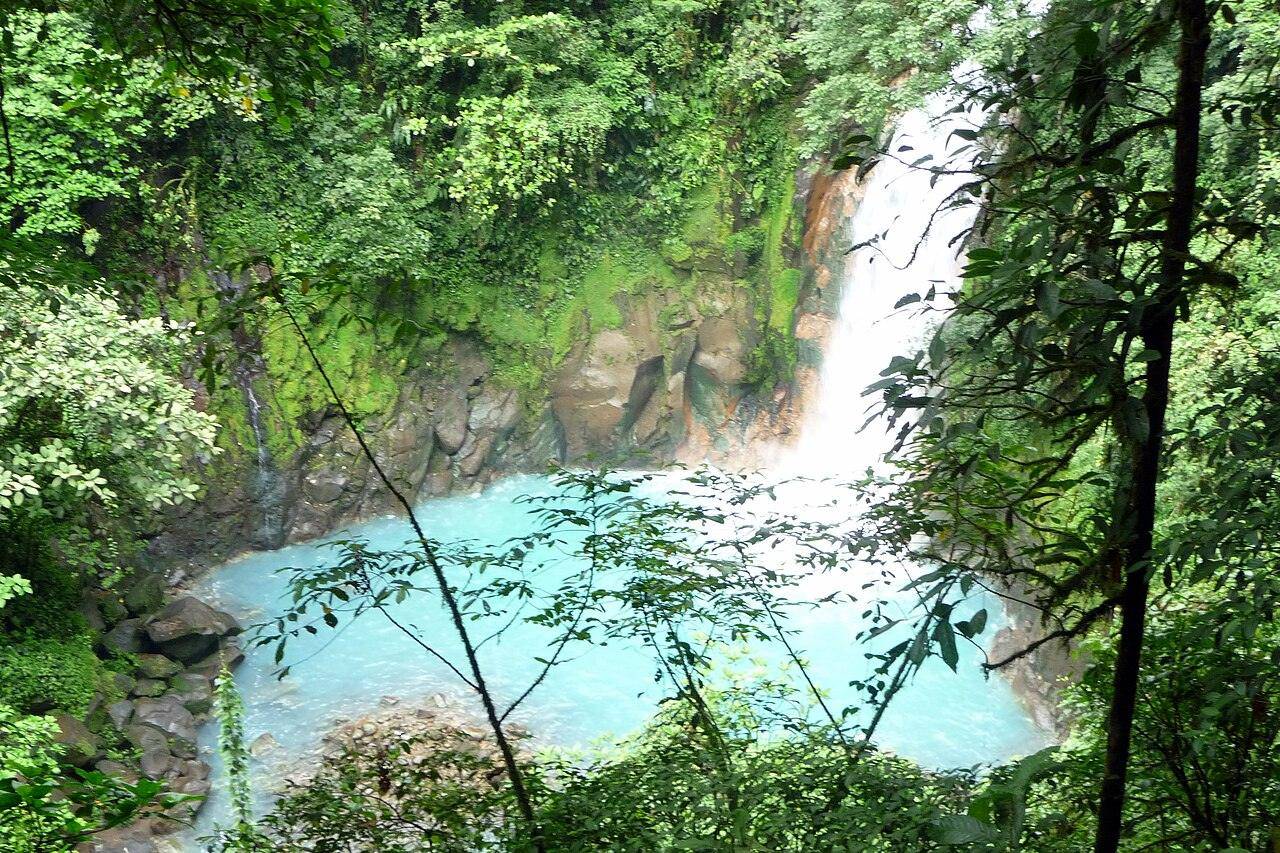 7 daysEasy
Volcanoes, cloud forests and the Pacific
Arenal and its hot springs, the hanging bridges of Monteverde and the sloths of Manuel Antonio.
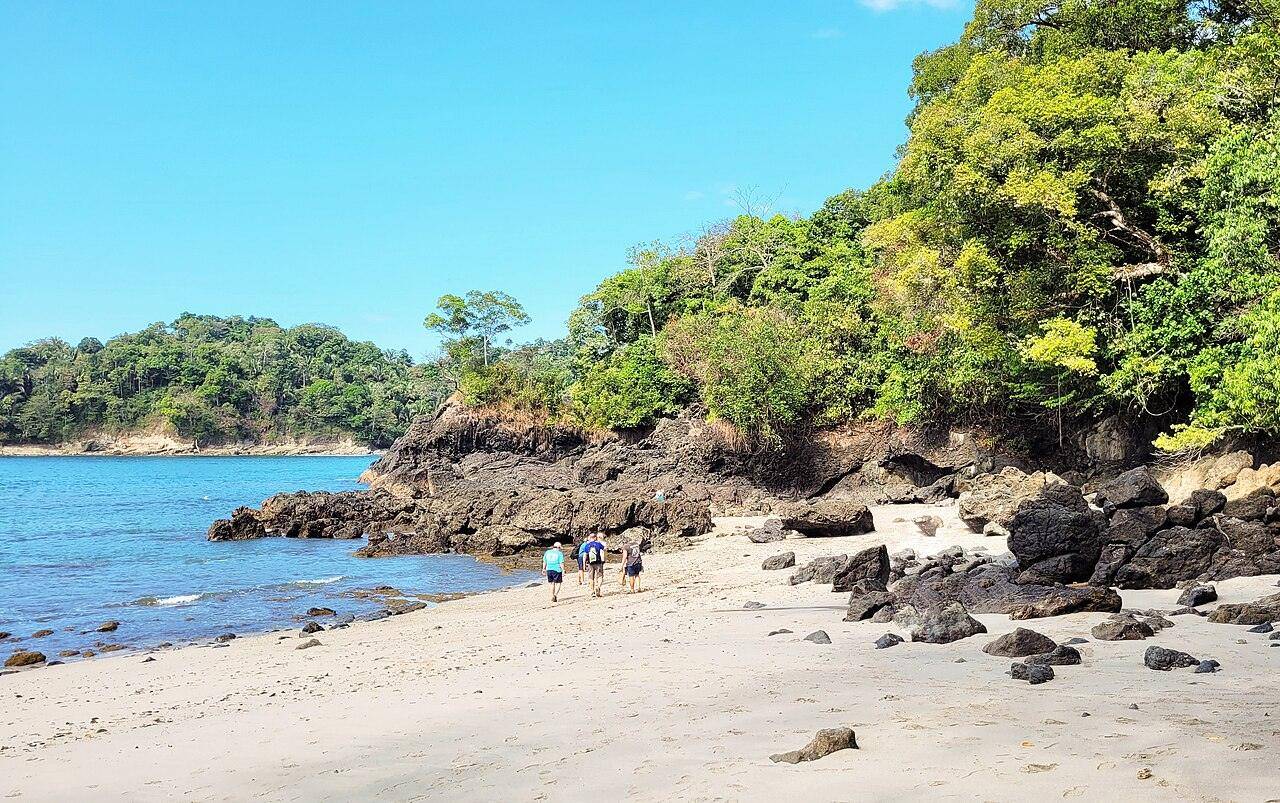 15 daysModerate
Costa Rica coast to coast
From the Tortuguero canals to the Pacific: volcanoes, forests, turtles and the Osa Peninsula, the country's wildest corner.
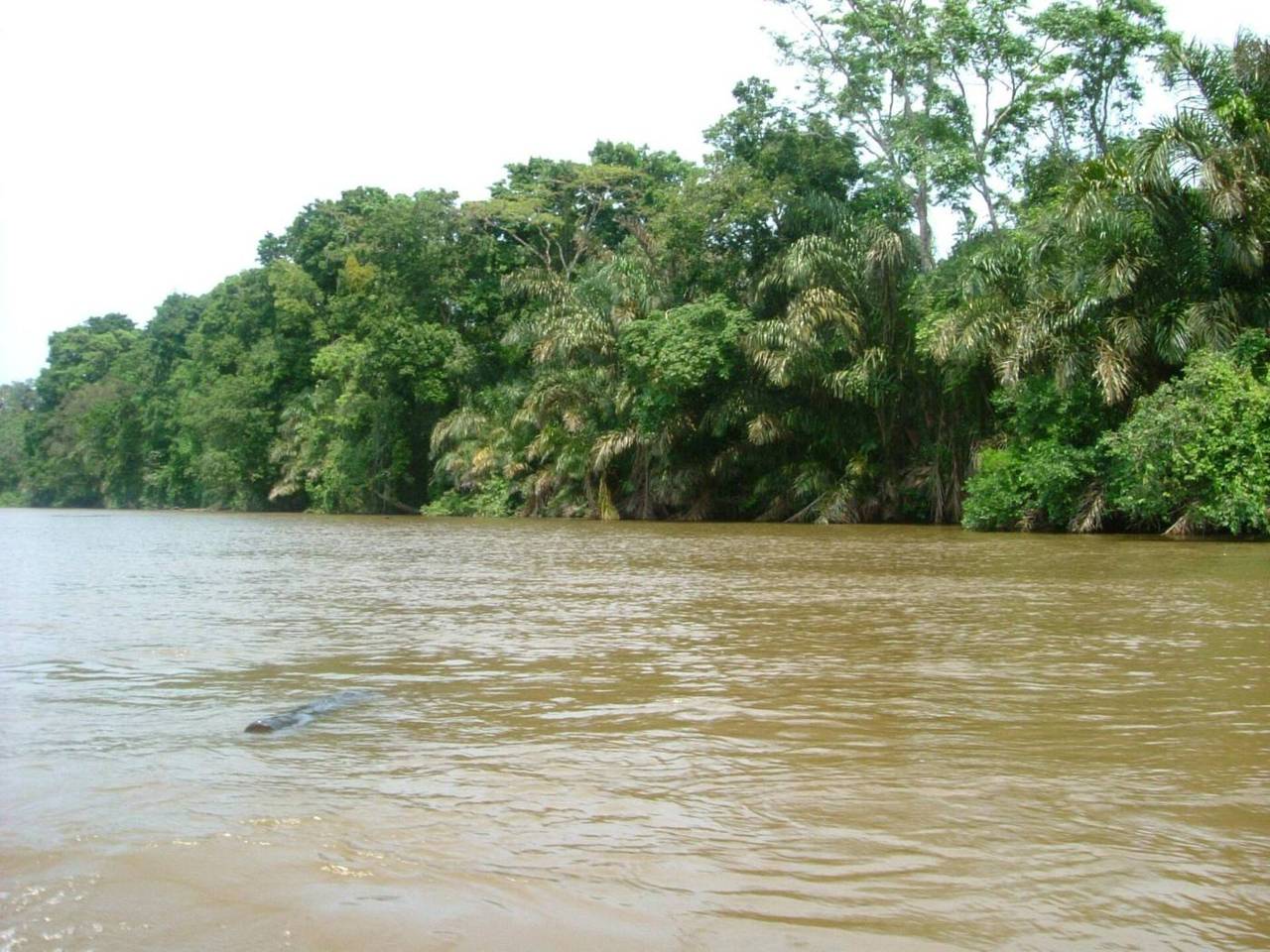 12 daysEasy
Costa Rica express: Tortuguero, Arenal and Manuel Antonio
The jungle canals of the Caribbean, Arenal volcano and its hot springs, the hanging bridges of the cloud forest and monkeys on the Pacific beach.