Orosi valley, Irazú and the Pacuare
East of the capital: the crater of Irazú volcano at over 3,400 metres, Cartago and its basilica, the Orosi valley among coffee farms and the country's oldest colonial church still in use, then rafting on the Pacuare river through a forested canyon.
- San José
- Irazú
- Cartago
- Orosi
- Turrialba
- Pacuare
Day by day
- Day 1
Irazú early in the morning and Cartago
This trip explores the central valley east of San José: the crater of Irazú volcano, the city of Cartago with its basilica, the Orosi valley among coffee plantations and colonial churches, then Turrialba and rafting on the Pacuare River.
Before you go: Italian citizens enter Costa Rica without a visa for tourism for up to 180 days, with a passport valid for at least 90 days from the date of entry and a return air ticket. Other nationalities should check their own rules. Italy's official travel advice reports a sharp rise in crime, with bag snatching, robbery and theft from cars, especially in central San José: use only official taxis and leave nothing in the car. The United Kingdom points out that safety standards for adventure activities vary widely.
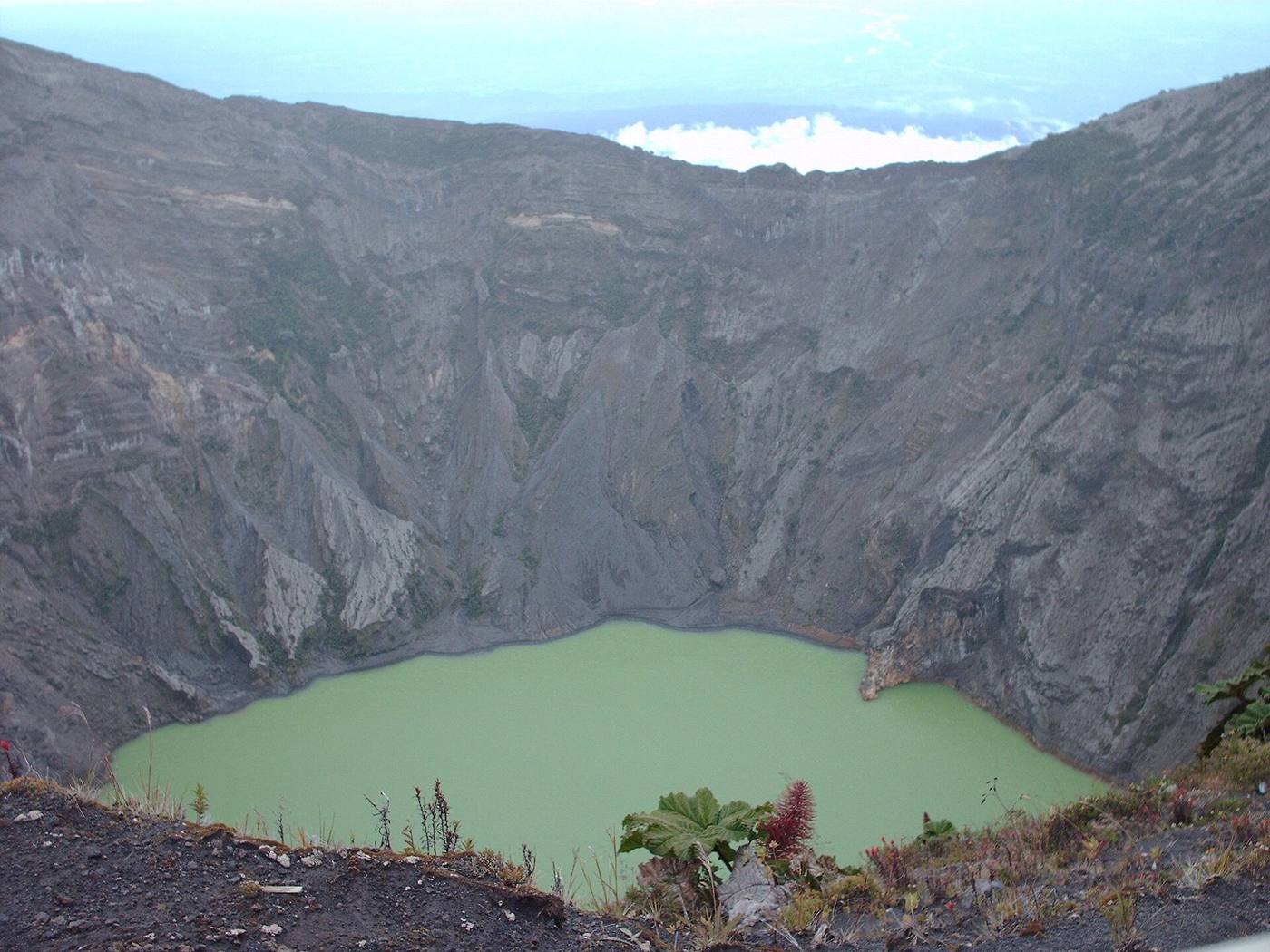
Leave San José at dawn, because on Irazú the clouds arrive in the late morning. The road climbs among fields of potatoes, onions and pastures to more than 3,400 metres. Irazú is one of the highest active volcanoes in the country: between 1963 and 1965 its ash fell on San José. From the rim you look into the main crater, deep, with grey and yellow walls. On clear days you can see both oceans. Buy your ticket in advance on the official SINAC website, sinac.go.cr; check prices and times.
In the afternoon go down to Cartago, the country's first capital. Visit the basilica of Nuestra Señora de los Ángeles, with the small dark statue of La Negrita, patron saint of Costa Rica, and the ruins of the church of Santiago Apóstol, left unfinished after the earthquake of 1910.
Practical tip: on Irazú it is cold and windy; bring a jacket and a hat and walk slowly, because at that height breathing is harder.
- Day 2
The Orosi valley and coffee
Today you go down into the Orosi valley, a green basin surrounded by mountains, south-east of Cartago.
In the morning stop at the viewpoint above the valley: from here you see the Reventazón River, coffee fields on the slopes, villages with tin roofs and Lake Cachí, a reservoir.
Go down to the village of Orosi and visit the church of San José de Orosi, from the eighteenth century, with white adobe walls and a tiled roof. It is the oldest colonial church still in use in the country, and it has survived many earthquakes. Next to it is a small museum of religious art. Check prices and times.
Then visit a coffee plantation. A guide explains how the plant grows in the shade of trees, how the red berries are picked by hand, and how the beans are washed, dried in the sun and roasted. At the end you taste freshly made coffee from a chorreador, the traditional cloth filter.
In the afternoon drive round Lake Cachí to the ruins of Ujarrás, the remains of a colonial church abandoned after the floods of the nineteenth century, in a garden among the trees.
In the evening relax in the village's thermal pools.
Practical tip: the coffee harvest usually runs from November to February; in those months the plantations are full of life and you see the pickers at work.
- Day 3
Turrialba and rafting on the Pacuare
Today is the adventure day of the trip, on the Pacuare River, one of the finest rivers in Central America for rafting.
Early in the morning go to Turrialba, a farming town in a green valley, among coffee and sugar cane plantations. From here the group sets off with the guides to the put-in point on the river.
Before getting into the water you receive a helmet, life jacket and paddle, and a safety briefing: how to paddle, how to hold on and what to do if you fall in. Then you go down the river for a few hours, in a deep canyon covered in tropical forest, with waterfalls pouring down the walls. The rapids are class III and IV: strong, with big waves and technical passages, but suitable for people who are fit and listen to the guide.
Between the rapids the river slows down and you can watch the forest, toucans and sometimes monkeys. Indigenous Cabécar communities also live along the river. Halfway down you stop on the bank for lunch.
In the late afternoon go back to Turrialba, wet and tired.
Practical tip: choose only operators with certified guides, equipment in good condition and a safety kayak that accompanies the rafts; when the river is in flood after heavy rain the trip can be cancelled.
- Day 4
Guayabo and the return to San José
Today you visit the most important archaeological site in the area, then go back to San José.
In the morning drive up to Guayabo National Monument, on the slopes of Turrialba volcano, less than an hour from Turrialba. Here, in the forest, are the remains of an ancient pre-Columbian village, inhabited for many centuries before the Spanish arrived. You walk among circular stone platforms where the houses stood, paved roads and stone aqueducts that still carry water today. There are also petroglyphs, stones carved with figures. It is one of the most important archaeological sites in Costa Rica. Check prices and times.
In the afternoon return to San José, about two hours by road.
In these four days you have looked into the crater of Irazú, seen the basilica of Cartago and the colonial church of Orosi, tasted the valley's coffee, run the rapids of the Pacuare and walked among the stones of Guayabo. It is a varied trip close to the capital, good for those with only a few days.
When to go: from December to April, in the dry season, with the clearest skies over Irazú. The Pacuare can be rafted all year, but from June to November it has more water and stronger rapids.
Practical tip: on the way back to San José avoid the late afternoon rush hour, when traffic towards the capital is very slow.
Clouds reach Irazú by late morning: go up early. The Pacuare has class III and IV rapids: only with reputable operators and certified guides. A passport valid for the whole stay and an onward ticket are needed.
Before you go
- Documents and visa
- Passport valid for at least 90 days from the date of entry and a return air ticket; no visa is needed for tourism for up to 180 days, but the immigration officer decides the exact period on arrival. Travellers arriving from a country at risk must show a yellow fever vaccination certificate. When you leave by air there is a departure tax, usually already included in the ticket.
- Health and vaccines
- Healthcare is good but expensive: you need insurance that covers medical costs and repatriation. There is a risk of dengue, rising in 2026 and higher in the rainy season, as well as chikungunya and Zika: use repellent during the day too. There are cases of malaria, mainly in Limón province. Drink bottled water. Emergencies: 911.
- Money and payments
- Costa Rican colón. US dollars are accepted almost everywhere and cards work in tourist areas; carry some cash in colones for villages and small purchases.
- Power sockets
- Types A and B, with flat pins as in the United States, 120 volts: you need an adapter, and check the voltage of your devices.
- Time zone
- UTC-6 all year.
- Safety
- Italy's official travel advice reports a sharp rise in crime: bag snatching, robbery, scams, and theft from cars and accommodation. The areas with the most murders are central San José, Limón district and some cantons such as Puntarenas, Alajuela and Matina; among the tourist areas at risk it lists Jacó, Quepos, Cahuita, Bahía Ballena, La Fortuna and Tamarindo. Avoid isolated areas on the border with Nicaragua, isolated beaches and the shore at night. Visit parks with licensed guides and in a group, use only official taxis, red or orange for the airport, and leave nothing in the car. Sea currents are strong and few beaches have lifeguards. Official advice: GOV.UK.
Information checked in November 2026 for Italian and EU citizens. Rules change: always check before you travel.
Variations
Shorter: three days, with Irazú, Cartago, Orosi and the rafting, without Guayabo.
Longer: add two days in Tapantí National Park, near Orosi, for the rainforest and the birds.
Frequently asked questions
Is rafting on the Pacuare suitable for everyone?
The rapids are class III and IV: you need to be in good health, able to swim and ready to paddle for hours. Choose only operators with certified guides.
When is the best time to see the Irazú crater?
Early in the morning, because the clouds arrive in the late morning. Buy your ticket in advance on the official SINAC website: check prices and times.
What is La Negrita?
It is a small dark statue of the Virgin Mary, kept in the basilica of Cartago. She is the patron saint of Costa Rica, and every year, in August, many pilgrims walk to the basilica.
Indicative itinerary written by World Atlas. Before booking, check timetables, seasonal openings, documents and safety.
 5 daysEasy
Uvita and Marino Ballena park
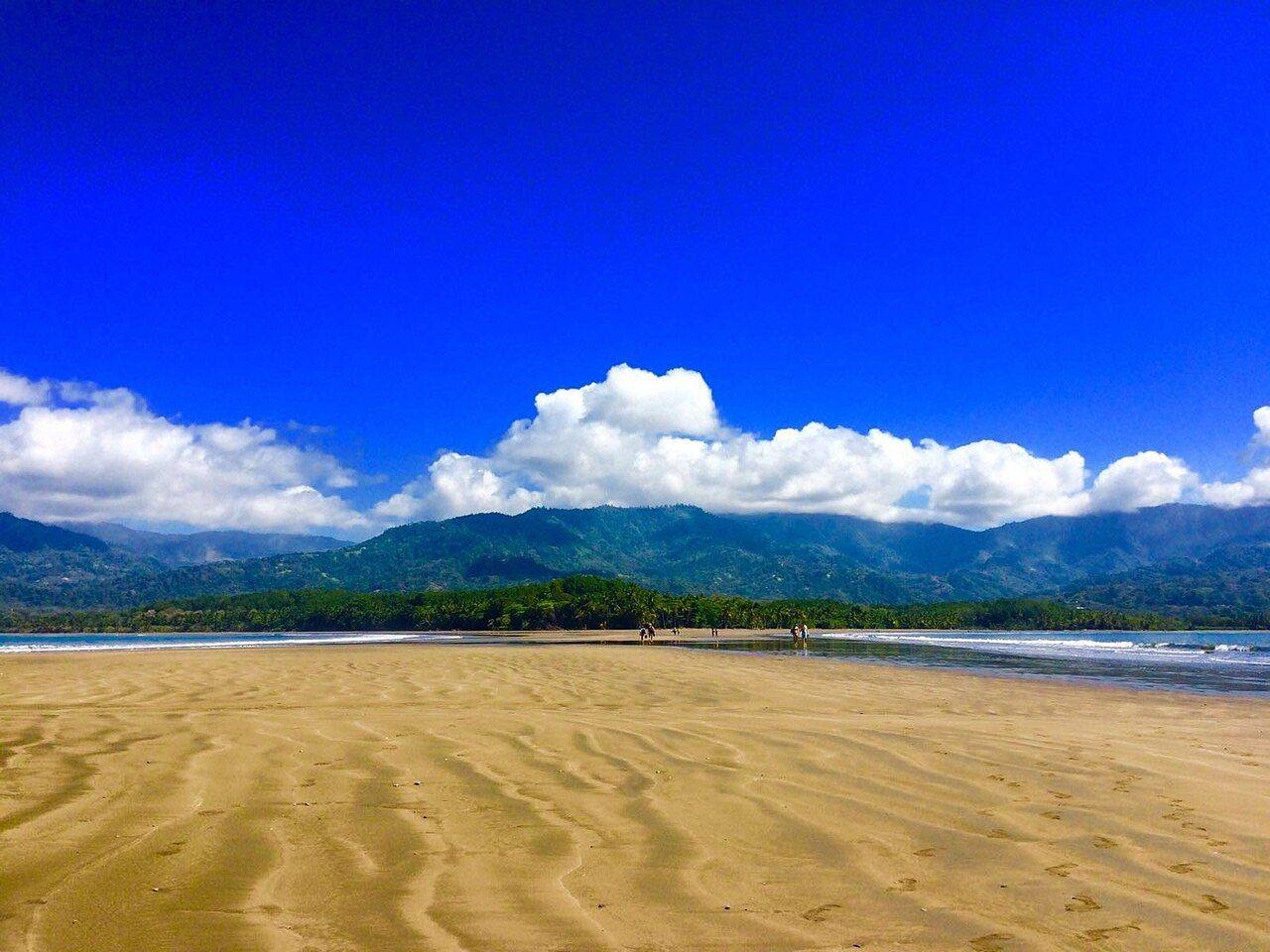
The Costa Ballena on the southern Pacific: the marine park with its whale-tail sandbar that emerges at low tide, the humpbacks that come to calve in two seasons each year, Uvita waterfall and the quiet beaches of Ojochal.
 5 daysEasy
The southern Caribbean: Cahuita and Puerto Viejo
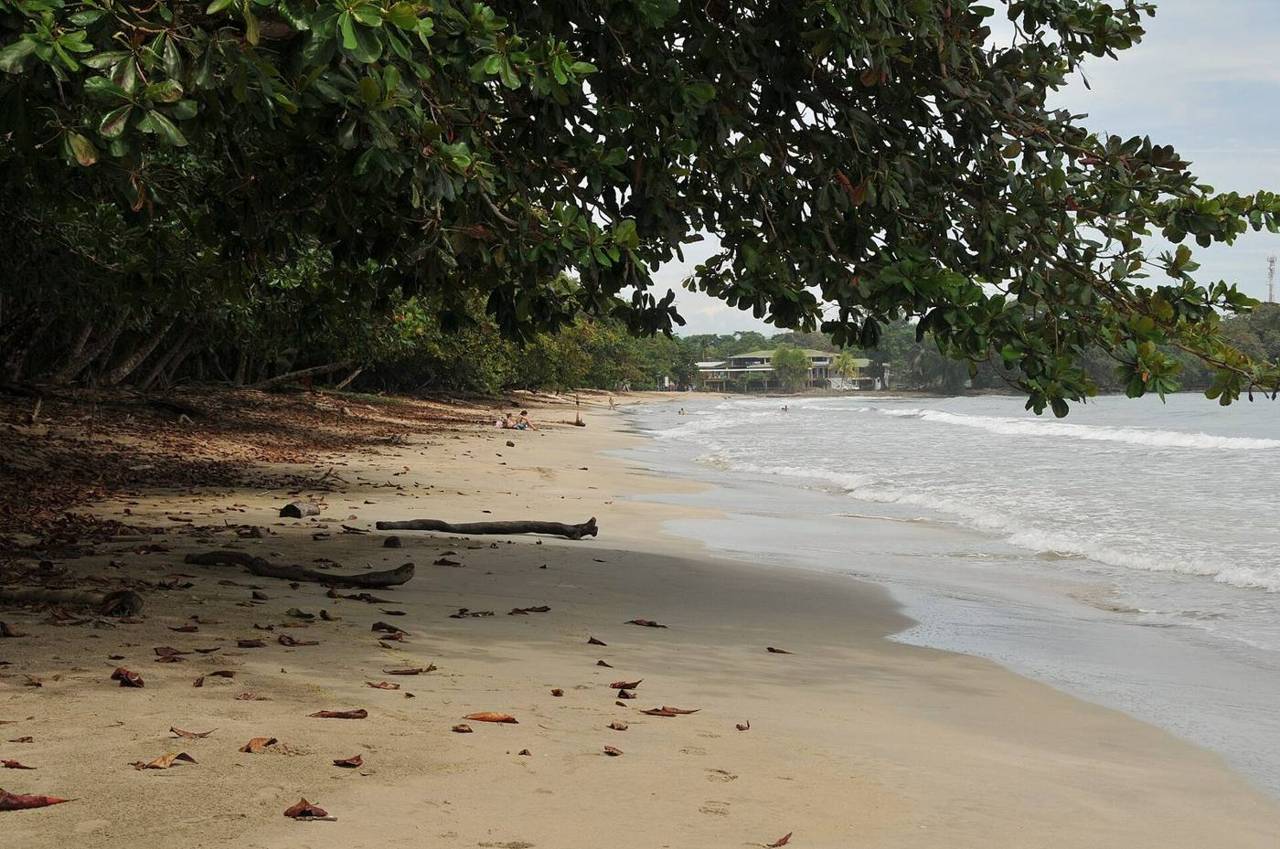
The Afro-Caribbean coast: Cahuita park with its beach trail among sloths and howler monkeys and its coral reef, Puerto Viejo by bike, the beaches of Punta Uva and Manzanillo and the Gandoca refuge up to the Panama border.
 4 daysChallenging
Cerro Chirripó
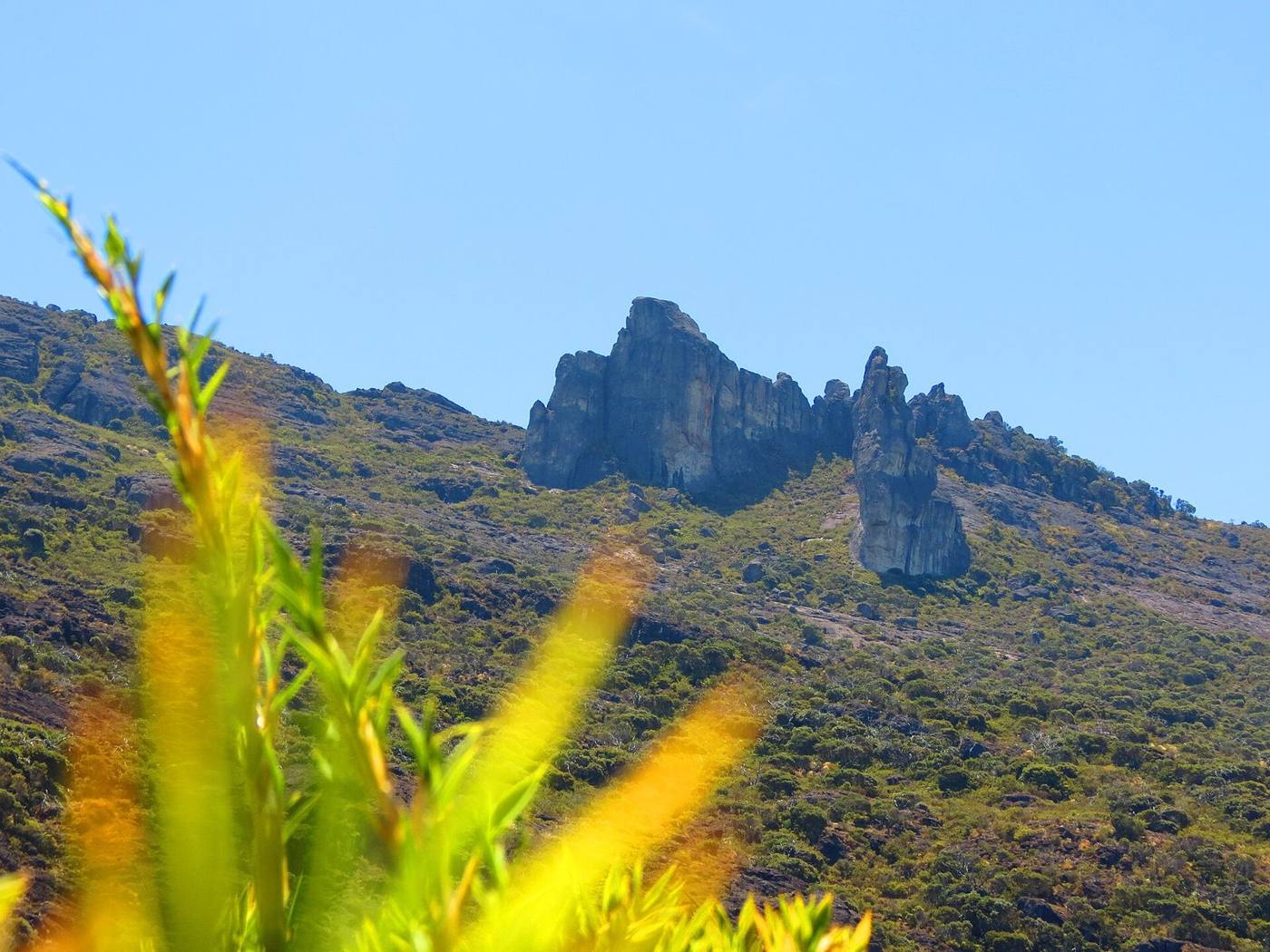
Costa Rica's highest peak, 3,820 metres: from San Gerardo de Rivas a full day's climb through cloud forest and páramo to the Crestones lodge, then the summit at dawn, from which on a clear day you see both the Pacific and the Caribbean.