Cuba libre: the whole island from Havana to Santiago
Three weeks to really see Cuba: Viñales, Varadero, Trinidad, the colonial cities of the centre, the Sierra Maestra, Santiago and Baracoa.
- Havana
- Viñales
- Varadero
- Santa Clara
- Trinidad
- Camagüey
- Santiago de Cuba
- Baracoa
Day by day
- Day 1
Havana, the start of a long journey
In three weeks you cross Cuba from one end to the other: Havana, Viñales, the sea at Varadero, the colonial towns of the centre, the Sierra Maestra, Santiago and Baracoa, the most isolated town in the east.
Before you go: Italian citizens enter Cuba with a passport valid for at least six months after the date of arrival; the electronic identity card is not enough. You need the tourist card, the tourist visa, now issued in electronic form, then the online D'Viajeros form to fill in within 72 hours before arrival, a return ticket and health insurance covering medical costs in Cuba, which is compulsory on entry. The rules change often: check them on the website of the Cuban embassy before you leave. Other nationalities should check their own rules. Some areas on this trip are close to borders or places where the situation changes often: check your government's travel advice before booking and again before you leave.
Long power cuts and shortages of fuel, water and medicines are common all over the island. Bring a power bank, a torch, your own medicines and cash in euros for three weeks, because foreign cards do not work. Change money only at Cadeca offices.
From José Martí airport, reach the centre with a booked transfer. For such a long trip it is worth arranging a car with a driver for every stage from the start: public transport can be cancelled at the last minute.
In the afternoon, walk along the Malecón and watch the waves crash against the seafront wall. Have an early dinner and rest.
Practical tip: make a list of your transfers with the names and phone numbers of the drivers and keep a paper copy too, because your phone may run out of battery.
- Day 2
The squares of Old Havana
Today you discover the historic centre, a UNESCO World Heritage Site since 1982. Explore it on foot, ideally early in the morning and in the late afternoon, when the heat is lighter.
The Plaza de la Catedral is the ideal starting point: the cathedral facade, in coral stone, is one of the finest examples of Cuban baroque. A few steps away is the Plaza de Armas, shaded by trees, with its second-hand book stalls and the Castillo de la Real Fuerza, one of the oldest fortresses in the Americas.
Then walk down to the Plaza de San Francisco, facing the harbour, and the Plaza Vieja, with its brightly coloured restored colonial palaces. In the streets around, such as Obispo, Mercaderes and Oficios, you find old pharmacies, small museums and hidden courtyards.
In the afternoon, walk to the Capitolio, with its great dome, and the Parque Central, where men argue about baseball. Nearby is the Museo Nacional de Bellas Artes, with works by Cuban painters: check prices and times.
In the evening, listen to the music drifting out of doors and windows: in Havana, son and rumba are part of everyday life.
In crowded streets keep your phone in your pocket and your bag in front of you, and avoid dark streets at night.
Practical tip: always carry small notes, because people often have no change.
- Day 3
Vedado and the Cuba of the revolution
Today you leave the historic centre to get to know another Havana. In the morning, visit the Museo de la Revolución, in the former presidential palace, which tells the story of Cuba from the struggle against Spain to the revolution of 1959. Outside you can see the Granma, the boat on which Fidel Castro and his men returned from Mexico in 1956. Check first whether it is open, and check prices and times.
Then move to Vedado, the district built in the first half of the twentieth century, with wide avenues, elegant villas and modern buildings. Reach the Plaza de la Revolución, with the José Martí memorial and the metal portraits of Che Guevara and Camilo Cienfuegos on the facades of the ministries.
In the afternoon, go to the Callejón de Hamel, an alley painted with colourful murals and dedicated to Afro-Cuban culture. On Sundays at midday there is usually rumba, with drums and dancers.
At sunset, walk along the Malecón from Vedado towards the centre: this is when the seafront fills with couples, fishermen and young people with guitars.
Cuban food is simple: try ropa vieja, shredded beef with tomato and peppers, one of the national dishes.
Practical tip: to get between the centre and Vedado, use authorised taxis and agree the price before you get in.
- Day 4
Heading west, into the Viñales valley
Today you leave Havana. With your driver it takes about three hours to reach Viñales, in the province of Pinar del Río, the region where the world's finest cigar tobacco is grown.
The village of Viñales is a long street of low houses with porches and rocking chairs, surrounded by fields. All around rise the mogotes, limestone hills with vertical walls covered in vegetation, which make this valley unique. The landscape is protected by UNESCO as a cultural landscape.
In the afternoon, visit a tobacco farm. The farmer takes you into the fields and the drying barn, a large hut of wood and palm leaves, where the leaves dry hanging from poles for weeks. He shows you how a cigar is rolled and tells you about the life of his family, tied to the rhythm of the seasons.
Towards evening, climb to a viewpoint above the valley. In the sunset light the mogotes turn purple and the fields glow red and green.
Sleep in Viñales for two nights, in a registered casa particular: at dinner the families often cook generous dishes with produce from their garden.
Practical tip: cigars sold on farms have no official seal, so before taking them to Europe find out about the permitted quantities and the documents required.
- Day 5
Caves and trails among the mogotes
Spend the day in the valley. Early in the morning, take a walk of a few hours with a local guide, through tobacco fields, palm groves and small hamlets. The ground is almost all flat, with a few short climbs between the mogotes.
Along the way you stop at farmers' houses, where you are sometimes offered coffee or fruit: guavas, mangoes or pineapples, depending on the season. Your guide explains how tobacco, coffee and sugar cane are grown.
In the afternoon, visit a cave. The Gran Caverna de Santo Tomás, about twenty kilometres from the village, is one of the largest cave systems in Latin America: you go in with a guide, a helmet and a head torch, among stalactites and large chambers. Closer and easier is the Cueva del Indio, where a boat travels along an underground river. Check prices and times.
On the way back, pass the Mural de la Prehistoria, the large colourful painting on the side of a mogote.
In the evening, in the village, sit under the porches and watch street life go by.
Bring water, a hat and sun cream: there is little shade in the fields and the sun is strong even in winter.
Practical tip: tomorrow's transfer is long, so pack your bag in the evening and confirm the time with your driver.
- Day 6
From Viñales to the sea at Varadero
Today you cross the island from the west to the Hicacos peninsula, home of Varadero. It is many hours on the road: you head back towards Havana and then follow the north coast east. Leave early.
After Havana the road runs close to the sea. Stop at the Bacunayagua bridge, the highest in Cuba, over a deep valley full of royal palms. From the viewpoint you can see as far as the ocean.
Shortly afterwards you pass through Matanzas, a city on a large bay, called the city of bridges because of the rivers that cross it. It is also considered the cradle of many Afro-Cuban rhythms, such as danzón and rumba. If you have time, take a short walk in the main square.
You reach Varadero in the afternoon. The peninsula is a long strip of land with a beach of pale sand that runs for many kilometres on the ocean side. The water is shallow, turquoise and usually calm.
Have a swim straight away and watch the sunset on the beach. Sleep in Varadero for two nights. With the crisis some hotels have closed or run reduced services: confirm your booking a few days before.
Practical tip: between Viñales and Varadero there are few service stations, so carry water and food for the whole day.
- Day 7
Varadero, beach and nature reserve
Today you rest by the sea, after a week of cities and countryside. In the morning, take a long walk along the beach, while the sand is cool and the sea is calmer. It is one of the best places in Cuba for a long swim.
Towards the tip of the peninsula is the Reserva Ecológica Varahicacos, a small protected area with dry forest, cacti and large trees. A short trail leads to the Cueva de Ambrosio, a cave with ancient rock paintings left by the island's inhabitants before the Europeans arrived. Check prices and times.
In the afternoon, try snorkelling or a boat trip, if the sea allows and the outing is confirmed. Otherwise, stay in the shade of the palms and enjoy the quiet.
Varadero is very different from the rest of Cuba: it is a resort, with large hotels and services designed for visitors. That makes it useful as a break, but it does not show the real life of the island.
In the evening, watch the sunset from the beach. Tomorrow you set off again towards the centre of the island.
At the beach, never leave valuables on the sand, and use high-factor sun cream: the glare off the water burns quickly.
Practical tip: use your beach days to recharge batteries, wash clothes and rest your legs before the long eastern part of the trip.
- Day 8
Santa Clara and Che's mausoleum
From Varadero you head south, through sugar cane fields and small towns, to Santa Clara, in the centre of the island. The journey takes about three hours.
Santa Clara is Che Guevara's city. Here, at the end of December 1958, the rebels he led won a decisive battle against Batista's army, and a few days later the dictator fled the country. First visit the Tren Blindado monument, with the carriages of the armoured train that the rebels derailed with a bulldozer.
Then go to the Che memorial complex, on the square named after him. Above the large bronze statue, phrases from his letters are carved. Below is the mausoleum, where since 1997 his remains have rested alongside those of some comrades who fell in Bolivia, and a museum with photos and personal belongings. No photos are allowed inside and bags are left at the entrance. Check prices and times.
In the afternoon, stroll in the Parque Vidal, with the La Caridad theatre and benches under the trees. Santa Clara is a young city, with many university students, and in the evening the square comes alive.
Sleep in Santa Clara for one night.
Practical tip: at the mausoleum, dress soberly with your shoulders covered, and expect a short, silent visit.
- Day 9
Across the Escambray to Trinidad
Leave Santa Clara in the morning. The most beautiful road to Trinidad crosses the Escambray mountains, with bends, woods, coffee plantations and small mountain villages. It takes a few hours, but the scenery is worth it.
You reach Trinidad at lunchtime. Founded in 1514, the town grew rich in the nineteenth century from the sugar plantations of the nearby valley. Today it is one of the most beautiful colonial towns in the Americas and, together with the Valle de los Ingenios, a UNESCO World Heritage Site.
In the afternoon, walk over the cobbles to the Plaza Mayor, surrounded by the mansions of wealthy landowners and the church of the Santísima Trinidad. Visit the Museo Romántico, with its nineteenth-century furniture and porcelain, and the municipal history museum, whose tower looks over the red-tiled roofs, the mountains and the sea. Check prices and times.
At sunset the streets fill with people sitting in front of their houses. In the evening, near the Plaza Mayor, there is live music on the great flight of steps.
Sleep in Trinidad for three nights.
The Escambray roads are narrow, with damaged sections: travel only by day and with a careful driver.
Practical tip: in Trinidad many people offer tours and rooms in the street, so book only through your accommodation or people you trust.
- Day 10
The waterfalls of the Escambray
Today you go up into the mountains, to Topes de Collantes, less than an hour's drive from Trinidad. It is a protected area of the Escambray range, at about eight hundred metres, with cooler air, forests of giant ferns and many trails.
The best known route leads to the Salto del Caburní, a waterfall that plunges into a narrow gorge and forms pools of cold water where you can swim. The descent is long, on steps of stone and earth; the climb back, in the humid heat, is tiring. Walk slowly and drink often.
If you prefer a less demanding day, choose the Parque Guanayara, with an easier trail through the forest, waterfalls and a natural pool. Either way you need a local guide, booked at the visitor centre, and a four-wheel drive for some stretches of road. Check prices and times.
Along the trail, look out for orchids, bromeliads and birds, such as the tocororo, the national bird, with a red, white and blue breast like the flag.
In the afternoon, return to Trinidad and rest. In the evening, wander slowly through the streets of the centre.
The trails are slippery after rain: wear walking shoes and do not go into the water where the current is strong.
Practical tip: pack a swimsuit, a light towel and a packed lunch, because there are few places to eat in the mountains.
- Day 11
The Valle de los Ingenios and Playa Ancón
In the morning, visit the Valle de los Ingenios, east of Trinidad. In the nineteenth century there were dozens of sugar mills here, where thousands of enslaved people brought from Africa were forced to work. The valley is green and peaceful, but its history is harsh.
Stop at the viewpoint on the road, then go to the Manaca Iznaga estate. Its tall, slender tower was used to watch over the work in the fields and to give signals with its bell. You can climb the stairs to the top to see the whole valley. Around it, women sell hand-embroidered tablecloths. Check prices and times.
Also visit the ruins of another sugar mill, with the main house and the slave quarters: a guide helps you understand how sugar was produced.
In the afternoon, go down to the sea at Playa Ancón, a quarter of an hour from Trinidad. It is a long beach of pale sand on the Caribbean, with warm, calm water. Have a swim and rest until sunset.
On the way back, drive through La Boca, a small fishing village where Cuban families spend their Sundays.
Services on the beach can be limited: bring water, sun cream and something to eat.
Practical tip: the stairs of the Manaca Iznaga tower are narrow, so climb slowly and let people coming down pass.
- Day 12
Sancti Spíritus, the quiet town
Today's stage is short. From Trinidad to Sancti Spíritus it is about an hour and a half on the road east. It is one of the first towns founded by the Spanish in Cuba, in 1514, and it is much less touristy than Trinidad.
The symbol of the town is the bridge over the Yayabo river, in stone, with large arches, completed in the nineteenth century. It is one of the oldest bridges on the island still in use. According to tradition, the guayabera was born right here, the light shirt with pockets and pleats worn by many Cuban men.
Near the bridge stands the Iglesia Parroquial Mayor del Espíritu Santo, one of the oldest churches in Cuba, with its blue bell tower. Then walk along Calle Llano, a cobbled street with low colonial houses, and along the pedestrian street in the centre, with shops and cafés used by locals.
In the afternoon, sit in the Parque Serafín Sánchez, the main square, and watch the life of the town: students, old men playing dominoes, ice cream sellers.
Sleep in Sancti Spíritus for one night. It is a useful pause before the long transfers to the east.
Practical tip: take advantage of a short stage to stock up on water, fruit and toilet paper, which can be harder to find further east.
- Day 13
Camagüey, the city of labyrinths
Leave Sancti Spíritus in the morning and continue east for about three hours, across plains of pasture and sugar cane, to Camagüey, Cuba's third city.
Its historic centre is a UNESCO World Heritage Site. The streets are not straight as in the other colonial towns: they twist, narrow and open into small squares. According to legend, they were laid out like this to confuse pirates. Getting a little lost is enough to understand the idea.
Start at the Plaza San Juan de Dios, one of the best preserved colonial squares on the island, with low colourful houses and the old hospital. Then reach the Plaza del Carmen, where large bronze statues of ordinary people sit on the benches, reading the newspaper or drinking coffee.
In houses and courtyards you see tinajones, large terracotta jars used for centuries to collect rainwater. They have become the symbol of the city.
The easiest way to get around is by bicitaxi, a bicycle with a cart for passengers: agree the price before you set off. Also visit the birthplace of Ignacio Agramonte, a hero of the wars of independence. Check prices and times.
Sleep in Camagüey for one night.
Practical tip: in the labyrinth of streets offline maps are very useful, so download them beforehand and mark your accommodation.
- Day 14
Bayamo, the cradle of independence
Today you enter the east of Cuba. From Camagüey to Bayamo it is a few hours on the road to the south-east, through the province of Las Tunas and the plains of the Cauto, the longest river on the island.
Bayamo is a quiet town, with few cars and many horse-drawn carts. It has a special place in history: Carlos Manuel de Céspedes was born here, the landowner who in 1868 freed his slaves and started the first war of independence against Spain. La Bayamesa, the Cuban national anthem, was first sung here.
In 1869, rather than leave the town to the Spanish, its inhabitants set it on fire. That is why the centre has few old colonial buildings, but it keeps a neat and pleasant atmosphere.
In the afternoon, visit the Parque Céspedes, with the statue of the father of the nation, and Céspedes' birthplace, now a museum. Then go into the cathedral and walk along the pedestrian street in the centre, where families stroll in the evening. Check prices and times.
Sleep in Bayamo for one night. Tomorrow you head up into the Sierra Maestra.
In the east, power and water can be off for many hours: ask your accommodation in advance whether it has a generator and keep a supply of water in your room.
Practical tip: in Bayamo horse-drawn carts are a common way to get around, but agree the price before you get on.
- Day 15
Towards the Sierra Maestra
From Bayamo the road heads south, through Bartolomé Masó, then climbs up the valley of the Yara river to Santo Domingo, a small village at the foot of the Sierra Maestra. It takes only a few hours, but the last stretch is narrow and steep: you need a suitable vehicle.
The Sierra Maestra is the highest mountain range in Cuba. From the end of 1956 Fidel Castro's rebels hid in these forests and from here they organised the war against Batista. Today part of the mountains is protected within the Turquino National Park.
In Santo Domingo the river flows between wooden houses and farmers grow coffee, bananas and cocoa on the slopes. In the afternoon, take a walk along the river and swim in a natural pool.
Organise tomorrow's visit: you can enter the park only with a park guide, which is compulsory, and the climb to Alto del Naranjo is done by four-wheel drive. Ask beforehand whether the park is open, because with the fuel crisis or after heavy rain visits can be suspended.
Sleep in Santo Domingo for two nights. The village is isolated and there are few services.
Practical tip: bring strong repellent and long sleeves, because along the river and in the forest there are lots of mosquitoes.
- Day 16
The Comandancia de La Plata
Early in the morning, a four-wheel drive takes you up an extremely steep road to Alto del Naranjo, the starting point of the trails. From here, with your park guide, you walk for a few kilometres through the forest to the Comandancia de La Plata.
The path climbs and drops among tall trees, ferns and coffee plants. The ground is earth and often muddy, even in the dry season. It is not a long walk, but you need some fitness.
The Comandancia was the rebel headquarters in the late 1950s. The wooden huts are hidden under the trees so that they could not be seen from aircraft: Fidel Castro's house, with an escape exit, the field hospital, the Radio Rebelde station and a small museum. Your guide tells you how the guerrillas lived here and how the farmers helped them with food and information.
In some places you cannot take photos: always ask your guide. Then return to Alto del Naranjo and go down to Santo Domingo. In the afternoon, rest by the river.
From here you can also climb Pico Turquino, the highest peak in Cuba, but that requires a separate crossing of two or three days with a guide.
Practical tip: wear walking shoes with a good sole, because town shoes slip in the mud.
- Day 17
Arriving in Santiago de Cuba
Today you come down from the Sierra and reach Santiago de Cuba, passing through Bayamo again. It is a few hours on the road among hills and fields, then the city appears on its large bay, surrounded by mountains.
Santiago is Cuba's second city and the most Caribbean. It is hot, hilly, full of music and history. Many Cuban rhythms were born here, such as son, and African culture is very present.
In the afternoon, explore the centre. Start at the Parque Céspedes, with the cathedral and the house of Diego Velázquez, the Spanish conqueror who founded the city in the early sixteenth century: it is considered one of the oldest houses in the Americas and is a museum. Check prices and times.
Then walk along Calle Heredia, the street of music, and up the Padre Pico steps. From the Balcón de Velázquez, look out over the roofs and the bay. Later, visit the Cuartel Moncada, the barracks attacked by Fidel Castro on 26 July 1953, now a museum.
Sleep in Santiago for two nights.
Santiago and the east have been hit hard by hurricanes in recent years: some buildings may be closed and services reduced. In the centre, carry your bag in front of you and get around by authorised taxi in the evening.
Practical tip: politely refuse the guides who offer their services in the street and choose those recommended by your accommodation.
- Day 18
El Morro, Santa Ifigenia and El Cobre
In the morning, go to the sanctuary of the Virgen de la Caridad del Cobre, about twenty kilometres from the city, in the hills of the old copper mines. She is the patron saint of Cuba and this is the island's most important place of pilgrimage. Cubans leave offerings of every kind, from medals to photographs. Dress respectfully.
Head back into the city and visit the Santa Ifigenia cemetery, where José Martí, Carlos Manuel de Céspedes, the musician Compay Segundo and Fidel Castro are buried. In front of Martí's mausoleum there is a solemn changing of the guard.
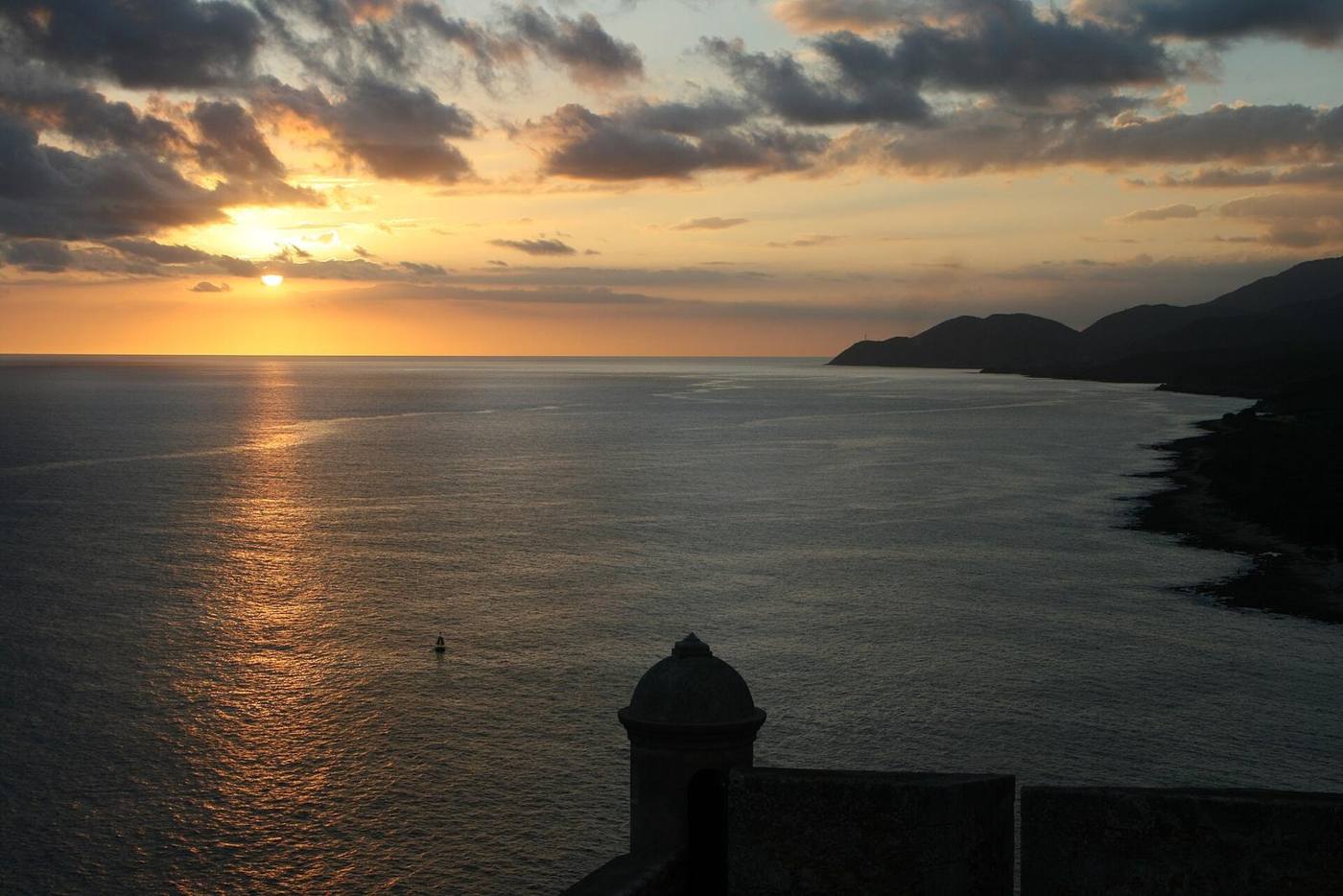
In the late afternoon, go to the Castillo de San Pedro de la Roca, known as El Morro, at the entrance to the bay. It is a seventeenth-century fortress built to defend the city against pirates, a UNESCO World Heritage Site, with walls, stairways and cannons high above the sea. At sunset the view of the Caribbean coast is superb. Check prices and times.
In the evening, listen to some traditional music in the squares of the centre or in the public cultural centres.
Tomorrow's journey to Baracoa is long: pack your bag and confirm the departure time with your driver.
Practical tip: for El Morro and El Cobre it is best to have your car and driver for the whole day, because taxis back are hard to find.
- Day 19
La Farola road to Baracoa
Today you reach Baracoa, at the far eastern tip of the island. From Santiago the road passes through Guantánamo and then follows the south coast, dry and almost desert-like, with cacti and cliffs above the sea. The United States military base is nearby: do not go near it and do not photograph military areas.
After the village of Cajobabo the road climbs into the mountains: this is La Farola, a road built after the revolution to link Baracoa to the rest of the country. It climbs through many bends among forests, ferns and cocoa plantations, then drops to the green and humid north coast. Along the way farmers sell bananas, coffee and cucurucho, a sweet of coconut and fruit inside a cone of palm leaf.
You reach Baracoa in the afternoon. It is the oldest town in Cuba, founded by the Spanish in 1511, and for centuries it could only be reached by sea. It has a seafront, low colourful wooden houses and a flat-topped mountain, El Yunque, that dominates the bay.
The town church holds the Cruz de la Parra, a wooden cross that according to tradition was brought by Christopher Columbus.
Sleep in Baracoa for two nights. The area has been hit by hurricanes in the past: check the state of the road beforehand.
Practical tip: La Farola has many bends, so if you get car sick take something before you leave and sit in the front.
- Day 20
Baracoa: cocoa, rivers and El Yunque
Today you explore the area around Baracoa, one of the greenest and wettest parts of Cuba. Early in the morning, climb El Yunque, the flat-topped mountain that sailors used to see from the sea. You go up with a local guide, who is necessary, on a steep and very humid forest trail. Allow a few hours there and back. From the top you see the coast, the sea and the forest. Check prices and times.
If you prefer a lighter day, take a trip along the Toa river, the one with the most water in Cuba, or along the Yumurí river, which flows through a narrow canyon near the sea, where you go upstream for a stretch by boat.
In the afternoon, visit a cocoa plantation. Baracoa is Cuba's capital of cocoa and chocolate: the farmers show you how the pods are opened and how the beans are fermented and dried. Also taste the local chocolate and the typical dishes made with coconut milk.
Towards evening, swim at Playa Maguana, a quiet beach north of the town, or walk along Baracoa's Malecón at sunset.
After rain, trails and river crossings can become dangerous: always listen to your guide.
Practical tip: in Baracoa it often rains even in the dry season, so keep a light waterproof jacket in your daypack.
- Day 21
Flight back to Havana
Today you return to Havana. Baracoa has a small airport, but flights are few and irregular: check the times shortly before and be ready with a backup plan, such as driving back to Santiago or Holguín to catch a domestic flight from there.
If your flight is in the afternoon, spend the morning at the market or on the seafront. Buy some chocolate or cocoa powder to take home.
You reach Havana in the late afternoon. Your driver takes you to your hotel. Take a last walk in Old Havana, look at the lit squares or the sea along the Malecón, and pack your bags.
It is the right evening for a last Cuban meal, such as rice and black beans, roast pork and fried plantains, or for a concert of traditional music in a place recommended by your accommodation.
Remember that there are limits on exporting rum and cigars and on bringing them into Europe: check the permitted quantities and keep the receipts from the official shops.
With the crisis, domestic flights are sometimes cancelled or moved by a day. That is why it is important to have a spare day before your international flight, as in this itinerary.
Sleep in Havana for one night.
Practical tip: arrive early at Baracoa or Holguín airport and keep water and something to eat at hand, because the waits can be long.
- Day 22
Departure
Last day. Have a relaxed breakfast and, if your flight is in the afternoon, take one last walk in the centre of Havana. Your driver takes you to José Martí airport well in advance.
In twenty-two days you have seen the whole of Cuba: the squares and the Malecón of Havana, the mogotes and tobacco of Viñales, the beach at Varadero, the memory of Che in Santa Clara, the colonial streets of Trinidad, the Escambray waterfalls and the Valle de los Ingenios, quiet Sancti Spíritus and the labyrinths of Camagüey, historic Bayamo, the Comandancia de La Plata in the Sierra Maestra, the music and fortresses of Santiago and finally Baracoa, with its cocoa, rivers and El Yunque. The east is the most authentic and least touristy part, but also the one where transport is hardest.
When to go: the best months are from November to April, the dry season, with hot but less muggy days and little rain, which matters above all for the Sierra Maestra and the roads of the east. December and January are the coolest months. From June to November it is the rainy and hurricane season: mountain roads can close and domestic flights become even less reliable.
Practical tip: before you leave, give your driver a generous tip and give the families who hosted you your unused medicines and batteries: in Cuba they are precious.
For those who want all of Cuba without choosing. The east, from Santiago to Baracoa, is more authentic and less touristy than the west. Journeys are long and transport can fall through: a car with a driver makes things much simpler. Right months: November-April.
Before you go
- Documents and visa
- Passport valid for at least six months after arrival. You need a tourist visa (the tourist card), now issued only in electronic form: apply online on the official eVisa platform, at a Cuban consulate or through an agency; it is valid for up to 90 days and can be extended in Cuba. After the visa, fill in the online D'Viajeros form within 72 hours before arrival and carry the printed QR code. You also need a return or onward ticket. Anyone who has been in Cuba on or after 12 January 2021 can no longer use ESTA for the United States and must apply for a US visa.
- Health and vaccines
- Health insurance covering medical costs in Cuba is compulsory on entry; it is best if it includes repatriation. Hospitals are struggling and often lack medicines and supplies: bring a stock of your own medicines and a first aid kit. Dengue, chikungunya and Oropouche are present: use repellent all day. Drink only bottled water, without ice. No vaccinations are compulsory: ask your doctor.
- Money and payments
- Cuban peso. Since 6 June 2026 Visa and Mastercard cards are no longer accepted and you cannot withdraw cash from ATMs with foreign cards; cards on US networks do not work either. Bring cash in euros or dollars for the whole trip and for emergencies, and change money only at Cadeca offices: changing on the street is illegal. Amounts over 5,000 dollars, or the equivalent, must be declared on arrival.
- Power sockets
- Types A, B, C and L, at 110 volts in most of the country and 220 volts in some newer hotels: bring an adaptor and check that your devices accept 110 volts.
- Time zone
- UTC-5, UTC-4 in summer.
- Safety
- Cuba is going through a severe crisis of fuel, electricity, water and medicines, with long power cuts across the country, cancelled flights and unreliable domestic transport; the UK advises against all but essential travel to the whole island. In the east, after Hurricane Melissa in October 2025, electricity and water remain severely limited. Theft and bag snatching are rising, especially in Havana: do not walk at night, use licensed taxis, do not change money on the street and stay only in registered accommodation. Bring a power bank and a torch. Official advice: GOV.UK.
Information checked in November 2026 for Italian and EU citizens. Rules change: always check before you travel.
Variations
In 15 days, drop Varadero and Sancti Spíritus and fly from Santiago to Havana, without Baracoa.
In 26 days, add the Pico Turquino crossing from the Sierra Maestra and a few days by the sea at Guardalavaca.
Frequently asked questions
How do you get around on such a long trip?
The most reliable way is a car with a driver booked in advance for every stage. Buses and domestic flights exist, but with the fuel crisis they are often cancelled or moved.
Do you need a guide for the Comandancia de La Plata?
Yes. You can enter the Turquino National Park only with a park guide, which is compulsory and is arranged in Santo Domingo. Always ask beforehand whether the park is open.
Is the east worth the long transfers?
Yes, if you have time. Santiago, the Sierra Maestra and Baracoa are the most authentic part of Cuba, with fewer tourists. But power, water and transport are less reliable than in the west: always keep a spare day.
Indicative itinerary written by World Atlas. Before booking, check timetables, seasonal openings, documents and safety.
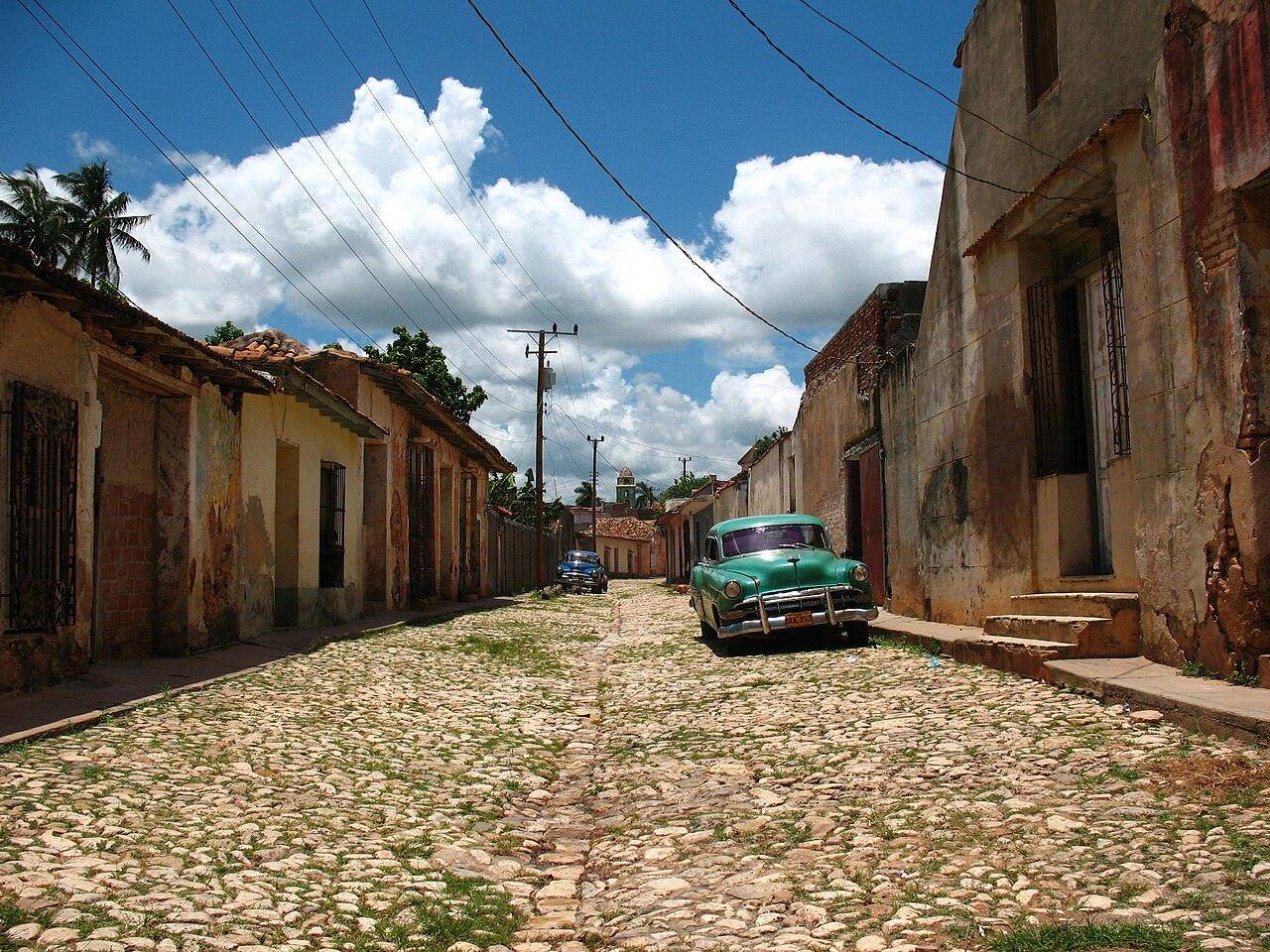 7 daysEasy
Havana, Viñales and Trinidad
The capital of vintage cars and music, the tobacco valley and the island's most beautiful colonial town.
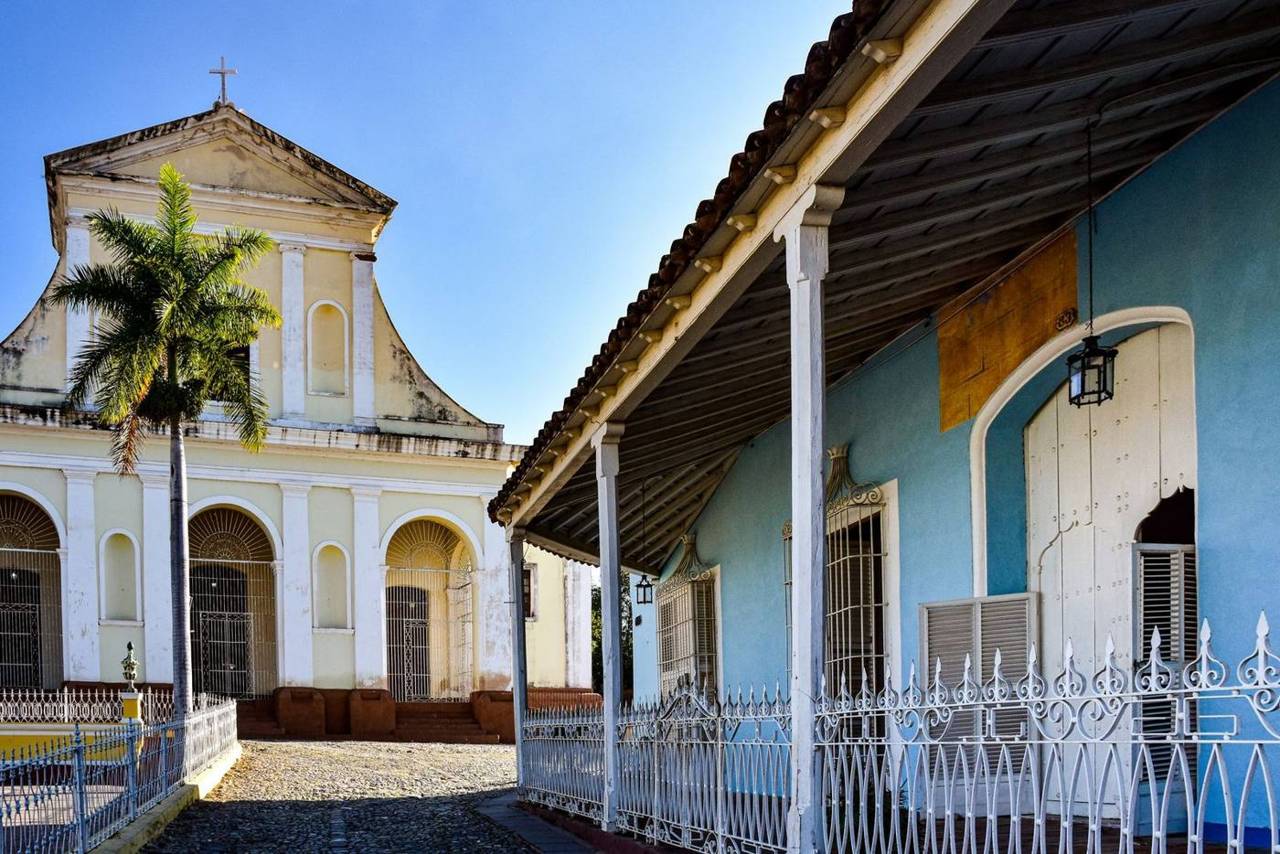 15 daysModerate
Cuba from west to east, to Santiago
The whole island: Havana, Viñales, the colonial towns of the centre, the Sierra Maestra, Santiago and a few days by the sea.
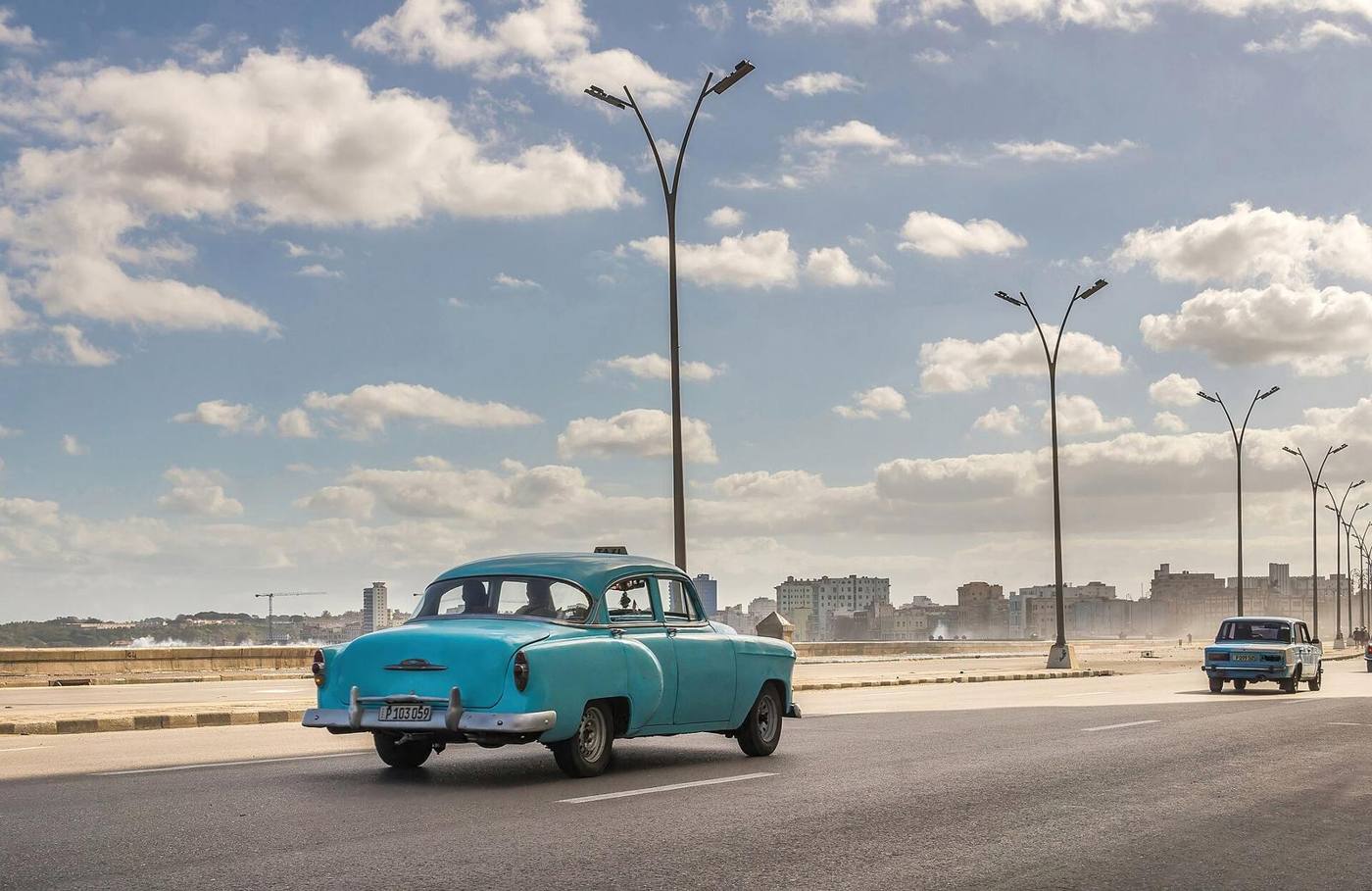 11 daysEasy
Cuba express: Havana, Viñales and Trinidad
The heart of Cuba in under two weeks: colonial Havana, the tobacco valleys of Viñales, timeless Trinidad and the Bay of Pigs.