 Cuba
Places not to miss
Havana
Habana Vieja and the Malecón.
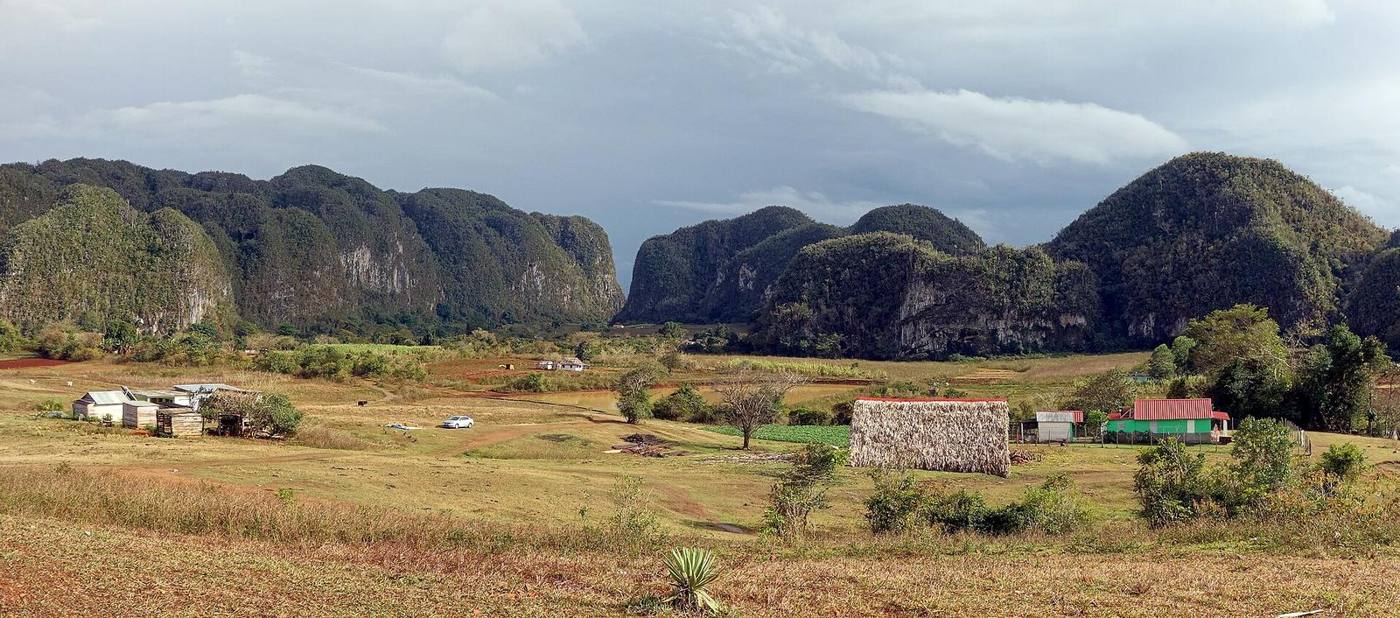
Viñales
Tobacco.
Trinidad
A colonial town.
Cayo Coco
Beaches.
Nature and wildlife
Flamingos, the smallest hummingbird in the world.
Food and drink
Ropa vieja, mojito.
When to go
November-April.
Did you know?
The bee hummingbird, the world's smallest bird, lives here.
Itineraries in Cuba
Havana, Viñales and Trinidad
The capital of vintage cars and music, the tobacco valley and the island's most beautiful colonial town.
Cuba from west to east, to Santiago
The whole island: Havana, Viñales, the colonial towns of the centre, the Sierra Maestra, Santiago and a few days by the sea.
Cuba express: Havana, Viñales and Trinidad
The heart of Cuba in under two weeks: colonial Havana, the tobacco valleys of Viñales, timeless Trinidad and the Bay of Pigs.
Cuba libre: the whole island from Havana to Santiago
Three weeks to really see Cuba: Viñales, Varadero, Trinidad, the colonial cities of the centre, the Sierra Maestra, Santiago and Baracoa.
Cuba on foot: Pico Turquino and the Sierra Maestra
Cuba's mountains: trails in the Viñales valley and the Escambray, the crossing of the Sierra Maestra to the island's highest summit and the descent to the Caribbean Sea.
Comfortable Cuba: colonial hotels and a car with driver
The classic loop without surprises: hotels and transport already booked, Havana, Viñales, Trinidad, Santa Clara and a few days by the sea on the Cayos.
Havana and Varadero
Four days in the Caribbean's most musical capital and three days on Cuba's most famous beach.
The east: Santiago, Baracoa and Guantánamo
Cuba at its most African and least touristy: the music of Santiago, the Farola road, Baracoa the cocoa town and Alejandro de Humboldt park.
Cuba by bike: the Viñales valley and the north coast
Cycling through tobacco fields, mogotes and villages in Pinar del Río province, with nights in Cuban homes and the sea at Cayo Jutías.
The northern cays: Cayo Coco and Cayo Guillermo
Islands linked by a causeway over the sea, dazzling white sand, flamingos in the lagoons and one of the Caribbean's longest coral reefs.
Trinidad and Topes de Collantes
The island's most intact colonial town and its mountains: Trinidad with its Plaza Mayor and cobbled streets, the Valle de los Ingenios of the sugar mills and the Manaca Iznaga tower, then the Escambray hills at Topes de Collantes with the El Nicho and Caburní waterfalls and trails among coffee farms.
Remedios and Cayo Santa María
North-central Cuba: Remedios, a small colonial town with two churches on one square and the parrandas festival in December, then the long causeway across the sea to the cays of Santa María, Las Brujas and Ensenachos, with white-sand beaches and shallow water.
Holguín and Gibara
The quieter east: Holguín, the city of parks, with the stairway up the Loma de la Cruz, the fishing town of Gibara with its caves and film festival, Columbus's landing point at Bariay and the beach at Guardalavaca.
Guanahacabibes and María la Gorda
The island's western tip: the Guanahacabibes peninsula, a biosphere reserve with dry forest, land crabs and turtles nesting in summer, and María la Gorda bay with dives on coral walls a few metres from shore.
Where to go and where not to
Avoid the areas listed above and before booking, always check up-to-date official travel advice, because the situation can change.