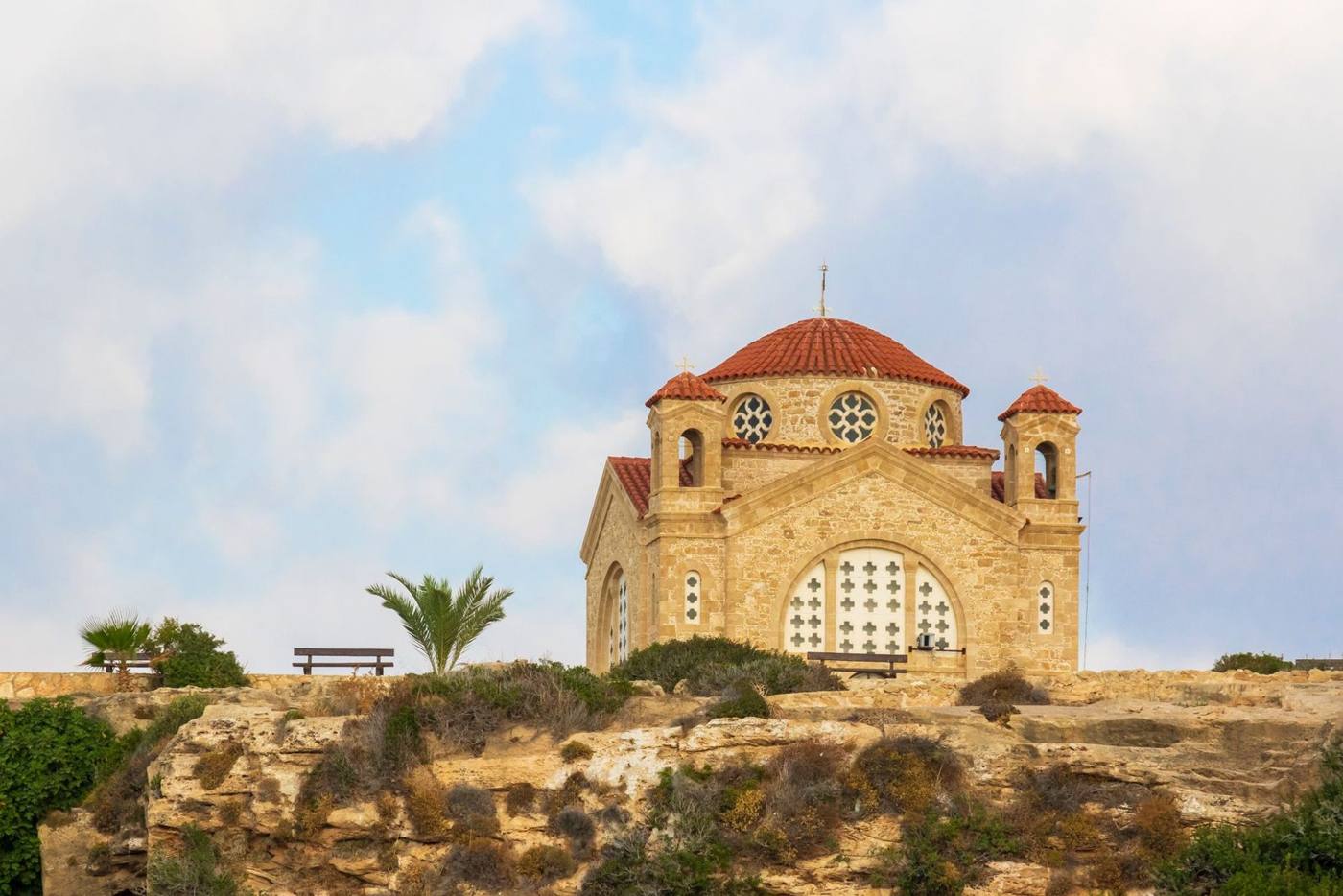
Easter and Orthodox villages
Orthodox Holy Week in the villages, the Easter-night bonfire, flaounes pastries and the fields of orchids and anemones of the Cypriot spring.
- Nicosia
- Kakopetria
- Pedoulas
- Kalopanayiotis
- Akamas
Day by day
- Day 1
Nicosia, Good Friday and the Epitaphios procession
This trip takes you to Cyprus for Orthodox Holy Week, the most heartfelt festival on the island: the Epitaphios procession in Nicosia, the villages of the Troodos mountains, homemade flaounes, the midnight liturgy with bonfires and, at the end, the flowering fields of the Akamas peninsula. You travel by rental car. The date changes every year and often differs from Catholic Easter: in 2027 Orthodox Easter falls on 2 May, in 2028 on 16 April.
Before you go: Italian citizens can enter Cyprus with an electronic identity card or a passport. Cyprus is in the EU but not in the Schengen area, so documents are checked on arrival. Other nationalities should check their own rules. The currency is the euro. You drive on the left. This trip stays in the Republic of Cyprus. Many services close over Easter: book accommodation, car and meals well ahead.
You land at Larnaca and drive for about three quarters of an hour to Nicosia. In the morning walk through the old town, inside the Venetian walls. In the churches women decorate the Epitaphios, the carved wooden bier that represents the tomb of Christ, with hundreds of fresh flowers. Go in quietly, with shoulders and knees covered, and watch the work.
On the evening of Good Friday each parish carries its Epitaphios in procession through the streets of the neighbourhood, with the choir, lit candles and the faithful following in silence. Join the end of the procession, without flash and without overtaking it. At the end many people pass beneath the Epitaphios to receive a blessing.
Sleep in Nicosia.
Practical tip: Good Friday is a day of fasting and many Cypriots do not eat meat; in the villages you mostly find dishes of pulses and vegetables.
- Day 2
The Troodos villages and making flaounes
Today you leave the city and climb into the Troodos mountains, where Easter is lived in an even more traditional way.
From Nicosia drive south-west for about an hour to Kakopetria, a village of stone houses with wooden balconies above the stream. On the morning of Holy Saturday many churches celebrate the liturgy of the "first resurrection": the priest scatters bay leaves among the faithful and the bells ring out. If you happen to be in a church at that time, stay at the back and watch.
In these days families make flaounes, the savoury Easter pastries of Cyprus. They are parcels of leavened dough filled with a special cheese, eggs, mint and raisins, folded into a square and covered in sesame seeds. Some villages and cultural centres run workshops where you can make them with the village women: ask at your accommodation in advance. At the same time eggs are dyed red, a symbol of the resurrection.
In the afternoon continue for about forty minutes to Pedoulas, a mountain village surrounded by cherry trees. Here stands the small fifteenth-century Church of the Archangel Michael, with its steep wooden roof and frescoes inside, one of the painted churches of the Troodos protected by UNESCO. Check prices and times. The custodian with the keys is often in the village.
Sleep in Pedoulas or Kalopanayiotis.
Practical tip: buy a few flaounes from a village bakery the day before Easter; they keep well and are good for breakfast too.
- Day 3
Easter night: the midnight liturgy and the bonfire
The third day builds up to the most important night of the Orthodox year, between Holy Saturday and Easter Sunday.
During the day visit Kalopanayiotis, a village on the slopes of the Marathasa valley. At the bottom of the valley lies the monastery of Agios Ioannis Lampadistis, a group of churches joined under one large roof, with frescoes from different periods. It is also one of the painted churches protected by UNESCO. Check prices and times. Then rest in the afternoon, because the night will be long.
At around eleven at night the whole village goes to church, each person holding a white candle. Shortly before midnight the lights go out. The priest comes out with a lit candle and invites the faithful to receive the light; the flame passes from hand to hand until it fills the church and the churchyard. Then he announces "Christos Anesti", Christ is risen, and everyone replies "Alithos Anesti", He is truly risen. The bells ring and fireworks often go off.
Outside the church the great bonfire, called lambratzia, is lit, and in many villages an effigy of Judas is burnt on it. After the liturgy families go home to break the fast with a rice soup with lemon and egg, and with the red egg game, in which eggs are knocked against each other.
Practical tip: carry your candle home still lit, sheltered from the wind, as Cypriots do; keep children away from the bonfire and the firecrackers.
- Day 4
Easter lunch and the flowers of Akamas
Easter Sunday is a day of celebration and big family lunches. Sleep late after the night in church.
At midday the grills are lit in the villages and families cook lamb or kid. They make souvla, large pieces of meat on a spit, or kleftiko, meat slow-cooked in a clay oven. On the table are flaounes, red eggs and local wine. Many village restaurants serve an Easter lunch: book days ahead, because they are full at this time.
In the afternoon drive west for about an hour and three quarters to the Akamas peninsula, near Polis. In spring the meadows and scrub fill with flowers: red and purple anemones, cyclamen, rock roses and several species of wild orchid. Take a short walk on one of the marked trails in the area, look at the flowers closely but do not pick them.
Trip summary: in four days you followed the Epitaphios procession in Nicosia, saw the Troodos villages and the painted churches of Pedoulas and Kalopanayiotis, got to know flaounes, experienced the midnight liturgy with the bonfire and ended with Easter lunch and the flowers of Akamas. The next day you fly home from Paphos airport.
When to go: in April or early May, according to the date of Orthodox Easter, which changes every year. It is also the best season for flowers. Check the date for your year before booking.
Practical tip: Easter Monday is a public holiday in Cyprus; check the opening times of museums, shops and car rental offices before your flight.
Cyprus at its most heartfelt festival, with a warm welcome. Many services close over Easter: book restaurants. The date changes every year and often differs from Catholic Easter.
Before you go
- Documents and visa
- EU citizens need a valid identity card or passport: Cyprus is in the EU but not in the Schengen area, so documents are checked on arrival. Enter only through Larnaca or Paphos airports or the ports of Limassol and Larnaca: arriving via Ercan airport or northern ports is illegal under the law of the Republic of Cyprus. Traffic drives on the left. Other nationalities should check their own rules.
- Health and vaccines
- No vaccines required. EU citizens can use public healthcare with their EHIC; insurance with medical cover and repatriation is still advised. Emergencies: 112.
- Money and payments
- Euro. Cards are accepted almost everywhere; carry some cash in mountain villages.
- Power sockets
- Type G, 240 volts: the same plugs as in the UK.
- Time zone
- Eastern European Time (UTC+2, summer UTC+3).
- Safety
- A safe country with low crime. The UN buffer zone divides the island: cross only at official crossing points, such as Ledra Street and Ledra Palace in Nicosia, showing an identity card or passport; crossing elsewhere is illegal and dangerous, partly because of minefields. Do not take photos in the buffer zone or near military sites. Cars hired in the south usually have no insurance cover in the north: buy separate cover, sold at some crossing points. Wildfire risk is high from April to October. Official advice: GOV.UK.
Information checked in November 2026 for Italian and EU citizens. Rules change: always check before you travel.
Variations
In 3 days: Good Friday in Nicosia, then Saturday and Easter night in a Troodos village, without Akamas.
In 6 days: arrive on Maundy Thursday to see the eggs being dyed red and add a day of walking in Akamas.
Frequently asked questions
When is Orthodox Easter?
The date changes every year and often differs from Catholic Easter. In 2027 Orthodox Easter falls on 2 May, in 2028 on 16 April.
Can I take part in the celebrations?
Yes, visitors are welcome. Wear clothes covering shoulders and knees, stay at the back of the church or the procession, do not use flash and follow what the faithful do.
What are flaounes?
They are the savoury pastries of Cypriot Easter: parcels of dough filled with cheese, eggs, mint and raisins, covered in sesame seeds. They are made at home in the days before the festival.
Indicative itinerary written by World Atlas. Before booking, check timetables, seasonal openings, documents and safety.
 3 daysEasy
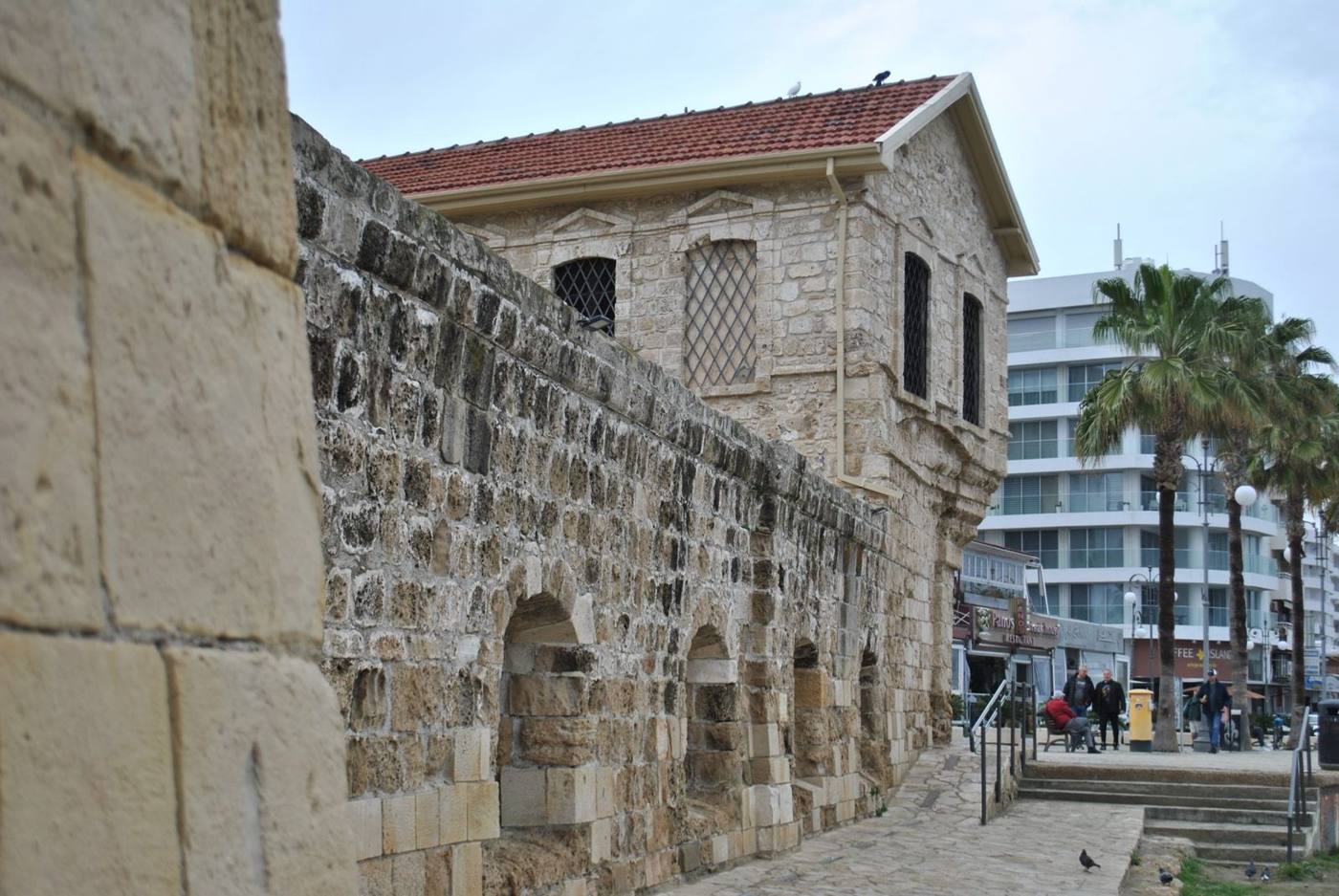
Lefkara and Choirokoitia
The lace and silver village of Lefkara, the UNESCO Neolithic settlement of Choirokoitia with its rebuilt round houses and Stavrovouni monastery.
 5 daysEasy
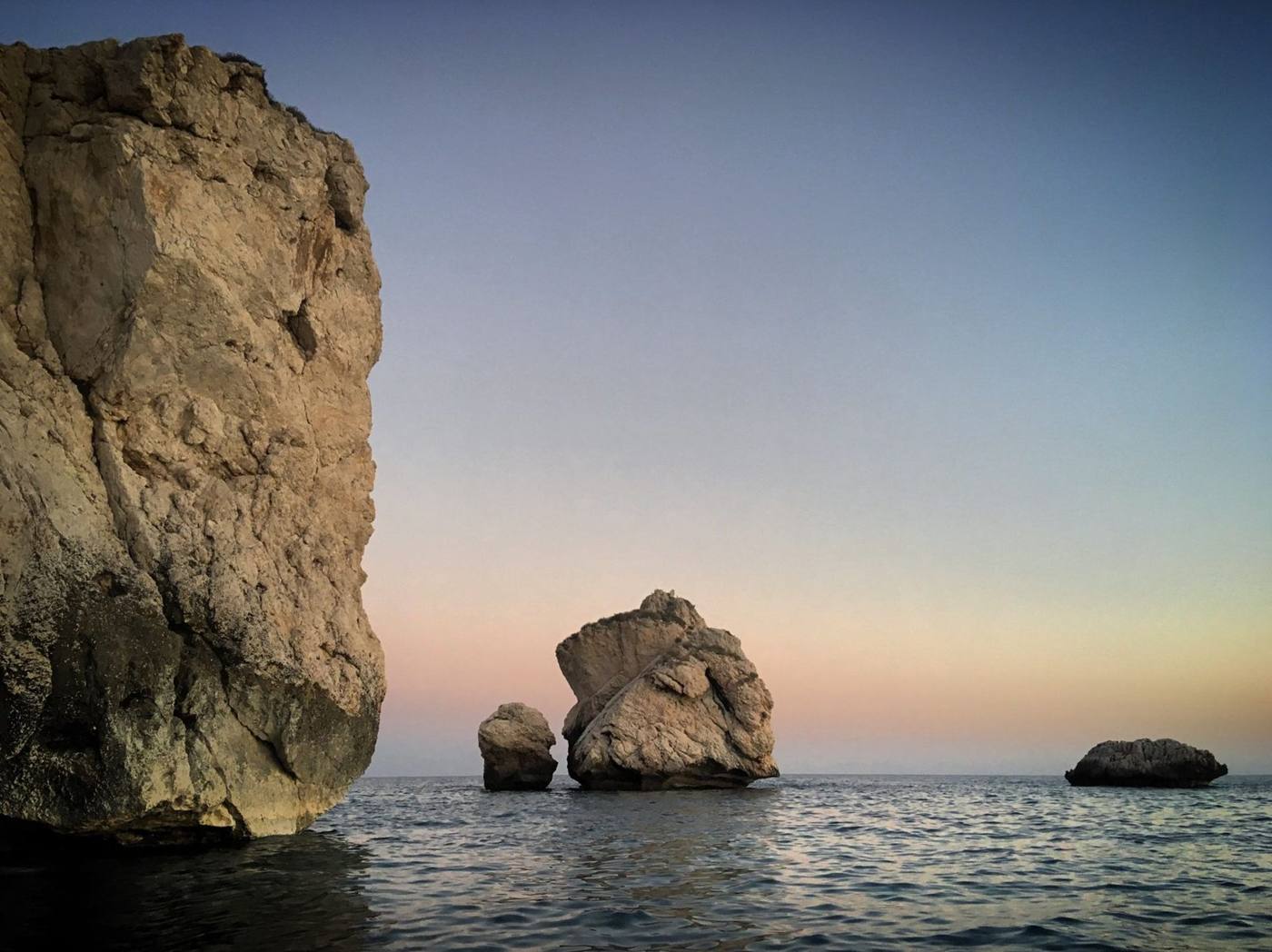
Paphos and the Akamas peninsula
The Roman mosaics of Paphos, the Tombs of the Kings, Aphrodite's Rock, the Blue Lagoon of Akamas and the Aphrodite trail.
 4 daysEasy
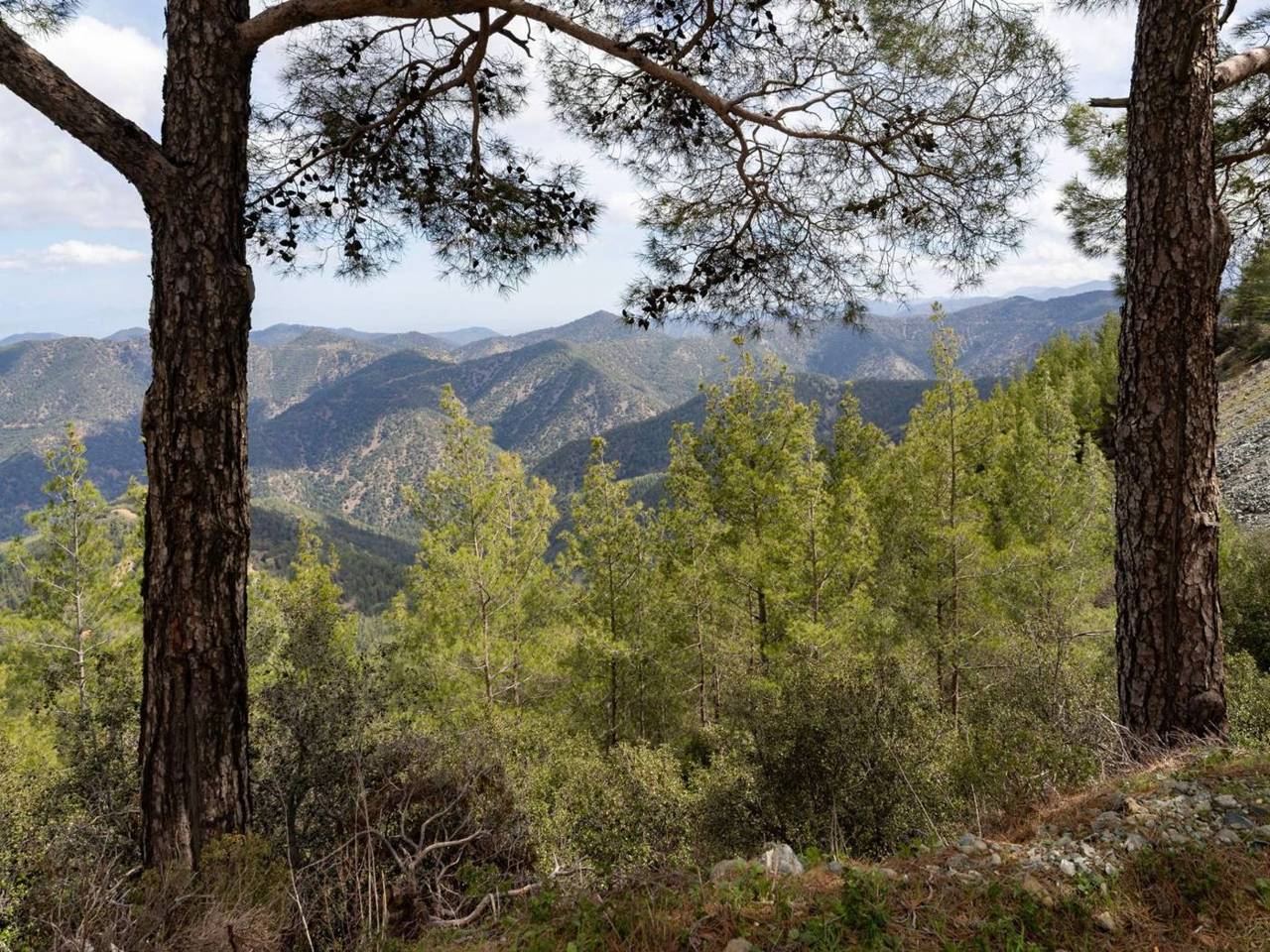
The Troodos mountains
The UNESCO painted Byzantine churches, Kykkos monastery, villages such as Omodos and Kakopetria, Commandaria wine and trails among the pines.