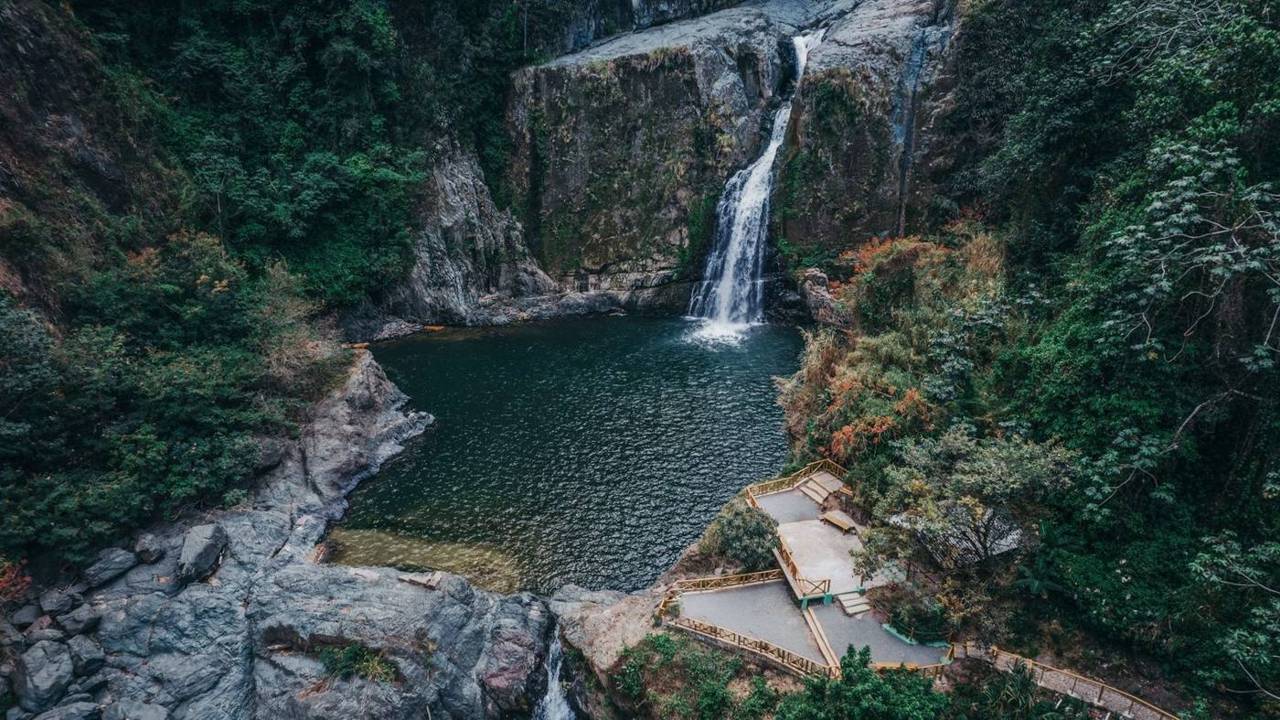
The mountains of Jarabacoa
The country's cool side: rafting on the Yaque del Norte, the Jimenoa and Baiguate falls and the climb of Pico Duarte, the Caribbean's highest peak.
- Santiago
- Jarabacoa
- Salto de Jimenoa
- La Ciénaga
- Pico Duarte
Day by day
- Day 1
From Santiago to Jarabacoa and the waterfalls
This five-day trip takes you to the cool side of the Dominican Republic, in the Cordillera Central: the waterfalls around Jarabacoa, rafting on the Yaque del Norte river and the climb to Pico Duarte, the highest peak in the Caribbean, with a guide and a mule and nights in a mountain hut.
Before you go: Italian citizens enter the Dominican Republic with a passport valid for the whole stay and without a visa for tourism for up to 30 days, which can be extended. The e-Ticket is compulsory for everyone, on arrival and on departure: fill it in online before travelling and show the QR code at check-in. Other nationalities should check their own rules. The Italian foreign ministry reports high crime, including in resort areas, and considers the provinces on the border with Haiti high risk; they are far from this route.
You arrive in Santiago de los Caballeros, the country's second city, and in about an hour by road you climb to Jarabacoa, a small town among hills covered with pines, coffee fields and rivers.
In the afternoon visit Salto de Jimenoa: steps and a suspension bridge take you to the foot of the waterfall, which drops into a green gorge and fills the air with spray. Then go to Salto de Baiguate, reached on a short walk along the river. Check prices and times.
In the evening you notice the difference from the coast straight away: the air is cool and you need a jumper.
Sleep in Jarabacoa, for two nights.
Practical tip: at the waterfalls the rocks are slippery; swim only where others are swimming and never after heavy rain.
- Day 2
Rafting on the Yaque del Norte
Today you go down the Yaque del Norte by raft, the longest river in the Dominican Republic, which rises in the mountains of Pico Duarte.
The rafting starts just outside Jarabacoa. After the safety briefing you put on a helmet and life jacket and get into the raft with a guide. The river flows between rock walls and woods, with stretches of rapids alternating with calm pools where you can swim. The level of the rapids changes with the amount of water: ask first how demanding the day's run is.
Choose a service with experienced guides, equipment in good order and a clear briefing, and do not go if the river is in flood after a storm.
In the afternoon rest and pack your rucksack for the climb of the next few days. Stop at the park office or have the permit arranged: to climb Pico Duarte a guide is compulsory and you usually travel with a mule that carries luggage and food.
Take a walk in the centre of Jarabacoa and taste the coffee grown on these hills. For dinner try sancocho, a thick stew of meat and root vegetables, perfect for cool mountain evenings.
Go to bed early: tomorrow you leave at dawn.
Sleep in Jarabacoa.
Practical tip: for the climb bring a warm sleeping bag, a heavy jacket, a hat and a head torch: at altitude the temperature at night can drop close to zero.
- Day 3
From La Ciénaga to the mountain hut
Today you begin the climb to Pico Duarte, in the Armando Bermúdez National Park.
Leave Jarabacoa at dawn and reach La Ciénaga, the small village at the park entrance, where you register your permit and meet the guide and the mule. From here to the La Compartición hut a long day of uphill walking awaits you, many hours on foot.
The trail first crosses the river and broadleaf woods, then climbs through ever thicker pine forests. The Hispaniolan pine, tall and straight, covers the slopes and scents the air. In places the trail is steep, stony or muddy: walk at your own pace and take short, frequent breaks.
Along the way you meet other hikers and mule trains coming down. Listen to the mountain birds, including some species that live only on the island of Hispaniola.
In the afternoon you reach the hut, a simple wooden building with an area for cooking. The guides light the fire and prepare dinner. When the sun goes down the temperature falls quickly: put on your warm layers straight away.
The mountain night is clear and the sky fills with stars.
Sleep at the La Compartición hut, for two nights.
Practical tip: drink often and bring energy snacks; the altitude and the length of the trail are harder than you expect.
- Day 4
On the summit of Pico Duarte
Today you climb to the top of Pico Duarte, at over 3,000 metres, the highest point in the Caribbean.
The alarm goes off in the middle of the night. With your head torch and the guide in front, you walk through the dark and the cold among the pines, to reach the summit before dawn. The trail passes close to the Valle de Lilís, a grassy hollow just below the top.
On the summit you find the bust of Juan Pablo Duarte, father of the Dominican nation, and the country's flag. Wait for the sunrise: the light arrives over a sea of clouds, with the ridges of the Cordillera Central rising out of it like islands. On clear days you can see far across the whole range.
Take your photos, eat something and come down slowly, because the ground is stony and your legs are tired.
Return to the La Compartición hut for lunch and spend the afternoon resting in the sun, which at this altitude is warm by day even when the nights are freezing. If you have the energy, take a short walk around the hut with the guide.
In the evening have dinner around the fire with the guides and the other hikers, sharing stories of the climb.
Sleep at the La Compartición hut.
Practical tip: on the summit at dawn it is very cold and windy; bring gloves and a windproof jacket even if it is hot during the day.
- Day 5
Descent and return to Santiago
Today you walk down from the hut to La Ciénaga and return to Santiago.
Leave early, after breakfast. The descent follows the same trail as the climb, but this time you see the landscape opening up in front of you: the pine forests, the deep valleys and, further down, the green woods and the river. Going down is hard on the knees: use walking poles and do not rush.
At La Ciénaga say goodbye to the guide and the muleteer. It is customary to leave a tip for the people who have accompanied you and carried your luggage for three days.
In the afternoon go back to Jarabacoa for a hot shower and then continue to Santiago, about an hour away by road.
In these five days you have seen a surprising Dominican Republic, far from the beaches: the Jimenoa and Baiguate waterfalls, rafting on the Yaque del Norte, the pine forests of the Cordillera Central, the cold nights at the hut and the sunrise from the summit of Pico Duarte, the roof of the Caribbean.
When to go: from December to April, in the driest season, with clear skies and less muddy trails. At night on the summit it can drop close to zero, so you need winter clothing. From June to November is hurricane season and rain can make the trail and the river dangerous.
Practical tip: keep some clean, dry clothes in the car or at your hotel: after three days on the trail they will feel like luxury.
A surprising Dominican Republic, with pine forests and cool nights. A guide is compulsory for Pico Duarte. At night on the summit it can drop close to zero.
Before you go
- Documents and visa
- Passport valid for the whole stay. No visa is needed for tourism for up to 30 days, which can be extended. The e-Ticket is compulsory for everyone, on arrival and departure: you fill it in online before travelling and show the QR code at check-in. The tourist card and the departure tax are normally included in the air fare. Airlines may ask for a return ticket.
- Health and vaccines
- No compulsory vaccinations. Dengue is rising, cholera is endemic and there have been cases of chikungunya and Zika: use insect repellent. Tap water is not safe to drink. You need insurance with medical costs and repatriation, because private care is very expensive. Emergencies: 911.
- Money and payments
- Dominican peso. In tourist areas the US dollar is widely used; Visa and Mastercard work in cities and in accommodation. Bring small notes in good condition.
- Power sockets
- Type A and B, 120 volts: you need an adapter for American plugs.
- Time zone
- UTC-4 all year.
- Safety
- Crime is high, including against tourists, especially in Santo Domingo and resort areas. The FCDO advises against all travel to Haiti; the land and sea borders with the Dominican Republic are closed and there have been armed robberies on roads near the border. Use authorised taxis or ride-hailing apps and avoid motorbike taxis. The hurricane season runs from June to November. Official advice: GOV.UK.
Information checked in November 2026 for Italian and EU citizens. Rules change: always check before you travel.
Variations
Shorter: three days, with the waterfalls, rafting and a day walk in the hills around Jarabacoa, without climbing Pico Duarte.
Longer: add two days in Santiago de los Caballeros and along the road to Puerto Plata, on the north coast.
Frequently asked questions
Do you need a guide for Pico Duarte?
Yes, it is compulsory. You climb with a park permit, a guide and usually a mule for luggage and food.
How hard is the climb?
It is long and tiring, with many hours of walking each day, but not technical. You need to be fit and to have warm clothing for the nights.
Is the rafting suitable for everyone?
Usually yes, with a basic level of fitness and if you can swim. The level of the rapids changes with the water: ask first and do not go when the river is in flood.
Indicative itinerary written by World Atlas. Before booking, check timetables, seasonal openings, documents and safety.
 5 daysEasy
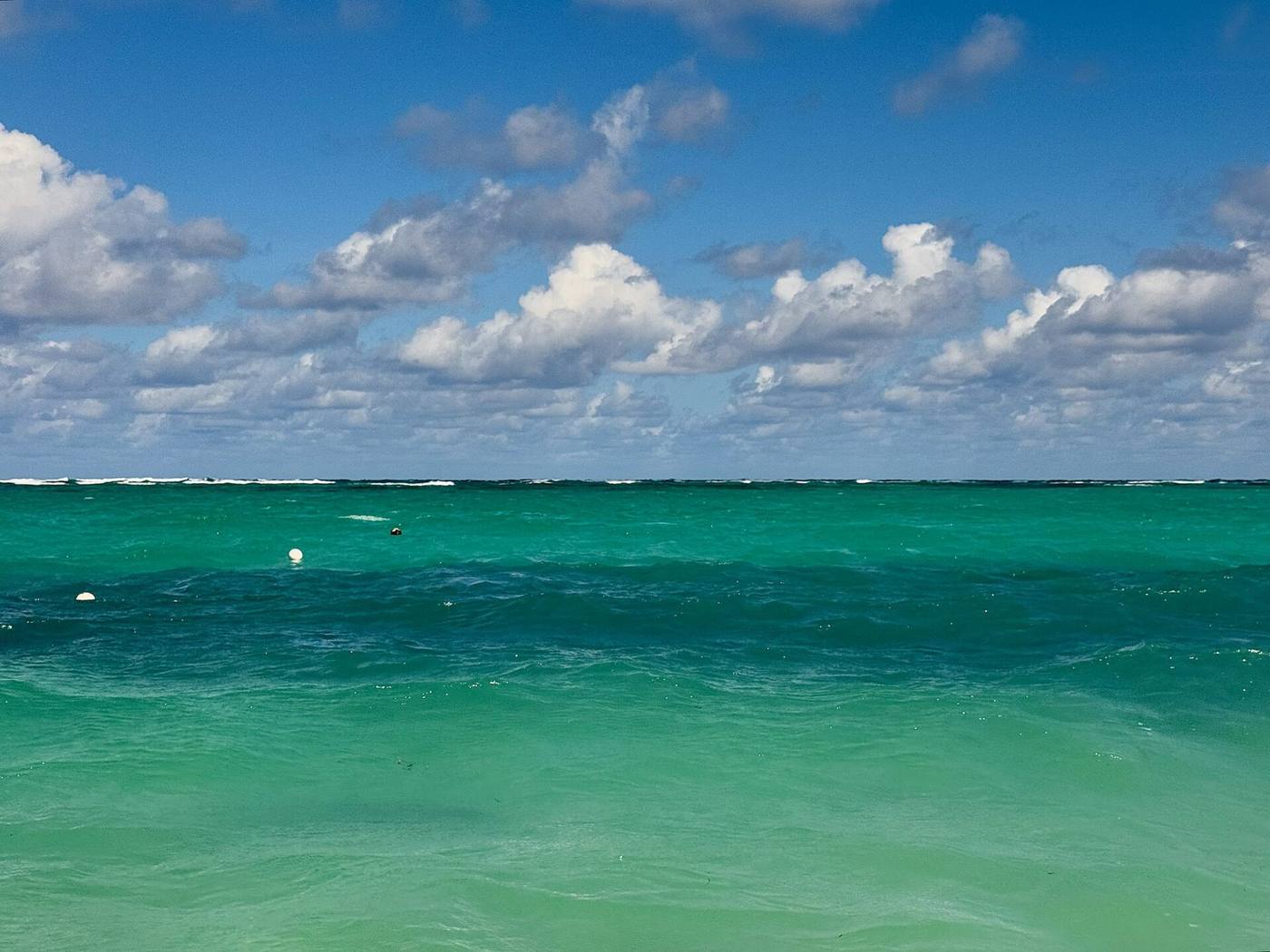
Punta Cana and Bávaro
The long palm beaches of the east, Macao for surfing, the Ojos Indígenas lagoons and a catamaran along the reef.
 3 daysEasy
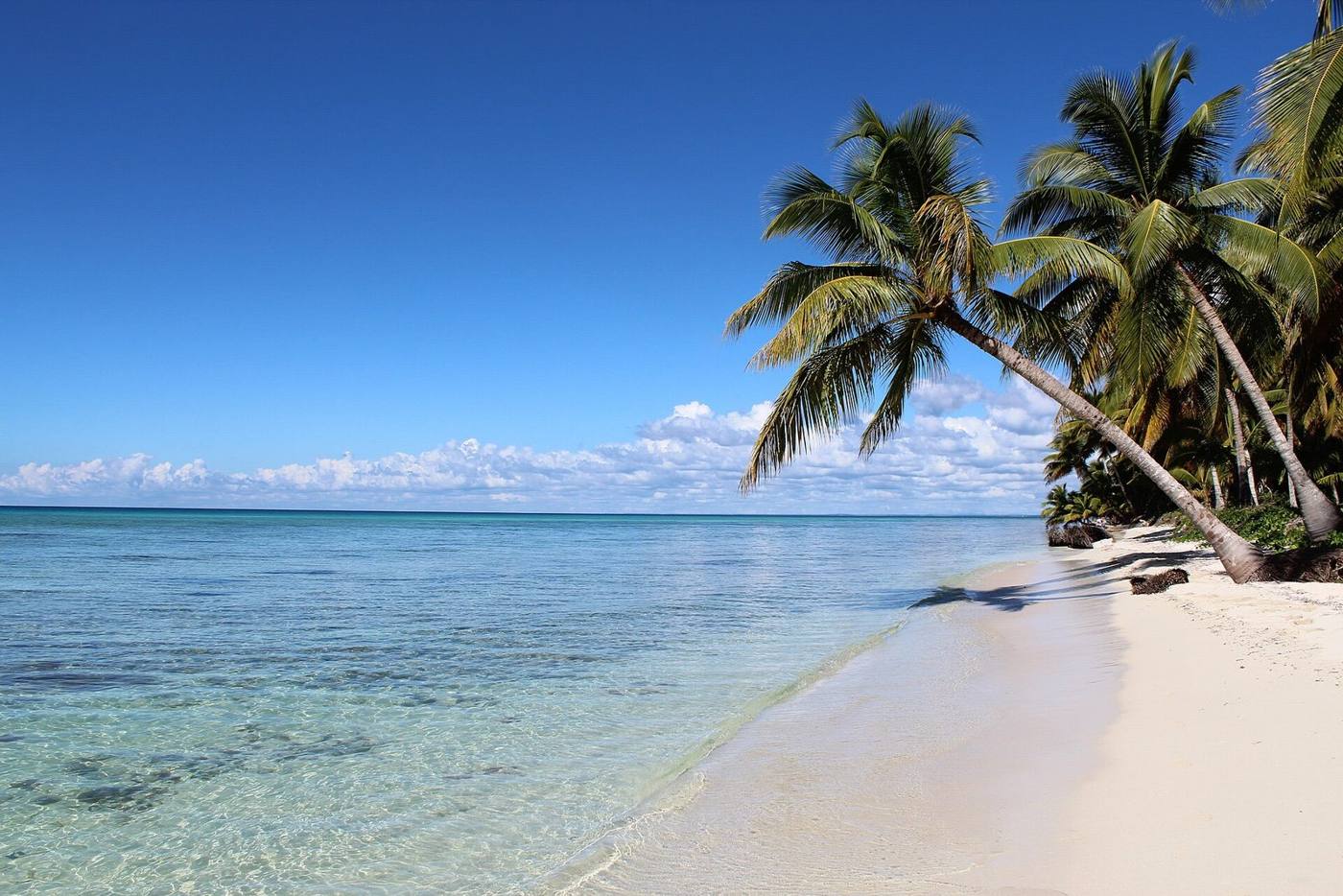
Isla Saona and Bayahibe
The fishing village of Bayahibe with wreck dives, Saona island in the Parque del Este and the natural starfish pool.
 4 daysEasy
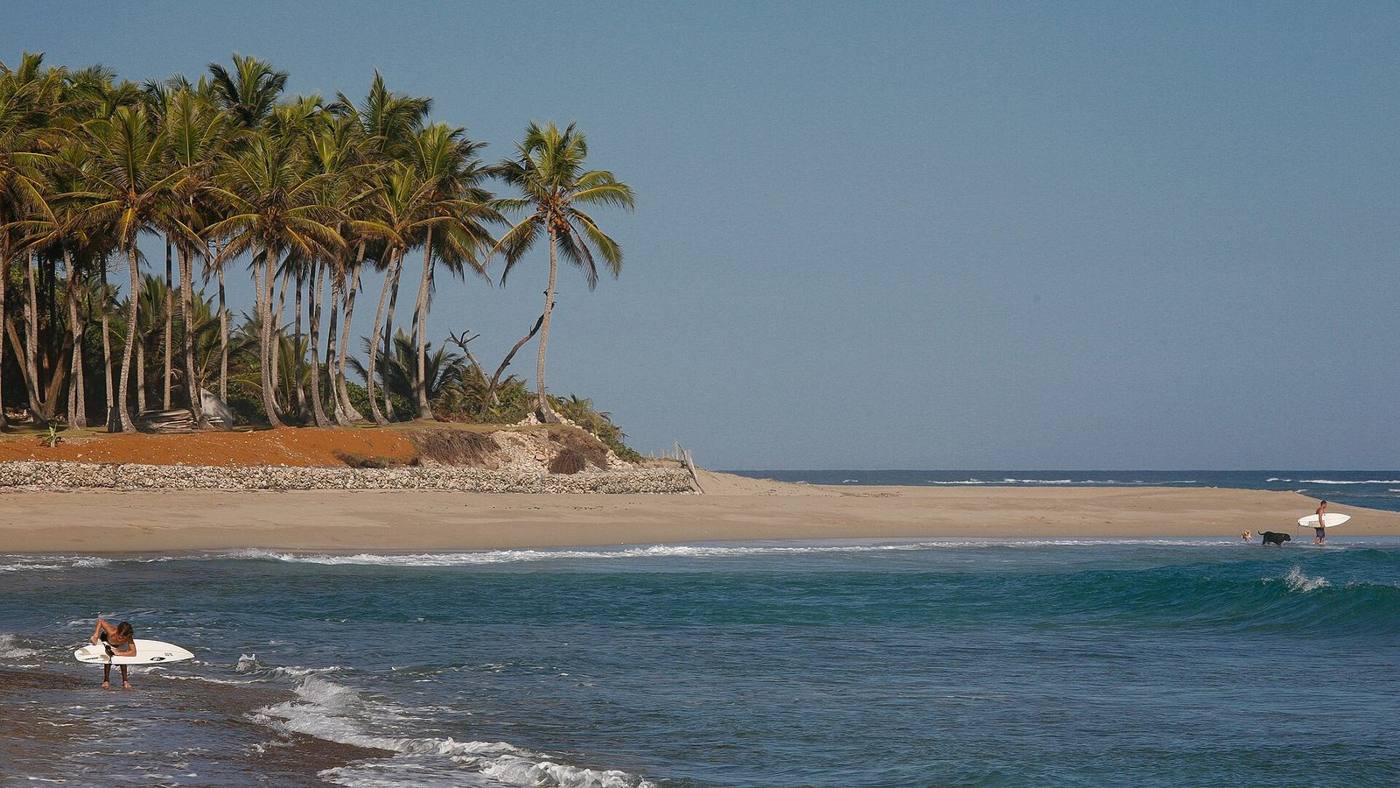
Puerto Plata and Cabarete
The north coast: the cable car up Mount Isabel de Torres, the 27 waterfalls of Damajagua to jump and slide down, and Cabarete, the kitesurfing capital.