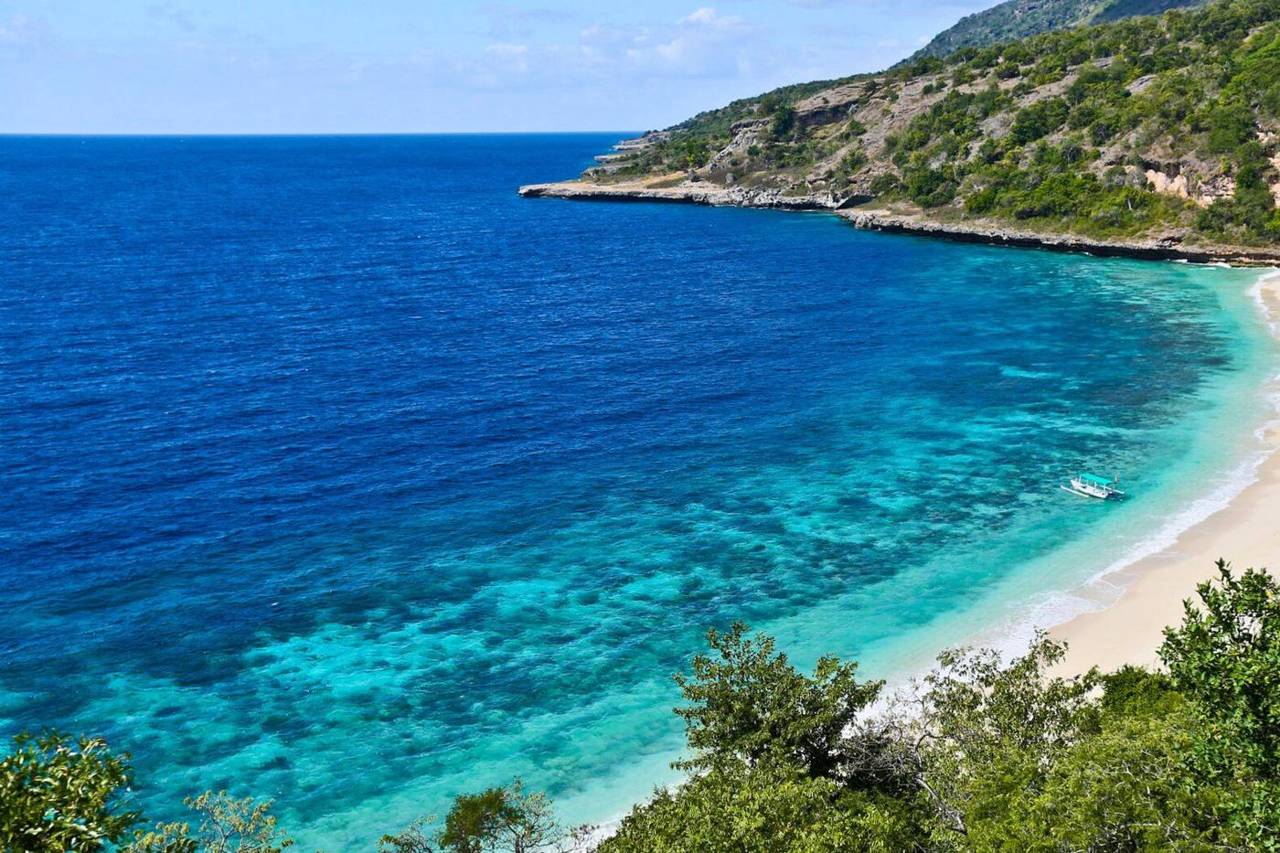
Baucau and Com
The country's second city, with its Portuguese centre, colonial market and springs below the cliffs, then the fishing village of Com with a reef right off the beach.
- Dili
- Baucau
- Com
Day by day
- Day 1
From Dili to Baucau along the north coast
This trip takes you to the east of Timor-Leste, the youngest country in South-East Asia: the coastal road from Dili to Baucau, the second city, with its Portuguese centre, old colonial market and springs below the cliffs, and then Com, a fishing village with a coral reef right in front of the beach.
Before you go: Italian citizens need a passport valid for at least six months from the date of entry; the electronic identity card is not enough. Thanks to the agreement between the European Union and Timor-Leste, they can stay up to 90 days in any 180-day period without a visa; have your return ticket ready. Other nationalities should check their own rules. The United States rates the country level 2 for unrest and crime: avoid demonstrations and crowds, do not travel by car at night and outside Dili travel with an experienced driver. The currency is the US dollar: bring cash, because outside the capital cards are hardly used. Dengue is common: use repellent.
In the morning go up to Cristo Rei, the large statue on a headland east of Dili, with a staircase and a view over the bay. Then head east on the coastal road, between the sea and dry hills.
Along the road you pass Manatuto, with its salt pans and village on the beach, and Laleia, with a small Portuguese church on the hill. The route is about 120 kilometres, but on these roads it takes three or four hours, with potholes, narrow bridges and animals on the road.
You reach Baucau in the afternoon and sleep in the upper town.
Practical tip: leave early so you arrive before dark. Bring water and something to eat: there are few services along the road.
- Day 2
Baucau old town and Osolata beach
Baucau is built on two levels: the new town on the plateau and the old town, lower down, towards the sea. In the morning go down to the old town, with its Portuguese colonial houses, tree-lined streets and the large municipal market, a restored building with arches and columns that is the symbol of the city.
Freshwater springs rise beneath the cliffs. In the historic centre the water from one spring feeds a public pool where locals bathe and children play. It is a cool place, in the shade of large trees, perfect in the hot hours.
In the afternoon take the road that winds down from the town to the coast and reaches Osolata beach. It is a white sand beach with palm trees and turquoise water, often deserted during the week. Along the road you see the rice fields and villages of the plain.
Swim only after asking locals: in the east of the country there are saltwater crocodiles, although they are rare on the main beaches. Do not swim at dawn, at dusk or near river mouths.
Return to Baucau before dark and have dinner in town. In the evening, from the upper town, watch the sunset over the sea and the mountains inland, which at this hour turn red and purple.
Practical tip: in town and in the villages dress simply and modestly. The country is very Catholic and people appreciate respect for local customs.
- Day 3
Com: snorkelling and grilled fish
In the morning leave Baucau and continue east to Com, a fishing village on the north coast, in the Lautém district. The road crosses hills, dry forests and small villages; allow a few hours for the journey.
Com is a quiet place, with a long beach, colourful boats on the sand and a coral reef that starts a few metres from the shore. With a mask you see corals, parrotfish, starfish and, sometimes, turtles. Bring your own snorkelling gear: it is hard to find there. Swim only when the sea is calm, stay close to the shore and ask the fishermen where currents are weakest.
In the afternoon walk along the beach and watch the fishermen coming back in their boats. In the evening eat grilled fish, freshly caught, with rice and vegetables, the simplest and tastiest dish on the coast.
From Com, the next day, you can head back towards Dili, a long day on the road, or continue towards Tutuala and Nino Konis Santana National Park.
In short, in three days you travel the north coast from Dili to Baucau, discover the Portuguese old town with its springs and market, swim at Osolata and snorkel over the coral reef at Com. When to go: from May to November, in the dry season, with better roads and clearer sea. From December to April the rains make some roads difficult.
Practical tip: in Com there are very few services. Bring cash in dollars, a torch and a power bank for your phone.
A taste of the quieter, more accessible east. Bring US dollars in cash: outside Dili cards are hardly used.
Before you go
- Documents and visa
- Passport valid for at least six months after arrival, with two blank pages. British citizens can get a single-entry tourist visa on arrival at Dili airport or seaport, valid for 30 days and payable only in cash. Have your return ticket ready: you may be asked for it.
- Health and vaccines
- Dengue is common, especially in the rainy season: use repellent during the day too. The malaria risk is low: ask a travel health clinic. Drink only bottled water. Hospitals are few and basic, especially outside Dili: you need insurance that covers evacuation to Australia or Singapore. Emergencies: 110.
- Money and payments
- US dollar, with local centavo coins. Bring cash in notes in good condition: outside Dili cards are hardly used and cash machines are rare.
- Power sockets
- Mixed sockets, often Australian and European types, 220 volts: bring a universal adapter.
- Time zone
- UTC+9 all year, nine hours ahead of the UK in winter, eight in summer.
- Safety
- The United States rates Timor-Leste level 2 for unrest and crime. Avoid demonstrations and crowds, especially at Tasi Tolu and Comoro in Dili; do not travel by car at night and outside the city use a driver. Roads are slow and in poor condition, and from November to April the rains make some stretches impassable. There are crocodiles on the south coast, in the east and in rivers: ask locals before swimming. Official advice: GOV.UK.
Information checked in November 2026 for Italian and EU citizens. Rules change: always check before you travel.
Variations
In 2 days: Dili and Baucau, with the old town and Osolata beach, and back to Dili.
In 5 days: add two days in Tutuala, with Valu beach and the boat to Jaco islet.
Frequently asked questions
Do I need a visa for Timor-Leste?
Not as an Italian citizen: thanks to the agreement with the European Union you can stay up to 90 days in any 180-day period without a visa. You need a passport valid for at least six months. Check the current rules before you leave.
Can I drive myself?
It is better not to. Roads are in poor condition, accidents are frequent and help is far away. Hire a car with a driver and do not travel at night.
Are there crocodiles?
Yes, saltwater crocodiles live along the coast, especially in the east and south and near river mouths. Always ask locals before swimming.
Indicative itinerary written by World Atlas. Before booking, check timetables, seasonal openings, documents and safety.
 6 daysEasy
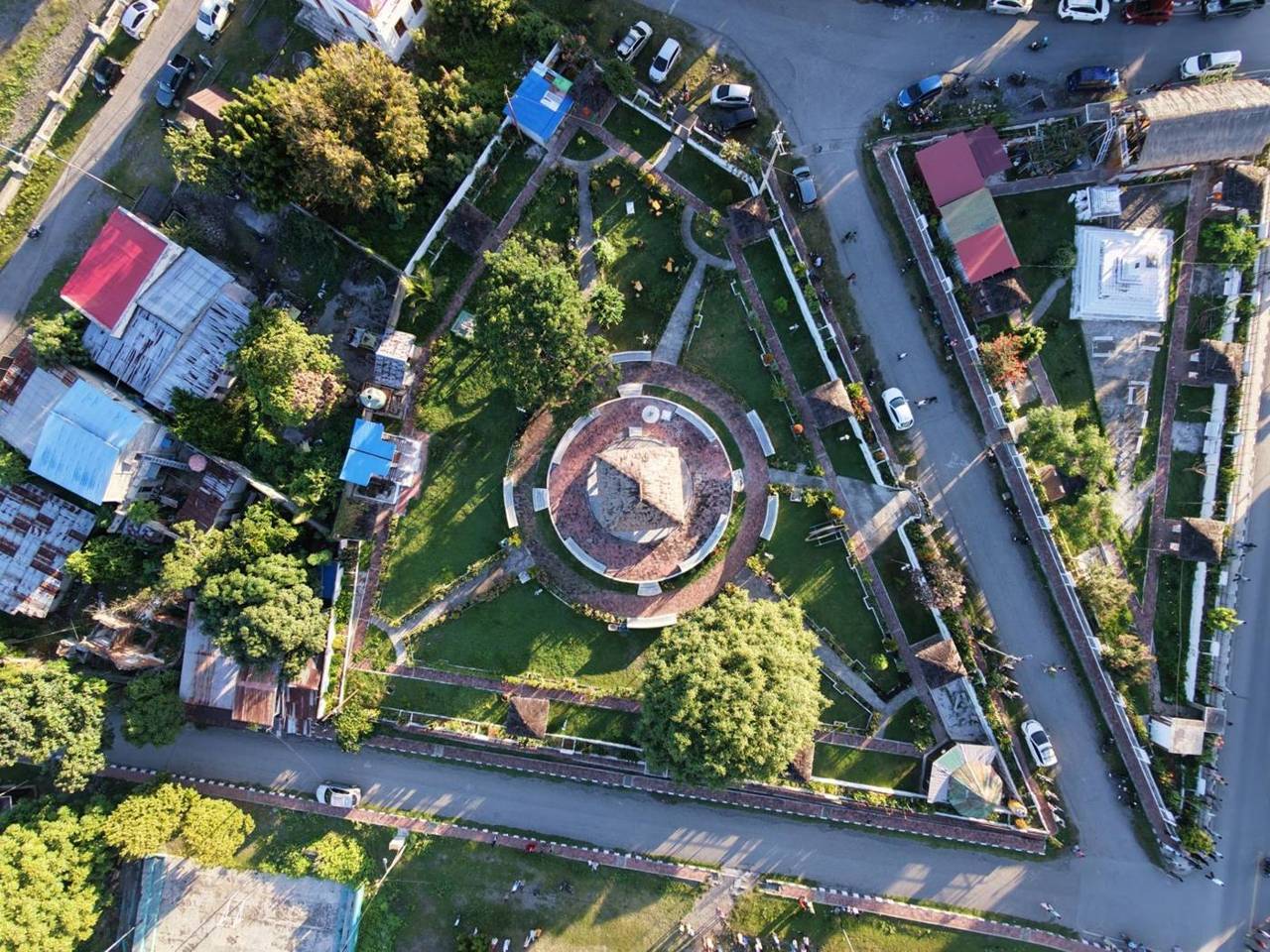
Dili and Atauro
The capital with Cristo Rei on its headland and the Resistance Museum, then Atauro island with some of the most fish-rich waters in the world.
 5 daysModerate
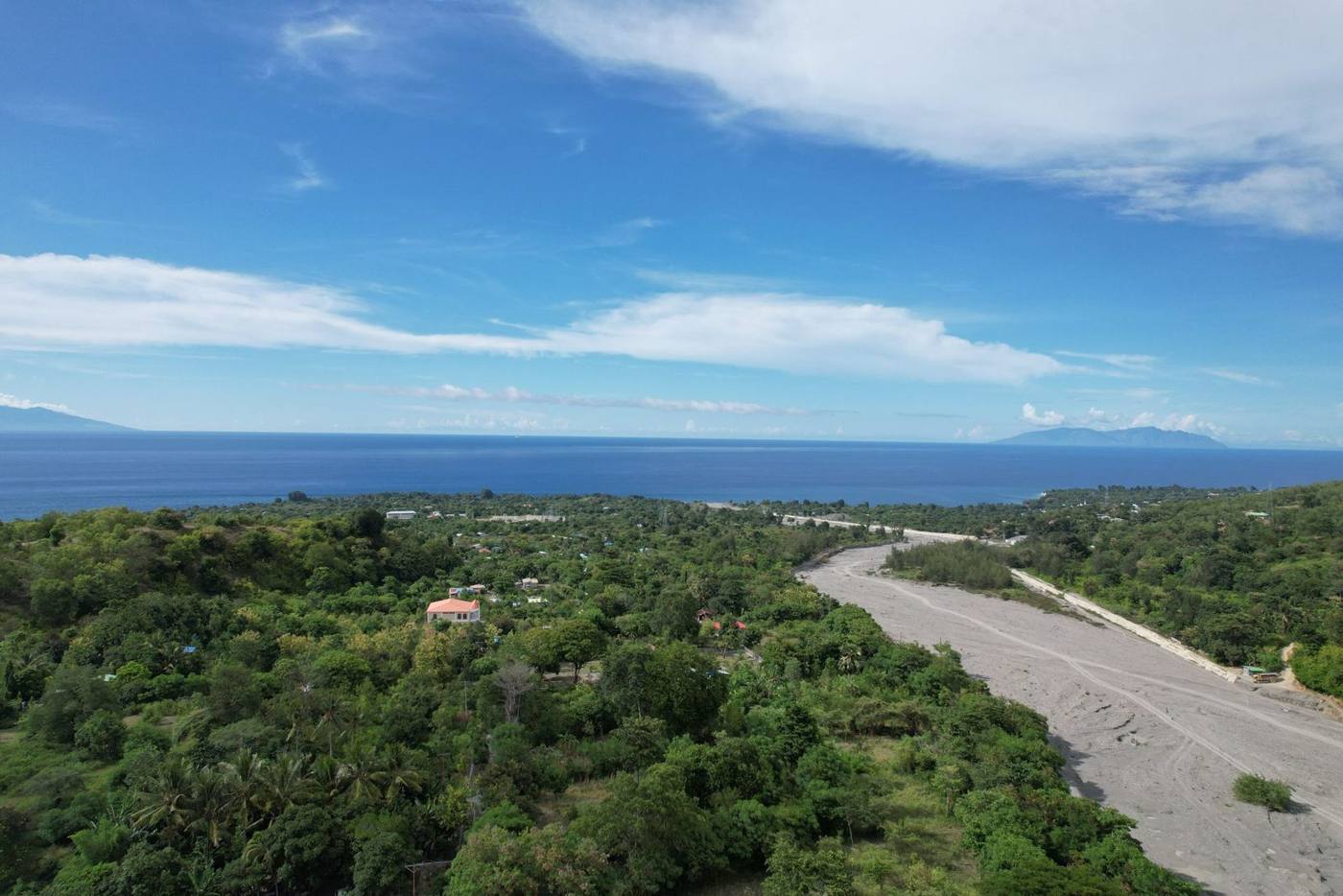
The mountains and Ramelau
The colonial town of Maubisse among coffee farms, the dawn climb of Tatamailau, the summit of Mount Ramelau, and the sacred uma lulik houses.
 4 daysModerate
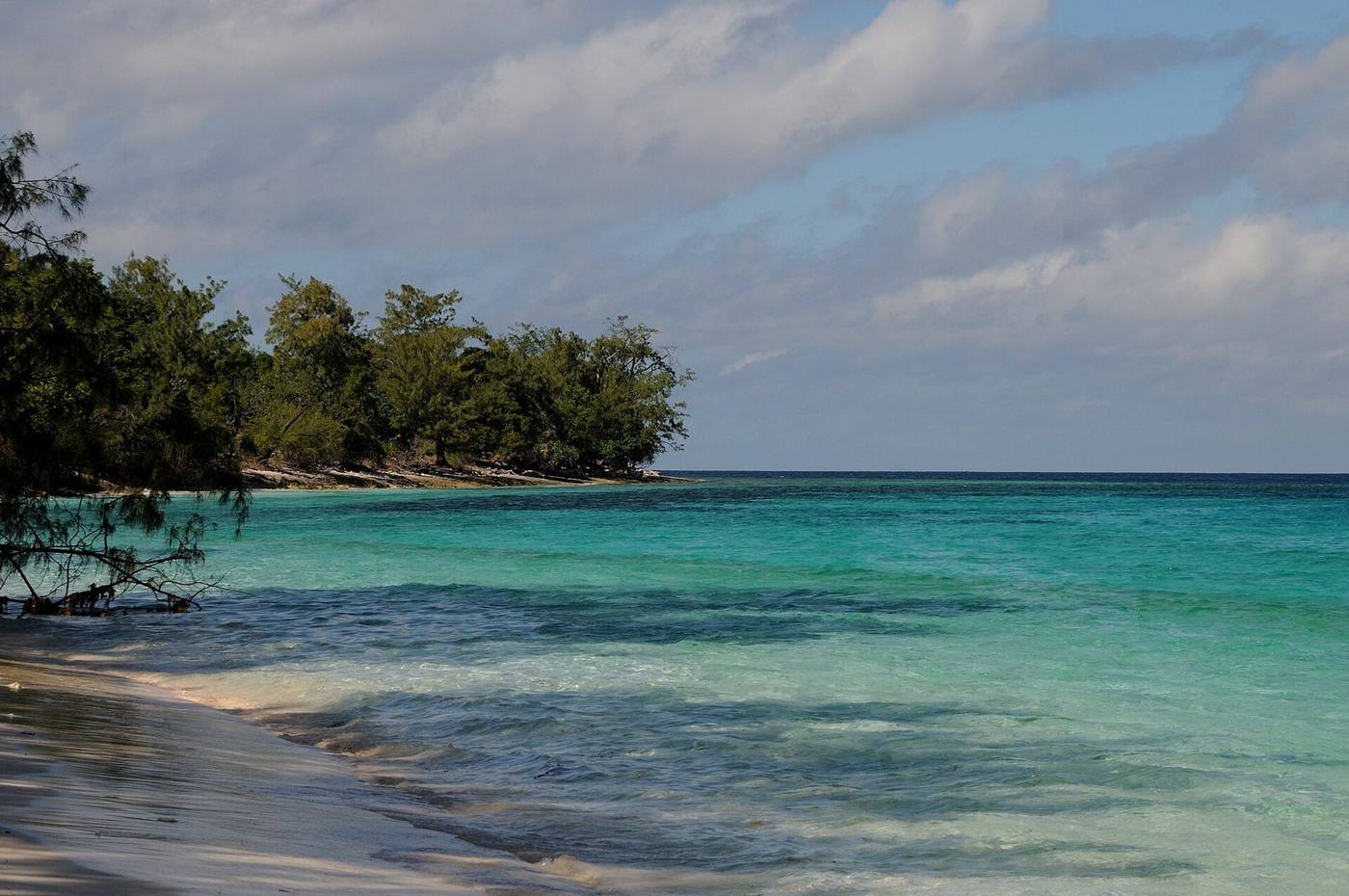
Jaco and Tutuala
The island's eastern tip, in Nino Konis Santana National Park: Valu beach, the boat to the sacred, uninhabited islet of Jaco, the Ile Kére Kére rock paintings and the old pousada of Tutuala.