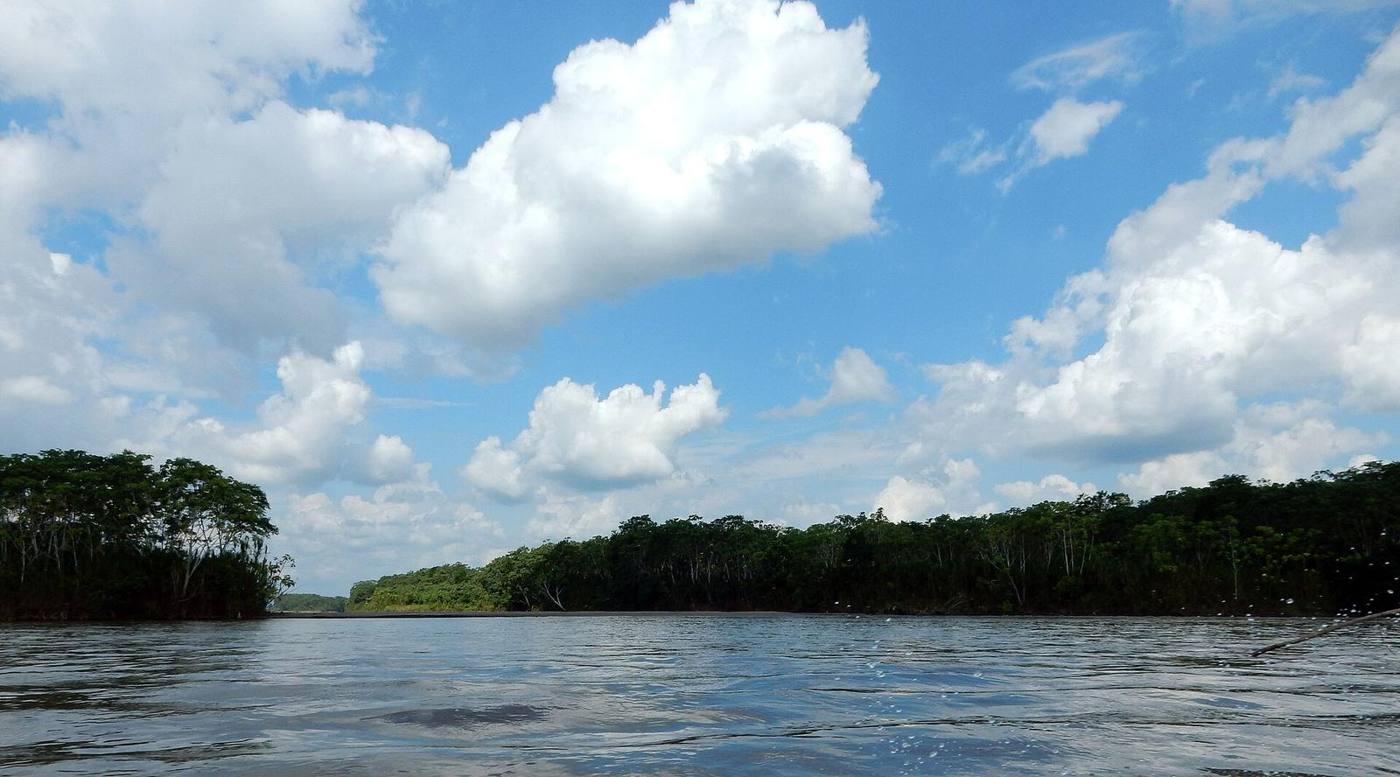
The Amazonian Oriente: with the Huaorani in the forest
A deep journey into the Ecuadorian Amazon: days by canoe on the rivers, nights in villages and daily life with the Huaorani, among South America's least-contacted peoples.
- Quito
- Baños
- Puyo
- Shiripuno
- Huaorani territory
- Tena
Day by day
- Day 1
Arrival in Quito
This seventeen-day trip takes you into the heart of the Ecuadorian Amazon: from Quito you go down to Baños and Puyo, then by canoe on the Shiripuno river to the territory of the Huaorani people, where you spend six days with a community, and you return by way of Tena and the Napo river. It is not a comfortable trip: humid heat, rain, insects and simple nights.
Before you go: Italian citizens can enter Ecuador without a visa for tourism for up to 90 days, with a passport valid for at least six months from arrival. Other nationalities should check their own rules. The United Kingdom advises against all but essential travel to the coastal provinces, including Guayas, except airport transit, and within 20 kilometres of the border with Colombia; in November 2026 the state of emergency was extended in eight provinces, including Pichincha. This route stays in the provinces of Pastaza, Napo and Orellana, far from the Colombian border. Huaorani territory also contains the Tagaeri-Taromenane Intangible Zone, where peoples in voluntary isolation live: entry is forbidden. Before booking, get written confirmation that the route stays outside the intangible zone and its buffer zone. Visit communities only at their invitation and with an organisation recognised by the community itself. The yellow fever vaccine is recommended for the Amazon; ask your doctor about malaria prevention.
You arrive in Quito, at about 2,850 metres. Rest and have a light dinner.
Sleep in Quito, for two nights.
Practical tip: in the city use only booked or registered taxis, because the United Kingdom reports express kidnappings in taxis hailed in the street.
- Day 2
Quito and getting ready
Today you visit the capital and pack your bag for the forest.
In the morning walk through the historic centre, a UNESCO World Heritage Site. Start at the Plaza Grande, with the cathedral and the Government Palace, then go into the church of La Compañía de Jesús, its interior covered in gold. Continue to the Plaza San Francisco, large and paved, in front of the convent. Check prices and times.
Then go up to the Basilica del Voto Nacional, the large neo-Gothic church where, instead of the monsters of European cathedrals, the gargoyles are Ecuadorian animals such as tortoises, iguanas and armadillos. If it is open, climb the towers to see the city. Check prices and times.
For lunch go to the Mercado Central and try a plate of locro de papa or a juice of naranjilla, a sweet and sour fruit from the Andean valleys.
In the afternoon do your last shopping for the forest: a light rain poncho, waterproof bags for clothes and documents, a strong repellent, spare batteries for your head torch. In Huaorani territory there are no shops or reliable electricity, and your phone often has no signal.
In the evening listen to the briefing of the organisation you are travelling with: ask how payment to the community works, what the village rules are and what to bring as a useful contribution.
Sleep in Quito.
Practical tip: leave everything you do not need in storage in Quito: in the canoe and in the villages you will have little space and everything gets wet.
- Day 3
To Baños, along the volcanoes
Today you head south along the Avenue of the Volcanoes, to the town that looks out over the Amazon.
In the morning leave Quito on the Pan-American Highway. The road runs through a long valley between the two ranges of the Andes, with a line of volcanoes on either side: on clear days you see the almost perfect cone of Cotopaxi, 5,897 metres high, capped by its glacier. Then you pass Latacunga and Ambato and drop down along the Pastaza river. The journey takes about three and a half hours.
Baños lies at about 1,800 metres, at the foot of Tungurahua volcano, in a narrow green valley. The air is warmer and more humid than in Quito, and your body starts to get used to the climate of the forest.
In the afternoon visit the basilica of the Virgen del Agua Santa, in the centre, with large paintings that tell of the miracles attributed to the Virgin, then go up to the Casa del Árbol, a small wooden tree house above the valley, with a swing over the void. Check prices and times.
In the evening relax in the thermal pools, with hot water that comes down from the volcano. Check prices and times. Then try melcocha, the sugar-cane toffee pulled by hand in shop doorways.
Sleep in Baños.
Practical tip: Tungurahua is an active volcano: look at the bulletins of the Geophysical Institute of Ecuador and follow the instructions of the local authorities.
- Day 4
The waterfalls and Puyo, gateway to the forest
Today you follow the Pastaza river to the start of the Amazon plain.
In the morning leave Baños on the road that drops east, called the Ruta de las Cascadas. Along the valley dozens of waterfalls tumble from the green walls. Stop at the Manto de la Novia waterfall and then at Río Verde, where a path leads down to the Pailón del Diablo, a powerful waterfall that crashes with a deafening roar into a gorge. Steps and walkways take you very close to the water. Check prices and times.
Continue to Puyo, capital of Pastaza province, about an hour and a half from Baños. Here the mountains end and the forest begins: the air is hot and heavy and it rains often, sometimes in short bursts.
In the afternoon visit the Omaere Ethnobotanical Park, in town, a stretch of restored forest where guides show you the plants used by Amazonian peoples for healing, building and cooking, and the traditional houses of several Indigenous nationalities. Check prices and times. Then walk along the riverside of the Puyo, on a path that crosses the vegetation.
In the evening meet the contact person from the community or the organisation accompanying you, for a final check of the route, the equipment and the timings.
Sleep in Puyo.
Practical tip: buy a pair of tall rubber boots in Puyo if the organisation does not lend them: in the Huaorani forest they are essential for mud and streams.
- Day 5
To the Shiripuno river
Today you reach the river where the canoe journey begins.
Leave very early. With transport arranged by the community you take the road north, pass through Tena and continue into Orellana province. The last stretch is the Vía Auca, a road opened for oil activity, which enters the forest south of Coca. The journey takes many hours, with stops to eat and stretch your legs, and is done only by day. Along the road you see fields, small villages and pipelines, then the forest grows ever thicker.
You arrive at the bridge over the Shiripuno river, where canoes are waiting with boatmen and Huaorani guides. Load your bags into waterproof sacks and climb aboard. The river is narrow and dark, with towering trees leaning over the water and fallen trunks to steer around.
In the afternoon you travel for a few hours. Watch the banks: kingfishers, herons, sometimes river turtles basking on logs. The guides teach you your first words of Wao Tededo, the language of the Huaorani.
Before dark you stop on a beach or at a camp on the bank. Everyone has dinner together around the fire.
Sleep in a tent or a shelter on the bank.
Practical tip: always keep sun cream, repellent, water and your poncho within reach in a waterproof bag: in the canoe sun and rain alternate within minutes.
- Day 6
Down the river by canoe
Today you spend the whole day on the river, ever farther from the roads.
At dawn the forest wakes with a tremendous noise: howler monkeys, with their deep call that carries for kilometres, parrots and toucans. After breakfast you set off again by canoe.
The Shiripuno winds through primary forest, forest that has never been cut. In some places the boatmen get into the water to push the canoe over a log or a shallow; in others the river widens and the current carries you on its own. Stay seated in the middle, do not lean out and follow the instructions of the person steering.
Along the way the guides point out animal tracks on the muddy banks: tapirs, peccaries, sometimes jaguar. With some luck you see giant otters, but nothing is certain: the forest guarantees nothing.
At midday you stop on a beach to eat and swim, only where the guides say it is safe. In the afternoon you continue, until the first huts appear and canoes tied to the bank: you are in Huaorani territory.
The community welcomes you. Listen quietly to the welcome and follow whoever shows you where to settle.
Sleep in the community, for six nights.
Practical tip: bring an inflatable cushion or a folded cloth for the canoe: after many hours sitting on a wooden bench it makes a big difference.
- Day 7
The village rules
Today you learn how the community lives and which rules to respect.
The Huaorani, who call themselves Waorani, are a forest people who have had peaceful contact with the outside world only since the late 1950s. They live between the provinces of Orellana and Pastaza, in a territory that partly overlaps Yasuní National Park, a UNESCO biosphere reserve and one of the most species-rich areas on the planet.
In the morning an elder or a community leader explains the rules: where you may walk, where you wash, what you may photograph and what not, how to behave in the houses. Always follow these instructions, even when you do not understand the reason. You are a guest, and the village welcomes you because it has chosen to do so.
Then take a walk round the village with the guide: the houses of wood and palm leaves, the fires where food is cooked, the gardens, the river where clothes are washed and water is drawn. The children are curious and follow you everywhere.
In the afternoon help with a daily task, such as gathering firewood or peeling cassava. Learn to say thank you in their language and use it often.
In the evening, by the fire, the community tells how their grandparents' lives have changed and what it means today to defend the forest from oil and logging.
Sleep in the community.
Practical tip: always ask before photographing people and houses, and if the answer is no, put the camera away without insisting.
- Day 8
Traditional hunting in the forest
Today you follow Huaorani hunters into the primary forest.
At dawn set off with a small group and the community guides. Hunting is an important part of Huaorani life: for centuries they have used the blowgun, more than two metres long, with thin darts poisoned with curare, for birds and monkeys, and the spear for larger animals such as peccaries. Today many also use shotguns, but traditional weapons are still made.
You walk on trails you cannot see, while the guide reads the forest: a broken branch, a footprint in the mud, a fallen fruit half eaten. Stop when they stop, stay silent and move slowly. If the hunt is successful, the meat is shared among the families of the village.
During the walk the guide also shows you how to find your way without a map, how to find water in lianas and which trees give fruit you can eat. They show you the great ceiba trees, with trunks as wide as a room, which the Huaorani hold in deep respect.
In the afternoon return to the village and try blowing a dart, without poison, through the blowgun at a wooden target. It is harder than it looks.
In the evening rest: walks in the forest, through mud, roots and heat, are far more tiring than you think.
Sleep in the community.
Practical tip: in the forest walk with long sleeves and trousers tucked into your boots, to protect yourself from thorns, ants and ticks.
- Day 9
Fishing and the river
Today you discover how the river feeds the community.
In the morning go down to the river with the families. Fishing is done with nets, lines and, at certain times, with barbasco, a root that stuns the fish in a small stream so they can be gathered by hand. Women and children take part as much as the men. Watch, help if they invite you and ask before getting into the water.
The fish is cooked over the fire wrapped in leaves, or smoked to keep for a few days. At lunch you eat with your host family: fish, boiled cassava, green plantain. Accept what they offer, even just a taste, because refusing food can seem rude.
In the afternoon go out by canoe with a guide on a calmer stretch of the river. Along the banks look for hoatzins, strange birds with a scruffy crest and a hoarse call, which live on branches above the water. In the high branches look for squirrel monkeys, small and quick, moving in large groups.
At sunset the river turns orange and bats come out to hunt insects over the water.
In the evening the guide uses a torch to show you the red eyes of caimans shining near the bank.
Sleep in the community.
Practical tip: drink only boiled or filtered water, even if the river looks clean, and bring purification tablets as a back-up.
- Day 10
Medicinal plants
Today you get to know the pharmacy of the forest.
In the morning a woman or an elder of the community takes you into the woods near the village. For the Huaorani almost every plant has a use: leaves to treat wounds and stings, bark for stomach ache, resins to light fires, fruits to dye skin or fabrics. Listen carefully and take notes, but do not pick anything without permission.
They also show you the trees used for building: straight trunks for house posts, palm leaves for roofs, lianas for tying. A traditional house is built in a few days, with many people working together.
In the afternoon, in the garden near the houses, help harvest cassava and plantains. Cassava is the main food: it is eaten boiled and used for chicha, the fermented drink offered to guests. If they offer you a bowl, drink at least a sip.
Towards evening listen to the stories about the spirits of the forest and the relationship with animals, which for the Huaorani are not only food but beings to be respected.
Sleep in the community.
Practical tip: do not try natural remedies on your own and tell the guide if you take medicines or have allergies: some plants are very powerful.
- Day 11
Crafts and daily life
Today you spend the day with the families, in their everyday work.
In the morning the women show you how they work chambira, a palm whose leaves give a strong fibre. The fibres are separated, dried, dyed with natural colours and rolled on the thigh to make thread. With this thread they weave hammocks, bags and bracelets. Try it yourself: it is patient work that takes hours.
The men work palm wood to make spears and blowguns, or build and repair canoes. Watch and ask questions through the guide, who translates.
If you buy an object, pay the price asked, without bargaining: it is long work and the money goes straight to the person who made it. Do not buy objects with feathers, teeth or skins of wild animals, because it is forbidden and harms wildlife.
In the afternoon play with the children, who love football and races in the river, or help cook the shared dinner. These are simple moments, but they are the ones you will remember most.
In the evening the community may offer traditional songs and dances. Join in if you are invited, with respect and without filming unless you have been given permission.
Sleep in the community.
Practical tip: bring a small notebook and let the children draw: it is an easy way to communicate without speaking the same language.
- Day 12
A long day in the primary forest
Today you take the longest walk, into the heart of the forest.
Set off at dawn with the guides on a route of several hours through primary forest. The trail rises and falls over small hills, crosses streams on logs and passes beneath trees more than forty metres tall. Light reaches the ground only in patches, and the silence is broken by bird calls and the hum of insects.
Depending on the route you may reach a saladero, a clay bank where parrots and parakeets come down to eat the mineral-rich earth. Approach slowly and stay hidden: if they are startled, they all fly off together in a green and red cloud.
Along the way the guides gather fruit, grubs and leaves, and show you how to build a shelter for the night in a short time, with poles and palm leaves.
In the afternoon return to the village. It is your last evening with the community: usually there is a shared dinner, with farewell speeches. Thank the families who hosted you and ask how you can go on supporting the community when you get home.
Before sleeping pack your bags: tomorrow you leave early.
Sleep in the community, for the last night.
Practical tip: on long walks carry at least two litres of water, a snack and a whistle, and never move away from the group, not even for a few metres.
- Day 13
Back by canoe
Today you say goodbye to the community and travel back up the river.
At dawn the community walks you to the bank. Say goodbye calmly, without hurrying, and leave useful items you brought with your host family, if the organisation agrees, such as a torch or a knife.
The return journey on the Shiripuno is upstream and slower than the way down. The engine works hard and in some places everyone gets out to push the canoe. Use the time to look at the forest again with new eyes: now you recognise the trees, the calls and the tracks you could not see before.
At midday you stop on a beach to eat. The guides tell stories of hunting and of the river journeys of their fathers.
In the afternoon, depending on the water level, you reach the bridge on the Vía Auca or stop for one last night at a camp on the bank. With heavy rain the river rises and the journey can change: trust the guides' decisions.
In the evening, around the fire, think back over the past days. Write down the names of the people you met and the words you learned.
Sleep at a camp on the river or near the bridge.
Practical tip: keep a spare day before your flights home: in the Amazon rain, landslides and river floods can delay the journey.
- Day 14
Tena, the cinnamon capital
Today you return to the road and reach a small town on the river.
In the morning take the transport along the Vía Auca and then the road south to Tena, capital of Napo province: the journey takes many hours. Travel only by day, because the United Kingdom advises against road journeys after dark.
Tena lies where the Tena and Pano rivers meet, in the valley of the upper Napo. It is known as Ecuador's cinnamon capital, and many Kichwa communities live around the town. After the days in the forest, a hot shower and a real bed will feel like luxury.
In the afternoon stroll along the riverside and cross the footbridge that joins the two banks. Then visit the Parque Amazónico, on the island between the two rivers, with paths among the plants and a small viewpoint. Check prices and times.
In the evening try an Amazonian dish, such as maito, fish wrapped in bijao leaves and grilled over embers, or uchu manka, a spicy soup. Drink an infusion of guayusa, the plant the Kichwa communities drink at dawn.
Sleep in Tena, for two nights.
Practical tip: wash and dry your forest clothes straight away, or have them washed: in the humidity they go mouldy within a few days.
- Day 15
Rafting on the Napo
Today you ride the rapids of the upper Napo.
Tena is one of the main rafting centres in Ecuador. The rivers that run down from the Andes to the Amazon have rapids suited to both beginners and experts. The classic route is on the Jatunyacu, the Kichwa name for the upper Napo, which means big water: moderate rapids, long waves and calm stretches between banks covered in forest.
In the morning reach the starting point with the guides. Before getting into the raft listen carefully to the safety briefing: how to hold the paddle, what to do if you fall in, how to climb back aboard. Always wear a life jacket and a helmet.
The descent takes a few hours. On the calm stretches you can swim in the lukewarm water and watch the birds on the banks. Along the river you see Kichwa villages, fishermen's canoes and children playing on the beaches.
Halfway you stop to eat on a pebble beach. Then come the last rapids, down to the finishing point, from where you return to Tena by car.
In the afternoon rest or take a stroll round the Tena market, with Amazonian fruit, cocoa and packets of cinnamon. Check prices and times.
Sleep in Tena.
Practical tip: choose an operator with certified guides and equipment in good condition, and do not go rafting after heavy rain, when the river is in flood.
- Day 16
Back to Quito by way of Papallacta
Today you leave the Amazon and climb back into the Andes.
In the morning leave Tena on the road heading north-west. You pass through Archidona and Baeza and climb among mountains covered in cloud forest, where the clouds catch in trees full of moss, ferns and bromeliads. The journey to Quito takes about four to five hours.
Stop at Papallacta, a village at about 3,300 metres, famous for its hot springs. The hot pools are surrounded by green mountains, often wrapped in mist. Bathing in the cool air of high altitude after the days in the heat of the forest is a pleasant contrast. Check prices and times.
After Papallacta the road climbs again to the pass, at around 4,000 metres, on the páramo, then drops towards the valley of Quito.
In the afternoon you arrive in Quito. Collect the bags you left in storage, rest and pack your suitcase.
In the evening take a walk in La Ronda, in the historic centre, a narrow street with colonial houses and balconies full of flowers, and have a hot Andean dish for dinner. Get around by registered taxi.
Sleep in Quito.
Practical tip: back at altitude after days in the lowlands you will be short of breath: walk slowly, even on the slopes of the historic centre.
- Day 17
Departure
Today you leave Ecuador.
In the morning go to Quito airport, about an hour from the centre, and allow time for traffic. If your international flight stops in Guayaquil, stay in the airport without leaving it.
In short: in seventeen days you have lived the Ecuadorian Amazon up close. From Quito you went down along the volcanoes to Baños and the waterfalls of the Pastaza, then to Puyo, the gateway to the forest. You travelled by canoe on the Shiripuno river and spent six days with a Huaorani community: you followed the hunters, fished with the families, learned about medicinal plants and wove chambira fibre. Then came the return to Tena, the rapids of the Napo and the hot springs of Papallacta. It is not a comfortable trip, but it is a real encounter, which works only if the community chooses to welcome you and receives payment directly.
When to go: in the forest it rains all year round; the months with less rain are usually December to March and August and September, when the trails are less muddy. With little water, though, some stretches of the river are lower and the canoe has to be pushed more often. Before you leave talk to your doctor about vaccinations and preventive medicine.
Practical tip: when you get home, if the community wishes, share your photos with them through the organisation: it is a small gesture they greatly appreciate.
Not a tourist trip but a life experience: no comforts, humid heat, insects and rain, in exchange for a genuine and respectful encounter. Only go with community-run projects that are paid directly. Vaccinations and prophylaxis must be discussed with your doctor.
Before you go
- Documents and visa
- Passport valid for at least six months from arrival. No visa is needed for tourism for up to 90 days in a year. For the Galápagos you also need travel health insurance, the Transit Control Card, obtained before the flight, and the park entry fee. Travellers entering overland from Colombia or Peru must show an apostilled criminal record certificate.
- Health and vaccines
- Quito is at about 2,850 metres and many Andean areas are higher: ask your doctor for advice on altitude. The yellow fever vaccine is recommended for the Amazon. Protect yourself from mosquitoes on the coast. Drink bottled water. Emergencies: 911.
- Money and payments
- US dollar. Bring small notes, because large ones are often refused; in villages and on some Galápagos islands there are few cash machines.
- Power sockets
- Type A and B, 120 volts: you need an adapter, and check that your devices accept 120 volts.
- Time zone
- UTC-5 on the mainland, UTC-6 in the Galápagos, all year.
- Safety
- The United Kingdom advises against all but essential travel to the coastal provinces of Esmeraldas, Manabí, Santa Elena, Guayas (including Guayaquil, except airport transit), El Oro, Los Ríos and Santo Domingo de los Tsáchilas, and within 20 km of the border with Colombia (except some areas of Carchi). In November 2026 the state of emergency was extended in eight provinces, including Pichincha, and in the cantons of La Maná, Las Naves and Camilo Ponce Enríquez. Beware of express kidnappings in taxis hailed in the street and of drugged drinks. Official advice: GOV.UK.
Information checked in November 2026 for Italian and EU citizens. Rules change: always check before you travel.
Variations
In 12 days: Quito, Baños and Puyo, then four days in Huaorani territory and the return from Tena to Quito.
In 20 days: add three days in the Andes, with Cotopaxi National Park and the Quilotoa lagoon, before heading down to Baños.
Frequently asked questions
Can you visit the Tagaeri-Taromenane Intangible Zone?
No. It is an area in southern Yasuní where peoples in voluntary isolation live and entry is forbidden. Before booking, get written confirmation that the route stays outside the intangible zone and its buffer zone.
How is a visit to a Huaorani community arranged?
Only at the community's invitation and with an organisation recognised by the community itself, which must receive payment directly. Ask clearly who decides the programme, how the money is shared and which rules apply in the village.
What level of health does this trip require?
You need good tolerance of humid heat, long hours in a canoe and walks through mud. The yellow fever vaccine is recommended for the Amazon; talk to your doctor about malaria prevention and other vaccinations before you leave.
Indicative itinerary written by World Atlas. Before booking, check timetables, seasonal openings, documents and safety.
 7 daysModerate
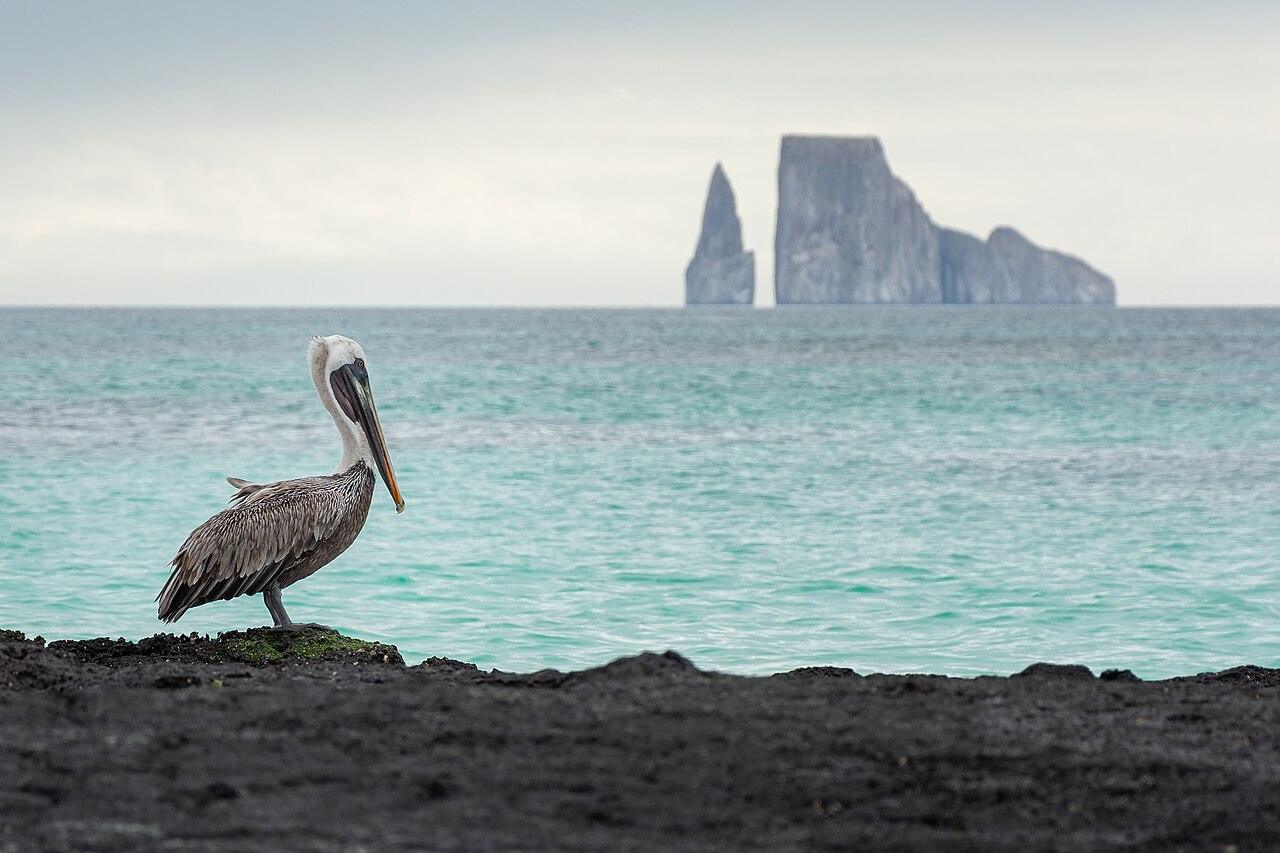
Galápagos by cruise
A five-day cruise between the islands: giant tortoises, marine iguanas, boobies and snorkelling with sea lions.
 15 daysModerate
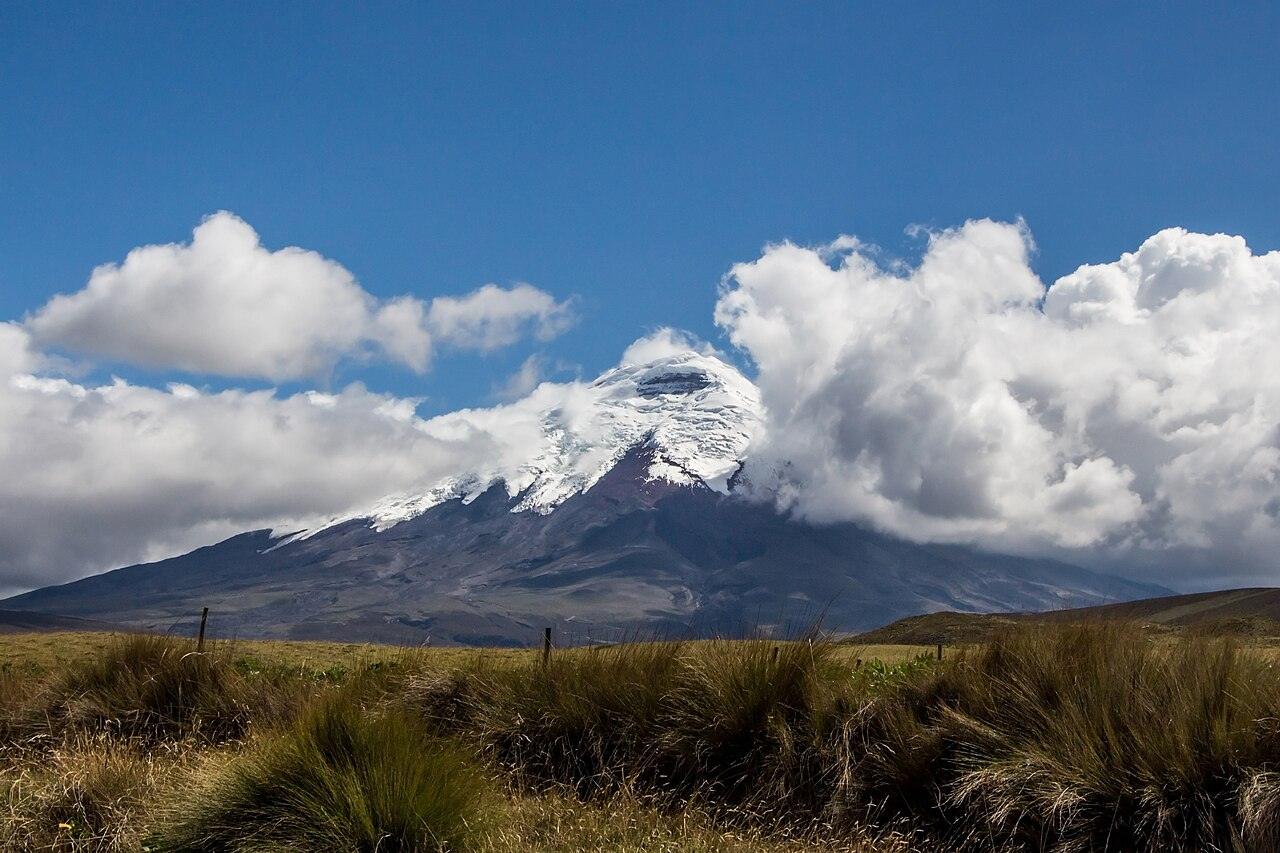
Andes, Amazon and Galápagos
Three worlds in two weeks: the volcanoes of Cotopaxi and Quilotoa, the Amazon rainforest and the Galápagos.
 17 daysModerate
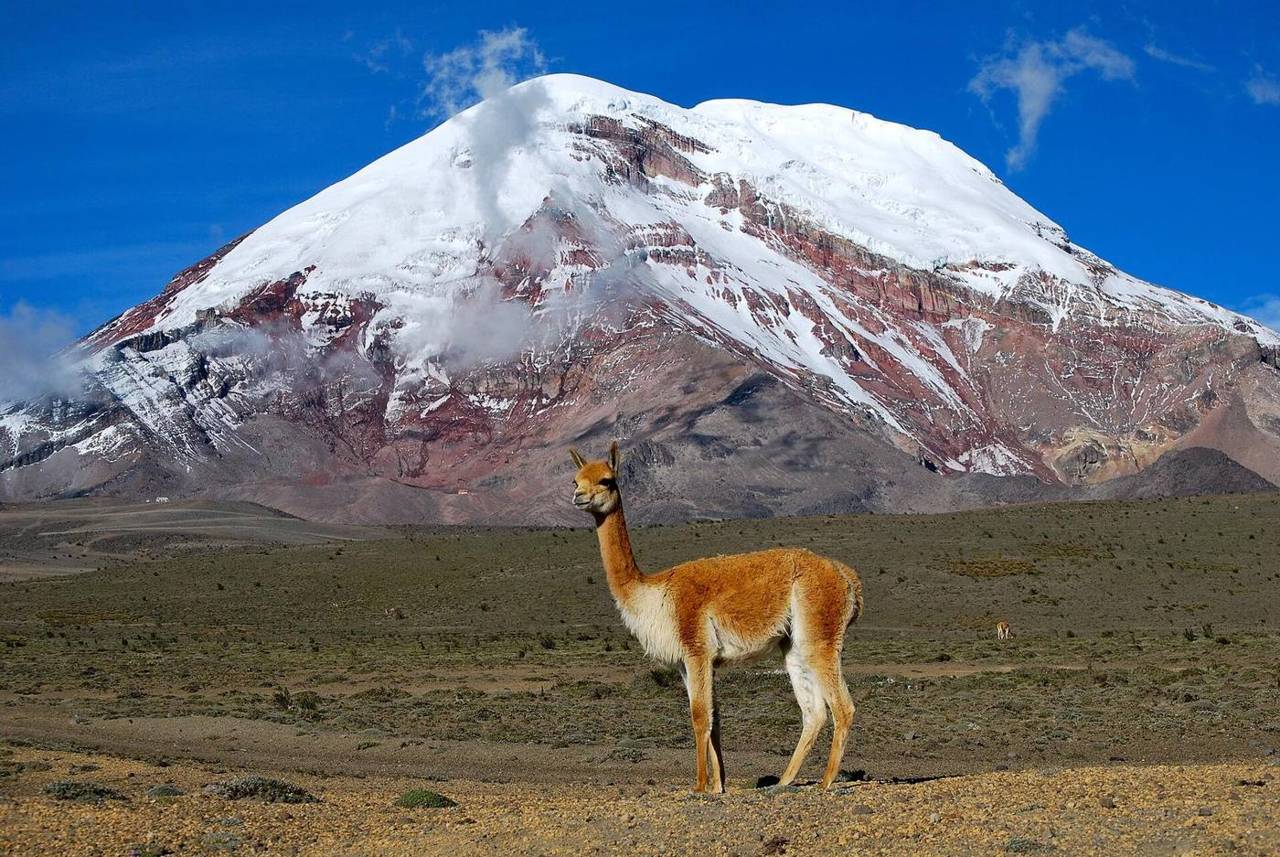
Ecuador: volcanoes, the Amazon and indigenous peoples
The Avenue of the Volcanoes with Cotopaxi and Chimborazo, indigenous markets, the descent into the Amazon along the rivers and the coast at Guayaquil.