Cairo and the temples of Lake Nasser
The pyramids and then the far south: the Nubian temples rescued from the dam's waters, reached by boat on Lake Nasser all the way to Abu Simbel.
- Cairo
- Giza
- Aswan
- Kalabsha
- Wadi es-Sebua
- Amada
- Abu Simbel
Day by day
- Day 1
Arrival in Cairo
This trip combines Cairo and the pyramids with a cruise on Lake Nasser, the great reservoir created by the Aswan dam, home to the Nubian temples rescued from the waters in the 1960s, all the way to Abu Simbel. It is a quieter, less crowded Egypt than the Nile valley, with the desert running down to the water and temples seen from the boat.
To enter Egypt, Italian and EU citizens can get a visa on arrival, costing 30 dollars, or apply online. The US government rates Egypt at level 2 of 4, exercise increased caution due to terrorism; the United Kingdom advises against some areas, such as North Sinai and the strip near the Libyan border, far from this trip. Check current advice.
You fly into Cairo, one of the largest cities in Africa and the Middle East, with more than twenty million people in the urban area.
On the first day, after the flight, rest. If you arrive early, in the evening take a walk along the Nile in Zamalek, an island in the river with tree lined avenues and early twentieth century buildings, or go up the Cairo Tower to see the city from above at sunset, with the Nile, the bridges and, on clear days, the pyramids in the distance.
In the evening have dinner with Egyptian food: koshari, a dish of rice, lentils, pasta and chickpeas with tomato sauce and fried onions, ful medames, stewed fava beans, fava bean falafel called taameya, and baladi bread.
Spend the night in Cairo.
Practical tip: the best time is October to April. In summer Aswan and Abu Simbel often exceed 40 degrees.
- Day 2
Giza and the Grand Egyptian Museum
Today discover the pyramids of Giza and the Grand Egyptian Museum.
Early in the morning go to the Giza plateau, a UNESCO World Heritage Site on the western edge of Cairo, with the three great pyramids of the pharaohs Khufu, Khafre and Menkaure, built about four thousand five hundred years ago. The Great Pyramid of Khufu, originally about 146 metres high, is the only one of the seven wonders of the ancient world still standing. You can enter some pyramids with a separate ticket, through narrow, low passages to the burial chambers.
Then go down to the Sphinx, the great statue with a lion's body and a pharaoh's head carved from the rock, in front of the pyramid of Khafre, and the valley temple.
In the afternoon visit the Grand Egyptian Museum, the GEM, near the pyramids, the largest museum in the world devoted to a single civilisation, fully opened in 2025. On the grand staircase stand colossal statues of pharaohs, and the galleries tell the story of ancient Egypt. The most famous halls hold the entire treasure from the tomb of Tutankhamun, with the golden mask, coffins, thrones and chariots, displayed together for the first time. Tickets for foreign adults cost 1,830 Egyptian pounds, 920 for students and children, since 1 November 2026: check the current rules.
Spend the night in Cairo.
Practical tip: at Giza many vendors, camel drivers and unlicensed guides are pushy: always agree prices first and reply calmly. The GEM is booked online with timed entry.
- Day 3
Flight to Aswan and Philae at sunset
Today fly from Cairo to Aswan, Egypt's southernmost city on the Nile, in about an hour and a half.
Aswan is a calm city, with a wide blue Nile full of granite islands and feluccas, the traditional sailing boats, and the dunes of the Western Desert on the far bank. It is the gateway to Nubia, the region of the ancient Nubian kingdoms, with its own culture, language and music.
In the afternoon take a felucca trip on the Nile around Elephantine Island, with the ruins of the ancient town of Yebu, and Kitchener's Island, with a botanical garden of tropical plants.
Towards sunset go to the temple of Philae, dedicated to the goddess Isis, on an island in the lake between the old dam and the high dam. The temple was built mainly in Ptolemaic and Roman times and was one of the last places where the ancient Egyptian religion was practised, until the sixth century AD. In the 1970s, to save it from the water that partly submerged it after the old dam was built, it was taken apart stone by stone and rebuilt on the higher island of Agilkia. It is reached by boat and is beautiful in the sunset light.
In the evening, if it is running, you can watch the sound and light show at Philae.
Spend the night in Aswan.
Practical tip: the Philae temple and the boat to reach it are paid separately: check. Agree the price of the felucca before boarding.
- Day 4
The High Dam and the temple of Kalabsha
In the morning visit the Aswan High Dam, built between 1960 and 1970 with Soviet help, about four kilometres long. The dam controls the Nile floods, produces electricity and created Lake Nasser, one of the largest artificial lakes in the world, about five hundred kilometres long and reaching into Sudan.
Building the dam flooded Egyptian Nubia: tens of thousands of Nubians were moved to new villages, and many ancient temples were in danger of disappearing under water. UNESCO launched a great international campaign, and more than twenty temples were dismantled and rebuilt on higher ground, some along the lake, others abroad.
Then visit the temple of Kalabsha, on a headland near the dam, reached by boat. The temple, dedicated to the Nubian god Mandulis, was built in Roman times and is one of the largest temples in Nubia. It was moved here from its original site about fifty kilometres to the south. Next to it are the kiosk of Kertassi and the small temple of Beit el Wali, with coloured reliefs of Ramesses II.
In the afternoon board the Lake Nasser cruise ship, which leaves from the harbour south of the High Dam.
In the evening have your first dinner on board, looking at the desert and the starry sky.
Spend the night on board.
Practical tip: Lake Nasser cruises are few and depart on fixed days: book ahead. The Kalabsha temple is reached only by boat, which is paid: check.
- Day 5
Sailing Lake Nasser and Wadi es-Sebua
Today sail south on Lake Nasser, between desert shores of sand and rock, with isolated hills, islets and absolute silence.
The lake is almost empty: there are few fishing villages, and on the shores you sometimes see Nile crocodiles basking in the sun, desert foxes and many birds such as herons, cormorants and fish eagles.
In the morning, on the ship's deck, enjoy the slow sailing, with the pool, sun loungers and slowly changing scenery.
In the afternoon the ship stops at Wadi es-Sebua, the valley of lions, named after the avenue of lion headed sphinxes leading to the temple. The temple of Wadi es-Sebua was built by Ramesses II, partly cut into the rock, and in Christian times was turned into a church: you can still see paintings of saints over the ancient reliefs, with an image of Ramesses who seems to be offering flowers to Saint Peter.
Nearby are the Ptolemaic temple of Dakka, with a great pylon you can climb for a view of the lake, and the small Roman temple of Maharraqa.
At sunset the ship sails on or stops for the night near the temples.
In the evening have dinner on board and sometimes an evening of Nubian music.
Spend the night on board.
Practical tip: bring a hat, sunglasses and sun cream: there is very little shade at the sites around the lake. Wear closed shoes on the hot sand.
- Day 6
Amada and Qasr Ibrim
Today the ship continues south on Lake Nasser.
In the morning visit the temple of Amada, one of the oldest in Nubia, built by the pharaohs Thutmose III and Amenhotep II about three thousand five hundred years ago, with some of the finest and most colourful reliefs in the region, still with their original colours. To save it from the waters, the temple was moved in one piece on rails for about two and a half kilometres, without being taken apart.
Nearby are the temple of Derr, cut into the rock by Ramesses II, with coloured reliefs of battles and processions, and the tomb of Pennut, a governor of Nubia, with paintings of his life.
In the afternoon the ship passes Qasr Ibrim, the only archaeological site of Egyptian Nubia still in its original position, because it stood on a high hill. Today it is an island, seen from the ship: it was a fortress inhabited for more than three thousand years, from the ancient Egyptians to the Romans, the Christian Nubians, with a cathedral, and the Ottomans. Excavations are reserved for archaeologists, and visitors cannot land.
Towards evening the ship arrives near Abu Simbel.
In the evening have dinner on board and, if the programme includes it, the sound and light show at the temples of Abu Simbel.
Spend the night on board.
Practical tip: you cannot land at Qasr Ibrim: look at the site through binoculars. Ask on board for the exact time of the Abu Simbel show.
- Day 7
Abu Simbel from the lake, lit up at night and at dawn
Today is Abu Simbel day, the most moving moment of the trip.
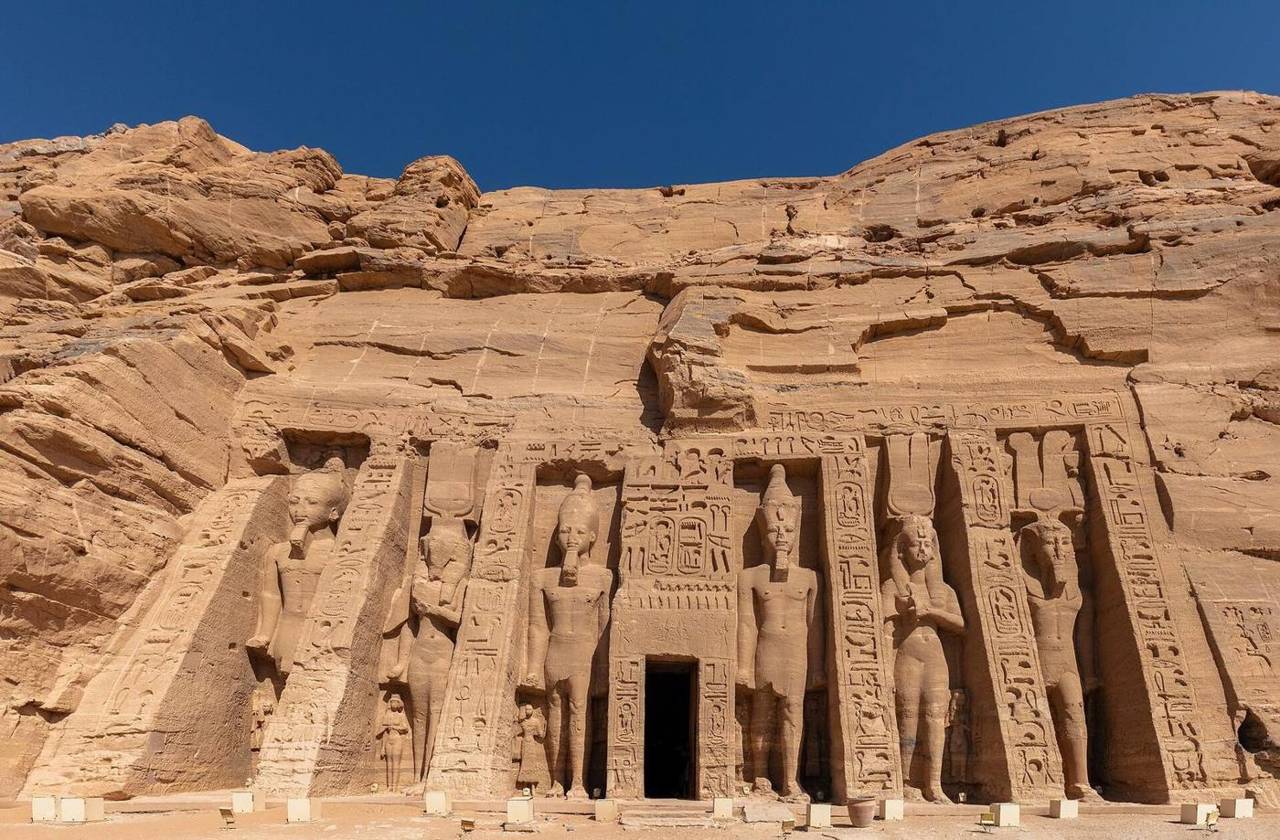
The temples of Abu Simbel, a UNESCO World Heritage Site, were cut into a hillside on the bank of the Nile by Ramesses II in the thirteenth century BC, to celebrate his power and his victory at the battle of Kadesh. The great temple has a facade with four colossal seated statues of Ramesses II, about twenty metres high; the small temple is dedicated to Queen Nefertari, his wife, and the goddess Hathor.
In the 1960s, when the High Dam was built, the temples were cut into more than a thousand blocks, lifted about sixty five metres and rebuilt inside an artificial hill above the level of the lake: one of the greatest archaeological rescues in history.
The ship arrives in front of the temples, and the view from the lake is the one ancient travellers had when they arrived on the Nile.
In the evening the temples lit up by the sound and light show look even bigger.
At dawn, if you can, return to the temples to see the sun rise over the lake and light the statues red and gold. Twice a year, around 22 February and 22 October, the sun's rays reach the back of the great temple and light up the statues in the sanctuary.
Spend the night on board or in Abu Simbel.
Practical tip: Abu Simbel charges entry, and the temple and show times should be checked. The sun festival dates can shift by a day: check.
- Day 8
Back to Aswan and the flight to Cairo
In the morning visit the interior of the Abu Simbel temples at leisure, if you have not done so already, before the groups arrive.
In the great temple you cross the great hall with eight pillars carved in the form of Ramesses II as the god Osiris and walls covered in reliefs of the battle of Kadesh, with chariots, horses and soldiers, then smaller halls to the sanctuary, with the four statues of Ptah, Amun, Ra Horakhty and the deified Ramesses II. In the small temple you see statues of Ramesses and Nefertari of the same height, a rare sign of the queen's importance.
Then leave Abu Simbel. The cruise ends here: return to Aswan by air, in about forty minutes, or by bus or car, in about three and a half hours across the desert.
In the afternoon, in Aswan, if you have time, visit the Nubia Museum, which tells the story of Nubian history and culture and the temple rescue campaign, or the Nubian village of Gharb Soheil on the west bank, with brightly painted houses.
In the evening fly from Aswan to Cairo.
Spend the night in Cairo.
Practical tip: flights between Aswan and Cairo may change times: check the day before. In Nubian villages ask permission before photographing people and houses.
- Day 9
Departure
On the last day you leave Cairo.
If your flight is in the afternoon or evening, in the morning visit Islamic Cairo, a UNESCO World Heritage Site: Saladin's Citadel, from the twelfth century, on a hill, with the Mosque of Muhammad Ali, its domes and two slender minarets, and a view over the city; the fourteenth century Mosque of Sultan Hassan, huge and austere; and the Khan el Khalili bazaar, a fourteenth century market in the lanes of the old city, with shops selling lamps, spices, jewellery, fabrics and brassware.
Sit in an old café in the bazaar for a mint tea or Turkish coffee, and watch the life of the lanes go by.
Or visit Coptic Cairo, Old Cairo, with the Hanging Church built on the towers of a Roman fortress, the Ben Ezra synagogue and the Coptic Museum.
Before leaving buy some souvenirs: spices, Egyptian cotton, alabaster objects, painted papyrus, metal lamps or silver jewellery with your name written in hieroglyphs.
From Cairo airport there are direct flights to many European cities.
Practical tip: Cairo traffic is very slow, especially in the afternoon: leave for the airport in good time. In mosques women cover their hair and everyone covers shoulders and knees.
The finest way to reach Abu Simbel: from the lake, after the day-trippers have left. The Lake Nasser temples are almost empty. There are few boats on the lake and they need booking early, especially from December to February.
Before you go
- Documents and visa
- Passport valid for at least six months and a tourist visa, obtained online on the official portal or on arrival at the airport, where since 1 March 2026 it costs 30 dollars in cash.
- Health and vaccines
- No compulsory vaccines for travellers from Europe. Drink only bottled water and take out travel health insurance. Emergencies: 122 police, 123 ambulance.
- Money and payments
- Egyptian pound. Cards work in hotels and larger shops, but for tips, taxis and markets you need cash in small notes.
- Power sockets
- Types C and F, 220 volts.
- Time zone
- UTC+2 in winter; Egypt uses daylight saving time in summer.
- Safety
- Tourist areas along the Nile and the Red Sea are busy and well policed. Governments advise against North Sinai, the Libyan border strip and much of the Western Desert off the main roads. Official advice: GOV.UK.
Information checked in November 2026 for Italian and EU citizens. Rules change: always check before you travel.
Variations
In 5 days: Cairo, Giza and a flight to Abu Simbel with Aswan and Philae.
In 12 days: add a Nile cruise from Aswan to Luxor, with the Valley of the Kings.
Frequently asked questions
Do I need a visa?
Yes: Italian and EU citizens can get a visa on arrival, costing 30 dollars, or apply online. Check the current rules.
Are Lake Nasser cruises frequent?
No, there are few and they depart on fixed days, usually from Aswan to Abu Simbel or the reverse. Book well ahead.
When is the best time to go?
October to April. In summer southern Egypt is very hot, often above 40 degrees.
Indicative itinerary written by World Atlas. Before booking, check timetables, seasonal openings, documents and safety.
 7 daysEasy
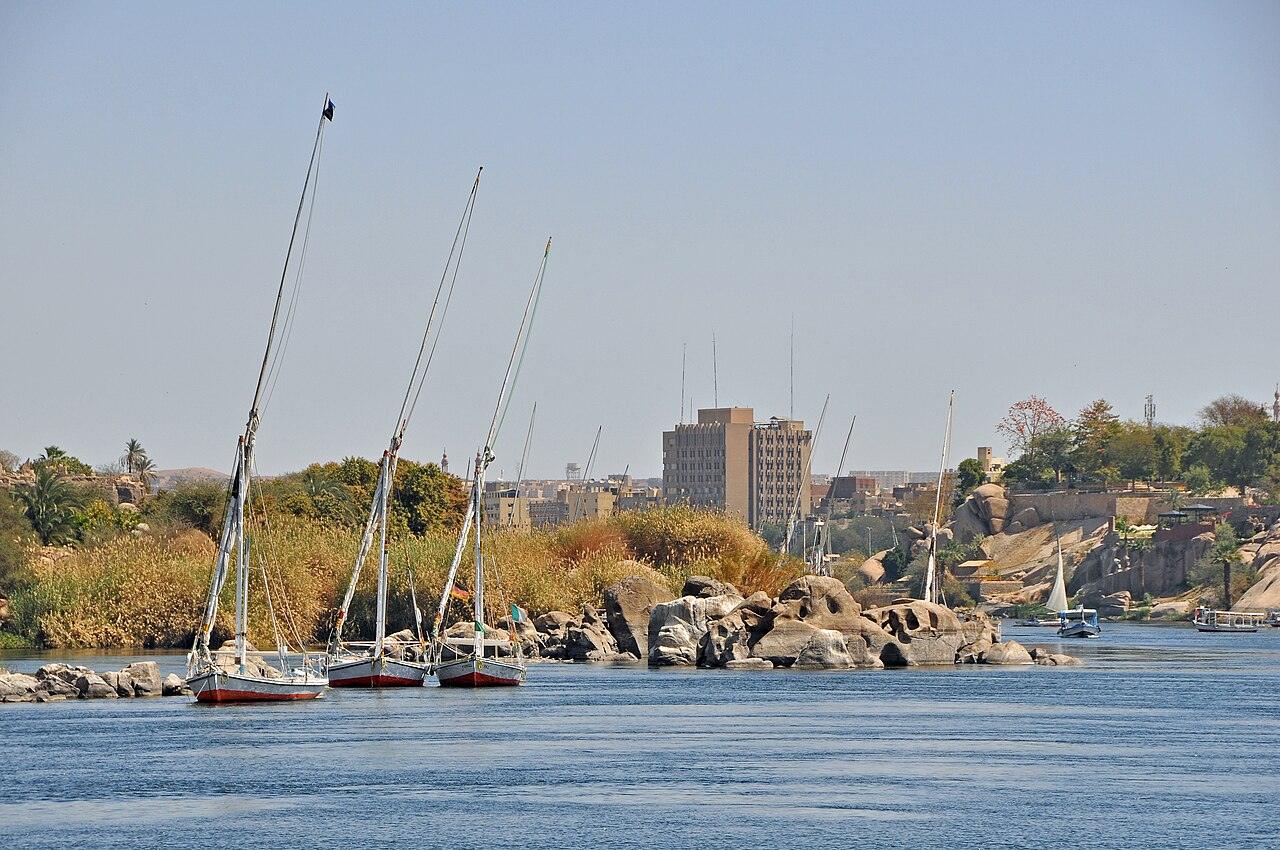
Cairo and a Nile cruise
The pyramids of Giza and the Grand Egyptian Museum, then four days sailing between Luxor and Aswan.
 15 daysModerate
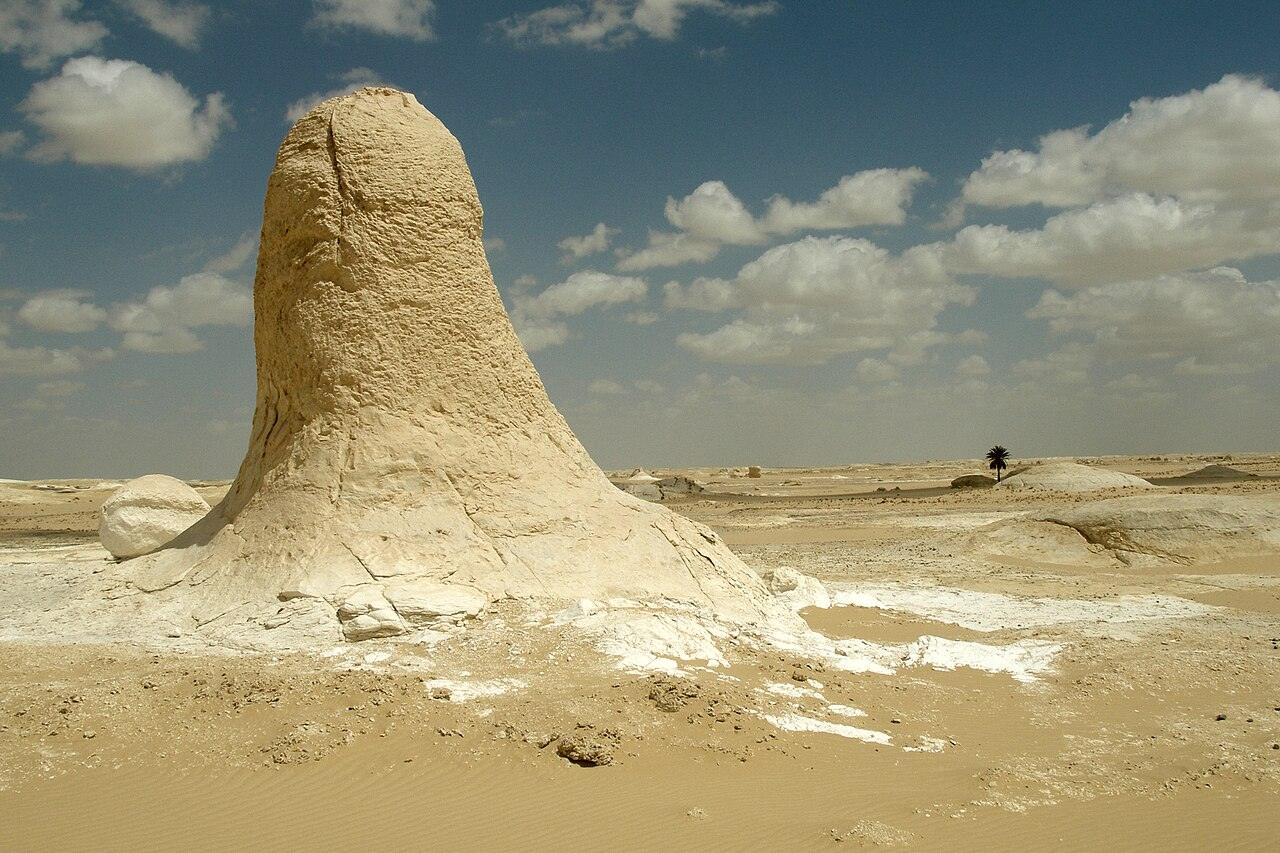
Complete Egypt: the Nile, the desert and the Red Sea
The pyramids, the Nile from Aswan to Luxor, a night in the White Desert and a finale on the Red Sea reef.
 6 daysEasy
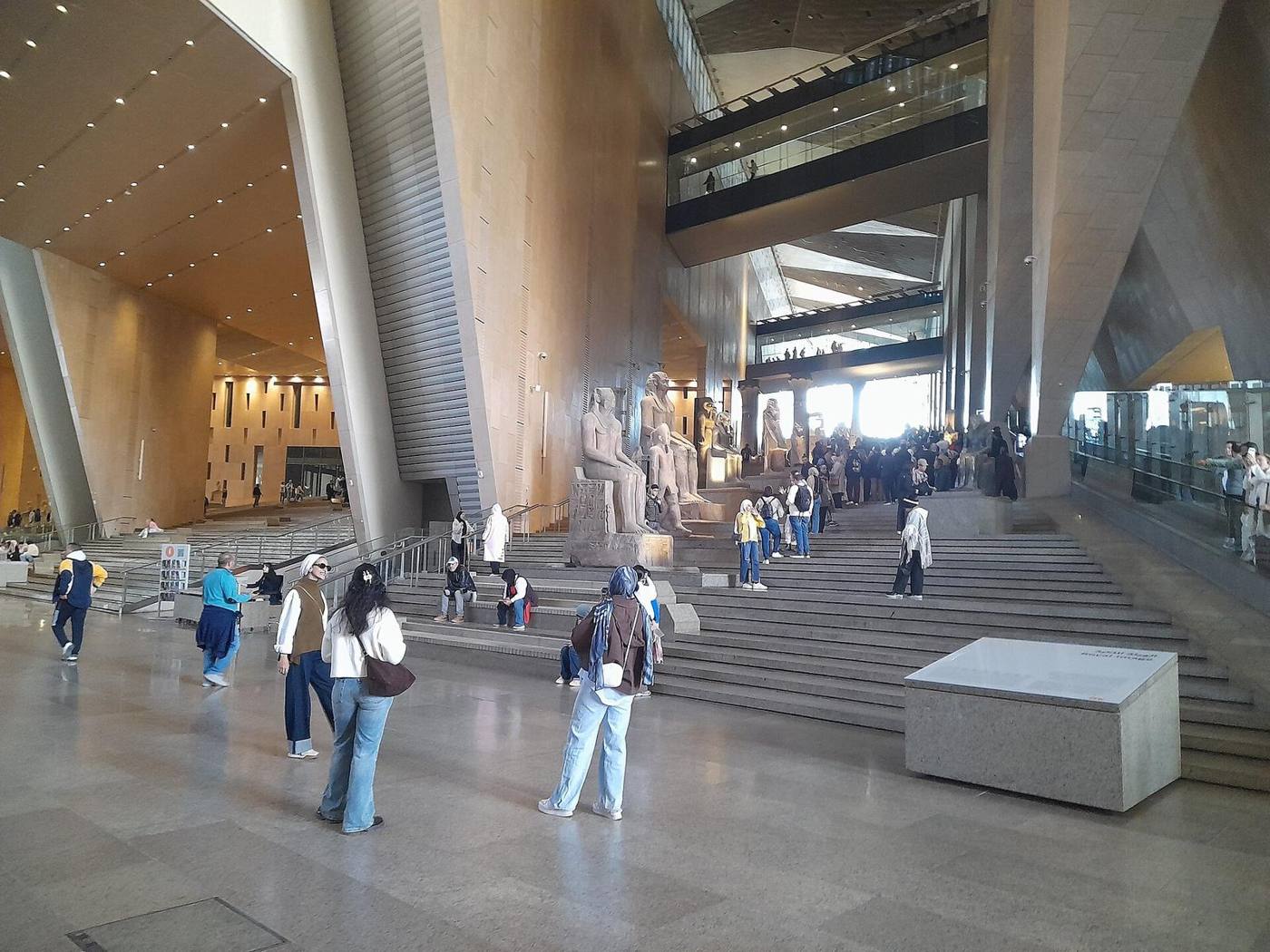
Cairo and Alexandria
A long weekend among the pyramids, the new Grand Egyptian Museum, Islamic Cairo and Alexander's city on the Mediterranean.