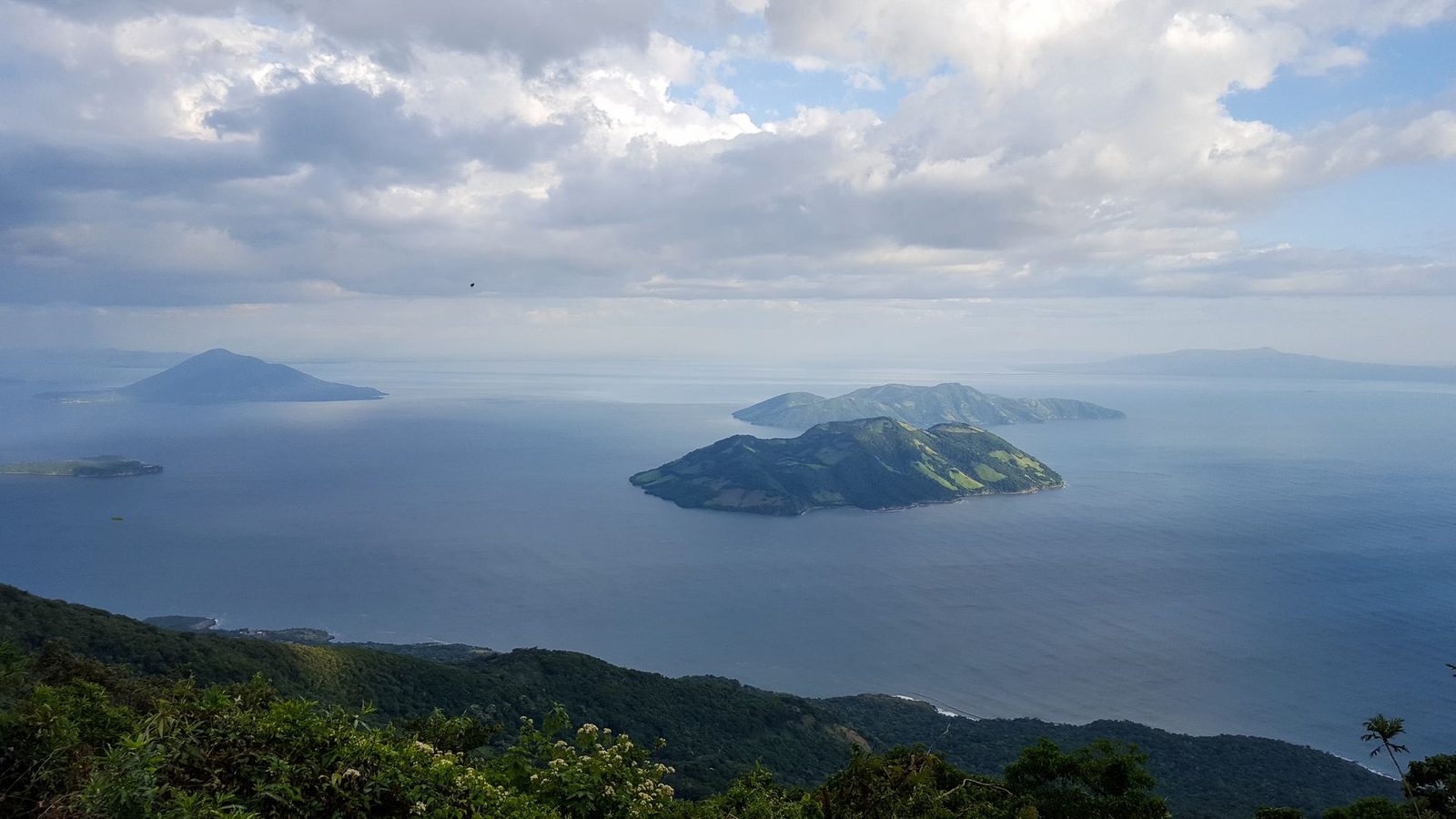
The Gulf of Fonseca
The gulf shared with Honduras and Nicaragua, with the volcanic islands of Meanguera and Conchagüita, fishing villages and Conchagua volcano above La Unión.
- La Unión
- Conchagua
- Meanguera
Day by day
- Day 1
La Unión and the Conchagua volcano
This three-day trip takes you to the far east of El Salvador, on the Gulf of Fonseca, which the country shares with Honduras and Nicaragua. It is a calm, enclosed sea dotted with volcanic islands, with fishing villages, mangroves and the Conchagua volcano towering over the port of La Unión. It is a remote corner with few tourists and simple services.
Before you go: Italian citizens enter El Salvador with a passport valid for at least six months from the date of entry; no visa is needed for tourism. Other nationalities should check their own rules. Since 2022 a state of exception against gangs has been in force, renewed every month: the police can stop you and ask for ID, so always carry a copy of your passport. The United States rates the country at level 1, the lowest. The maritime borders with Honduras and Nicaragua run through the gulf: use only authorised boats and stay in Salvadoran waters.
Leave San Salvador early and cross the east of the country, among plains, sugar cane fields and volcanoes. The drive to La Unión takes several hours, so stop halfway for a break.
In the afternoon go up the Conchagua volcano, a protected natural area, with a 4x4 and a local guide. The road climbs through woods and small fields to a viewpoint high up. From here you see the whole gulf: the islands, the coasts of Honduras and Nicaragua and, at sunset, the sea turning gold. Check prices and times.
Sleep in simple lodging on the volcano, if available, or in La Unión.
Practical tip: the next morning, if you sleep up high, wake before dawn: with a clear sky the view over the gulf is even more beautiful.
- Day 2
By boat to Meanguera
Today you take a boat to the island of Meanguera del Golfo, the most populated of the Salvadoran islands in the gulf.
In the morning go down to the port of La Unión and board an authorised launch. The crossing passes close to other volcanic islands, such as Conchagüita, covered in dry woodland, and fishing boats pulling in their nets. Bring your passport: sometimes there are checks by the navy or police.
On Meanguera, land at the main village, with its colourful houses, the church and boats pulled up on the shore. Then walk a path to a high point on the island, with views over the gulf and the coasts of the three countries. Later go down to one of the small beaches, with calm, warm water, for a swim and some rest.
For lunch eat freshly caught fish or ceviche de curiles, the black clams of the mangroves, prepared with lime, onion and coriander.
In the afternoon take the boat back to La Unión, before the wind raises the waves.
Sleep in La Unión or go back up the Conchagua.
Practical tip: agree the return time and the price with the boatman before you leave, and check that there are life jackets on board.
- Day 3
The port and the return
Today is the day you return towards San Salvador.
Early in the morning walk along the seafront of La Unión and look at the fish market, as the boats come in with the night's catch. You see prawns, crabs, fish from the gulf and baskets of curiles, sold by women who gather them in the mangroves.
Then drive west. On the way you can stop in San Miguel, the big city of the east, at the foot of the Chaparrastique volcano, one of the most active in the country, seen only from a distance. Take a break for lunch, then continue towards the capital, trying to arrive before dark.
In these three days you have seen the most remote side of El Salvador: the view over the Gulf of Fonseca from the Conchagua volcano, the volcanic islands, the village of Meanguera and the fish market of La Unión. It is a simple trip, away from the tourist routes, for those who love quiet seas and the life of fishing communities.
When to go: from November to April, in the dry season, the sea is calmer and the sky is clear. It is very hot all year, especially between March and May. From May to October it rains often and the sea can be rough.
Practical tip: the gulf is very hot and the sun is strong, so bring a hat, sun cream and plenty of water, and move around in the cooler hours.
A remote, little-visited corner. The islands are close to maritime borders: stay in Salvadoran waters with licensed boats. Simple services.
Before you go
- Documents and visa
- Passport with at least six months' validity on entry; no visa is needed for tourism. El Salvador is part of the CA-4 agreement with Guatemala, Honduras and Nicaragua: days of stay are counted together across the four countries. Before travelling, check on official websites whether a fee or tourist card applies to your nationality.
- Health and vaccines
- There is a risk of dengue, chikungunya and Zika: protect yourself from mosquitoes during the day too. Do not drink tap water and avoid ice. Private healthcare is good but very expensive: you need insurance covering medical costs and repatriation. Emergencies: 911.
- Money and payments
- US dollar. Bitcoin is accepted in some places, but almost everyone pays in dollars. Carry cash in small notes for villages and markets; cards work in cities and tourist areas.
- Power sockets
- Types A and B, 120 volts: you need an adapter for American plugs, and check that your devices accept this voltage.
- Time zone
- UTC-6 all year.
- Safety
- Since March 2022 a state of exception against gangs has been in force, renewed every month: the police have wider powers, can ask for ID and may detain anyone they suspect of gang membership, and some foreigners have been detained. Always carry a copy of your passport photo page. The United States rates El Salvador at level 1, the lowest; crime has fallen sharply in tourist areas, but avoid travelling between cities at night, public buses and outlying districts. Climb volcanoes and walk in remote areas only by day and with authorised guides. There is zero tolerance for drugs and for drink driving. Official advice: GOV.UK.
Information checked in November 2026 for Italian and EU citizens. Rules change: always check before you travel.
Variations
Shorter: two days with the Conchagua and a day trip to Meanguera.
Longer: add two days in Alegría and Berlín, on the road between San Salvador and the gulf.
Frequently asked questions
Is the Gulf of Fonseca safe?
It is a quiet area with few tourists. The maritime borders with Honduras and Nicaragua run through the gulf: use only authorised boats, stay in Salvadoran waters and carry your passport.
How do you get to Meanguera?
By the launches that leave from the port of La Unión. Agree the price and times with the boatman and check that there are life jackets.
Are there good beaches?
There are small beaches with calm water on the islands, not large postcard beaches. The charm of the gulf lies in the views, the islands and the life of the fishermen.
Indicative itinerary written by World Atlas. Before booking, check timetables, seasonal openings, documents and safety.
 2 daysEasy
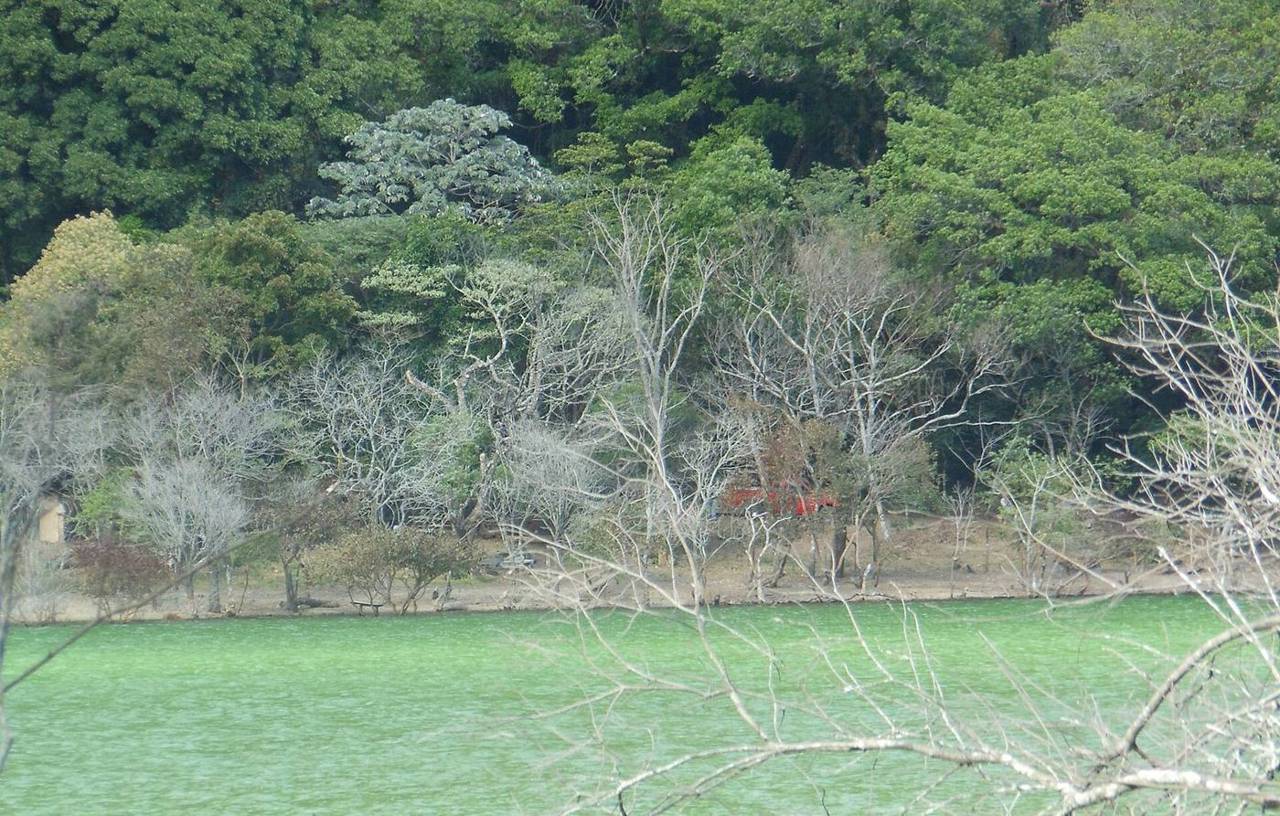
Alegría and Berlín
The eastern mountain towns, among coffee farms and flower nurseries, with the green lagoon in the crater of Tecapa volcano above Alegría.
 5 daysEasy
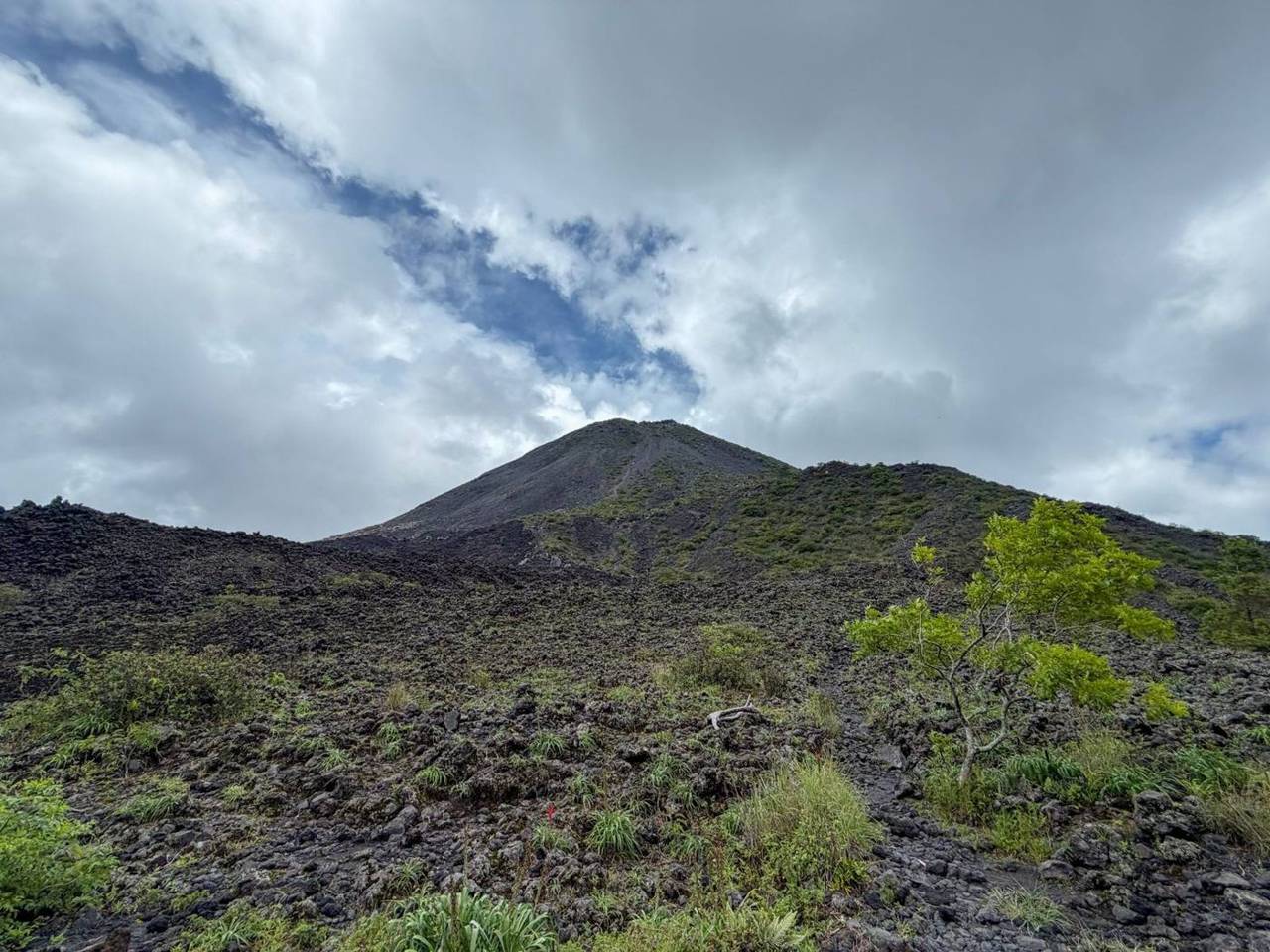
The Ruta de las Flores
The painted colonial towns of Juayúa, Ataco and Apaneca among coffee farms, Santa Ana volcano with its crater lake and the Maya site of Joya de Cerén.
 5 daysEasy
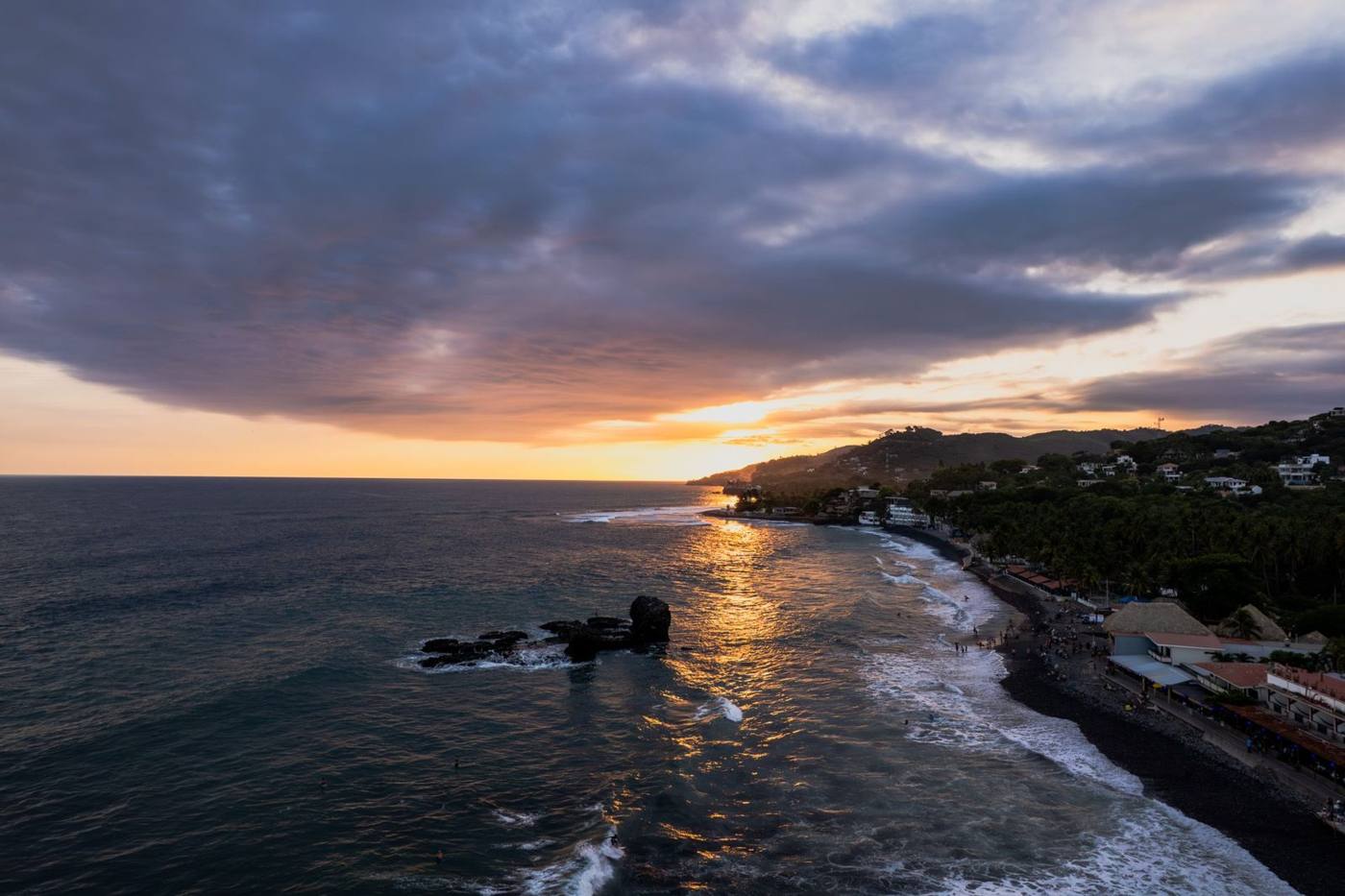
The surf coast
El Tunco and El Zonte, the waves of Punta Roca, the volcanic Lake Coatepeque and the Surf City seafront.