La Rochelle, Île de Ré and the Marais Poitevin
The Atlantic coast between towers and salt pans: La Rochelle's old port and towers, Île de Ré by bike between white villages and salt marshes, Fort Boyard seen from the sea, and the 'Green Venice' of the Marais Poitevin explored by boat among canals and trees.
- La Rochelle
- Île de Ré
- Saint-Martin-de-Ré
- Fort Boyard
- Coulon
- Marais Poitevin
Day by day
- Day 1
La Rochelle: the old harbour, the towers and the aquarium
The Atlantic coast of Charente-Maritime, in western France, is one of the sunniest parts of the country, with flat islands covered in vineyards and salt pans, white villages with green shutters, forts built to defend the coast and a great marsh crossed by canals. It is a relaxing destination, ideal for cycling and for children. In five days you see La Rochelle, the Île de Ré, the sea around Fort Boyard and the Green Venice of the Marais Poitevin.
You reach La Rochelle by high-speed train from Paris in about three hours, or by air. The old town, with white stone arcades, half-timbered houses and paved streets, spreads around the old harbour. For centuries it was a great trading port and the stronghold of the French Protestants, besieged and taken by Cardinal Richelieu in 1628.
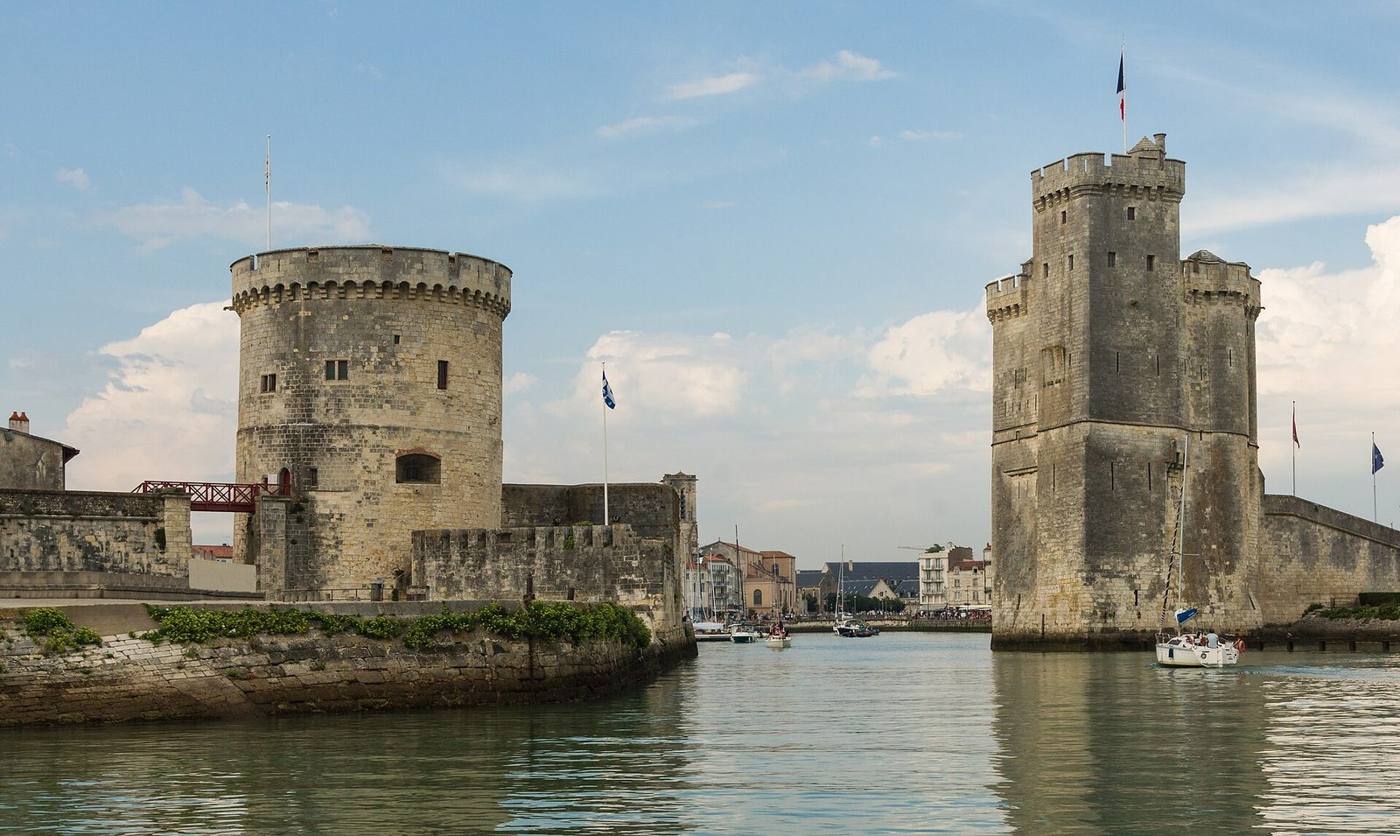
In the morning, walk around the old harbour, closed by the two medieval towers of Saint Nicolas and the Chain, between which a chain was once stretched to close the entrance to ships. Climb the Saint Nicolas tower, with views over the harbour and the town, and the Lantern tower, the old lighthouse, which was also used as a prison: on its walls you see graffiti carved by prisoners.
In the afternoon, visit the La Rochelle aquarium, one of the largest in Europe, with sharks, turtles, jellyfish and fish from the Atlantic and the tropical seas.
In the evening, stroll along the illuminated quays and try oysters from the nearby Marennes-Oléron bay, famous throughout France.
Practical tip: in the centre of La Rochelle there are public bikes for hire. The town is flat and easy to get around by bike.
- Day 2
The Île de Ré by bike and Saint-Martin-de-Ré
In the morning, cross the bridge linking La Rochelle to the Île de Ré, a long, flat island about thirty kilometres long, with sandy beaches, vineyards, asparagus fields, salt pans and white villages with red tiled roofs and green shutters. The island has more than a hundred kilometres of cycle paths: the bicycle is the best way to explore it.
Hire a bike at the entrance to the island or in one of the villages and ride to Saint-Martin-de-Ré, the main town, in about an hour. Saint-Martin is a small harbour surrounded by star-shaped fortifications, built in the late seventeenth century by the military engineer Vauban to defend the coast against the English. The fortifications have been part of a UNESCO World Heritage listing since 2008, together with other works by Vauban in France.
Walk on the ramparts, among meadows and monumental gates, and along the harbour, with its boats and merchants' houses. Inside the walls is the citadel, which for a long time was a prison from which convicts were sent to Guiana.
In the afternoon, ride to the beaches on the island's south coast, such as those at Le Bois-Plage, long and sandy, with dunes and pines. Swim or relax in the sun.
In the evening, return to Saint-Martin for dinner on the harbour, with seafood and fish, and a glass of the island's white wine.
Practical tip: the bridge to the Île de Ré has a toll for cars, higher in summer. By bike or on foot it is at no cost.
- Day 3
The salt pans and the Baleines lighthouse
In the morning, take the bike again and ride to the north of the island, the wildest part. The path crosses the salt pans, where salt workers still collect salt by hand, as in past centuries, in square basins where sea water evaporates in the sun. At some salt pans you can watch the work and buy fleur de sel.
On the way, stop at Ars-en-Ré, one of the island's prettiest villages, with its church bell tower painted black and white, once a landmark for sailors, and narrow lanes lined with hollyhocks.
Continue to the north-western tip of the island, home to the Baleines lighthouse, 57 metres high, built in the nineteenth century. You climb the 257 steps of the spiral staircase to the top, with views over the whole island, the ocean and, at low tide, the ancient stone fish traps along the coast. Next to it stands the tower of the old seventeenth-century lighthouse and a small lighthouse museum.
In the afternoon, stop at the Conche des Baleines beach, a long wild beach with dunes near the lighthouse, or visit the Lilleau des Niges nature reserve, where you can watch many migrating birds.
In the evening, head back towards La Rochelle or sleep on the island.
Practical tip: on the island the wind can be strong and changes how hard the cycling is. Bring water, sunscreen and a light jacket.
- Day 4
By boat to Fort Boyard and the Île d'Aix
In the morning, take a boat from La Rochelle harbour for a sea trip to Fort Boyard and the Île d'Aix. The crossing goes across the bay, between the islands and the forts built to defend the Rochefort arsenal.
Fort Boyard is a large oval stone fortress built in the middle of the sea, on a sandbank, in the nineteenth century, to protect the coast from English ships. It was finished when weapons had already changed and was never used. Today it is famous in France for a television game show. The boat circles the fort, which can only be seen from the sea: landing is not allowed.
Then the boat stops at the Île d'Aix, a small island closed to cars with a village of white houses with coloured shutters, fortifications, beaches and woods. Napoleon spent his last days in France here, in July 1815, before surrendering to the English, who exiled him to Saint Helena. The house where he stayed is now a Napoleonic museum, with objects and mementoes of the emperor.
Walk or cycle around the island in about two hours, along the coastal paths, among bays, rocks and beaches. You can swim at one of the small beaches.
In the late afternoon, take the boat back to La Rochelle.
In the evening, try mouclade, mussels cooked with cream, white wine and curry, a typical dish of the region born from the spice trade in the port.
Practical tip: boat times depend on the season and the tide. Book ahead in summer and check the return time.
- Day 5
The Marais Poitevin by boat from Coulon and the return
On your last morning, head east for about an hour to the Marais Poitevin, a large wetland called the Green Venice. It is a marsh drained from the Middle Ages onwards by the monks of nearby abbeys, crossed by thousands of canals shaded by rows of ash and poplar trees, with meadows, pastures and small villages. It is a regional nature park.
The main village for visiting is Coulon, on the bank of the Sèvre Niortaise, with white stone houses. From here you set off in the traditional flat wooden boats, pushed with a long pole by the boatmen or rowed. You glide quietly along canals covered in green duckweed, under the arch of the trees, among herons, kingfishers and coypu. The boatman tells you about the marsh families, who once moved only by boat, even taking their cows to pasture.
At one point the boatman stirs the mud on the canal bottom and holds a flame to the water: the bubbles of gas rising up catch fire for an instant, a small show that always surprises.
In the afternoon, if you have time, cycle along the paths between the canals, or visit the town of Niort, a few kilometres away.
Then return to La Rochelle or take the train from Niort to Paris.
This area combines well with other parts of the Atlantic coast: Rochefort and Brouage, the Île d'Oléron, Cognac and its vineyards, or Bordeaux further south.
Practical tip: for France, Italian citizens only need an identity card valid for travel.
Easy and relaxing, ideal with children and by bike. In July and August Ré is packed and the bridge is tolled. The fortifications of Saint-Martin are UNESCO-listed with Vauban's other works.
Before you go
- Documents and visa
- EU citizens need a valid identity card or passport. Other nationalities should check the Schengen rules.
- Health and vaccines
- No vaccines required. EU citizens should bring their EHIC. Emergencies: 112.
- Money and payments
- Euro. Cards are accepted almost everywhere; every accommodation charges the taxe de séjour per person per night.
- Power sockets
- Types C and E, 230 volts.
- Time zone
- Central European Time (UTC+1), summer time (UTC+2) from the last Sunday of March to the last Sunday of October.
- Safety
- A safe country, with a high terrorism alert level and security checks at museums and stations. In Paris watch for pickpockets on the metro. Official advice: GOV.UK.
Information checked in November 2026 for Italian and EU citizens. Rules change: always check before you travel.
Variations
In 3 days: La Rochelle and two days cycling on the Île de Ré.
In 8 days: add the Île d'Oléron, Rochefort and Cognac, then Bordeaux.
Frequently asked questions
When is the best time to go?
From May to September, with June and September quieter. In July and August the Île de Ré is very crowded and the bridge costs more.
Do I need a car?
No: La Rochelle can be reached by train, the Île de Ré is explored by bike and the boats leave from the harbour. For the Marais Poitevin there is a train to Niort, but a car is more convenient.
Is it good for children?
Yes: distances are short, the cycle paths are flat and safe, and there are the aquarium, beaches and boats. It is one of the most family-friendly areas in France.
Indicative itinerary written by World Atlas. Before booking, check timetables, seasonal openings, documents and safety.
 5 daysEasy
The Jura: lakes and Besançon
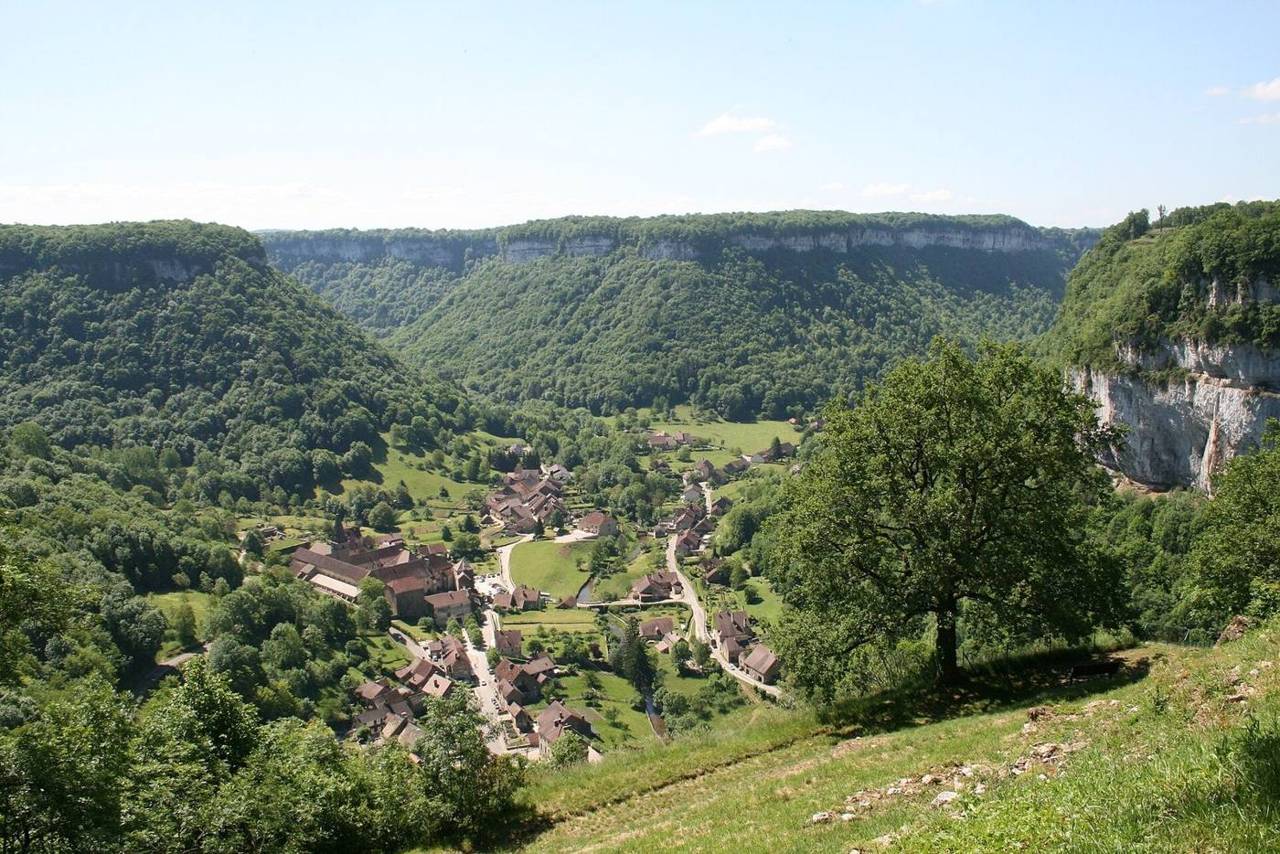
The green France of Comté cheese and yellow wine: Besançon with Vauban's citadel, the Royal Saltworks of Arc-et-Senans, a UNESCO World Heritage site, the village of Baume-les-Messieurs at the end of a blind valley, the Hérisson waterfalls and the Jura lakes.
 4 daysEasy
Chartres, Fontainebleau and Vaux-le-Vicomte
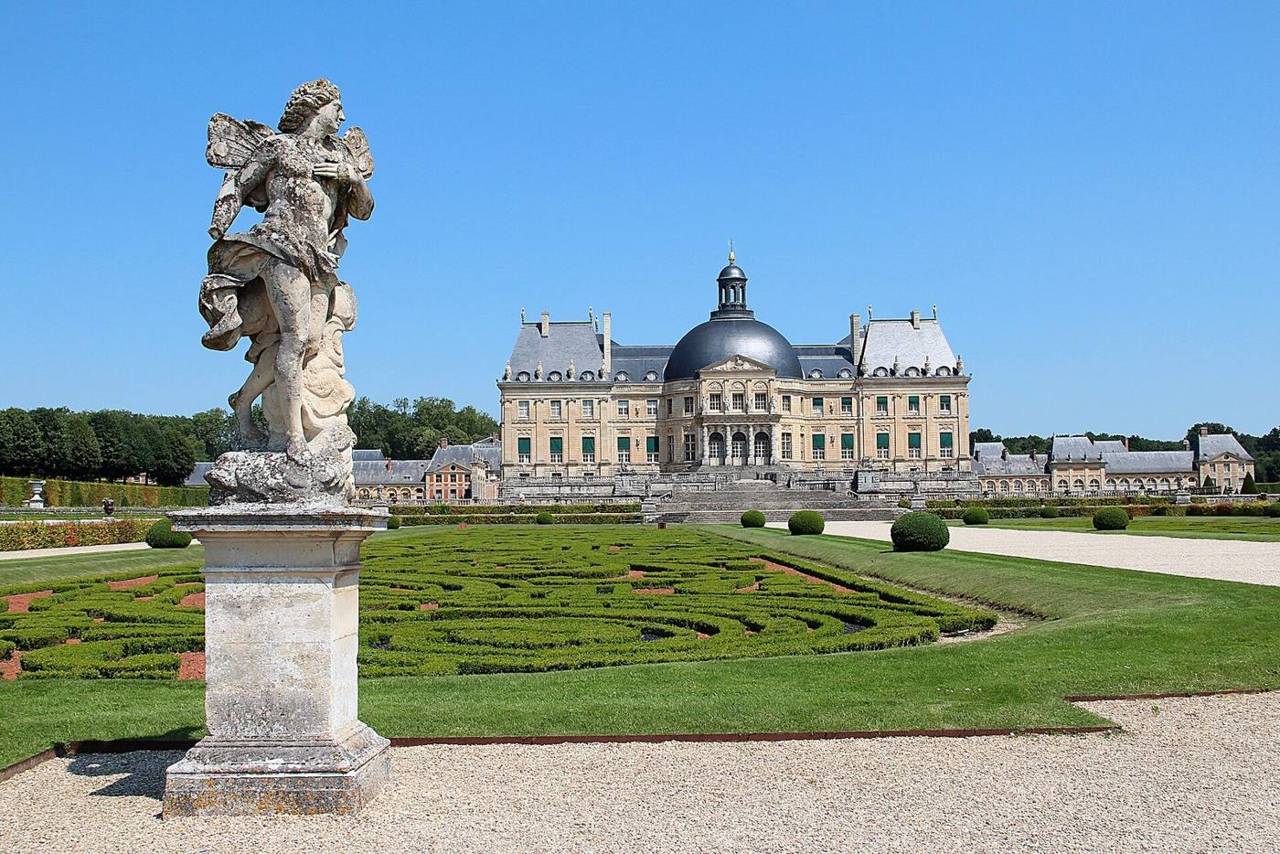
The treasures around Paris beyond Versailles: the Gothic cathedral of Chartres with its blue stained glass, the Château de Fontainebleau, home to kings and Napoleon, and its boulder forest, the Château de Vaux-le-Vicomte with Le Nôtre's gardens and the painters' village of Barbizon.
 5 daysEasy
Paris in five days
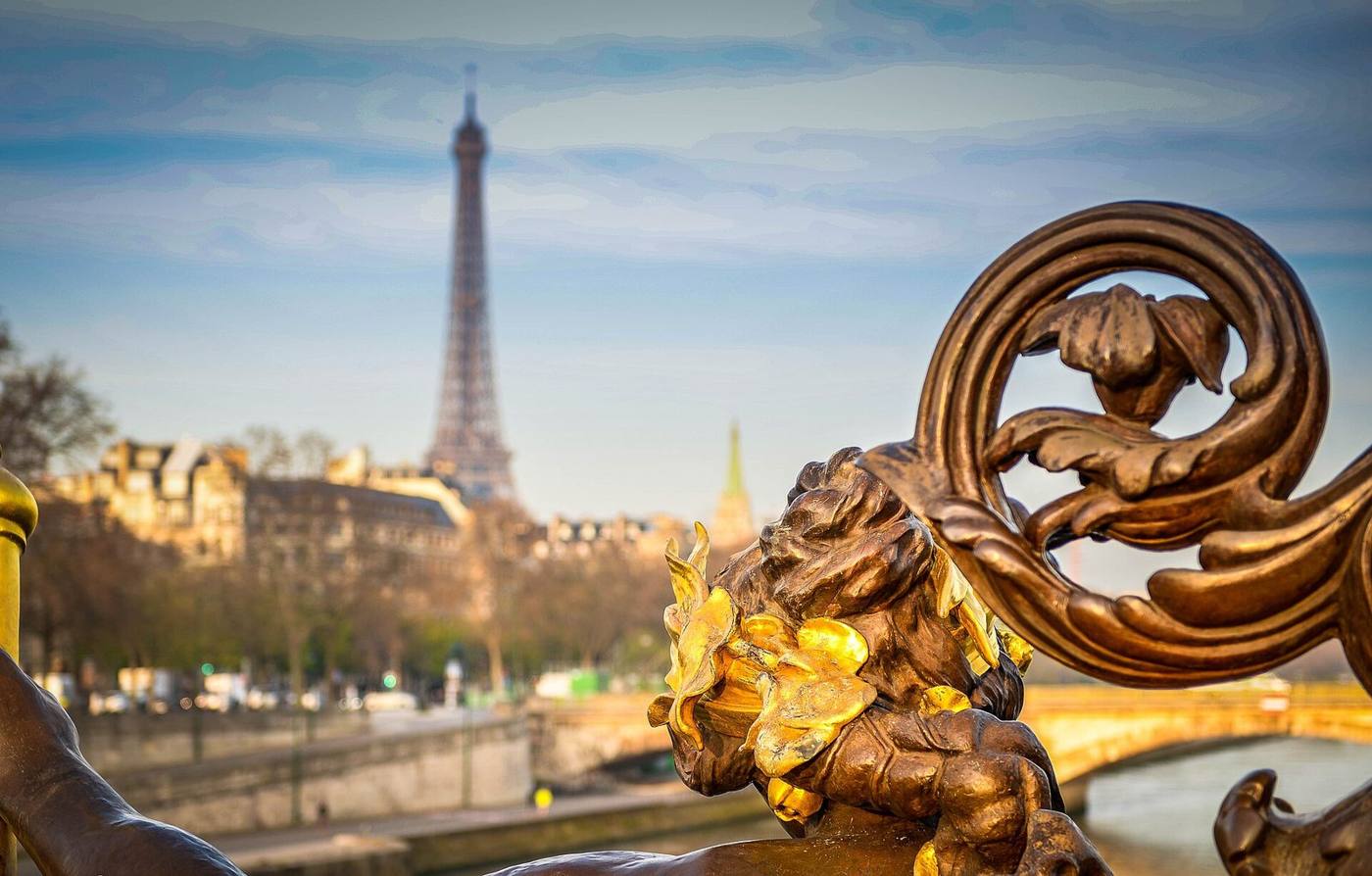
The Louvre and the Orsay, the Île de la Cité with reopened Notre-Dame, the Marais, Montmartre, the Seine by boat and a day at Versailles.