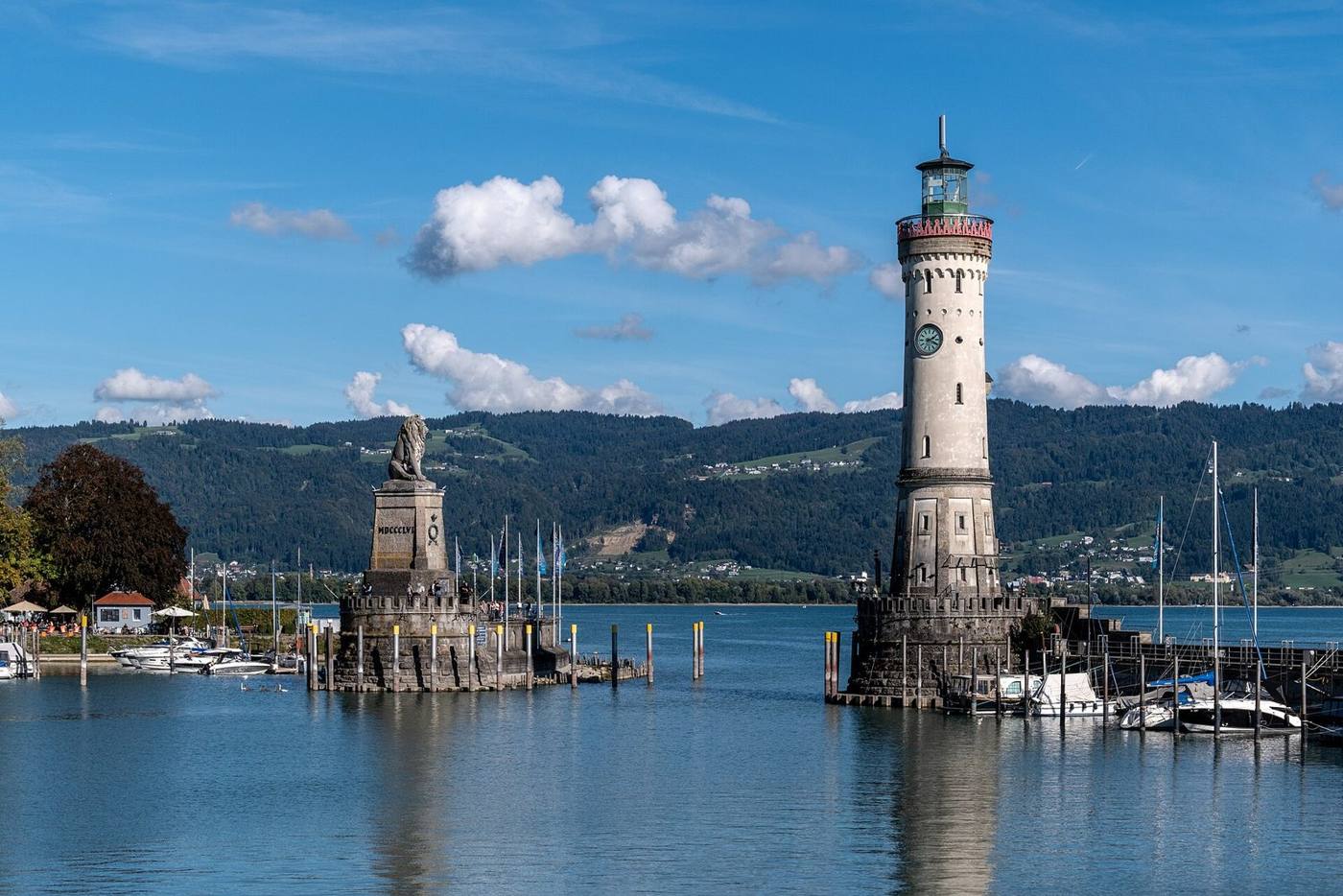
Lake Constance
Three countries on one lake: the island of Lindau with its harbour and lion, Meersburg Castle, the flower island of Mainau, the monastic island of Reichenau (UNESCO), the pile dwellings at Unteruhldingen, Konstanz and the Rhine Falls at Schaffhausen.
- Lindau
- Meersburg
- Unteruhldingen
- Mainau
- Konstanz
- Reichenau
Day by day
- Day 1
Lindau: the island, the harbour and the old town
Lake Constance, the Bodensee, is the third largest lake in Central Europe, between Germany, Austria and Switzerland, with the Alps in the background. Its shores are full of medieval towns, vineyards, orchards, castles, islands and monasteries, linked by boats and by a long, almost flat cycle path. In four days you discover its German shore and make a short trip into Switzerland to the Rhine Falls.
Start in Lindau, at the eastern corner of the lake, in Bavaria. The old town lies on a small island linked to the mainland by a bridge and a railway causeway. You arrive by train from Munich in about two and a half hours, or by car.
In the afternoon, stroll along Maximilianstraße, the main street, with its painted houses, arcades and the old town hall, decorated with colourful frescoes on its façade. Then go down to the harbour, the most famous image of the lake: the entrance is closed by two piers, one with a large stone lion, the symbol of Bavaria, and the other with the new lighthouse, the only lighthouse in Bavaria. Behind them, on clear days, you can see the Austrian and Swiss mountains.
Climb the lighthouse for the view if it is open, then walk along the shore of the island to the old lighthouse tower and the walls. At sunset the light on the lake and the Alps is beautiful.
In the evening, taste the lake fish, especially whitefish, called Felchen here, grilled or breaded, with a glass of white wine from the nearby hills.
Practical tip: in Lindau and many lakeside towns, accommodation offers a guest card that gives discounts or no-cost public transport: ask for it when you arrive.
- Day 2
By boat to Meersburg and the pile dwellings of Unteruhldingen
In the morning, take the boat west from Lindau. The trip along the northern shore takes a few hours, with stops at small harbours such as Wasserburg, with its church on the point, and Friedrichshafen, the city of the Zeppelin airships, where a museum tells the story of these great flying machines. If you prefer, you can do part of the route by train and part by boat.
Around midday you reach Meersburg, one of the prettiest towns on the lake, built on a slope between the harbour and the vineyards. In the upper town stands the old castle, one of the oldest still inhabited castles in Germany, with its halls, armour, medieval kitchen and the rooms where the poet Annette von Droste-Hülshoff lived. Next to it is the new castle, a baroque residence of the prince-bishops, with a terrace overlooking the lake. Walk through the lanes with their half-timbered houses and the vineyards running down to the walls.
In the afternoon, take the boat or bus to Unteruhldingen, a few kilometres away. Here is the pile dwelling museum, in the open air over the water: reconstructions of prehistoric villages from the Stone and Bronze Ages, with wooden and thatched houses on stilts. The prehistoric pile dwellings around the Alps have been a UNESCO World Heritage Site since 2011, and those on Lake Constance are among the most important. The guided tour explains how the first inhabitants of the lake lived, fished and farmed.
Practical tip: scheduled boats run mainly from spring to autumn; in winter there are very few sailings. Check the timetable before you set off.
- Day 3
The flower island of Mainau and the city of Konstanz
In the morning, go to Mainau, the flower island, in the western part of the lake, near Konstanz. It is a garden island owned by a family of Swedish origin, the Bernadottes, who have turned it into a large park with plants from all over the world. From March to October the blooms follow one another: tulips in spring, rhododendrons and roses in early summer, dahlias in autumn. There is an avenue of palms and citrus trees, an arboretum with huge trees, a tropical butterfly house, a baroque palace and a church. You can spend the whole morning walking through the gardens.
In the afternoon, go to Konstanz, the largest town on the lake, on the Swiss border: the old town adjoins the Swiss town of Kreuzlingen directly. Konstanz is famous for the Council of 1414 to 1418, the only one ever held north of the Alps, which ended the Western Schism by electing a single pope. The council building still stands on the harbour. At the harbour entrance is the Imperia, a large statue that turns slowly on itself: it shows a courtesan holding a pope and an emperor, a satire of the council that caused much debate when it was installed.
Then walk through the old town, around the cathedral, with its tower overlooking the lake, and the Niederburg quarter, with its medieval lanes.
Practical tip: Mainau is at its best between April and June. Arrive at opening time, when the gardens are still quiet.
- Day 4
Reichenau by bike, the Rhine Falls and departure
In the morning, rent a bike in Konstanz and ride to the island of Reichenau, about ten kilometres away, linked to the mainland by a tree-lined road on a causeway. The island has been a UNESCO World Heritage Site since 2000 for its Benedictine monastery, founded in 724, which in the Middle Ages was one of the most important cultural centres in Europe. The monks copied and illuminated precious manuscripts and painted the churches.
On the island you see three Romanesque churches. The most famous is St George's at Oberzell, with walls covered in murals about a thousand years old, telling the miracles of Christ: they are among the oldest north of the Alps. Between one church and the next you cycle past greenhouses and vegetable plots: today Reichenau is famous for growing vegetables.
In the afternoon, by train or car, cross the Swiss border to Neuhausen am Rheinfall, near Schaffhausen, about an hour from Konstanz. The Rhine Falls are among the largest in Europe by volume of water: the river, about 150 metres wide, drops more than twenty metres between rocks and spray, with a deafening roar. From the terraces on the bank and the viewpoints of Laufen Castle you get almost to the water; a small boat even takes you to the rock in the middle of the falls.
From here you can head to Zurich, with its airport, or return to Germany.
Practical tip: in Switzerland you pay in francs, although many places accept euros at an unfavourable rate. Germany has reintroduced spot checks at its land borders until March 2027, so keep your ID to hand.
Boats link every town from spring to autumn; the lakeside cycle path is almost entirely flat. The Rhine Falls are in Switzerland, where you pay in francs. Mainau is at its best from April to June. A valid identity card is enough for EU citizens. Germany has reintroduced spot checks at all its land borders, extended until March 2027: keep your document to hand on trains and in the car too.
Before you go
- Documents and visa
- A valid identity card or passport is enough for EU citizens. German land border checks have been extended until March 2027: always carry your document.
- Health and vaccines
- No vaccines required. EU citizens should carry the European Health Insurance Card. Emergencies: 112, police 110.
- Money and payments
- Euro. Cards are increasingly accepted, but many bars, bakeries and beer halls still take cash only.
- Power sockets
- Types C and F, 230 volts.
- Time zone
- UTC+1, UTC+2 in summer.
- Safety
- The United States rates Germany level 2 for terrorism. In stations and crowded markets watch out for pickpockets. Official advice: GOV.UK.
Information checked in November 2026 for Italian and EU citizens. Rules change: always check before you travel.
Variations
In 2 days: Konstanz, Mainau and Reichenau, based in Konstanz and all by bike or boat.
In 7 days: cycle the full circuit of the lake on the cycle path, also passing the Austrian shore at Bregenz and the Swiss shore.
Frequently asked questions
When is the best time to go?
From April to October, when boats run often and the gardens are in bloom. In December there are Christmas markets, including one on a boat in Konstanz harbour.
Do I need a car?
No: trains, buses, boats and the cycle path link all the towns. A car is only useful for the hills inland.
What documents do I need?
Germany and Switzerland are in the Schengen area: for citizens of the European Union, an identity card valid for travel abroad or a passport is enough.
Indicative itinerary written by World Atlas. Before booking, check timetables, seasonal openings, documents and safety.
 5 daysEasy
Sylt, Amrum and the Wadden Sea
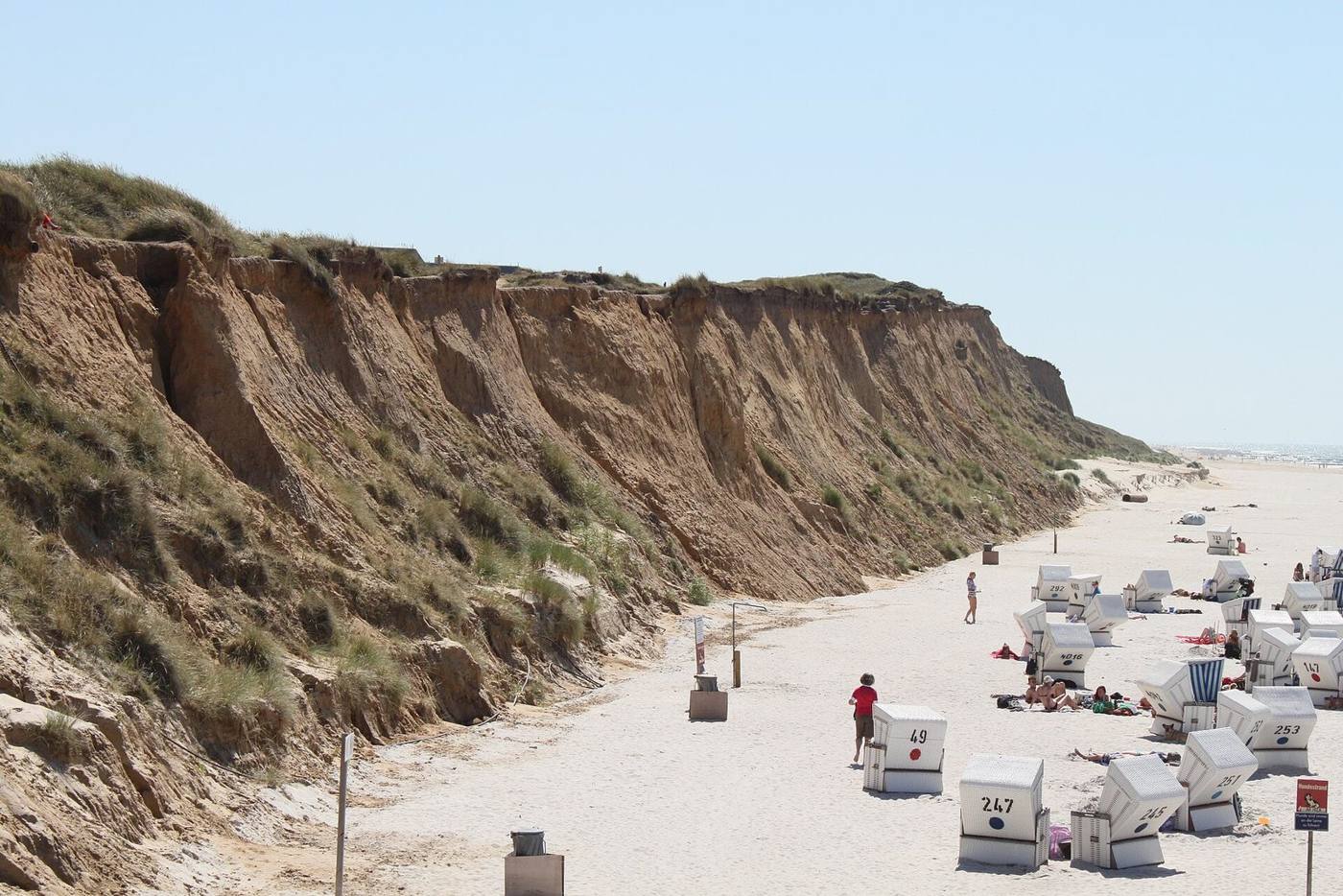
The North Sea islands: Sylt, reached by train across the causeway, with the dunes of List, the Red Cliff at Kampen and endless beaches, Amrum and its kilometre-wide sandy beach, the Halligen and guided mudflat walks on the floor of the Wadden Sea, a UNESCO World Heritage site.
 4 daysEasy
Thuringia: Weimar, Erfurt and the Wartburg
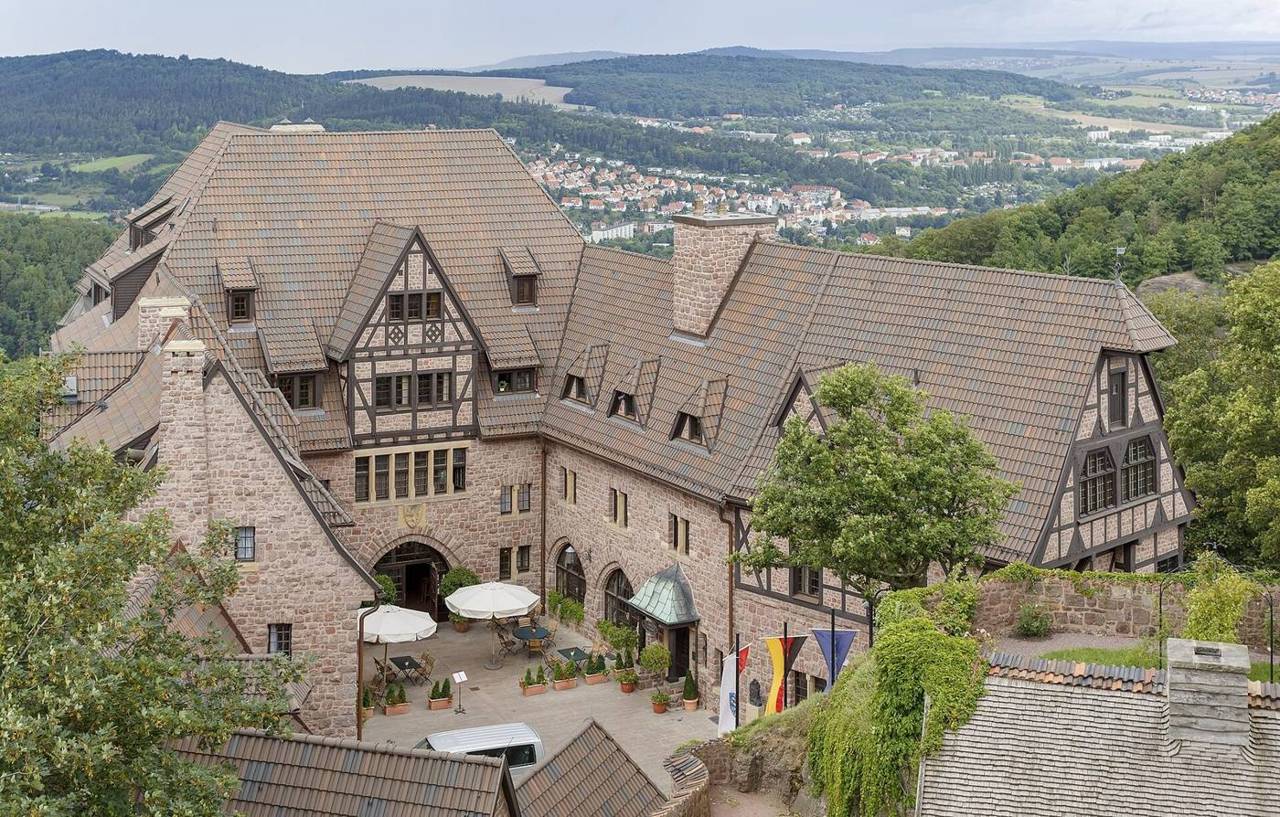
Germany's green heart: the Weimar of Goethe, Schiller and the first Bauhaus, the Anna Amalia library, the Buchenwald memorial, Erfurt with its inhabited Krämerbrücke bridge and cathedral, and Eisenach with Wartburg Castle, a UNESCO site where Luther translated the New Testament.
 5 daysEasy
Heidelberg, Stuttgart and Tübingen
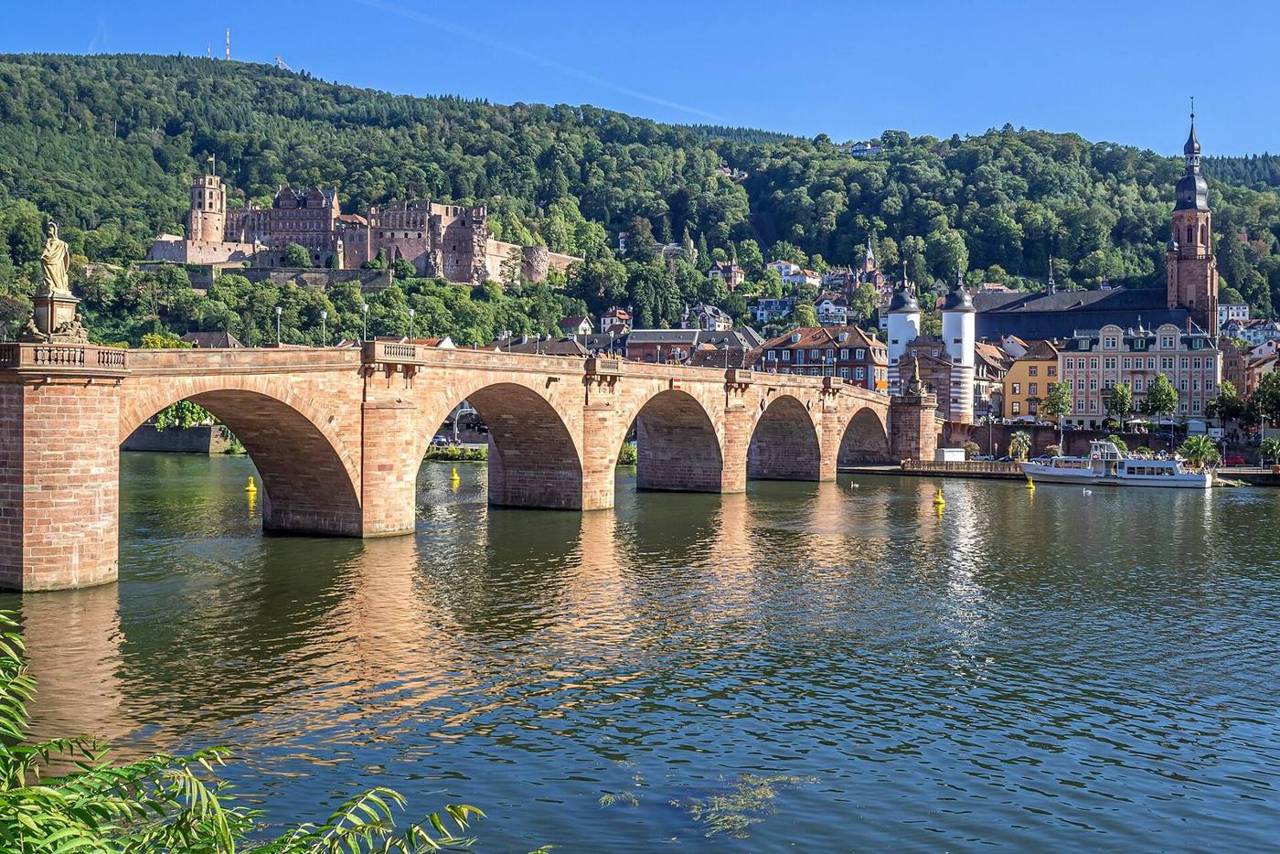
Baden-Württemberg along the Neckar: Heidelberg Castle and the Philosophers' Walk, Maulbronn Monastery (UNESCO), the Mercedes-Benz and Porsche museums and Stuttgart's Weissenhof estate, Tübingen with its punts on the river and Hohenzollern Castle.