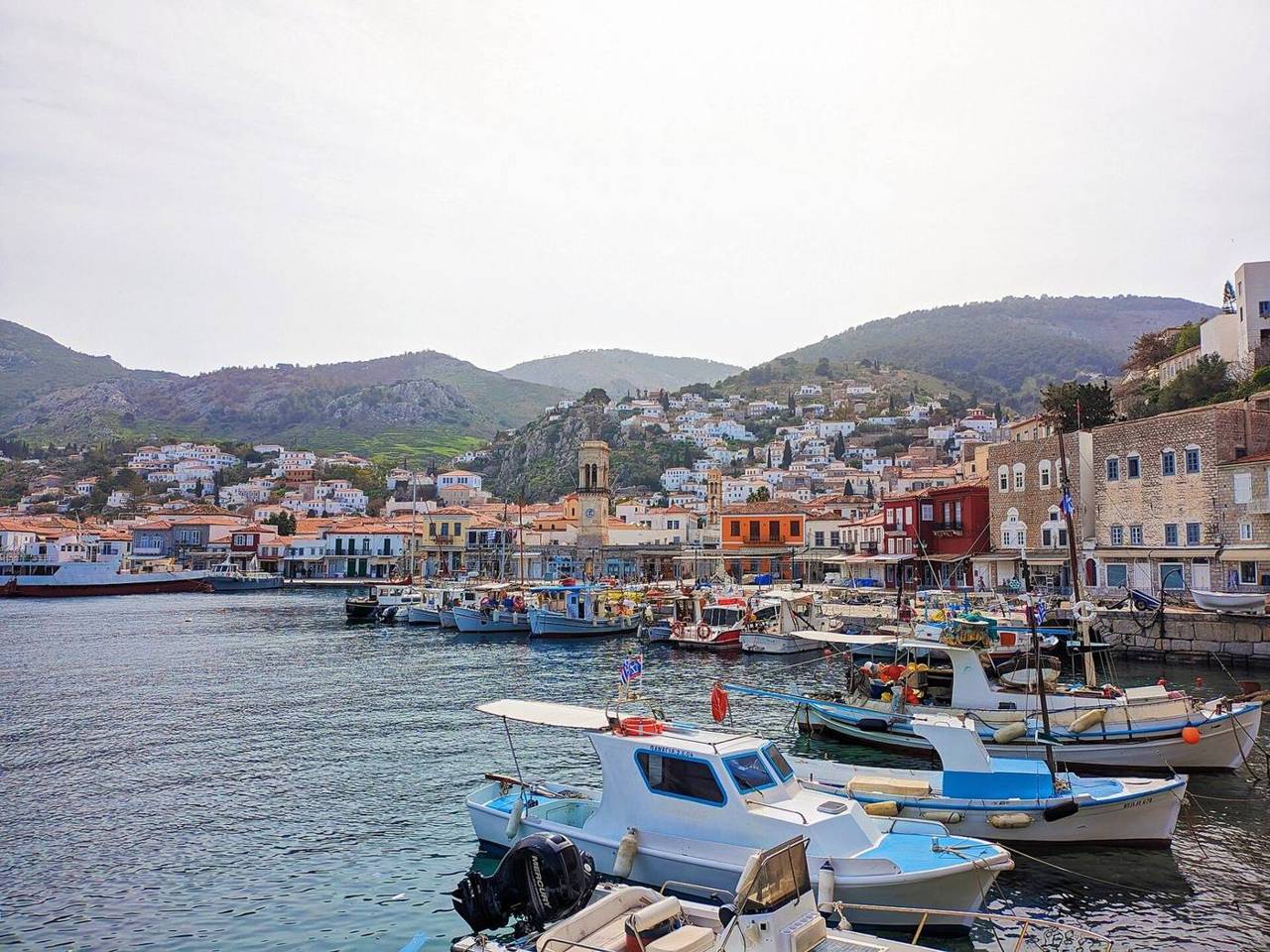
The Saronic islands: Aegina, Poros, Hydra and Spetses
Four islands a few hours from Piraeus: Aegina with the temple of Aphaia and its pistachios, Poros with its clock tower above the channel, Hydra closed to cars, where you get around on foot, by boat or by mule, and Spetses with its captains' mansions and horse carriages.
- Piraeus
- Aegina
- Poros
- Hydra
- Spetses
Day by day
- Day 1
From Piraeus to Aegina and the temple of Aphaia
The islands of the Saronic Gulf are the closest to Athens: you reach them quickly from the port of Piraeus, with no flights, and you can link them with ferries and hydrofoils. In six days you see four of them, each with a different character.
In the morning go to Piraeus, reachable by metro from central Athens. Ferries and fast boats to Aegina leave from the pier near the station; the crossing takes from forty minutes to just over an hour. Aegina is a lively island, inhabited all year, where many Athenians have a weekend house. In antiquity it was a powerful city-state, Athens's rival, and for a short time, in 1828, the first capital of modern Greece.
After dropping your bags, take a bus or taxi to the temple of Aphaia, about thirteen kilometres away on top of a pine-covered hill. It is one of the best-preserved temples in Greece, built around 500 BC, with most of its Doric columns still standing. It is said to form a perfect triangle with the Parthenon in Athens and the temple of Poseidon at Cape Sounion. From the hill you see the gulf and the coast of the Peloponnese.
Then go down to the beach of Agia Marina, below the temple, for a swim. In the evening return to the harbour of Aegina town, with fishing boats and fruit sold straight from the boats. Try the island's pistachios, famous throughout Greece, including in sweets. Practical tip: on summer weekends the boats from Piraeus are full; buy your ticket online in advance.
- Day 2
Aegina: Paleochora, the monastery of Agios Nektarios and the harbour
In the morning visit the monastery of Agios Nektarios, in the interior of the island, one of the most important pilgrimage sites in Orthodox Greece. The saint, a bishop who died in 1920, is buried here; beside the old monastery a large modern church in Byzantine style has been built, with red domes. Go in quietly, wearing clothes that cover shoulders and knees.
On the hill opposite lies Paleochora, the island's old capital, built inland in the ninth century as protection against pirates and abandoned in the early nineteenth century. Very few houses remain, but more than thirty small churches and chapels are scattered over the slope, some with Byzantine frescoes. Walk up the path among rocks and shrubs, stepping into the chapels that are open: it is a silent and very evocative place. Bring water and closed shoes, as there is no shade.
In the afternoon return to town and stroll along the harbour and the streets of the centre, with their nineteenth-century neoclassical houses. See the little church of Agios Nikolaos on the pier and the archaeological site of Kolona, by the sea, where a single column of an ancient temple of Apollo still stands, with a small museum.
Towards evening swim at one of the beaches near town or rent a bike to ride to Perdika, a fishing village to the south, with tavernas by the sea and the islet of Moni opposite.
At dinner try fresh fish, grilled octopus and fava, a purée of yellow split peas. Practical tip: Aegina is easy to get around by island bus and rented bike; you do not need a car.
- Day 3
Poros, the clock tower and the lemon forest
In the morning take the boat from Aegina to Poros: the crossing takes about an hour. Poros is a green and peaceful island, separated from the Peloponnese only by a channel a few hundred metres wide. Arriving is one of the loveliest moments in the gulf: the boat enters the channel and the town appears as an amphitheatre of white houses with red-tiled roofs, below the clock tower.
Drop your bags and climb the lanes and stairways of the town to the clock tower, built in 1927 at the top of the hill. From there you see the channel, the boats, the little town of Galatas on the opposite coast and the mountains of the Peloponnese.
In the afternoon take a bus or scooter east to the monastery of Zoodochos Pigi, from the eighteenth century, in a green valley with a fountain and great plane trees. Not far away are the remains of the sanctuary of Poseidon, where according to tradition the Athenian orator Demosthenes took his own life while pursued by the Macedonians. Only a few blocks of the temple remain, but the view and the pine woods make the visit worthwhile.
If you have time, take one of the small boats across the channel to Galatas, a few minutes away, and walk to the Lemonodasos lemon forest, with tens of thousands of lemon and orange trees on the hillsides. In spring, when they are in blossom, the scent reaches the sea.
In the evening the tavernas along the Poros waterfront fill up. Practical tip: the beaches of Poros are not the finest in the gulf, but those west of the town, such as Love Bay, are small and sheltered, with clear water.
- Day 4
Hydra: the harbour and the walk to Kamini
In the morning take the hydrofoil from Poros to Hydra, in less than half an hour. Hydra is the most famous island in the gulf and one of the most unusual in all of Greece: no cars or motorbikes circulate on the island, apart from a few service vehicles. Goods and suitcases are carried by donkeys and mules, or by hand. The harbour is a perfect amphitheatre of grey and white stone houses, with the great mansions of the captains built in the eighteenth and nineteenth centuries, when Hydra had one of the richest merchant fleets in the Mediterranean and put it at the service of the war of independence against the Ottomans.
Settle in and walk around the harbour, where the boats arrive and painters sit: the island has always attracted artists and writers. Visit the historical museum near the pier and the monastery of the Dormition, with its marble bell tower, in the heart of the harbour. Then climb the stairways and lanes to one of the captains' house museums.
In the afternoon take the coastal walk west: a paved path above the sea, with small rock platforms where people dive in, leads in about twenty minutes to Kamini, a fishing village with a tiny harbour, then to Vlychos, with a pebble beach and a few tavernas. You return on foot or by water taxi, small boats that work like buses along the coast.
In the evening watch the sunset from the cannons on the rocks at the harbour entrance. Practical tip: Hydra can only be explored on foot, on steps and smooth stones; wear comfortable shoes and bring a light suitcase or a backpack.
- Day 5
Spetses by bike and the Bouboulina museum
In the morning take the hydrofoil from Hydra to Spetses, the southernmost island in the gulf, in about half an hour. Spetses is green and covered in pines, with an elegant town of nineteenth-century villas and cobbled streets decorated with black and white pebble mosaics. Here too cars are very limited in the centre: people get around on foot, by bike, by scooter and water taxi and, in some areas, by horse-drawn carriage, where they still run.
First visit the Bouboulina museum, in the family house of Laskarina Bouboulina, the woman who armed and commanded a ship during the war of independence of 1821 and is now a national heroine. The guided visit tells the story of her adventurous life and of the age of the island's great shipowners. Then walk to Palio Limani, the old harbour, where wooden boats are still built by hand in traditional boatyards.
In the afternoon rent a bike and ride around the island on the coastal road, about twenty-five kilometres, with short climbs and constant sea views. Along the way there are beaches among the pines, such as Agia Paraskevi and Agioi Anargyroi, where you can stop for a swim. If you do not want to cycle so far, take a water taxi to a single beach.
Return to town at sunset and have dinner at the old harbour. If you are on Spetses in September, ask about the Armata festival, which recalls a naval battle of 1822 with a historical re-enactment and a boat set alight in the harbour. Practical tip: bring sunscreen and enough water for the bike ride; there are no shops in the middle of the island.
- Day 6
The hydrofoil to Piraeus and departure
On the last morning enjoy Spetses at a slow pace: an early swim at the nearest beach, a breakfast of Greek coffee and tiropita, the cheese pastry, and a last walk through the town before the first boats of the day arrive.
The hydrofoil to Piraeus usually takes between two and three hours, depending on the intermediate stops: it often calls at Hydra, Ermioni or Poros. During the journey, if the day is fine, you see the islands and the coasts of the Peloponnese again from the sea. Alternatively, if the sea is rough or you prefer, you can cross by boat to Kosta, on the opposite coast, and return to Athens by bus or car through the Peloponnese, in about three hours.
Once in Piraeus, take the metro to central Athens or to the airport. If your flight is in the evening, you can leave your bags at a luggage store and spend the afternoon in Athens, perhaps between the Acropolis and the Plaka district.
If you have one more day, a good idea is to spend the night in Athens and climb the Acropolis the next morning when it opens, before the heat and the crowds.
Practical tip: in strong wind, especially in summer with the meltemi, hydrofoils can be cancelled even at the last minute, while large ferries run more often. Do not book your flight home just a few hours after your planned arrival in Piraeus: leave at least half a day of margin. In Greece, from April to October, each night you also pay a climate resilience tax per room, between 2 and 15 euros depending on the accommodation.
The islands are linked to each other and to Piraeus by ferries and hydrofoils, more frequent in summer. Handy for anyone with a few days after Athens. Hydra has no cars or scooters: travel light, porters wait at the harbour. A valid identity card is enough for EU citizens. Accommodation charges a nightly tax that varies with season and category. In summer the wildfire risk is high: on alert days some forest areas and trails may be closed, and lighting fires outdoors is forbidden.
Before you go
- Documents and visa
- EU citizens need a valid identity card or passport, including on ferries, where ID may be checked at boarding. Other nationalities should check the Schengen rules.
- Health and vaccines
- No vaccines required. EU citizens should bring their EHIC; in summer protect yourself from the sun and drink plenty. Emergencies: 112.
- Money and payments
- Euro. Cards are accepted almost everywhere; every accommodation charges a fee per room per night, often paid on departure.
- Power sockets
- Types C and F, 230 volts.
- Time zone
- Eastern European Time (UTC+2), summer time (UTC+3) from late March to late October.
- Safety
- A safe country. In summer watch for wildfires and 112 alerts; in Athens, for pickpockets on the metro. Official advice: GOV.UK.
Information checked in November 2026 for Italian and EU citizens. Rules change: always check before you travel.
Variations
In 4 days: Aegina and Hydra, two nights each, leaving from and returning to Piraeus.
In 8 days: add two nights in the Peloponnese, in Nafplio and Epidaurus, crossing by boat from Spetses or Poros.
Frequently asked questions
When is the best time to go?
May to June and September to October, with warm sea and fewer people. In July and August the islands are full and prices higher, especially on Hydra and Spetses.
Do I need to book the boats?
In high season and at weekends yes, especially hydrofoils, which have few seats. Timetables change between summer and winter.
Can I do this in winter?
Yes, Aegina and Poros are inhabited all year; Hydra and Spetses are very quiet and many places to stay close. Boats are less frequent and the sea can be rough.
Indicative itinerary written by World Atlas. Before booking, check timetables, seasonal openings, documents and safety.
 8 daysEasy
Lesbos and Chios
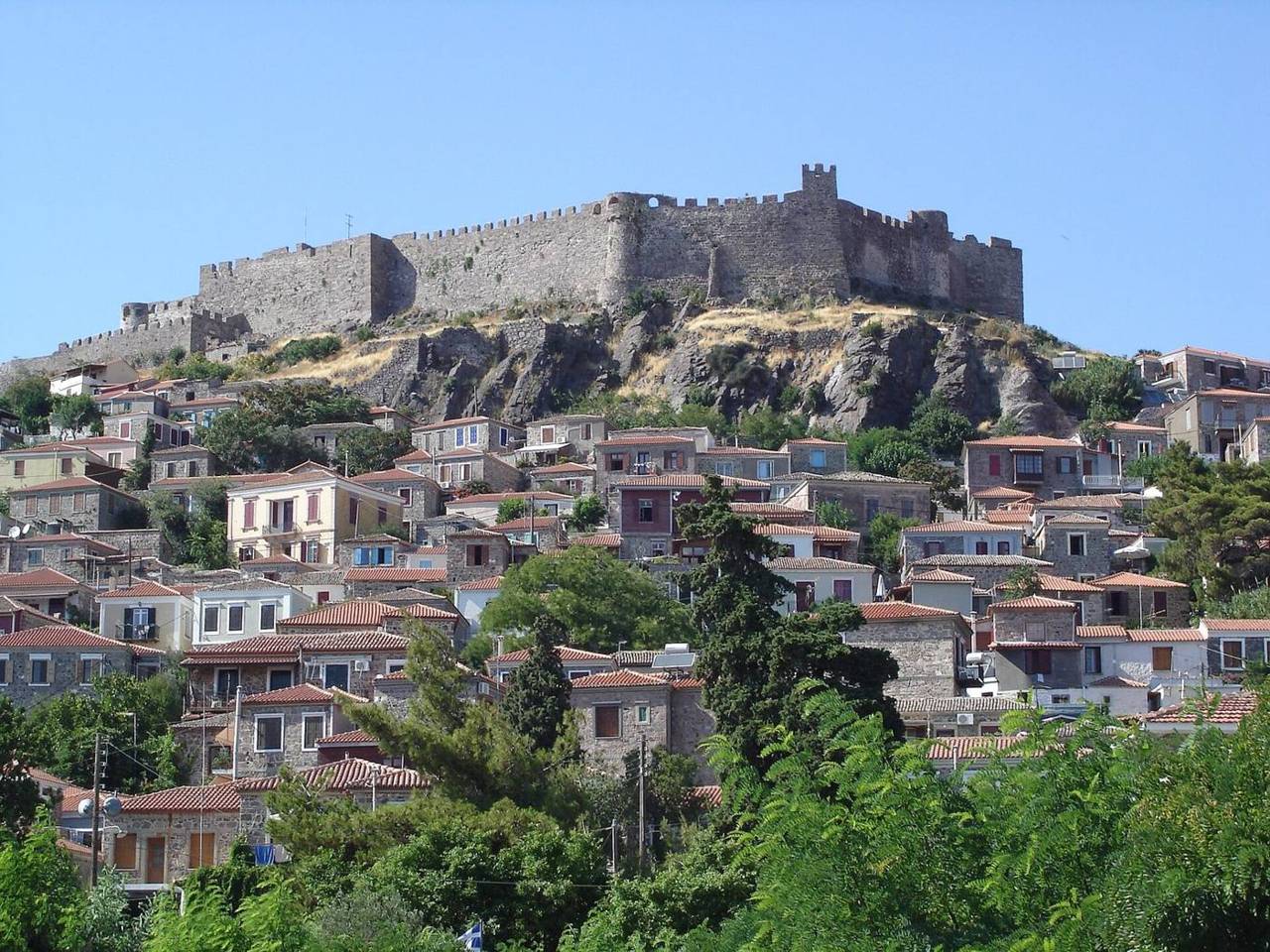
The north-eastern Aegean, far from the crowds: Lesbos with Mytilene, the village of Molyvos below its castle, the petrified forest at Sigri and the ouzo of Plomari, then Chios with the mastic villages, Pyrgi with its sgraffito facades, Mesta and the monastery of Nea Moni (UNESCO).
 7 daysEasy
Syros, Tinos and Andros
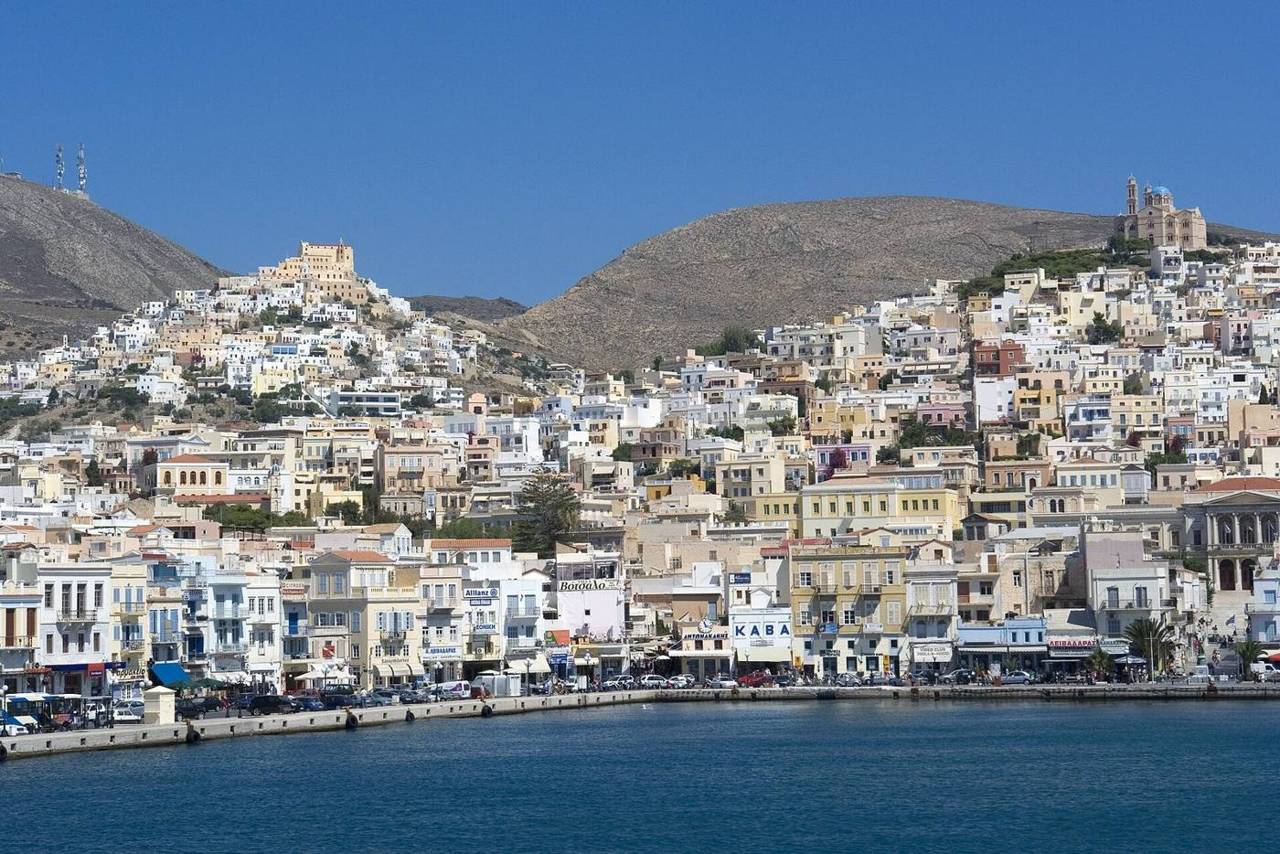
The northern Cyclades, authentic and close to Athens: Ermoupoli, the neoclassical capital of the Cyclades, and the Catholic quarter of Ano Syros, Tinos with the shrine of the Panagia, its marble villages and dovecotes, and Andros with waymarked trails between waterfalls, villages and beaches.
 5 daysChallenging
Mount Olympus, Dion and Vergina
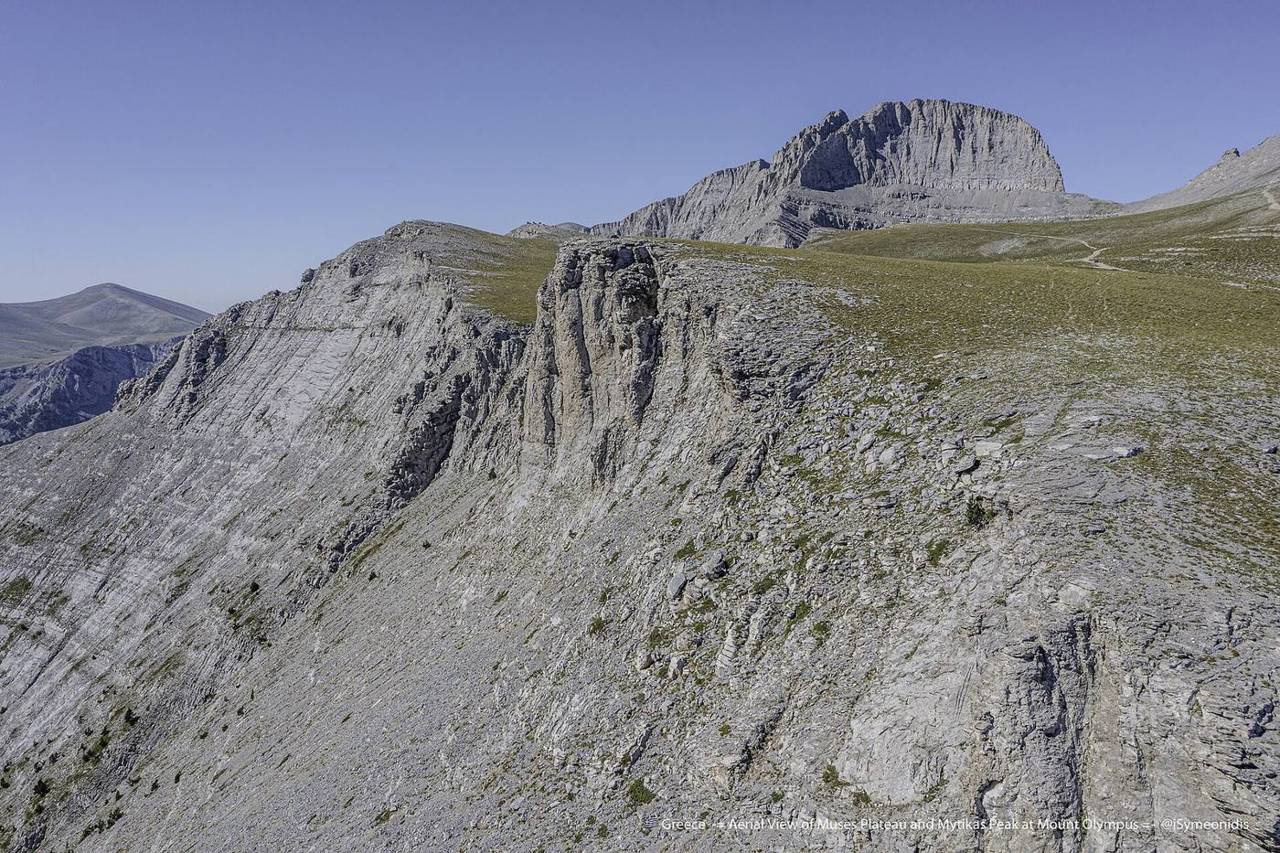
The mountain of the gods and ancient Macedonia: the Enipeas gorge from Litochoro, the climb to the Spilios Agapitos refuge and the summit of Mytikas, 2,918 metres, then the sacred city of Dion at the foot of the mountain and the royal tombs of Aigai at Vergina (UNESCO).