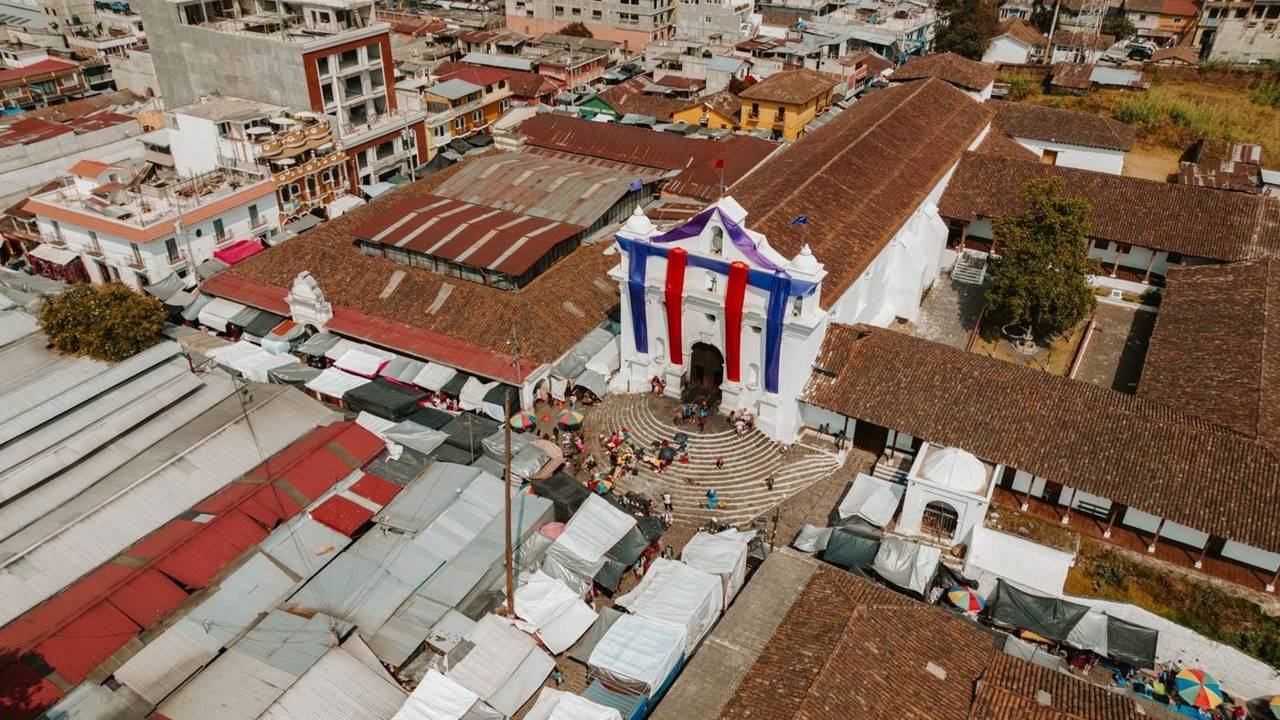
Chichicastenango
Central America's most famous Maya market, on Thursdays and Sundays, with Santo Tomás church, incense rituals on its steps and the colourful cemetery.
- Panajachel
- Chichicastenango
Day by day
- Day 1
The market of Chichicastenango
This two-day trip takes you from Panajachel, on Lake Atitlán, to Chichicastenango, the K'iche' Maya highland town famous for its Thursday and Sunday market, with the church of Santo Tomás, the incense rituals on its steps and the colourful cemetery.
Before you go: Italian citizens enter Guatemala with a passport valid for at least six months from the date of arrival, and without a visa for stays of up to 90 days, which count in total for El Salvador, Honduras and Nicaragua too; before entering, complete the online immigration declaration. Other nationalities should check their own rules. The United States advises reconsidering travel to Guatemala because of crime; the United Kingdom reports armed robberies on many tourist routes, including around Atitlán. Travel by day, by tourist shuttle or organised transport, and avoid public buses. In the market keep an eye on your bag and phone.
Choose a Thursday or a Sunday. Leave Panajachel early: the road climbs through Sololá and in about an hour and a half reaches Chichicastenango, at around 2,000 metres.
The market fills the square and the surrounding streets. Families come in from the villages with fruit, vegetables, flowers, hens and incense, and next to them are the textile stalls: huipiles, the embroidered blouses of Maya women, belts, bags, blankets and painted wooden masks used in traditional dances. Walk slowly, notice how the colours change from one village to another and bargain with a smile.
For lunch eat pepián, a meat stew in a sauce of seeds and chillies, at the stalls in the covered market.
Sleep in Chichicastenango.
Practical tip: carry quetzales in small notes and always ask permission before photographing someone.
- Day 2
Santo Tomás, the cemetery and the return
Today you see the spiritual side of Chichicastenango, where Catholic faith and Maya tradition live side by side.
Early in the morning go to the church of Santo Tomás, white and from the sixteenth century, built on top of an older platform. On the steps the men of the religious brotherhoods burn copal, a fragrant resin, and pray aloud; inside, worshippers light candles on the floor and leave petals and offerings. According to history it was here, in the early eighteenth century, that a Dominican friar transcribed the Popol Vuh, the sacred book of the K'iche' Maya. Do not climb the main steps, which are reserved for rituals: visitors enter by a side door. Photography is not allowed inside.
Opposite stands the smaller Calvario chapel, with more rituals on its steps.
Then walk to the cemetery, at the edge of town, with tombs painted blue, green, pink and yellow. You often see small fires and ceremonies led by a Maya priest: keep your distance and stay quiet.
If you like, climb with a local guide to the hill of Pascual Abaj, a stone altar in the woods where rituals are still held.
In the early afternoon return to Panajachel or Antigua by shuttle, arriving before evening.
In these two days you have seen one of the liveliest markets in the Americas and the rituals around it.
When to go: from November to April, in the dry season. On 21 December the feast of Santo Tomás is celebrated with dances and processions.
Practical tip: dress modestly and leave worshippers space in front of the altars.
A powerful, authentic experience. Don't photograph rituals without permission. Go with organised tourist transport from Atitlán or Antigua.
Before you go
- Documents and visa
- Passport valid for at least six months from your arrival date; no visa is needed for stays of up to 90 days. The period counts in total for Guatemala, El Salvador, Honduras and Nicaragua and does not restart when you cross from one country to another. Before entering and leaving, complete the online immigration declaration and keep the QR code. The airport departure tax is usually included in your ticket.
- Health and vaccines
- There is a risk of dengue, Zika and chikungunya, and of malaria in some lowland areas: ask a travel health clinic. If you arrive from a country at risk you need a yellow fever vaccination certificate. In Antigua, Xela and on the volcanoes you feel the altitude and nights are cold. Drink bottled water. You need insurance covering medical costs and repatriation.
- Money and payments
- Quetzal. US dollars are easy to change, but in markets and villages you pay in quetzales. Cards work in hotels and town shops; use cash machines by day, inside banks or shopping centres.
- Power sockets
- Types A and B, 120 volts: you need an adapter for American plugs, and check that your devices accept this voltage.
- Time zone
- UTC-6 all year.
- Safety
- The United States advises reconsidering travel because of crime and says do not travel to the departments of San Marcos and Huehuetenango, Zone 18 of Guatemala City and Villa Nueva. The United Kingdom advises against all but essential travel within 5 km of the Mexican border, from the Pacific coast up to the Gracias a Dios crossing, and to some towns in Huehuetenango. Since mid-November 2026 a 30-day state of exception has been in force in the departments of Izabal and Zacapa. Canada advises against the Melchor de Mencos crossing into Belize. There have been armed robberies on tourist routes: travel by day, by shuttle or organised transport, and avoid public buses. Before climbing volcanoes check the INSIVUMEH and CONRED alerts and go with authorised guides. Official advice: GOV.UK.
Information checked in November 2026 for Italian and EU citizens. Rules change: always check before you travel.
Variations
Shorter: one day only, with a return shuttle from Panajachel on market day.
Longer: add two days on Lake Atitlán, visiting the villages of San Juan and Santa Cruz by boat.
Frequently asked questions
On which days is the market held?
On Thursdays and Sundays, from early morning to early afternoon. The Sunday market is bigger and busier.
Can I take photos in the church?
No: photography is not allowed inside Santo Tomás, and outside too always ask permission before filming rituals or people.
How do I get there from Antigua?
By tourist shuttle, in about two and a half hours. Many leave on Thursday and Sunday mornings and return in the afternoon.
Indicative itinerary written by World Atlas. Before booking, check timetables, seasonal openings, documents and safety.
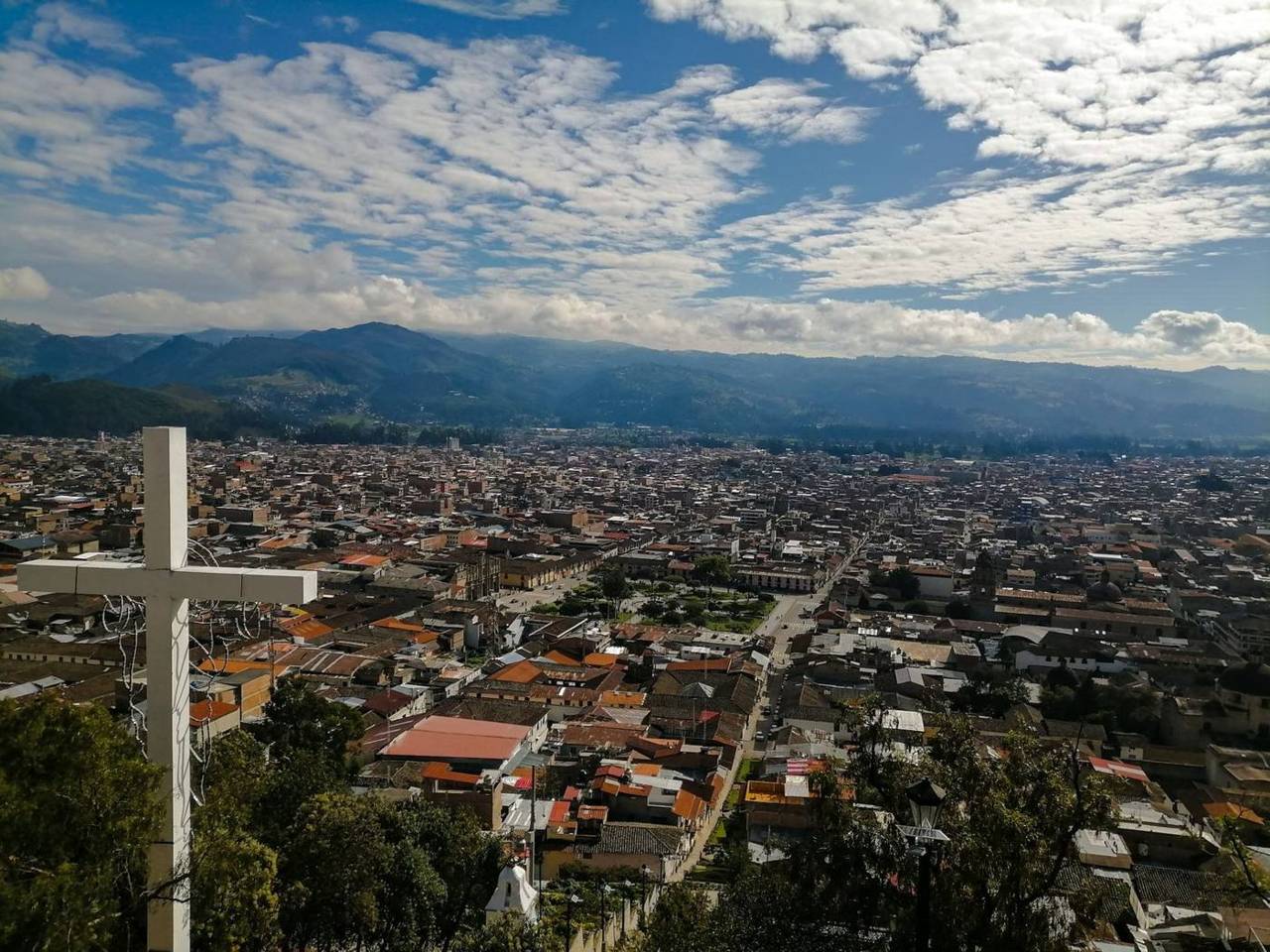 3 daysModerate
Xela and Laguna Chicabal
Quetzaltenango, the second city, with its Spanish schools, the Fuentes Georginas hot springs and the sacred lake in the Chicabal crater, wrapped in mist.
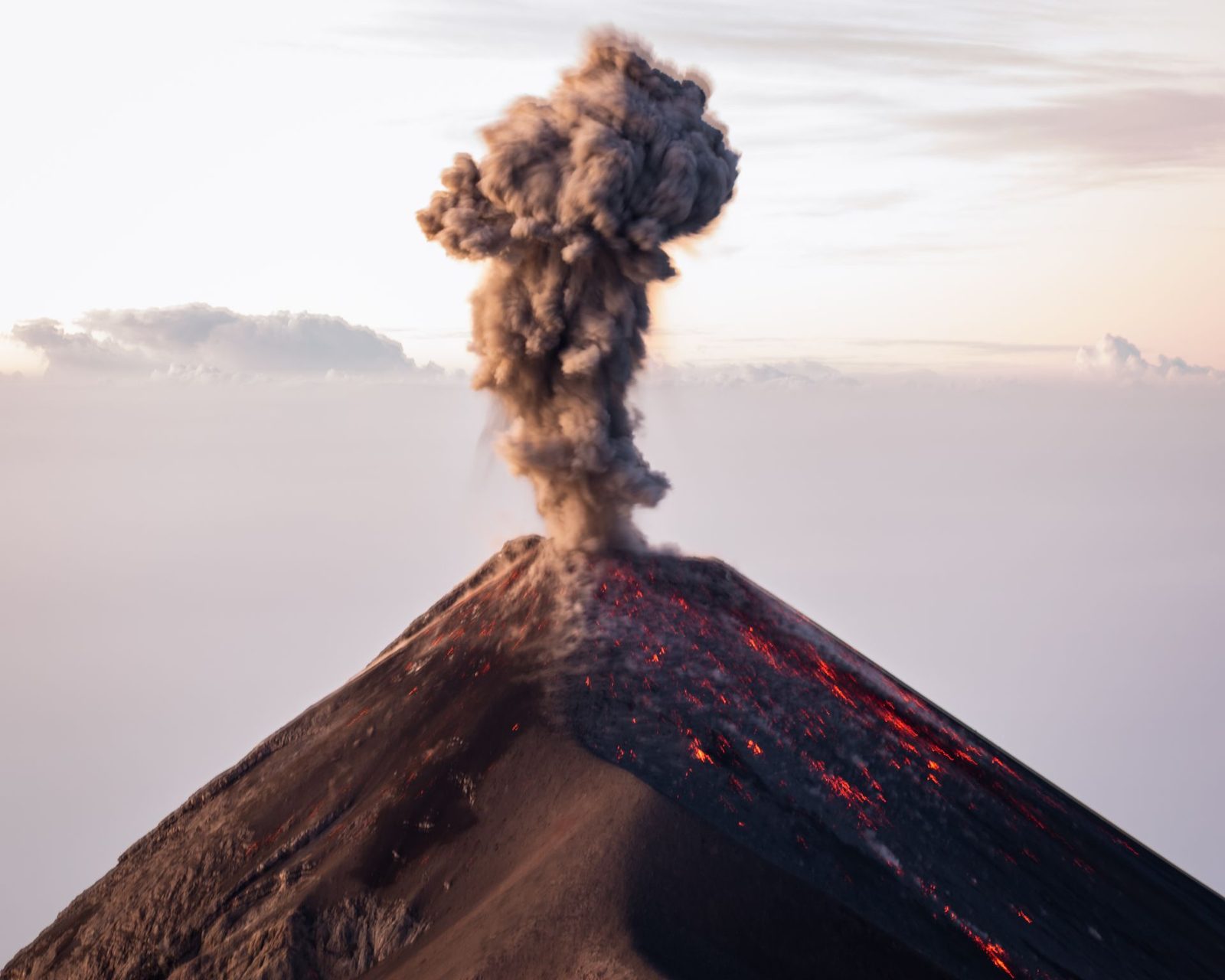 2 daysChallenging
Acatenango volcano
A night in a tent at almost 3,700 metres on Acatenango, facing erupting Fuego, and the dawn climb to the summit with views of Antigua and the volcanoes.
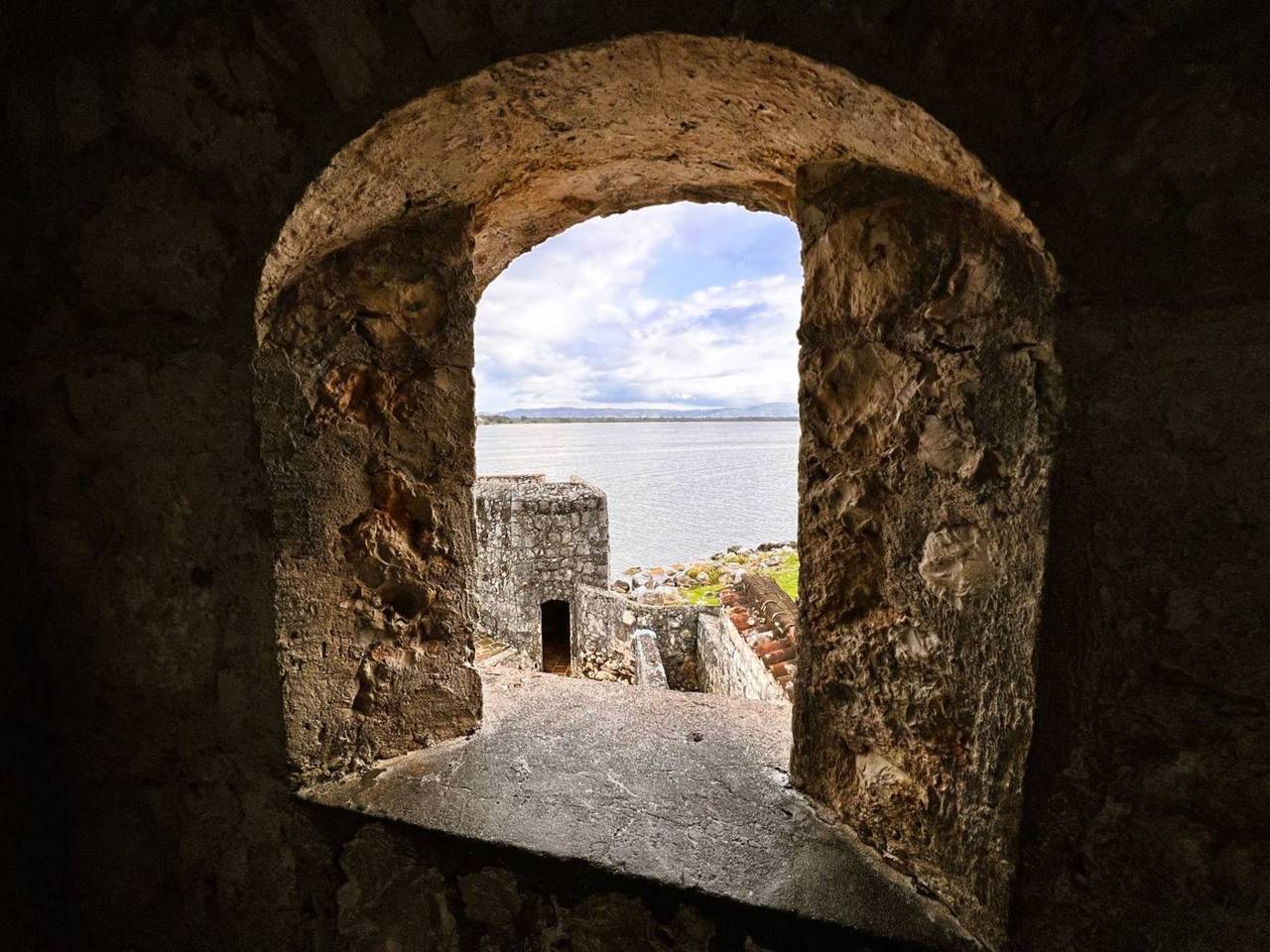 3 daysEasy
Río Dulce and Livingston
The river between jungle walls, San Felipe castle on Lake Izabal and Livingston, a Garifuna village on the Caribbean reached only by boat.