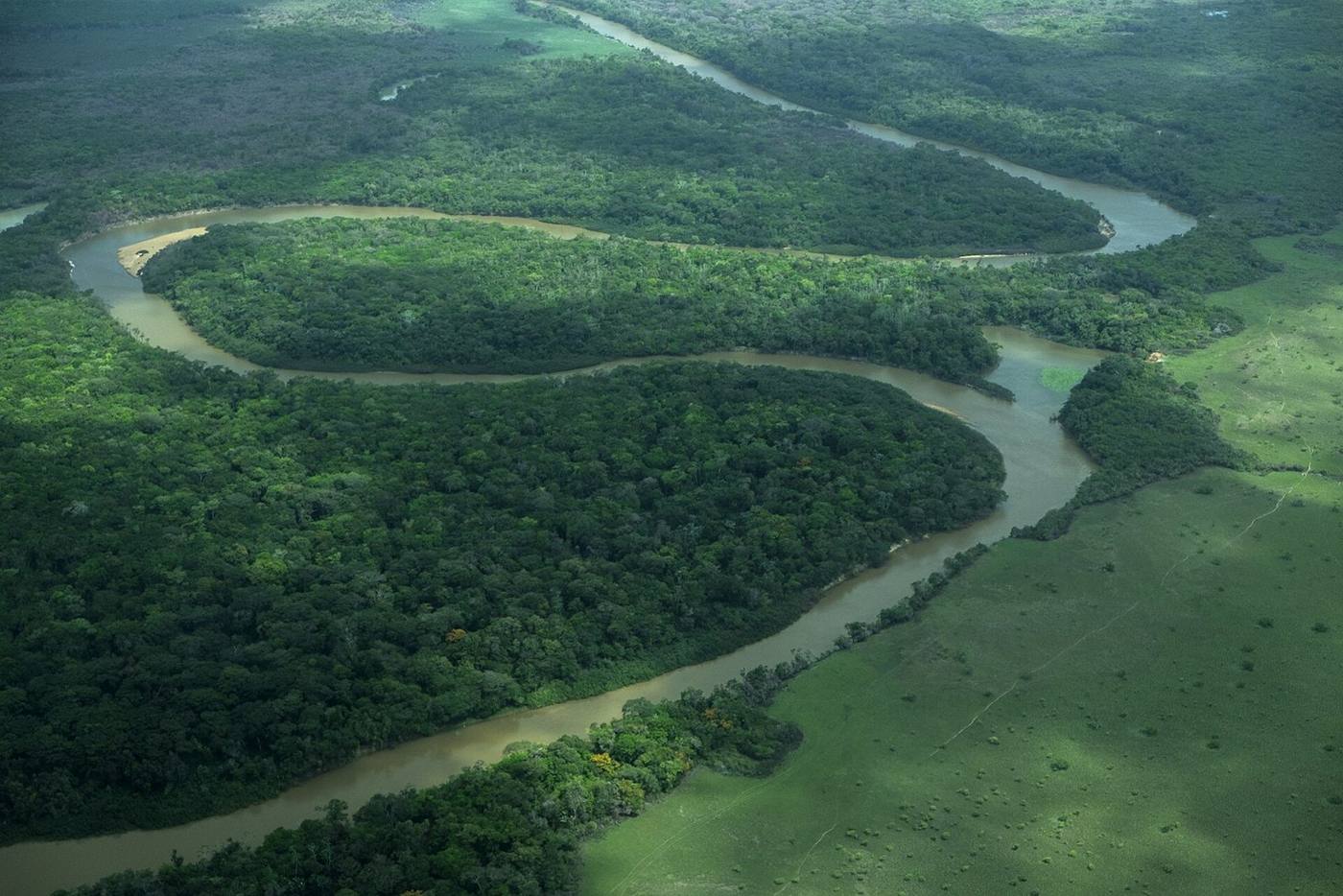
The Rewa River
An Amerindian community lodge where the Rewa meets the Rupununi: canoeing through the forest, giant otters, black caimans, birds, the climb of Awarmie Mountain and catch-and-release fishing for the giant arapaima.
- Annai
- Rewa
- Awarmie Mountain
Day by day
- Day 1
Flight to Annai and a boat to Rewa
This four-day trip takes you to an Amerindian village where the Rewa River flows into the Rupununi, in the forest of southern Guyana. You stay in a community lodge run by the villagers, with canoeing, river wildlife, the climb up Awarmie Mountain and catch-and-release fishing for arapaima.
Before you go: Italian citizens enter Guyana with a passport valid for at least six months from arrival, without a visa for stays of up to 90 days. Other nationalities should check their own rules. The yellow fever vaccine is recommended, and the certificate is compulsory if you arrive from a country at risk. There is malaria in the interior: ask your doctor about antimalarials. The United States rates Guyana at level 3 because of crime, especially in Georgetown, where it is best to use pre-booked taxis. Venezuela claims the whole region west of the Essequibo River and the border is tense, with no official crossings: Rewa is very far from that frontier.
In the morning you take a domestic flight from Georgetown to the airstrip at Annai, in the savannah at the edge of the forest. From here you walk down to the river and board a motorboat with a guide from the village. The journey on the Rupununi takes a few hours, between high banks, sandy beaches and trees full of birds. Watch the macaws flying in pairs, the herons and the otters lifting their heads out of the water.
You reach Rewa in the afternoon. The village has wooden and thatched houses, a playing field and a small school. In the evening listen to the sounds of the forest from the veranda.
Practical tip: on the domestic flight the baggage weight limit is low, so bring a soft bag and only what you need.
- Day 2
Canoeing at dawn and the arapaima lake
Today you explore the river and the forest lakes, when the animals are most active.
At dawn you get into a canoe with the guide and paddle slowly up the Rewa. The river is calm and mist rises from the water. This is the easiest time to see giant otters, which live in family groups, play among the logs and call with shrill cries. On the low branches look for the hoatzin, a bird with a ragged crest, and kingfishers. On the sandy beaches you may see tapir tracks and, with great luck, those of a jaguar.
Go back to the village for breakfast and rest during the hot hours, when everything in the forest goes still.
In the afternoon walk with the guide to one of the lakes near the river, home to the arapaima, one of the largest freshwater fish in the world. It breathes air and comes to the surface now and then, with a loud sound you hear from far away. The community protects these fish, and anyone who wants to can try catch-and-release sport fishing, following the village rules.
At sunset you return by boat and, with a torch, look along the bank for the red eyes of black caimans, the largest of all caimans.
In the evening have dinner with river fish, cassava and pepperpot, a dark, spiced stew and the national dish.
Practical tip: bring a strong repellent, long trousers and a light long-sleeved shirt, useful against mosquitoes and the sun.
- Day 3
The climb up Awarmie Mountain
Today you climb a forest-covered hill to see the river and the Rupununi forest from above.
Set off early, before it gets hot. First a stretch by boat on the river, then the trail enters the forest and climbs steadily, between roots, rocks and enormous trunks. The guide shows you the plants the villagers use as medicine, the vines you can drink water from, the leafcutter ants and the tracks of animals. Listen to the howler monkeys, whose call can be heard kilometres away.
At the top of Awarmie Mountain the forest opens onto bare rock. From here you see the treetops stretching to the horizon and the dark ribbon of the river. Stop for a packed lunch and watch the birds of prey circling above the valley.
In the afternoon walk down slowly and return to the village. If you have the energy, swim in the river only where the guide says it is safe, because of the freshwater stingrays on the bottom.
At sunset sit on the bank or take a short canoe trip to see the birds returning to the trees for the night.
In the evening ask the village elders to tell you about community life and how the tourism they run began.
Practical tip: for the climb you need walking boots with a good sole, at least two litres of water each and a rain poncho for sudden downpours.
- Day 4
Back to Annai and the flight to Georgetown
Today is your last day on the river, with the journey back towards the savannah.
At dawn take one last canoe trip near the village. The river is still quiet and you may see the otters again, or toucans flying between the trees. Then say goodbye to the villagers and load your bags onto the boat.
Travel down the Rupununi to Annai. Along the way look at the sandy beaches, where caimans and turtles rest, and the macaws crossing the river. At Annai wait for the domestic flight to Georgetown. From the window you see the endless forest and the rivers winding towards the coast.
In Georgetown, if you sleep in the city, get around only by pre-booked taxi and do not travel to the international airport at night.
In these four days you have travelled by boat on the Rupununi, seen giant otters, black caimans and arapaima, climbed Awarmie Mountain and lived in a village where tourism is run by the community. It is a trip with simple lodgings and full of nature.
When to go: from September to April, in the drier season, when the rivers are low and the sandy beaches stay uncovered. In the rainy season, roughly from May to August, the river rises a great deal and some outings are not possible.
Practical tip: between the flight from Annai and your international flight leave at least one day of margin, because small planes can leave late or be cancelled because of the weather.
Untouched nature and community-run tourism. In the rainy season the river rises a lot. Stay away from the Venezuelan border, where there are no official crossings and the situation is unstable.
Before you go
- Documents and visa
- Passport valid for at least six months from arrival; Italian citizens need a visa only for stays over 90 days. On entry you must declare all the foreign currency you carry. Travel to and from Venezuela is not currently possible.
- Health and vaccines
- A yellow fever vaccination certificate is required from the age of 12 months if you arrive from a country at risk, even after a stopover of more than 12 hours; the vaccine is recommended anyway, because there is a risk throughout the country. Malaria throughout the interior, with antimalarials advised; very low risk in Georgetown and on the coast. Dengue, Zika and chikungunya are also present. Medical facilities are very limited, even in the capital: you need insurance with repatriation. Ambulance: 913.
- Money and payments
- Guyanese dollar. US dollars are accepted at many lodgings and for domestic flights. Use ATMs inside banks or shopping centres and carry cash for the interior.
- Power sockets
- Types A and B, 110 or 220 volts depending on the area: bring an adapter and check the voltage of your devices.
- Time zone
- UTC-4 all year.
- Safety
- The United States rates Guyana at level 3 because of violent crime, which is common especially at night. The United Kingdom reports that foreigners have been targeted at Stabroek Market, Tiger Bay, Albouystown and Sophia, that visitors have been assaulted in the Botanical Gardens, and that gangs have followed cars from Cheddi Jagan airport. In Georgetown use pre-booked taxis from reputable companies. Venezuela disputes the border and claims the Essequibo region: the border area is tense, with organised crime and no official crossings. Official advice: GOV.UK.
Information checked in November 2026 for Italian and EU citizens. Rules change: always check before you travel.
Variations
Shorter: three days, with the dawn canoe trip and the arapaima lake, without the climb.
Longer: add three days at Surama and in the Iwokrama reserve, with the canopy walkway in the forest.
Frequently asked questions
How do you get to Rewa?
With a domestic flight from Georgetown to the airstrip at Annai and then a few hours by boat on the Rupununi River. There are no roads to the village.
What animals can you see at Rewa?
Giant otters, black caimans, arapaima, macaws, toucans, hoatzins and howler monkeys. Jaguars and tapirs live here, but are rarely seen.
Who runs the lodge?
The lodge belongs to the Amerindian community of Rewa, which organises the guides, boats and meals. The money from tourism stays in the village.
Indicative itinerary written by World Atlas. Before booking, check timetables, seasonal openings, documents and safety.
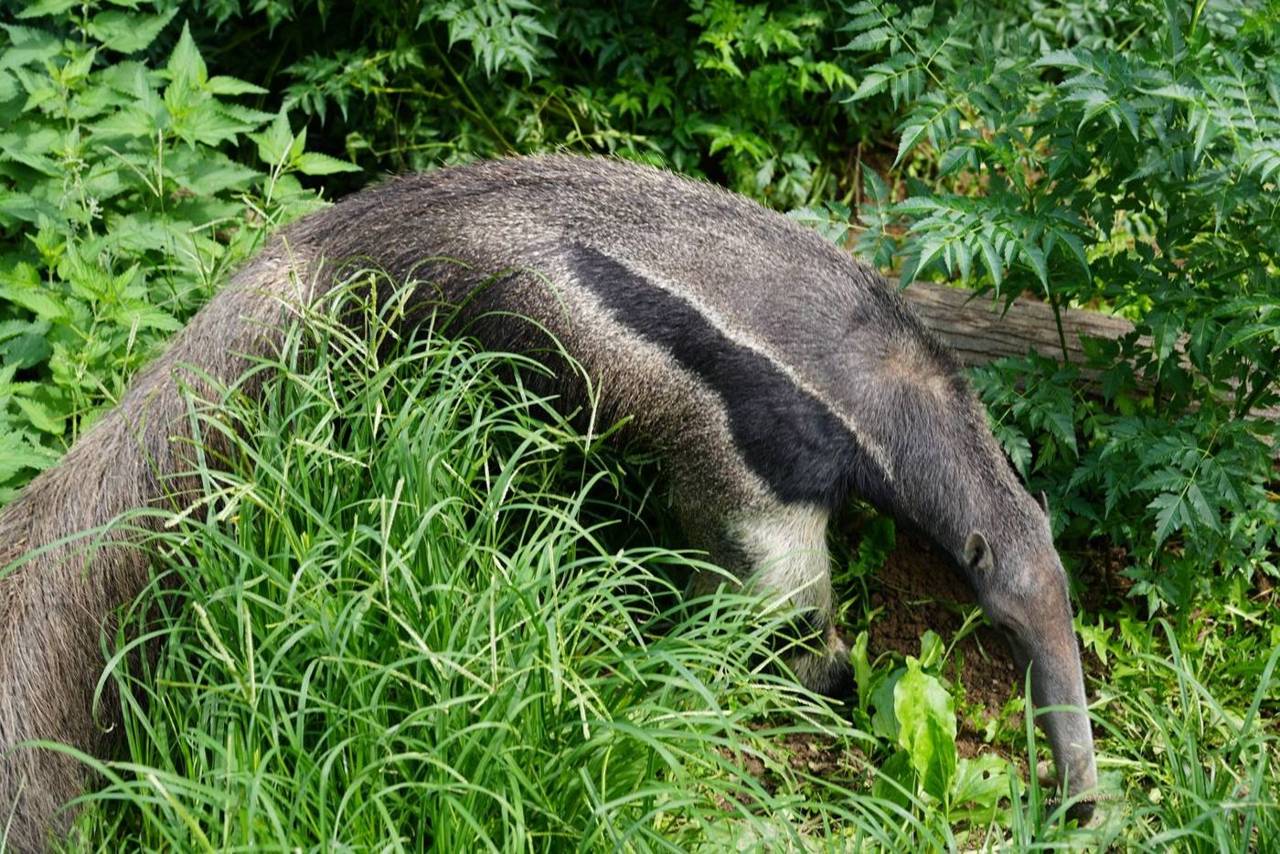 7 daysModerate
Kaieteur and the Rupununi savannah
The flight to Kaieteur Falls, five times higher than Niagara, the Iwokrama canopy walkway and the community lodges of the Rupununi with giant otters and anteaters.
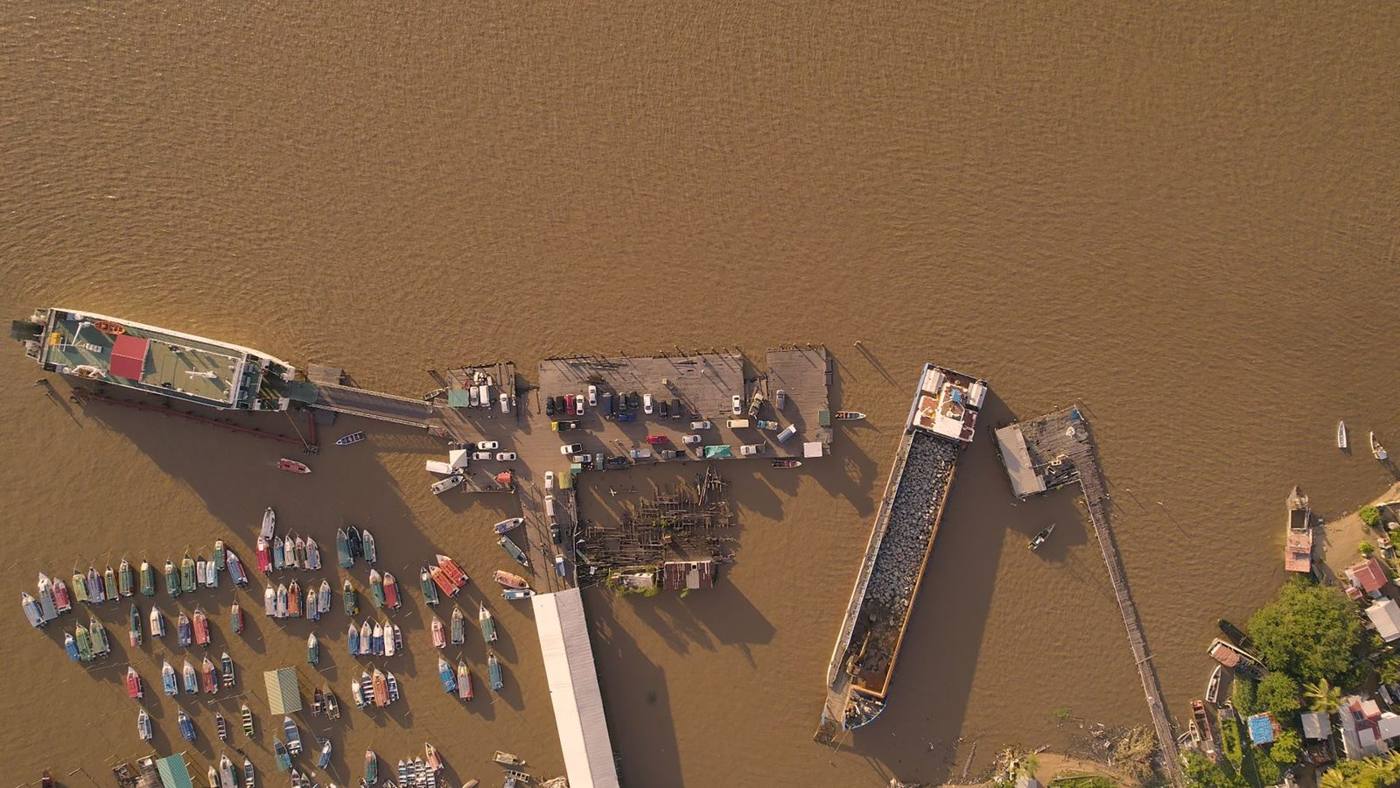 4 daysEasy
Georgetown and the Essequibo river
The wooden colonial capital, Stabroek market, the botanical gardens with manatees and a lodge at the mouth of the Essequibo.
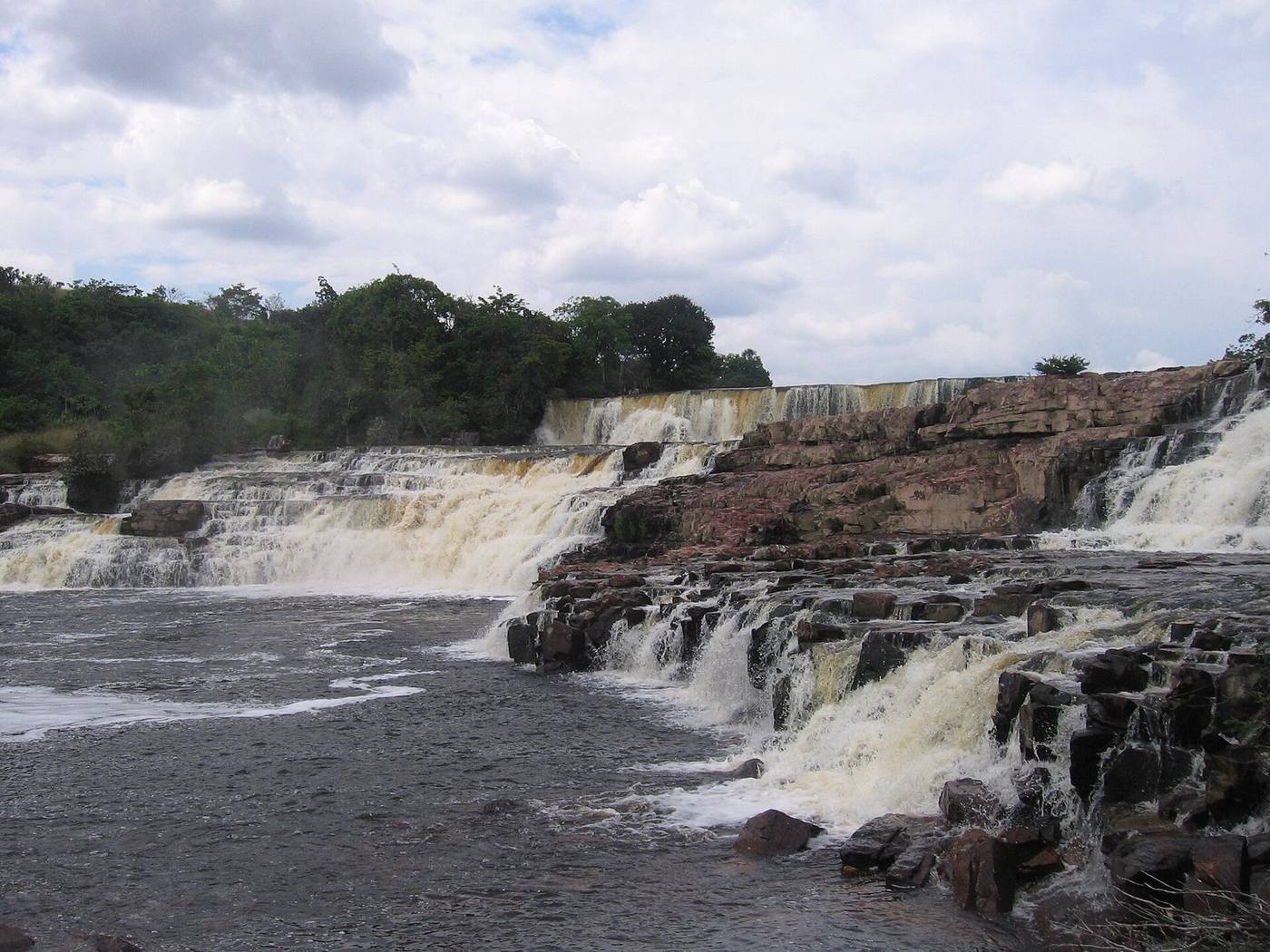 1 daysEasy
Kaieteur and Orinduik in a day
A small-plane flight from Georgetown over the forest: Kaieteur Falls, one of the world's most powerful single-drop waterfalls, then the stepped Orinduik Falls, where you can swim.