Copán
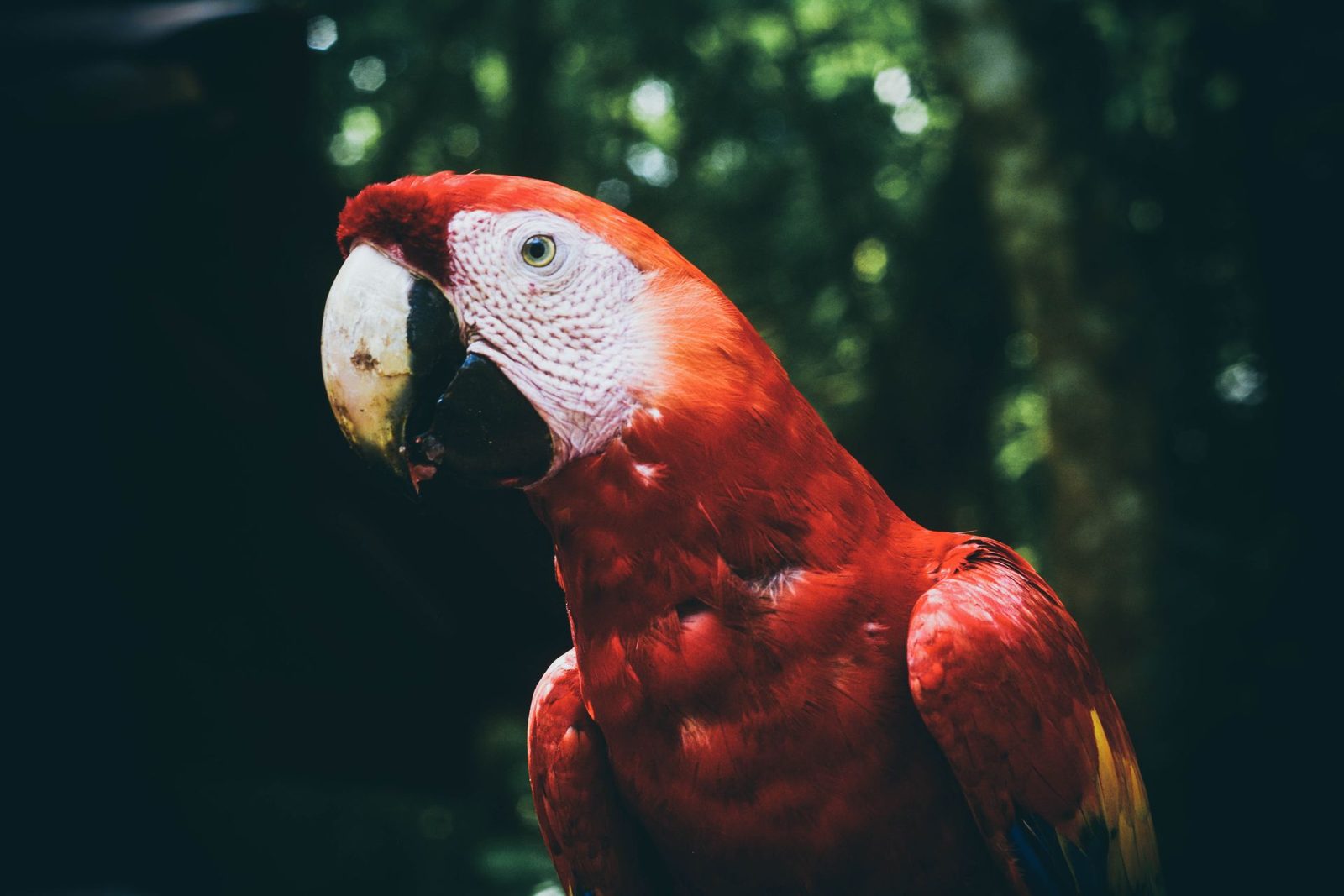
The Maya site of Copán with its carved stelae and Hieroglyphic Stairway, the Macaw Mountain bird park and the village of Copán Ruinas.
- Antigua
- Copán Ruinas
- Copán
- Macaw Mountain
Day by day
- Day 1
From Antigua to Copán Ruinas
This short trip starts in Antigua, in Guatemala, and crosses the border to Copán, in Honduras, the Maya city with the finest sculpture in the Maya world, a bird park in the forest and the village of Copán Ruinas.
Before you go: Italian citizens enter Honduras with a passport valid for at least six months, without a visa for tourist stays of up to 90 days, and fill in the online customs declaration before arrival. The 90 days count in total for Guatemala, El Salvador and Nicaragua too. Other nationalities should check their own rules. Some areas on this trip are close to borders or places where the situation changes often: check your government's travel advice before booking and again before you leave.
Early in the morning leave Antigua on an organised shuttle. The journey takes about six hours: the road drops from the highlands towards the east, past volcanoes, coffee plantations and dry valleys, to the El Florido border crossing. Here you get off, show your passport at the offices of both countries and get back on the shuttle. A few kilometres later you reach Copán Ruinas.
Copán Ruinas is a quiet mountain town, with steep cobbled streets, white houses with tiled roofs and a central square with a bandstand and a church. In the afternoon visit the small archaeology museum on the square, with stelae, pottery and a reconstructed tomb, then sit on a bench and watch the life of the town. Check prices and times.
In the evening have baleadas for dinner, flour tortillas filled with beans, cream and cheese, the most famous dish in Honduras.
Practical tip: travel only on organised shuttles and by day, keep your passport and cash on you at the border and change only a little money into lempiras.
- Day 2
The site of Copán and Macaw Mountain
Today you visit Copán, a UNESCO World Heritage Site, a kilometre from the town, with a local guide.
Copán was one of the great Maya cities of the Classic period, the capital of a kingdom ruled for about four centuries by a single dynasty, founded in the fifth century by Yax K'uk' Mo'. At the entrance you are greeted by scarlet macaws, the large red, yellow and blue parrots that are the national bird of Honduras.
In the great plaza you see the stelae, tall carved stones with portraits of the kings, covered in details so deep they look almost three-dimensional. Many depict the king known as Eighteen Rabbit, the thirteenth ruler. Then you reach the Hieroglyphic Stairway, with more than two thousand glyphs carved on its steps: it is the longest known Maya text and tells the story of the dynasty. In front of the Acropolis stands Altar Q, which shows the sixteen kings of Copán seated in a row. You also see the ball court, one of the most elegant in the Maya world.
Under the temples archaeologists have dug kilometres of tunnels: two are open to the public with a separate ticket. In the sculpture museum, next to the site, you see the full-size replica of the Rosalila temple, painted red and green, found intact beneath another building. Check prices and times.
In the afternoon go to a bird park in the forest near the town, which cares for and protects macaws, toucans and parrots and helps with their release into the wild.
Practical tip: arrive at the site when it opens, when it is cooler and the birds are most active.
- Day 3
Back to Guatemala
Today you return to Guatemala, but first you have the morning to yourself in Copán Ruinas.
If you want to see another side of the site, go early to Las Sepulturas, the residential district of the nobles, about two kilometres from the main centre, linked by a path through the woods. Here you see the houses, courtyards and stone benches where scribes and important families lived, and you understand what daily life in the city was like. The ticket is usually included with the main site: check prices and times.
Alternatively, take a walk or a horse ride through the hills around the town, among maize fields and small coffee and tobacco plantations, or visit a coffee farm to see how the beans are picked and roasted.
At midday leave on the organised shuttle for Antigua, again through the El Florido crossing. You arrive in the evening.
In these three days you have seen the most refined Maya city: the carved stelae, the Hieroglyphic Stairway, Altar Q with its sixteen kings and the Rosalila temple, together with the scarlet macaws and the quiet village of Copán Ruinas.
When to go: from November to April, in the dry season, when the paths are dry and the sky is clear. From May to October it often rains in the afternoon.
Practical tip: before leaving, check the exact time and pick-up point with the shuttle, and keep your documents ready for the border.
The finest Maya sculpture anywhere, easy to add to a trip to Guatemala. Copán Ruinas is calm. The tunnels under the temple need a separate ticket.
Before you go
- Documents and visa
- Passport valid for at least six months on entry; Italian citizens need no visa for tourist stays of up to 90 days, which count jointly for Honduras, Guatemala, El Salvador and Nicaragua. Before entering and before leaving, fill in the online customs declaration and show the QR code. You cannot carry more than 10,000 US dollars in cash, or the equivalent in euros.
- Health and vaccines
- A yellow fever vaccination certificate is required if you arrive from a country at risk, even after a stopover of more than 12 hours; there is no yellow fever risk in the country. Low malaria risk below 1,000 metres and on the Bay Islands, higher in La Mosquitia: avoid mosquito bites. A dengue emergency is in place. Emergency care on the islands is very limited; there is a hyperbaric chamber on Roatán. Emergencies: 911.
- Money and payments
- Lempira. On the Bay Islands US dollars are accepted almost everywhere and cards work at accommodation; carry cash for boats and villages.
- Power sockets
- Types A and B, 120 volts: you need an adapter and, for devices that only run on 230 volts, a transformer.
- Time zone
- UTC-6 all year.
- Safety
- The United States rates Honduras at level 3 because of crime and at level 4, do not travel, for Gracias a Dios Department. A state of exception against gang extortion has been in force since December 2022 and gives the police special powers in most municipalities, including limits on movement. The United Kingdom reports violent attacks on cars and buses, including on roads in and around La Ceiba and Tela, and advises against walking around in the main mainland cities. The Bay Islands have better policing, but petty theft is common. Dive only with licensed, certified centres. Official advice: GOV.UK.
Information checked in November 2026 for Italian and EU citizens. Rules change: always check before you travel.
Variations
In 2 days: travel to Copán, visit the site on the morning of the second day and return to Antigua in the afternoon.
In 5 days: after Copán continue to the Bay Islands, Roatán and Utila, with a domestic flight.
Frequently asked questions
What document do I need for Honduras?
Italian citizens enter with a passport valid for at least six months, without a visa for tourist stays of up to 90 days, and fill in the online customs declaration. Other nationalities should check their own rules.
Are the Copán tunnels included in the main ticket?
No, the tunnels under the Acropolis have a separate ticket, like the sculpture museum. Check prices and times on the official website.
How do I get to Copán from Antigua?
By organised shuttle, in about six hours, through the El Florido border crossing. Before booking check your government's travel advice.
Indicative itinerary written by World Atlas. Before booking, check timetables, seasonal openings, documents and safety.
 2 daysEasy
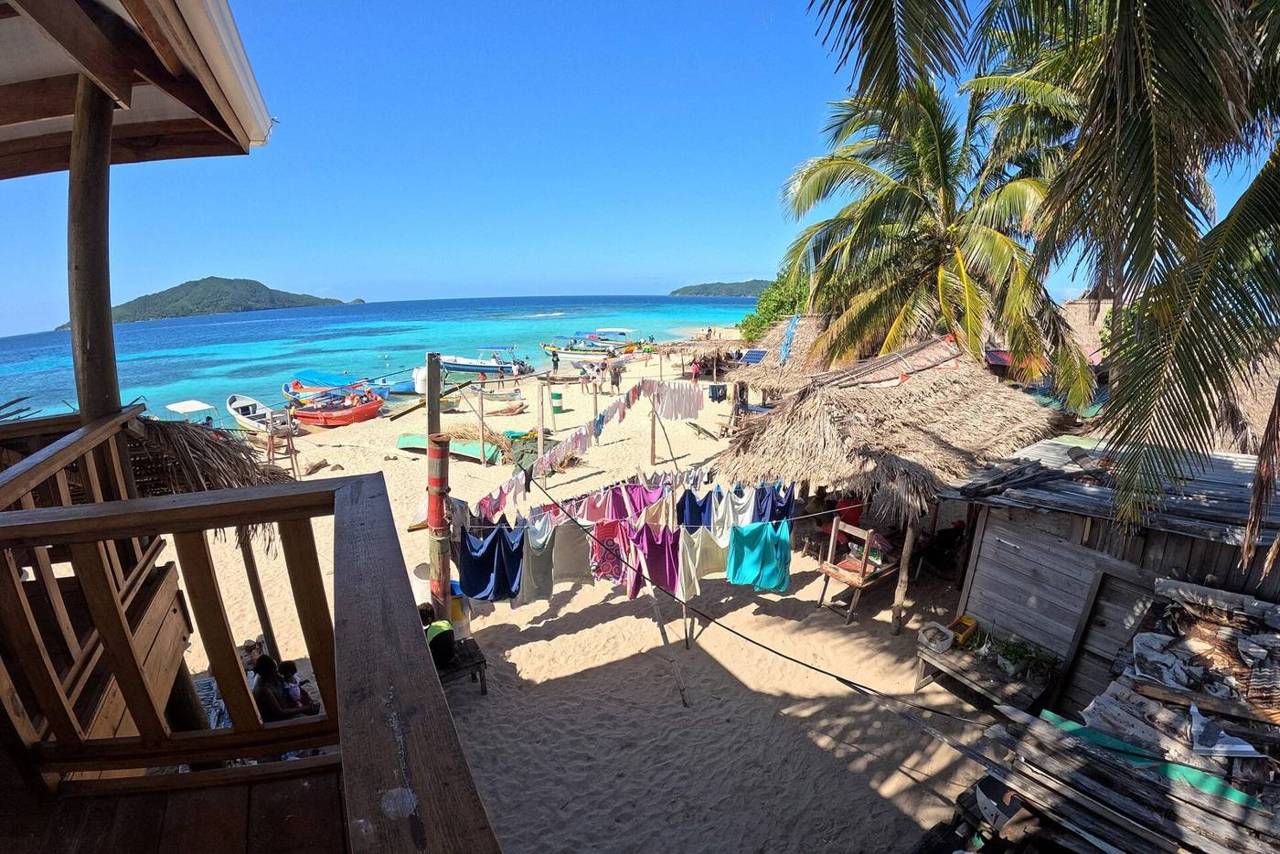
Cayos Cochinos
A small protected archipelago with coral reef, the Garifuna village of Chachauate on an islet and a marine research station.
 4 daysEasy
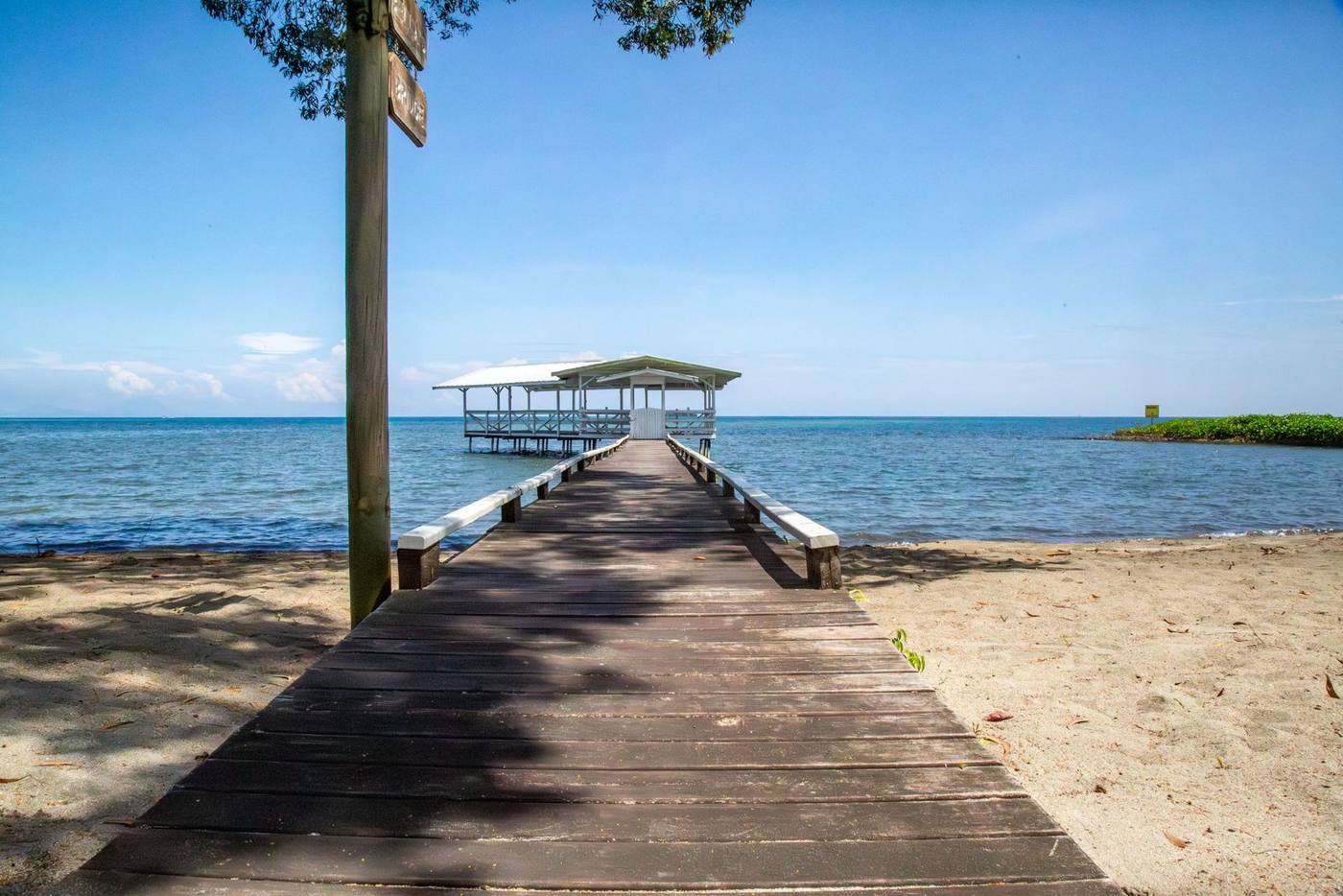
Guanaja
The quietest of the Bay Islands: Bonacca village built over the water, green hills, waterfalls and reef dives without Roatán's crowds.
 6 daysEasy
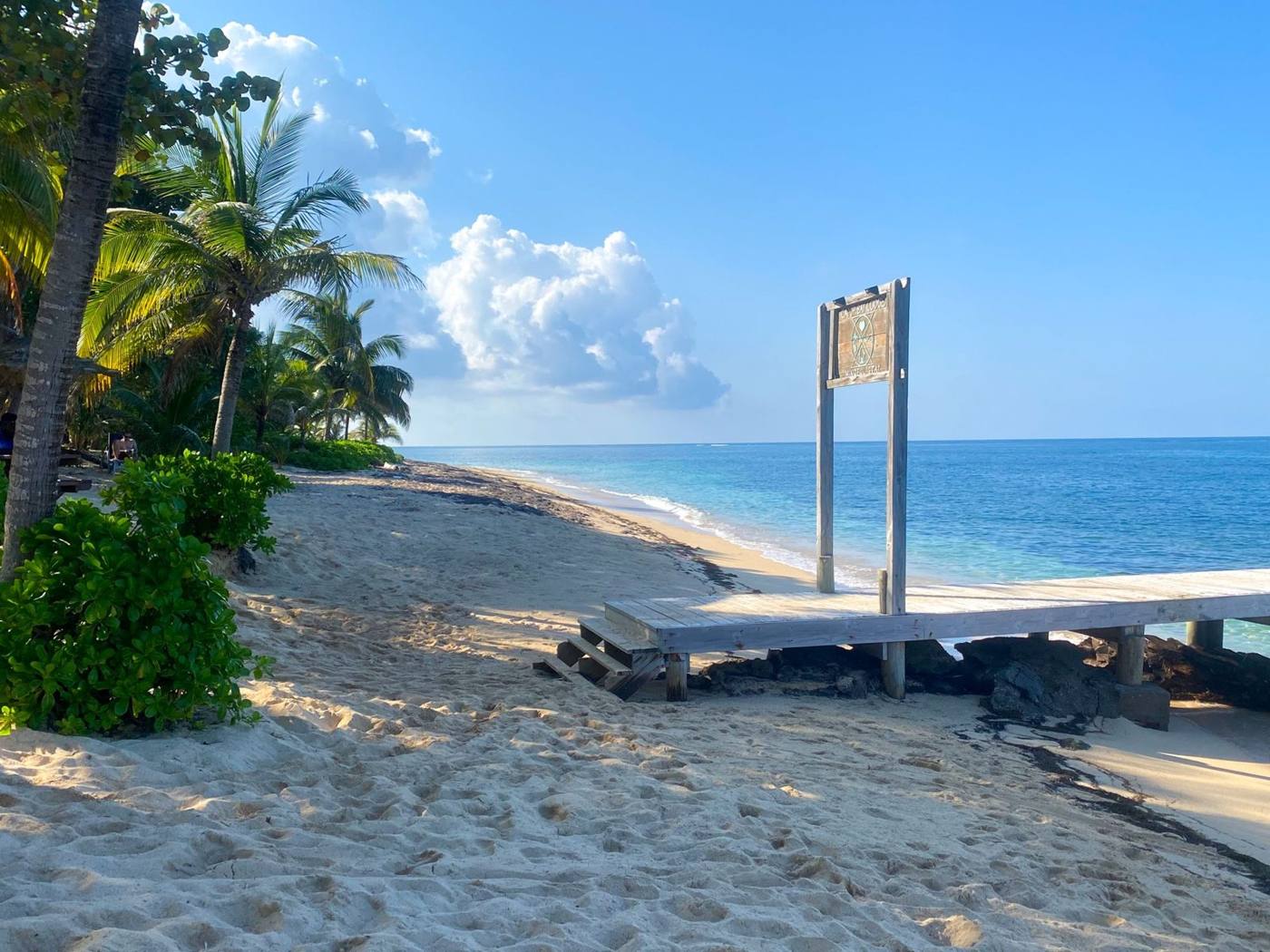
Roatán and Utila
The Bay Islands on the Mesoamerican reef: affordable diving on Utila, whale sharks in season and the beaches of West Bay on Roatán.