The Golden Circle and the south coast
Geysers, the Þingvellir rift, the Skógafoss and Seljalandsfoss waterfalls, Reynisfjara black beach and the Jökulsárlón glacier lagoon.
- Reykjavík
- Þingvellir
- Geysir
- Gullfoss
- Seljalandsfoss
- Skógafoss
- Vík
- Jökulsárlón
Day by day
- Day 1
Arrival at Keflavík and Reykjavík
Iceland is in the Schengen area: EU citizens need only a valid identity card. Almost everything is paid by card, including car parks and public toilets.
Keflavík international airport lies on the Reykjanes peninsula, about fifty minutes from Reykjavík, the capital. Direct buses run to the centre, but for this trip it is best to pick up your rental car straight away. Since 1 January 2026 Iceland has charged a kilometre tax of 6.95 krónur per kilometre for cars: the rental company usually collects it, so check your contract.
The Reykjanes peninsula is an active volcanic area: between 2023 and 2025 there were many eruptions near Grindavík, and the authorities monitor the magma building up underground. Before leaving, check the official Icelandic civil protection website for road closures.
In the afternoon stroll around Reykjavík, a small, colourful capital by the sea. Climb the tower of Hallgrímskirkja, whose facade recalls basalt columns, for views over the roofs, and walk along the seafront to Harpa concert hall, with its glass facade.
In the evening try Icelandic food: lamb soup, fresh fish and skyr, a fresh dairy product similar to yoghurt.
Practical tip: in Iceland the weather changes within minutes; check the weather and road conditions every day on the official websites.
- Day 2
The Golden Circle: Þingvellir, Geysir and Gullfoss
Today is the Golden Circle, the classic loop of about three hundred kilometres east of Reykjavík, with three famous sites.
The first stop is Þingvellir National Park, a UNESCO World Heritage site, about forty minutes from the capital. Here in 930 the Alþingi, one of the oldest parliaments in the world, met for the first time in the open air below the rock wall of the Lögberg, the Law Rock. Þingvellir also lies in the rift where the North American and Eurasian tectonic plates pull apart: you walk through the Almannagjá gorge between rock walls. In the Silfra fissure, filled with extremely clear glacial water, you can snorkel in a drysuit, only with licensed operators. Parking at the park costs 1,000 krónur.
Then the Geysir geothermal area, where the great geyser that gave its name to all the world's geysers is now almost inactive, but Strokkur, next to it, erupts every five to ten minutes, with a column of boiling water up to twenty metres high.
Finally Gullfoss, the golden waterfall, where the Hvítá river plunges in two drops into a deep canyon, with rainbows on sunny days.
In the evening stay near Selfoss or Hella, towards the south coast.
Practical tip: in geothermal areas stay behind the ropes; the water is boiling and the ground can be thin.
- Day 3
Seljalandsfoss and Skógafoss
In the morning drive east along Road 1, the Ring Road that circles the island, across the southern plain with fields, farms and Icelandic horses, small and sturdy with long manes.
After about an hour you reach Seljalandsfoss, a sixty-metre waterfall dropping from a cliff: a path runs behind the curtain of water in a natural cave, but you get completely soaked, so you need a waterproof jacket and trousers. Nearby, a few minutes' walk away, the Gljúfrabúi waterfall hides inside a narrow gorge, which you enter by wading along the stream.
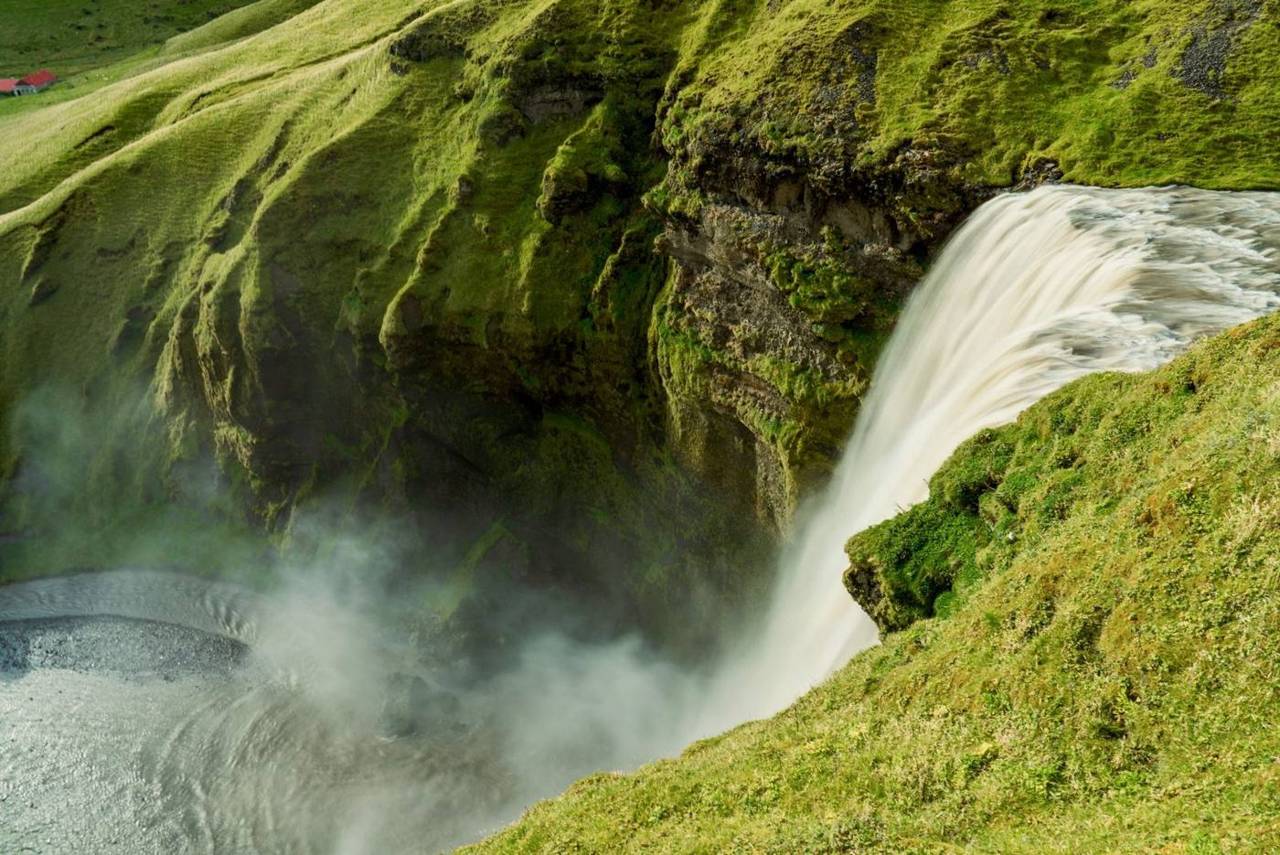
Continue to Skógafoss, about half an hour away, one of Iceland's largest and most powerful waterfalls, twenty-five metres wide and sixty high, with a staircase of more than four hundred steps climbing to the top. From there starts the Fimmvörðuháls trail, which follows the river past dozens more waterfalls: even the first hour's walk is well worth it.
In the village of Skógar, the open-air museum shows traditional Icelandic turf-roofed houses.
Along the road you see the Eyjafjallajökull volcano, whose 2010 eruption halted air traffic across Europe.
In the evening stay near Skógar or Vík.
Practical tip: at the waterfalls the rocks are wet and slippery; wear hiking shoes.
- Day 4
Vík, Reynisfjara black beach and Dyrhólaey
In the morning visit the Dyrhólaey promontory, with a huge rock arch over the sea and views of the long black beach. In summer, from May to August, puffins nest on the cliffs, birds with colourful beaks; in some spring periods part of the promontory is closed for nesting.
Then go to Reynisfjara beach, one of Iceland's most famous, with black volcanic sand, organ-pipe basalt columns, the Hálsanefshellir cave and the Reynisdrangar sea stacks rising from the water. It is also one of the most dangerous beaches in the world: so-called sneaker waves suddenly surge much higher than the others and drag people into the sea, where the currents are very strong. Many people have died. At the entrance a light system shows the danger level: with the yellow light you must keep away from the water, with the red light the columns and the cave are closed. Never turn your back on the sea.
In the afternoon visit Vík, a small village with a white church on the hill, and walk on the village beach.
In the evening continue east across the moss-covered lava field of Eldhraun.
Practical tip: at Reynisfjara stay at least thirty metres from the water and hold children by the hand.
- Day 5
Skaftafell and Jökulsárlón lagoon
In the morning reach Skaftafell, about two and a half hours from Vík, part of Vatnajökull National Park, a UNESCO World Heritage site, at the foot of Europe's largest glacier. A parking fee is charged, which also gives a discount at another park site on the same day: check the amount on the park's official website.
Walk to Svartifoss, about an hour and a half there and back, a waterfall dropping from a wall of black basalt columns, thin as organ pipes. Another easy trail leads to the snout of the Skaftafellsjökull glacier. Never walk on the glacier without a certified guide: there are hidden crevasses. With guides you can do ice hikes with crampons and, in winter, visit ice caves.
In the afternoon continue to Jökulsárlón, about an hour away, a glacial lagoon where blue and white icebergs broken off the Breiðamerkurjökull glacier float slowly towards the sea. Seals often swim among the icebergs. You can take trips by amphibious boat or inflatable.
Across the road, on Diamond Beach, chunks of ice carried by the sea lie on the black sand and sparkle in the sun like diamonds.
In the evening stay near Jökulsárlón or Höfn.
Practical tip: do not climb on the icebergs on the beach and keep away from those in the lagoon: they can roll over.
- Day 6
Back towards Reykjavík
Today is a long day of driving west, about five and a half hours from Jökulsárlón to Reykjavík, retracing the south coast in the different light of the morning.
On the way stop at places you passed on the way out, or discover new ones. Fjaðrárgljúfur canyon, near Kirkjubæjarklaustur, is a deep, winding, moss-covered gorge with a path along the rim. At some times the path closes to protect the vegetation from trampling: respect the closures.
Further on, near Sólheimasandur, lie the remains of an American military plane that made an emergency landing on the beach in 1973: you reach it on a long walk of about four kilometres each way across the black sand plain, or by shuttle.
In the afternoon, if you have time, stop at Hveragerði, a town with greenhouses heated by geothermal energy, and walk up the Reykjadalur valley, about an hour each way, to a hot stream where you can bathe outdoors.
In the evening reach Reykjavík.
Practical tip: driving in Iceland is tiring because of crosswinds; take regular breaks and hold the car door firmly when opening it, because the wind can rip it off. Never stop on the road for photos: use only lay-bys.
- Day 7
A geothermal bath and departure
On the last day relax in a geothermal lagoon before leaving. Near Reykjavík there are several outdoor pools of natural hot water overlooking the sea or lava fields, where people bathe even in winter under the snow. The Blue Lagoon, the most famous, is on the Reykjanes peninsula near the airport, but it has been closed several times because of nearby eruptions: check whether it is open. All lagoons should be booked in advance.
Alternatively, in the city, Reykjavík's public pools, such as Laugardalur, are where Icelanders meet and chat in outdoor hot tubs: an authentic and much cheaper experience.
Before entering any Icelandic pool you must shower naked, without a swimsuit, in the changing rooms: a hygiene rule that is strictly respected.
Then drive to Keflavík airport, about fifty minutes away, and return the car.
Things to take home: Icelandic wool, including hand-knitted lopapeysa jumpers, Reykjanes sea salt, Icelandic liquorice and chocolate, and skyr products.
Practical tip: prices in Iceland are among the highest in Europe; every accommodation charges a per-night tax. Plan your budget carefully and carry a water bottle: tap water is excellent everywhere. Fill up the tank before returning the car, and allow time for the rental company to check it for gravel or sand damage.
Iceland's simplest and most spectacular week, by rental car. Reynisfjara is dangerous, as sneaker waves sweep people away every year, so keep well back from the water. In winter days are short and roads can close for snow.
Before you go
- Documents and visa
- EU citizens need only a valid identity card or passport: Iceland is not in the European Union but is in the Schengen area. The ETIAS authorisation is not yet in operation and need not be requested.
- Health and vaccines
- No vaccines required. EU citizens should carry the European Health Insurance Card, valid in Iceland, plus insurance covering rescue in remote areas. Emergencies: 112.
- Money and payments
- Icelandic króna. Cards are accepted everywhere, even for small sums and at petrol pumps; cash is hardly needed. Tipping is not expected.
- Power sockets
- Types C and F, 230 volts.
- Time zone
- UTC all year round: Iceland does not use daylight saving time.
- Safety
- The country is very safe; the risks are natural: storms, icy roads, sneaker waves on southern beaches, eruptions on the Reykjanes peninsula. Official advice: GOV.UK.
Information checked in November 2026 for Italian and EU citizens. Rules change: always check before you travel.
Variations
In 4 days: Reykjavík, the Golden Circle and the south coast as far as Vík and Reynisfjara, skipping Skaftafell and Jökulsárlón.
In 12 days: drive the whole Ring Road around the island, with the Eastfjords, Lake Mývatn and the north.
Frequently asked questions
Is Reynisfjara dangerous?
Yes: waves suddenly surge much higher than the others and drag people into the sea. Keep away from the water, respect the yellow and red lights at the entrance and never turn your back on the sea.
Do I need a 4x4 for this trip?
No: the whole southern Ring Road is paved. In winter you need snow tyres, which rental companies already fit, and you must check road conditions every day.
Can you see the northern lights on the south coast?
Yes, from September to March, with clear skies and away from lights. In summer the nights are too bright to see them.
Indicative itinerary written by World Atlas. Before booking, check timetables, seasonal openings, documents and safety.
 12 daysEasy
The Ring Road, the full loop
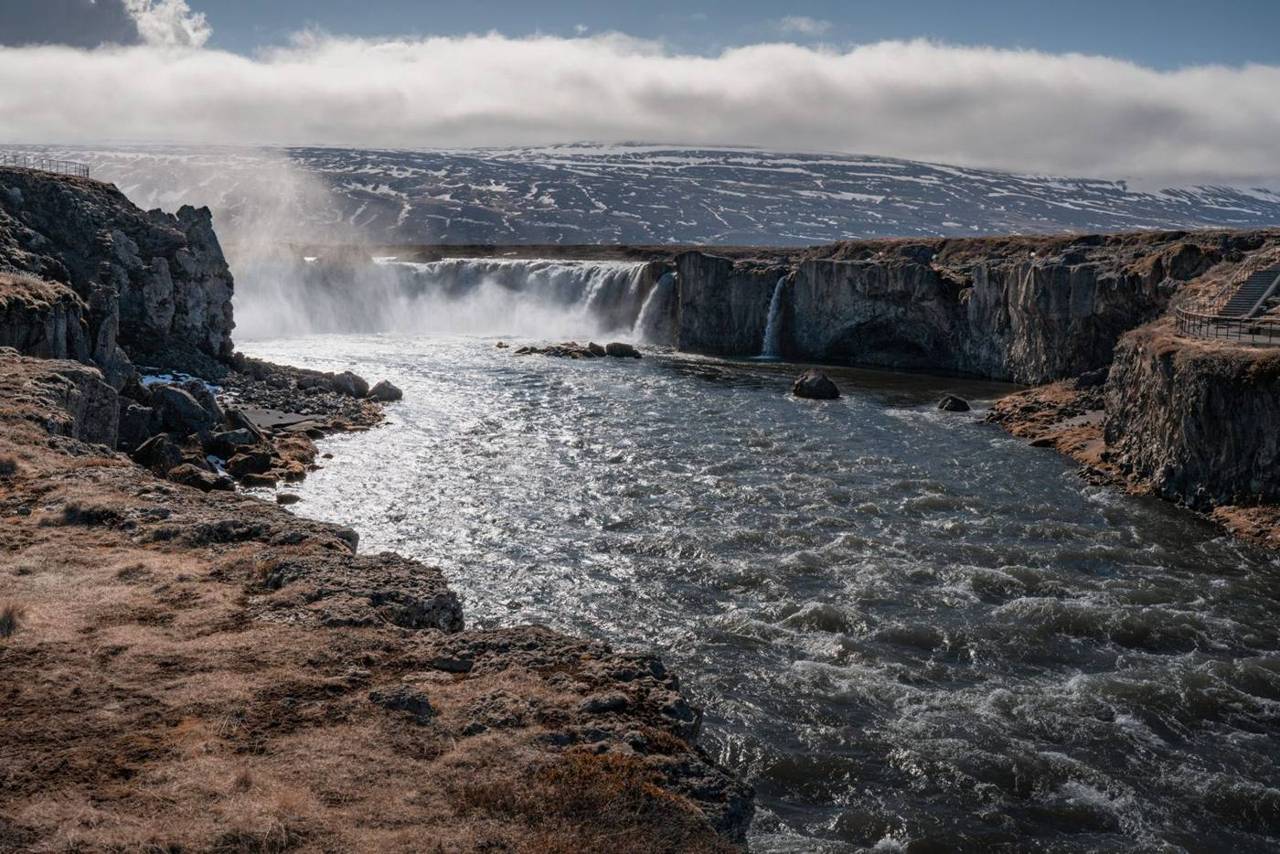
The whole island on the ring road: the south coast, the eastern fjords, Lake Mývatn, the whales of Húsavík and the Snæfellsnes peninsula.
 6 daysEasy
Northern lights in winter
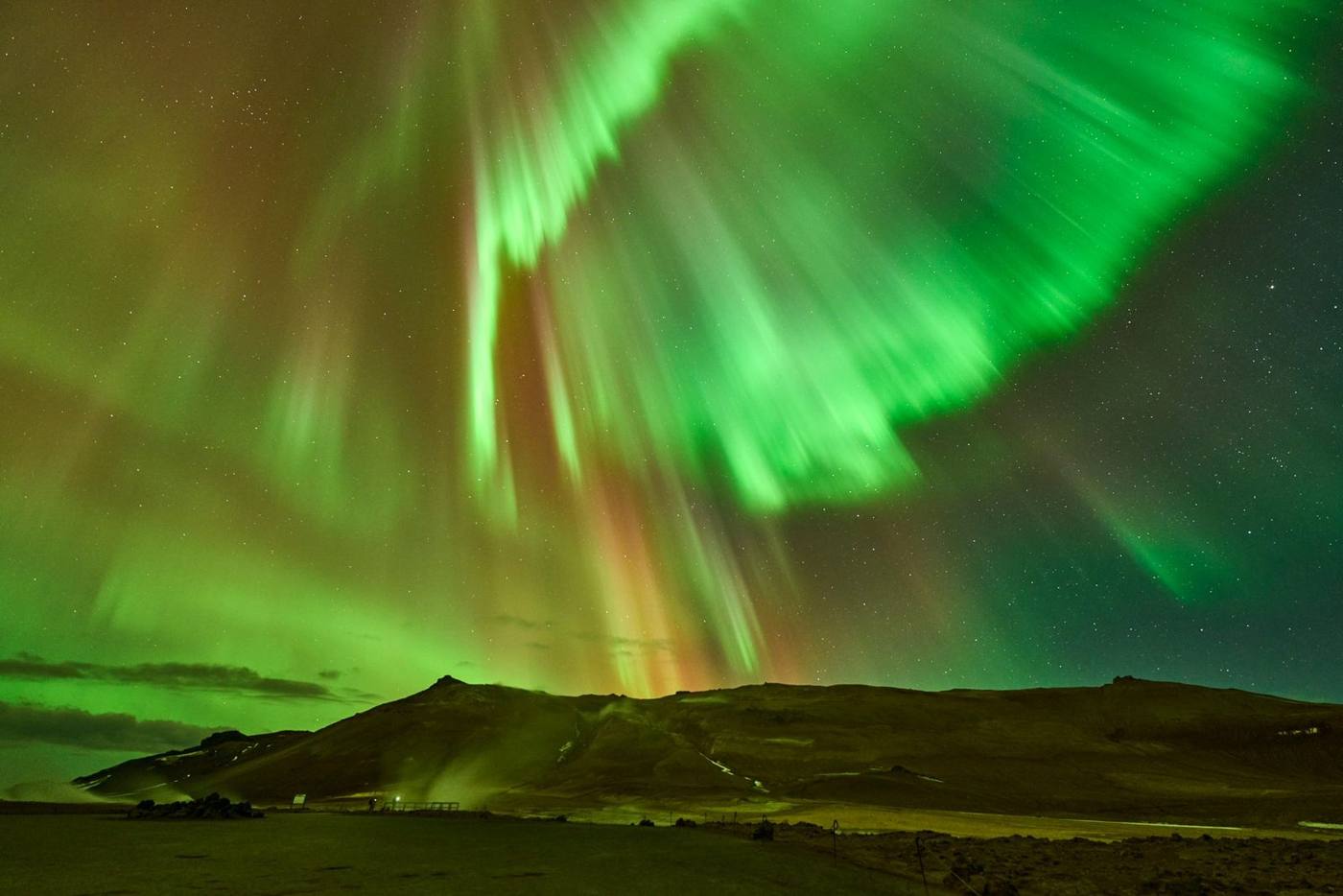
Hunting the aurora away from city lights, ice caves under Vatnajökull and frozen waterfalls on the south coast.
 8 daysChallenging
The Laugavegur trek
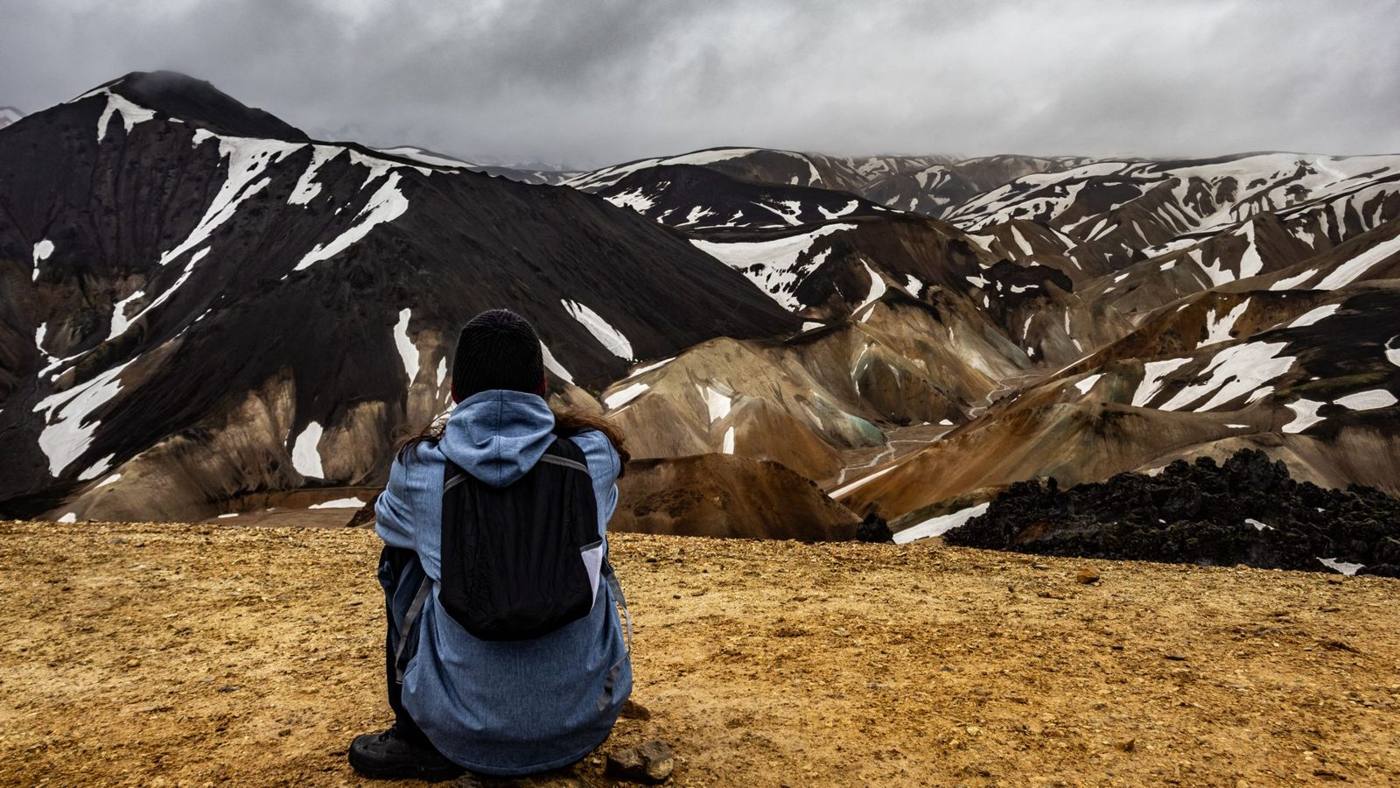
Four days on foot from Landmannalaugar to Þórsmörk among coloured rhyolite mountains, obsidian fields, glaciers and rivers to ford.