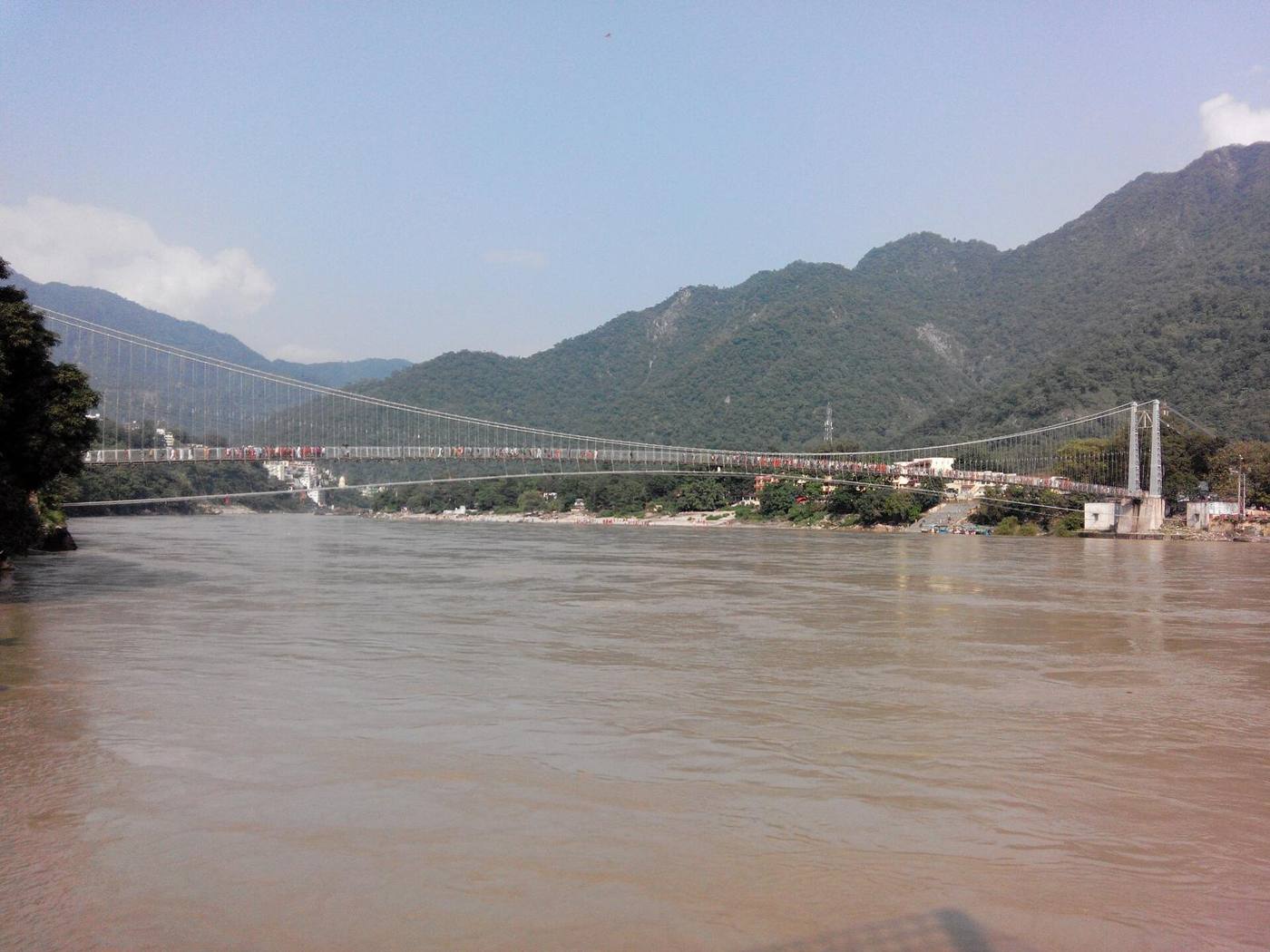
Along the Ganges, from the Himalaya to Varanasi
The sacred river from its source to the heart of Hinduism: Gangotri, Rishikesh and Haridwar, then Agra, the Prayagraj confluence and Varanasi.
- Delhi
- Rishikesh
- Uttarkashi
- Gangotri
- Haridwar
- Agra
- Prayagraj
- Varanasi
Day by day
- Day 1
Arrival in Delhi
This trip follows the Ganges, the sacred river of Hinduism, from its source to its spiritual heart. You climb into the Himalaya to Gangotri and the Gaumukh glacier, where the river is born, then come down to Rishikesh, the city of yoga, and to Haridwar, with its evening ceremony on the river. After a stop in Agra for the Taj Mahal, you continue to Prayagraj, where the Ganges meets the Yamuna, and end in Varanasi, among the ghats and the cremations. You travel by car with a driver, by train and with a final flight.
Before you go: Italian citizens need an electronic visa for India. The 30 day tourist visa costs 25 dollars from July to March and 10 dollars from April to June; it is applied for online before departure. Other nationalities should check their own rules. For the Gaumukh trail you also need a permit from Gangotri National Park, with a limited number of entries per day: apply in good time.
Safety: the mountain roads of Uttarakhand are prone to landslides and flash floods. In August 2025 a flood destroyed part of the village of Dharali, on the Gangotri road, and cut the road for weeks. Check the weather and road conditions every day. Check your government's travel advice before leaving.
You land at Delhi airport, in the capital. In the afternoon, if you have the energy, visit Gurudwara Bangla Sahib, the great Sikh temple of white marble with its golden dome, where the community kitchen serves a meal every day to anyone who comes in. Cover your head and take off your shoes.
Overnight in Delhi.
Practical tip: in India drink only sealed bottled water, avoid ice and choose cooked, hot dishes.
- Day 2
Road to Rishikesh
Today you leave Delhi heading north east, about six hours on the road, across the Ganges plain, with fields of sugar cane and wheat, brick kilns and crowded towns. Set off early to avoid the traffic leaving the city.
After Haridwar, which you will see properly later, the road enters the first forested foothills of the Himalaya. Here the Ganges comes out of the mountains: the water is still green and cold, and runs fast between the rocks.
In the afternoon you reach Rishikesh, a long, narrow town on both banks of the river, famous worldwide as the capital of yoga. There are dozens of ashrams, the centres where yoga and meditation are studied, temples, schools and travellers from every country. In 1968 the Beatles stayed here, and since then the town has become a goal for those seeking Indian spirituality. In the town, by religious tradition, the sale of meat and alcohol is banned.
At sunset, go down to Triveni Ghat, the great flight of steps on the river, for the Ganga aarti, the ceremony of light. Priests wave large brass lamps with flames, ring bells and chant, while worshippers set small leaf boats with flowers and a lit candle on the water. You can do it too.
Overnight in Rishikesh.
Practical tip: at the holy places of the Ganges dress modestly, with shoulders and knees covered, and take off your shoes before going down the steps of the ghats.
- Day 3
Towards Uttarkashi, in the Bhagirathi valley
Today you really enter the Himalaya. The road climbs from Rishikesh into the valleys of Uttarakhand, with hairpin bends, villages clinging to the slopes, terraced fields of rice and wheat, and pine forests. The journey takes about six or seven hours, with stops for tea and to take in the view.
You pass close to the great artificial lake of Tehri, created by one of the highest dams in India, and then go down into the valley of the Bhagirathi, the river that flows from the Gaumukh glacier. According to tradition, only further downstream, at Devprayag, where the Bhagirathi joins the Alaknanda, does the river take the name Ganges. For pilgrims, though, the Bhagirathi is already the goddess Ganga.
In the afternoon you reach Uttarkashi, a mountain town at about 1,100 metres, on the banks of the river. The name means "the Kashi of the north", that is the Varanasi of the mountains. Visit the Kashi Vishwanath temple, dedicated to Shiva, and, in the nearby temple of the goddess Shakti, a great ancient metal trident.
In the evening, walk along the river and watch the pilgrims getting ready to go up to Gangotri. Many come by coach from all over India for the pilgrimage to the four shrines of the Himalaya, the Char Dham.
Overnight in Uttarkashi.
Practical tip: on the mountain roads of Uttarakhand do not travel after sunset and choose a driver with experience of the area. If you suffer from car sickness, bring medicine from home.
- Day 4
Gangotri, the temple of the goddess Ganga
Today you climb to Gangotri, about a hundred kilometres away, in three or four hours on the road. The valley narrows, the river runs at the bottom of deep gorges and the mountains grow higher and snowier.
At Gangnani, stop at the hot springs, where pilgrims bathe before going on. Further up you cross Harsil, a village among meadows and apple orchards, in a wide valley ringed by peaks, one of the finest landscapes on the road.
You reach Gangotri, at about 3,100 metres, a small pilgrim village along the river. The Gangotri temple, of white stone, was built in the early nineteenth century and is dedicated to the goddess Ganga. According to legend, here King Bhagiratha prayed for a long time for the goddess to come down from heaven to earth, and Shiva caught the river in his hair to soften her fall. The temple opens in spring, between April and May, and closes after the Diwali festival, in autumn; in winter the statue of the goddess goes down to the village of Mukhba.
In the evening, attend the aarti in front of the temple, with bells and lamps, and then walk to the Surya Kund waterfall, where the river plunges into a narrow rock gorge.
Today, check your Gaumukh permit at the park office, if you have not already done so online.
Overnight in Gangotri.
Practical tip: at Gangotri you are already above 3,000 metres. Walk slowly, drink a lot and avoid alcohol: mountain sickness can strike here too.
- Day 5
Walk to Bhojbasa
Today you start the walk towards the source of the Ganges. Set off early, after the permit check at the entrance to Gangotri National Park, just above the village. The path climbs the Bhagirathi valley for about fourteen kilometres to Bhojbasa, at about 3,800 metres. It takes five or six hours of walking.
The climb is steady, with no difficult sections, but long. At first you walk through pine and birch woods, then the trees thin out. At Chirbasa, halfway, there is a pine wood where you can stop for tea. Further on the landscape becomes all rock and gravel, with the river grey with glacial silt below you.
Ahead of you, at the head of the valley, the three Bhagirathi peaks appear, over 6,400 metres high, and on the right Shivling, a mountain shaped like a spearhead, sacred to Shiva. On the slopes you may see bharal, the blue sheep of the Himalaya.
In some stretches the path crosses landslide zones, where stones can fall from above. Pass without stopping and follow your guide's instructions.
At Bhojbasa there are simple shelters and tent camps. The evening is cold, even in late spring.
Overnight in Bhojbasa.
Practical tip: bring a warm jacket, hat, gloves and a head torch. In high altitude shelters electricity is available for a few hours or not at all.
- Day 6
The Gaumukh glacier and the descent
Today is the day of the source. Leave Bhojbasa at dawn and walk for about four kilometres, an hour and a half or two, on a path of stones and moraine to the viewpoint over the Gaumukh glacier, at almost 4,000 metres.
Gaumukh means "cow's mouth": it is the snout of the great Gangotri glacier, a wall of ice dirty with stones, with a cave from which the cloudy water of the Bhagirathi flows. Here, for Hindus, the Ganges is born. Some pilgrims bathe in the icy water, others fill small bottles to take home. The glacier has been retreating for decades, and the snout changes shape every year: follow your guide's instructions and do not go too close, because blocks of ice and stones break off.
Stay a while in silence, watching the river being born in front of you. Think that from here the water will travel more than two thousand kilometres to the Bay of Bengal.
Then go back to Bhojbasa and down to Gangotri, on the same path. In all you walk about eighteen kilometres today, but almost all downhill. You will arrive tired in the afternoon.
In the evening, eat a hot meal and rest.
Overnight in Gangotri.
Practical tip: if at Bhojbasa or Gaumukh you have a bad headache, nausea or breathlessness at rest, do not go on. Go down at once: mountain sickness is only cured by losing height.
- Day 7
Down to Rishikesh
Today is a long day on the road, nine or ten hours, to come down from Gangotri to Rishikesh. Set off early and take your time over the stops, because the journey is long and the road narrow.
On the way down you see the landscape with new eyes: the apple orchards of Harsil, the deep gorges, villages of stone houses with slate roofs, women carrying bundles of grass for the animals on their heads. Along the road you will also see the works to widen the carriageway and the marks of landslides: this is the young mountain range of the Himalaya, still on the move.
Stop in Uttarkashi for lunch, with a simple thali of rice, lentils, vegetables and chapati, the thin bread cooked on a griddle. Then the road goes back past Tehri lake and down to the forested hills above Rishikesh.
You reach Rishikesh in the late afternoon, on the banks of the Ganges, which here is already wider and calmer. After the days in the mountains, the town will feel warm and full of life.
In the evening, stroll along the riverfront in the Swarg Ashram area, on the east bank, among temples, colourful statues of the gods, wandering cows and flower sellers. Many ashrams hold an aarti at sunset on the river steps, open to all.
Overnight in Rishikesh.
Practical tip: in Rishikesh do not swim in the Ganges away from the ghats with chains. The current is strong and the water very cold, and there are drownings every year.
- Day 8
Rishikesh and the evening in Haridwar
Early in the morning, join a yoga class at one of the town's many ashrams or schools. Many offer beginners' classes, even for a single day, with breathing exercises and meditation. Choose a place with reviews you can check and ask about costs first.
Then cross the river on Ram Jhula, a long metal suspension bridge that sways a little when motorbikes go by. Further upstream is Lakshman Jhula, the historic bridge, closed for years for safety reasons; next to it the Bajrang Setu has been built, a new bridge with a partly glass floor. Check prices and times.
Then visit the Beatles Ashram, the old meditation centre where the band stayed in 1968, now in ruins, inside the Rajaji tiger reserve. The walls are covered with colourful murals and the meditation domes look like stone eggs in the woods. Check prices and times.
In the afternoon, go to Haridwar, less than an hour away, one of the seven holy cities of Hinduism. At sunset, reach Har Ki Pauri, the holiest ghat, where Vishnu's footprint is said to be. Every evening thousands of worshippers gather for the Ganga aarti: the priests raise great lamps of fire, bells ring, and the river fills with floating lights. It is one of the most powerful ceremonies of the trip.
Overnight in Haridwar.
Practical tip: at Har Ki Pauri do not accept help from people asking for money for a ritual or to "look after" your shoes. Leave your shoes at the official shoe deposit.
- Day 9
Back to Delhi
In the morning, before leaving, go back to Har Ki Pauri to watch the pilgrims taking their ritual bath at dawn, holding on to the iron chains along the steps. Many bring the ashes of their loved ones to give to the river, or fill cans with Ganges water to take home.
If you have time, take the cable car to the Mansa Devi temple, on the hill above the town, dedicated to a goddess who grants wishes. Worshippers tie red threads to a sacred tree to ask for a blessing. From the top you see the Ganges divided into channels and the town spread along its banks. Check prices and times.
Then set off for Delhi, about five or six hours on the road, across the plain. You are back in the city in the afternoon.
In the evening, if you still have energy, walk around Connaught Place, the great circular centre built by the British in the 1930s, with white colonnades and a park in the middle. Or rest and pack for the days on the plains: from tomorrow the weather will be hot.
Dinner is a good time to try the food of the Punjab, very common in Delhi: paneer, fresh cheese in a spinach or tomato sauce, chole, spiced chickpeas, and naan.
Overnight in Delhi.
Practical tip: book Indian trains well ahead on the official railway website or through an agency, because the air conditioned classes fill up early.
- Day 10
Agra and the Taj Mahal
Today take one of the fast morning trains from Delhi to Agra, which in less than two hours bring you to the banks of the Yamuna, the great tributary of the Ganges. The Taj Mahal is closed on Fridays: plan your trip accordingly.
Go straight to the Taj Mahal, the white marble mausoleum built by the Mughal emperor Shah Jahan for his wife Mumtaz Mahal, who died in 1631. The work lasted about twenty years. You enter through the great red sandstone gate and suddenly you see it, at the end of the garden with its water channels, with the dome and the four minarets. As you come closer, you discover the decoration: flowers of semi precious stones inlaid in the marble and verses of the Koran written in black marble. The Taj is a UNESCO World Heritage Site. Check prices and times.
In the afternoon, visit Agra Fort, also a UNESCO World Heritage Site, the great red sandstone fortress of the Mughals. Here Shah Jahan spent his last years as his son's prisoner, looking at the Taj from a marble tower. Check prices and times.
At sunset, cross the river to the Mehtab Bagh garden, from where you see the Taj from the other bank, pink and then grey in the evening light, reflected in the water. Check prices and times.
Overnight in Agra.
Practical tip: at the Taj Mahal bring the bare minimum: food, tripods and many other items are not allowed. Buy your ticket online and arrive at opening time, to avoid the crowds and the heat.
- Day 11
By train to Prayagraj
In the morning, if you like, go back to the Taj Mahal to see it at dawn, with pink light on the marble and fewer people. Or visit the tomb of Itimad ud Daulah, called the "Baby Taj", on the opposite bank of the Yamuna, with white marble walls covered in coloured inlay. Check prices and times.
Then take the train to Prayagraj. The journey is long, many hours, across the great plain of northern India, flat and farmed to the horizon, with brick villages, wells, buffaloes in the water and crowded stations.
The Indian train is an experience in itself: tea sellers passing by calling "chai, chai", families sharing food with their neighbours, curious students asking where you come from. Choose an air conditioned class, comfortable and quiet, and bring water, fruit and something to read.
You reach Prayagraj in the evening. The city, which until 2018 was called Allahabad, is one of the oldest and holiest in India, and an important university centre. Every twelve years it hosts the Kumbh Mela, the largest religious gathering in the world, with tens of millions of pilgrims; the last great Kumbh took place in 2025.
Overnight in Prayagraj, for two nights.
Practical tip: on the train always keep your luggage and documents close and lock your rucksack with a small chain, especially at night.
- Day 12
The Sangam, where the Ganges and the Yamuna meet
Set off at dawn for the Sangam, the sacred confluence east of the city. On the sandy bank the boatmen wait for pilgrims. Get into a rowing boat and have them take you to the exact point where the two rivers meet.
Here you can clearly see the difference: the Ganges is paler and muddier, the Yamuna greener and darker, and for a stretch the two waters flow side by side before mixing. According to tradition, a third invisible river, the Saraswati, also joins here, which is why the place is called Triveni Sangam, the confluence of the three rivers. Pilgrims bathe from wooden platforms in the middle of the river, and gulls arrive by the hundred to catch the food thrown from the boats.
Back on shore, look from outside at the walls of Allahabad Fort, built by the emperor Akbar in the sixteenth century right above the confluence. Inside you can visit the underground temple with the sacred tree of Akshayavat, the immortal fig of the legends. Check prices and times.
In the afternoon, visit Anand Bhawan, the Nehru family home, now a museum, where Jawaharlal Nehru, the first prime minister of independent India, and his daughter Indira Gandhi grew up. Check prices and times. Then walk in the Khusro Bagh garden, with its Mughal tombs among the trees.
Overnight in Prayagraj.
Practical tip: always agree the price of the boat before you get in and make clear whether it includes the return trip.
- Day 13
Arrival in Varanasi and the first aarti
Today you reach Varanasi, about three hours away by road or train. Varanasi, also called Kashi or Benares, is the holiest city of Hinduism and one of the oldest inhabited cities in the world. For Hindus, dying here and having your ashes given to the Ganges means freedom from the cycle of rebirth.
The old city stretches along the west bank of the river, with about eighty ghats, the stone steps leading down into the water, and behind them a maze of very narrow lanes, where a person and a cow can barely pass. Cars cannot enter: you do the last stretch on foot or by rickshaw, and someone will help you with your bags.
In the afternoon, walk along the ghats, from one to the next, without hurrying. You will see men bathing and praying, women washing clothes, sadhus, the ascetics with bodies covered in ash, children playing cricket and wrestlers training.
At sunset, go to Dashashwamedh Ghat, the main ghat, for the great Ganga aarti. On platforms in a row, young priests dressed in saffron and gold move great multi tiered lamps of fire, conch shells and fans in unison, amid chants, bells and incense. You can watch it from the steps or from a boat on the river.
Overnight in Varanasi, for three nights.
Practical tip: in Varanasi politely refuse the "guides" who approach you in the street and choose an authorised guide. Be wary of anyone who takes you to silk shops.
- Day 14
A boat at dawn and the cremation ghats
Get up before dawn and go down to the river. In a rowing boat you glide along the ghats as the sun rises over the flat, sandy east bank and lights up the palaces, temples and steps of the city in orange. It is the finest moment in Varanasi: pilgrims step into the water, offer water to the sun with joined hands, and priests sit under great straw umbrellas.
From the boat you see from a distance Manikarnika Ghat, the main cremation ghat, where the fires burn day and night. Families carry the bodies wrapped in coloured cloth on bamboo stretchers, dip them in the Ganges and lay them on the wooden pyres. It is a place of holiness and grief: never take photos or videos of the cremations, and watch with respect.
After breakfast, walk through the lanes of the old city, among tiny temples, flower sellers, silk workshops and the famous milk sweets. Taste a thick lassi in a clay bowl.
Then visit the Kashi Vishwanath temple, the golden temple dedicated to Shiva, one of the most revered in India, now linked to the river by a great stone corridor. Security checks are strict: phones and bags must be left outside. Check prices and times.
In the evening, go back to the ghats for another aarti, or simply to sit on the steps and watch the river.
Overnight in Varanasi.
Practical tip: do not drink or bathe in the water of the Ganges at Varanasi: it is heavily polluted. Wash your hands after touching offerings or steps.
- Day 15
Sarnath and the morning aarti at Assi
Early in the morning, go to Assi Ghat, the southernmost ghat of the city, where every day at dawn an aarti is held with Indian classical music, chants and yoga by the river. It is more intimate and peaceful than the evening one.
Then go to Sarnath, about twenty minutes by car north of the city. Here, according to Buddhist tradition, the Buddha gave his first sermon after his enlightenment, to his first five disciples, in the deer park. It is one of the four holiest places of Buddhism.
Visit the Dhamek Stupa, a great tower of brick and stone over forty metres high, decorated with floral patterns, around which pilgrims from Tibet, Thailand and Sri Lanka walk in prayer. Around it are the ruins of ancient monasteries and the stump of a column raised by the emperor Ashoka. The archaeological museum holds the Lion Capital of Ashoka, with four lions back to back, which is today the emblem of the Indian state. Check prices and times.
In the afternoon, return to Varanasi and rest. At sunset, take a last walk along the ghats, or a second boat trip to see the floating lamps on the water.
In the evening, taste the food of Varanasi: kachori sabzi, stuffed fritters with potato curry, and paan, the filled betel leaf, chewed after dinner.
Overnight in Varanasi.
Practical tip: in Sarnath the Buddhist temples are places of prayer. Speak quietly and walk around the stupas clockwise.
- Day 16
Flight to Delhi
Today you leave Varanasi. In the morning, if your flight is late, take a last walk in the lanes or along the ghats, and say goodbye to the river you have followed for two weeks. Then go to the airport, about an hour from the old city, and take the flight to Delhi, about an hour and a half.
In the afternoon, in Delhi, visit the Qutub Minar, in the south of the city, the red sandstone minaret more than seventy metres high, built in the early thirteenth century by the first sultans of Delhi, a UNESCO World Heritage Site. Around it are the ruins of the city's first mosque and an ancient iron pillar that has not rusted for centuries. Check prices and times.
Or, if you prefer a quieter place, visit Humayun's Tomb, with its marble dome and garden divided by water channels, which was a model for the Taj Mahal you saw in Agra. Check prices and times.
In the evening, have your last dinner in India. Try butter chicken, born in Delhi itself, or a vegetarian dish from the south, such as dosa. Buy Darjeeling tea or spices to take home in a covered market.
Then go back to your hotel and pack your case.
Overnight in Delhi.
Practical tip: if you take Ganges water home in a bottle, seal it well and put it in your checked luggage, because liquids are limited in hand luggage.
- Day 17
Departure
Today is the day you fly home. Get to Delhi airport well in advance: traffic is often slow and you need your ticket and passport just to enter the terminal.
Looking back on the trip, you have followed the Ganges almost from its beginning to its holiest city. You saw the Bhagirathi valley and the Gangotri temple, and walked to Bhojbasa and the Gaumukh glacier, where the river is born. Then you came down to Rishikesh, among the ashrams, the yoga and the suspension bridges, and saw the aarti of Haridwar at Har Ki Pauri. In Agra you saw the Taj Mahal, in Prayagraj the meeting of the Ganges and the Yamuna, and in Varanasi the ghats at dawn, the pyres of Manikarnika and the peace of Sarnath.
When to go: from May to June and from September to October. The Himalayan part can only be done in these months: in winter Gangotri is closed by snow, and in July and August the monsoon brings landslides that often block the mountain roads. Bear in mind that in May and June the Ganges plain, at Agra, Prayagraj and Varanasi, is very hot, often over forty degrees: visit in the early hours and in the evening. September and October are milder, with the countryside green after the rains.
Practical tip: if after you get home you have a fever or stomach problems that last, see a doctor and tell them you have been in India.
A spiritual journey more than a tourist one, the most intense of the Indian trips. The Himalayan part only works in May-June and September-October: in winter Gangotri is closed by snow, in summer monsoon landslides block the roads. Many hours on mountain roads.
Before you go
- Documents and visa
- Passport with at least six months' validity and two blank pages, plus an electronic tourist visa from the official Indian government website: 30 days for 25 dollars from July to March, 10 dollars from April to June.
- Health and vaccines
- No compulsory vaccines arriving from Europe; ask your doctor about hepatitis A, typhoid and malaria depending on the area. Drink only sealed bottled water. Emergencies: 112.
- Money and payments
- Indian rupee. Cards and digital payments are common in cities; markets, villages and rickshaws need cash.
- Power sockets
- Types C, D and M, 230 volts: a universal adapter is useful.
- Time zone
- UTC+5:30 all year: India does not use daylight saving time.
- Safety
- The United States rates India level 2, with level 4 for Jammu and Kashmir (except Ladakh), Manipur and the 10 km strip along the Pakistani border. Official advice: GOV.UK.
Information checked in November 2026 for Italian and EU citizens. Rules change: always check before you travel.
Variations
In 10 days: Delhi, Rishikesh and Haridwar, then Agra and three days in Varanasi, without the Himalayan section of Gangotri and Gaumukh.
In 21 days: add the Kedarnath shrine or the Devprayag confluence in the mountains, and Bodh Gaya, where the Buddha reached enlightenment, on the plains.
Frequently asked questions
Do you need a permit to reach Gaumukh?
Yes. The trail from Gangotri to Gaumukh lies inside Gangotri National Park and you need a permit, with a limited number of people per day. You apply online or at the forest office, in Uttarkashi or Gangotri. The park opens in spring and closes in late autumn: check prices and times.
How tiring is the walk to Gaumukh?
The path has no technical sections, but it is long: about fourteen kilometres to Bhojbasa and another four to the viewpoint over the glacier, at almost 4,000 metres. You need good fitness and care about mountain sickness. Those who do not feel up to it can stay in Gangotri and take short walks.
Can you bathe in the Ganges?
Pilgrims do so at many ghats, but it is not advised for travellers. In the mountains the current is strong and the water icy; in Varanasi the water is heavily polluted. If you want to join a ritual, wet only your hands and forehead, and wash well afterwards.
Indicative itinerary written by World Atlas. Before booking, check timetables, seasonal openings, documents and safety.
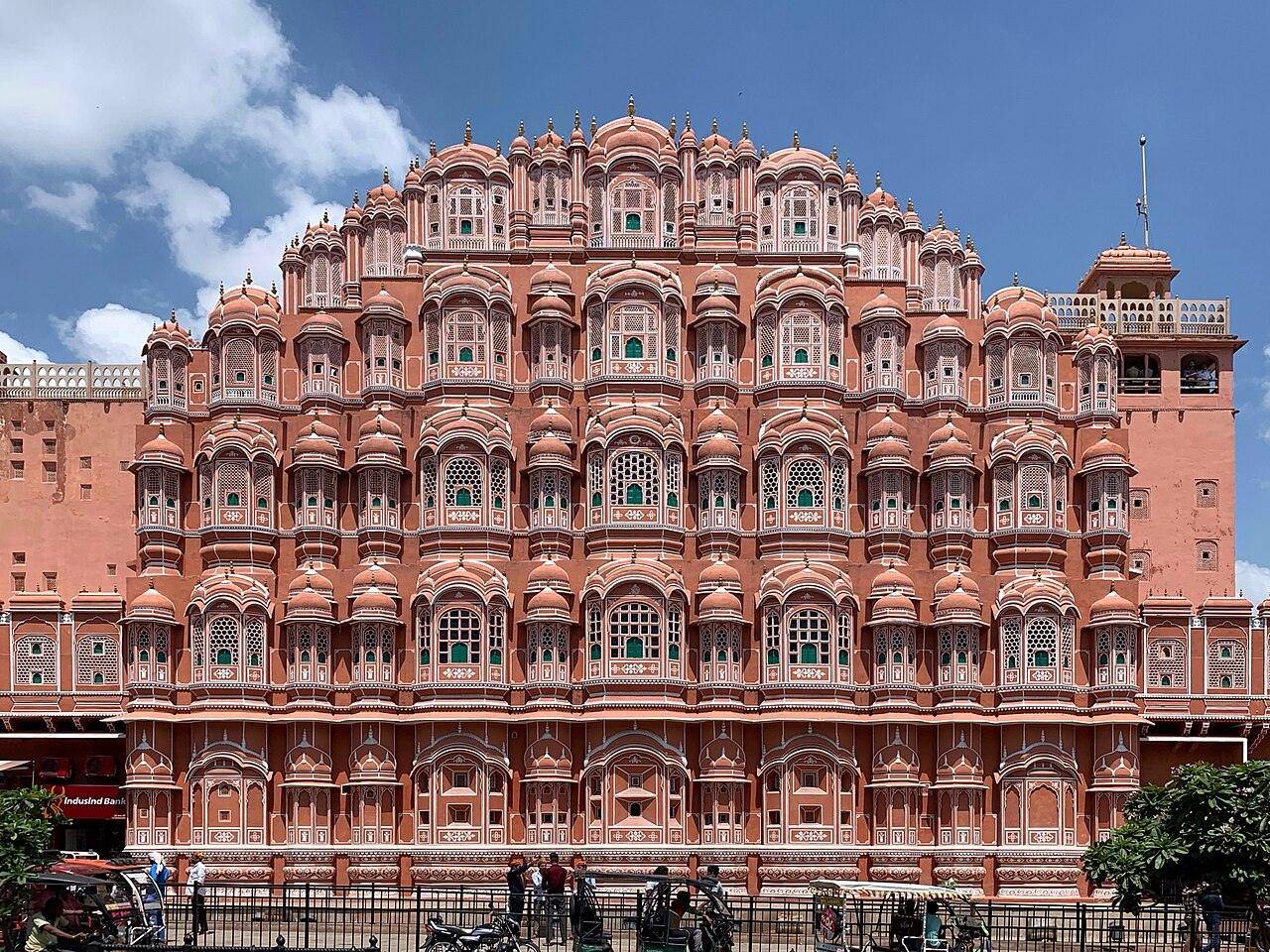 7 daysEasy
The Golden Triangle: Delhi, Agra and Jaipur
A first time in India: the Taj Mahal at dawn, the forts of Rajasthan and the life of Old Delhi, in one week.
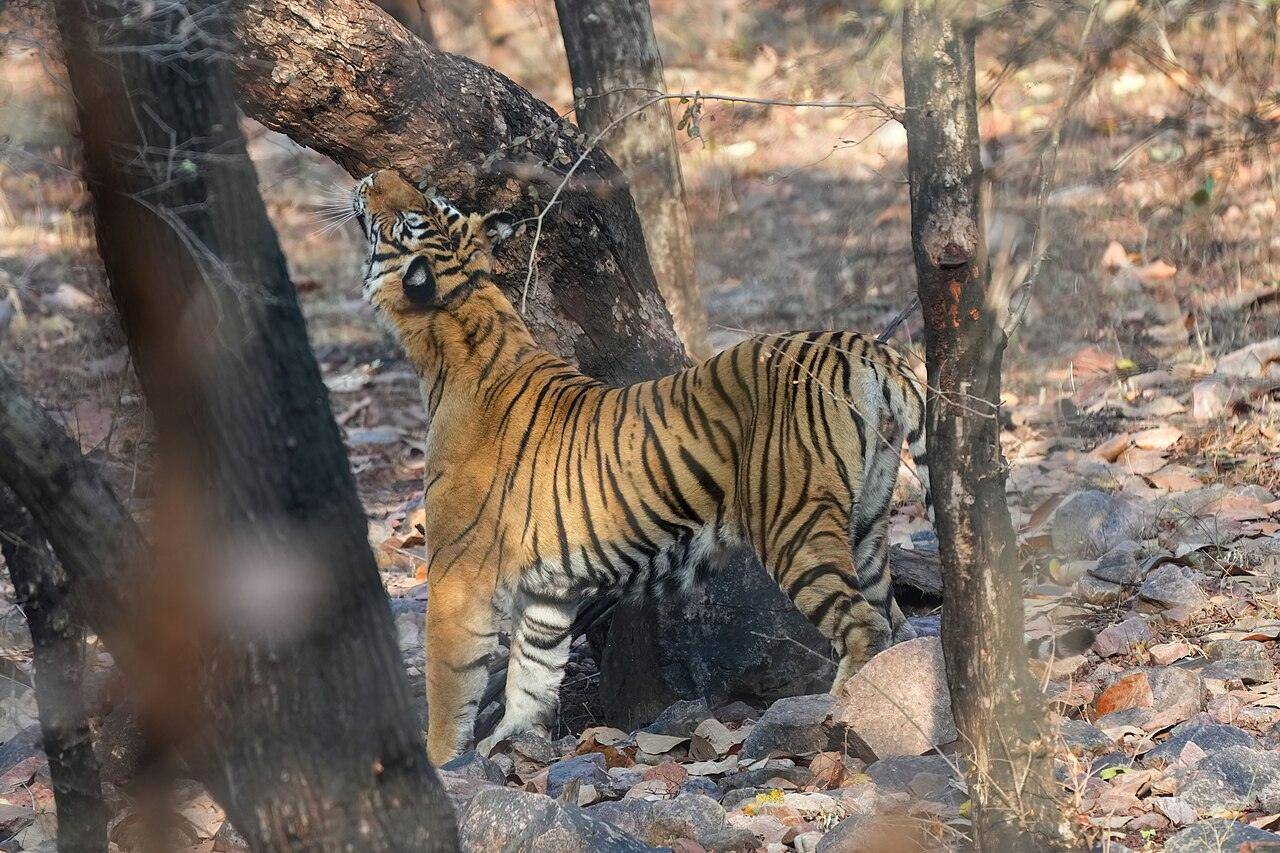 15 daysModerate
Rajasthan and the tigers of Ranthambore
Palaces, desert and safari: from the Taj Mahal to the blue and golden cities of Rajasthan, with two days in tiger country.
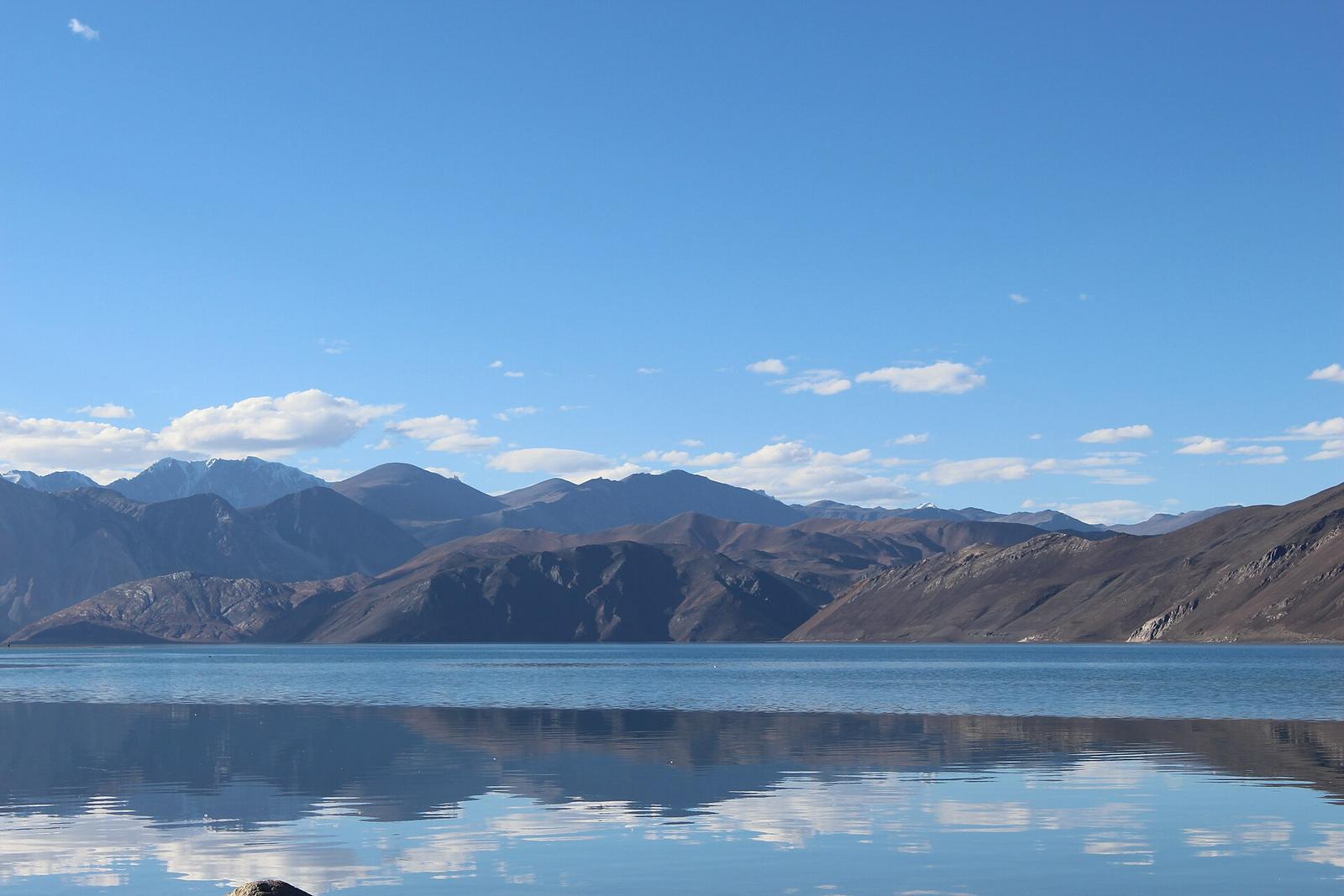 16 daysModerate
Ladakh, Little Tibet
Buddhist monasteries clinging to the rocks, the Nubra valley with its two-humped camels and Pangong lake at 4,300 metres.