Gujarat: the Rann of Kutch and the lions of Gir
The less-travelled India of the west: the old city of Ahmedabad (UNESCO World Heritage), the Rani ki Vav stepwell and the sun temple of Modhera, the craft villages of Kutch and the white salt desert of the Great Rann, ending with the last Asiatic lions in the Gir forest.
- Ahmedabad
- Modhera
- Patan
- Bhuj
- Dhordo
- Sasan Gir
Day by day
- Day 1
Ahmedabad: the pols of the old city
This trip crosses Gujarat, the state of western India on the Arabian Sea: an old city listed by UNESCO, carved temples and stepwells, the craft villages of Kutch, the white salt desert of the Great Rann and Gir park, the only place in the world where Asiatic lions live in the wild.
Before you leave: you need the Indian e-visa, which costs 25 dollars from July to March and 10 dollars from April to June. The United States government rates India at level 2 of 4 and advises against going within 10 kilometres of the border with Pakistan: this itinerary stays away from the border.
You arrive in Ahmedabad, the largest city in Gujarat. In the morning, after some rest, take a guided walk through the pols of the old city, neighbourhoods closed by a gate where families of the same caste or trade lived. You walk past houses of carved wood, small Jain and Hindu temples, hidden courtyards and chabutros, the little towers for feeding birds. Ahmedabad was the first Indian city listed by UNESCO, in 2017.
In the evening go to Manek Chowk, the old market square that turns into a large street food market at night.
Sleep in Ahmedabad.
Practical tip: Gujarat is a state where alcohol is prohibited. Foreigners can apply for a permit: check the current rules.
- Day 2
Gandhi's ashram, Sidi Saiyyed and the Adalaj stepwell
In the morning visit Sabarmati Ashram, on the river bank, where Gandhi lived from 1917 to 1930. From here, in 1930, he set out on the salt march, the protest walk against the British salt tax that became one of the decisive moments of the struggle for independence. The small museum tells his life with photographs and letters, and you see the simple room where he lived, with his spinning wheel. It is a calm place under the trees.
Then go to the Sidi Saiyyed mosque, in the centre, built at the end of the sixteenth century. It is famous for its pierced stone windows, the best known of which shows a tree with intertwined branches: it has become one of the symbols of the city. Cover your shoulders and legs.
In the afternoon drive north of the city to the Adalaj stepwell, about half an hour away, built at the end of the fifteenth century. You go down five storeys underground, between columns and walls carved with flowers, animals and figures. The well provided water all year and was also a cool place to rest during the hot season.
In the evening try a Gujarati thali, a large platter with many vegetarian tastes, sweet and savoury together.
Sleep in Ahmedabad.
Practical tip: the best period is from November to February. From April to June the heat is extreme.
- Day 3
The Modhera sun temple and Rani ki Vav at Patan
Today you leave Ahmedabad in a car with a driver, the most comfortable way to travel on this trip. In about two hours you reach Modhera, home of the sun temple built at the start of the eleventh century by the Solanki dynasty. In front of the temple lies a large tank with steps arranged like pyramids and dozens of small shrines. The walls are covered with sculptures. The temple is aligned so that, on the equinoxes, the first sunlight reaches the heart of the sanctuary.
Then continue to Patan, about half an hour away. Here stands Rani ki Vav, the queen's stepwell, a UNESCO site since 2014. It is a huge stepwell dug on seven levels and decorated with hundreds of sculptures of gods, especially the incarnations of Vishnu. It stayed buried under silt for centuries, which is why the sculptures are well preserved.
Patan is where patola is woven, a double ikat silk: the warp and weft threads are dyed before weaving, so the pattern looks the same on both sides. A single sari can take months of work. Some weaving families open their homes to visitors.
In the afternoon return towards Ahmedabad or sleep near Patan to shorten tomorrow's drive.
Practical tip: temples and stepwells open with daylight. Arriving early means less heat and fewer people.
- Day 4
Towards Bhuj, the gateway to Kutch
Today is a driving day: from Patan to Bhuj takes about six hours, across the plain and the Little Rann, a flat expanse of salt and mud where the Indian wild ass lives. If you prefer, you can fly to Bhuj from Ahmedabad or Mumbai, as it has a small airport.
Kutch is the largest region of Gujarat, almost an island between the sea, the Great Rann and the Little Rann. Many communities of herders and craftspeople live here, each with its own clothes, embroidery and jewellery.
In the afternoon visit central Bhuj. The Aina Mahal, the palace of mirrors, was built in the eighteenth century with rooms decorated with mirrors, tiles and European clocks. Next to it stands the Prag Mahal, a nineteenth century palace in Italian Gothic style, with a clock tower overlooking the city. Both were damaged by the earthquake of 26 January 2001, which destroyed much of the old city: some rooms are closed, so check what is open.
Hamirsar lake, in the middle of the city, is lovely at sunset.
In the evening try Kutchi cooking, simpler than in Ahmedabad: millet bread, vegetables, yoghurt and dabeli, a spiced bun born in this region.
Sleep in Bhuj.
Practical tip: Bhuj also has small museums about Kutchi textiles. If you are interested, visit one before the villages.
- Day 5
The craft villages of Kutch
Today you visit the craft villages around Bhuj, which are the real heart of the trip. It is best to go with a local guide or a driver who knows the families, because the workshops are often private homes.
The first village is Bhujodi, a few kilometres from Bhuj, where weaving families work wool and cotton on wooden looms. Then go to Ajrakhpur, the village founded after the 2001 earthquake by the masters of ajrakh, a woodblock print on cotton with natural colours, indigo and red, repeated through many stages of washing and dyeing. You see the vats, the carved blocks and the cloth drying in the sun.
In the afternoon head north towards Nirona. Here craftsmen make copper bells, beaten by hand and fired with clay, and one family still practises rogan painting, with a paste of castor oil spread on cloth with a small metal stick.
Along the road you pass villages with bhungas, the round mud houses with thatched roofs, decorated inside with small mirrors and white patterns. They are built to withstand earthquakes and heat.
Buy directly from the craftspeople: the price is fair and the money stays with those who do the work.
Sleep in Bhuj or in a village on the road to Dhordo.
Practical tip: always ask before photographing people, especially women.
- Day 6
Dhordo and the white desert of the Great Rann
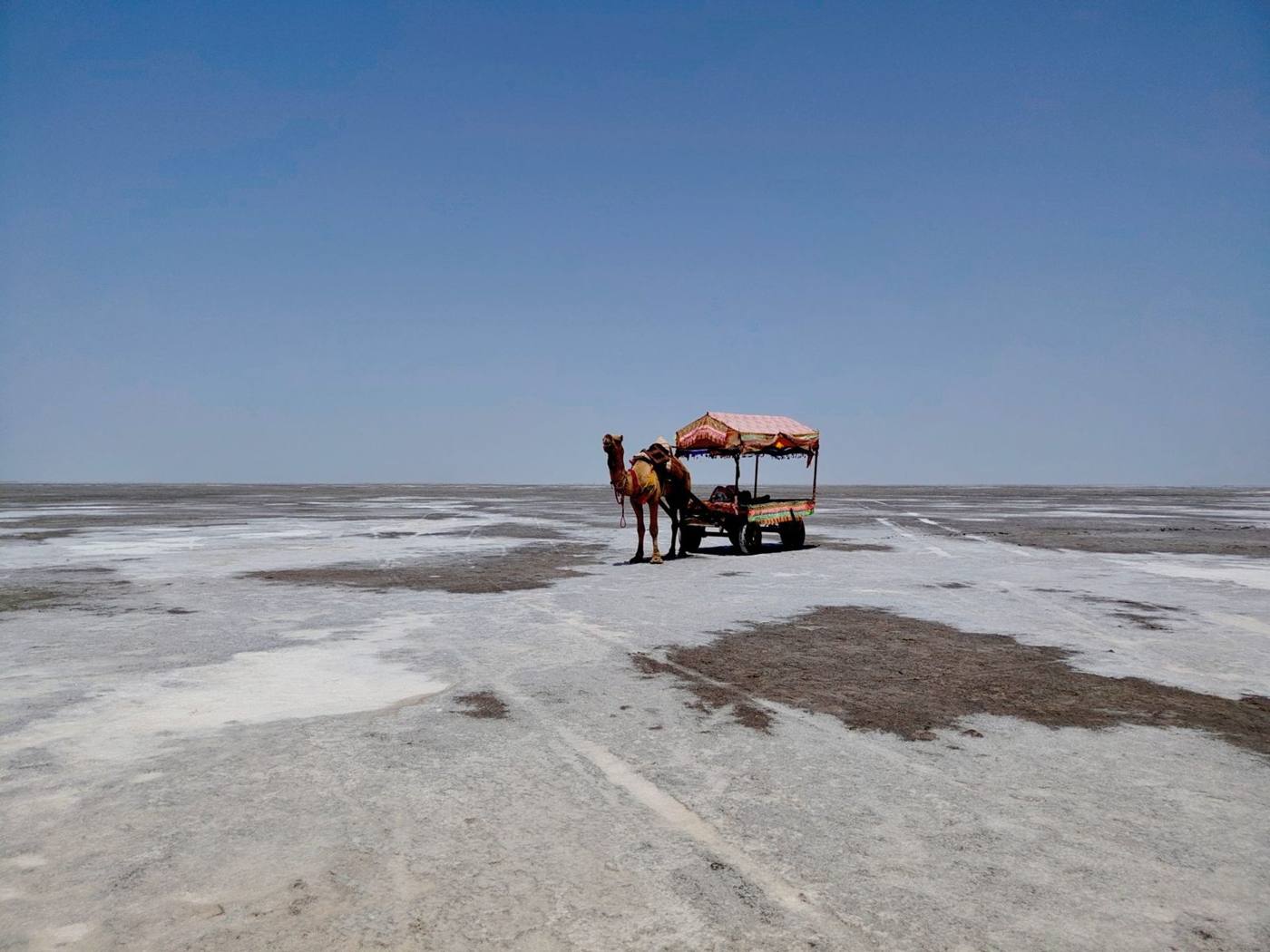
Today you go to Dhordo, about an hour and a half north of Bhuj, on the edge of the Great Rann of Kutch. The Rann is an immense expanse of salt: during the monsoon it floods, then the water evaporates and leaves a white crust stretching to the horizon. From November to February the crust is driest and whitest.
To enter the white desert you need a permit, requested online or at the checkpoint along the road: check the current rules and bring your passport. The area is close to the border with Pakistan: stay only in the areas open to tourists and follow the signs.
In the morning visit the village of Hodka or Ludiya, with painted bhunga houses and the work of the embroiderers.
In the afternoon go out onto the white expanse and wait for sunset, when the salt turns pink and then blue. If there is a full moon, come back in the evening: in the moonlight the desert looks covered in snow. It is the finest moment of the trip.
The Rann Utsav, the desert festival with its tent village, music and crafts, runs from 1 November 2026 to 7 March 2027. During that time there are more people and accommodation should be booked early.
Sleep in Dhordo, in the festival tents or in a bhunga.
Practical tip: nights in the desert are cold, even when the day is hot. Bring a sweater and a jacket.
- Day 7
The long drive to Sasan Gir
Today is the longest day on the road: from Dhordo to Sasan Gir is about four hundred and fifty kilometres, and with lorries and towns it takes nine or ten hours. Leave early, after a hot tea.
The road crosses Kutch, passes the port area of Kandla and then enters Saurashtra, the central peninsula of Gujarat, with fields of cotton, groundnuts and cumin. Stop halfway for lunch at a dhaba, a roadside eatery, with dal, vegetables and freshly made roti.
If you prefer to split the journey, spend a night in Rajkot, the city where Gandhi spent his childhood: you can visit his family house, now a small museum. In that case the Gir safari starts the following day.
In the afternoon you reach Sasan Gir, a small village on the edge of the forest. Gir National Park and Sanctuary is a dry forest of teak and acacia, with hills, rivers and ponds. Besides lions there are leopards, deer, nilgai antelopes, crocodiles and many birds.
In the evening rest. Around the village there are mango orchards: the kesar variety from this area is famous throughout India, but it ripens in spring.
Sleep in Sasan Gir.
Practical tip: if the driver goes too fast, ask him to slow down. Indian roads are dangerous and there is no hurry.
- Day 8
Safari in Gir park
Today you do two safaris in Gir park, one at dawn and one in the afternoon. Asiatic lions are a subspecies slightly smaller than the African lion, with a fold of skin along the belly and a shorter mane. They once lived from Greece to India; at the start of the twentieth century only a few dozen were left, all here. Thanks to protection there are now several hundred, living in Gir and the surrounding areas.
Safaris are done in a jeep with a driver and a forest department guide, on routes assigned at random. Permits are limited and are booked online on the official website of the Gujarat forest department: book as soon as you have your dates, because at weekends and during Indian holidays they sell out quickly. Check the fees and bring the passport used for the booking.
Lions are often seen early in the morning, when they move or rest along the tracks. Seeing them is not guaranteed: one safari can end without lions and the next can show you three. Look also for leopards in the trees and crocodiles in Kamleshwar lake.
The park is usually closed during the monsoon, from mid June to mid October: check the official dates.
In the middle of the day rest at your lodging, because it is hot and the animals hide.
Sleep in Sasan Gir.
Practical tip: wear neutral colours and bring a scarf against the dust of the tracks.
- Day 9
Last safari and return from Rajkot or Ahmedabad
If you found a permit, do a last safari at dawn. Otherwise visit the Devalia interpretation zone, a fenced area inside the forest where you see lions and other animals on a minibus tour. It is not a real safari, but it is a good alternative if the park permits have sold out. Check the opening days.
After breakfast leave for the airport. Rajkot is about three and a half hours by road and has flights to Mumbai and Delhi. Ahmedabad is further, about seven hours, but has more flights, including international ones.
If you have an extra day, go to Somnath, on the coast about an hour from Sasan Gir. The Somnath temple, dedicated to Shiva, is one of the most sacred in India: it has been destroyed and rebuilt many times, most recently after independence. In the evening there is a sound and light show by the sea. Another option is Junagadh, an hour away, with Girnar hill and its Jain temples, reached by thousands of steps or by cable car.
This trip shows a different India from the best known one: fewer famous monuments, but more living craft, open landscapes and protected nature that has saved a species.
Practical tip: always carry a copy of your visa and passport. Hotels and parks often ask for them.
For those who have already seen Rajasthan and want an authentic, craft-rich India. The Rann Utsav festival with its tent city at Dhordo runs from 1 November 2026 to 7 March 2027, and full-moon nights are the most sought after. The white desert requires a permit, available online or at the checkpoint. Gir safaris are booked on the official website and the park closes during the rains. Gujarat has alcohol prohibition.
Before you go
- Documents and visa
- Passport with at least six months' validity and two blank pages, plus an electronic tourist visa from the official Indian government website: 30 days for 25 dollars from July to March, 10 dollars from April to June.
- Health and vaccines
- No compulsory vaccines arriving from Europe; ask your doctor about hepatitis A, typhoid and malaria depending on the area. Drink only sealed bottled water. Emergencies: 112.
- Money and payments
- Indian rupee. Cards and digital payments are common in cities; markets, villages and rickshaws need cash.
- Power sockets
- Types C, D and M, 230 volts: a universal adapter is useful.
- Time zone
- UTC+5:30 all year: India does not use daylight saving time.
- Safety
- The United States rates India level 2, with level 4 for Jammu and Kashmir (except Ladakh), Manipur and the 10 km strip along the Pakistani border. Official advice: GOV.UK.
Information checked in November 2026 for Italian and EU citizens. Rules change: always check before you travel.
Variations
In 6 days: Ahmedabad, Bhuj and the Rann, without Gir, flying back from Bhuj.
In 12 days: add Somnath, Junagadh and the coast of Diu.
Frequently asked questions
Do I need a visa?
Yes, the Indian e-visa, which costs 25 dollars from July to March and 10 dollars from April to June. Apply online on the official website.
When is the best time to go?
From November to February, with the white desert dry and mild temperatures. Gir park is usually closed from mid June to mid October: check the dates.
Is it safe?
The United States rates India at level 2 of 4 and advises against the 10 kilometres next to the border with Pakistan. In the Rann stay only in the areas open to tourists, with your permit.
Indicative itinerary written by World Atlas. Before booking, check timetables, seasonal openings, documents and safety.
 6 daysEasy
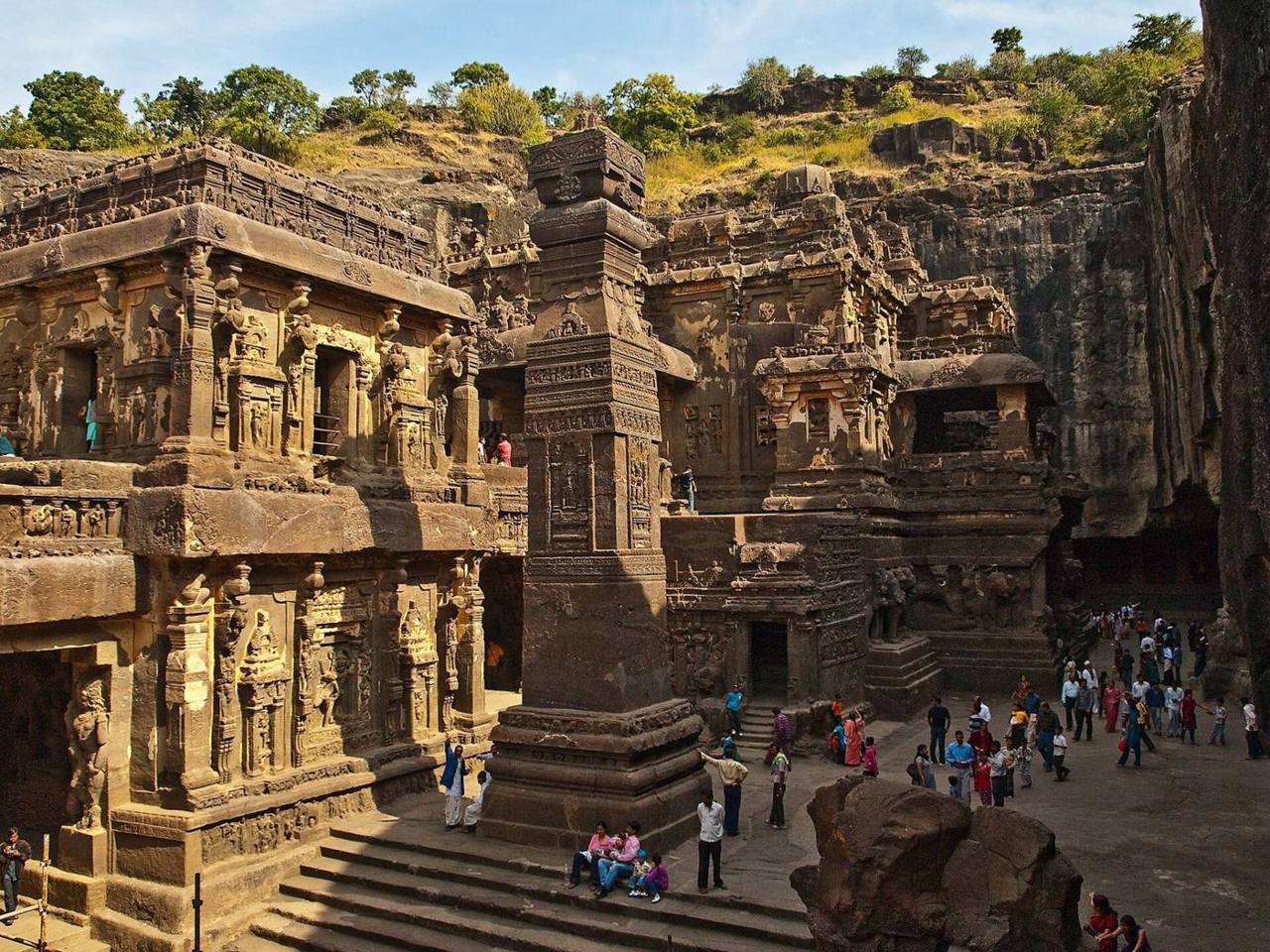
Mumbai, Ajanta and Ellora
India's great metropolis with the Gateway of India, the Victorian railway station and the dhobi ghats, then the Ellora caves with the Kailasa temple carved from a single rock and the Buddhist paintings of Ajanta, both UNESCO World Heritage sites.
 6 daysEasy
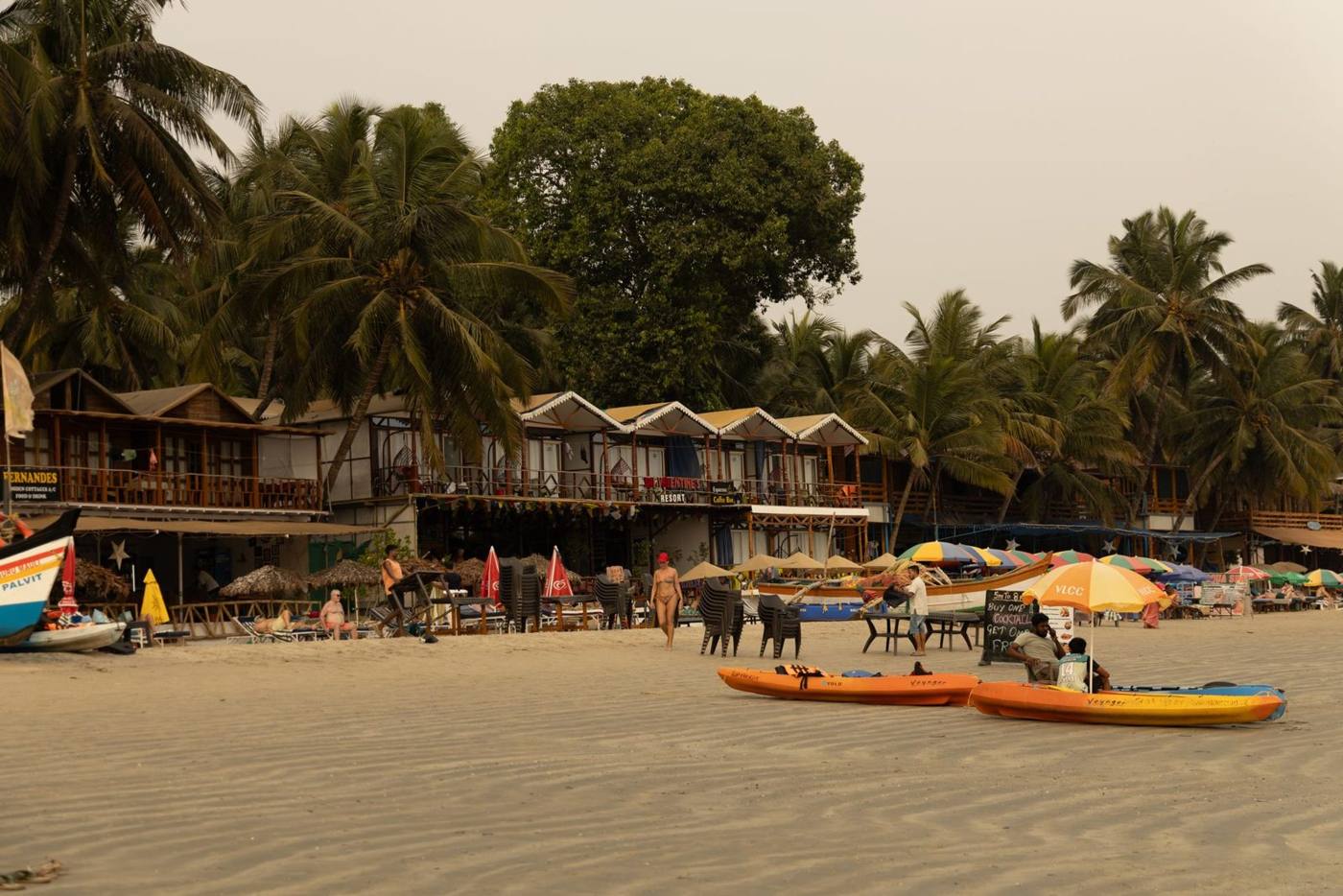
Goa: churches, spices and beaches
Portuguese India: the baroque churches of Old Goa (UNESCO World Heritage), the Fontainhas quarter in Panaji, a spice plantation inland, the Dudhsagar falls and the quiet southern beaches such as Palolem and Agonda.
 10 daysModerate
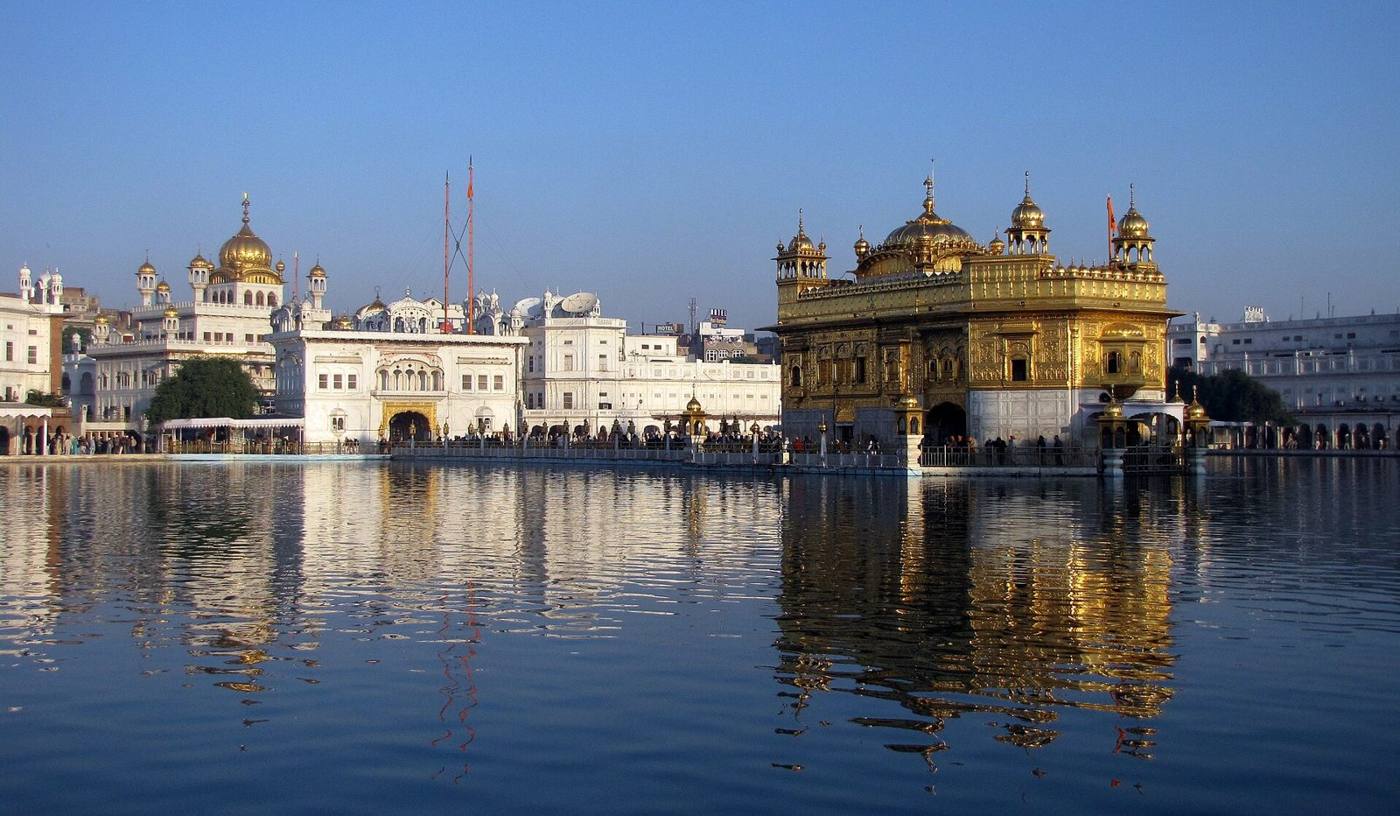
Punjab and Himachal: Amritsar, Dharamsala, Manali and Shimla
From Amritsar's Golden Temple to the Himalayan foothills: Dharamsala and McLeod Ganj with the Tibetan community, the Kangra valley and its tea gardens, Manali and the Kullu valley, ending in Shimla with its historic toy train (UNESCO World Heritage).