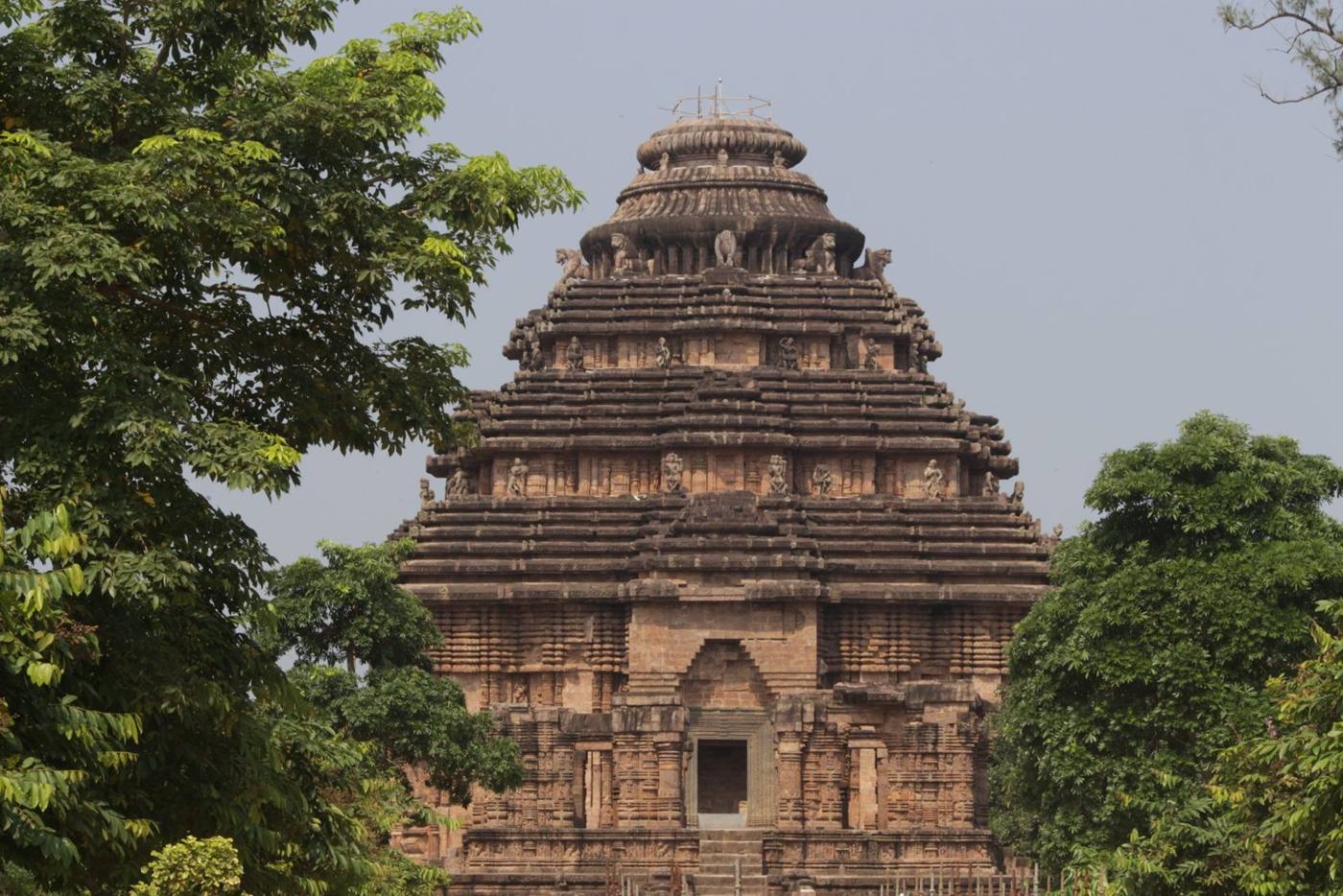
Odisha: the temples of Bhubaneswar, Konark and Puri
The less-known east coast: the temple city of Bhubaneswar, the chariot-shaped Sun Temple of Konark (UNESCO World Heritage), the holy city of Puri, the painters' village of Raghurajpur and the Irrawaddy dolphins of Chilika lagoon.
- Bhubaneswar
- Udayagiri
- Konark
- Raghurajpur
- Puri
- Chilika
Day by day
- Day 1
Bhubaneswar: the Lingaraj, Mukteswar and Rajarani temples
Odisha is a state of eastern India on the Bay of Bengal, between Kolkata and Andhra Pradesh, little visited by foreign travellers but extremely rich in history and art. Here you find hundreds of carved stone temples built between the seventh and thirteenth centuries, the Sun Temple of Konark, a UNESCO site, the holy city of Puri, artists' villages and Chilika lagoon, India's largest coastal lagoon. In six days you see the temples, the coast and the lagoon.
Bhubaneswar, the capital, can be reached by air from Delhi, Mumbai or Kolkata. It is called the city of temples: it once had hundreds, and many still stand in the old town around Bindu Sagar lake.
In the morning, go to the Lingaraj temple, from the eleventh century, the largest in the city, dedicated to Shiva, with its main tower about fifty-five metres high and dozens of small shrines in the enclosure. Entry is reserved for Hindus: other visitors can view the complex from a platform built outside the wall.
In the afternoon, visit the Mukteswar temple, from the tenth century, small but considered a jewel of Odisha architecture, with its carved stone entrance arch and fine sculptures on the walls. Nearby is the Rajarani temple, from the eleventh century, built in red and golden sandstone, with no deity in the sanctuary and beautiful carved female figures.
In the evening, try Odisha cooking: dalma, lentils with vegetables, fish curries and fresh cheese sweets such as chhena poda.
Practical tip: temples are entered barefoot with legs and shoulders covered. Leather items such as belts and bags are sometimes not allowed.
- Day 2
The Jain caves of Udayagiri and Khandagiri
In the morning, go to the twin hills of Udayagiri and Khandagiri, on the western edge of Bhubaneswar. Dozens of caves are carved into the two hills, used more than two thousand years ago, from the second century BC, as cells for Jain monks, followers of an ancient religion based on non-violence towards every living being.
On Udayagiri hill, the largest cave is Rani Gumpha, the queen's cave, on two floors, with a courtyard and walls carved with scenes of hunting, dancing, processions and court life. In the elephant cave, Hathigumpha, an inscription cut into the rock records the deeds of King Kharavela, who ruled this region in the first century BC. It is one of the most important inscriptions of ancient India.
On Khandagiri hill, opposite, you climb to a small Jain temple at the top, with views over the city and countryside. Many monkeys live on the hills: keep food out of sight.
In the afternoon, visit the Odisha State Museum, with sculptures, palm-leaf manuscripts and objects of the tribal peoples, or the tribal museum, which tells the story of the state's many indigenous peoples, with reconstructed houses, clothing and jewellery.
In the evening, return to the old town around Bindu Sagar lake to see the temple lights and evening life.
Practical tip: go to the caves early in the morning, when the light is beautiful and the heat still bearable.
- Day 3
The Sun Temple of Konark and Chandrabhaga beach
In the morning, head south-east to Konark, in about an hour and a half. The Sun Temple, built in the thirteenth century by King Narasimhadeva I, is one of India's most extraordinary monuments and a UNESCO site since 1984.
The temple was built as a gigantic chariot of the sun god, Surya, drawn by seven stone horses, with twenty-four great wheels carved along its sides. Each wheel is about three metres across and works as a sundial: by looking at the shadow of the spokes you can tell the time. The walls are covered in dense carvings: gods, musicians, dancers, animals, scenes of war, hunting and daily life, and also love scenes.
The main tower, which once rose over sixty metres, collapsed centuries ago. What remains is the great entrance hall, filled with sand and sealed in the early twentieth century to prevent its collapse. Next to it is the dance hall, with columns carved with musicians and dancers. A small archaeological museum holds sculptures that fell from the temple.
In the afternoon, go to Chandrabhaga beach, about three kilometres away, a long sandy beach on the Bay of Bengal where fishermen haul their wooden boats ashore. The beach has received Blue Flag certification.
In the evening, continue to Puri, in about an hour, along the coast road.
Practical tip: arrive at Konark at opening time or in the late afternoon. At midday the temple stone becomes very hot and the light is flat for photographs.
- Day 4
Raghurajpur, pattachitra paintings and life in Puri
In the morning, go to Raghurajpur, about half an hour from Puri, an artists' village among coconut palms and rice fields. Almost every family in the village practises a craft: the houses, lined along two streets and decorated with paintings on their façades, are also workshops.
The best-known art is pattachitra, painting on cloth treated with chalk and gum, with natural colours from stones, shells and plants, telling the stories of the gods and above all of Jagannath, the god of Puri. It is painted with very fine brushes, and a large painting can take weeks. The village also makes palm-leaf engravings, masks, wooden toys and papier-mâché objects. Raghurajpur is also the home of gotipua, a traditional dance performed by boys dressed as female dancers.
In the afternoon, return to Puri, one of India's holiest cities, one of the four great Hindu pilgrimage sites, the dham. The great Jagannath temple, from the twelfth century, is open only to Hindus. You see it from outside, with its white tower about sixty-five metres high and the flag changed every day by a priest who climbs to the top. From the terraces of some nearby buildings, such as the old library, you can see inside the enclosure.
In the evening, walk along the Grand Road, the great avenue in front of the temple, full of pilgrims, stalls and cows.
Practical tip: in June or July Puri celebrates Rath Yatra, the chariot festival, when the gods' statues are carried in procession on huge wooden chariots. The city is extremely crowded during those days.
- Day 5
Chilika lagoon by boat, with dolphins and birds
Early in the morning, leave Puri heading south-west to Satapada, on Chilika lagoon, in about an hour and a half. Chilika is India's largest coastal lagoon, about sixty kilometres long, separated from the sea by a thin strip of sand, with islands, fishing villages and water that is salty near the sea and fresh further inland.
From Satapada, take a motorboat towards the lagoon mouth, where Irrawaddy dolphins live, small grey dolphins with a rounded head and no beak, found in coastal waters and the great rivers of Asia. You see them surfacing to breathe around the boat, often in small groups.
The boat continues to the point where the lagoon meets the sea, an isolated sandy beach called Sea Mouth, where you can walk between the two waters. Along the way you see fishermen with nets and traps for crabs and prawns.
In the afternoon, on the shore, visit one of the fishing villages and watch the work with nets and boats.
In the evening, sleep near the lagoon and have dinner with lagoon crabs and prawns cooked in curry.
Practical tip: on the boats, ask the boatman to keep his distance from the dolphins and turn off the engine when they are close. It is an endangered species, and noise disturbs them.
- Day 6
Chilika's migratory birds and the return
On your last morning, go to the northern part of the lagoon, to Mangalajodi or Nalabana island, depending on the season. From November to March Chilika welcomes hundreds of thousands of migratory birds arriving from Siberia, Mongolia and Central Asia to spend the winter: ducks, geese, flamingos, pelicans, herons, terns and many waders.
At Mangalajodi, a village on the northern shore, former bird hunters have become guides and guardians of the marsh. With them you get into a small boat pushed with a pole and enter the reeds and water plants, very close to the birds, in silence. It is one of the best places in India for bird photography.
In the afternoon, return to Bhubaneswar, in about an hour and a half, for your flight home.
This trip combines well with Kolkata to the north, or with the tribal villages of southern Odisha, around Koraput, which however require an organised trip and a guide.
Practical tip: Italian citizens need an electronic visa, the 30-day tourist e-visa, which costs 25 US dollars from July to March and 10 dollars from April to June. The US government rates India level 2 of 4, exercise increased caution, with some higher-risk areas. From June to October the Odisha coast is exposed to cyclones: check the forecasts.
A trip of Hindu culture, peaceful and little touristed. Non-Hindus cannot enter the Jagannath temple in Puri or the Lingaraj temple: view them from outside or from nearby terraces. The itinerary stays on the coast, away from the inland areas mentioned in advisories. From June to October the coast is exposed to cyclones: check the forecasts.
Before you go
- Documents and visa
- Passport with at least six months' validity and two blank pages, plus an electronic tourist visa from the official Indian government website: 30 days for 25 dollars from July to March, 10 dollars from April to June.
- Health and vaccines
- No compulsory vaccines arriving from Europe; ask your doctor about hepatitis A, typhoid and malaria depending on the area. Drink only sealed bottled water. Emergencies: 112.
- Money and payments
- Indian rupee. Cards and digital payments are common in cities; markets, villages and rickshaws need cash.
- Power sockets
- Types C, D and M, 230 volts: a universal adapter is useful.
- Time zone
- UTC+5:30 all year: India does not use daylight saving time.
- Safety
- The United States rates India level 2, with level 4 for Jammu and Kashmir (except Ladakh), Manipur and the 10 km strip along the Pakistani border. Official advice: GOV.UK.
Information checked in November 2026 for Italian and EU citizens. Rules change: always check before you travel.
Variations
In 3 days: Bhubaneswar, Konark and Puri, without Chilika lagoon.
In 9 days: add Kolkata at the start, or the tribal markets of southern Odisha with a guide.
Frequently asked questions
When is the best time to go?
From November to February, with cooler weather and migratory birds at Chilika. From April to June it is very hot; from June to October it rains and cyclones are possible.
Can you enter the Jagannath temple?
No, the great temple at Puri and the Lingaraj temple in Bhubaneswar are open only to Hindus. You can see them from outside and from some nearby terraces.
What documents do I need?
A passport and the 30-day tourist e-visa, which costs 25 US dollars from July to March and 10 dollars from April to June.
Indicative itinerary written by World Atlas. Before booking, check timetables, seasonal openings, documents and safety.
 8 daysEasy
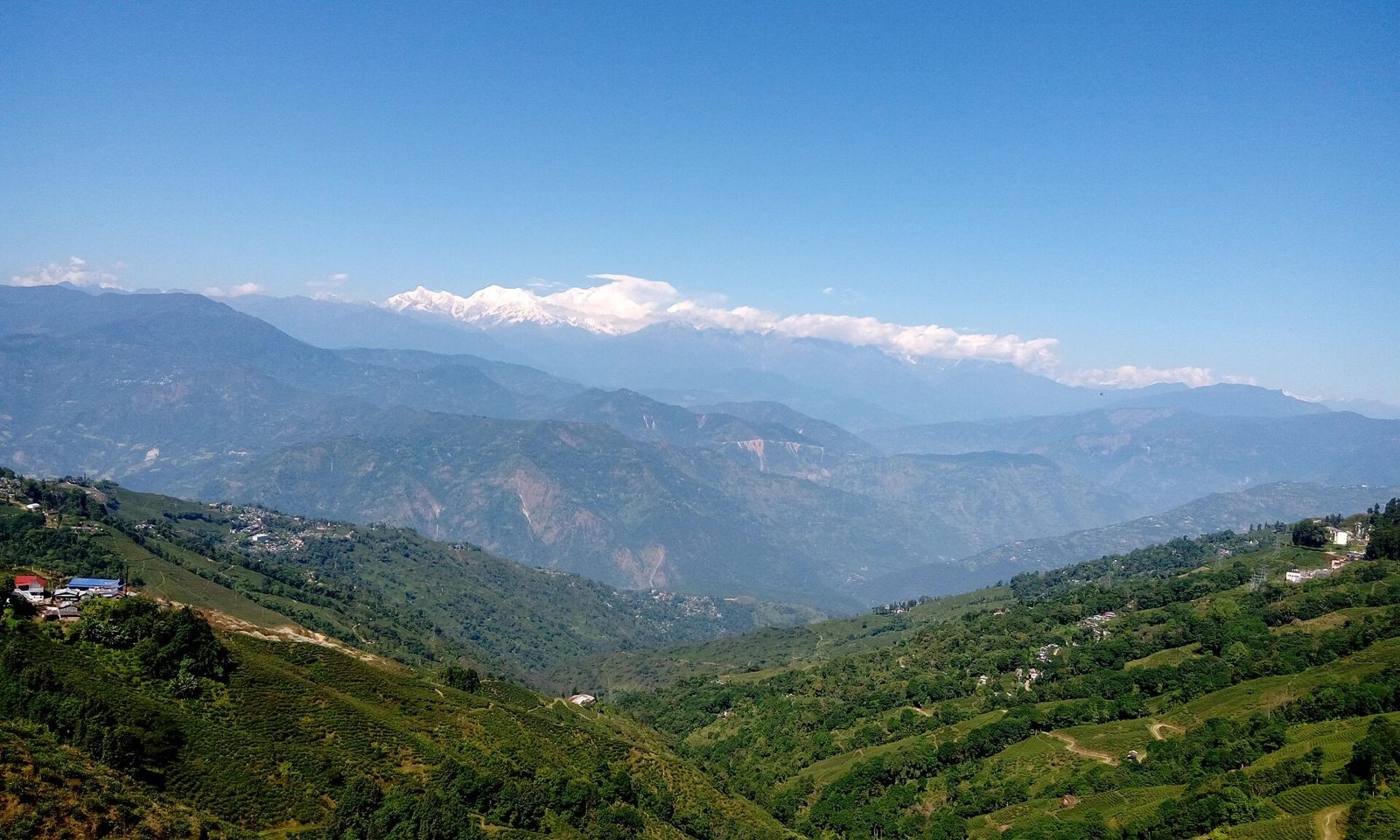
Kolkata, the Sundarbans and Darjeeling
India's cultural capital with the Victoria Memorial, the flower market and the ghats on the Hooghly river, the mangroves of the Sundarbans, home of the Bengal tiger, and Darjeeling with its tea gardens, historic toy train and sunrise over Kanchenjunga.
 8 daysEasy
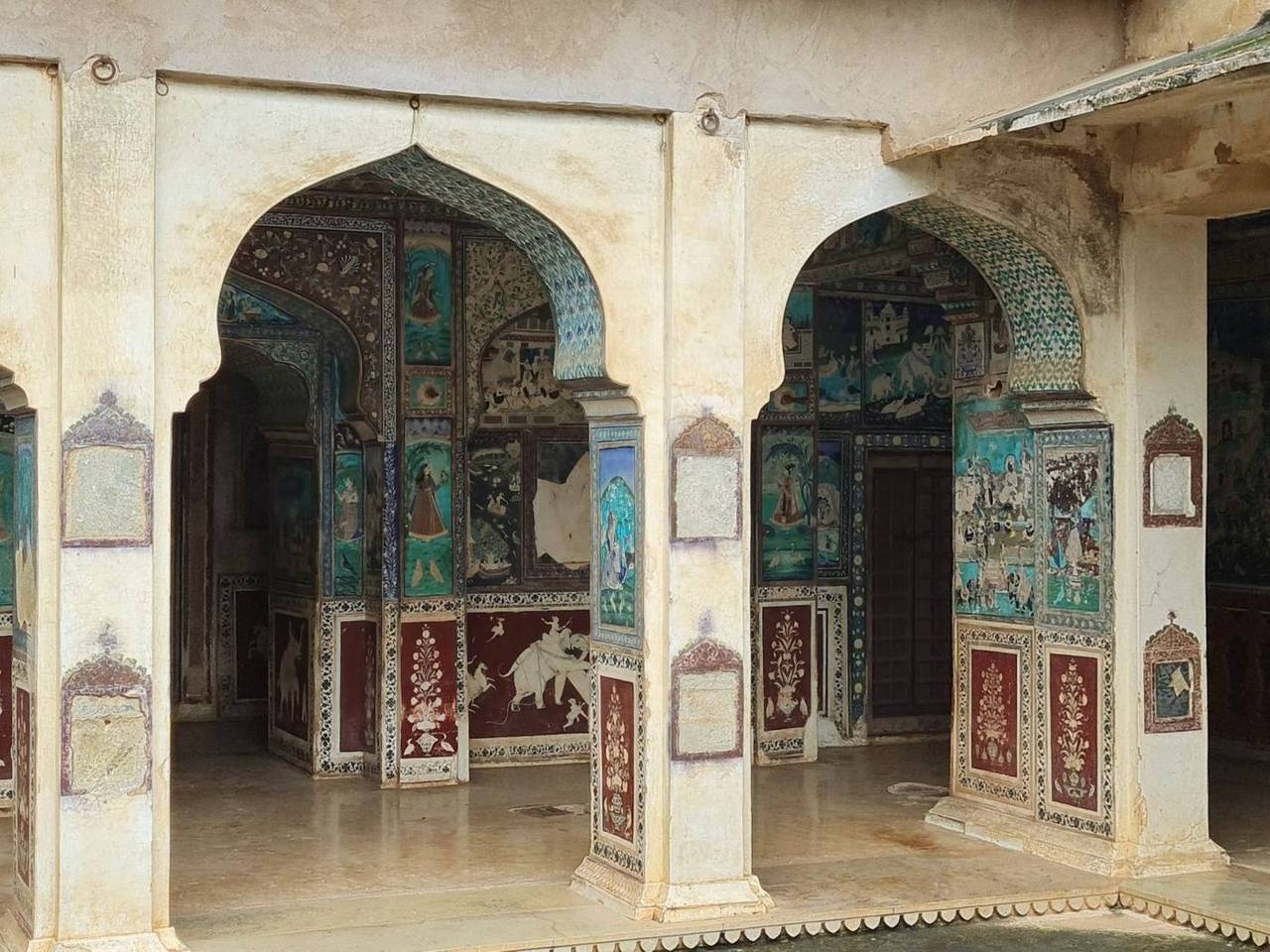
Lesser-known Rajasthan: Bundi, Chittorgarh and Kumbhalgarh
The painted havelis of Shekhawati, the blue town and stepwells of Bundi, the vast fortress of Chittorgarh, the immense walls of Kumbhalgarh and the Jain temple of Ranakpur with its 1,444 pillars.
 7 daysChallenging
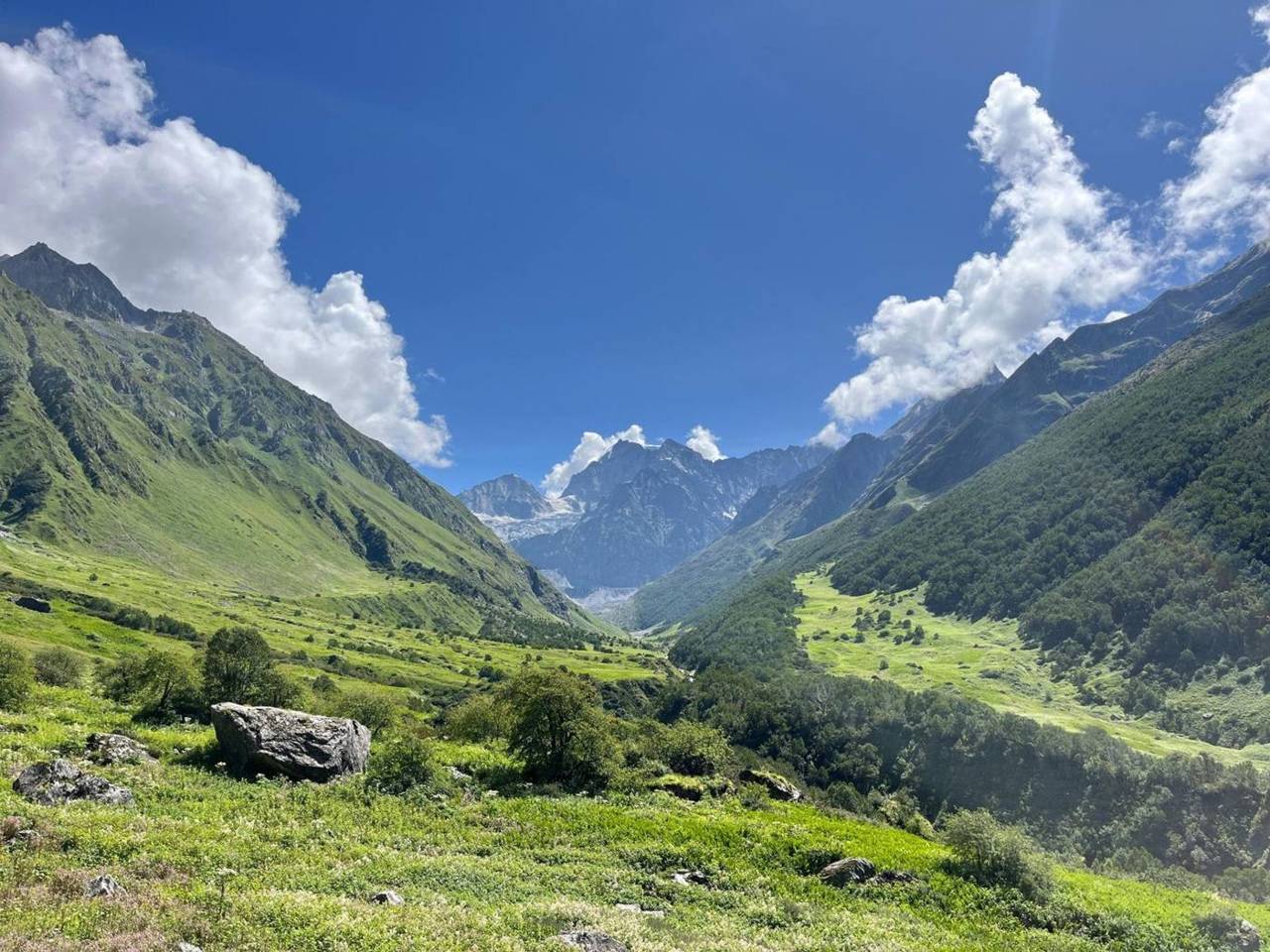
Valley of Flowers and Hemkund Sahib
A trek in the Garhwal Himalaya to the Valley of Flowers, a UNESCO-listed alpine meadow with hundreds of species blooming during the monsoon, and to the sacred lake of Hemkund Sahib above 4,000 metres, a Sikh pilgrimage site.