Java: Borobudur, Bromo and Ijen
The temples of Borobudur and Prambanan, sunrise over Mount Bromo and the acid lake of Ijen, ending with the ferry to Bali.
- Yogyakarta
- Borobudur
- Prambanan
- Malang
- Bromo
- Ijen
- Banyuwangi
- Bali
Day by day
- Day 1
Yogyakarta, the sultan's palace and batik
The trip begins in Yogyakarta, known to everyone as Jogja, the cultural heart of Java, where a sultan still reigns and is also the region's governor. For Indonesia EU citizens get a visa on arrival, 500,000 rupiah for 30 days, extendable once, or online before departure on the official immigration website; your passport must have at least six months' validity. You arrive by plane from Jakarta or Bali, or by train from Jakarta in about six to eight hours.
In the morning visit the kraton, the sultan's palace, built in the eighteenth century: a complex of open pavilions with carved wooden columns, courtyards and collections of royal objects. Some mornings there are gamelan music, dance or puppet performances. Nearby is Taman Sari, the water castle, an old royal garden with pools and underground passages.
In the afternoon discover batik, the technique of decorating fabric with wax, a UNESCO intangible heritage, of which Yogyakarta is one of the capitals. You can visit a workshop or take a class of a few hours. Beware of people who approach you in the street to take you to a special batik exhibition: it is a classic scam.
In the evening stroll along Malioboro, the main street, full of stalls and street kitchens. Try gudeg, Jogja's signature dish, jackfruit slow-cooked in coconut milk. Practical tip: for getting around the city use ride-hailing apps, which work well.
- Day 2
Dawn at Borobudur
Today you visit Borobudur, the world's largest Buddhist monument, a UNESCO World Heritage site, about an hour north-west of Yogyakarta. Built in the ninth century by the Sailendra dynasty, it was abandoned for centuries, covered by volcanic ash and jungle, and rediscovered in the early nineteenth century. It is a great stepped mountain of stone with nine stacked platforms, more than two thousand five hundred carved panels and over five hundred Buddha statues, many inside the bell-shaped stupas of the upper terraces.
To protect the monument, climbing the structure is limited to a small number of visitors per day, at fixed times, with a compulsory guide and special sandals provided at the entrance. The climbing ticket differs from the ticket for the surrounding park only: book ahead on the official temples website, because places sell out. Check the current rules and times first, as they change often.
Dawn on the monument itself is no longer always possible; many watch it from the hill of Punthuk Setumbu, a few kilometres away, where Borobudur emerges from the mist with the Merapi and Merbabu volcanoes behind.
In the afternoon visit the small temples of Mendut and Pawon, aligned with Borobudur, and cycle round the surrounding villages, among paddies and craft workshops. Practical tip: wear clothes that cover shoulders and knees, and bring water and a hat for the heat.
- Day 3
Prambanan and the Ramayana ballet
In the morning visit Prambanan, about half an hour east of Yogyakarta, Indonesia's largest Hindu temple complex, a UNESCO World Heritage site, built in the ninth century. The pointed towers, up to forty-seven metres high, are dedicated to the Hindu trinity: Shiva in the centre, Brahma and Vishnu on either side. The walls are covered with reliefs telling the Ramayana, the epic of the hero Rama and Princess Sita.
The complex has been damaged by many earthquakes, the last strong one in 2006, and some parts are still under restoration. In the surrounding park are other temples: Sewu, Buddhist, with its dozens of small shrines, Lumbung and Bubrah, linked by a road you can travel by bicycle or by the little tourist train.
In the afternoon, if you wish, go up to the Ratu Boko palace on a nearby hill, an ancient royal residence with a great gateway and views over the plain and Prambanan. At sunset the golden light on the temples is splendid.
In the evening watch the Ramayana ballet, in the open-air theatre with Prambanan lit up behind, in the dry season, or in the indoor theatre in the rainy months. Dozens of dancers and gamelan musicians tell the story without words. Practical tip: buy the combined ticket for Prambanan and Ratu Boko if you want to see both, and check the performance calendar.
- Day 4
By train east to Malang
Today is a long train journey east across the heart of Java. Indonesian trains are clean, punctual and comfortable, with air conditioning and assigned seats; the upper classes have reclining seats and plenty of legroom. Tickets are sold on the official Indonesian railways app or at the station, and it is worth booking a few days ahead. Bring your passport, which is checked at boarding.
The journey from Yogyakarta to Malang takes about seven or eight hours. From the window you watch paddies, sugar cane plantations, villages, mosques and volcanoes on the horizon: it is an extraordinary way to see rural life in Java. Vendors pass through the train with coffee, tea and rice dishes.
Malang is a hill town at about 450 metres, with a cooler climate than the coast, tree-lined avenues and Dutch colonial houses. It was one of the colonists' favourite resorts. In the evening walk through the colourful Jodipan quarter, a riverside village painted in bright colours, or around the city hall square.
To stay, choose the centre near the station. Practical tip: in Malang arrange your transfer to Bromo with an agency or a driver: jeeps leave at night to arrive for sunrise, and the mountain roads need suitable vehicles.
- Day 5
To Cemoro Lawang, on the rim of the volcano
In the morning you have time to see Malang at leisure: the bird and flower market, the museum, or an apple orchard in nearby Batu. After lunch leave for Bromo Tengger Semeru National Park, about three hours by mountain road.
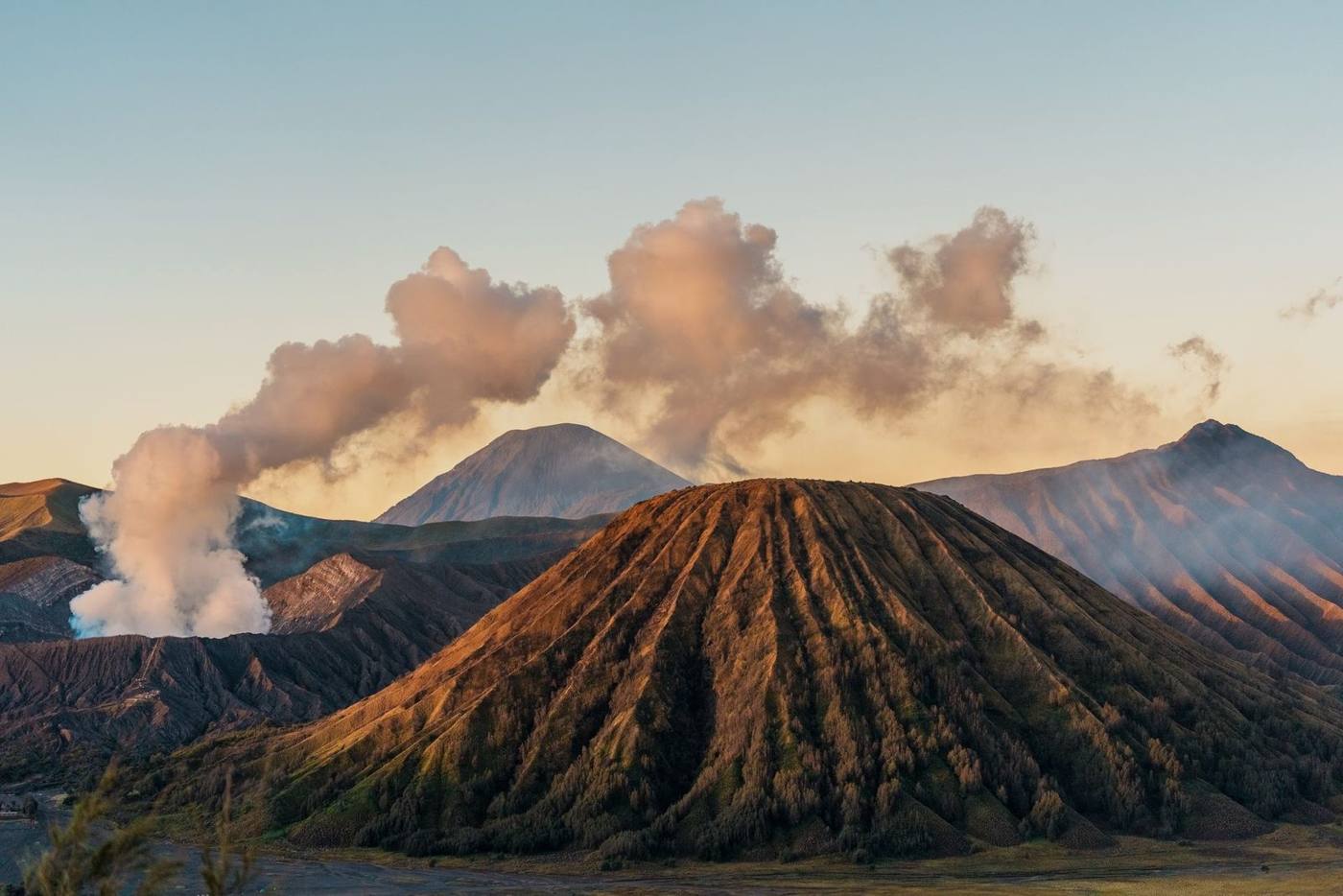
Cemoro Lawang is a village at about 2,200 metres on the rim of the Tengger caldera, an ancient collapsed volcano about ten kilometres across. Inside the caldera lies a sea of grey volcanic sand, from which rises Mount Bromo, still active, with its smoking crater. Beside it is Mount Batok, an extinct cone covered in green grooves, and further away Semeru, Java's highest mountain, which often puffs small plumes of smoke.
The village is home to the Tengger people, a Hindu community that stayed in the mountains when the rest of Java converted to Islam. Every year, during the Yadnya Kasada ceremony, worshippers climb to the crater rim to throw offerings into the volcano.
Arrive before dark and walk along the caldera rim at sunset. Sleep in Cemoro Lawang in a simple guesthouse. Practical tip: at night in Cemoro Lawang temperatures can drop close to freezing; bring a jacket, hat and gloves. Park entry is paid separately and prices for foreigners are higher.
- Day 6
Sunrise over Bromo from Penanjakan
The alarm goes off around three in the morning. By jeep you climb to the Penanjakan viewpoint, or to King Kong Hill just below, to wait for sunrise. It is cold and crowded, but the show is one of the finest in Asia: as the sky lightens, the caldera appears full of mist, with smoking Bromo, Batok and, in the background, the perfect cone of Semeru puffing into the pink sky.
After sunrise the jeep descends into the sea of sand to the foot of Bromo. From here you climb on foot, or on horseback for part of the way, to a staircase of about two hundred and fifty steps leading to the crater rim. From the rim you look into the smoking crater, with the roar of the volcano and the smell of sulphur.
During the year Bromo's activity can increase and the authorities may ban the climb to the crater or close an area around it. Before setting out check the alert level on the Indonesian volcanological centre's website and always follow the rangers' instructions.
Rest for the rest of the day and, in the afternoon, head east towards Banyuwangi or the Ijen area, about six hours by road. Practical tip: bring a mask or scarf for the volcanic dust on the sea of sand, and glasses to protect your eyes.
- Day 7
The journey to Ijen and the evening before the climb
Today is a day of travel and rest, needed after the Bromo night. The road to the eastern tip of Java passes through coffee plantations, forests and villages, to the Banyuwangi area, the town on the strait facing Bali, or to the mountain villages closer to the Ijen volcano.
The Ijen volcanic complex is world famous for three things: the turquoise acid lake inside the crater, one of the most acidic on the planet; the blue fire, the blue flame created by sulphur gases burning as they leave the rocks, visible only at night; and the miners who extract sulphur by hand and carry it up in baskets of more than seventy kilos, in extremely harsh conditions.
In the afternoon, if you have energy, visit a coffee plantation or the Tumpak Sewu waterfall, one of the most beautiful in Java, or the village of Kemiren, with the culture of the Osing people. In the evening eat early and go straight to bed: the alarm for Ijen is around midnight.
Practical tip: for the night climb you need a licensed guide, a head torch and a gas mask, which guides provide. At times the authorities have required a medical certificate for visitors: check current requirements with your guide. The site closes when gases are too concentrated or volcanic activity increases.
- Day 8
The night climb of Ijen and the blue fire
The climb starts around one or two in the morning from the Paltuding car park, at about 1,850 metres. The trail climbs about three kilometres, fairly steep in the second half, to the crater rim at almost 2,400 metres. It takes an hour and a half to two hours on foot; for tired walkers there are carts pushed by porters, for a fee.
From the rim, those who want to see the blue fire descend into the crater on a steep rocky path, for about forty-five minutes, to the area where the sulphur emerges. Here a gas mask is essential: when the wind turns, the smoke is suffocating and burns the eyes and throat. The descent is banned by the authorities when gas is strong; never go down without a guide. Anyone with asthma or heart or breathing problems should not descend into the crater.
At dawn the sky lightens and the turquoise lake appears, with clouds of steam and miners climbing back with baskets of yellow sulphur. It is a breathtaking sight. Many miners sell small sulphur carvings: buying them helps their families.
Descend to the car park in mid-morning and rest for the rest of the day. Sleep in Banyuwangi. Practical tip: the sand and gravel path is slippery on the way down; you need hiking shoes and layers, because it is cold at dawn and then the sun warms up quickly.
- Day 9
The ferry to Bali
In the morning go to the port of Ketapang in Banyuwangi, from which ferries leave for Gilimanuk at the western tip of Bali. The crossing of the Bali Strait takes less than an hour, but with waiting and boarding allow at least two hours. Ferries run constantly, day and night, carrying people, cars and lorries. Before arriving in Bali remember to pay the island's tourist levy, 150,000 rupiah per person, on the official Love Bali website or app.
Gilimanuk is a port in the wildest part of Bali, next to West Bali National Park, a reserve of forest and mangroves, and Menjangan Island, one of the island's best places for snorkelling and diving, with coral walls close to the surface. If you have time, you can spend a night in Pemuteran, a quiet seaside village, and snorkel at Menjangan.
Alternatively, take a driver south across the island, or to Ubud, Bali's cultural heart, about four or five hours away. The road follows the west coast, past paddies, temples and fishing villages.
Practical tip: at the port there are many middlemen offering tickets and transport; buy your ferry ticket only at the official counters or online, and always agree the driver's price before setting off, including any tolls and waiting time.
- Day 10
Bali and departure
The last day in Bali depends on your flight time. Denpasar international airport is in the south of the island, and traffic can be very heavy: always allow more time than expected, especially if you leave from Ubud, about an hour and a half away.
If you have a no-cost morning, visit the Tegallalang rice terraces north of Ubud at dawn, or the water temple of Tirta Empul, where worshippers purify themselves under the fountains. If you are staying in the south, you can relax on the beach at Jimbaran or Sanur, or visit Uluwatu temple on its cliff, with the kecak dance at sunset if your flight is at night.
Things to take home from Java and Bali: Yogyakarta batik, bought from workshops or reputable shops; East Java coffee; Kotagede or Celuk silver; spices; sulphur carvings from the Ijen miners, well wrapped because they are fragile and strong-smelling.
Practical tip: in Indonesia drug penalties are extremely severe, up to the death penalty for trafficking; never carry anyone else's package. Also check whether your trip coincides with Nyepi, the Balinese day of silence in March, when the airport closes for twenty-four hours. Reach the airport at least three hours before international flights and keep some rupiah in cash for final expenses.
Indonesia's most striking trip for lovers of volcanoes and temples, but with night starts and long transfers. The gases at Ijen are dangerous: you need a proper mask and a guide, and the trail closes when the wind is unfavourable. Ending in Bali is the right way to recover.
Before you go
- Documents and visa
- Passport with at least six months' validity. Visa on arrival 500,000 rupiah for 30 days, extendable once, or online on the official immigration website. In Bali you also pay the 150,000 rupiah tourist levy.
- Health and vaccines
- No compulsory vaccines arriving from Europe. Protect yourself against mosquitoes because of dengue; Bali has rabies, so keep away from dogs and monkeys. The eastern regions carry malaria risk: ask your doctor. Emergencies: 110 police, 112 general number.
- Money and payments
- Indonesian rupiah. Cards work in hotels and shops in tourist areas; QR payments are widespread; markets and villages need cash.
- Power sockets
- Types C and F, 230 volts: the same round-pin sockets as much of Europe.
- Time zone
- The country has three time zones. Java is UTC+7, Bali UTC+8, with no daylight saving time.
- Safety
- Tourist areas are generally calm. The United States rates Indonesia level 2 and the Papua regions level 4. Active volcanoes may close on alert. Very severe drug penalties. Official advice: GOV.UK.
Information checked in November 2026 for Italian and EU citizens. Rules change: always check before you travel.
Variations
In 7 days: Yogyakarta with Borobudur and Prambanan, then a flight to Surabaya or Malang and Bromo, skipping Ijen and the ferry to Bali.
In 14 days: add the Dieng Plateau near Borobudur, with temples and volcanic lakes, and a few more days in Bali between Ubud and the coast.
Frequently asked questions
Can you climb Borobudur?
Yes, but only with a limited number of visitors per day, at fixed times, with a compulsory guide and special sandals. The climbing ticket differs from the park ticket: book ahead on the official temples website.
Is Ijen dangerous?
The climb is demanding but not technical. The risk is the sulphur gas inside the crater: you need a gas mask, a guide and attention to closures. Anyone with asthma or heart problems should not descend into the crater.
When is the best time to visit Java?
May to September, in the dry season, when volcano trails are safer and the dawn sky clearer. From November to March it rains a lot and some excursions may be closed.
Indicative itinerary written by World Atlas. Before booking, check timetables, seasonal openings, documents and safety.
 8 daysModerate
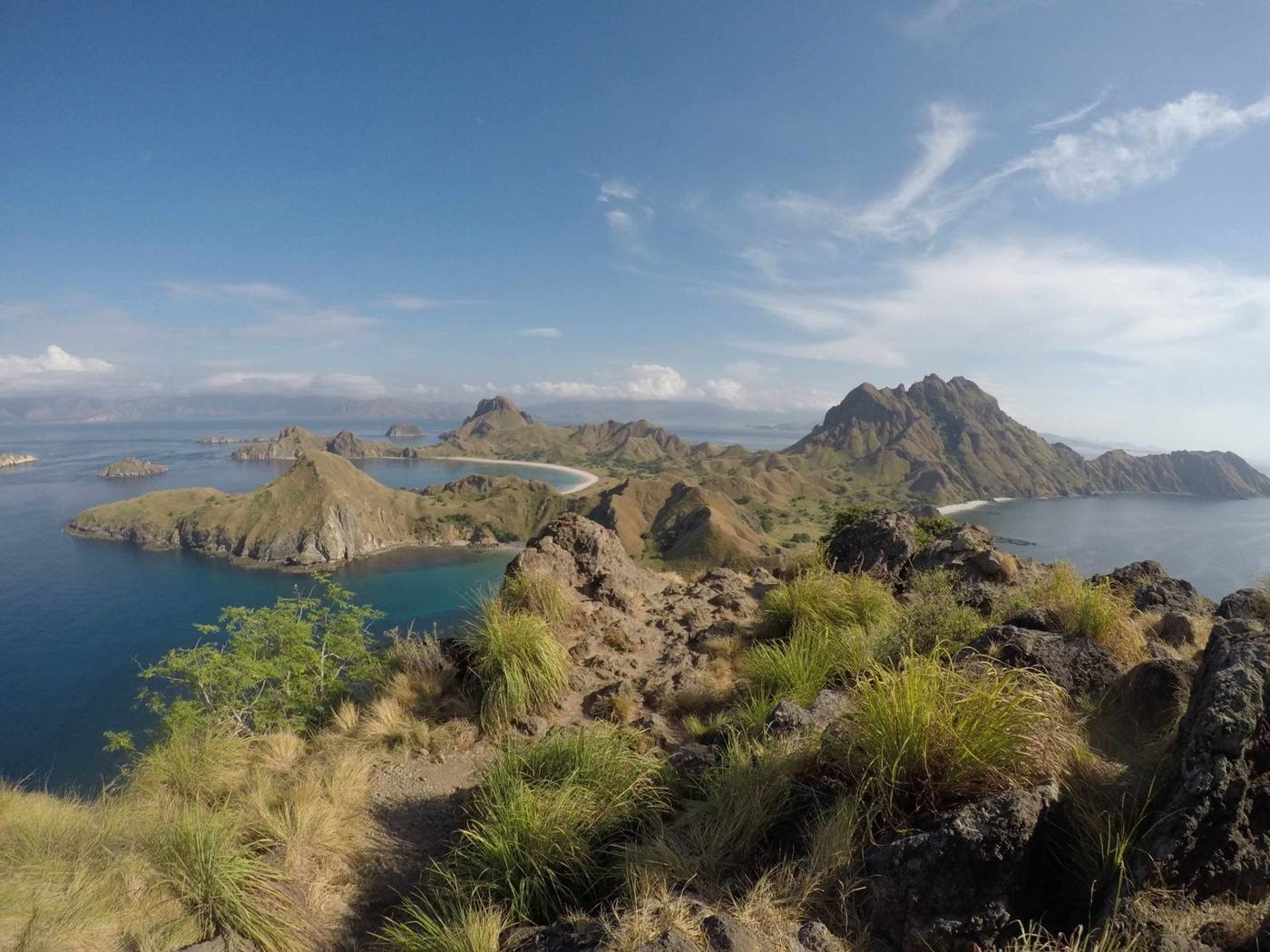
Komodo and Flores by boat
Two nights aboard among the Komodo dragons, the view from Padar and the manta rays, then the coloured lakes of Kelimutu.
 10 daysModerate
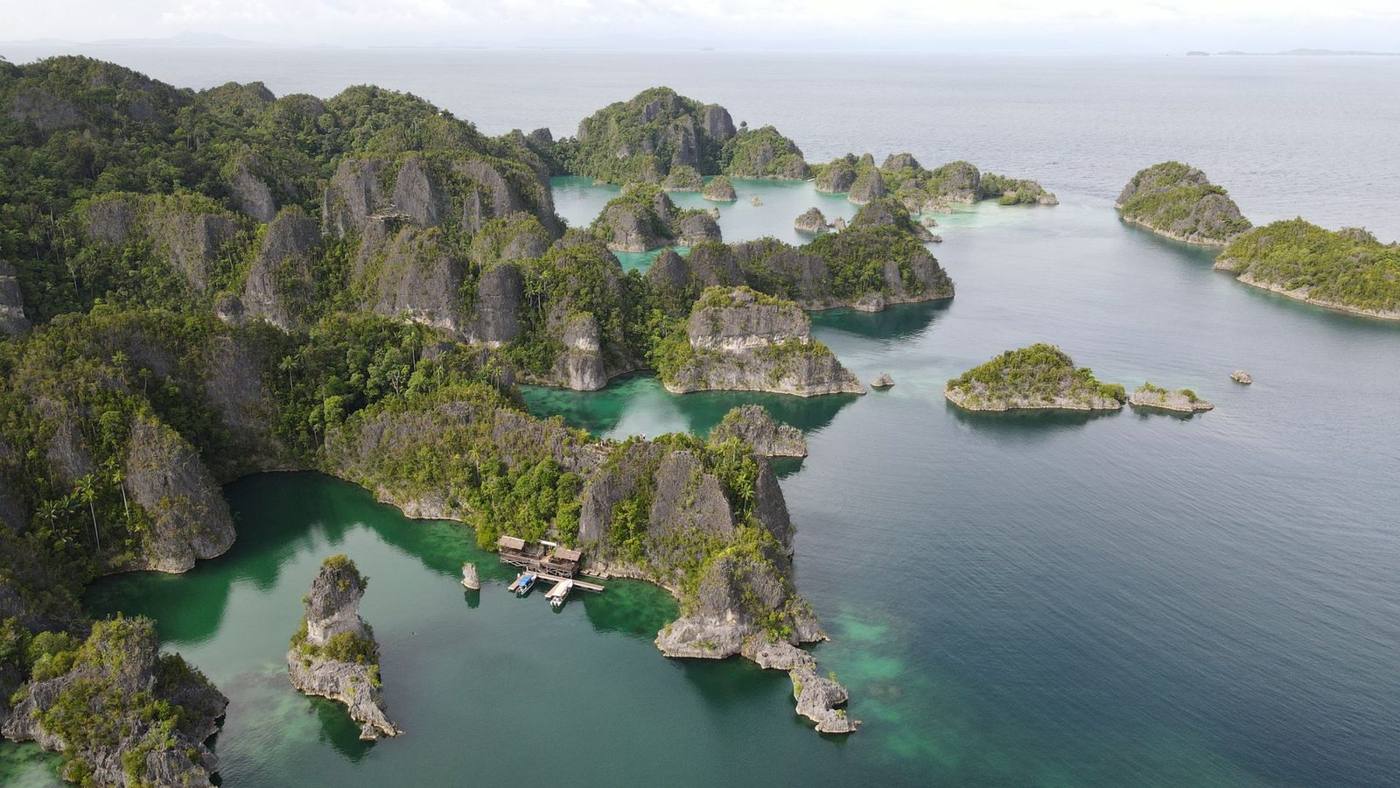
Raja Ampat, the richest sea on earth
Karst islands, the reef with the greatest variety of species on the planet and birds of paradise at dawn.
 10 daysModerate
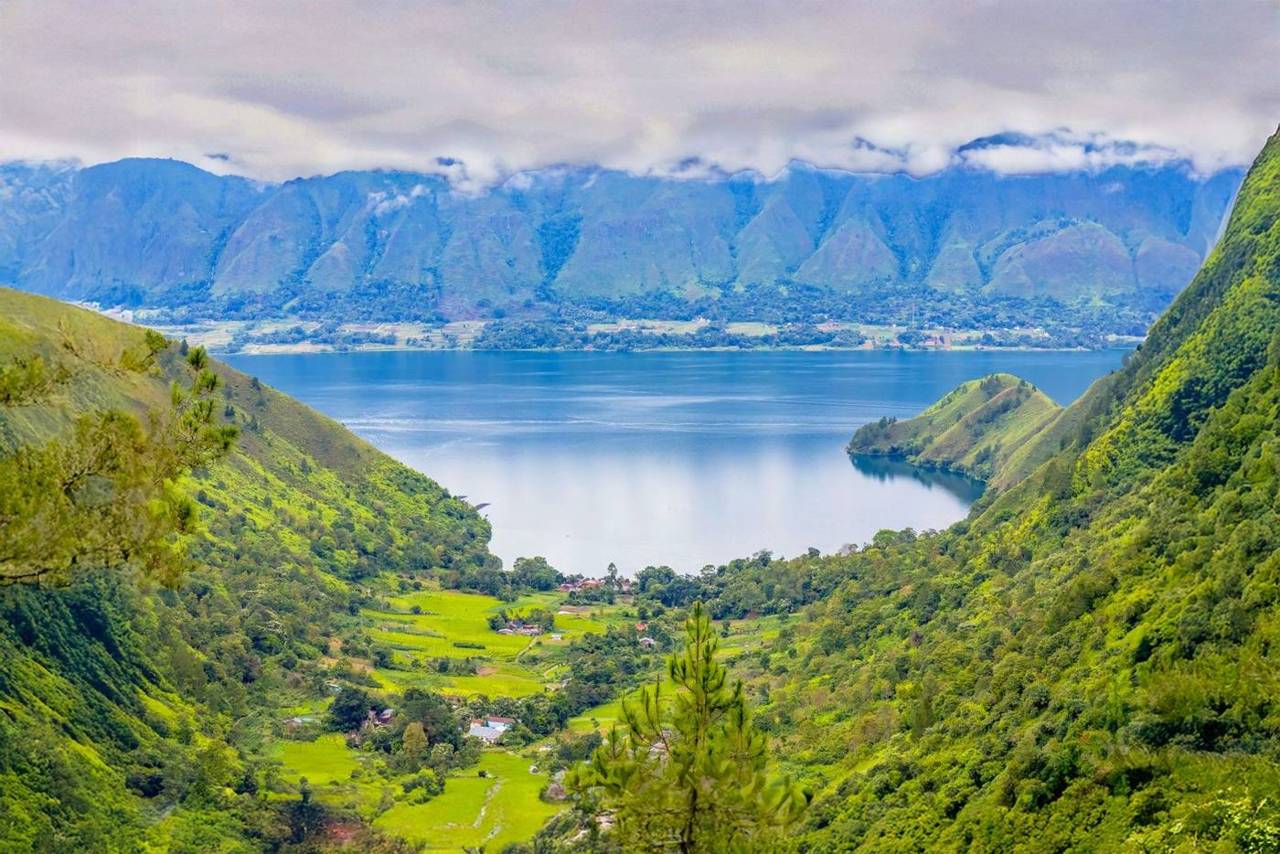
Sumatra: orangutans and Lake Toba
Two days on foot in the Bukit Lawang jungle with orangutans, the Berastagi highlands and the great volcanic lake of the Batak people.