Naples, Pompeii and the Amalfi Coast
Naples and its pizza, the excavations of Pompeii and Herculaneum, Vesuvius, Positano and Amalfi, the Path of the Gods and the island of Capri.
- Naples
- Ercolano
- Pompei
- Sorrento
- Positano
- Amalfi
- Capri
Day by day
- Day 1
Historic Naples
The historic centre of Naples is a UNESCO site and is best seen on foot. Start at Piazza del Gesù, with the diamond-point façade of the Gesù Nuovo church, and continue to the Santa Chiara complex, where the majolica cloister, with benches and columns covered in painted tiles, takes half an hour. From here follow Spaccanapoli, the straight street that cuts the ancient city in two, to Via San Gregorio Armeno, the street of nativity scenes, with workshops open all year.
In late morning enter the Sansevero Chapel to see the Veiled Christ, the marble statue that looks covered by a transparent veil: the chapel is small, places are limited and it is worth booking a time online. Then visit the Cathedral, with the chapel of San Gennaro.
For lunch try pizza: Naples is its homeland, and a margherita can be eaten a portafoglio, folded in four, in the street. In the afternoon go underground on one of the guided tours of Napoli Sotterranea, through Greco-Roman aqueducts and wartime shelters, about an hour and a half. Stay in the historic centre or between Piazza del Plebiscito and Chiaia, quieter at night. Practical tip: scooters also use the narrow streets; keep your backpack in front in crowded places and on public transport, where pickpocketing is common.
- Day 2
The Archaeological Museum, the Quartieri Spagnoli and the seafront
The morning is for the National Archaeological Museum, one of the world's most important for Roman art: the mosaics from Pompeii, including the Alexander mosaic, the frescoes of the Vesuvian towns, the Farnese collection with the great Bull group, and the Secret Cabinet. Allow at least three hours; the museum has a weekly closing day, usually Tuesday, to be checked beforehand. Seeing it before Pompeii helps you understand what you will find at the site.
After lunch walk down Via Toledo, the shopping street, and into the Quartieri Spagnoli, narrow lanes with washing hung out and murals, including the one dedicated to Maradona. Toledo metro station, with its blue mosaic evoking the sea, is worth a ride down the escalators.
Towards evening reach Piazza del Plebiscito, pass the Royal Palace and the San Carlo theatre, and walk along the seafront to Castel dell'Ovo, the castle on the sea, with its view of Vesuvius. Dine in the Borgo Marinari below the castle, or in Chiaia. To try: spaghetti alle vongole, frittatina di pasta, sfogliatella and babà. Tip: in Naples coffee is drunk standing at the bar and costs little; many bars still keep the custom of the caffè sospeso, paid in advance for someone who cannot afford it.
- Day 3
Herculaneum and the crater of Vesuvius
Take the Circumvesuviana from the Piazza Garibaldi station to Ercolano Scavi: about twenty minutes. Herculaneum, buried like Pompeii in AD 79 but by a flow of mud and ash, is smaller and better preserved: two-storey houses, charred wooden beams, mosaics and baths. It takes two or three hours and is a good, less tiring introduction to Pompeii.
Around midday go up Vesuvius. Shuttles leave Ercolano for the car park at about a thousand metres; from there an uphill path on volcanic soil reaches the crater rim in half an hour to three quarters of an hour, with views over the bay, Naples, Capri and the Sorrento peninsula. Entry to the Gran Cono is bought online for a fixed time: no tickets are sold at the top, and in strong wind or bad weather the path may close.
Return to Naples in the late afternoon. For a last stop in the city, ride the funicular up to the Vomero and visit Castel Sant'Elmo and the Certosa di San Martino, which overlook the whole bay; at sunset the view is the best in the city. Tip: wear closed shoes and bring water and a hat, as there is no shade on Vesuvius. The Circumvesuviana is cheap but often crowded and late; keep valuables close.
- Day 4
Pompeii, a full day, and Sorrento in the evening
Pompeii deserves a whole day. From the Circumvesuviana get off at Pompei Scavi, a short walk from the Porta Marina entrance. Tickets are personal, bearing the visitor's name, and ID is checked at the gate; there is a limit of 20,000 entries per day, divided into time bands. Buy your ticket online through the official channel indicated by the Park and arrive at opening time, at nine: the middle of the day, especially in summer, is very hot and crowded.
The site is huge, almost a whole city. A five- or six-hour route takes in the Forum, the Stabian Baths, the House of the Faun, the Lupanar, Via dell'Abbondanza, the large theatre and the Amphitheatre, the oldest surviving one. Outside the walls, to the west, the Villa of the Mysteries has the most famous frescoes. Bring water, as refreshment points are few, and a map: some houses open in rotation.
In the late afternoon take the Circumvesuviana on to Sorrento, about half an hour, or the bus. Sorrento sits on a tuff terrace above the sea: stroll along Corso Italia and Piazza Tasso and walk down to Marina Grande, the fishermen's quarter. It is the most convenient base for the next days, with ferries to the Amalfi Coast and Capri. For dinner try gnocchi alla sorrentina. Tip: trainers are essential; Pompeii's streets are paved with large, uneven stones.
- Day 5
Positano and Amalfi by ferry
On the Amalfi Coast it is best to travel by sea. In season, ferries and hydrofoils leave Sorrento for Positano and Amalfi: the first stretch takes about half an hour, and seeing the coast from the water is the best way to understand it. Sailings are more frequent from April to October; in winter they are much reduced and you need the bus. A car is not recommended: the Amalfi coast road is narrow, parking is very expensive and in high season traffic restrictions have been applied.
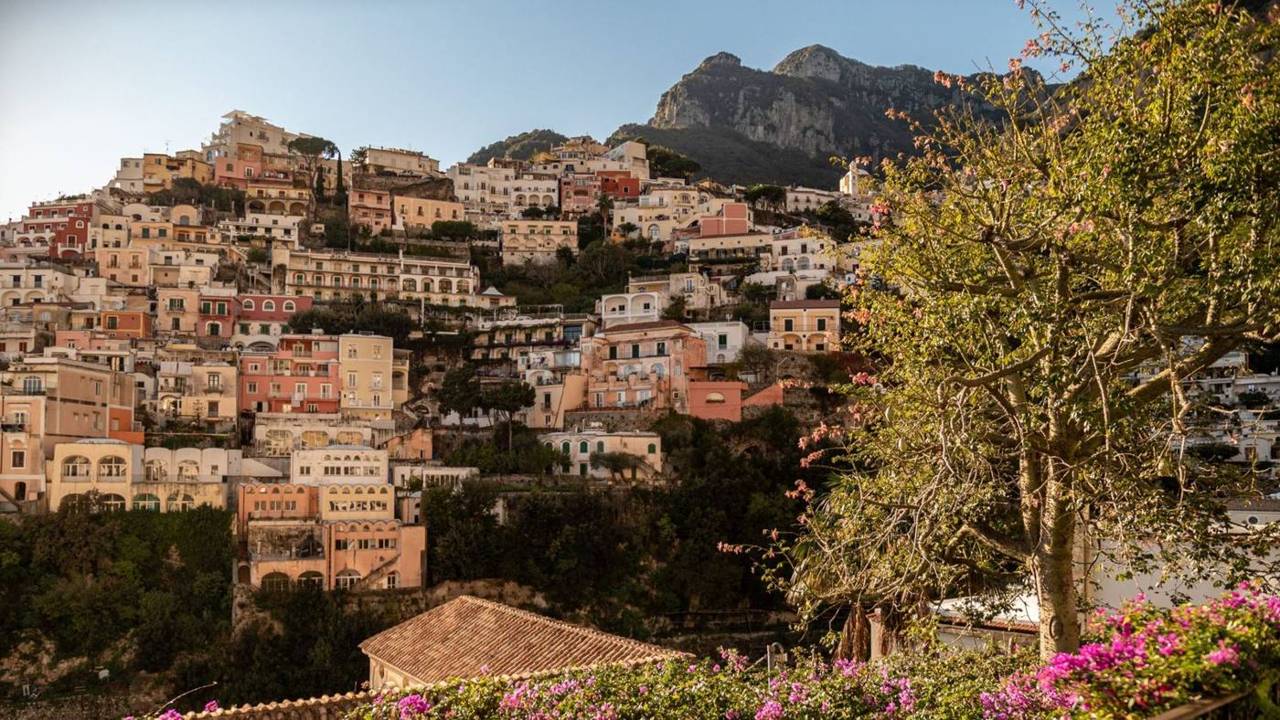
In Positano the coloured houses tumble down to the sea. Climb the lanes and steps to the church of Santa Maria Assunta, with its majolica dome, and walk down to the Spiaggia Grande. Two or three hours are enough.
In the early afternoon continue by boat to Amalfi, the old maritime republic: the steps and the cathedral of Sant'Andrea with the Cloister of Paradise, then the Valle delle Ferriere, where paper was made, with a small museum on the subject. Return to Sorrento by ferry, checking the last sailing, or stay in Amalfi or Ravello to shorten tomorrow. At the table: Amalfi lemons, scialatielli with seafood, delizia al limone and limoncello. Tip: in rough seas ferries can be cancelled; keep the SITA buses, slow but regular, as plan B.
- Day 6
The Path of the Gods and Ravello
The Sentiero degli Dei, the Path of the Gods, is the coast's most famous walk: it starts at Bomerano, part of Agerola, at about 600 metres, and runs along the hillside above the sea to Nocelle, above Positano. It is about seven kilometres, three hours at an easy pace, mostly gently downhill. Bomerano is reached by SITA bus from Amalfi, about forty minutes. Start early: in summer the path is exposed to the sun and very busy.
From Nocelle you go down to Positano by a long stairway of about 1,700 steps, hard on the knees, or take the local bus to Positano. The path is not difficult, but has stony sections and a few narrow passages: hiking shoes and water are needed, and it should be avoided in rain or strong heat. Check for any new rules from the Agerola town council before setting off.
In the afternoon, if your legs allow, go up to Ravello, above Amalfi: Villa Rufolo, with gardens hanging over the sea, and Villa Cimbrone, with its Terrace of Infinity, offer some of the finest views in Italy; each takes an hour. In summer Ravello hosts open-air concerts. Return to Sorrento or stay on the coast. Tip: buy SITA bus tickets before boarding, in bars and newsagents; on crowded summer buses you often stand round the bends.
- Day 7
Capri: round the island by boat and Anacapri
From Sorrento, ferries and hydrofoils to Capri take twenty to thirty minutes; they also leave from Naples. Choose one of the first morning sailings: from ten o'clock the port of Marina Grande fills with groups. On arrival, book a boat trip round the island, about an hour and a half: the Faraglioni, the White Grotto, the Green Grotto and the sheer coast that cannot be seen from the road. The Blue Grotto is visited in small rowing boats only in calm seas; it is often closed because of waves, and in summer the wait can be long.
Ride the funicular up to Capri town: the Piazzetta, the Gardens of Augustus with views of the Faraglioni and the Via Krupp zigzagging down the cliff. Then take the bus to quieter Anacapri: Villa San Michele, the home of the writer Axel Munthe with its garden above the bay, and the chairlift up Monte Solaro, the island's highest point at 589 metres, reached in about a quarter of an hour.
Return to Sorrento on a late-afternoon ferry, checking the time of the last sailing. To try: torta caprese, a chocolate and almond cake, and the insalata caprese, born here. Tip: Capri in August is packed and expensive; in May, June and September it is far better, and those who stay overnight see the island in the evening, when the day-trippers leave.
- Day 8
Back to Naples and departure
From Sorrento you return to Naples by hydrofoil to the Molo Beverello, about forty minutes, or by Circumvesuviana to Piazza Garibaldi, over an hour. For Capodichino airport there is a shuttle bus from the central station and the port; taxis have fixed fares set by the city for the most common routes, which you should ask for before setting off.
If your flight or train is in the afternoon, use the morning for a visit you missed. The Capodimonte palace, in a large park on the hill, holds Caravaggio, Titian and Bourbon porcelain; allow at least an hour and a half. Alternatively, the Fontanelle cemetery, in the Sanità district, is an ossuary cut into the tuff with thousands of skulls, linked to a popular cult of souls; or the catacombs of San Gennaro, nearby, can be visited with a guide.
Before leaving, buy something to take home: Gragnano pasta, limoncello, babà in jars, taralli with almonds and pepper. Practical tip: at Napoli Centrale station and in the square in front, beware of people offering unrequested help with luggage or ticket machines; buy tickets only at ticket offices or through the official apps. If you leave by train, high-speed services link Naples and Rome in just over an hour.
Art, archaeology, sea and Italy's best-loved cooking in one trip. A car is not worth it on the Amalfi Coast: narrow roads, traffic and very expensive parking, so use ferries and SITA buses. Capri and Positano are packed and expensive in August. In Naples watch out for pickpockets on public transport.
Before you go
- Documents and visa
- EU citizens only need a valid identity card or passport; hotels and guesthouses must register it on arrival. Other nationalities should check the visa rules for the Schengen area.
- Health and vaccines
- No vaccines required. EU citizens should bring their European Health Insurance Card (EHIC). Emergency number: 112.
- Money and payments
- Euro. Cards are accepted almost everywhere; many cities charge a tourist tax per night, paid directly at your accommodation.
- Power sockets
- Types C, F and L, 230 volts.
- Time zone
- Central European Time (UTC+1), summer time (UTC+2) from the last Sunday of March to the last Sunday of October.
- Safety
- A safe country. In big cities and on crowded public transport watch out for pickpockets. Emergencies: 112. Official advice: GOV.UK.
Information checked in November 2026 for Italian and EU citizens. Rules change: always check before you travel.
Variations
In 5 days: one day in Naples, one between Pompeii and Herculaneum, one on the coast with Positano and Amalfi, one on the Path of the Gods and Ravello, and departure. You skip Vesuvius, the Archaeological Museum and Capri.
In 12 days: add a day at Paestum, with its Greek temples and buffalo mozzarella, two days on Procida and Ischia, with its thermal baths, and a day at the Royal Palace of Caserta.
Frequently asked questions
Do I need a car?
No, it is actually best avoided. Naples has a metro and funiculars, Pompeii and Herculaneum are reached by the Circumvesuviana, and on the coast ferries and SITA buses are easier than a narrow, congested road with very expensive parking.
Is Naples safe?
In tourist areas yes, with the usual precautions of a big city: pickpocketing on public transport and in crowded places, and bag snatching from scooters. Do not leave your phone on an outdoor table, and at night avoid deserted streets around the station.
What should I book?
Pompeii's personal tickets, timed entry to the Vesuvius crater, the Sansevero Chapel and, in high season, accommodation on the Amalfi Coast and Capri, which sells out early. Napoli Sotterranea tours run at fixed times.
Indicative itinerary written by World Atlas. Before booking, check timetables, seasonal openings, documents and safety.
 8 daysEasy
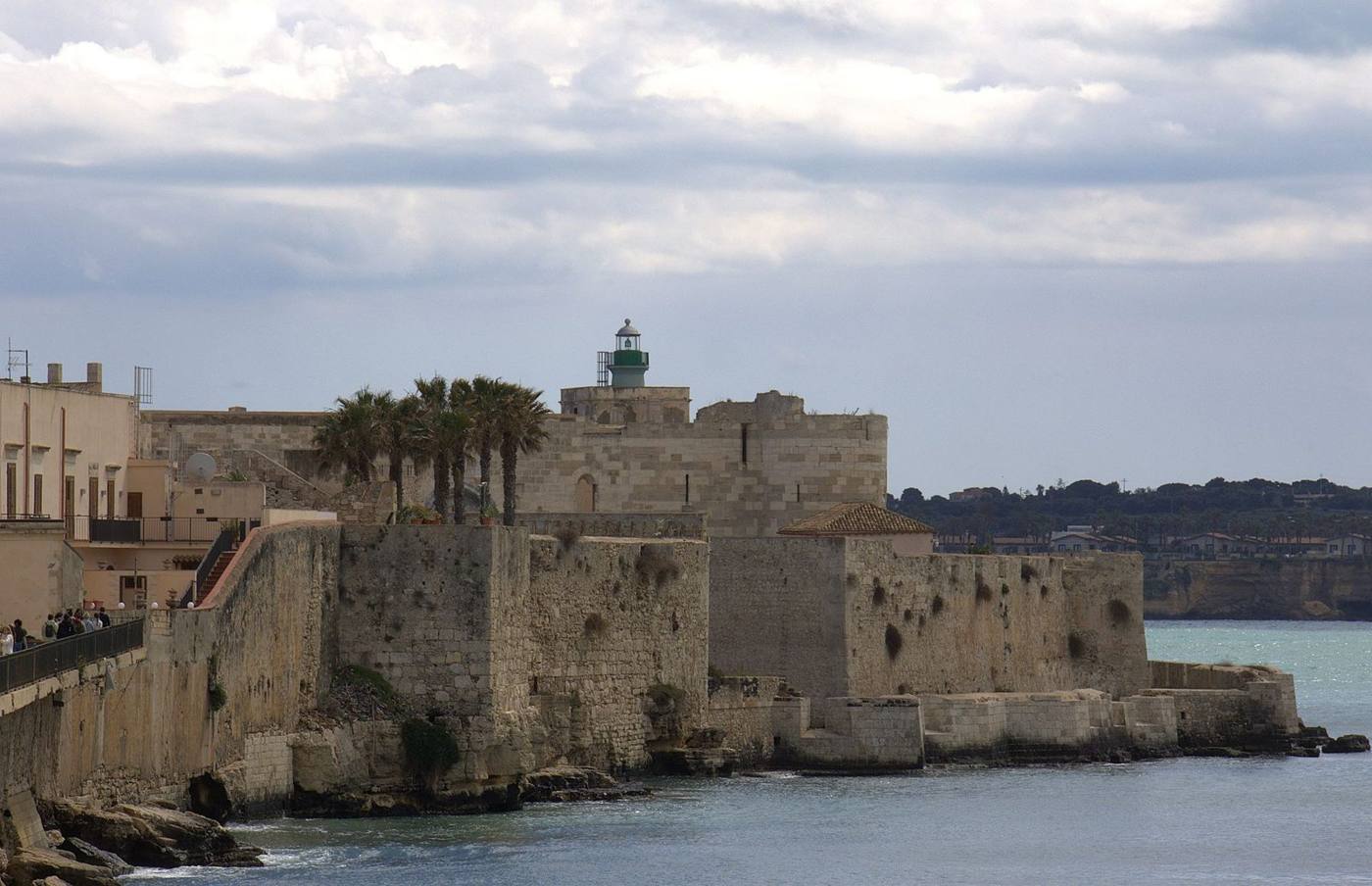
Eastern Sicily
Catania and Etna, Taormina, Syracuse and Ortigia, the baroque of Noto, Modica and Ragusa, the Vendicari reserve.
 9 daysEasy
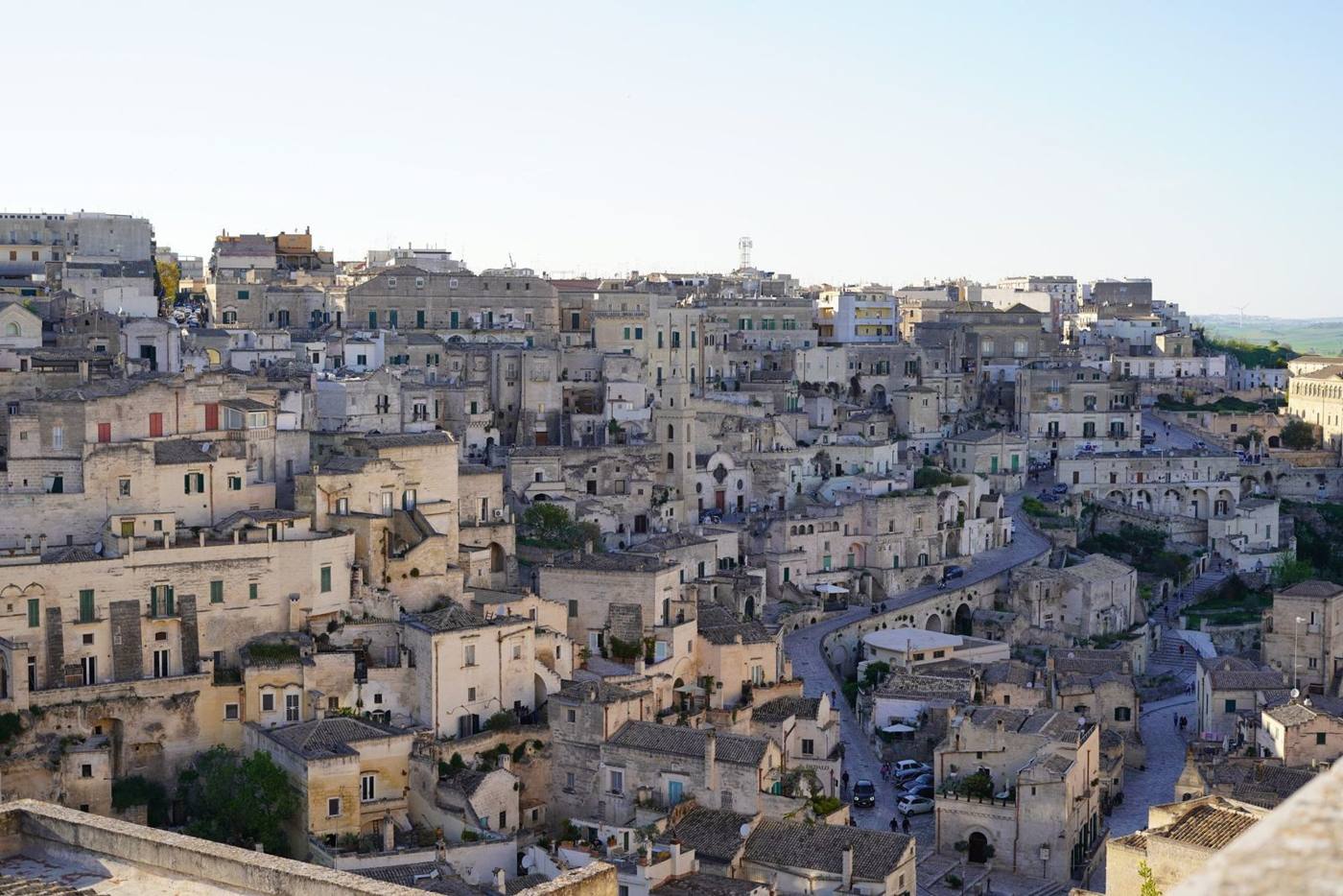
Puglia and Matera
Old Bari, the trulli of Alberobello, the Itria Valley, the Sassi of Matera, the baroque of Lecce and the sea of Salento.
 8 daysModerate
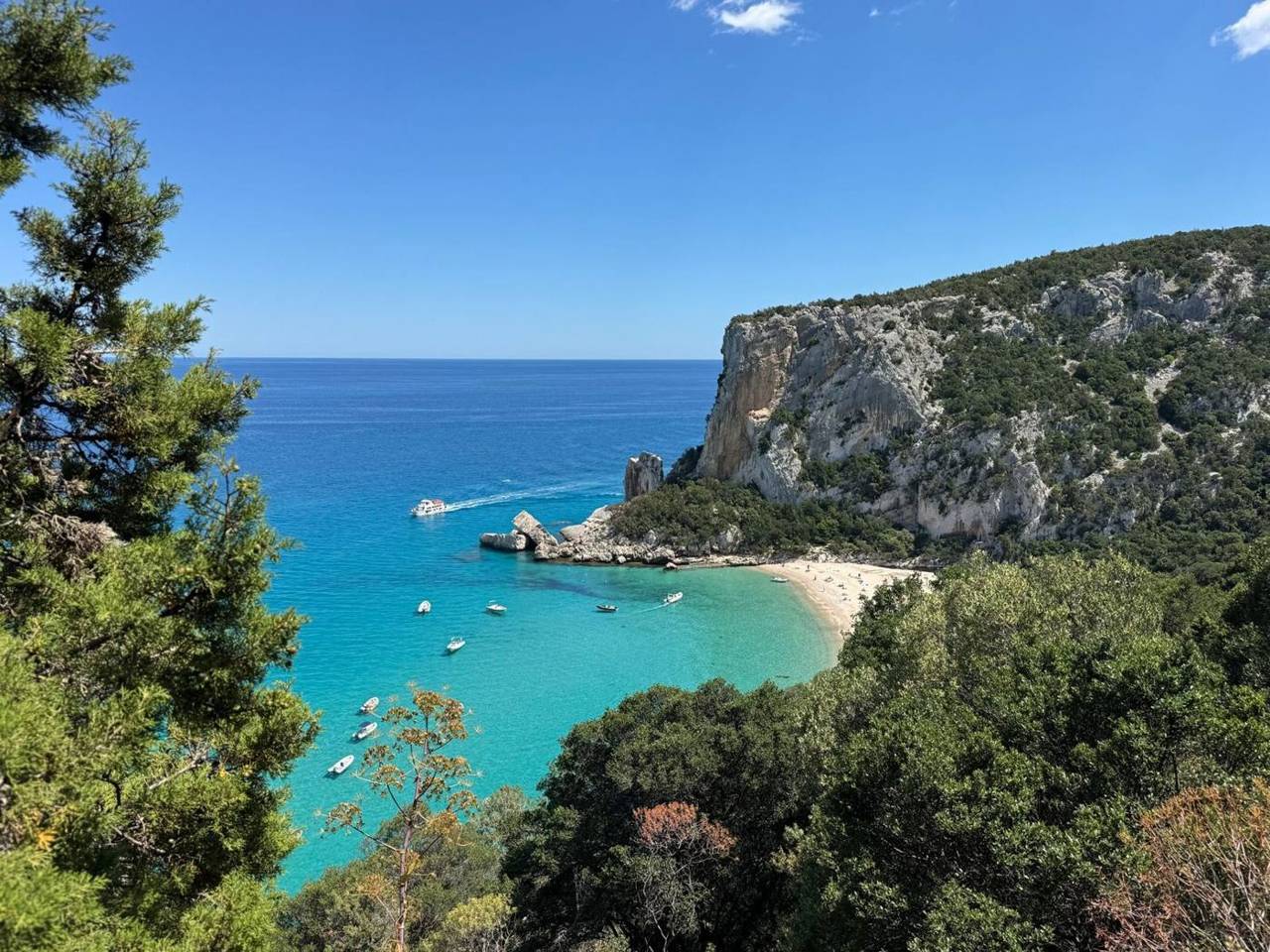
Sardinia: the Gulf of Orosei
Coves reachable only on foot or by boat, Cala Goloritzé and Cala Luna, the Gorropu gorge, the nuraghi and the villages of the Barbagia.