Montego Bay and Cockpit Country
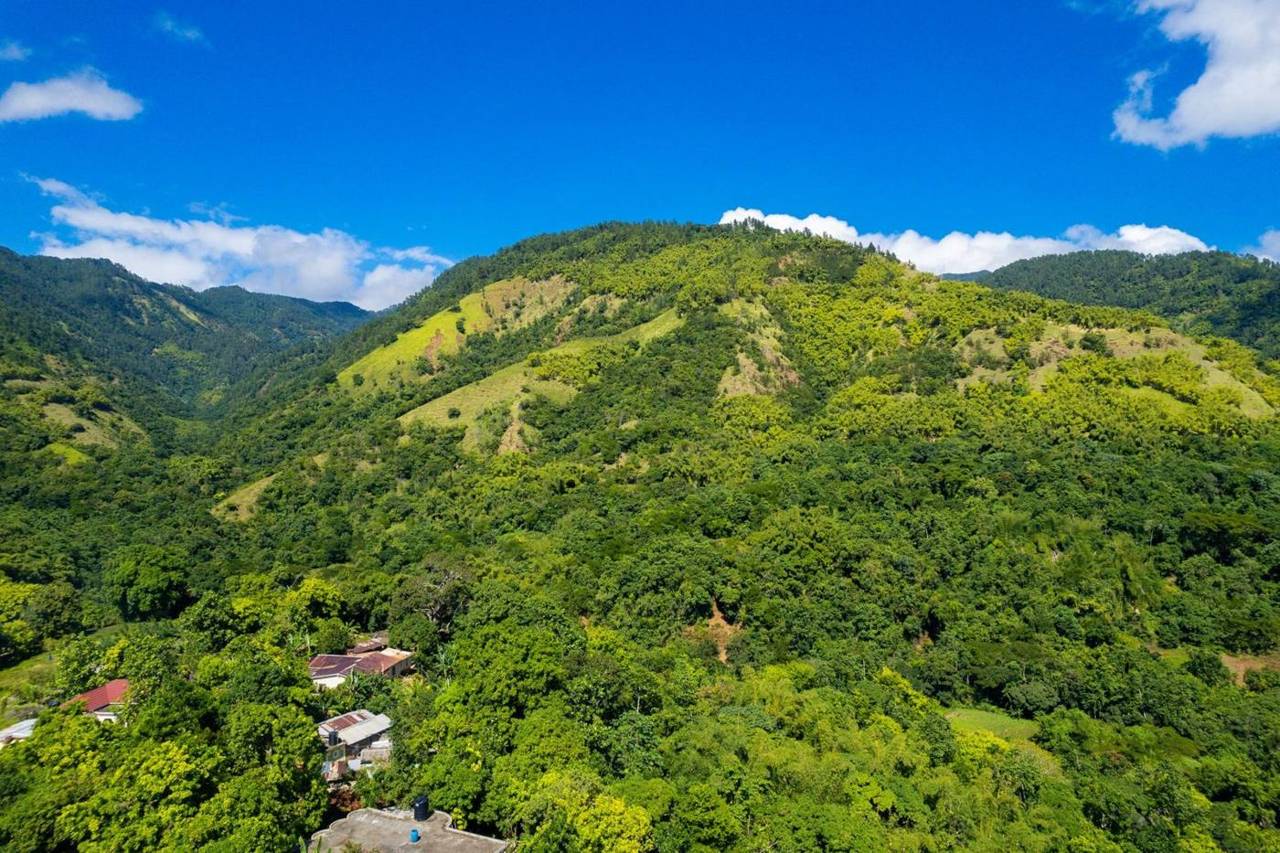
The karst hills of Cockpit Country, the Maroon community of Accompong, the Luminous Lagoon with glowing plankton and the old Rose Hall plantation.
- Montego Bay
- Rose Hall
- Falmouth
- Luminous Lagoon
- Cockpit Country
- Accompong
Day by day
- Day 1
Montego Bay and Rose Hall
This five-day trip starts in Montego Bay, on Jamaica's north coast, and discovers a less visited side of the island: the plantation houses, the Georgian town of Falmouth, the luminous lagoon and the karst hills of the Cockpit Country, with the Maroon community of Accompong.
Before you go: Italian citizens enter Jamaica with a passport valid for at least six months from the date of entry, and without a visa for stays of up to 90 days; before your flight, complete the C5 immigration and customs form online on the official website. Other nationalities should check their own rules. Some areas on this trip are close to borders or places where the situation changes often: check your government's travel advice before booking and again before you leave.
You land at Sangster airport in Montego Bay. After dropping off your bags, in the afternoon go to Rose Hall, a large stone plantation house built in the eighteenth century on the hills east of the city, with views of the sea. The guided tour tells of life on the sugar plantations, the work of the enslaved people and the legend of Annie Palmer, the White Witch, who according to folk tales killed her husbands and is said to haunt the house still. Check prices and times.
On the way back pass through Sam Sharpe Square, the square in the centre named after the Baptist preacher who led the great slave rebellion of Christmas 1831, now a National Hero.
In the evening have escovitch fish for dinner, fried and topped with onion, carrot and chilli in vinegar.
Practical tip: in Montego Bay use only licensed transfers and taxis with the blue JTB sticker, stay on the sea side of the main road and do not walk around after dark.
- Day 2
Georgian Falmouth and the Luminous Lagoon
Today you follow the coast east to Falmouth, about half an hour from Montego Bay, in the parish of Trelawny.
Falmouth was founded in 1769 and for a few decades was one of the richest ports in the Caribbean, shipping the sugar and rum of the surrounding plantations. Today it is one of the best-preserved Georgian towns in the region, with stone and timber houses, balconies, shutters and old warehouses. Walk around Water Square, the square where the town's old water tank once stood, then visit the courthouse with its columns and the Baptist church dedicated to William Knibb, the English missionary who fought against slavery. The eighteenth-century Anglican church of St Peter has a small graveyard with old headstones. A local guide tells you the story of each house.
In the afternoon float down the Martha Brae River on a bamboo raft, steered by a raftsman who pushes with a long pole between the trees on the bank. Check prices and times.
After dark go to the Luminous Lagoon, the lagoon at Oyster Bay, near Falmouth. Here the fresh water of the river meets the salt water of the sea and creates the conditions for millions of microorganisms, dinoflagellates, which give off a blue light when the water moves. From the boat you dip your hand in or, where allowed, get into the water: every movement leaves a glowing trail. The show is brightest on moonless nights.
Practical tip: do not put on sun cream or insect repellent before swimming in the lagoon, so as not to harm the microorganisms.
- Day 3
The Cockpit Country
Today you enter the Cockpit Country, a region of karst hills in the interior of the island, between the parishes of Trelawny, St James and St Elizabeth.
The landscape is unique: hundreds of cone-shaped hills covered in forest, separated by deep hollows called cockpits, like the arenas for cockfights. The limestone is full of caves, sinkholes and underground rivers, and the region supplies water to much of the west of the island. There are few roads and they are narrow, the trails are poorly marked and the forest is dense: here you always need a local guide.
In the morning reach the Windsor area, on the northern edge of the Cockpit Country, with a driver. With your guide you walk through the forest, among ferns, bromeliads and very tall trees, and look for birds found only in Jamaica, such as the tody, small and green with a red throat, the black-billed parrot and the streamertail hummingbird, called the doctor bird, a national symbol. In summer you may also see the giant Jamaican swallowtail, the largest butterfly in the Americas.
In the afternoon, with the guide, you go into a cave in the area, with stalactites and colonies of bats. You walk on earth and rock, with a torch, without touching the formations.
In the evening sleep in a country house or simple lodging on the edge of the forest, where you hear only the frogs and insects.
Practical tip: check the condition of the inland roads first, as they were damaged by Hurricane Melissa in 2025, and bring walking boots, water and a rain jacket.
- Day 4
Accompong and the Maroons
Today you visit Accompong, the Maroon village on the southern edge of the Cockpit Country, in the parish of St Elizabeth.
The Maroons are descendants of Africans who escaped from the Spanish and then the British plantations and took refuge in these mountains, where they created independent communities. For decades they fought British soldiers, using the difficult terrain of the hills. In 1739 their leader, Cudjoe, signed a peace treaty with the British that recognised their land and their autonomy. Accompong still has its own leader, called the colonel, and a council.
With a Maroon guide you visit the small museum, with weapons, tools and objects from daily life in the past, and the Kindah Tree, an old mango tree where the community gathers. Then you walk to Peace Cave, the cave where, according to tradition, the treaty was signed. The guide blows the abeng, a cow horn the Maroons used to send signals from one hill to another.
Every 6 January Accompong celebrates the anniversary of the treaty with drums, songs, dances and traditional food; it is a very popular festival, attracting visitors from all over the island.
For lunch try Maroon cooking: jerk pork, which many say was born right here, yam, green bananas and mountain herb tea.
In the evening head back towards the coast with your driver, by daylight, or sleep near the village.
Practical tip: always ask permission before photographing people and ceremonies, and leave a donation or buy crafts from the community.
- Day 5
Departure from Montego Bay
Today you return to Montego Bay for your flight home.
In the morning drive down from the hills to the north coast with your driver. The road crosses sugar cane fields, villages with wooden churches and roadside fruit stalls, where you can buy mangoes, ackee, bananas and fresh coconuts.
If your flight leaves in the afternoon, spend the morning on a beach in Montego Bay or swim in the calm waters of the bay. You can also make a short visit to Greenwood Great House, another plantation house on the hills near the coast, with a collection of musical instruments and antique furniture. Check prices and times.
Before you leave, buy a souvenir: Blue Mountain coffee, Jamaican rum, jerk spices or wooden crafts.
In these five days you have seen a historic and natural Jamaica: the plantation houses of Rose Hall, the Georgian town of Falmouth, the lagoon that glows at night, the hills and caves of the Cockpit Country and the culture of the Accompong Maroons.
When to go: from December to April, in the dry season, when the trails are less muddy. On 6 January there is the Maroon festival in Accompong. From June to November is the hurricane season, with heavy rain.
Practical tip: arrive at Sangster airport at least three hours before international flights, because the checks can take a long time.
Historical, natural Jamaica, off the beaten track. Cockpit Country is hard to explore without a guide: poorly marked trails and dense forest. Check the effects of the 2025 hurricane on inland roads.
Before you go
- Documents and visa
- Passport with at least six months' validity on entry; no visa is needed for stays of up to 90 days. You may have to show a return ticket and enough funds. The C5 immigration and customs form must be completed online on the official enterjamaica.com website, up to 30 days before travel.
- Health and vaccines
- There is a risk of dengue and Zika: protect yourself from mosquitoes. Drink bottled water. After Hurricane Melissa in October 2025, healthcare remains limited in some western areas. Treatment is expensive and often paid on the spot: you need insurance covering medical costs and repatriation. Emergencies: 119 police, 110 ambulance.
- Money and payments
- Jamaican dollar. The US dollar is accepted in many tourist places, but change often comes in local currency. Visa and Mastercard work in towns and at accommodation; use cash machines by day and in safe places.
- Power sockets
- Types A and B, 110 volts: you need an adapter for American plugs, and check that your devices accept this voltage.
- Time zone
- UTC-5 all year.
- Safety
- The United States advises reconsidering travel to Jamaica because of crime and bars its staff from some areas, including downtown Kingston with Trench Town and Tivoli Gardens, Spanish Town, most of Clarendon Parish and the inland side of the A1 road in Montego Bay. The United Kingdom advises caution in Kingston, Spanish Town, Savanna-la-Mar and parts of Montego Bay. The government can declare states of emergency in some areas: ask locally. Use only taxis and transfers licensed by the tourist board, with the blue JTB sticker, and do not walk around after dark. Hurricane Melissa hit the western parishes hard in October 2025: check that roads and sites are open. Official advice: GOV.UK.
Information checked in November 2026 for Italian and EU citizens. Rules change: always check before you travel.
Variations
In 3 days: Montego Bay, Falmouth and the Luminous Lagoon, without the Cockpit Country.
In 8 days: add three days in Negril, on the west coast, for the beaches and the cliffs at sunset.
Frequently asked questions
What document do I need for Jamaica?
Italian citizens enter with a passport valid for at least six months from entry, without a visa for stays of up to 90 days, and complete the C5 form online before the flight. Other nationalities should check their own rules.
Do I need a guide in the Cockpit Country?
Yes. The trails are poorly marked, the forest is dense and the caves are dark: always go with a local guide. In Accompong visits are made with a Maroon guide.
When is the Luminous Lagoon at its best?
On moonless nights, when the sky is dark and the light of the microorganisms shows up more. Trips leave after sunset.
Indicative itinerary written by World Atlas. Before booking, check timetables, seasonal openings, documents and safety.
 3 daysModerate
Kingston and its music
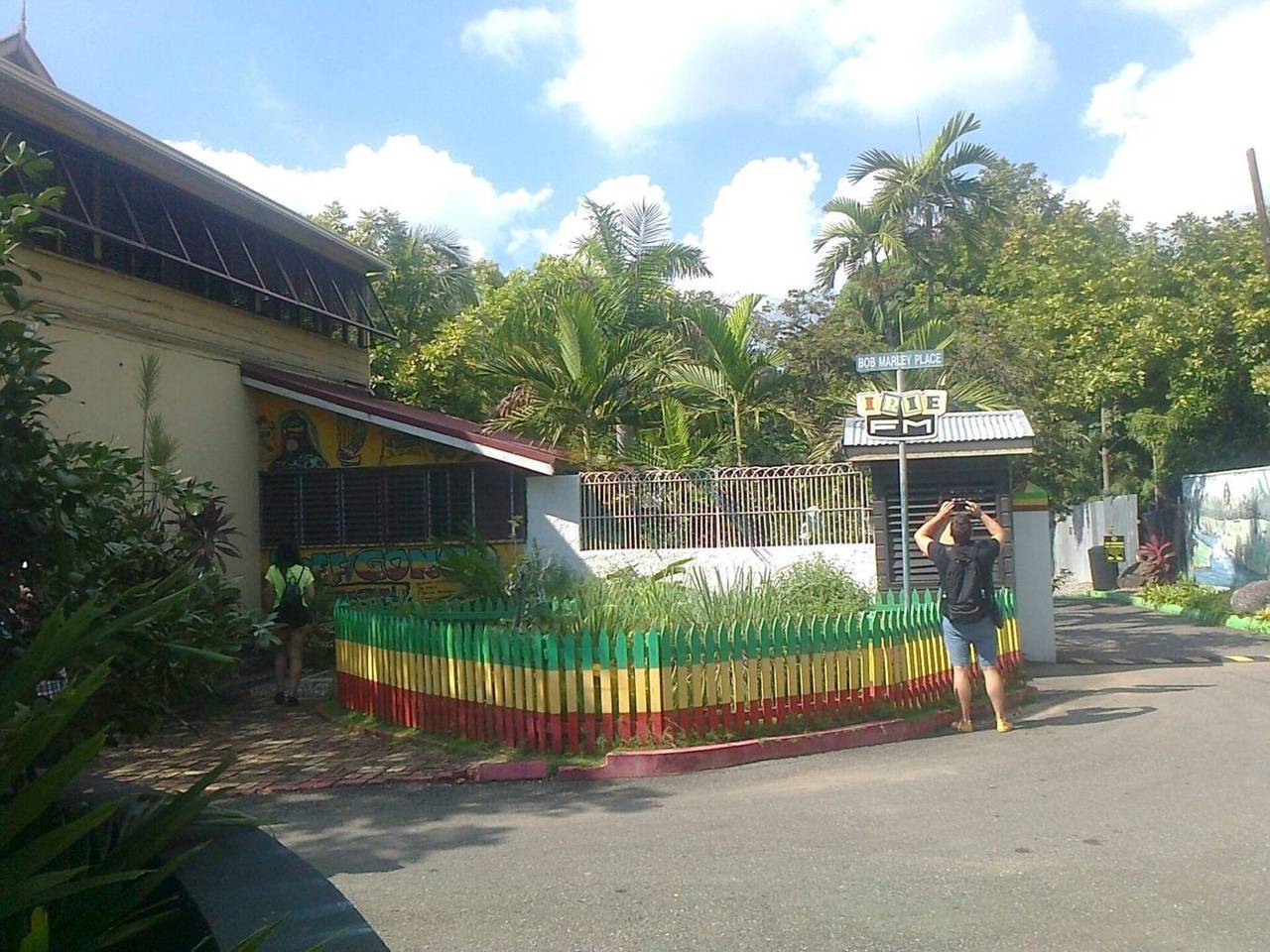
The reggae capital: the Bob Marley Museum, Tuff Gong studios, Trench Town, the National Gallery and Sunday sound system nights.
 2 daysEasy
Port Royal and Lime Cay
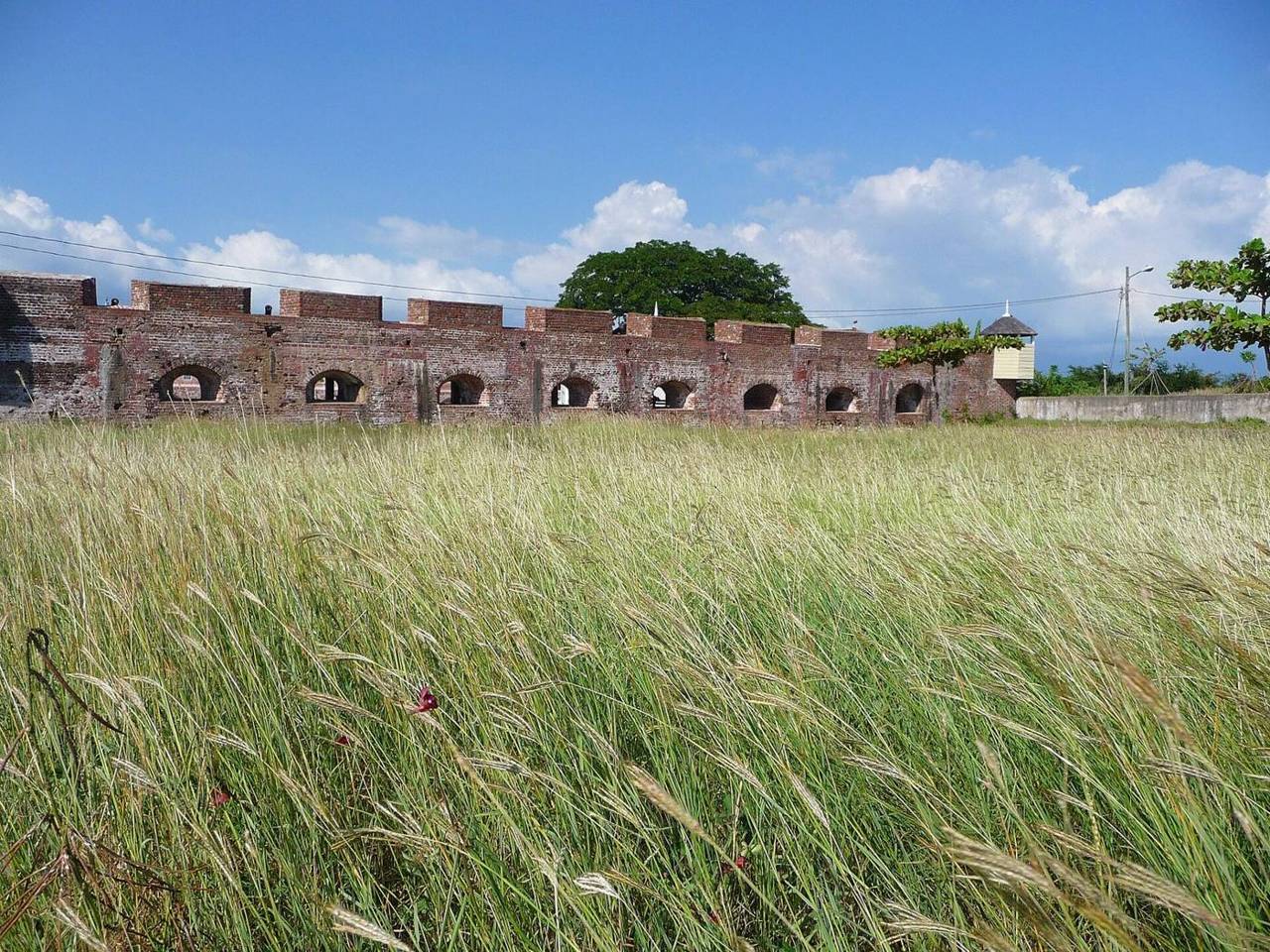
The old pirate town destroyed by the 1692 earthquake, with Fort Charles and the Giddy House, and the sandy islet of Lime Cay off Kingston.
 3 daysEasy
Nine Mile and Ocho Rios
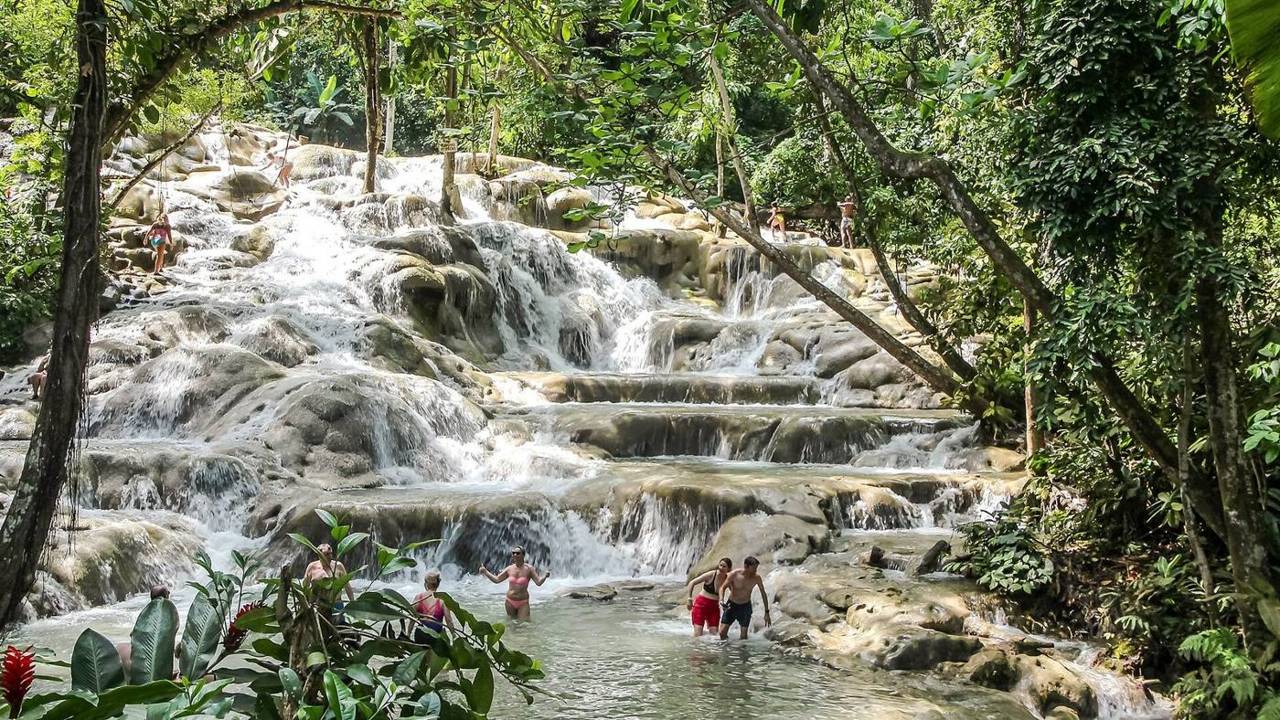
Bob Marley's birthplace in the St Ann hills, with his home and mausoleum, and the stepped Dunn's River falls and the Blue Hole near Ocho Rios.