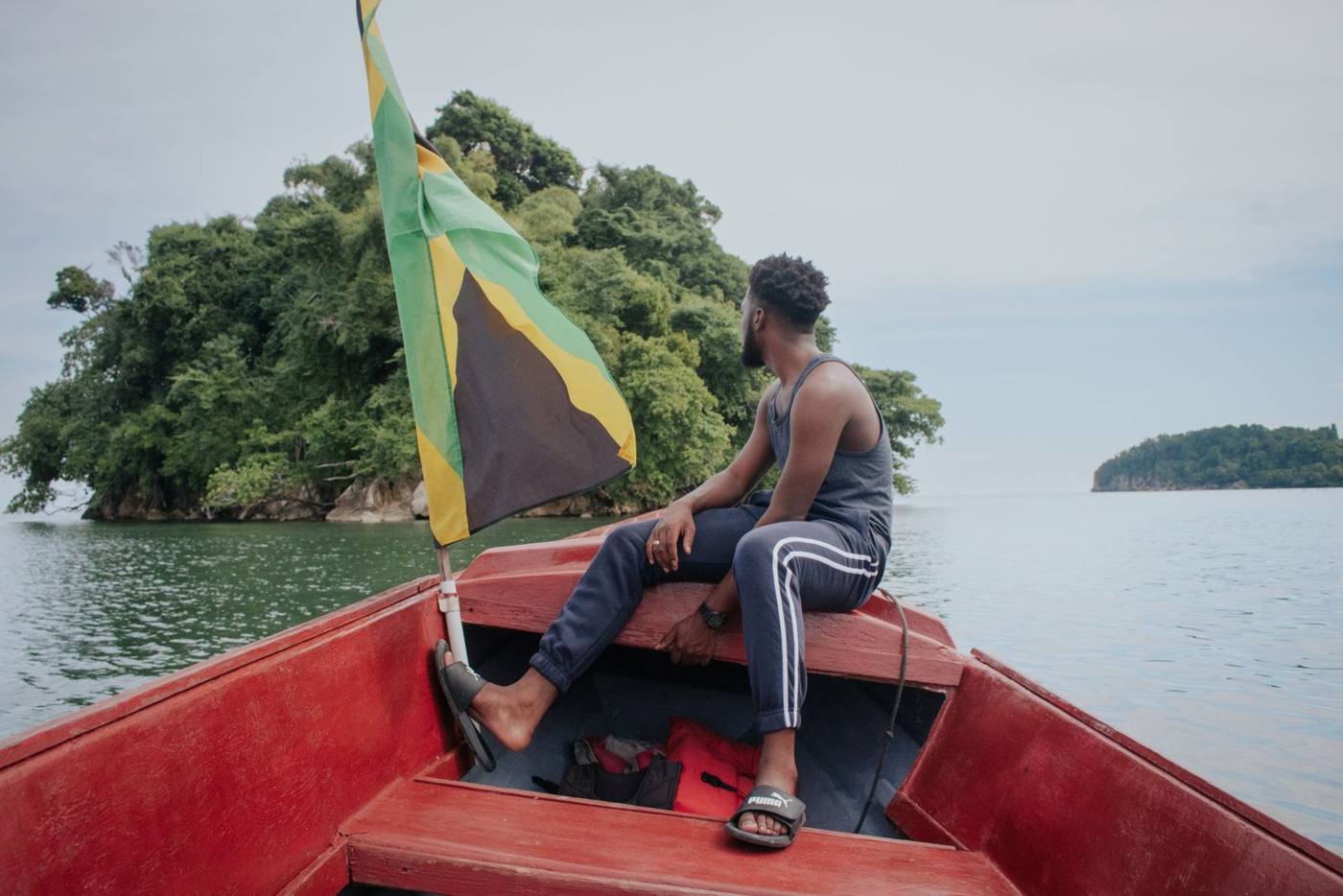
The north coast and the Blue Mountains
Dunn's River Falls, Port Antonio and the Blue Lagoon, the Blue Mountains and their coffee, and the Bob Marley Museum in Kingston.
- Montego Bay
- Ocho Rios
- Port Antonio
- Blue Lagoon
- Blue Mountains
- Kingston
Day by day
- Day 1
From Montego Bay to Ocho Rios
This eight-day trip crosses Jamaica from west to east: the north coast with Ocho Rios and Dunn's River Falls, green Portland around Port Antonio with the Blue Lagoon and the Rio Grande, the Blue Mountains with their coffee and the climb to the peak at dawn, and finally Kingston with the Bob Marley Museum.
Before you go: Italian citizens enter Jamaica with a passport valid for at least six months from the date of entry, and without a visa for stays of up to 90 days; before your flight, complete the C5 immigration and customs form online on the official website. Other nationalities should check their own rules. The United States advises reconsidering travel to Jamaica because of crime and bars its staff from some areas, including the inland side of the A1 road in Montego Bay, Steer Town and Buckfield near Ocho Rios, Spanish Town and downtown Kingston, between Mountain View Avenue and Hagley Park Road, with Trench Town and Tivoli Gardens. Use only licensed transfers and taxis with the blue JTB sticker and do not walk around after dark. Hurricane Melissa hit the island in October 2025: check that roads and sites are open.
Land in Montego Bay and take your transfer straight east along the A1 coast road, without going into the town's neighbourhoods. The journey takes about two hours, past bays, small villages and the Georgian town of Falmouth.
Reach Ocho Rios in the afternoon and rest. At sunset walk on the beach of the bay, in the tourist area.
Sleep in Ocho Rios, for two nights.
Practical tip: ask your driver to choose a route that avoids Steer Town and Buckfield, in the hills near the town.
- Day 2
Dunn's River Falls
Today you climb Dunn's River Falls, the most famous natural site in Jamaica, which reopened a few days after Hurricane Melissa.
Arrive at opening time, before the cruise ship groups. The falls run down from the forest to the beach over a long series of limestone terraces, with pools and small cascades. You climb them from the bottom to the top, on foot in the water, often in a line holding hands with the park guides, who show you where to put your feet. It takes about an hour, with stops in the pools for a swim under the jets. Check prices and times.
After the climb rest on the small beach at the foot of the falls, where the fresh river water meets the sea.
For lunch go back to Ocho Rios and eat jerk chicken, marinated with scotch bonnet pepper, pimento and thyme and cooked over the coals, with festival, a sweet cornmeal fritter.
In the afternoon drive up the Fern Gully road, a shady, cool gorge covered with giant ferns, above the town. It is an old river valley turned into a road, where the light struggles to pass through the leaves. Enjoy it from the car, without stopping in the villages around it.
In the evening listen to some live reggae in the tourist area of Ocho Rios.
Sleep in Ocho Rios.
Practical tip: bring water shoes with soles that grip, because the rocks are slippery, and a waterproof pouch for your phone.
- Day 3
Port Antonio and the Blue Lagoon
Today you leave the touristy north coast for Portland, the greenest and rainiest parish in Jamaica.
In the morning set off east with a transfer, along the coast road through Port Maria and Annotto Bay, among banana plantations, palm trees and empty bays. In about two and a half hours you reach Port Antonio, a quiet town built around two bays, with the green islet of Navy Island in front of it.
Drop your bags and walk up Titchfield Hill, the oldest quarter, with its old wooden houses and views over the harbour.
In the afternoon go to the Blue Lagoon, a few kilometres to the east. It is a deep lagoon, surrounded by forest, where cold freshwater springs mix with the sea: that is why its colour changes from green to deep blue during the day. Look at it from the shore or from a local fishermen's boat, which can also take you to the nearby islets. Agree the price first.
A little further on is Frenchman's Cove, a small bay of white sand where a cold river flows down through the trees into the turquoise sea. Access is paid: check prices and times.
In the evening have fried fish or Portland jerk for dinner, in the area where it was born.
Sleep in Port Antonio, for two nights.
Practical tip: in Portland it often rains even in the dry season, but the showers are usually short: keep a light jacket in your bag.
- Day 4
By raft on the Rio Grande
Today you float down the Rio Grande on a bamboo raft, one of the most peaceful experiences in Jamaica.
In the morning drive inland to Berrydale, the starting point for the rafts, in the hills above the river. The rafts were once used to carry bananas from the plantations down to the coast, where the ships were waiting. In the 1940s and 1950s the actor Errol Flynn, who lived in Port Antonio, made these trips famous with visitors too.
Step onto the raft, about nine metres long, with your raftsman, who steers it standing up with a long pole. You stay seated on a bamboo bench. For about three hours you drift slowly down the wide green river, between walls of forest, reed beds and trees heavy with fruit. You stop on the bank for a swim in the cool water and, if you like, to taste a dish cooked by a local woman over a wood fire. This is not sporty rafting: it is a calm and romantic journey. Check prices and times, because after heavy rain the trips can be suspended.
At the end, near the sea, a driver takes you back to Port Antonio.
In the afternoon rest or go back to Frenchman's Cove for another swim.
Sleep in Port Antonio.
Practical tip: bring a cash tip for the raftsman and a hat, because there is little shade on the river.
- Day 5
The Blue Mountains and the coffee
Today you climb into the Blue Mountains, the mountains that give their name to Jamaica's most famous coffee.
In the morning set off with a driver and a vehicle suited to the mountains. If it is open, the most beautiful road climbs from Buff Bay up a very green valley to the Hardwar Gap pass; otherwise you go via Kingston. Either way these are narrow roads, with many bends and stretches damaged by rain: ask about conditions before you leave.
The Blue Mountains are part of the Blue and John Crow Mountains National Park, a UNESCO World Heritage Site since 2015 for its forest and for the history of the Maroons, the escaped slaves who took refuge in these mountains. Stop at Holywell, an area of the park at over 900 metres, with short trails in the cloud forest and viewpoints over Kingston and the sea.
In the afternoon visit a coffee plantation on the slopes. You see the plants covered with red berries, the beans spread out to dry in the sun and the roasting, then taste a cup of Blue Mountain coffee, smooth and only slightly bitter. Check prices and times.
Towards evening reach simple accommodation near the start of the Blue Mountain Peak trail. Have an early dinner and go straight to bed: the alarm goes off in the middle of the night.
Practical tip: the mountains are cold at night, even in winter: bring a warm jumper, a rain jacket and a head torch.
- Day 6
Dawn on Blue Mountain Peak
Today you climb the highest summit in Jamaica, Blue Mountain Peak, at 2,256 metres.
Set off at around two in the morning with a local guide and your head torch. The trail climbs through the forest, among tree ferns and mosses, over ground full of stones and roots, often damp. The last section, from the Portland Gap shelter to the summit, is about five and a half kilometres long and takes two to three hours of walking. It is not technical, but it is long and steep: go at your own pace and take short breaks.
Reach the top before dawn and wait for the sun, sheltered from the wind. When the sky is clear you see the mountain ridges falling away towards the sea to the north and south, with clouds filling the valleys below you. Often, though, the summit is in the mist: if so, enjoy the forest and the silence.
Come down slowly on the same trail, careful on the slippery sections, and go back to your lodging for a big breakfast.
In the afternoon drive down to Kingston with your driver, about two hours, and settle in New Kingston, the modern district of offices and hotels in the upper part of the city.
Sleep in Kingston, for two nights.
Practical tip: ask your guide about trail conditions the day before; after heavy rain or landslides some sections may be closed.
- Day 7
Kingston and the Bob Marley Museum
Today you discover Kingston, the capital and the city of Jamaican music, staying in the neighbourhoods of the upper town.
In the morning visit the Bob Marley Museum, at 56 Hope Road, in the house where the singer lived and recorded from the mid-1970s until his death in 1981. With the guide you see the rooms, the gold records, his personal belongings, the kitchen and the small room where he rehearsed with the band. On the walls there are also the bullet marks from the 1976 assassination attempt. Check prices and times.
For lunch eat a patty or curried goat with rice and peas, as kidney beans are called here.
In the afternoon visit Devon House, a nineteenth-century mansion built by George Stiebel, one of Jamaica's first black millionaires. See the period rooms with their furniture and wooden staircases, then relax in the grounds and try an ice cream. Check prices and times.
The National Gallery, included in this itinerary, is in downtown Kingston, on the waterfront, in an area the United States bars its staff from: that is why we leave it out. Instead, if you have time, walk in Emancipation Park, in New Kingston.
In the evening listen to reggae or dancehall in the venues of New Kingston, getting around only by taxi.
Sleep in Kingston.
Practical tip: in Kingston take a taxi even for a few hundred metres and do not go south of Half Way Tree.
- Day 8
Departure from Kingston
Today is the last day.
In the morning, if your flight leaves late, have a Jamaican breakfast of ackee and saltfish, the national dish, with fried dumplings and a cup of Blue Mountain coffee, perhaps bought the day before at the plantation. Then pack your bags calmly.
Take a licensed taxi to the airport. The road crosses the city and then follows the Palisadoes, the long sand spit that closes Kingston harbour, with the sea on one side and the bay on the other. Do not stop along the way, especially in the Harbour View area. Leave with time to spare, because traffic in the city can be slow.
In these eight days you have crossed Jamaica from west to east: Dunn's River Falls and the Fern Gully gorge at Ocho Rios, the Blue Lagoon, Frenchman's Cove and the raft on the Rio Grande in Portland, the coffee and the dawn on Blue Mountain Peak, and Bob Marley's house in Kingston. This is the real Jamaica, made of mountains, rivers and music, beyond the big resorts.
When to go: from December to April the weather is drier, the falls and trails are easier and the mountain sky is more often clear. Portland stays rainy all year. June to November is hurricane season: always follow the forecasts.
Practical tip: Blue Mountain coffee is expensive: buy it at a plantation or in reliable shops, in sealed packs with the official mark.
The real Jamaica, beyond the resorts. Kingston has dangerous areas: use trusted drivers and don't walk around at night. Hurricane Melissa hit the island hard in late October 2025: check the state of roads and facilities before leaving.
Before you go
- Documents and visa
- Passport with at least six months' validity on entry; no visa is needed for stays of up to 90 days. You may have to show a return ticket and enough funds. The C5 immigration and customs form must be completed online on the official enterjamaica.com website, up to 30 days before travel.
- Health and vaccines
- There is a risk of dengue and Zika: protect yourself from mosquitoes. Drink bottled water. After Hurricane Melissa in October 2025, healthcare remains limited in some western areas. Treatment is expensive and often paid on the spot: you need insurance covering medical costs and repatriation. Emergencies: 119 police, 110 ambulance.
- Money and payments
- Jamaican dollar. The US dollar is accepted in many tourist places, but change often comes in local currency. Visa and Mastercard work in towns and at accommodation; use cash machines by day and in safe places.
- Power sockets
- Types A and B, 110 volts: you need an adapter for American plugs, and check that your devices accept this voltage.
- Time zone
- UTC-5 all year.
- Safety
- The United States advises reconsidering travel to Jamaica because of crime and bars its staff from some areas, including downtown Kingston with Trench Town and Tivoli Gardens, Spanish Town, most of Clarendon Parish and the inland side of the A1 road in Montego Bay. The United Kingdom advises caution in Kingston, Spanish Town, Savanna-la-Mar and parts of Montego Bay. The government can declare states of emergency in some areas: ask locally. Use only taxis and transfers licensed by the tourist board, with the blue JTB sticker, and do not walk around after dark. Hurricane Melissa hit the western parishes hard in October 2025: check that roads and sites are open. Official advice: GOV.UK.
Information checked in November 2026 for Italian and EU citizens. Rules change: always check before you travel.
Variations
Shorter: five days, with Ocho Rios, Port Antonio and one night in the Blue Mountains, returning to Kingston without climbing the peak.
Longer: add Nine Mile, Bob Marley's birthplace, from Ocho Rios, and a day at Port Royal and Lime Cay from Kingston.
Frequently asked questions
Is the climb to Blue Mountain Peak difficult?
It is not technical, but it is long, steep and done at night. You need to be fit, with hiking boots, warm clothes and a local guide. If it feels too much, stay at Holywell and walk the short trails.
Can I visit the National Gallery in Kingston?
It is in downtown Kingston, in an area the United States bars its staff from because of crime. We leave it out of this trip: if you want to go, ask locally and go only with a trusted driver, by day.
Is it a good idea to drive yourself?
Better not: the mountain and Portland roads are narrow, full of bends and sometimes damaged by rain. A local driver knows the conditions and the areas to avoid.
Indicative itinerary written by World Atlas. Before booking, check timetables, seasonal openings, documents and safety.
 6 daysEasy
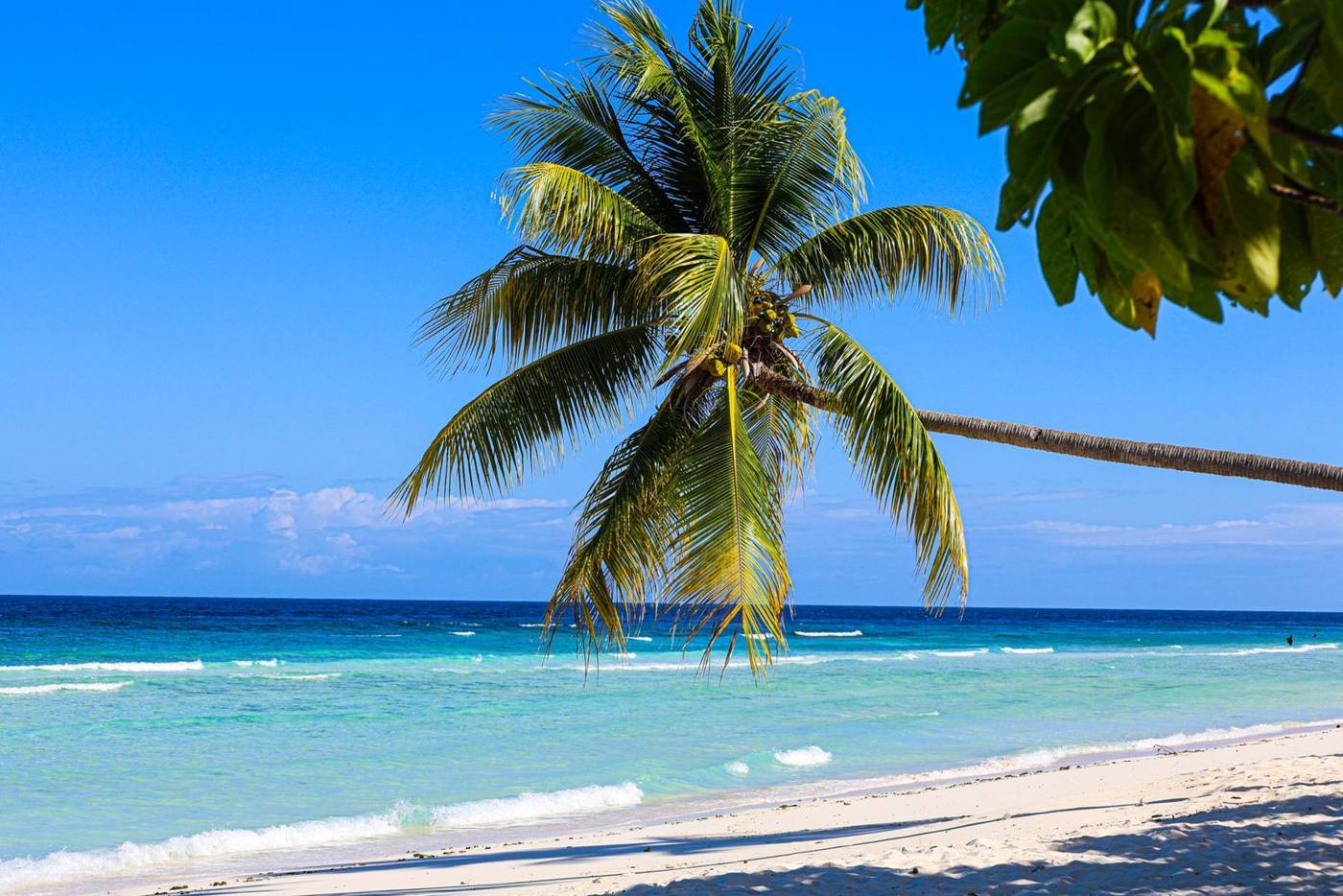
Negril and the South Coast
Negril's cliffs and sunsets, Seven Mile Beach, the village of Treasure Beach, the Pelican Bar at sea and YS Falls.
 5 daysModerate
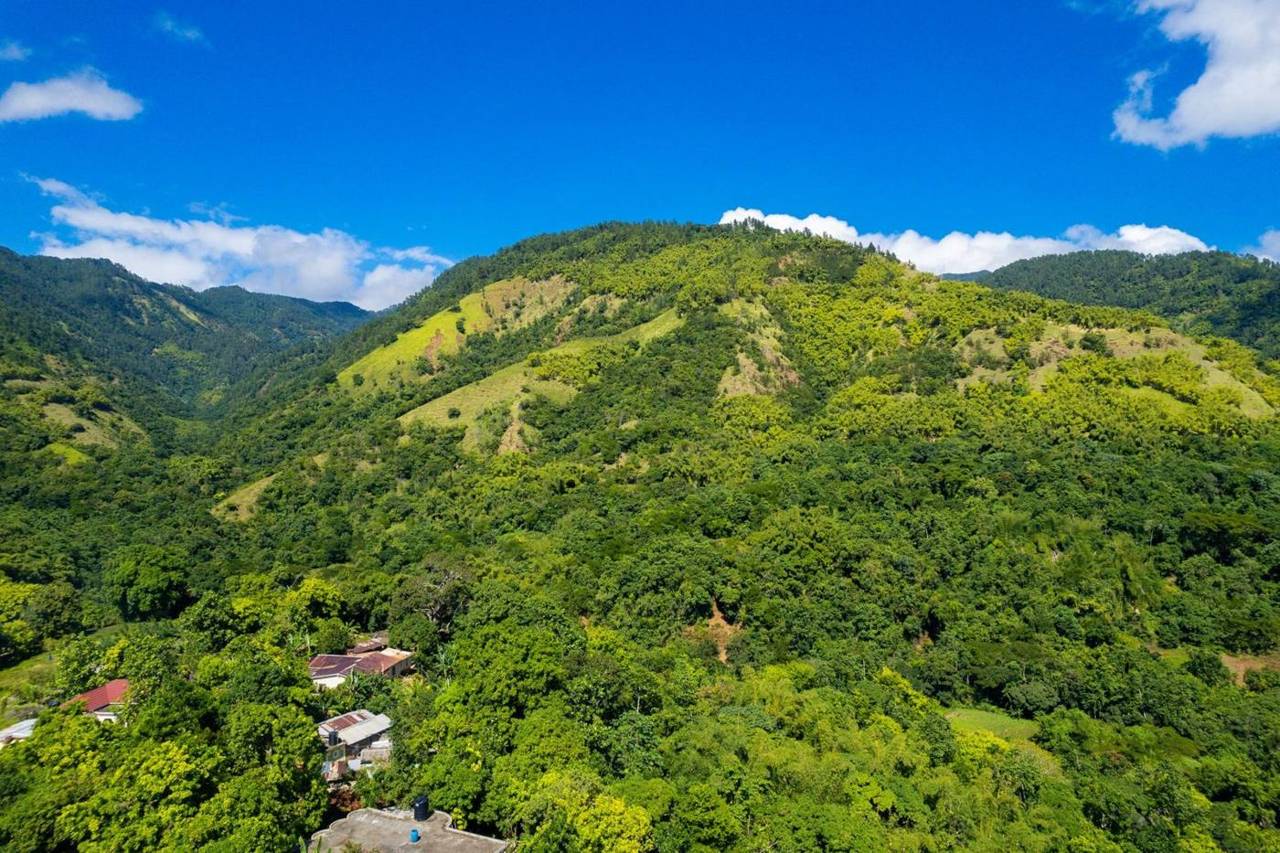
Montego Bay and Cockpit Country
The karst hills of Cockpit Country, the Maroon community of Accompong, the Luminous Lagoon with glowing plankton and the old Rose Hall plantation.
 3 daysModerate
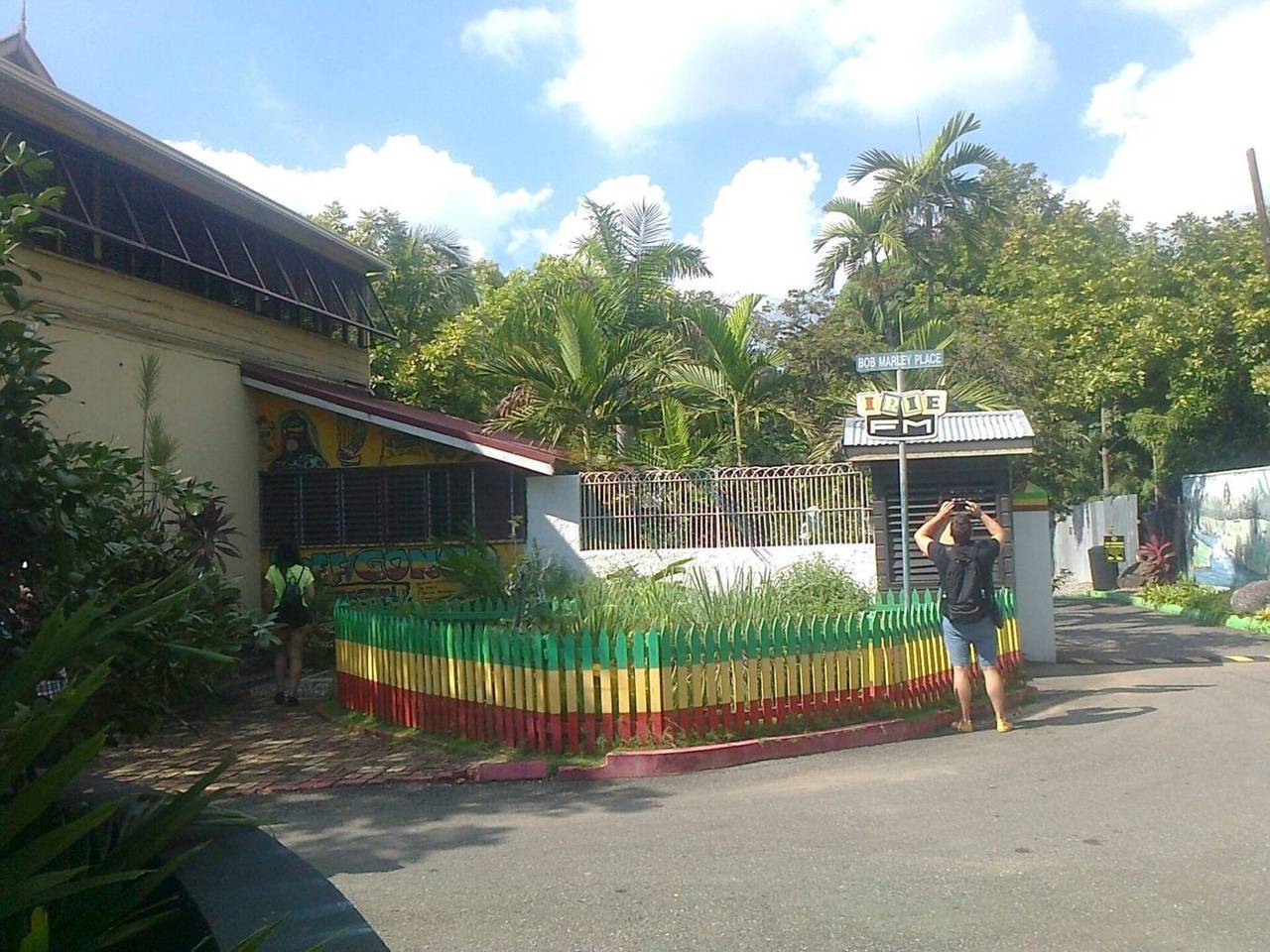
Kingston and its music
The reggae capital: the Bob Marley Museum, Tuff Gong studios, Trench Town, the National Gallery and Sunday sound system nights.