Hokkaido in winter: snow, ice and cranes
The northern island in its most spectacular season: the Sapporo Snow Festival, Otaru's lit-up canals, the penguins walking in Asahiyama Zoo, the drift ice of Abashiri seen from an icebreaker and the red-crowned cranes dancing in the snow near Kushiro.
- Sapporo
- Otaru
- Asahikawa
- Sōunkyō
- Abashiri
- Kawayu Onsen
- Tsurui
- Kushiro
Day by day
- Day 1
Sapporo: snow and ice sculptures and miso ramen
This trip goes to Hokkaido, Japan's northernmost island, in the depths of winter, between January and February. It is a Japan quite different from Tokyo and Kyoto: deep snow, birch forests, frozen lakes, outdoor hot springs, the Sea of Okhotsk covered in drift ice coming down from Siberia, and red crowned cranes dancing in the snow. It is very cold, often below minus ten degrees, but towns and trains are well heated.
For short tourist stays Italian citizens do not need a visa: still, check the current rules before leaving. On departure from Japan there is a departure tax of 3,000 yen, usually already included in the air ticket.
You fly into New Chitose airport near Sapporo, on a domestic flight from Tokyo or via a connection in Asia. From the airport a train takes about forty minutes to the centre.
Sapporo is the capital of Hokkaido, a modern city with straight streets on a grid, built at the end of the nineteenth century. Every year, in early February, it hosts the Snow Festival, with hundreds of snow and ice sculptures, some as big as buildings, in Odori Park in the city centre, and illuminated ice sculptures in the Susukino district.
In the evening walk through illuminated Odori Park and then have dinner with the city's most famous dish, miso ramen, with a rich broth, butter and corn, perfect for the cold. Alternatively try jingisukan, lamb grilled on a dome shaped hotplate.
Spend the night in Sapporo.
Practical tip: bring waterproof shoes with non slip soles, or small crampons to slip under your shoes: pavements are often icy. During the festival hotels fill up months ahead: book early.
- Day 2
Sapporo, the fish market and Otaru with its snowy canal
In the morning visit a Sapporo fish market, the Nijo market in the centre or the Jogai outer market, selling Hokkaido seafood, among the best in Japan: giant crabs, sea urchin, salmon roe, scallops and salmon. Have breakfast with a kaisendon, a bowl of rice topped with fresh raw fish.
Then go to the TV tower or the old Hokkaido government building, in red brick, from the nineteenth century, and the clock tower, one of the symbols of the city.
In the afternoon take the train to Otaru, about forty minutes west of Sapporo on the Sea of Japan coast. Otaru was a great trading and fishing port in the early twentieth century and preserves old stone warehouses along a canal, now turned into shops and cafés. In winter the canal is covered in snow and in the evening the gas lamps are lit.
Walk along Sakaimachi street, with shops selling blown glass, famous throughout Japan, music boxes and sweets. In early February, during the Otaru Snow Light Path festival, the canal and streets are lit by thousands of snow and ice lanterns, each with a candle inside.
In the evening, in Otaru, have dinner with sushi, considered here among the best in the country, then return to Sapporo.
Spend the night in Sapporo.
Practical tip: to get around Hokkaido a regional rail pass, valid on trains and some buses, is worth considering: check the price and conditions. In winter trains may be delayed by snow.
- Day 3
Asahikawa, Asahiyama Zoo and the Sōunkyō ice falls
Today go to Asahikawa, Hokkaido's second city, about an hour and a half by express train from Sapporo, in the centre of the island, one of the coldest cities in Japan.
In the morning visit Asahiyama Zoo, famous throughout Japan for showing animals behaving naturally, with glass tanks and tunnels. You see polar bears diving into the water, seals swimming up a transparent tube in the middle of the visitors, snow leopards and wolves. In winter, around midday and in the afternoon, there is the penguin walk: a group of king penguins waddles through the snow among the visitors for exercise, as they would in their own habitat.
In Asahikawa also try Asahikawa ramen, with a pork and fish broth and soy sauce.
In the afternoon continue by bus to Sōunkyō, about an hour and a half away, a hot spring village in a deep gorge in Daisetsuzan National Park, the largest park in Japan. From late January to March the village holds its ice fall festival, with great ice structures, tunnels and towers, lit in different colours at night.
In the evening relax in an onsen, a hot spring bath, outdoors as well, while the snow falls.
Spend the night in Sōunkyō, in a ryokan, a traditional Japanese inn.
Practical tip: in onsen you bathe naked, after washing thoroughly at the shower, seated on a stool. Tattoos may be banned: check beforehand or choose a private bath.
- Day 4
Abashiri and the icebreaker in the drift ice
Today go to Abashiri, on Hokkaido's north east coast on the Sea of Okhotsk, about two and a half hours by road or train from Sōunkyō.
Every winter, from late January to March, drift ice called ryūhyō arrives in the Sea of Okhotsk: great sheets of ice that form at the mouth of the Amur River in Russia and are pushed by wind and currents down to the Hokkaido coast. It is the southernmost point in the northern hemisphere where the sea freezes. The normally blue sea becomes a white expanse to the horizon.
In the afternoon board the sightseeing icebreaker that leaves from Abashiri harbour: the ship moves forward breaking the ice sheets with its hull, with a loud noise, for about an hour. From the deck you see the ice, the sea and sometimes Steller's sea eagles and white tailed eagles perched on the ice, and seals.
Near the harbour is the Okhotsk Ryūhyō Museum, with a room at minus fifteen degrees where you touch real ice floes and see clione, tiny transparent molluscs called sea angels.
In the evening have dinner with crab from the Sea of Okhotsk.
Spend the night in Abashiri.
Practical tip: the drift ice depends on the wind and the year. Sailings may be cancelled, or the ice may be far from the coast: check the ice reports and book the ship in advance.
- Day 5
Abashiri: the prison museum and the Shiretoko coast
In the morning visit the Abashiri Prison Museum, on the hill above the town. At the end of the nineteenth century the Japanese government sent thousands of prisoners here, to one of the coldest and most isolated areas of the country, and they built Hokkaido's roads in extremely harsh conditions. Many died of cold and exhaustion. The museum preserves the original wooden prison buildings, with cell blocks radiating from a central guard tower, the bath house, the canteen and the guards' rooms, with life size figures.
In the afternoon, if you have time, take a trip east towards the Shiretoko Peninsula, a UNESCO World Heritage Site, one of the wildest areas in Japan. In winter some roads on the peninsula are closed, but at Utoro, the village at its entrance, you can take guided drift ice walks in a dry suit: you walk and float among the ice floes in the sea. Along the coast you see frozen waterfalls, such as Oshinkoshin, and sea eagles.
Alternatively, stay in Abashiri and visit the Museum of Northern Peoples, which tells the life of the Ainu, Hokkaido's native people, and of other Arctic peoples such as the Inuit and the Sami.
Spend the night in Abashiri or Utoro.
Practical tip: drift ice walks are done only with a licensed guide, with equipment provided. Conditions change daily: check and book.
- Day 6
Lake Kussharo with its swans and the Kawayu onsen
Today head south to Akan-Mashu National Park, about two hours by road from Abashiri, an area of volcanoes, lakes and hot springs.
The first stop is Lake Kussharo, the largest volcanic lake in Japan. In winter most of the lake freezes, but along the shores hot springs keep the water from icing over. Here, at Sunayu and Kotan, hundreds of whooper swans from Siberia come to spend the winter, swimming in the warm water amid the steam against a backdrop of ice and snow. At Sunayu you dig in the sand of the shore and hot water wells up.
Then climb Mount Iō, also called Atosanupuri, an active volcano near Kawayu, where you walk among steaming fumaroles and yellow sulphur crystals, with a strong smell of rotten eggs. In winter the contrast between the yellow sulphur, the steam and the snow is beautiful.
If the weather is clear, also go to Lake Mashu, one of the clearest lakes in the world, inside a crater and often covered in mist.
In the evening stay in Kawayu Onsen, a hot spring village where sulphurous water flows even along the street. On winter nights you can see diamond dust, tiny ice crystals glittering in the air.
Spend the night in Kawayu Onsen.
Practical tip: mountain roads can be icy in winter. If you drive, choose a car with winter tyres and drive slowly. Alternatively, in the drift ice season there are sightseeing buses between Abashiri, Kawayu and Kushiro.
- Day 7
Tsurui: the red crowned cranes
Today go to Tsurui, about an hour and a half south of Kawayu, on the Kushiro plain, Japan's largest wetland, protected as a national park.
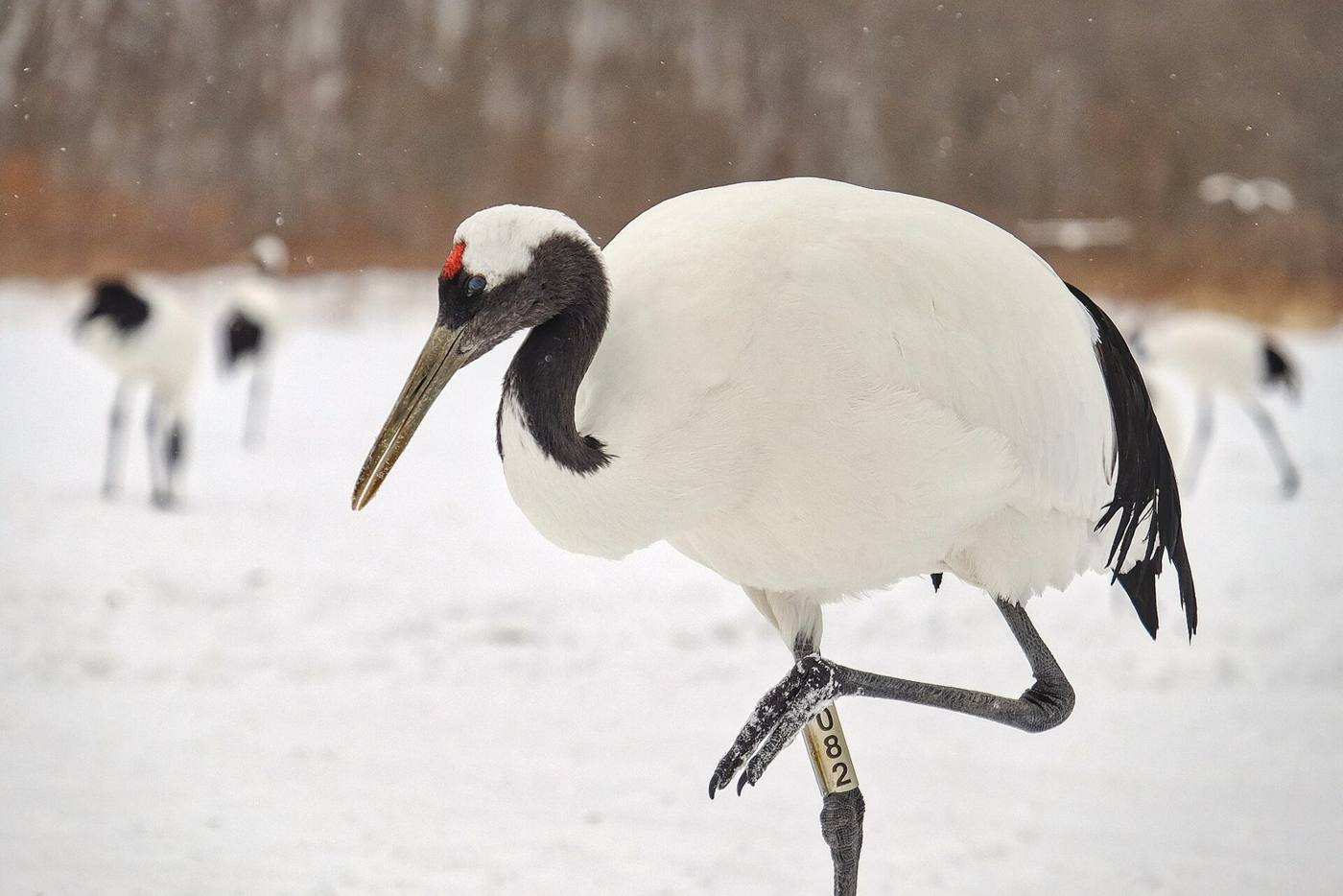
Here lives the red crowned crane, called tanchō in Japanese, a large white crane with black wings and a red patch on its head, about a metre and a half tall. In Japan it is the symbol of long life and good fortune. In the early twentieth century it was believed extinct, then about ten birds were found again in the Kushiro wetland. Thanks to farmers who began feeding them in winter, today there are more than a thousand in Hokkaido.
At the Itoh sanctuary, a reserve run by a bird protection society, dozens of cranes gather in winter for the food handed out in the afternoon. You see them up close as they walk in the snow, call to each other loudly and, above all, dance in pairs: they leap, spread their wings and bow their heads. It is one of the most beautiful sights of nature in Japan.
Nearby is also the Akan International Crane Center, with a museum and a feeding area.
In the evening, in Tsurui, stay in a small lodging near the wetland, so you are ready for dawn.
Spend the night in Tsurui.
Practical tip: do not approach the cranes beyond the limits, do not use flash and do not disturb them. Wear very warm clothes: you stand still in the cold for a long time.
- Day 8
Dawn at the Otowa bridge and departure from Kushiro
On the last day, at dawn, go to the Otowa bridge over the Setsuri River in Tsurui. On winter nights the cranes sleep standing in the river water, which does not freeze thanks to the springs. At dawn, when the temperature can fall to minus twenty, the river steams, and frost forms on the trees along the banks like white lace. The cranes wake slowly in the golden mist of the rising sun. Photographers arrive on the bridge hours early to find a spot.
After sunrise have breakfast and then head to Kushiro, about half an hour away. If you have time, visit the Hosooka viewpoint over the Kushiro wetland, with a view of the river winding through the white plain, or take a ride on the wetland steam train, which on some winter days crosses the marsh.
In Kushiro, before leaving, go to Washo market, where you make katte-don: you buy a bowl of rice and then choose, stall by stall, the pieces of raw fish to put on top.
From Kushiro airport there are flights to Tokyo, about an hour and a half, and from Tokyo to Europe.
Before leaving buy some souvenirs: Hokkaido sweets, such as white chocolate biscuits, the island's cheeses and dairy products, and Ainu wood carvings.
Practical tip: at dawn on the Otowa bridge it is bitterly cold. Bring gloves, hand warmers, a hat and layers of clothing, and keep your camera batteries warm.
For those who can handle real cold, often below -15 degrees at dawn: non-slip snow boots and warm layers. In 2027 the Sapporo festival runs from 4 to 11 February and the Otaru Snow Light Path from 6 to 13 February: book hotels early. Drift ice usually arrives from late January to early March, but it is not guaranteed. Driving on snow is hard: trains, buses and local tours are better.
Before you go
- Documents and visa
- Passport valid for the whole stay; many nationalities, including EU citizens, enter without a visa for up to 90 days for tourism. An electronic travel authorisation (JESTA) has been announced but is not yet in force: check before you go.
- Health and vaccines
- No vaccines required. Healthcare is excellent but expensive: travel insurance with high medical cover is essential. Some common medicines, such as certain codeine painkillers, are banned or restricted. Emergencies: 119 ambulance, 110 police.
- Money and payments
- Yen. Cards are increasingly accepted, but temples, small restaurants and rural areas need cash: convenience-store ATMs accept foreign cards. Tipping is not customary.
- Power sockets
- Type A, 100 volts: you need a flat-pin adapter; phone and laptop chargers work, European hairdryers often do not.
- Time zone
- UTC+9, no daylight saving time.
- Safety
- One of the safest countries in the world. The risks are natural: earthquakes, typhoons from July to October, extreme summer heat. Download an English-language alert app. Official advice: GOV.UK.
Information checked in November 2026 for Italian and EU citizens. Rules change: always check before you travel.
Variations
In 5 days: Sapporo, Otaru and Abashiri with the icebreaker.
In 11 days: add skiing at Niseko or Furano, or a few days in Tokyo before heading north.
Frequently asked questions
When should I go?
From late January to early March. The Sapporo Snow Festival is held in early February. Drift ice usually arrives from late January.
Is it very cold?
Yes, often below minus ten degrees, and at dawn in Tsurui even minus twenty. You need technical clothing and waterproof, non slip shoes.
Do I need to drive?
Not necessarily. Trains and sightseeing buses link the main stops. Driving on snow requires experience.
Indicative itinerary written by World Atlas. Before booking, check timetables, seasonal openings, documents and safety.
 3 daysChallenging
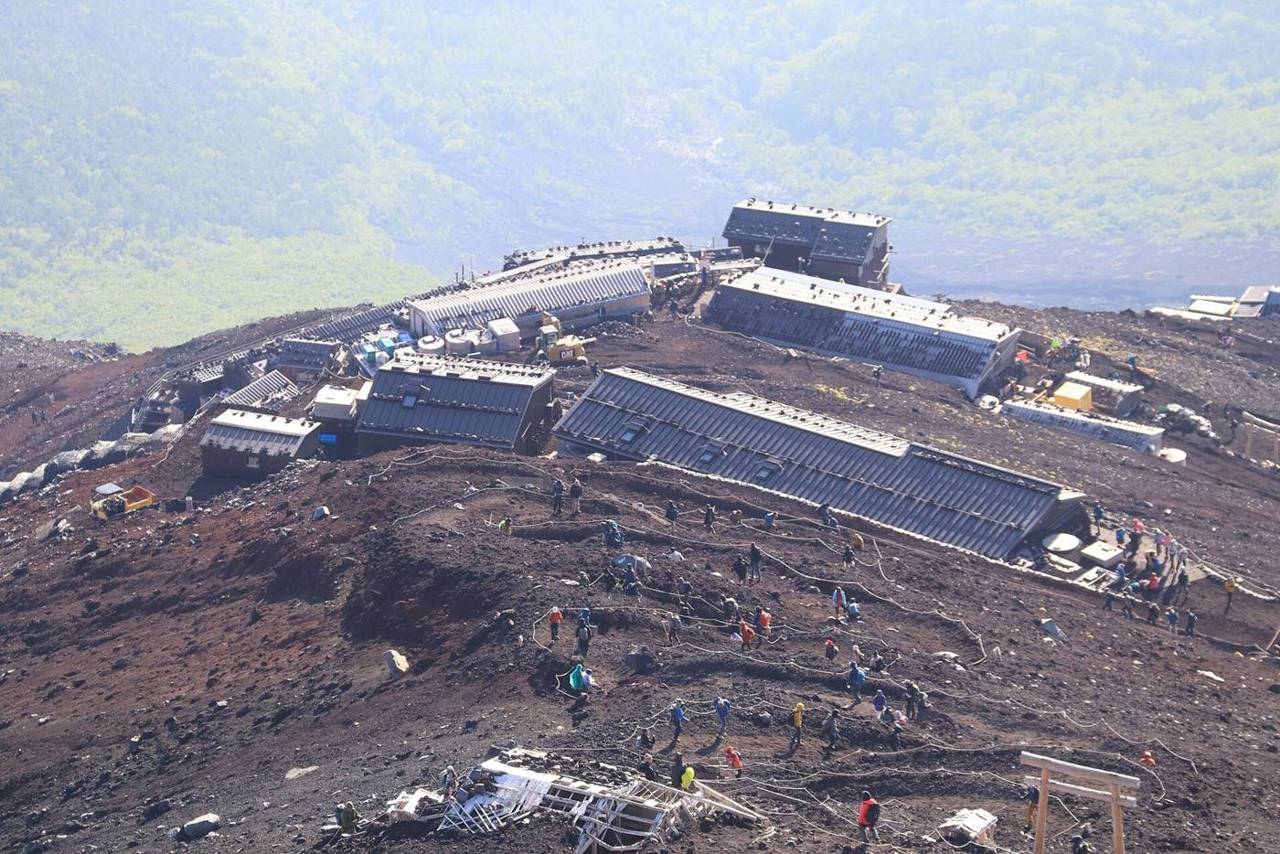
Climbing Mount Fuji on the Yoshida trail
Japan's emblematic mountain (3,776 m) climbed the Japanese way: from the fifth station on the Yamanashi side, a night in a mountain hut, a final climb in the dark to see sunrise from the summit and the crater walk; then rest at the Fuji lakes.
 4 daysEasy
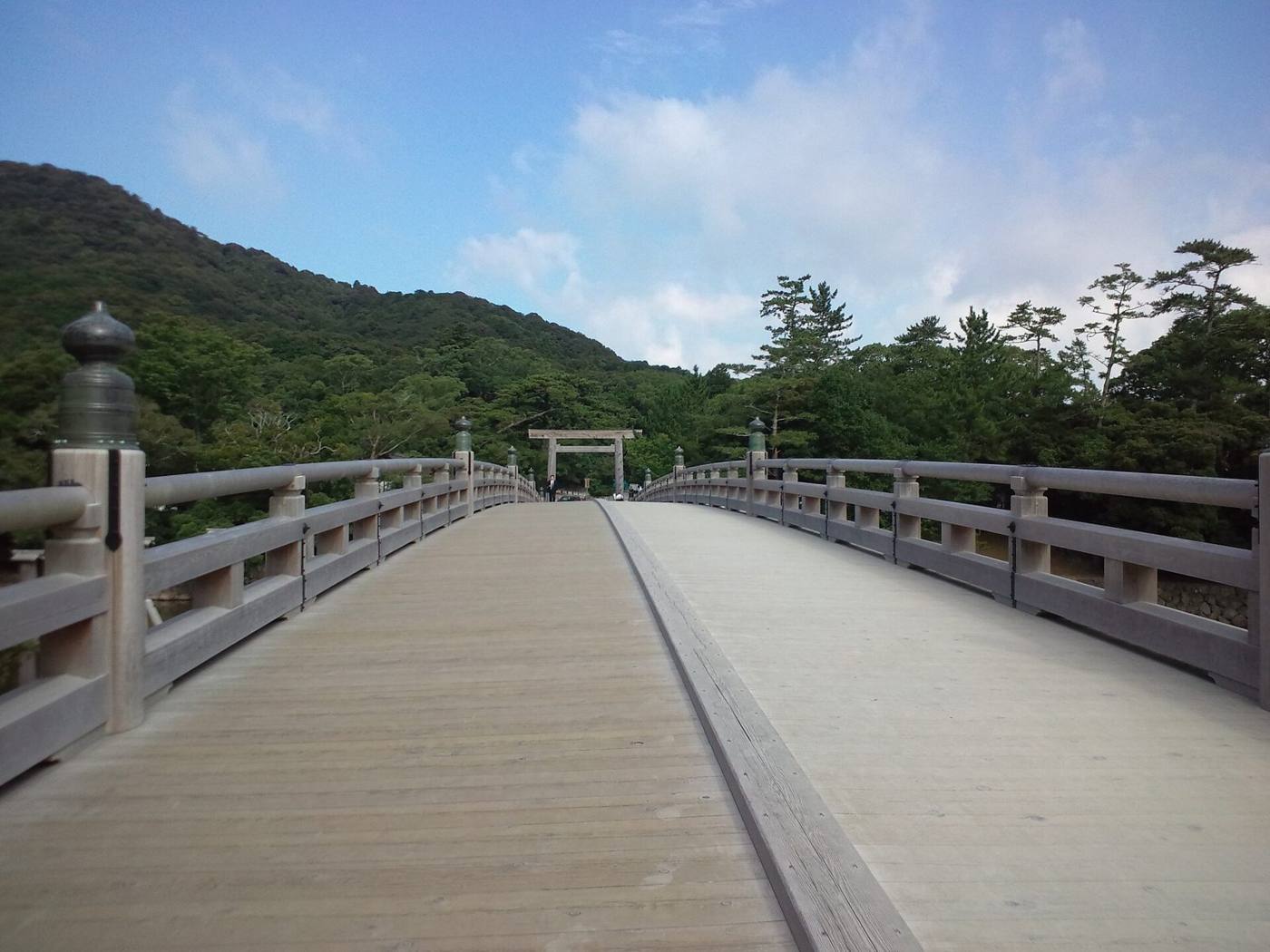
Ise and the Shima peninsula
Japan's most sacred shrine, Ise Jingū, with its buildings rebuilt every twenty years, the Okage Yokochō street, the Wedded Rocks of Futami, the ama divers of Toba and the pearl bays of the Shima peninsula.
 5 daysModerate
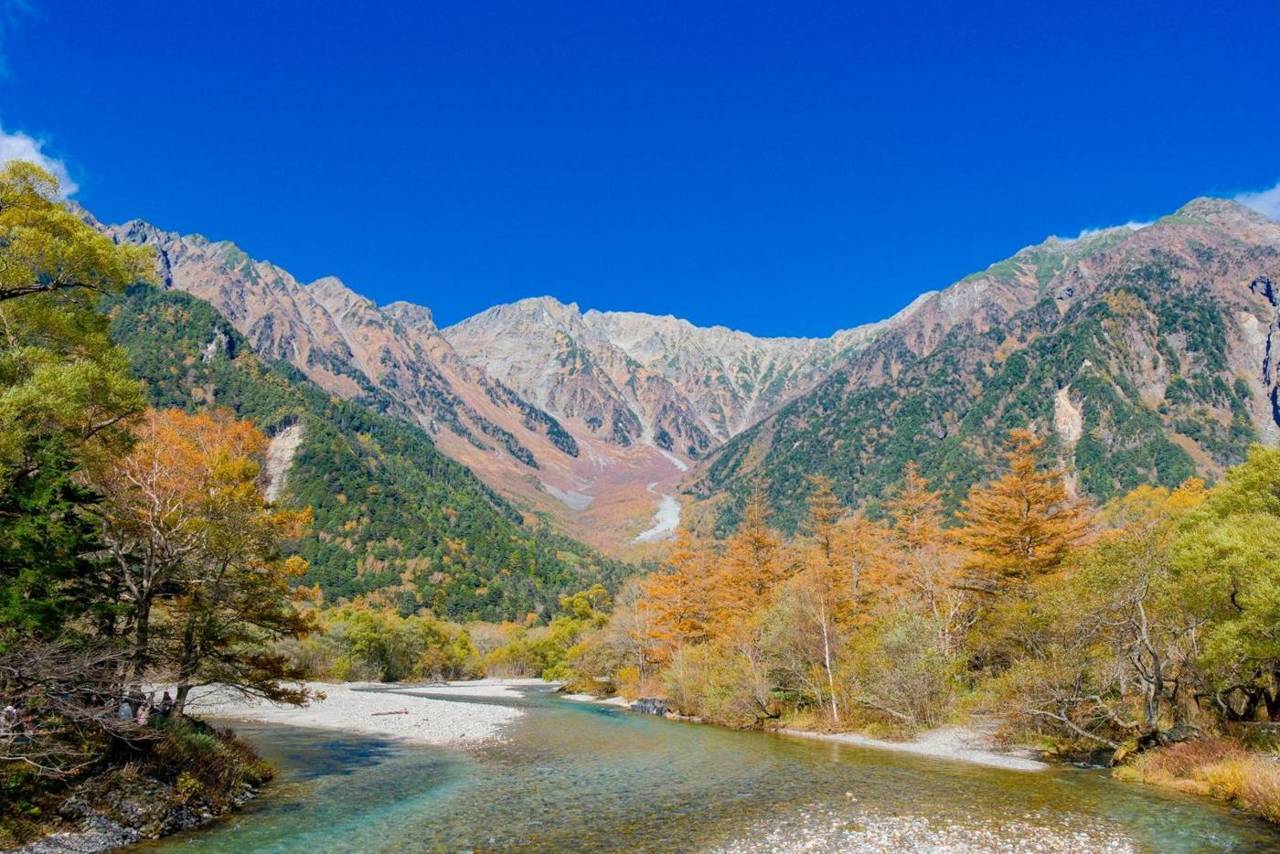
Kamikochi and the Tateyama Kurobe Alpine Route
The Japanese Northern Alps: the Kamikochi closed to cars valley, with Kappa bridge and Taishō pond, then the crossing of the Tateyama Kurobe Alpine Route by ropeway, bus and cable car, from the Kurobe dam to the Murodō plateau with its snow walls in spring.