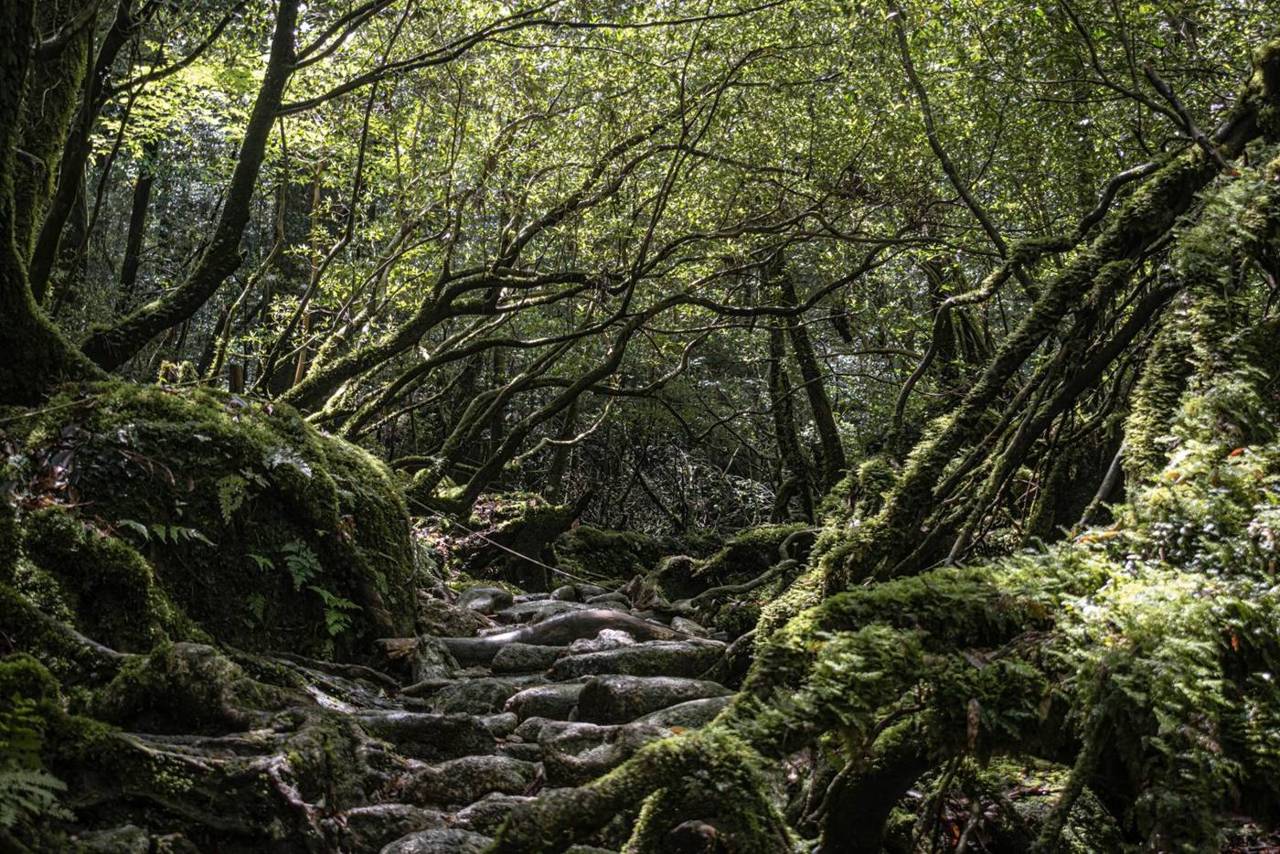
Yakushima, the forest of ancient cedars
A subtropical island covered in ancient forests, a UNESCO World Heritage site: the Shiratani Unsuikyō gorge with the moss that inspired Miyazaki, the trek to the Jōmon Sugi cedar, the Ōko falls and Nagata beach where turtles nest.
- Kagoshima
- Miyanoura
- Shiratani Unsuikyō
- Jōmon Sugi
- Ōko
- Nagata
- Onoaida
Day by day
- Day 1
From Kagoshima to Yakushima
Yakushima is a round, mountainous island south of Kyūshū, in Japan's far south, covered by an ancient forest of Japanese cedars, the yakusugi, some of which are more than a thousand years old. It is one of the rainiest places in Japan, and the rain feeds a world of moss, ferns, streams and waterfalls. From the sea to the peaks, which rise above 1,900 metres, you pass through different climates, from subtropical to cold mountain air. It has been a UNESCO World Heritage Site since 1993, among Japan's first. In five days you do the two most famous hikes and tour the coast.
You start from Kagoshima, the city in southern Kyūshū at the foot of the Sakurajima volcano. You can reach Yakushima by air, in about forty minutes, or by sea: the fast jetfoil takes two to three hours, the ordinary ferry about four, with views of the islands and the sea. Most boats arrive at Miyanoura, the main port, on the north-east coast.
In the afternoon, after settling in, visit the heritage visitor centre near the port, with explanations about the forest, the cedars, the animals and the trails. Then take a walk along the coast or by the Miyanoura river.
In the evening, try the island's fish, especially flying fish, fried or grilled, and Kagoshima's sweet-potato spirit, shōchū.
Practical tip: there are few buses on the island. To move freely, it is best to hire a car, with an international driving permit. You drive on the left.
- Day 2
Shiratani Unsuikyō and Taiko-iwa rock
In the morning, go to the Shiratani Unsuikyō gorge, about half an hour from the port, one of the most beautiful and famous parts of the forest. The name means the gorge of clouds and water: mist often drifts down among the trees and streams flow everywhere.
The path climbs along the river, over suspension bridges, stone steps and roots, through a forest covered in bright green moss that wraps the rocks, trunks and ground. This forest is said to have inspired the forest in Hayao Miyazaki's animated film Princess Mononoke. Along the way you meet huge cedars with their own names, fallen trees on which new trees grow, and waterfalls.
You can choose routes of different lengths, from one hour to four or five. The fullest route climbs beyond the moss forest to Taiko-iwa rock, a large granite boulder at about 1,050 metres, from where, in good weather, you see the mountains of the island's centre, including Miyanoura-dake, the highest peak in southern Japan. The return trip takes about five hours.
Along the path you often see Yakushima deer, small and calm, and the island's monkeys, macaques that live in groups.
In the afternoon, return to the port and rest: tomorrow is a very long day.
Practical tip: at the entrance to Shiratani you pay a contribution towards forest conservation. Wear waterproof hiking shoes and bring a rain jacket: it almost always rains.
- Day 3
The long hike to Jōmon Sugi
Today is the day of the island's most famous hike, to Jōmon Sugi, Yakushima's largest and oldest cedar. It has a girth of about 16 metres and is estimated to be between 2,000 and 7,000 years old. It is one of the oldest trees in the world.
You wake up very early, before dawn. From March to November private cars cannot drive up to the trailhead at Arakawa: you leave the car at the Yakusugi cedar museum and take the shuttle bus, which leaves early in the morning.
From Arakawa the route is long, about 22 kilometres there and back, in ten or eleven hours of walking. The first part follows for about eight kilometres the tracks of an old forest railway, built to carry the wood of felled cedars, now flat, over bridges and through tunnels. Then the path climbs steeply through the forest, on steps and roots, passing Wilson's stump, a huge trunk cut in the sixteenth century: it is hollow inside, and from one particular spot the opening above is shaped like a heart.
Finally you reach the wooden platform in front of Jōmon Sugi. You cannot touch the tree, but you look at it from close by, with its gnarled trunk covered in moss and other plants.
In the afternoon you return the same way to Arakawa, to catch the last shuttle.
Practical tip: it is a very tiring hike, so go with a guide or at least check the shuttle times carefully. Bring a head torch, lunch, water and a waterproof jacket. There are few toilets along the path.
- Day 4
The west coast, Ōko falls and Nagata
After yesterday's long day, today is a quiet day by car along the coast. The road runs around the island, between the sea and the mountains.
In the morning, head south-west to Ōko falls, 88 metres high, one of Japan's hundred finest waterfalls, which drops straight down a rock face into the forest. You reach it with a short walk from the car park.
Then continue north on the forest road along the west coast, the wildest part of the island. It is a narrow road, with no houses, through a tropical forest that runs down from the mountains to the sea. This area is part of the UNESCO listing because it is the only point on the island where the forest continues unbroken from the coast to the peaks. Here you almost always see deer and monkeys walking on the road and sitting at the sides. Drive very slowly and do not feed them.
In the afternoon you reach Nagata, on the north-west coast, with Inakahama beach, a long beach of golden sand. It is the beach in Japan where the most sea turtles nest, mainly loggerheads. From May to July the turtles come up the beach at night to lay their eggs, and in summer the hatchlings emerge. Night watching is organised by volunteers, with strict rules.
At sunset, stay on the beach: the sun sets into the sea, towards the small islands nearby.
Practical tip: the west coast forest road is narrow and sometimes closed after heavy rain or landslides. Check before you go and do not drive it at night.
- Day 5
Hirauchi hot spring at low tide and the return
On your last morning, go to the south coast, to Hirauchi, home to one of Japan's most unusual hot springs: a natural hot pool among the rocks, right at the edge of the sea, that only appears at low tide. At high tide it is covered by ocean water. You can bathe only for about two hours around low tide, so check the day's tide times.
The spring is outdoors, with no buildings, and you bathe as tradition requires, without a swimsuit, in a mixed pool. Leave a small contribution in the box for cleaning. Bathing in hot water with the waves breaking a few metres away is a very special experience.
After the bath, if you have time, visit the nearby village of Onoaida, with the cedar museum, which explains the history of logging and the protection of the forest.
In the afternoon, go back to the port or the airport to return to Kagoshima. From Kagoshima the shinkansen bullet trains leave for Fukuoka, Osaka and Tokyo.
Yakushima combines well with other parts of Kyūshū: Kagoshima and the Sakurajima volcano, the Satsuma peninsula with Chiran and Mount Kaimon, Kirishima, or Fukuoka and Nagasaki further north.
Practical tip: Italian citizens can enter Japan without a visa for up to 90 days with a passport. When leaving Japan you pay a departure tax of 3,000 yen, usually already included in the plane ticket.
For fit walkers: Jōmon Sugi is a long, tiring day. Yakushima is one of the rainiest places in Japan, so waterproofs are needed in every season. For much of the year the Arakawa trailhead can only be reached by the shuttle from the Yakusugi Museum, which leaves very early. Turtles nest from May to July: watching only with local guides.
Before you go
- Documents and visa
- Passport valid for the whole stay; many nationalities, including EU citizens, enter without a visa for up to 90 days for tourism. An electronic travel authorisation (JESTA) has been announced but is not yet in force: check before you go.
- Health and vaccines
- No vaccines required. Healthcare is excellent but expensive: travel insurance with high medical cover is essential. Some common medicines, such as certain codeine painkillers, are banned or restricted. Emergencies: 119 ambulance, 110 police.
- Money and payments
- Yen. Cards are increasingly accepted, but temples, small restaurants and rural areas need cash: convenience-store ATMs accept foreign cards. Tipping is not customary.
- Power sockets
- Type A, 100 volts: you need a flat-pin adapter; phone and laptop chargers work, European hairdryers often do not.
- Time zone
- UTC+9, no daylight saving time.
- Safety
- One of the safest countries in the world. The risks are natural: earthquakes, typhoons from July to October, extreme summer heat. Download an English-language alert app. Official advice: GOV.UK.
Information checked in November 2026 for Italian and EU citizens. Rules change: always check before you travel.
Variations
In 3 days: arrival from Kagoshima, Shiratani Unsuikyō, the west coast and the return, without Jōmon Sugi.
In 9 days: after Yakushima, continue to Kagoshima, Kirishima, Kumamoto and the Aso volcano, as far as Fukuoka.
Frequently asked questions
When is the best time to go?
Spring, from March to May, and autumn, from October to November. June is the rainy season, and from August to September there may be typhoons that stop the ferries.
How hard is Jōmon Sugi?
It is a long, tiring hike of ten or eleven hours, with many steps. Good fitness is needed. Shiratani Unsuikyō is easier and suits everyone.
What documents do I need?
Italian citizens only need a passport, without a visa, for up to 90 days. When leaving Japan you pay a 3,000 yen tax, usually included in the ticket.
Indicative itinerary written by World Atlas. Before booking, check timetables, seasonal openings, documents and safety.
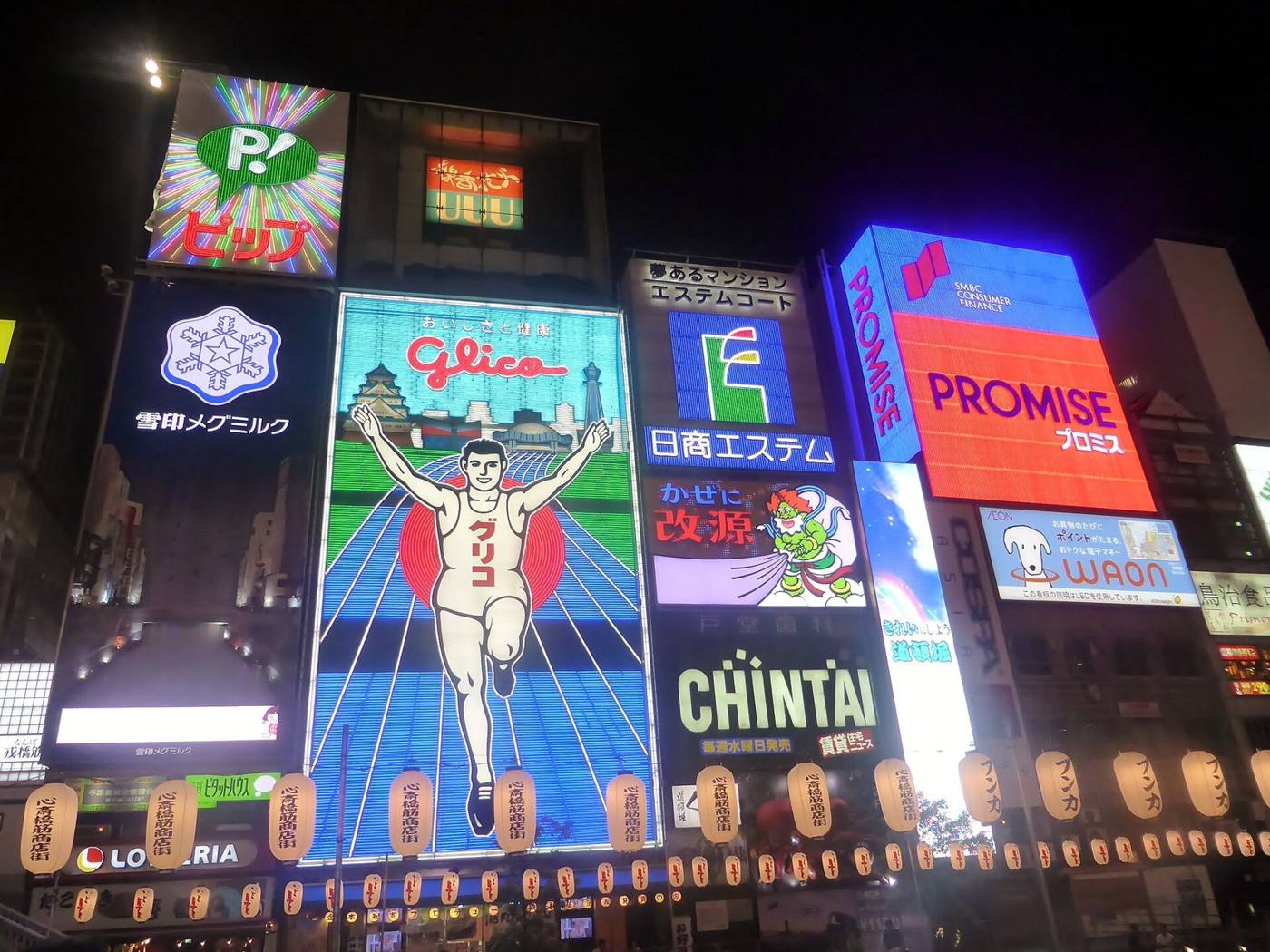 4 daysEasy
Osaka and Kobe, Japan at the table
Osaka's street food in Dōtonbori, Kuromon market and Shinsekai, the castle, then Kobe with its beef, the Nada sake breweries, the Kitano quarter and the Arima hot springs tucked into the mountains.
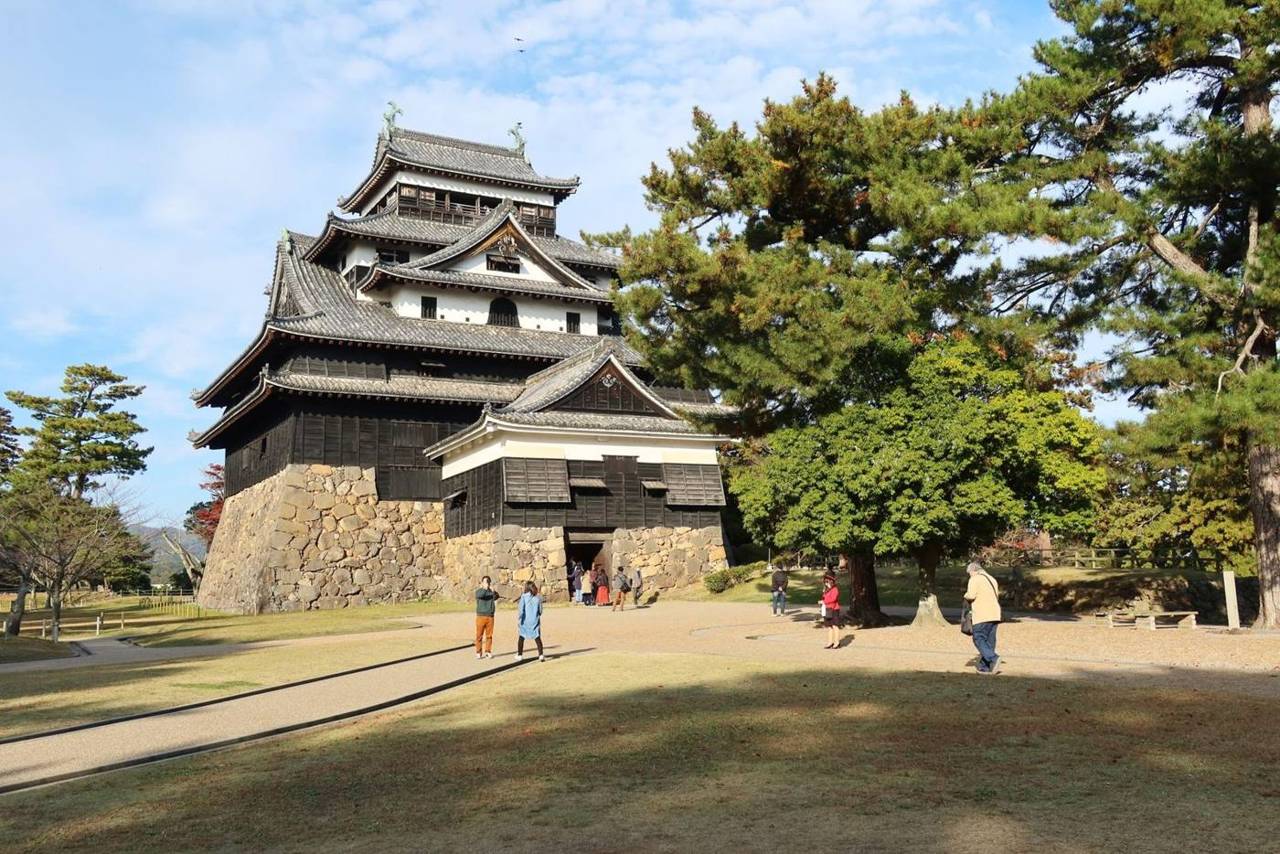 6 daysEasy
San'in: Tottori, Matsue and Izumo
Japan away from the crowds on the Sea of Japan: the sand dunes of Tottori, Matsue's original castle and the sunset over Lake Shinji, the garden of the Adachi Museum, the great shrine of Izumo and the old Iwami Ginzan silver mine, a UNESCO World Heritage site.
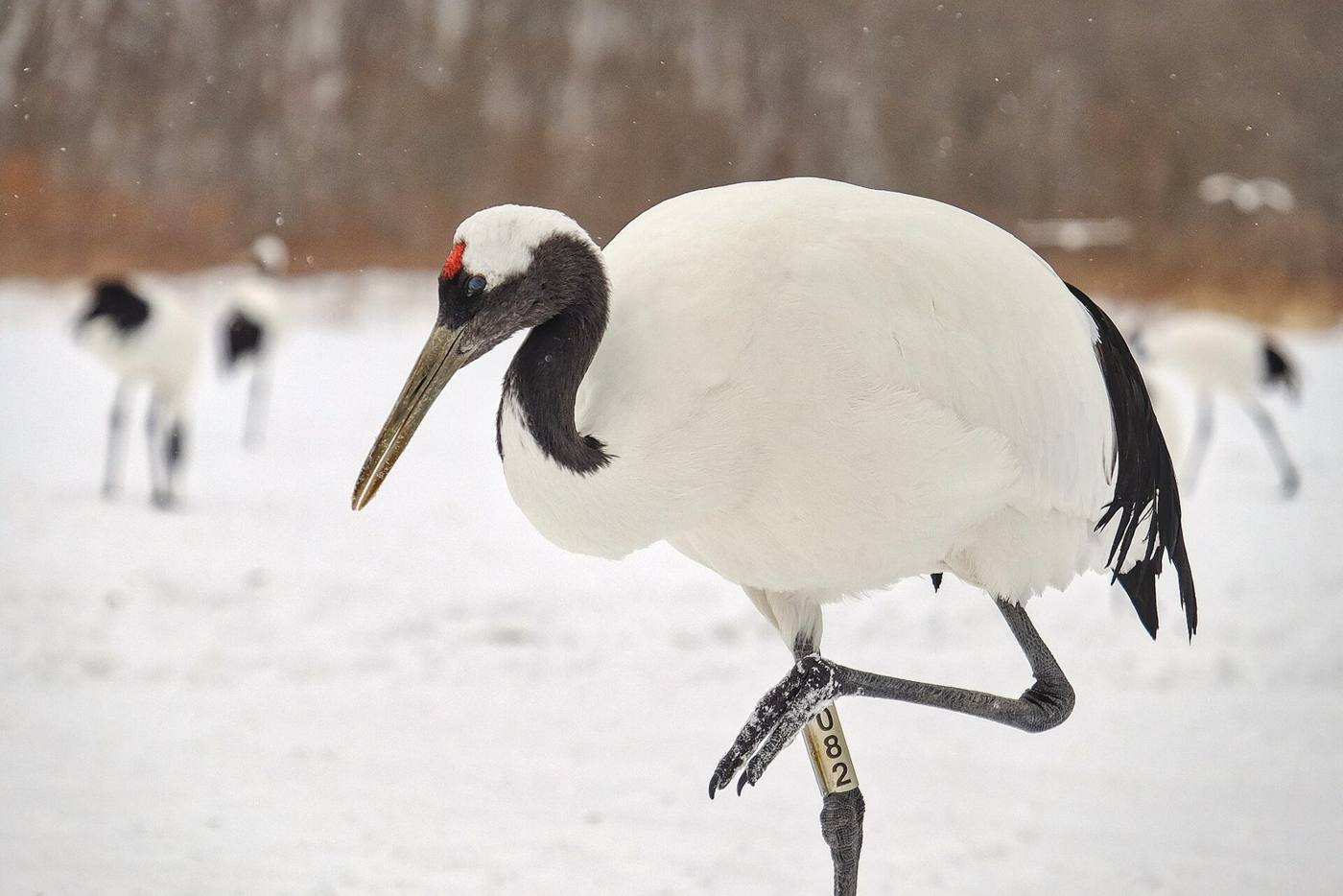 8 daysModerate
Hokkaido in winter: snow, ice and cranes
The northern island in its most spectacular season: the Sapporo Snow Festival, Otaru's lit-up canals, the penguins walking in Asahiyama Zoo, the drift ice of Abashiri seen from an icebreaker and the red-crowned cranes dancing in the snow near Kushiro.