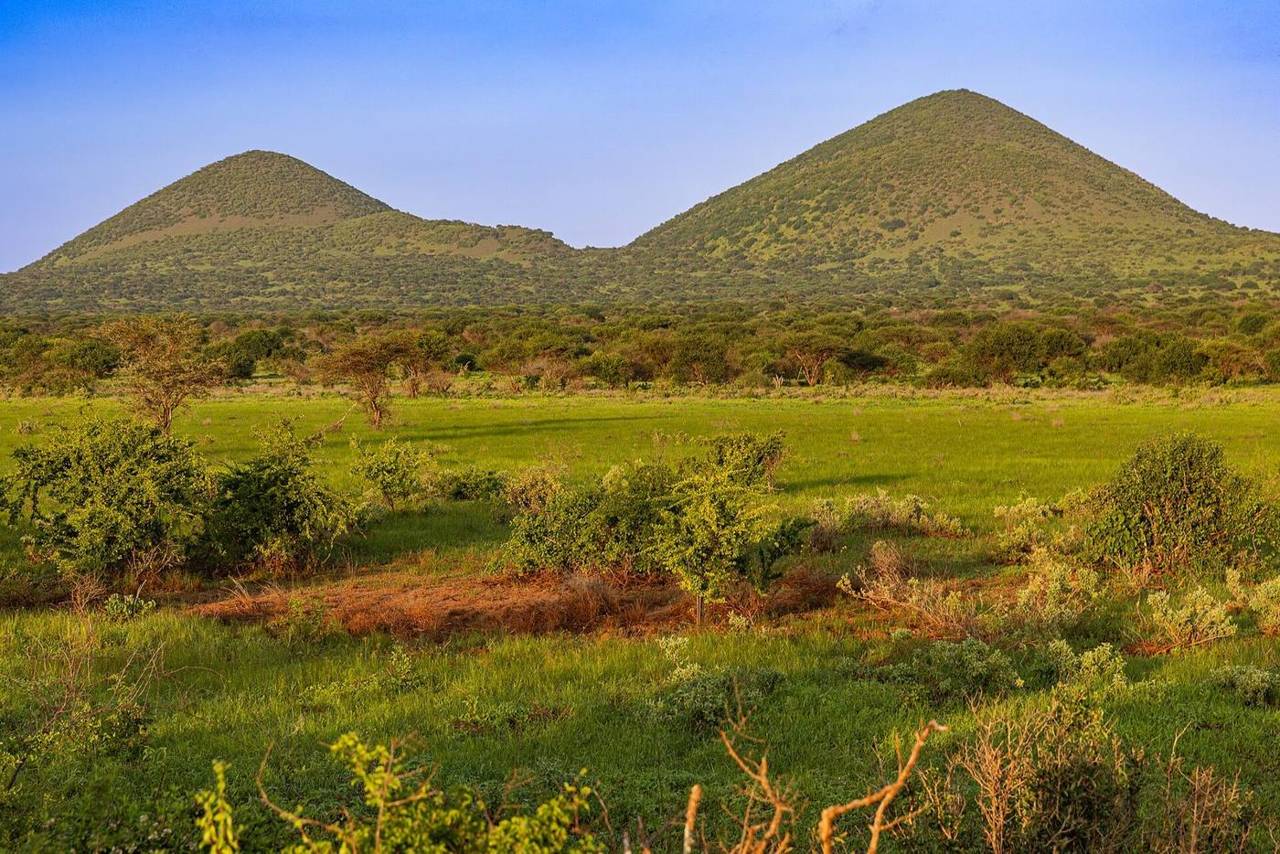
The Chyulu Hills and Tsavo West
The green hills Hemingway wrote about, between Amboseli and Tsavo: walks and horse rides among grassland and volcanic cones with Kilimanjaro behind, the Leviathan lava cave from outside, then Tsavo West with the Mzima Springs and the Ngulia rhino sanctuary.
- Nairobi
- Chyulu Hills
- Tsavo West
- Mzima
- Ngulia
Day by day
- Day 1
By air or road to the Chyulu Hills
The Chyulu Hills are a range of young volcanic hills in southern Kenya, between Nairobi and the coast, covered in green grassland and cloud forest, with views of Kilimanjaro across the border in Tanzania. At their foot stretches Tsavo West National Park, one of the largest in the country, with black lava flows, crystal-clear springs and a sanctuary for black rhinos. In five days you walk in the hills and explore Tsavo West.
You arrive in Nairobi, at Jomo Kenyatta International Airport. From the capital, you reach the Chyulu Hills on a short flight in a small plane to an airstrip in the hills, or by road in about five or six hours along the Mombasa road and then on dirt tracks.
From the plane or the road you see the landscape change: the cultivated hills around Nairobi, then the dry Maasai savannah with its acacias and herds, and finally the green volcanic cones of the Chyulus.
The hills lie largely on Maasai community land, managed together with conservation organisations. Lodges in the area often work with local communities.
At sunset, if the sky is clear, watch Kilimanjaro rise from the plain, its snowy summit tinged with pink.
In the evening, sleep in the Chyulu Hills.
Practical tip: to enter Kenya you need an eTA, the electronic travel authorisation, applied for online before you travel. The United States has had Kenya at level 3 since 19 October 2026: check the latest advisories.
- Day 2
Walking or riding in the hills
Today you explore the Chyulu Hills in a way rarely possible in Africa: on foot or on horseback, with no vehicle around you. The hills are one of the few places in Kenya where you can walk safely with Maasai guides and an armed ranger among the grasslands and the wildlife.
Early in the morning, set off on a walk across the hills, among grass-covered volcanic cones, patches of forest and the most recent lava flows. The guide teaches you to read animal tracks on the ground, broken branches and the plants the Maasai use as medicine.
Along the way you may see giraffes, zebras, eland, the largest antelope in Africa, and buffalo, which approach warily. Elephants and lions are seen more rarely.
Alternatively, go riding across the hills, a quiet, calm way to approach animals, which see the horse as another animal and do not run away.
The writer Ernest Hemingway hunted in these lands in the 1930s and described them in his book about the green hills of Africa.
In the afternoon, if you wish, visit a manyatta, a Maasai village, with the community's permission.
In the evening, sleep in the Chyulu Hills.
Practical tip: for walking and riding you need comfortable closed shoes, long trousers and a hat. Riding often requires experience: check the conditions when you book.
- Day 3
Tsavo West: Mzima Springs
In the morning, come down from the hills and enter Tsavo West National Park, which together with Tsavo East forms one of the largest protected areas in Africa, larger than many European countries. Tsavo West is more varied than East, with hills, mountains, lava flows and woodland.
Tsavo's elephants are famous for looking red: they cover themselves in the dust and mud of the park's red earth to protect themselves from sun and insects.
At midday, visit Mzima Springs, the park's best-known site. Here rain that has fallen on the Chyulu Hills, filtered for years through volcanic rock, re-emerges crystal clear in a series of pools surrounded by palms and fig trees. A pipeline from the springs carries water all the way to Mombasa.
Walk the path along the pools with a guide to an underwater observatory, a small glass room below the surface, from which you see fish and, with luck, hippos walking on the bottom. Crocodiles, monkeys and many birds live on the banks.
In the afternoon, go on a game drive in the park, looking for elephants, Maasai giraffes, zebras, oryx and lions.
In the evening, sleep in Tsavo West.
Practical tip: at Mzima Springs walk only on the marked path and with care, because hippos and crocodiles are dangerous. Always follow the rangers' instructions.
- Day 4
The Ngulia Rhino Sanctuary and the Shetani lava flow
Early in the morning, set off for the Ngulia Rhino Sanctuary, a fenced area at the foot of the Ngulia hills, guarded by rangers day and night. Here Kenya has rebuilt a population of black rhinos, a species that almost disappeared in the 1970s and 1980s because of poaching for horn.
Black rhinos live in dense bush and are shy, so seeing them is never guaranteed. The sanctuary's waterholes are the best place to wait for them, early in the morning and towards evening. The guide explains how to tell them from white rhinos: the black has a pointed lip for browsing leaves, the white a wide mouth for grazing grass.
In the afternoon, visit the Shetani lava flow, an expanse of broken black lava several kilometres long, erupted from a Chyulu cone about two hundred years ago. Shetani means devil in Swahili: local communities said the lava was the work of an evil spirit. You walk carefully along the edge of the flow, among sharp rocks and the first plants growing in the cracks.
Near the flow are the Shetani caves, tunnels formed by the lava, visited with a guide and a torch.
In the evening, sleep in Tsavo West.
Practical tip: Kenya Wildlife Service park entry fees change often and are paid electronically. Check the current fees and payment method before you travel.
- Day 5
Return to Nairobi or on to the coast
In the morning, take a last dawn game drive in Tsavo West, in the soft light when animals are most active. Look for lions, which in Tsavo often have short manes or none at all, and the red elephants heading to drink.
In Tsavo, at the end of the nineteenth century, during the building of the railway between Mombasa and Lake Victoria, two maneless male lions killed many workers, a famous story told in books and films. Today their mounted bodies are in a museum in Chicago.
Then leave for your next destination. By road, Nairobi is about six hours away. Alternatively, you can head to the coast: Mombasa and the beaches of Diani are about four or five hours away, or you can take the fast train linking Nairobi and Mombasa, with stations near the parks.
This trip combines well with the beaches of Kenya's south coast, at Diani and the Shimba Hills, with the Kisite marine park, or with Amboseli National Park, beneath Kilimanjaro, a few hours from the Chyulus.
If you still have time, you can continue to the Maasai Mara for the great wildebeest migration, between July and October.
Practical tip: in Kenya you drive on the left and the main roads are busy with lorries. Travel with an experienced driver and avoid driving at night outside towns.
Combines with Amboseli or the coast. At Mzima you walk with a ranger: there are hippos and crocodiles. The Chyulu lava caves are not visited without experienced cavers. An electronic travel authorisation (eTA) is required, applied for online before travelling. On 19 October 2026 the US raised its Kenya advisory to level 3, after the first Ebola cases in Nairobi; it advises against the counties on the Somali border, Lamu County, Tana River and the coast north of Malindi. This itinerary stays outside those areas.
Before you go
- Documents and visa
- Valid passport and an eTA, applied for online on the official Kenyan government website before leaving. From 5 October 2026 compulsory government travel health insurance is also required.
- Health and vaccines
- Malaria prevention and the yellow fever vaccine are recommended. Drink only bottled water. Emergencies: 999 or 112.
- Money and payments
- Kenyan shilling. Mobile payment, M-Pesa, is everywhere; cards work in cities and lodges.
- Power sockets
- Type G, 240 volts: you need an adapter for British plugs.
- Time zone
- UTC+3 all year.
- Safety
- The United States has rated Kenya level 3 since 19 October 2026 (Ebola, crime, kidnapping, terrorism, unrest). Do not travel: Garissa, Wajir, Mandera, Lamu, Tana River (except Tsavo), Kilifi north of the C103 road, the coast north of Malindi, Marsabit and Turkana within 50 km of Ethiopia. Official advice: GOV.UK.
Information checked in November 2026 for Italian and EU citizens. Rules change: always check before you travel.
Variations
In 3 days: one night in the Chyulu Hills and two in Tsavo West.
In 9 days: add Amboseli and the south coast at Diani.
Frequently asked questions
When is the best time to go?
The dry seasons, from June to October and from January to February, when animals gather near water. April and May are very rainy.
Do I need malaria prophylaxis?
There is a malaria risk in the area. Ask your doctor or a travel medicine clinic for advice before you travel.
Can you see the Big Five?
Tsavo West and the Chyulus have elephants, buffalo, lions, leopards and rhinos, but rhinos and leopards are hard to spot.
Indicative itinerary written by World Atlas. Before booking, check timetables, seasonal openings, documents and safety.
 3 daysEasy
Nairobi in depth
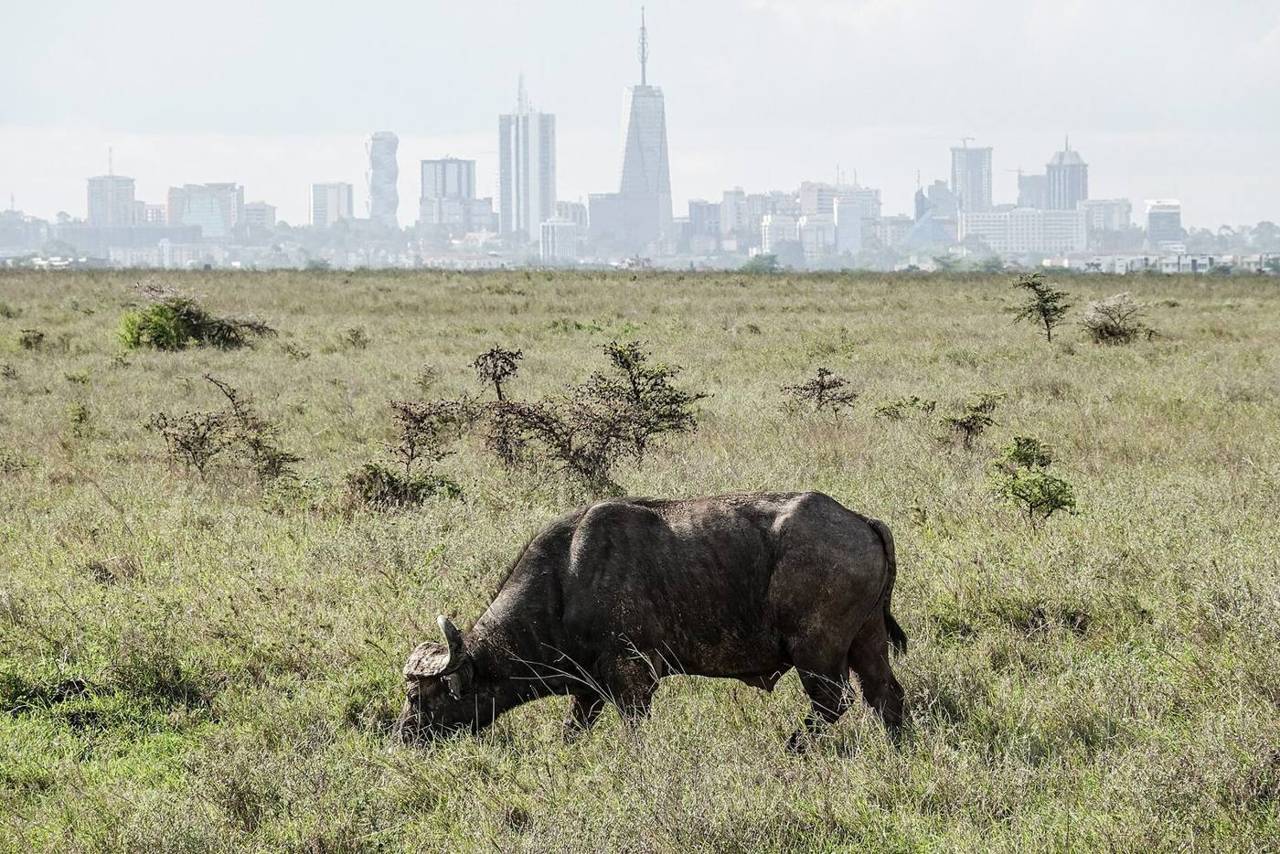
The only capital with a national park on its doorstep: a dawn game drive in Nairobi National Park, with rhinos and lions in front of the skyscrapers, the Giraffe Centre, the orphaned baby elephants of the Sheldrick Trust, Karen Blixen's house, the National Museum and the Maasai market.
 5 daysEasy
Kakamega and Lake Victoria
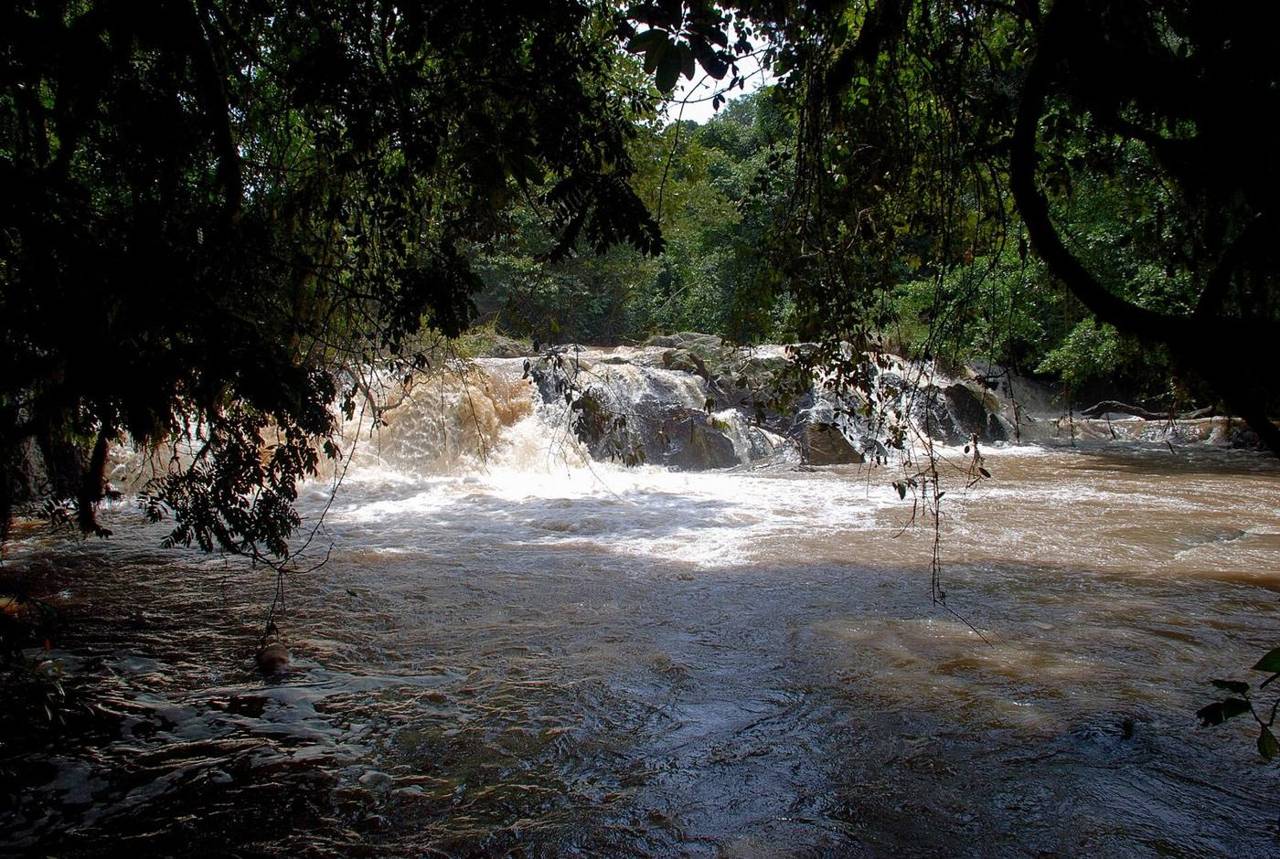
Western Kenya, which few see: Kakamega Forest, the last fragment of Congo rainforest in Kenya, with monkeys, butterflies and hundreds of bird species, then Kisumu on Lake Victoria and Rusinga Island with its fishing beaches.
 3 daysEasy
Aberdare National Park
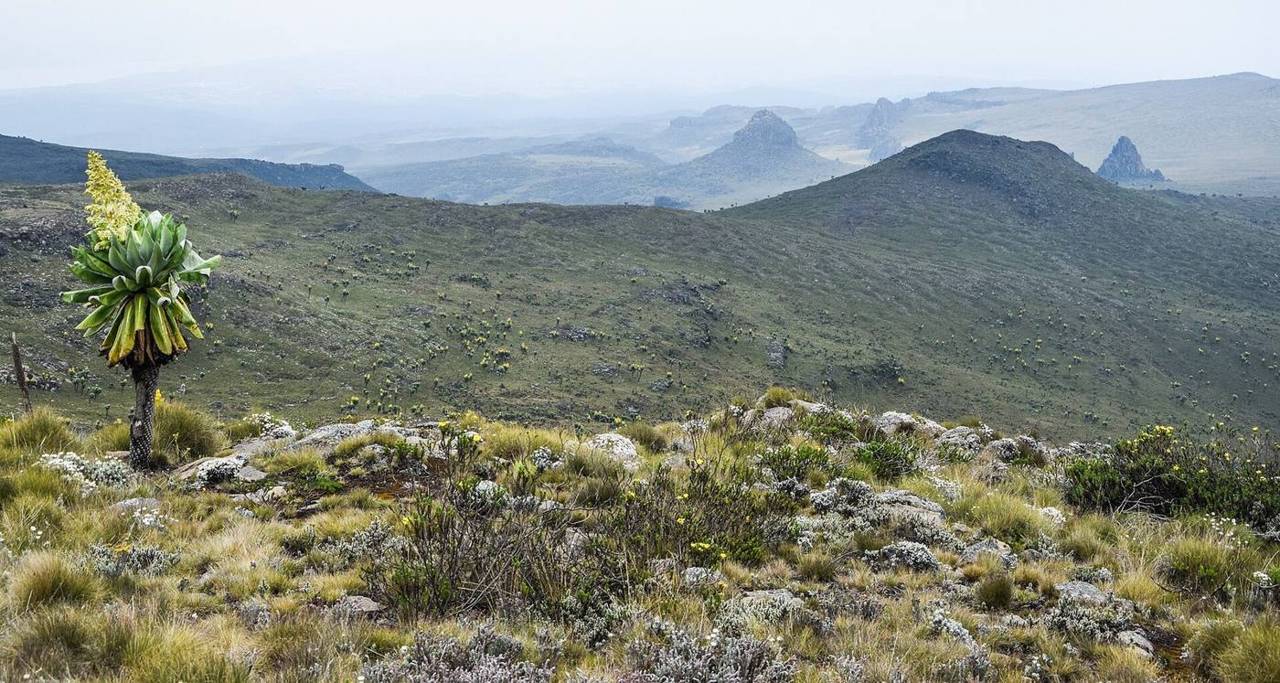
The green mountains of central Kenya: bamboo forests and high moorland, the Karuru and Gura waterfalls, elephants, buffalo and bongo in the forest, and a night in a tree lodge overlooking a floodlit waterhole, where animals come to drink after dark.