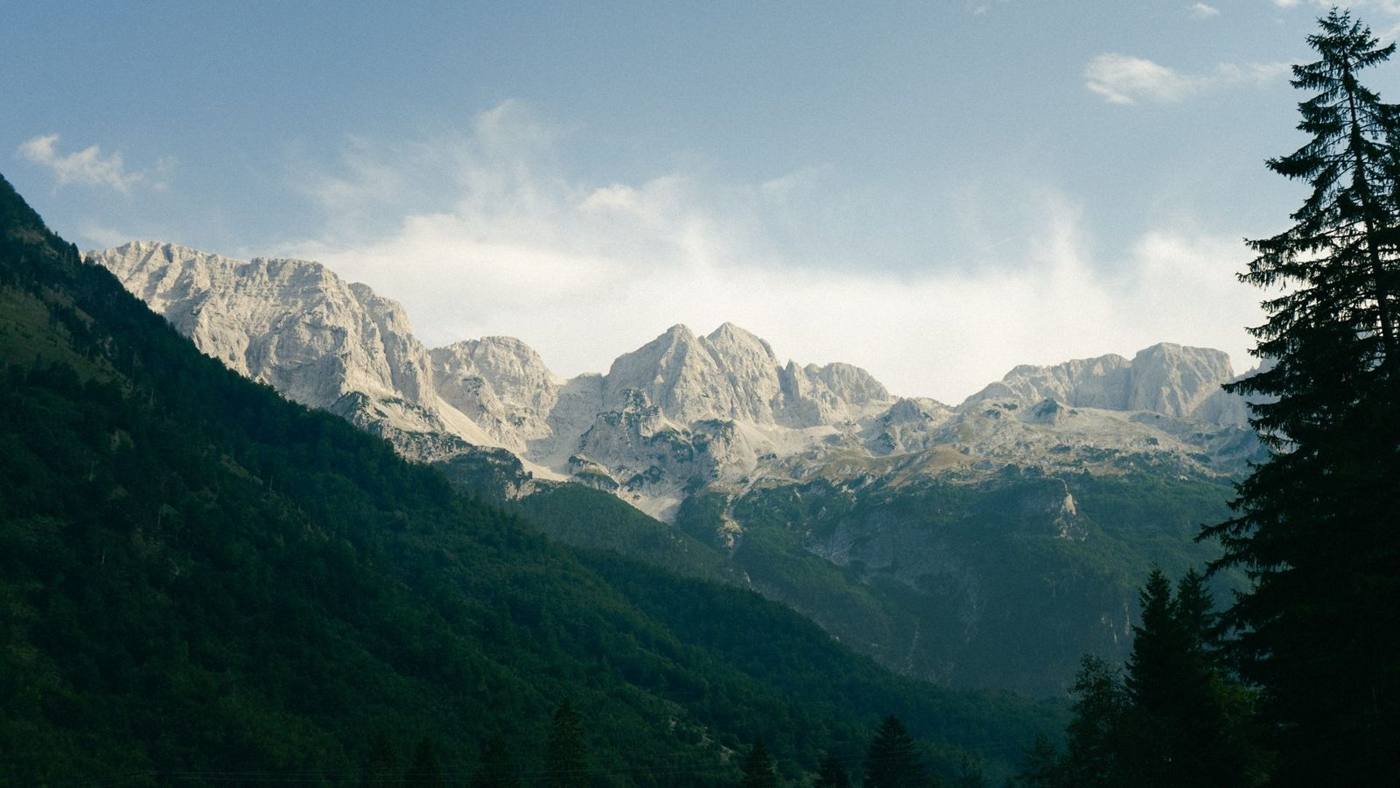
Kosovo and northern Albania
From Prizren to Valbona via the Koman lake ferry, then on to Theth and Shkodër.
- Prizren
- Gjakova
- Valbona
- Lake Koman
- Scutari
- Theth
Day by day
- Day 1
Prizren and the Gjakova bazaar
This trip crosses the mountains between two countries: it starts in Prizren, in Kosovo, crosses the border into Albania, walks over the pass from Valbona to Theth and comes down to Shkodër, on the great lake. It is one of the finest crossings in the Balkans.
Before you go: Italian citizens enter Kosovo and Albania with an electronic identity card or a passport, without a visa; for Albania the document must be valid for at least three months after you leave. Italian paper identity cards are no longer valid for travel abroad from 3 August 2026. Other nationalities should check their own rules. The United Kingdom advises against the northern municipalities of Kosovo, near Serbia: North Mitrovica, Zvečan, Zubin Potok and Leposavić. This route stays well away. Near the border between Kosovo and Albania, mines from the 1999 war remain: do not leave roads and marked paths. If you want to go on to Serbia afterwards, check first: Serbia does not recognise Kosovo's entry stamps. By car, the European green card is not valid in Kosovo: insurance is bought at the border.
In the morning, walk around Prizren: the stone bridge, Shadërvan square and the Sinan Pasha Mosque, from 1615. Then drive north-west to Gjakova, in about an hour.
In Gjakova, walk along the Çarshia e Madhe, the grand bazaar, a long cobbled street with low wooden shops. Much of it was burnt in the 1999 war and then carefully rebuilt. At the end, visit the Hadum Mosque, from the sixteenth century.
Sleep in Gjakova.
Practical tip: withdraw euros in Gjakova; Albania uses the lek and in the mountain villages you need cash.
- Day 2
The Albanian border and arrival in Valbona
Today you leave Kosovo. From Gjakova the road climbs west to the Qafa e Morinës crossing, among the hills. At the border, show your document and, if you are driving, the vehicle papers and insurance valid for Albania.
On the other side, you go down to Bajram Curri, the main town of the Tropojë valley. Here you will find shops, a cash machine and the minibuses to Valbona. Change some euros into lek, because in the mountains cards are almost never any use.
Then the road enters the Valbona valley, a national park, wide and green, with its river of white stones and mountains rising above two thousand metres. In just under an hour you reach the scattered villages along the river, where families host walkers in their homes.
In the afternoon, take a walk along the river towards Rragam, in the upper valley, to stretch your legs and get a close look at tomorrow's path. The rock walls close in around you and in the evening the valley goes quiet.
The United Kingdom notes that in some remote areas near the border with Kosovo unexploded mines remain: in this valley stay on the road and marked paths.
In the evening, have dinner in the house where you are staying: fresh cheese, cornbread, vegetables from the garden and slow-cooked meat.
Practical tip: ask your hosts this evening to arrange luggage transport to Theth, which is paid separately and leaves early in the morning.
- Day 3
The trek from Valbona to Theth over the pass
Today is the big day: the path that crosses the mountains from Valbona to Theth over the Valbona Pass, at 1,795 metres. It takes six or seven hours of walking, with a big climb and descent.
Set off early from the upper valley. The path first climbs through beech woods, then becomes steep on the scree, with tight hairpins. Near the pass the woods open out and you see the peaks around you, often with snow until June. At the top, stop for a packed lunch: the Theth valley opens out in front of you.
The descent is long and steep, among rocks and beeches, to the first meadows and the stone houses of Theth. Along the path there are a few seasonal kiosks, but do not count on them too much.
Your big rucksack will be waiting in Theth: the Valbona families send it by car, the long way round by road.
If you do not want to walk, there is another way: from Valbona go down to Fierzë and take the ferry across Lake Koman, a narrow reservoir between rock walls that looks like a fjord. From Koman a minibus takes you to Shkodër and then up to Theth. Check prices and times, which change every season.
Sleep in Theth for two nights.
Practical tip: carry at least two litres of water, boots, poles and a waterproof jacket, and set off only in good weather: in a thunderstorm the pass is dangerous.
- Day 4
Theth: the Grunas waterfall and the lock-in tower
Theth is a scattered village at the end of a valley closed in by mountains, with stone houses, fields, low walls and a small church with a bell tower, the symbol of the village. Today you rest your legs with easy walks.
In the morning, walk to the Grunas waterfall, not far from the centre: a tall fall of water in a narrow gorge, which you reach in under an hour on an easy path. Further on, the stream runs through a small canyon of clear green water.
On the way back, visit the kulla, the lock-in tower: a fortified stone house where men caught up in a blood feud, under the Kanun, the old code of the mountains, shut themselves in to save their lives. The windows are narrow slits. Check prices and times.
In the afternoon, if you still have energy, follow the river downstream to the village of Nderlysa and the turquoise pools of the Blue Eye of Theth, a few hours on foot there and back. You can swim, but the water is icy even in August.
In the evening, sit outside and watch the peaks turn pink at sunset.
Practical tip: cash machines in Theth are rare or absent; keep cash for dinners, minibuses and tickets, in lek or euros.
- Day 5
Shkodër and Rozafa Castle
Today you leave the mountains. A minibus takes you from Theth to Shkodër in about two and a half hours, on the road that climbs to the Thora pass and then descends to the plain. It is almost all tarmac now, but narrow and full of bends.
Shkodër is the great city of northern Albania, on the shore of the largest lake in the Balkans, shared with Montenegro. Drop your bag and climb to Rozafa Castle, on the hill where the Buna and Drin rivers meet. Legend says that the builders, to keep the walls standing, had to wall up alive the wife of one of them, Rozafa. From the top you see the lake, the rivers and the northern mountains. Check prices and times.
Then go down into the city and walk along Kolë Idromeno street, the pedestrian street with colourful nineteenth-century houses. Nearby is the Marubi National Museum of Photography, with images by a family of photographers who recorded northern Albania for more than a century.
Towards evening, hire a bicycle, widely used in the city, and ride along the lakeshore to watch the sunset over the mountains of Montenegro.
In the evening, have the baked lake carp or stuffed vegetables.
Practical tip: if you suffer from car sickness, sit at the front of the minibus from Theth and eat little before leaving, because the descent from Thora is one hairpin after another.
- Day 6
Departure from Podgorica or Tirana
On the last day, choose your airport. From Shkodër, Podgorica in Montenegro is about an hour and a half by road, via the Hani i Hotit crossing along the lake; Tirana is about two hours to the south. For Montenegro, Italian citizens need only an electronic identity card or a passport.
If your flight is in the afternoon, use the morning for a slow walk in Shkodër. Go into the large Ebu Beker Mosque or the Catholic Cathedral of Saint Stephen: in this city the two faiths have lived side by side for centuries. Then have a last coffee on Kolë Idromeno street.
In these six days you have seen Prizren and the Gjakova bazaar, crossed the border into the Valbona valley, walked over the pass to Theth, seen the Grunas waterfall and the lock-in tower, and ended the trip in Shkodër, with Rozafa Castle and the lake.
When to go: from June to September. In these months the Valbona Pass is clear of snow, the minibuses and the Koman ferry are running and the family houses are open. In June some snow may remain near the pass. From October to April the mountains are cold and roads may close.
Practical tip: if you are returning to Podgorica in a hire car, ask the company beforehand whether the car may enter Montenegro and which documents you need at the border.
A mountain journey across two countries, with one of the finest crossings in the Balkans. The Koman ferry and transfers change every year: best arranged through the Valbona guesthouses. The pass trek takes 6-7 hours of walking.
Before you go
- Documents and visa
- Electronic identity card or passport for EU citizens, with no visa for tourist stays of up to 90 days in six months. Italian paper identity cards are no longer valid for travel abroad from 3 August 2026. If you plan to go on to Serbia, check first: Serbia does not recognise Kosovo's crossing points as official borders.
- Health and vaccines
- No compulsory vaccinations. Public healthcare is poorly funded and private clinics are better: you need insurance covering medical costs and repatriation. Drink bottled water. Emergencies: 112; ambulance 194 from a mobile.
- Money and payments
- Euro, even though Kosovo is not in the European Union. Cards work well in Pristina; in small towns and villages you need cash.
- Power sockets
- Types C and F, 230 volts: you need an adapter for British plugs.
- Time zone
- UTC+1, UTC+2 in summer, one hour ahead of the UK.
- Safety
- The UK advises against all but essential travel to the northern municipalities: Zvečan, Zubin Potok, Leposavić and Mitrovica north of the river Ibar. Landmines and unexploded ordnance from the 1999 war remain along the Albanian border, around the Dulje Pass and in the mountains between Kosovo, Albania and Montenegro: stay on well-used roads and paths. The European green card is not valid: buy car insurance at the border. Official advice: GOV.UK.
Information checked in November 2026 for Italian and EU citizens. Rules change: always check before you travel.
Variations
In 4 days: Prizren, Valbona and the pass to Theth, returning via Lake Koman.
In 8 days: add a day in Peja and the Rugova canyon and a rest day on Lake Shkodër.
Frequently asked questions
Is the Valbona to Theth trek difficult?
It is a long day, six or seven hours, with a steep climb and descent. You need to be fit and sure-footed, but no climbing skills are required.
Can your rucksack go to Theth without you carrying it?
Yes. Valbona families arrange luggage transport by car to Theth. It is paid separately: ask the day before.
Are there still mines on the Kosovo and Albania border?
In some remote areas near the border there may still be unexploded ordnance. Always stay on roads and marked paths and do not touch suspicious objects.
Indicative itinerary written by World Atlas. Before booking, check timetables, seasonal openings, documents and safety.
 3 daysEasy
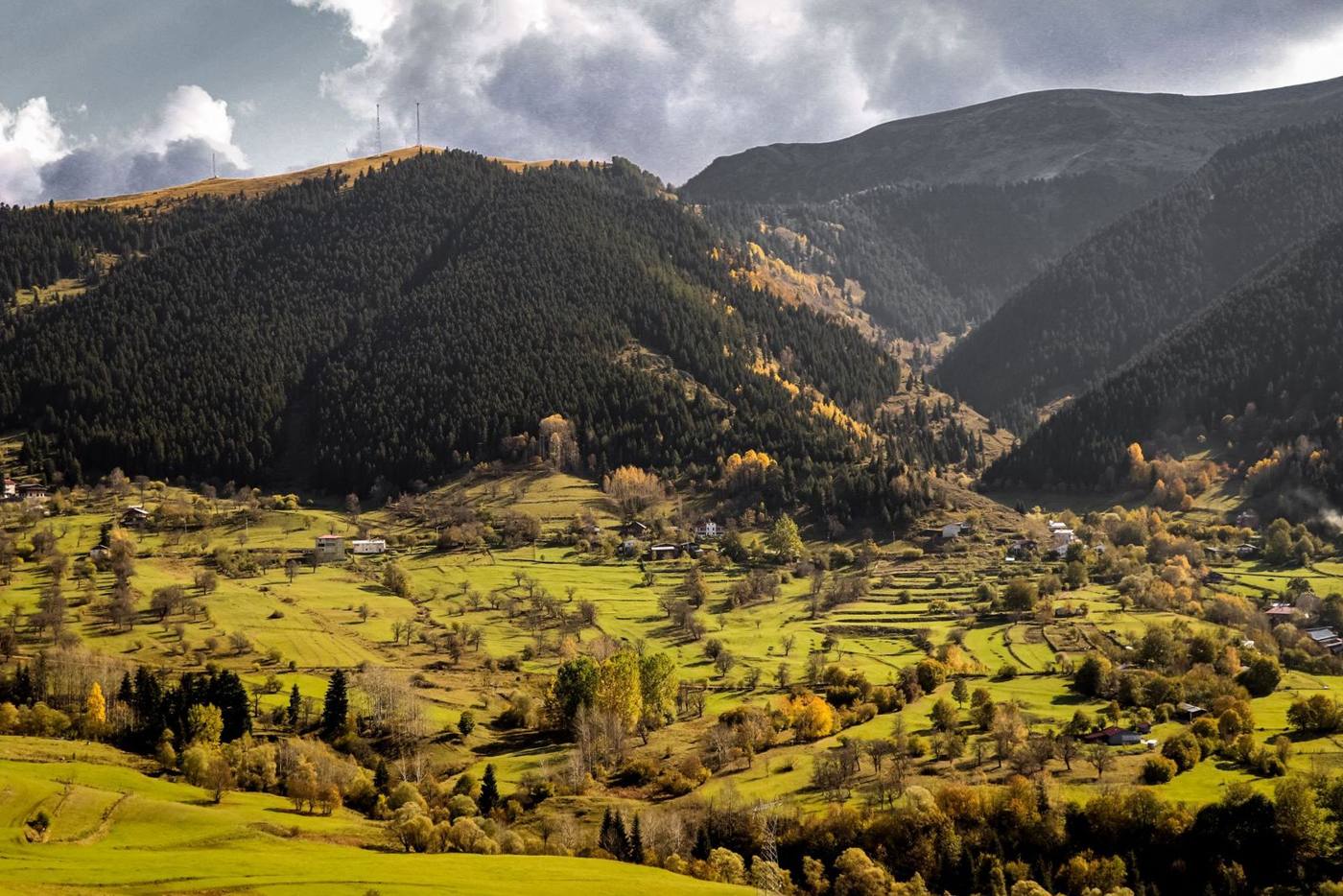
Gjakova and Dečani
Gjakova's long Ottoman bazaar and the Hadum mosque, and the UNESCO Serbian Orthodox monastery of Visoki Dečani with its 14th-century frescoes.
 3 daysChallenging
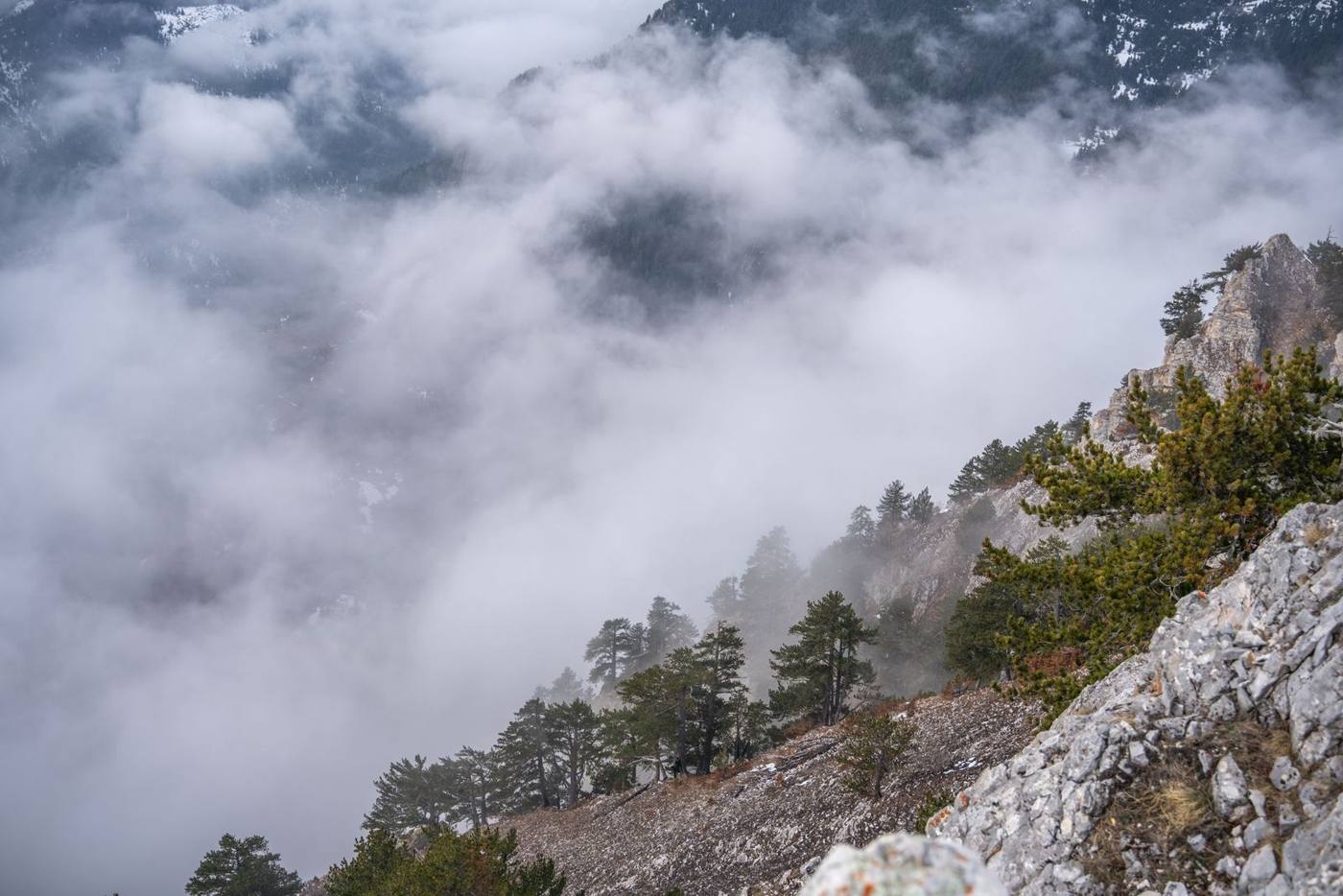
Gjeravica and the lakes
The climb up Gjeravica, Kosovo's highest mountain at 2,656 metres, with the glacial lake at its foot and the shepherds' pastures of the Accursed Mountains.
 3 daysModerate
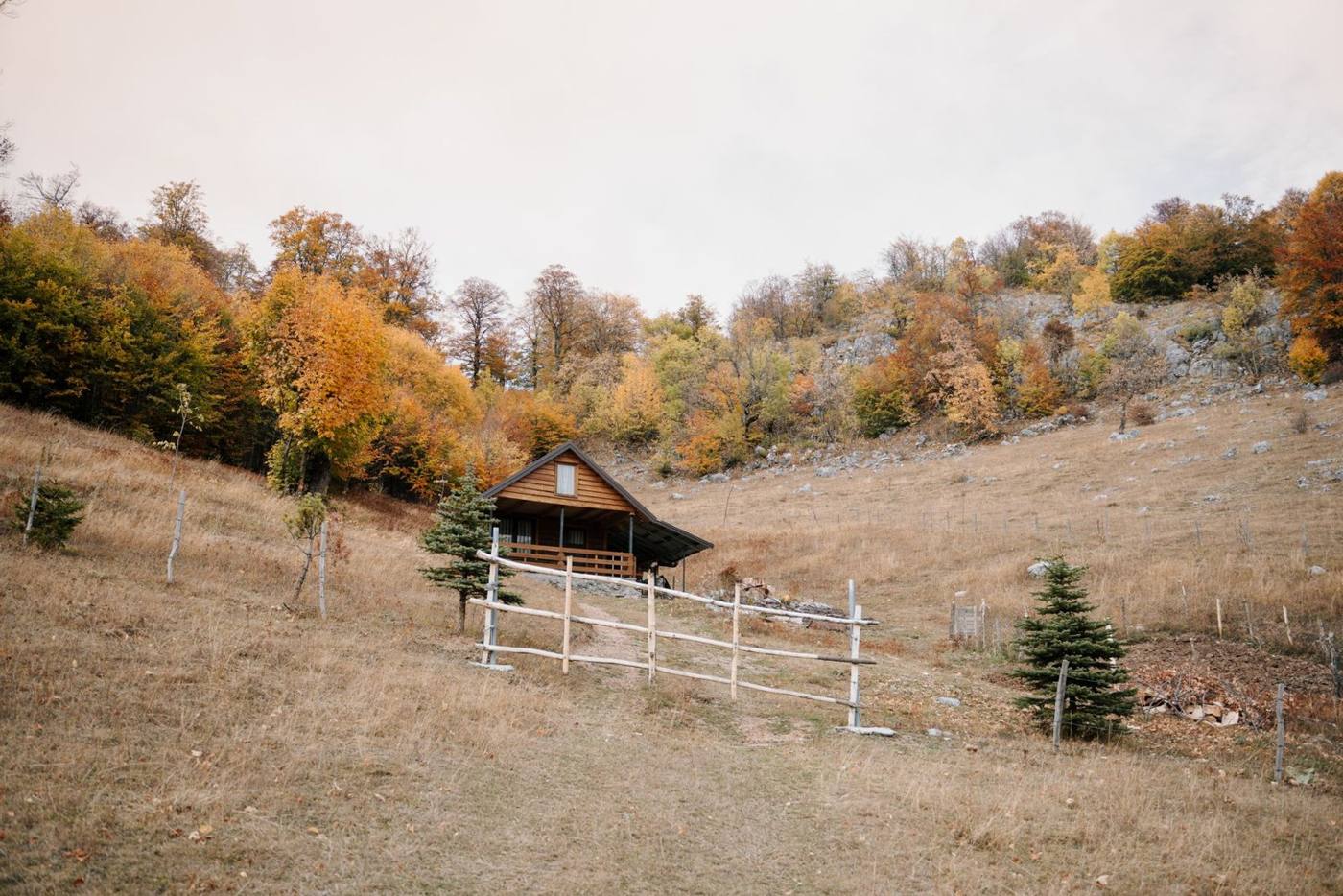
Brezovica and the Šar
The Kosovo side of the Šar mountains: the Brezovica resort, glacial lakes and the villages of Štrpce and the Sredska valley above Prizren.