The Curonian Spit
The thin UNESCO strip of dunes between lagoon and Baltic: Nida, the Parnidis dune, the Hill of Witches and pine forests by bike.
- Klaipėda
- Smiltynė
- Juodkrantė
- Hill of Witches
- Nida
- Parnidis Dune
Day by day
- Day 1
Klaipėda and the ferry to Smiltynė
This trip takes you to the Curonian Spit, a thin strip of dunes and pine forest between the lagoon and the Baltic Sea, a UNESCO World Heritage Site: Smiltynė, Juodkrantė with the Hill of Witches, Nida with Thomas Mann's house and the Parnidis dune. You get around by bike, by bus or by car.
Before you go: Italian citizens only need an electronic identity card valid for travel abroad or a passport, with no visa: Lithuania is in the European Union and the Schengen area. Other nationalities should check their own rules. The crossings with Belarus have been closed several times, sometimes at short notice, and Italy's foreign ministry advises against travel to Russia: the southern part of the spit is Russian, in the Kaliningrad region, and this route does not cross the border. Some areas on this trip are close to borders or places where the situation changes often: check your government's travel advice before booking and again before you leave.
You arrive in Klaipėda, Lithuania's port. Walk through the Old Town, with its half-timbered houses of wood and brick, a legacy of the German past, and Theatre Square.
In the afternoon take the ferry to Smiltynė, which crosses the strait in a few minutes. On the other side walk the paths through the pine forest to the white sand beach on the Baltic.
At sunset go back to the quay and watch the ships coming into the port.
Practical tip: if you drive onto the spit, you pay an environmental fee at the park entrance; check prices and times of the car ferry, which leaves from a different quay from the foot passenger ferry.
- Day 2
By bike to Juodkrantė and the Hill of Witches
Today you cycle through the pine forest to the first village on the spit, among wooden sculptures and a large bird colony.
In the morning hire a bicycle in Smiltynė or Klaipėda and follow the cycle path that runs the whole length of the spit, paved and almost flat, among pines, birches and dunes covered in vegetation. Juodkrantė is about twenty kilometres away. On the way stop at the viewpoints over the sea and the lagoon.
In Juodkrantė climb the Hill of Witches, a woodland path with dozens of wooden sculptures carved by Lithuanian artists from 1979 onwards. You see witches, devils, dragons, kings and characters from Baltic fairy tales and legends. Children love it, and so do adults.
At midday have lunch with smoked fish from the lagoon, sold in little wooden huts along the shore, with black bread and onion.
In the afternoon walk to the colony of grey herons and cormorants, just north of the village. From the wooden platforms you see thousands of nests in the pines, many of which have turned white and dry from the birds' droppings. The noise and the smell are strong, but the sight is worth the stop.
In the evening go back by bike or by bus, or sleep in Juodkrantė.
Practical tip: the path is long and in places climbs over the dunes; bring water, because there are no shops between one village and the next, and check the bike's brakes carefully.
- Day 3
Nida, Thomas Mann's house and the Parnidis dune
Today you reach Nida, the prettiest village on the spit, and climb the great dune at sunset.
In the morning get to Nida by bus, by car or by bike. The village has wooden fishermen's houses painted brown and blue, flower gardens and a small harbour on the lagoon, with carved wooden weathervanes that once marked the boats of each village.
Walk up to Thomas Mann's summer house, on the hill above the lagoon. The German writer had it built in 1930 and spent a few summers there before his exile. Today it is a small museum, with a view over the lagoon that the writer compared to Italian landscapes. Check prices and times.
At midday visit the Lutheran church and its cemetery, with the traditional wooden grave markers shaped like carved boards.
In the afternoon swim at the Baltic beach, long and empty, on the other side of the spit.
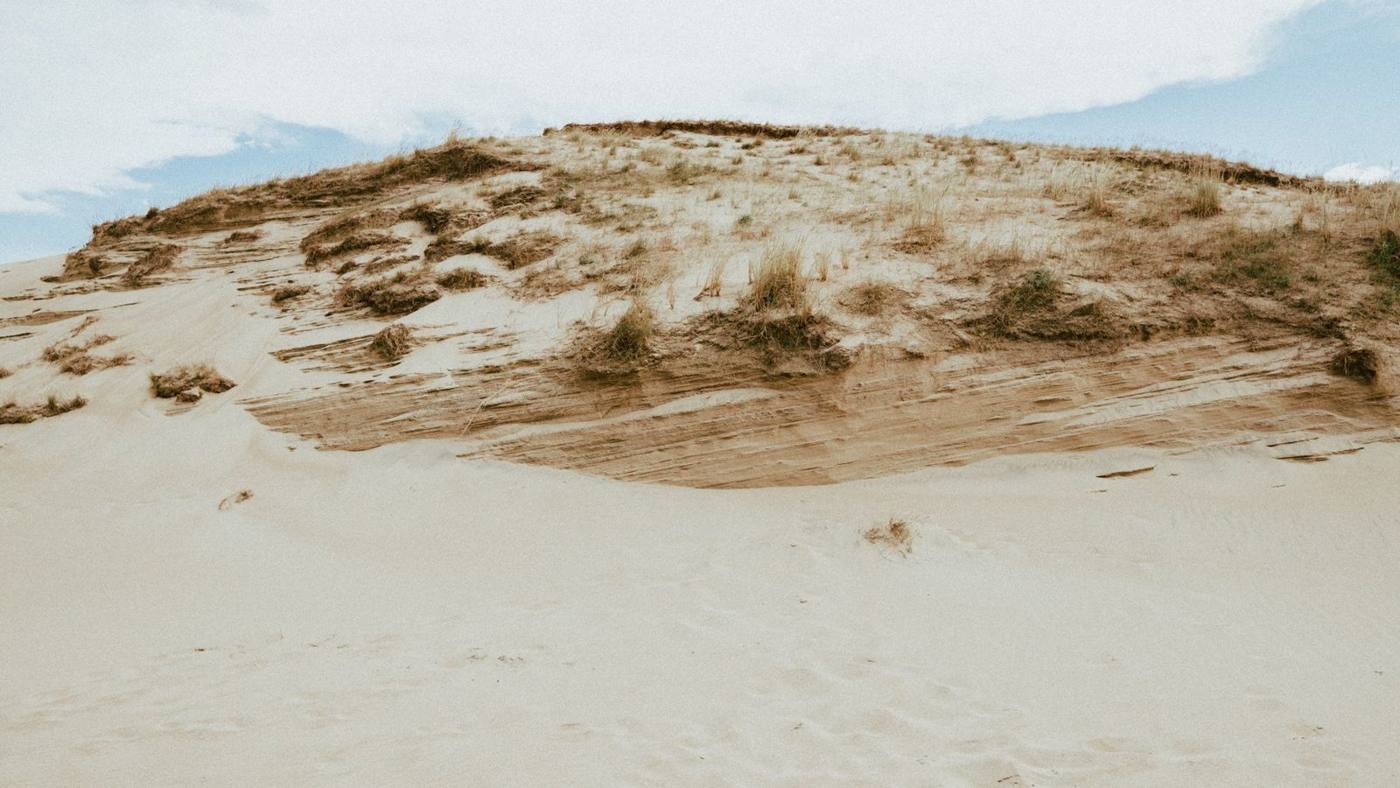
At sunset climb the Parnidis dune, south of the village, about fifty metres high, with a large stone sundial at the top. From here you see the lagoon, the sea and the grey dunes moving with the wind. To the south, a few kilometres away, the Russian region of Kaliningrad begins.
Practical tip: on the dune keep to the boardwalks and marked paths; the dunes are fragile and protected, and to the south do not try to get close to the border, which is closed and guarded.
- Day 4
Back to Klaipėda
On the last day you enjoy a final morning on the lagoon and return to Klaipėda.
In the morning stroll along the Nida waterfront and visit the ethnographic fisherman's house, which shows how a family on the spit lived in the nineteenth and twentieth centuries, with nets, tools and painted furniture. Check prices and times.
Then, if there is wind, sit on the shore and watch the sailing boats on the lagoon, which is shallow and calm. In summer there are also boat trips: ask at the small harbour.
At midday take the bus or the car northwards. On the way stop at Pervalka or Preila, two small fishing villages on the lagoon, quieter than Nida.
In the afternoon go back to Smiltynė and take the ferry to Klaipėda.
Trip summary: in four days you have seen the Curonian Spit from north to south, with the pine forest of Smiltynė, the Hill of Witches and the heron colony of Juodkrantė, the village of Nida with Thomas Mann's house and the Parnidis dune at sunset. It is one of the most unusual landscapes on the Baltic, best explored slowly by bike.
When to go: from June to September, when the sea is warm enough for a swim and the days are long. In July and August the villages are full of Lithuanian holidaymakers: June and September are quieter.
Practical tip: accommodation on the spit is limited and fills up early in summer; book many months ahead, especially in Nida.
One of the Baltic's most unusual landscapes, best explored on the bike path that runs the length of the spit. Cars pay an environmental fee at the park entrance. The southern part is Russian (Kaliningrad) and the border cannot be crossed.
Before you go
- Documents and visa
- EU citizens need a valid identity card or passport: Lithuania is in the EU and the Schengen area. Other nationalities should check the Schengen rules and the Entry/Exit System.
- Health and vaccines
- No vaccines required. EU citizens should bring their EHIC, plus insurance covering medical costs and repatriation. From spring to autumn the forests and meadows have ticks that can carry encephalitis: ask your doctor about the vaccine. Emergencies: 112.
- Money and payments
- Euro. Cards and phone payments are accepted almost everywhere; carry some cash for markets and villages.
- Power sockets
- Types C and F, 230 volts.
- Time zone
- Eastern European Time (UTC+2, summer UTC+3).
- Safety
- A safe country, with pickpockets in busy places in Vilnius and on public transport. Lithuania closed its border with Belarus in autumn 2025 after balloons crossed from Belarus, which also closed Vilnius airport several times; crossings can close again at short notice. Do not cross into Belarus or into the Russian region of Kaliningrad. The UK reports that some Ukrainian drones aimed at Russia have entered Lithuanian airspace: follow official guidance. Official advice: GOV.UK.
Information checked in November 2026 for Italian and EU citizens. Rules change: always check before you travel.
Variations
Shorter: two days, with Juodkrantė on the first day and Nida with the Parnidis dune on the second.
Longer: add two days in Palanga and Klaipėda, with the amber museum and the sea museum.
Frequently asked questions
Can you go into Russia from the spit?
No. The southern part of the spit is Russian, the border cannot be crossed and Italy's foreign ministry advises against travel to Russia. Stay in the Lithuanian part.
Is the cycle path difficult?
No, it is paved and almost flat, with a few climbs over the dunes. From Smiltynė to Nida it is about fifty kilometres: you can do it in stages.
Is the sea warm?
The Baltic is cool: in July and August the water is pleasant for a short swim. The lagoon is warmer and shallower.
Indicative itinerary written by World Atlas. Before booking, check timetables, seasonal openings, documents and safety.
 4 daysEasy
Kaunas and the Hill of Crosses
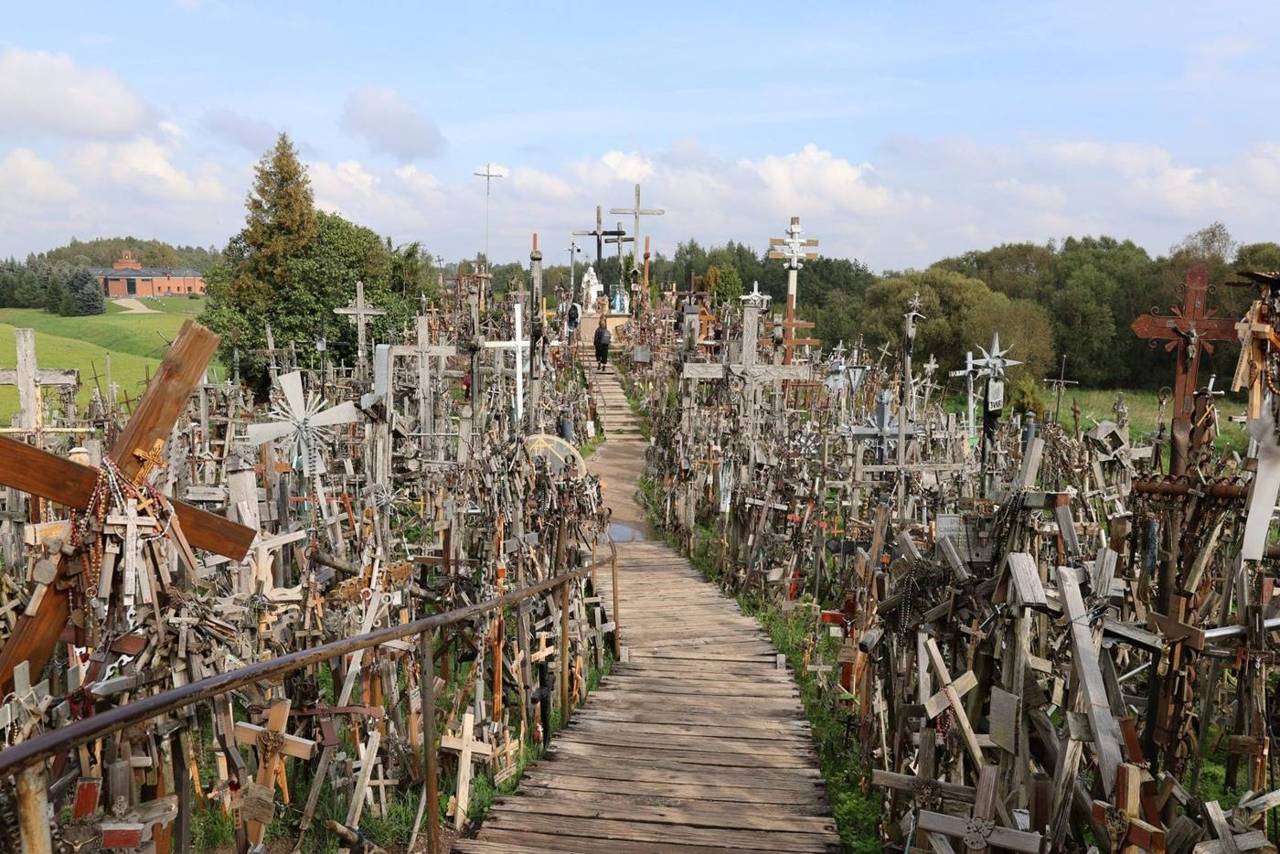
Kaunas with its UNESCO modernist architecture and street art, the Ninth Fort, the Rumšiškės open-air museum and the Hill of Crosses near Šiauliai.
 4 daysEasy
Druskininkai and Dzūkija
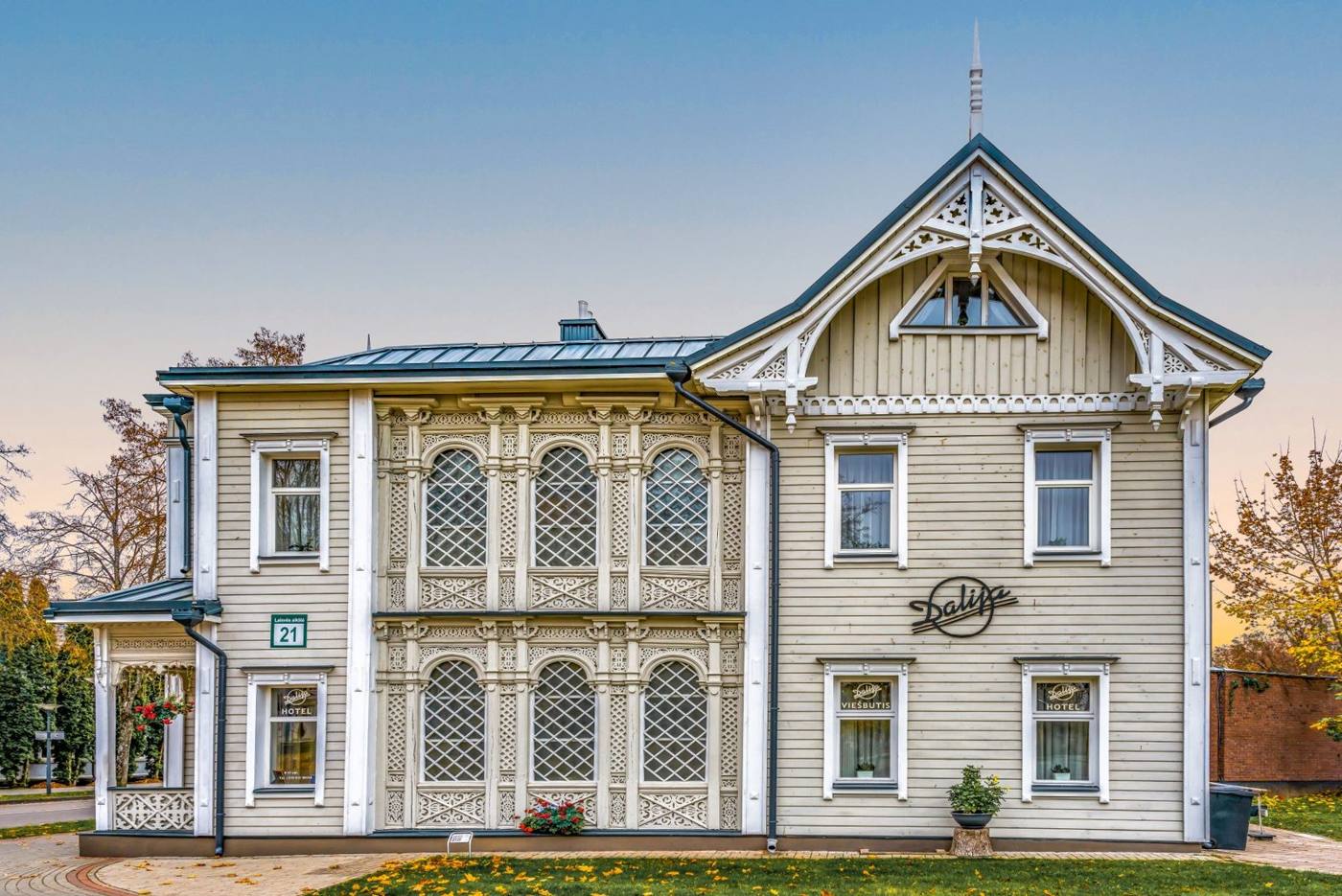
The spa town of Druskininkai, Grūtas Park with its Soviet statues, the pine forests of Dzūkija and the village of Zervynos with its wooden houses.
 4 daysEasy
Aukštaitija and the lakes
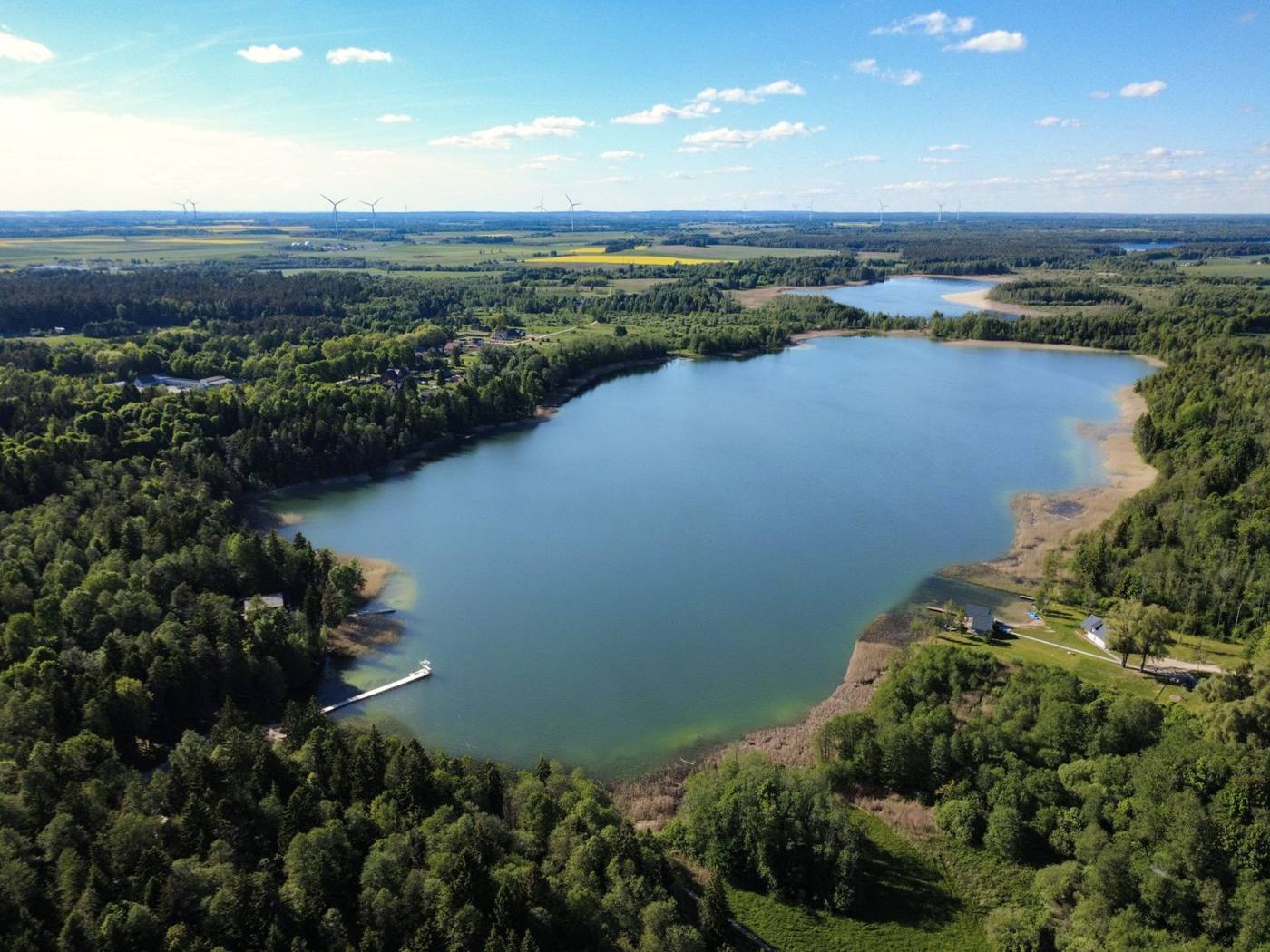
Lithuania's oldest national park: over a hundred linked lakes, Ladakalnis hill, the wooden church of Palūšė and the villages of Salos and Šuminai.