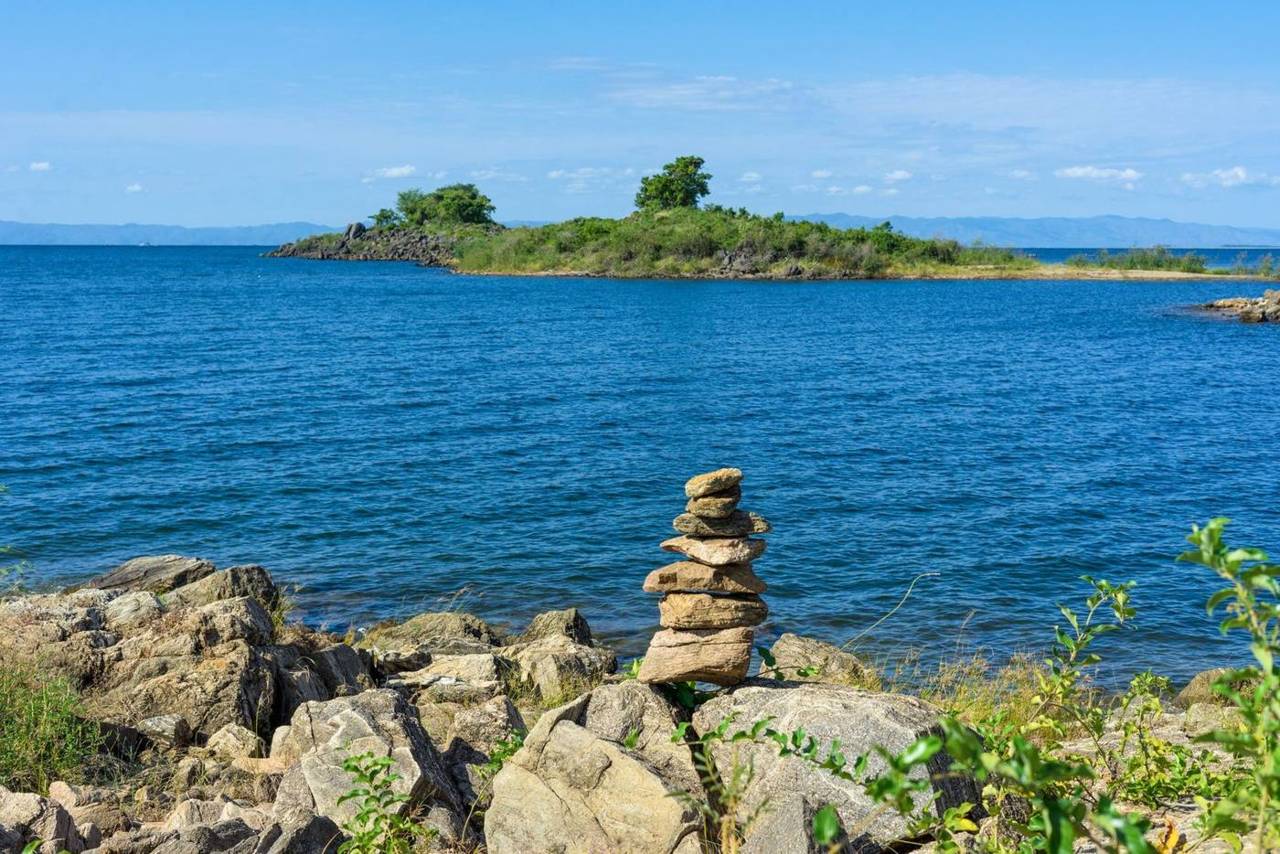
Mumbo Island
A small uninhabited island in Lake Malawi park, with tents on the rocks, snorkelling among cichlid fish and kayaking at sunset.
- Cape Maclear
- Mumbo
Day by day
- Day 1
By kayak from Cape Maclear to Mumbo Island
This three-day trip takes you to Mumbo, a small uninhabited island in Lake Malawi National Park, a UNESCO World Heritage Site. You get there by kayak from Cape Maclear and sleep in a tent on the rocks, with clear water beneath your feet.
Before you go: Italian citizens enter Malawi with a visa, also for tourism. You apply online on the official portal evisa.gov.mw or on arrival, in cash and only in US dollars. Your passport must be valid for at least six months, with two blank pages. The yellow fever certificate is required if you arrive from a country with risk of transmission or transited there for more than 12 hours. Other nationalities should check their own rules. Viaggiare Sicuri points out that Lake Malawi carries bilharzia, a disease caused by a freshwater parasite: talk to your doctor before you go. It also reports frequent fuel shortages: organise your transfer to Cape Maclear well in advance.
In the morning, at Cape Maclear, pack a dry bag with what you need: clothes, sun cream, water and a torch. With a guide, get into the kayak and paddle towards the island. The crossing takes a few hours, depending on the wind and the waves. Around you the water is so clear that you see colourful fish under the hull.
In the afternoon you reach Mumbo. There are no roads, no cars and no electricity: only granite rocks, trees and a few tents. At sunset the fish eagles call from the branches.
Practical tip: paddle early in the morning, when the lake is calmest; the wind often picks up in the afternoon and makes the crossing harder.
- Day 2
Snorkelling among the cichlids and rest
Today there is no timetable. You wake with the light coming into the tent and the sound of small waves on the rocks. After breakfast, put on a mask and snorkel and slip into the water from the island's rocks.
Lake Malawi is famous for its cichlids, small colourful fish: hundreds of species live in the lake, almost all found only here. Around the rocks of Mumbo swim blue, yellow, orange and striped fish that come close without fear. Some keep their eggs and young in their mouths to protect them. Move slowly and look closely: every rock has its own residents.
Before you go into the water, remember the risk of bilharzia, which doctors link mainly to calm water near shores with reeds and villages. Decide with your doctor what to do, and after you get home ask whether you need a check-up test.
In the hot hours, rest in the shade, read or take a short walk on the island's paths. You may see colourful lizards, birds and sometimes an otter fishing near the shore. In the late afternoon, take the kayak for a paddle around the island and watch the sun go down behind the hills on the coast.
In the evening the sky fills with stars and the lights of the fishermen appear on the lake.
Practical tip: snorkel in a long-sleeved T-shirt, because the sun on the lake burns your back in a few minutes, even when the water feels cool.
- Day 3
Back to Cape Maclear
Today is the day you return. Get up early and enjoy your last sunrise on the island: the lake is as smooth as a mirror and the fishermen head back to the shore in their wooden canoes. Have a last swim, if you have decided to swim, then pack up your things and close your dry bag tightly.
Get back into the kayak and paddle towards Cape Maclear with your guide, using the hours without wind. During the crossing, look at the other islands of the park and the wooded hills around the bay. When you arrive, the village beach is full of life: colourful boats, nets laid out to dry, children playing and women washing clothes in the lake.
In the afternoon, walk around the village and taste chambo, the lake's most famous fish, grilled and served with rice or nsima. Before you leave, check how to reach your next stop: the roads towards Monkey Bay and Mangochi are slow.
In three days you have experienced Lake Malawi in the simplest way: clear water, colourful fish, a tent on the rocks and no engine noise.
When to go: from May to November, in the dry season, the sky is clear and the water is at its clearest. Between June and August the wind can make the lake choppy; September and October are hot and calm.
Practical tip: places on the island are few, so book ahead and confirm the departure time with your guide according to the weather.
A castaway experience, simple and beautiful. No electricity and limited places. Bilharzia in the lake is a risk: ask your doctor.
Before you go
- Documents and visa
- Passport valid for at least six months from entry, with at least two blank pages. Italian citizens need a visa, also for tourism: apply online on the official portal evisa.gov.mw or on arrival, paying only in US dollars cash, ideally in small notes because change is often not given. A yellow fever vaccination certificate is required if you arrive from a country with risk of transmission, including after a transit of more than 12 hours. Foreign currency in cash must be declared on arrival, whatever the amount.
- Health and vaccines
- Malaria is present across the country, except at high altitude: ask your doctor about antimalarials. Lake Malawi and other fresh water carry bilharzia: talk to your doctor before swimming. Cholera cases are frequent in the rainy season, from November to April: drink only bottled water. Public health facilities are inadequate: you need insurance covering medical costs and repatriation. Emergencies: 990 or 997 police, 998 ambulance, 999 fire, but the numbers are unreliable.
- Money and payments
- Malawian kwacha. Change money only at banks or authorised bureaux: keep the receipts and your entry declaration. Foreigners pay hotels and lodges in foreign currency. ATMs are rare outside the towns: carry cash.
- Power sockets
- Type G, 230 volts: the same British plugs, no adapter needed from the UK.
- Time zone
- UTC+2 all year.
- Safety
- The United States asks travellers to exercise increased caution in Malawi, level 2, because of crime and demonstrations. The British government does not advise against any area, but reports thefts, assaults and kidnappings for ransom, foreigners included. Demonstrations are frequent in the towns and can block roads. Fuel shortages are frequent: fill up whenever you can and do not count on finding fuel along the way. Do not travel after dark. Official advice: GOV.UK.
Information checked in November 2026 for Italian and EU citizens. Rules change: always check before you travel.
Variations
In two days: a single night on Mumbo, with the kayak crossing on the way out and the return the next morning.
In five days: add two nights at Cape Maclear, with boat trips to the other islands of the park and a walk in the hills.
Frequently asked questions
Can I swim in Lake Malawi?
Many people do, but the lake carries bilharzia. Talk to your doctor before you go and ask whether to have a test after you get home.
Do I need to be a good paddler?
A little experience and reasonable fitness are enough. The crossing is made with a guide and takes a few hours, depending on the wind. If you prefer, you can arrive by boat.
Is there electricity on the island?
No. Bring a head torch, a charged power bank and everything you need for two nights.
Indicative itinerary written by World Atlas. Before booking, check timetables, seasonal openings, documents and safety.
 2 daysEasy
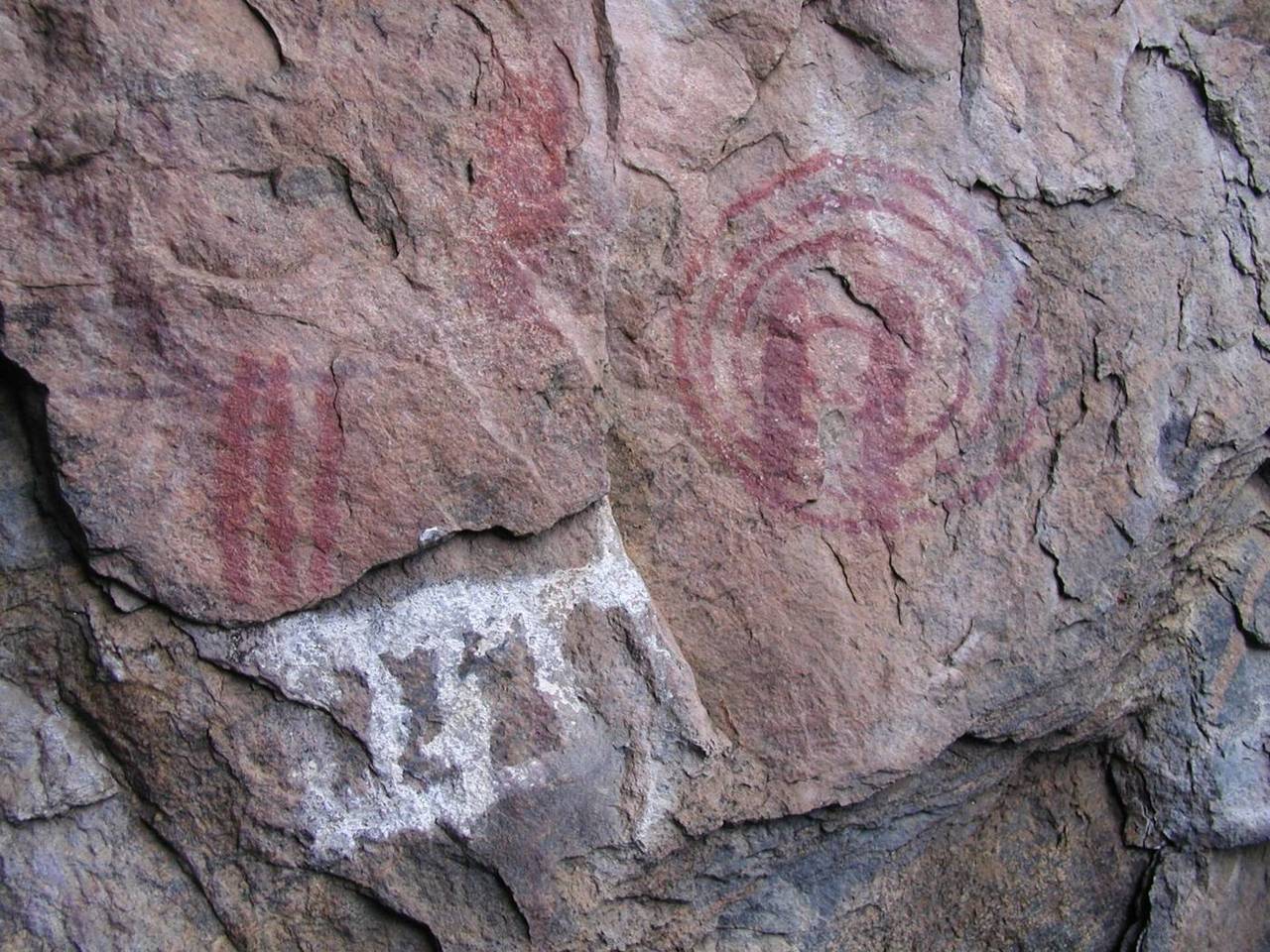
Dedza and the Chongoni rock art
The UNESCO rock paintings of Chongoni, also linked to Chewa rituals, Dedza pottery and the pine forests on the hills south of Lilongwe.
 2 daysEasy
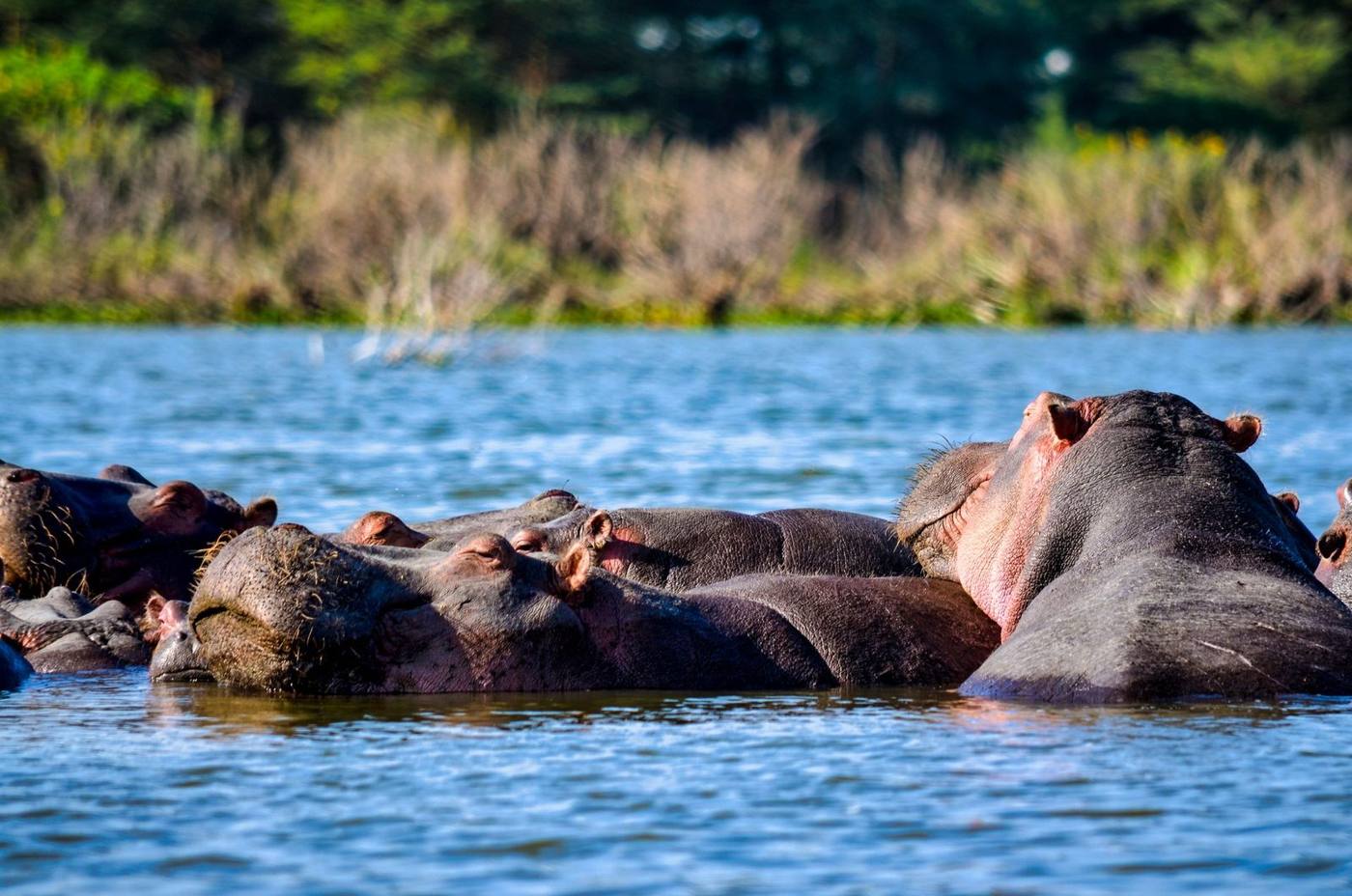
Vwaza Marsh
A little-known reserve in the north, with a lake where elephants and hippos come close to the camp and walks with rangers.
 4 daysChallenging
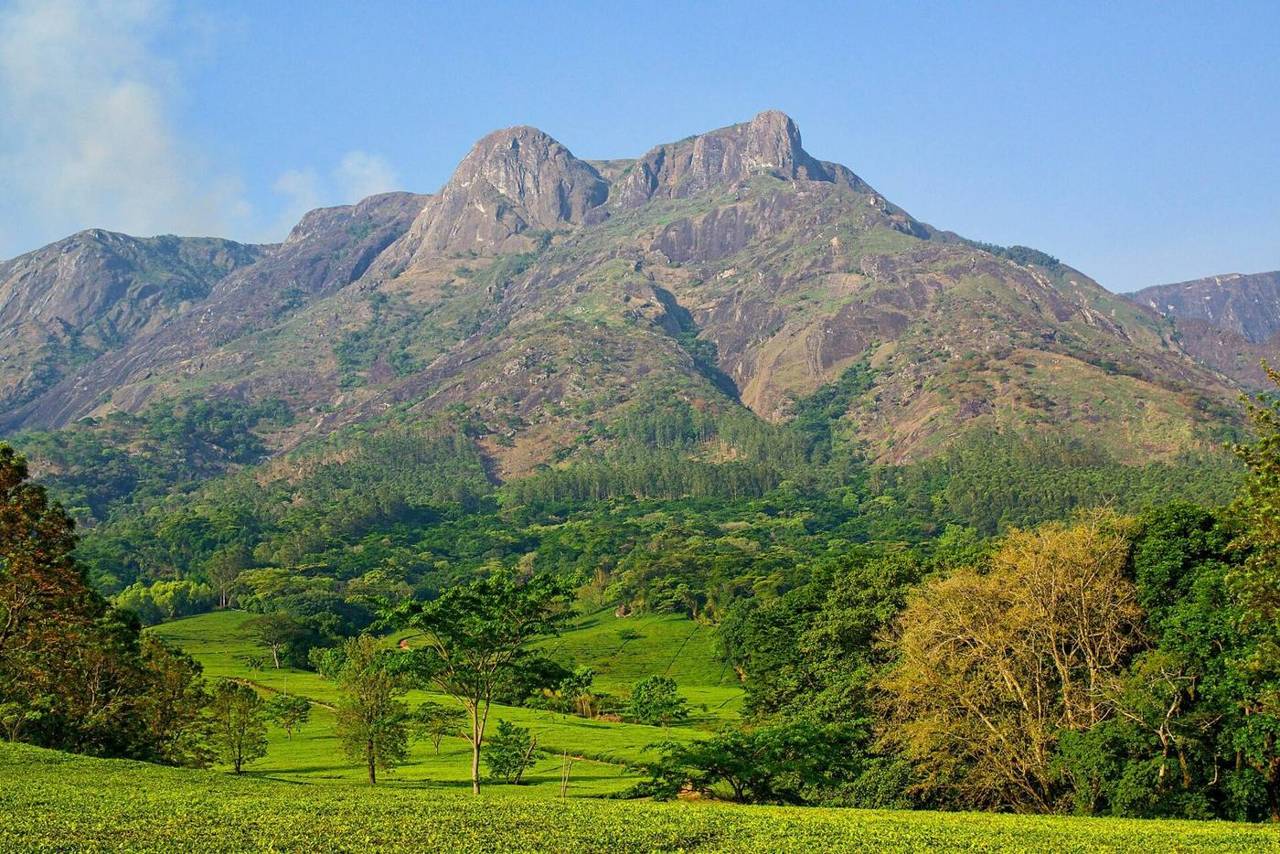
Climbing Sapitwa
The highest summit in south-central Africa, 3,002 metres on the Mulanje massif, with nights in huts and forests of Mulanje cedar.