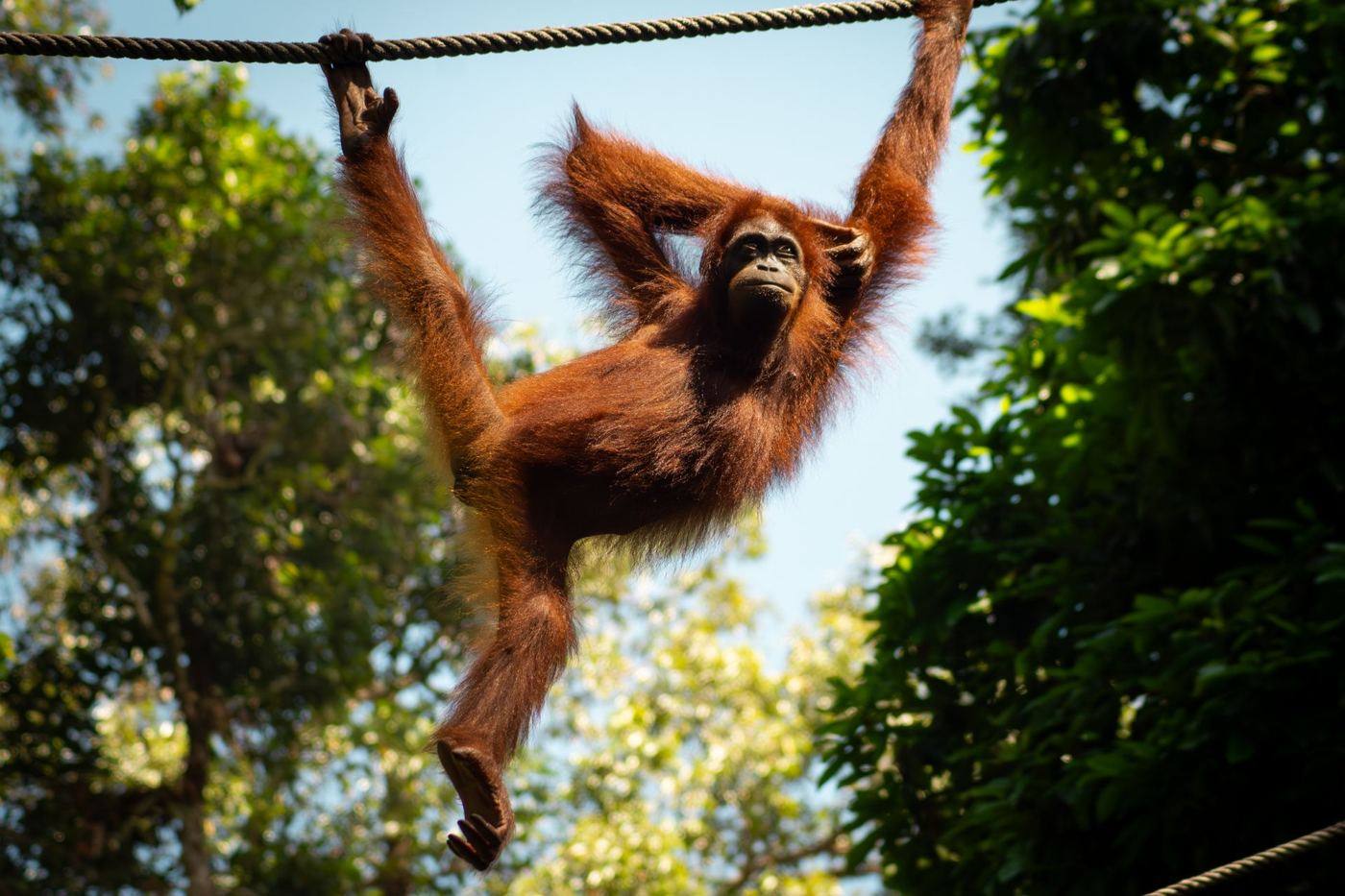
Danum Valley
Sabah's most pristine primary forest: wild orangutans, gibbons, hornbills and night walks, staying in a lodge in the heart of the jungle.
- Lahad Datu
- Danum Valley
Day by day
- Day 1
From Lahad Datu to Danum Valley
This four-day trip takes you to Danum Valley, in Sabah, the north-eastern part of Malaysian Borneo: a protected area of primary forest that has never been logged, with giant trees, wild orangutans, gibbons and hornbills. You sleep inside the forest and walk by day and by night with experienced guides.
Before you go: Italian citizens enter Malaysia with a passport valid for at least six months, without a visa for up to 90 days for tourism, and fill in the Malaysia Digital Arrival Card (MDAC) only on the official portal, within the three days before arrival. Other nationalities should check their own rules. Sabah has its own immigration control. The UK advises against all but essential travel to the islands and dive sites off the east coast of Sabah, from Sandakan to Tawau, because of the threat of kidnapping: the mainland, including Lahad Datu and Danum Valley, is not included. A special security zone still applies: follow local instructions, and in Lahad Datu avoid the outlying districts.
You fly into Lahad Datu, a small town on the east coast, usually from Kota Kinabalu. From here a four-wheel drive takes you inland: first through oil palm plantations, then along a partly unsealed road into the forest, for about two to three hours.
At the entrance to the protected area the landscape changes: towering trunks, lianas and the tea-coloured Danum river flowing over the rocks.
In the afternoon take your first walk with the guide, to learn how to move quietly and look up. In the evening go out on a night drive with a spotlight, looking for deer, owls, flying squirrels and, with luck, a leopard cat.
Practical tip: book your forest accommodation many months ahead, because places are few, and ask whether the transfer from Lahad Datu is included.
- Day 2
The forest at dawn and the canopy walkway
Today the alarm goes off before dawn, because the best moment in the forest is first light, when animals are most active and the air is still cool.
Climb onto the canopy walkway or a viewing platform: from up there you hear the song of the gibbons echoing across the valley and see the mist rising above the treetops. Watch the fruiting trees: that is where the hornbills come, with their huge beaks and wingbeats that sound like a train.
After breakfast walk the trails with your guide. You learn to recognise elephant tracks, orangutan nests made of woven branches, dipterocarp trees as tall as buildings and medicinal plants. If you find a wild orangutan, keep your distance, speak quietly and never offer food.
In the hottest hours rest or swim in one of the natural pools of the river, under a small waterfall, where fish nibble at your feet.
In the late afternoon go out again, when the light softens and red leaf monkeys, with rust-coloured fur, leap through the branches.
In the evening take a night walk on foot: with your torch you discover frogs, stick insects, spiders, scorpions and fungi that glow in the dark.
Practical tip: wear knee-high leech socks over your trousers; leeches are not dangerous, but they are everywhere after rain.
- Day 3
Waterfalls, ancient burials and night animals
Today you take a longer, half-day walk towards one of the most beautiful parts of the valley. The path climbs and drops among roots and fallen trunks, so you need good shoes and water.
Along one of the trails the guides show you an ancient burial site: on a rock ledge lie wooden coffins left by the people who lived here long ago. It is a place of respect: look, but do not touch.
Then you reach a waterfall with a pool where you can cool off. While you rest, listen to the sounds of the forest: cicadas, birds, the rustle of leaves when an animal passes.
In the afternoon, if you like, go birdwatching with the guide. Danum Valley is one of the best places in Borneo for birds: brightly coloured pittas, trogons, kingfishers and several species of hornbill.
In the evening take another night drive: every outing is different. You may see a slow loris, a sambar deer, a palm civet and, very rarely, the Bornean clouded leopard. Bornean pygmy elephants sometimes pass along the road, but they are never guaranteed.
Before going to bed, switch off the light and spend a few minutes in the dark on the veranda: the noise of the forest at night is astonishingly loud.
Practical tip: bring light binoculars and a spare torch, and keep your camera gear in a dry bag, because the humidity here is extremely high.
- Day 4
The journey back
Today you leave Danum Valley. If the transfer leaves mid-morning, go out one last time at dawn: it is often the moment when you see the most animals.
Then the four-wheel drive takes you back to Lahad Datu, again through forest and oil palm plantations. On the way you will notice the contrast between the protected valley and the farmed landscape around it: it is the best way to understand why Danum Valley matters so much.
From Lahad Datu take the flight to Kota Kinabalu, or carry on by road towards Sandakan and the Kinabatangan river, which combines well with this trip.
In these four days you have experienced one of the most intact forests in Asia: the valley of the Danum river, the canopy walkway at dawn, the song of the gibbons, the hornbills, the night walks, the waterfalls and the ancient burial site, with the chance of meeting wild orangutans in their own habitat.
When to go: the best period is from March to October, when there is a little less rain and the trails are drier. From November to February it rains more. In the forest it is hot and humid all year.
Remember that seeing a wild orangutan is never certain: it depends on the fruiting season and on luck. But even without orangutans, the Danum forest is worth the journey.
Practical tip: tip your guides and drivers in cash, in ringgit, at the end of your stay; it is an appreciated custom, and there are no cash machines in the forest.
One of Asia's finest forest experiences. The lodge is expensive but the experience is exceptional. Combine with the Kinabatangan.
Before you go
- Documents and visa
- Passport valid for at least six months from the date of entry; for tourism Italian citizens enter without a visa for up to 90 days. The Malaysia Digital Arrival Card (MDAC) is compulsory: fill it in online, only on the official Malaysian immigration portal, within the three days before arrival. Sabah and Sarawak, on Borneo, have their own immigration control: even when arriving from Kuala Lumpur your passport is checked and stamped again.
- Health and vaccines
- No vaccinations are compulsory for travellers from Italy; a yellow fever certificate is needed only if you arrive from a country at risk. Dengue is common, especially in cities: use insect repellent and ask your doctor about other vaccinations and malaria prevention for forest areas. You need insurance covering medical costs and repatriation. Emergencies: 999.
- Money and payments
- Malaysian ringgit (MYR or RM). Cards work well in cities and shopping centres; carry cash for markets, islands and national parks.
- Power sockets
- Type G, 240 volts: British plugs fit without an adapter.
- Time zone
- UTC+8 all year.
- Safety
- Generally a safe country; watch out for bag snatching in cities. The UK advises against all but essential travel to all islands and dive sites off the coast of eastern Sabah, from Sandakan to Tawau, because of the threat of kidnapping; the Sabah mainland is not included. A night-time maritime curfew applies in those waters. Drug laws are very strict, up to the death penalty. Official advice: GOV.UK.
Information checked in November 2026 for Italian and EU citizens. Rules change: always check before you travel.
Variations
In 3 days: two nights in the forest, with outings at dawn, at sunset and at night, and the return to Lahad Datu on the third day.
In 7 days: carry on by road to the Kinabatangan river for two nights and then to Sepilok, near Sandakan, for the orangutan centre.
Frequently asked questions
Is Danum Valley safe?
Danum Valley and Lahad Datu are on the Sabah mainland, outside the area the UK advises against, which covers the islands and dive sites off the east coast. Still follow local instructions, and in Lahad Datu avoid the outlying districts.
What documents do I need for Malaysia?
Italian citizens enter with a passport valid for at least six months, without a visa for up to 90 days for tourism, and must fill in the MDAC online within the three days before arrival. Other nationalities should check their own rules.
Will I definitely see orangutans?
No, the animals are wild and never guaranteed. The chances are good, especially when the fruit trees are ripe, but they depend on the season and on luck.
Indicative itinerary written by World Atlas. Before booking, check timetables, seasonal openings, documents and safety.
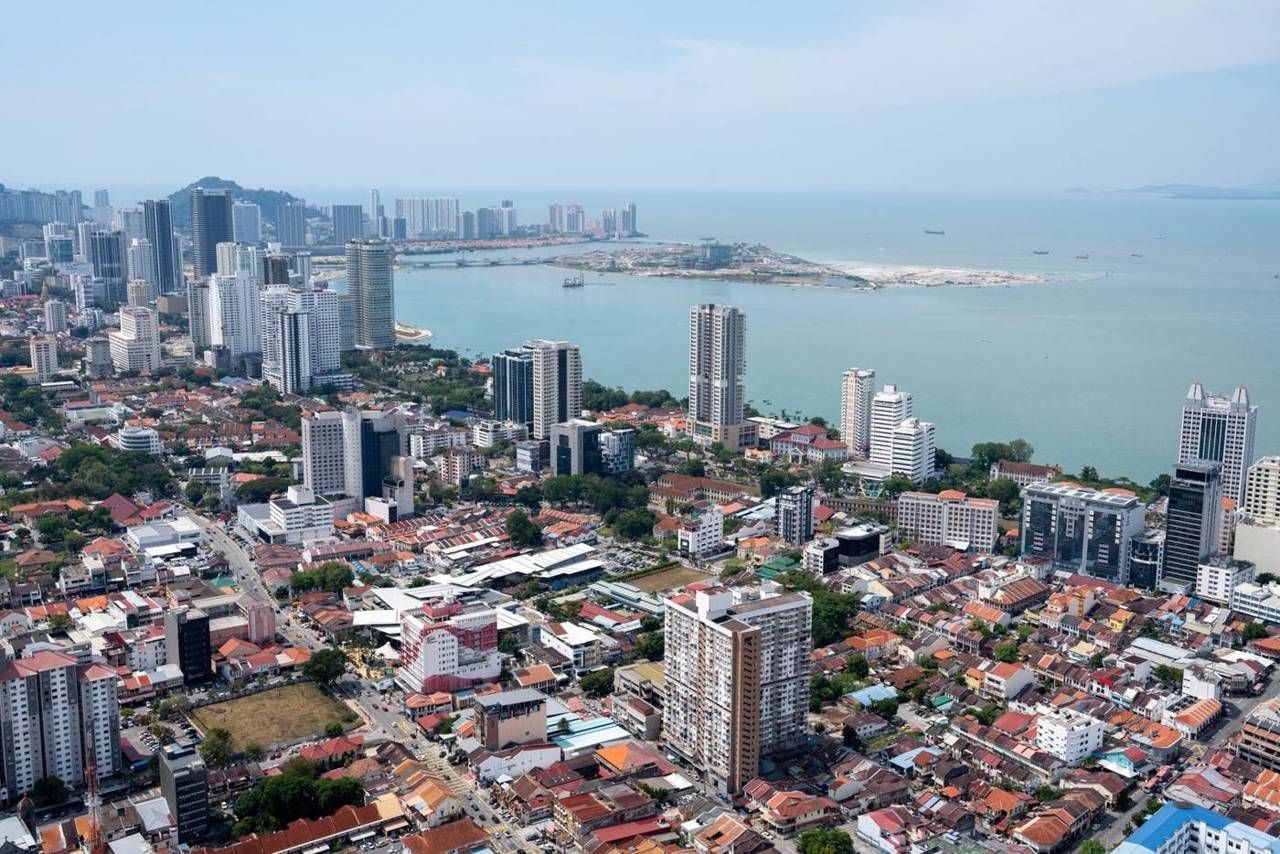 8 daysEasy
Kuala Lumpur, Malacca and Penang
The Petronas Towers and Batu Caves, colonial Malacca, the tea of the Cameron Highlands and George Town in Penang, capital of street food.
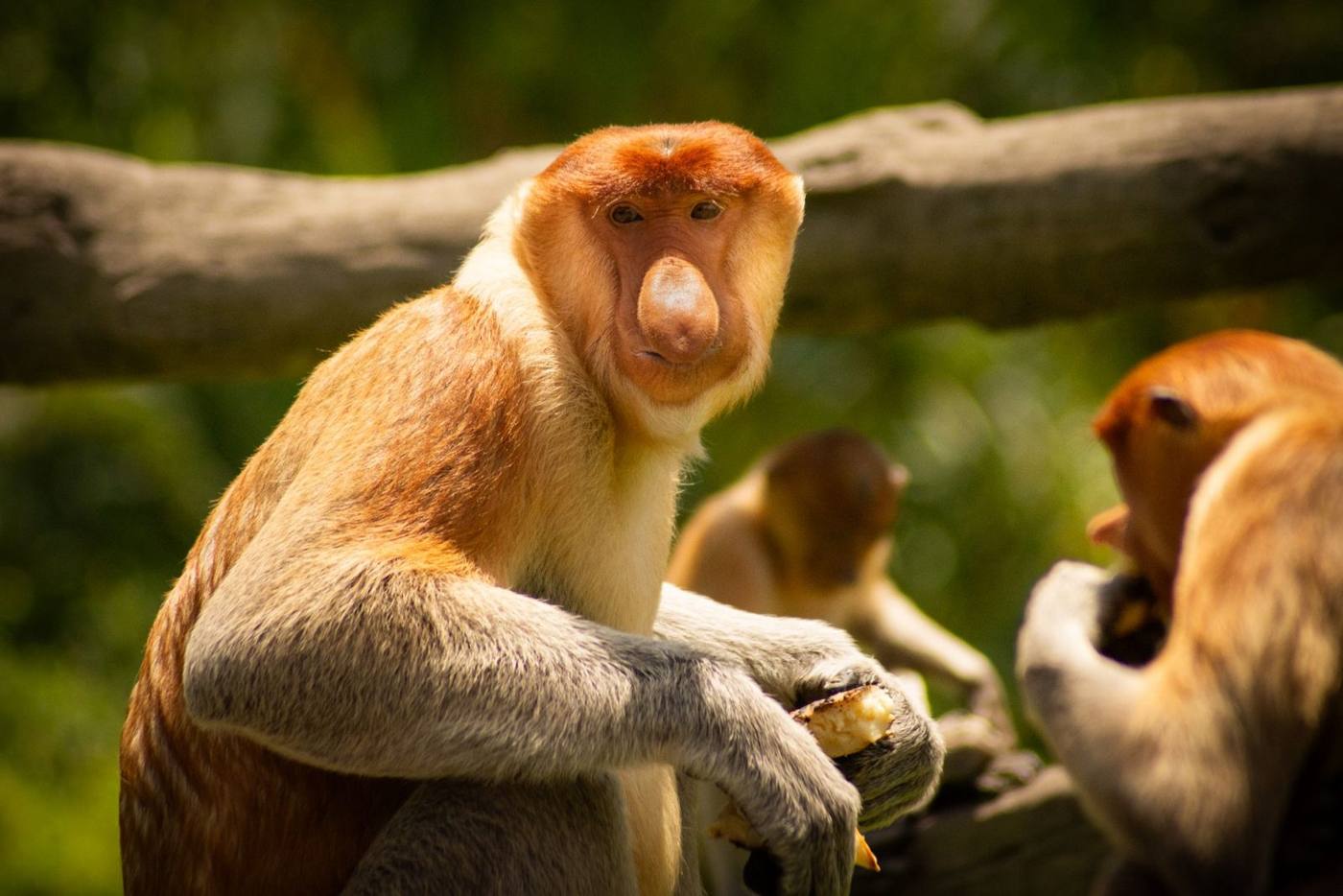 8 daysModerate
Borneo: Sabah
The orangutans of Sepilok, a Kinabatangan river cruise with proboscis monkeys, Mount Kinabalu and the islands of Tunku Abdul Rahman park.
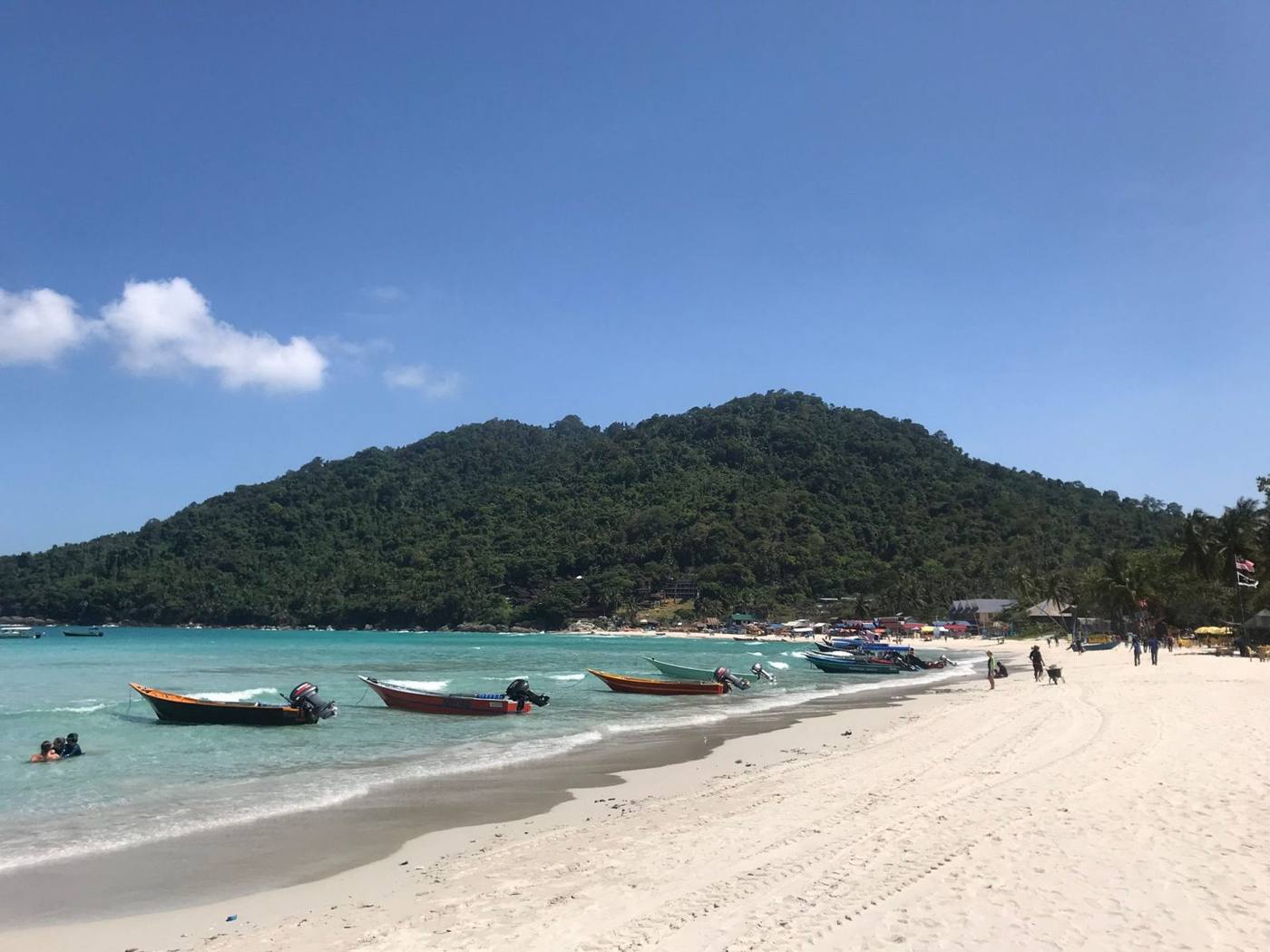 7 daysEasy
Langkawi and the Perhentians
The beaches and cable car of Langkawi on the west coast, then the clear water and snorkelling of the Perhentian islands on the east coast.