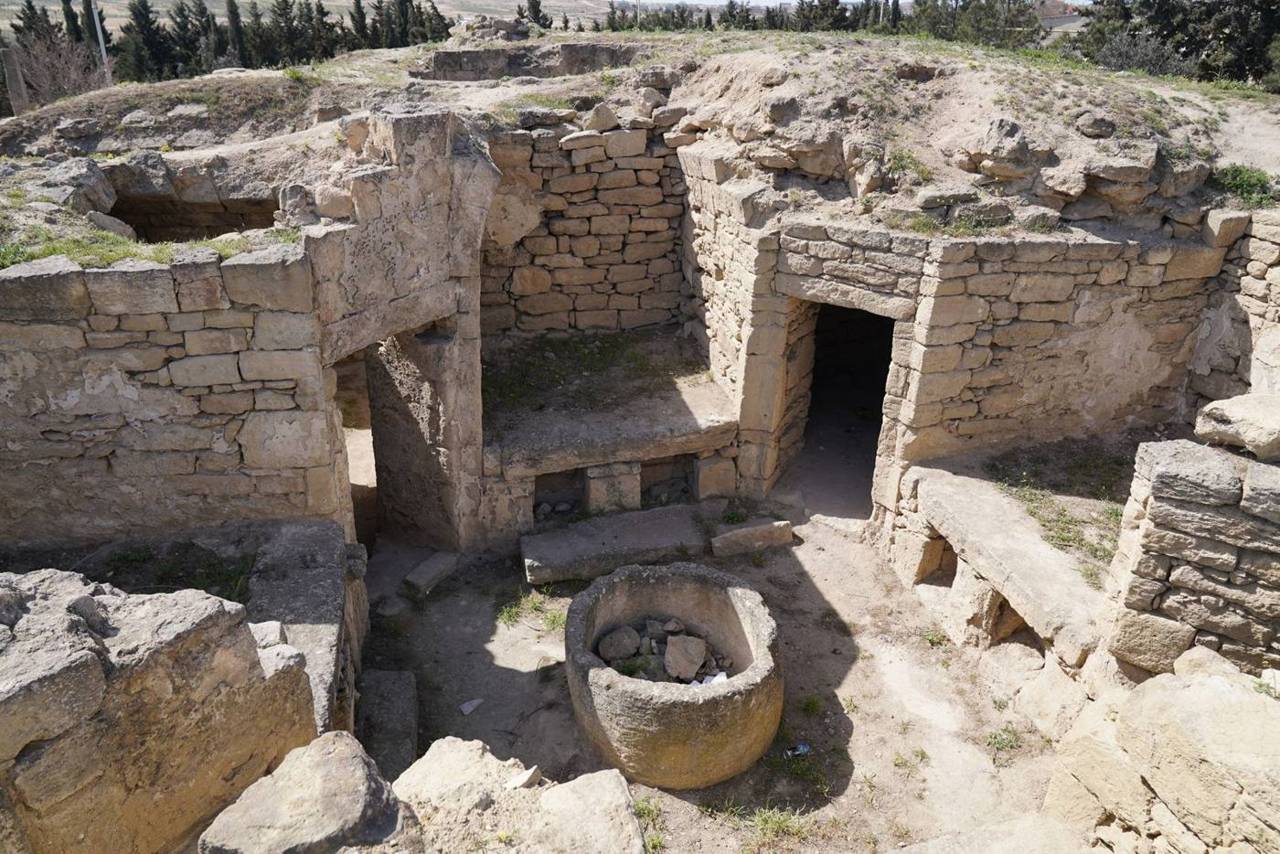
The megalithic temples
Temples older than the pyramids: Ħaġar Qim and Mnajdra by the sea, Tarxien, Ta' Ħaġrat, Skorba and the prehistoric cave of Għar Dalam.
- Valletta
- Ħaġar Qim
- Mnajdra
- Għar Dalam
- Tarxien
- Mġarr
Day by day
- Day 1
The National Museum of Archaeology in Valletta
This trip takes you among the megalithic temples of Malta, older than the pyramids of Egypt and Stonehenge, a UNESCO World Heritage Site: the archaeology museum in Valletta, Ħaġar Qim and Mnajdra by the sea, the cave of Għar Dalam, Tarxien, the Ħal Saflieni Hypogeum and the temples of Mġarr. You get around by bus, taxi or car.
Before you go: Italian citizens only need an electronic identity card valid for travel abroad or a passport, with no visa: Malta is in the European Union and the Schengen area. Other nationalities should check their own rules. The country is safe and crime is low; in summer watch out for pickpockets on crowded buses. Traffic drives on the left and sockets are the British type.
Book the Ħal Saflieni Hypogeum straight away on the Heritage Malta website: visitors go in groups of no more than ten people, places are very few and often sell out weeks or months ahead.
You arrive in Valletta, the fortified capital of the Knights of Saint John. In the afternoon visit the National Museum of Archaeology, in the Auberge de Provence, on the main street. Here you see the treasures of the temples: the large female statues with generous curves, the slabs decorated with spirals, the altars and the Sleeping Lady, a small figure of a woman asleep on a bed, found in the Hypogeum. Check prices and times.
In the evening walk to the Upper Barrakka Gardens, with the view over the Grand Harbour and the Three Cities.
Practical tip: the museum helps you understand what you will see over the next few days, because many original objects were brought here from the temples to protect them.
- Day 2
Ħaġar Qim, Mnajdra and Għar Dalam
Today you visit the two most spectacular temples on the island, on a cliff facing the sea, and a cave full of the bones of vanished animals.
In the morning go to the Ħaġar Qim and Mnajdra archaeological park, on the south coast. In the visitor centre a short film explains who built the temples, more than five thousand years ago, without metal or wheels.
Ħaġar Qim stands on a ridge, with huge limestone blocks, one of them several metres long. Then walk about five hundred metres down the path towards the sea to Mnajdra, three temples side by side, in a hollow facing the islet of Filfla. Both are covered by large white protective tents, which shelter them from rain and sun.
In the south temple of Mnajdra the doorway is aligned with sunrise at the spring and autumn equinoxes; at the solstices the light falls instead on the edges of two decorated slabs. Check prices and times.
In the afternoon go to Għar Dalam, near Birżebbuġa, the cave of darkness. In the museum and the cave you see the bones of dwarf elephants, dwarf hippos and deer, which lived on Malta long before humans. For a long time the cave also held the oldest known trace of human presence on the island, about 7,400 years old. Check prices and times.
Practical tip: there is no shade between Ħaġar Qim and Mnajdra; go at opening time, bring water and a hat and walk calmly on the path down and back up.
- Day 3
Tarxien, the Hypogeum and the temples of Mġarr
On the last day you see the most decorated temples, the underground sanctuary and the northern temples, before leaving.
In the morning go to Paola, near the Grand Harbour. If you have a ticket, enter the Ħal Saflieni Hypogeum, a sanctuary and burial place cut into the rock on three levels, with chambers that imitate the architecture of the temples and red ochre paintings on the ceiling. Photography is forbidden and children under six cannot enter.
A few minutes away on foot visit the Tarxien temples, discovered at the beginning of the twentieth century among the houses. They are the richest in decoration: carved spirals, rows of animals and the lower half of a large female statue, here as a copy. Check prices and times.
At midday have a pastizz, the flaky pastry filled with ricotta or peas, and a ftira, the Maltese bread with a topping.
In the afternoon cross the island to Mġarr, in the north-west. The temples of Ta' Ħaġrat, in the village, and of Skorba, nearby, are small but very old, and here archaeologists studied the earliest phases of Maltese prehistory. They open only on certain days: check prices and times before you go.
Trip summary: in three days you have seen the archaeology museum in Valletta, Ħaġar Qim and Mnajdra by the sea, the cave of Għar Dalam, the Hypogeum, Tarxien and the temples of Mġarr.
When to go: all year round. At the equinoxes and solstices there are sometimes special sunrise visits at Mnajdra, to be booked with Heritage Malta.
Practical tip: if you cannot find a place at the Hypogeum, ask about the last minute tickets, put on sale the day before in limited numbers.
A trip for prehistory lovers, at one of Europe's oldest UNESCO sites. At the solstices and equinoxes the sunrise enters Mnajdra temple in alignment, with special visits to book. The temples are covered by protective tents.
Before you go
- Documents and visa
- EU citizens need a valid identity card or passport, with no visa: Malta is in the European Union and the Schengen area. Traffic drives on the left. Other nationalities should check their own rules.
- Health and vaccines
- No vaccines required. EU citizens can use public healthcare with their EHIC; insurance with medical cover and repatriation is still advised. In summer the sun and heat are strong: drink plenty and protect yourself. Emergencies: 112.
- Money and payments
- Euro. Cards are accepted almost everywhere; carry a little cash for markets and kiosks.
- Power sockets
- Type G, 230 volts: the same plugs as in the UK.
- Time zone
- Central European Time (UTC+1, summer UTC+2).
- Safety
- A safe country with low crime. In summer there is pickpocketing on crowded buses and in nightlife areas such as Paceville: never leave your drink unattended. The sea can have strong currents and hidden rocks: respect red flags and do not dive where you do not know the depth. In spring and autumn bird hunting takes place in the countryside. Official advice: GOV.UK.
Information checked in November 2026 for Italian and EU citizens. Rules change: always check before you travel.
Variations
Shorter: two days, with the museum and Tarxien on the first day and Ħaġar Qim and Mnajdra on the second.
Longer: add a day on Gozo for the Ġgantija temples, among the oldest of all.
Frequently asked questions
How far ahead should you book the Hypogeum?
As early as possible: groups of no more than ten people go in and tickets often sell out weeks or months ahead. Book on the Heritage Malta website.
Why are the temples under tents?
The tents protect the limestone from rain, sun and wind, which were wearing it away.
How old are the temples?
The oldest are more than five thousand years old: they are older than the pyramids of Egypt and Stonehenge.
Indicative itinerary written by World Atlas. Before booking, check timetables, seasonal openings, documents and safety.
 4 daysEasy
The village feasts
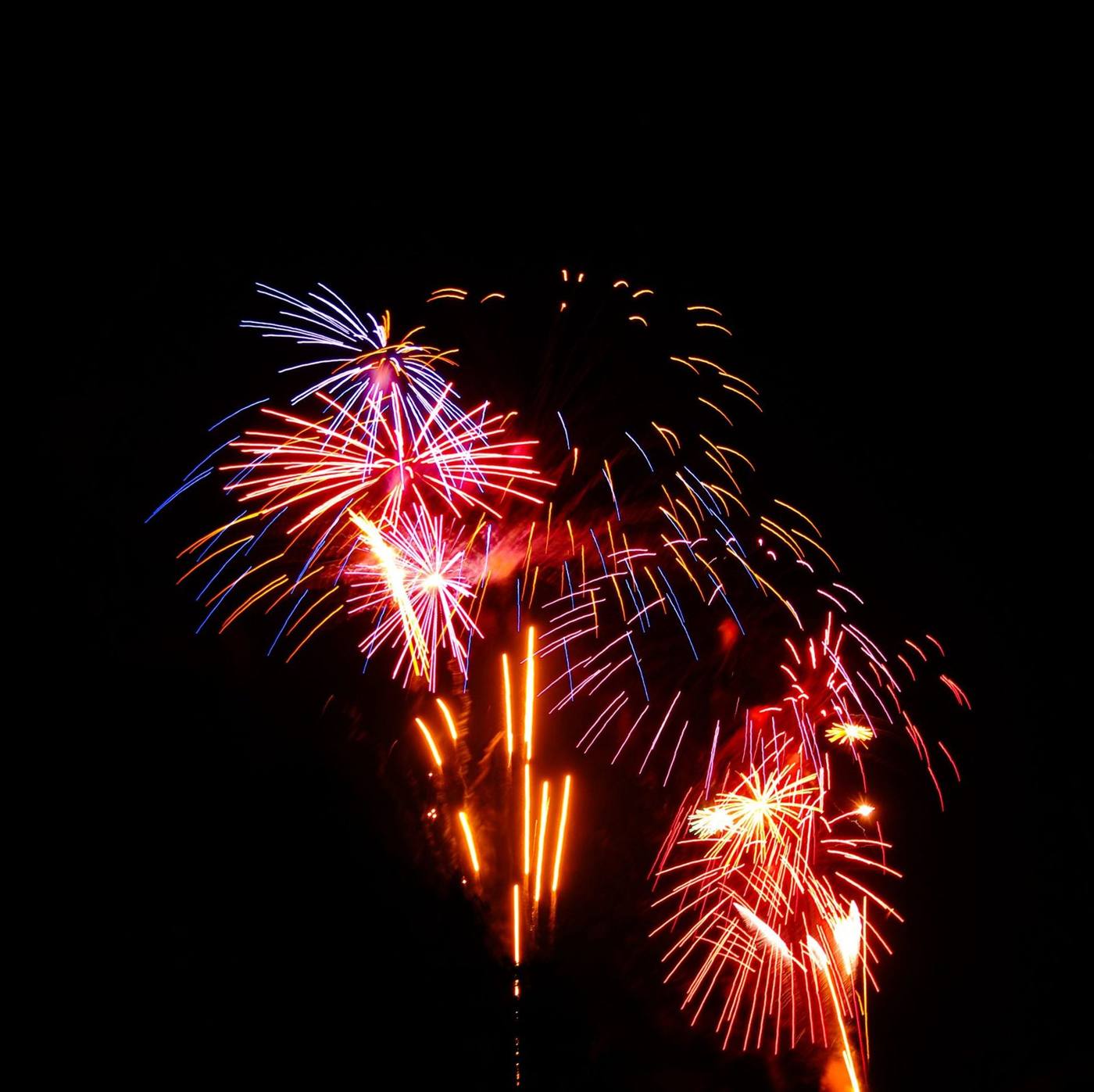
The Maltese summer of festas: patron saint processions, brass bands, huge fireworks, pastizzi and the feast of Santa Maria on 15 August.
 3 daysEasy
The south-east and Marsaxlokk
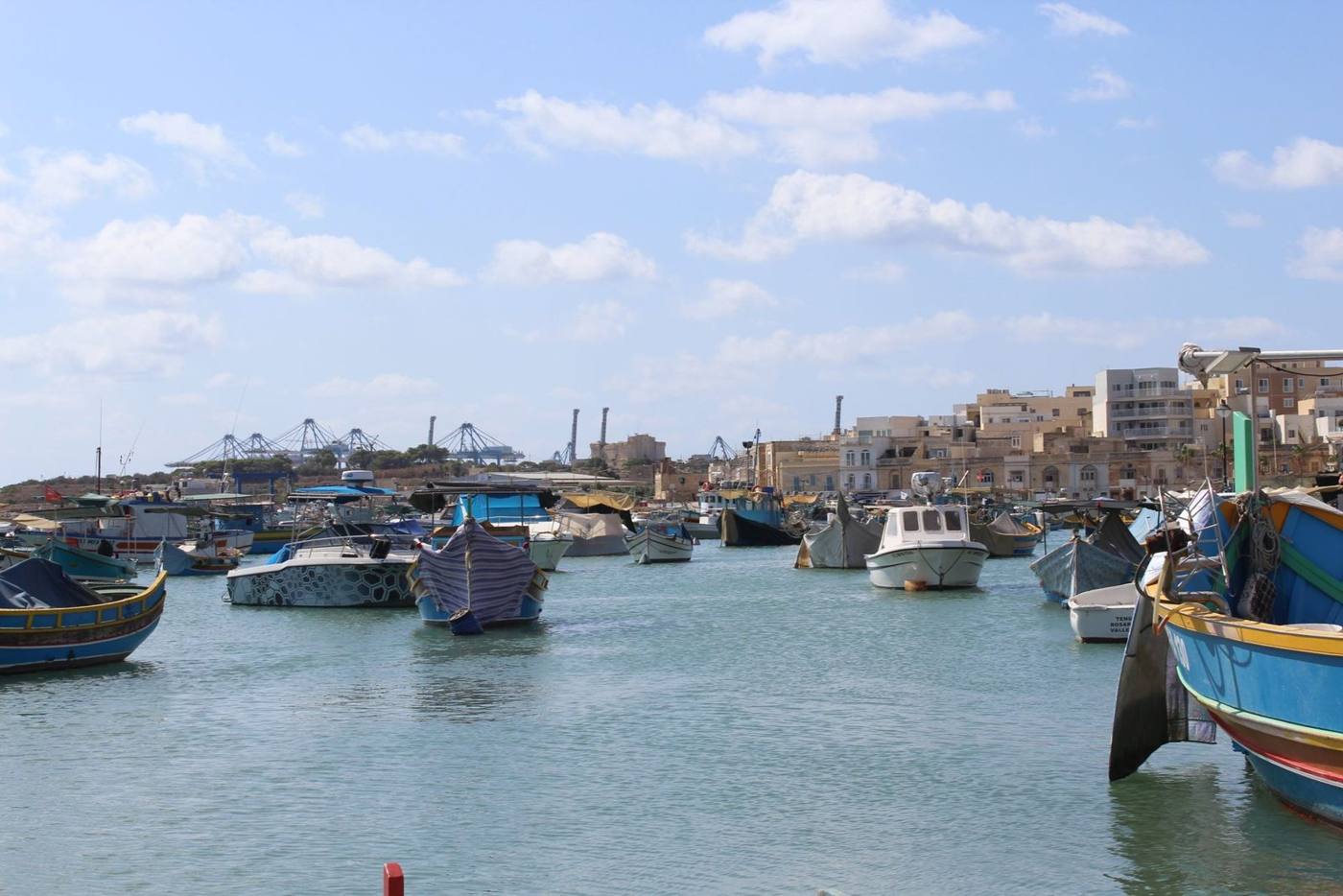
The colourful luzzu boats of Marsaxlokk and the Sunday fish market, the natural pool of St Peter's Pool and Delimara bay.
 3 daysEasy
Mdina and Rabat
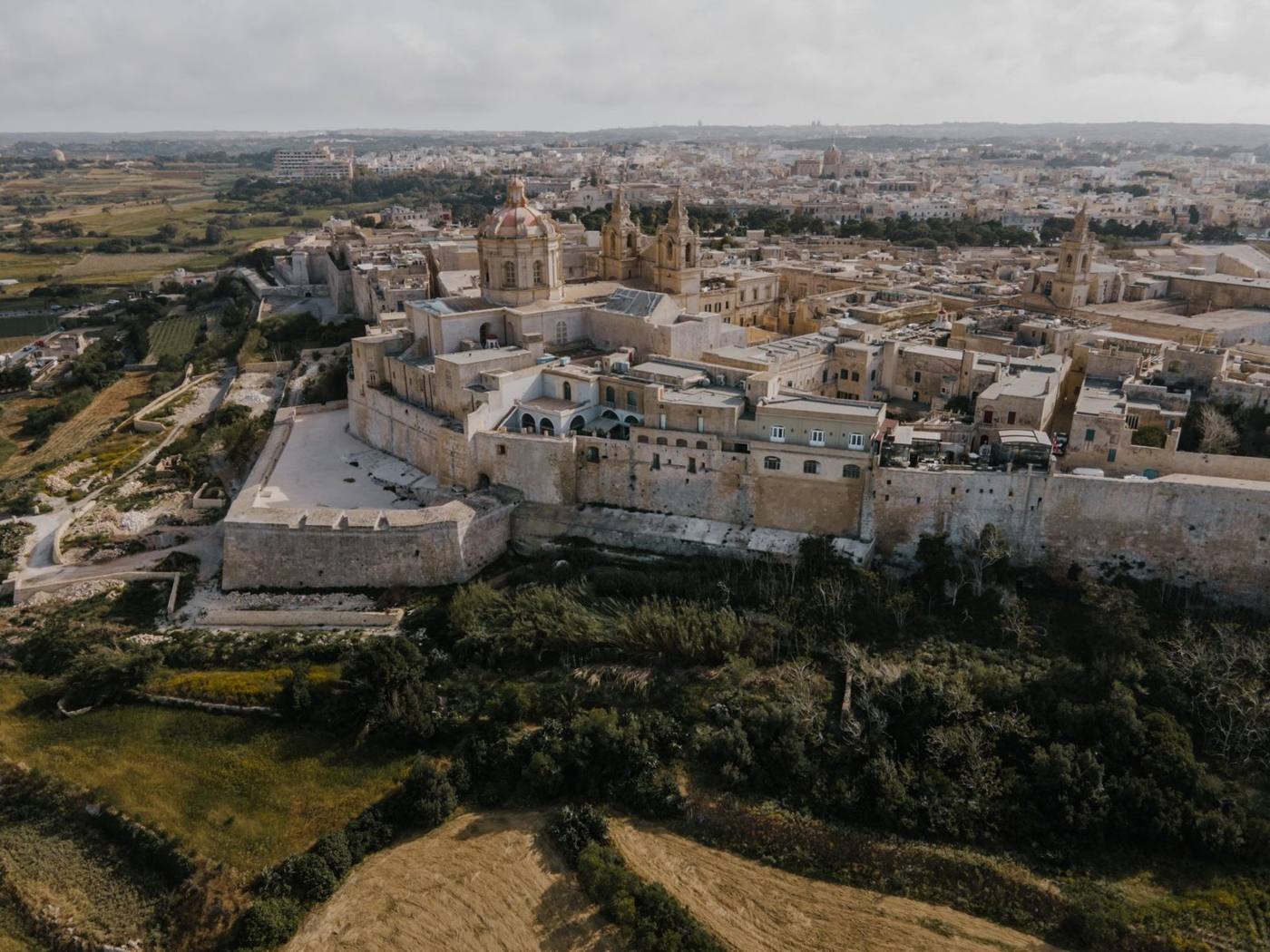
Mdina, the 'silent city', with its walls and St Paul's Cathedral, the Rabat catacombs, St Paul's Grotto and San Anton Gardens.