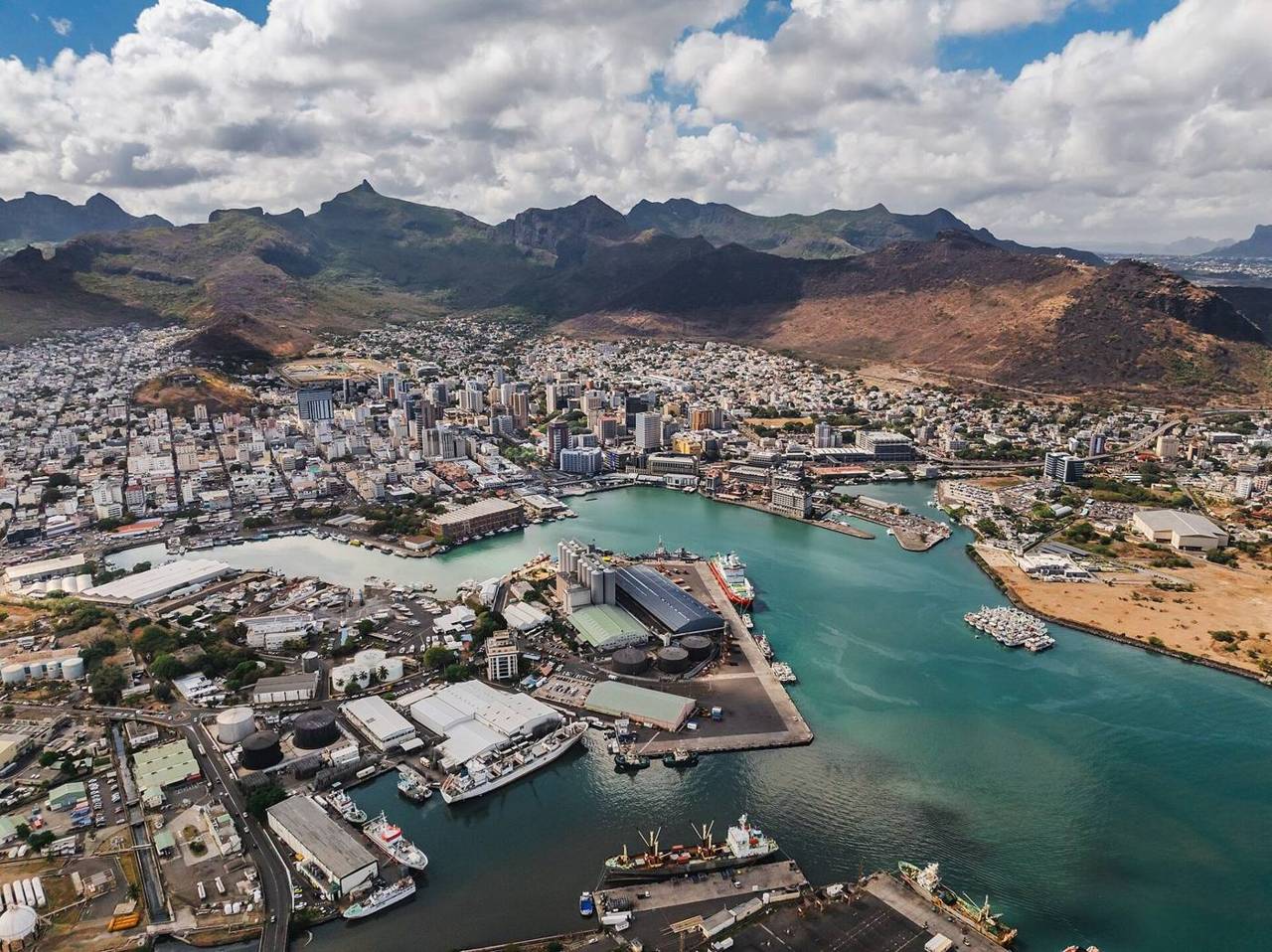
Port Louis and Creole food
The multicultural capital: the central market, UNESCO-listed Aapravasi Ghat, Chinatown, the Caudan waterfront and street food, from dholl puri to gâteau piment.
- Port Louis
- Aapravasi Ghat
- Chinatown
- Caudan
Day by day
- Day 1
The central market, Aapravasi Ghat and Chinatown
This trip shows you Port Louis, the capital of Mauritius, beyond the beaches and the hotels: the central market, UNESCO-listed Aapravasi Ghat, Chinatown, the Citadel, the Caudan and Creole and Indian street food. You get around on foot and by taxi.
Before you go: Italian citizens enter Mauritius with a passport valid for the whole stay, without a visa for short tourist trips; on arrival you may be asked for a return ticket and an accommodation booking. Before departure complete the Mauritius All in One Travel Form, the digital arrival form, online on the official government website. Other nationalities should check their own rules. The UK does not advise against any part of the country; in October 2026 there were protests and temporary curfews, since lifted: avoid demonstrations. The cyclone season runs from November to April, sometimes until May. In 2026 there have been many cases of chikungunya and dengue: protect yourself from mosquitoes.
Early in the morning go into the central market, with its stalls of tropical fruit, vegetables, spices, medicinal herbs and fabrics. Try dholl puri, a thin flatbread made with yellow split pea flour, served with bean curry and hot sauce, the favourite breakfast of Mauritians.
Then walk to Aapravasi Ghat, by the harbour. Here, in the nineteenth century, hundreds of thousands of indentured labourers landed, mostly from India, brought to work on the sugar cane plantations after the end of slavery. The landing steps, the walls and a small centre telling their story remain. Check prices and times.
In the afternoon go into Chinatown, with its decorated gate, herbal shops and small Chinese food stalls.
Sleep in Port Louis, for one night.
Practical tip: visit the city in the morning, when it is less hot and the traffic is lighter.
- Day 2
The Citadel and the Caudan
Today you look at Port Louis from above, discover the historic centre and end the day by the harbour.
Early in the morning climb to the Citadel, Fort Adelaide, built by the British in the nineteenth century on a hill above the city. You can walk up in about twenty minutes or take a taxi. From the stone walls you see the whole of Port Louis: the harbour with its cranes, the roofs of the centre, the Champ de Mars racecourse and, behind, the green mountains with the thumb-shaped peak of Le Pouce.
Then go down towards the centre and pass in front of the Jummah Mosque, with its white façade, and the Place d'Armes, the great avenue of palms leading to Government House. Nearby is the Natural History Museum, with the skeleton of the dodo, the bird that lived only on Mauritius and disappeared in the seventeenth century. Check prices and times.
At midday look for the street food stalls around the market and try gâteau piment, split pea fritters with chilli, and farata, a kind of Indian flatbread filled with curry. To finish, drink an alouda, a cool drink of milk, syrup and basil seeds.
In the afternoon walk to the Caudan, the waterfront with promenades along the harbour, shops and open spaces.
In two days you have seen Port Louis beyond the hotels: the market, Aapravasi Ghat, Chinatown, the Citadel and the harbour.
When to go: all year round. From May to October it is less hot, while from November to April there is a risk of cyclones.
Practical tip: do not walk alone in the evening in the streets of the business district, which stay empty and poorly lit after working hours.
To know the island beyond the hotels. The ghat tells the story of the Indian indentured workers who shaped today's Mauritius. Hot, busy city: mornings are best.
Before you go
- Documents and visa
- Passport valid for the whole stay, with one blank page, and no visa for short tourist trips. On arrival you may be asked for a return or onward ticket, an accommodation booking and sufficient funds. Before departure complete the Mauritius All in One Travel Form, the digital arrival form, online on the official government website: beware of unofficial websites.
- Health and vaccines
- No compulsory vaccinations if you arrive from Europe; a yellow fever certificate is required only from travellers arriving from countries at risk. There is no malaria, but there are dengue and chikungunya, with many cases in 2026: protect yourself from mosquitoes, also during the day. Drink bottled water.
- Money and payments
- Mauritian rupee. Cards work almost everywhere in tourist areas and cash machines are common; in markets and small places you need cash.
- Power sockets
- Type C and type G, 230 volts: UK plugs fit type G sockets, for type C you need an adapter.
- Time zone
- UTC+4 all year.
- Safety
- No areas are advised against. In October 2026 there were protests and temporary curfews, since lifted: avoid demonstrations and large gatherings. Petty theft in tourist areas, especially Port Louis, Grand Baie and Flic en Flac; do not walk alone on beaches at night. The cyclone season runs from November to April, sometimes until May: during a cyclone you cannot leave your accommodation. For sea activities choose operators licensed by the Ministry of Tourism. Driving is on the left. Official advice: GOV.UK.
Information checked in November 2026 for Italian and EU citizens. Rules change: always check before you travel.
Variations
In 1 day: the central market, Aapravasi Ghat, Chinatown and street food, without the Citadel.
In 4 days: add the Pamplemousses garden and the north coast, with the beaches of Grand Baie.
Frequently asked questions
What is Aapravasi Ghat?
It is the depot by the harbour of Port Louis where, in the nineteenth century, hundreds of thousands of indentured labourers landed, mostly from India. It is listed by UNESCO and tells the origins of a large part of today's Mauritians.
What should I eat in Port Louis?
Dholl puri with bean curry, gâteau piment, farata filled with curry and, to drink, alouda, a cool drink of milk and basil seeds.
What documents do I need for Mauritius?
Italian citizens enter with a passport valid for the whole stay, without a visa for short tourist trips, and complete the digital arrival form online. Other nationalities should check their own rules.
Indicative itinerary written by World Atlas. Before booking, check timetables, seasonal openings, documents and safety.
 4 daysModerate
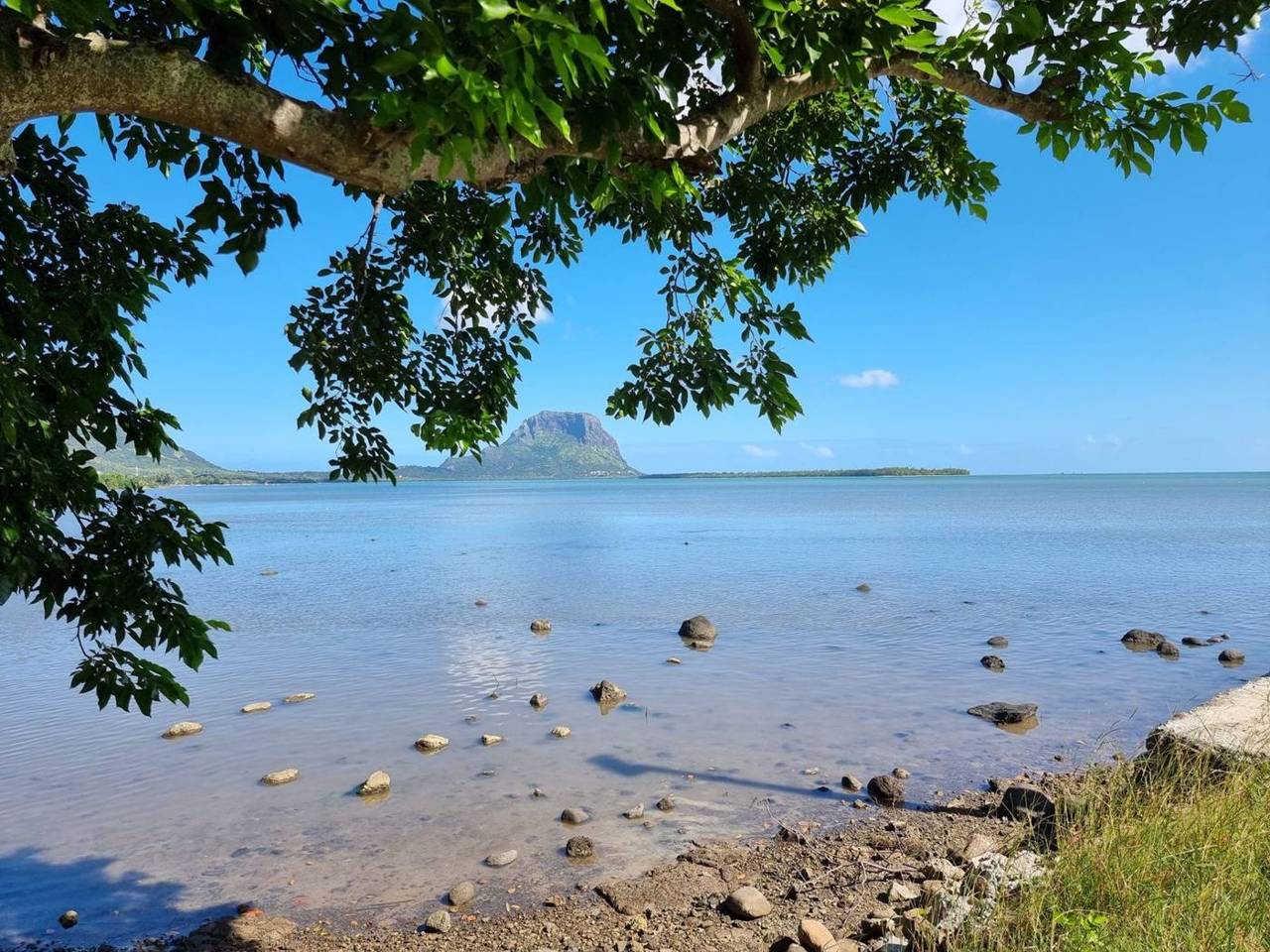
Le Morne and kitesurfing
The wild south-west: the climb up Le Morne Brabant, a symbol of resistance to slavery and a UNESCO site, kitesurfing in the lagoon and the famous One Eye wave.
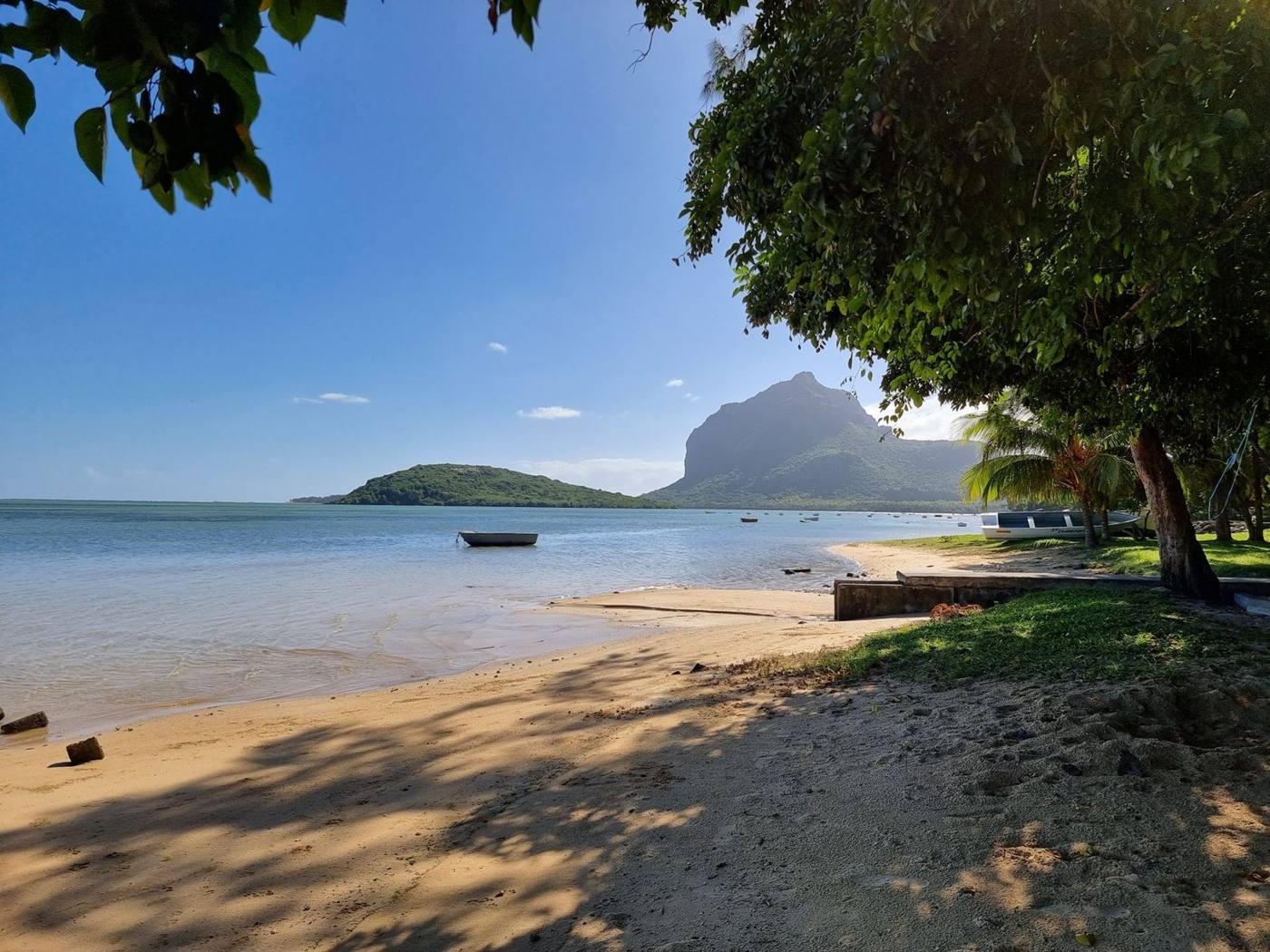 8 daysEasy
Around the island
The lagoons of Belle Mare and Le Morne, the Seven Coloured Earth of Chamarel, the Black River Gorges, Port Louis and the Pamplemousses garden.
 5 daysEasy
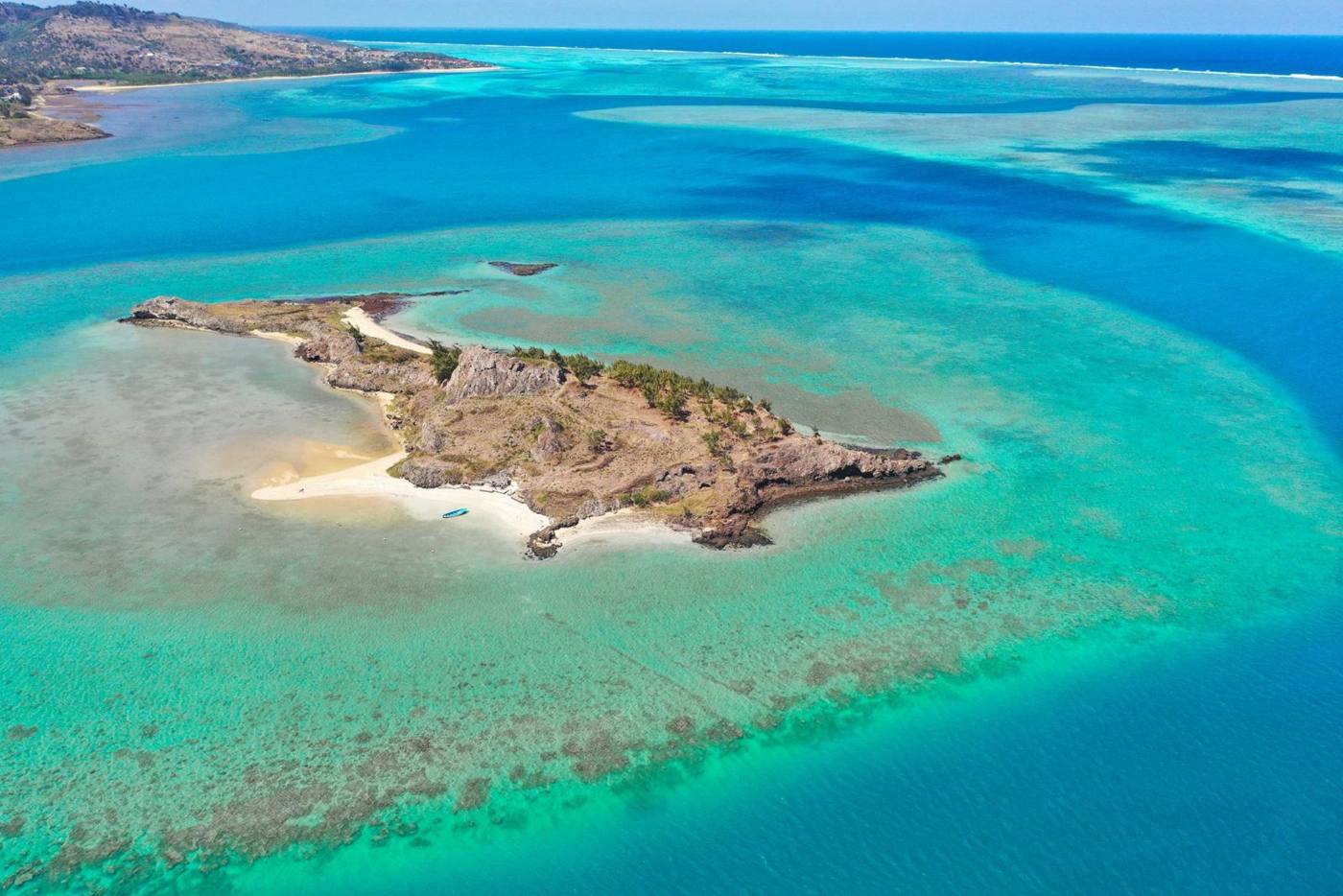
Rodrigues
The remote island of the Republic of Mauritius: the coastal path from Graviers to Trou d'Argent, the giant tortoises of François Leguat and the Île aux Cocos lagoon.