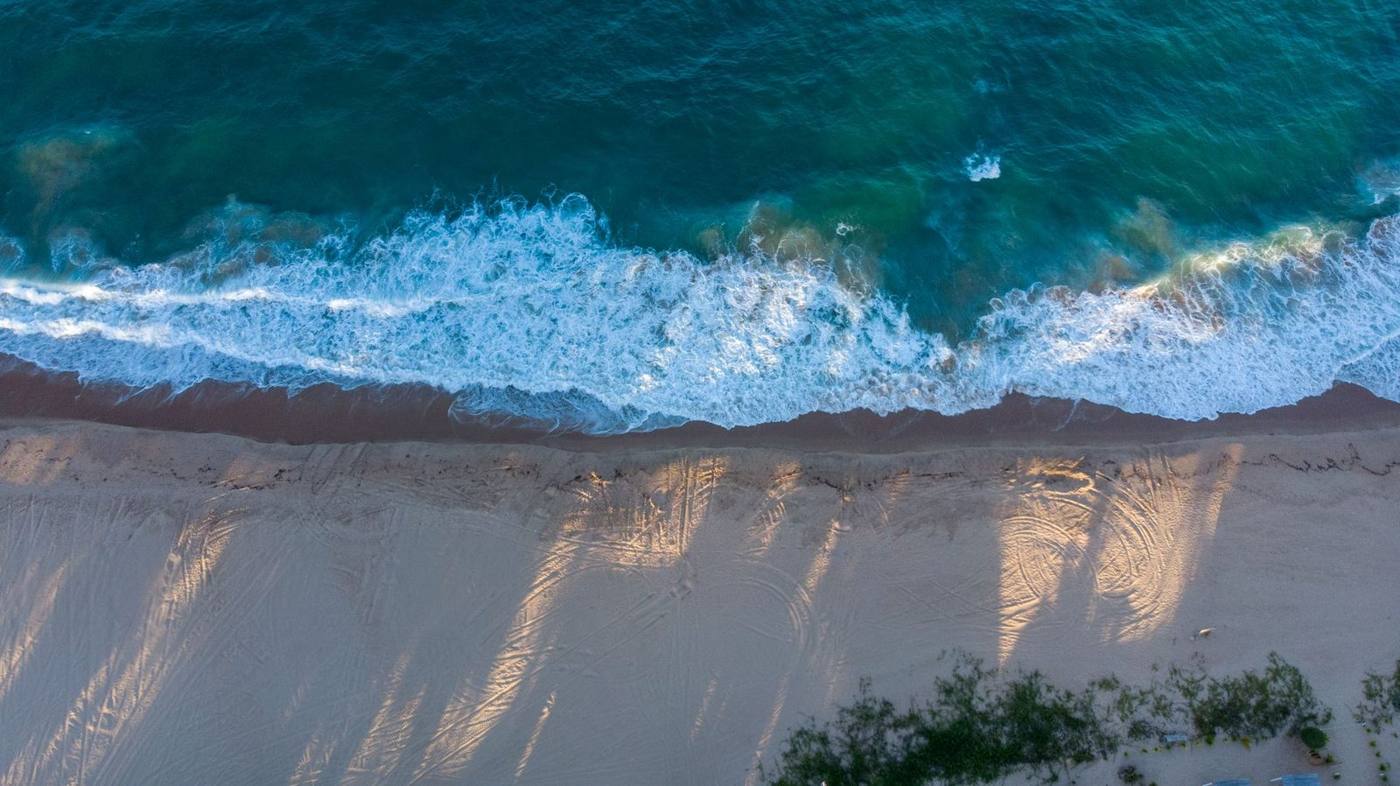
Maputo Special Reserve
A rare meeting of safari and ocean: elephants, zebras and giraffes among lakes and dunes, and the wild beaches of Ponta Membene and Ponta Milibangalala, where turtles nest.
- Maputo
- Maputo Reserve
- Ponta Membene
Day by day
- Day 1
From Maputo to the reserve over the new bridge
This three-day trip takes you to the Maputo Special Reserve, today part of Maputo National Park, south of the capital. It is one of the rare places in Africa where safari and ocean meet: elephants among the lakes, forested dunes and wild beaches where turtles lay their eggs. Since 2025 the park has formed a single UNESCO site together with South Africa's iSimangaliso.
Before you go: Italian citizens enter Mozambique without a visa for stays of up to 30 days, but before leaving they must obtain an electronic travel authorisation on the official portal evisa.gov.mz, paying a fee: check the amount and apply at least five working days ahead. Your passport must be valid for at least six months from arrival, with two blank pages. Other nationalities should check their own rules. The United Kingdom advises against all travel to Cabo Delgado Province and to some districts of Nampula and Niassa, in the north, because of terrorism: this route is in the far south, a very long way away. Street crime is common in Maputo. The whole country is a malaria area: ask your doctor.
In the morning you leave Maputo and cross the Catembe suspension bridge, opened in 2018, high above the bay. Continue south on a tarmac road through villages and woodland, about two hours to the entrance of the reserve.
At the gate, let a little air out of your tyres: inside, the tracks are deep sand and you need a real 4x4. Drive slowly towards the coast, watching for the first animals in the clearings. In the afternoon you reach Ponta Membene, on the ocean, where you sleep.
Practical tip: fill up with fuel and buy water and food before leaving Maputo, because there are no shops or fuel stations in the reserve.
- Day 2
Safari among the lakes and an afternoon on the beach
Today you set off at dawn, when the air is cool and the animals are moving. The reserve was created in 1932 to protect the elephants of the coastal plain, and they are still the stars today. During the civil war many animals disappeared, but in recent years zebras, giraffes, wildebeest and other antelopes have been brought back, and numbers are growing.
Drive to the inland lakes, such as Lake Piti, wide sheets of water surrounded by reeds and grassland. Stop near the shore and wait: elephants come to drink, hippos snort in the water, crocodiles bask in the sun and there are many birds, such as herons, kingfishers and fish eagles. In the dune forests, look for the suni and the red duiker, small shy antelopes.
Keep your distance from elephants: if one shakes its ears or moves towards the car, stop and back away slowly.
At midday go back to the coast. The afternoon is for the beach: kilometres of almost empty sand between Ponta Membene and Ponta Milibangalala, with high dunes and warm water. Swim only where the sea is calm and ask the rangers where the currents are.
Between November and February, in the evening, with a park guide you can watch turtles coming out of the sea to lay their eggs. Use only red lights and stay well back.
Practical tip: bring binoculars and a book on the birds of southern Africa, because hundreds of species live in the reserve.
- Day 3
Back to Maputo
Today is the day you return. Get up before dawn and walk on the beach: the light comes from the sea and on the sand you see the tracks left during the night by crabs, birds and, in the right season, turtles.
After breakfast, head inland along a different track from the one you came in on. Make a last stop at a lake, where the animals come to drink in the morning. Elephants often walk along the tracks: wait patiently for them to move, without using the horn.
Around midday, leave through the gate and pump your tyres back up to the right pressure for tarmac. Take the road north and cross the Catembe bridge again, with views over Maputo and the bay. Reach the city before sunset: outside the cities in Mozambique you travel only by day.
If you still have a few hours, have dinner at the fish market on the seafront, with grilled king prawns and piri piri sauce.
In three days you have seen a little-known corner of Mozambique: elephants among the dunes, lakes full of birds and beaches with hardly anyone on them, two hours from the capital.
When to go: from May to October, in the dry season, the animals gather near the water and the tracks are easier. From November to February is the turtle season, but it is hot and it may rain.
Practical tip: always carry your original passport and the car documents, because there are police checkpoints on the road.
Two hours from Maputo and almost no one there. The tracks are sand: 4x4 only. With South Africa's iSimangaliso it forms a UNESCO site.
Before you go
- Documents and visa
- Passport valid for at least six months from arrival, with at least two blank pages. Italian citizens enter without a visa for tourism stays of up to 30 days, but before leaving they must obtain an electronic travel authorisation (ETA) on the official portal evisa.gov.mz, paying a fee online: apply at least five working days ahead and carry a printout of the approval. A yellow fever vaccination certificate is required if you arrive from a country with a risk of transmission.
- Health and vaccines
- Malaria is present across the country: ask your doctor about antimalarials. There is also dengue and bilharzia in fresh water, and a cholera outbreak is ongoing in the centre and north: drink only bottled water. Hospitals are of a low standard, especially in the north: you need insurance covering medical costs and evacuation. Emergencies: 112.
- Money and payments
- Mozambican metical. Cards work in Maputo and the bigger resorts; on the islands and in remote areas carry cash, withdrawn in town.
- Power sockets
- Type C, F and M, 220 volts: bring a universal adapter.
- Time zone
- UTC+2 all year.
- Safety
- The UK government advises against all travel to Cabo Delgado Province, except Palma town and the area around Pemba and Afungi, where it advises against all but essential travel, and to the districts of Memba and Eráti (Nampula) and Mecula and Marrupa (Niassa), because of terrorism. Street crime is common in Maputo, sometimes with weapons. Protests can start at short notice. Outside the cities travel only by day and always carry your original passport: the police do not accept copies. Official advice: GOV.UK.
Information checked in November 2026 for Italian and EU citizens. Rules change: always check before you travel.
Variations
In two days: one night on the reserve's coast, with a safari among the lakes on the morning of the second day.
In five days: add two nights at Ponta do Ouro, south of the reserve, to swim with dolphins and go diving.
Frequently asked questions
Do I need a 4x4?
Yes. The reserve's tracks are deep sand and an ordinary car gets stuck straight away. Alternatively, choose an organised excursion from Maputo.
Can you see the Big Five?
No, this is not a Big Five park: here the stars are the elephants, along with hippos, giraffes, zebras and many antelopes.
When can you see the turtles?
Between November and February the turtles come up the beaches at night to lay their eggs. Go only with a park guide and without white lights.
Indicative itinerary written by World Atlas. Before booking, check timetables, seasonal openings, documents and safety.
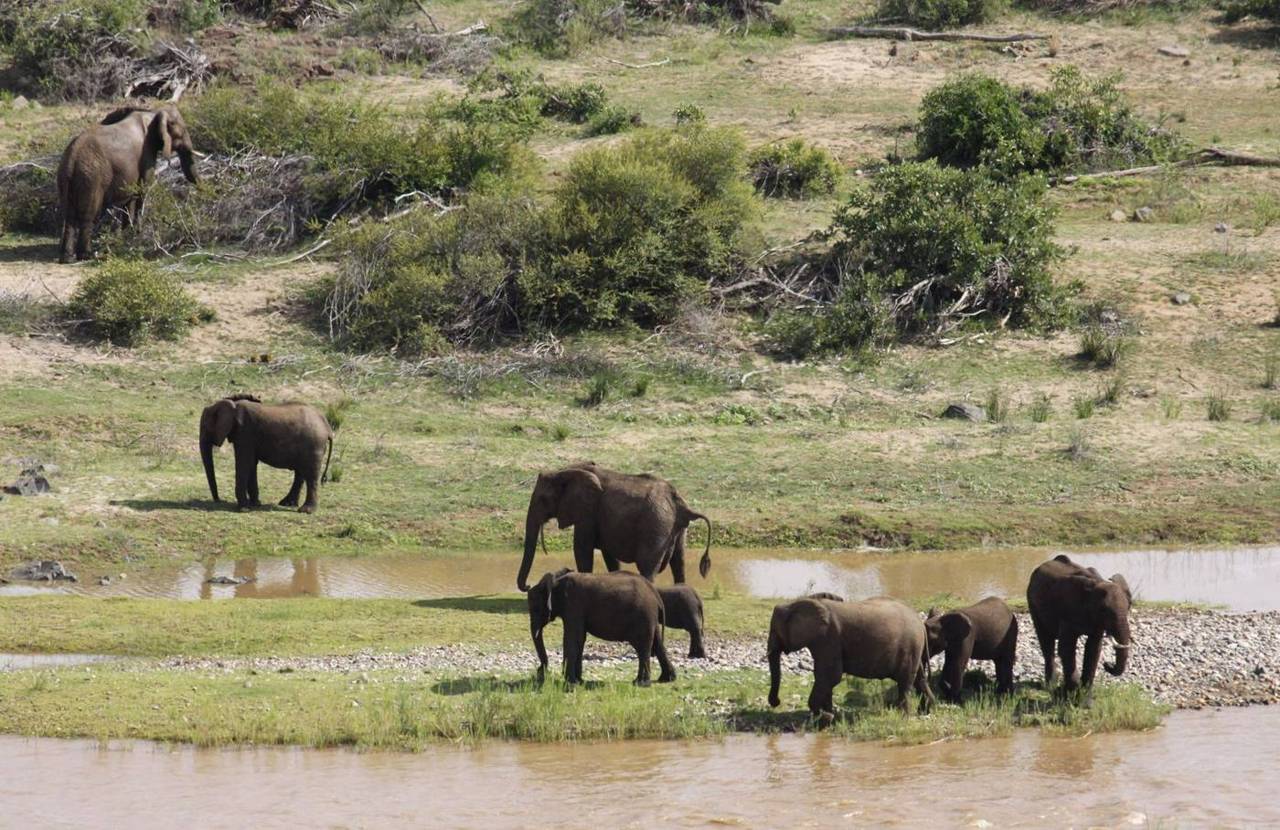 4 daysModerate
Limpopo National Park
The Mozambican part of the great transfrontier park with Kruger: Massingir lake, the Olifants and Shingwedzi rivers, simple camps and returning wildlife.
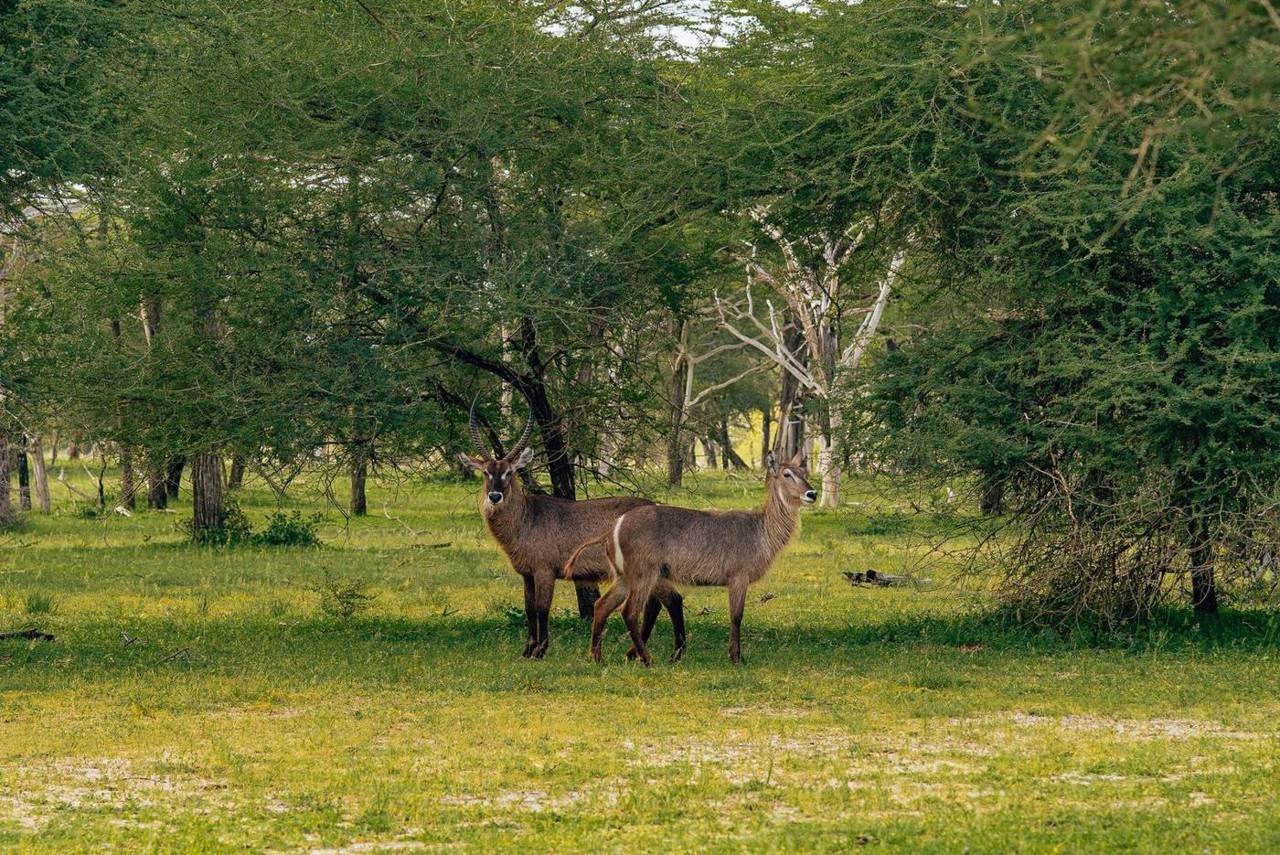 4 daysModerate
Gorongosa National Park
One of Africa's great wildlife revival projects: flooded savannahs with antelope, lions, elephants and returned wild dogs, and Mount Gorongosa with its waterfalls.
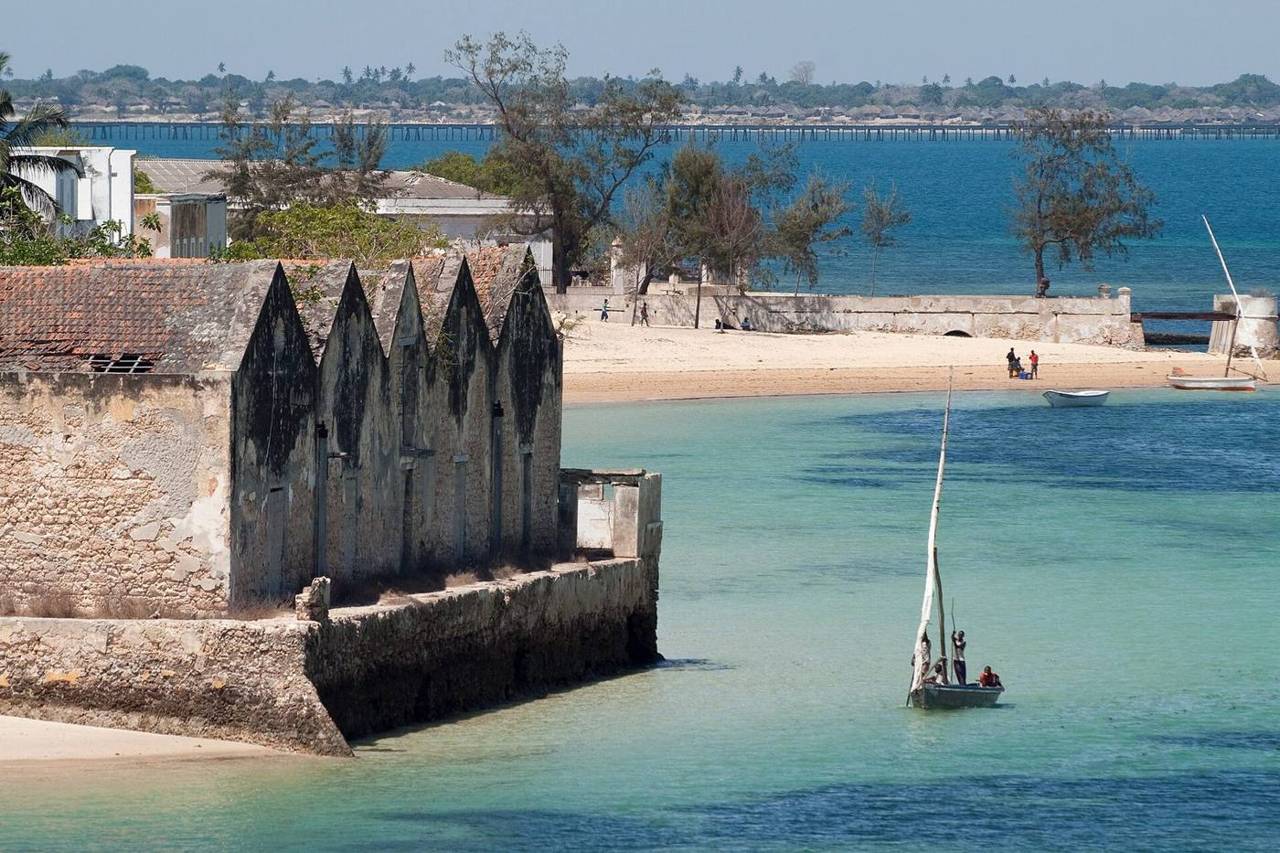 3 daysEasy
Island of Mozambique
The former Portuguese capital, a UNESCO site: the fortress of São Sebastião, the governors' palace, the stone town and the macuti town, and the beaches of Chocas.