Queenstown and Fiordland
The adventure capital and the surroundings of Glenorchy, then Fiordland with Milford and the more remote Doubtful Sound and a section of the Routeburn Track.
- Queenstown
- Glenorchy
- Routeburn
- Te Anau
- Milford Sound
- Doubtful Sound
- Queenstown
Day by day
- Day 1
Arrival in Queenstown and Lake Wakatipu
EU citizens enter New Zealand without a visa for tourism, but before leaving they must request an NZeTA, the electronic travel authority, online and pay with it the international visitor levy, called the IVL, of 100 New Zealand dollars. The NZeTA costs 17 dollars through the official app and 23 through the website. On arrival biosecurity checks are very strict: food, dirty hiking boots and camping gear must be declared.
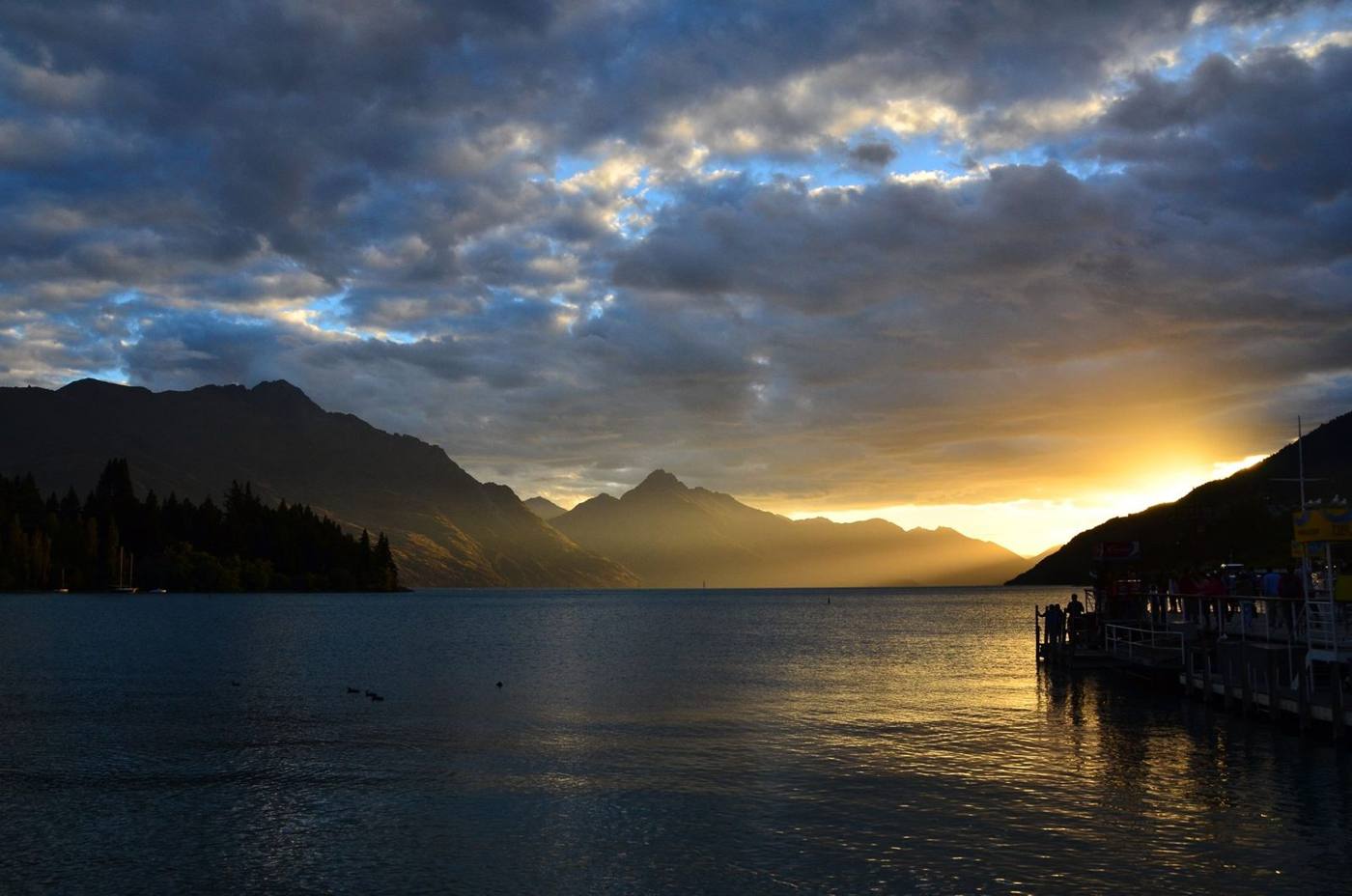
Queenstown lies on the shore of Lake Wakatipu, a long, narrow lake shaped like a lightning bolt, surrounded by the Remarkables mountains. The airport is a quarter of an hour from the centre. For this trip a rental car is best: driving is on the left.
In the afternoon stroll along the lakefront and through the Queenstown Gardens, on a peninsula with old trees and mountain views. The old steamship TSS Earnslaw, built in 1912, still crosses the lake.
In the evening the town is lively, with many bars. Queenstown is considered the adventure capital of the world: commercial bungee jumping began here, from the Kawarau Bridge, in 1988.
Practical tip: in New Zealand the sun is very strong because of the thinner ozone layer; use high-factor sunscreen even on cool days. Mountain weather changes quickly: always carry a waterproof jacket.
- Day 2
The Skyline gondola and Arrowtown
In the morning ride the Skyline gondola up Bob's Peak above Queenstown: in a few minutes you are about 450 metres above the lake, with views of the whole bay, the Remarkables and the islands of Wakatipu. At the top you can ride wheeled toboggans called luge down tracks, one of the town's most popular activities. If you prefer walking, the steep Tiki Trail climbs up in about an hour.
In the afternoon drive to Arrowtown, about twenty minutes away, an old gold-rush village from the 1860s, with wooden and stone houses and a tree-lined main street. By the Arrow River you can visit the Chinese settlement, small stone huts where gold miners from China lived, often treated badly by the society of the time. The small town museum tells the story of the gold rush.
In autumn, between April and May, Arrowtown's trees turn yellow and red: one of the finest times of year.
On the way you cross the Gibbston Valley, with Central Otago vineyards famous for pinot noir.
In the evening return to Queenstown. Practical tip: the gondola is very busy at sunset; go early in the morning to avoid queues, and check the weather first, because low cloud can hide the view completely.
- Day 3
Glenorchy and the walk to Routeburn Falls
In the morning drive the scenic road along the shore of Lake Wakatipu to Glenorchy, about forty-five minutes away, one of New Zealand's most beautiful roads, with snowy mountains dropping into the lake. Glenorchy is a small village at the head of the lake, with a wooden jetty and a much-photographed red shed. Many scenes of the Lord of the Rings trilogy were filmed in the surrounding valleys.
Continue to the start of the Routeburn Track, one of the Great Walks, New Zealand's premier trails. Without doing the whole route, which takes three days and requires hut bookings, you walk to Routeburn Falls and Routeburn Falls Hut, about nine kilometres one way and five or six hours there and back. The trail climbs through moss-covered southern beech forest, crosses swing bridges over the turquoise Route Burn and reaches an open meadow among the mountains.
Alternatively take a shorter walk in the Dart Valley or around Paradise.
In the late afternoon return to Queenstown or stay in Glenorchy, where the night sky is very dark.
Practical tip: check trail conditions on the website of the Department of Conservation, DOC, before setting out. In winter some sections are exposed to avalanche risk.
- Day 4
To Te Anau and the Milford Road
In the morning drive to Te Anau, about two hours from Queenstown, across the hills and plains of Southland. Te Anau is a quiet town on the lake of the same name, the largest in the South Island, and the gateway to Fiordland National Park, a UNESCO World Heritage site as part of Te Wāhipounamu.
In the afternoon start along the Milford Road, the road to Milford Sound, about 120 kilometres, one of the most spectacular alpine roads in the world. Stop at the Mirror Lakes, small lakes where the mountains are reflected in still water, and in the Eglinton Valley, with golden meadows between rock walls.
Just before the Homer Tunnel, a trail climbs Key Summit, about three hours there and back, with views over the valleys and alpine tarns in a wetland area. Alternatively the short walk to The Chasm shows the Cleddau River carving the rock into strange shapes.
Along the road lives the kea, the world's only alpine parrot, green and orange and extremely curious: it sometimes tears the rubber seals off cars. Do not feed it.
In the evening stay in Te Anau. Practical tip: after Te Anau there are no petrol stations and no phone signal: fill up. In winter chains are required, and the road can close for snow and avalanches.
- Day 5
The Milford Sound cruise
Early in the morning drive the rest of the Milford Road, through the rock-cut Homer Tunnel, to Milford Sound, in Māori Piopiotahi. It is in fact a fiord, carved by glaciers, about fifteen kilometres long, with rock walls dropping vertically into the sea for hundreds of metres and Mitre Peak, a pointed mountain over 1,600 metres high, rising straight from the water.
The cruise lasts about two hours and goes out to the Tasman Sea. You pass close to Stirling and Lady Bowen falls, pouring down the walls, and often see New Zealand fur seals on the rocks, dolphins and, with luck, Fiordland crested penguins. Strangely, the fiord is more beautiful in the rain: after a downpour hundreds of temporary waterfalls stream down the walls.
Milford Sound is one of the wettest places in the world, with several metres of rain a year: be prepared.
Some cruises stop at the underwater observatory, where you see black corals, which live here only a few metres deep because the dark fresh water at the surface blocks the light.
In the afternoon return to Te Anau. Practical tip: book the cruise ahead and leave early to avoid the coaches from Queenstown. Instead of driving, you can also fly from Queenstown in a small plane.
- Day 6
Doubtful Sound, the fiord of silence
Today is Doubtful Sound, in Māori Patea, the largest and wildest fiord in Fiordland, three times longer than Milford and far less visited. No roads lead there: the organised trip leaves from Manapouri, about twenty minutes from Te Anau.
First you cross Lake Manapouri by boat, about an hour among forested islands and mountains. Then a bus climbs Wilmot Pass, a gravel road built for the Manapouri hydroelectric power station, with views of the fiord from above. Finally you board the boat for a cruise on the fiord, about three hours.
The name comes from Captain Cook, who in 1770 did not enter the fiord, doubting he could sail out again with the wind. The fiord is famous for its silence: at one point the boat turns off its engines and you hear only birds and waterfalls. A pod of bottlenose dolphins lives in the fiord, and you see fur seals and penguins.
The whole trip takes all day, seven to eight hours.
In the evening return to Te Anau and, if you wish, visit the Te Anau glowworm caves, with a short lake cruise and a boat ride into the cave, where thousands of glowing larvae light the ceiling.
Practical tip: Fiordland has sandflies, small biting insects; use strong repellent and long clothes.
- Day 7
Back to Queenstown and departure
On the last day return to Queenstown, about two hours by road from Te Anau. On the way stop at Kingston, at the southern end of Lake Wakatipu, or take a walk by the lake.
If your flight leaves in the afternoon, you still have a few hours in Queenstown. You can take a jet boat ride on the Shotover River, a very fast boat that passes within centimetres of the canyon walls, or walk the Queenstown Hill trail, about two and a half hours there and back, with the Basket of Dreams sculpture at the top and views over the lake.
Alternatively visit the Queenstown bird sanctuary, where you can see the kiwi, New Zealand's symbol, a flightless nocturnal bird that is very hard to see in the wild.
Things to take home: mānuka honey, merino and possum wool, pounamu, New Zealand greenstone, bought from shops that guarantee its origin and respect Māori tradition, and Central Otago wine.
Practical tip: Queenstown airport is small, and international flights to Europe connect through Auckland, Australia or Asia. Biosecurity rules also apply on domestic flights to some islands. Queenstown weather can delay flights: allow a margin for connections. Keep your boarding pass for the domestic leg handy.
A week focused on New Zealand's most powerful landscapes. Queenstown is expensive and busy, but it is the right base. Doubtful Sound costs more than Milford but is far quieter. The Milford Road sometimes closes for avalanches or landslides, so check before setting off. Sandflies are a real nuisance: always carry repellent.
Before you go
- Documents and visa
- Valid passport and an NZeTA, requested online before leaving, with the IVL levy of 100 New Zealand dollars. The NZeTA costs 17 dollars through the official app and 23 through the website.
- Health and vaccines
- No vaccines required. Biosecurity checks on arrival are very strict: declare food, plants and hiking boots. Emergencies: 111.
- Money and payments
- New Zealand dollar. Cards are accepted almost everywhere, even in small towns.
- Power sockets
- Type I, 230 volts: you need an adapter for the angled flat-pin Australian-style plugs.
- Time zone
- UTC+12, UTC+13 with daylight saving time from late September to early April.
- Safety
- A very safe country. The main risks are natural: changeable mountain weather, strong sea currents, earthquakes and active volcanoes. Driving is on the left. Official advice: GOV.UK.
Information checked in November 2026 for Italian and EU citizens. Rules change: always check before you travel.
Variations
In 5 days: Queenstown with the Skyline and Arrowtown, then Te Anau and the Milford Sound cruise, skipping Glenorchy and Doubtful Sound.
In 12 days: add Wanaka and Mount Aspiring, or the full three-day Routeburn Track with booked huts.
Frequently asked questions
Do I need a document to enter New Zealand?
Yes: EU citizens must request an NZeTA online and pay the IVL levy of 100 New Zealand dollars. The NZeTA costs 17 dollars through the official app and 23 through the website.
Milford Sound or Doubtful Sound?
Milford Sound can be reached by car and is the most spectacular; Doubtful Sound is larger, quieter and wilder, but requires a full-day organised trip.
When is the best time for Fiordland?
November to April, the southern summer, with long days. It rains often all year; in winter the Milford Road requires chains and can close.
Indicative itinerary written by World Atlas. Before booking, check timetables, seasonal openings, documents and safety.
 21 daysModerate
The complete New Zealand
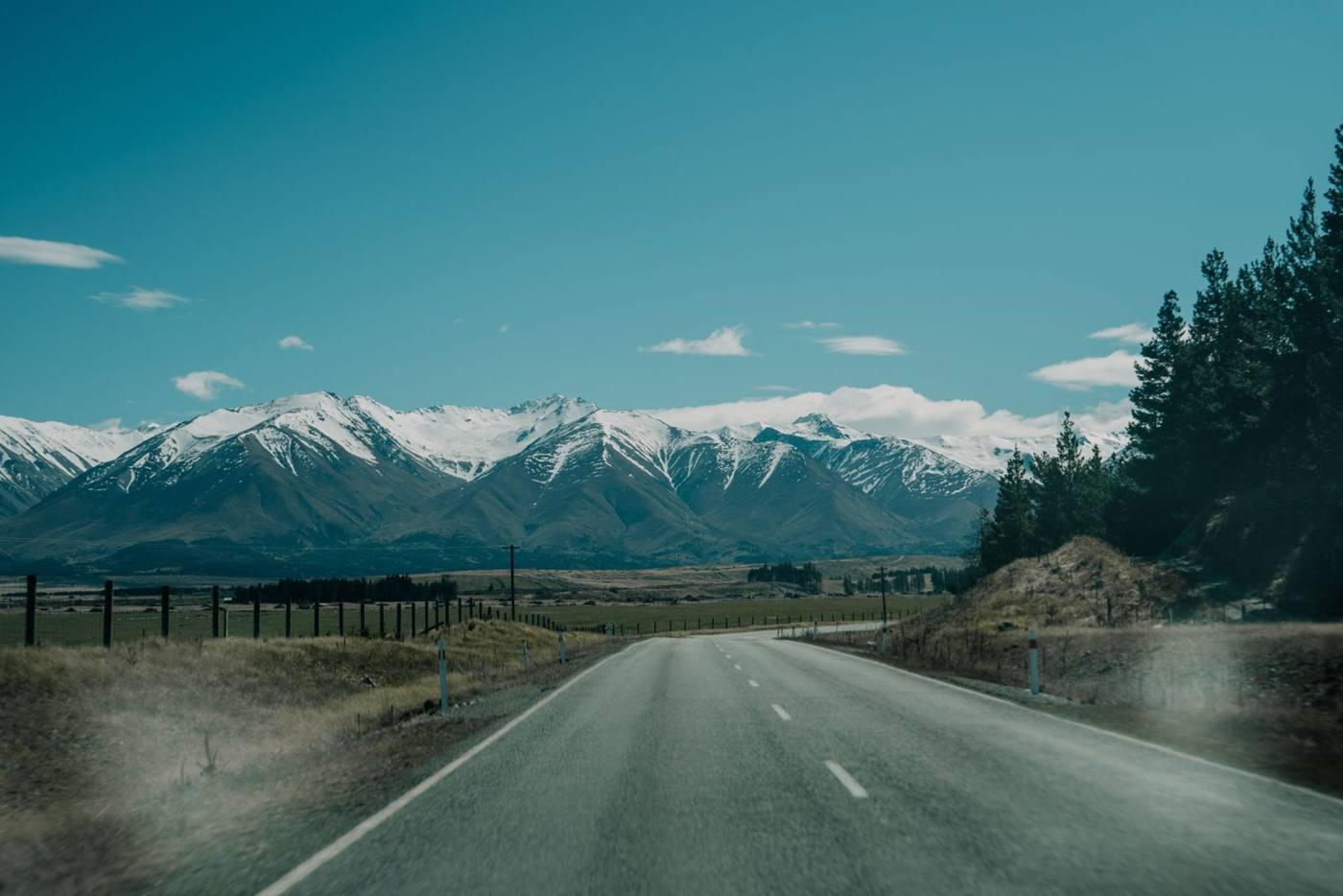
Three weeks from Auckland to Christchurch: Rotorua and Tongariro, Wellington, Abel Tasman, the West Coast, Queenstown, Milford Sound and Mount Cook.
 6 daysEasy
Bay of Islands and Northland
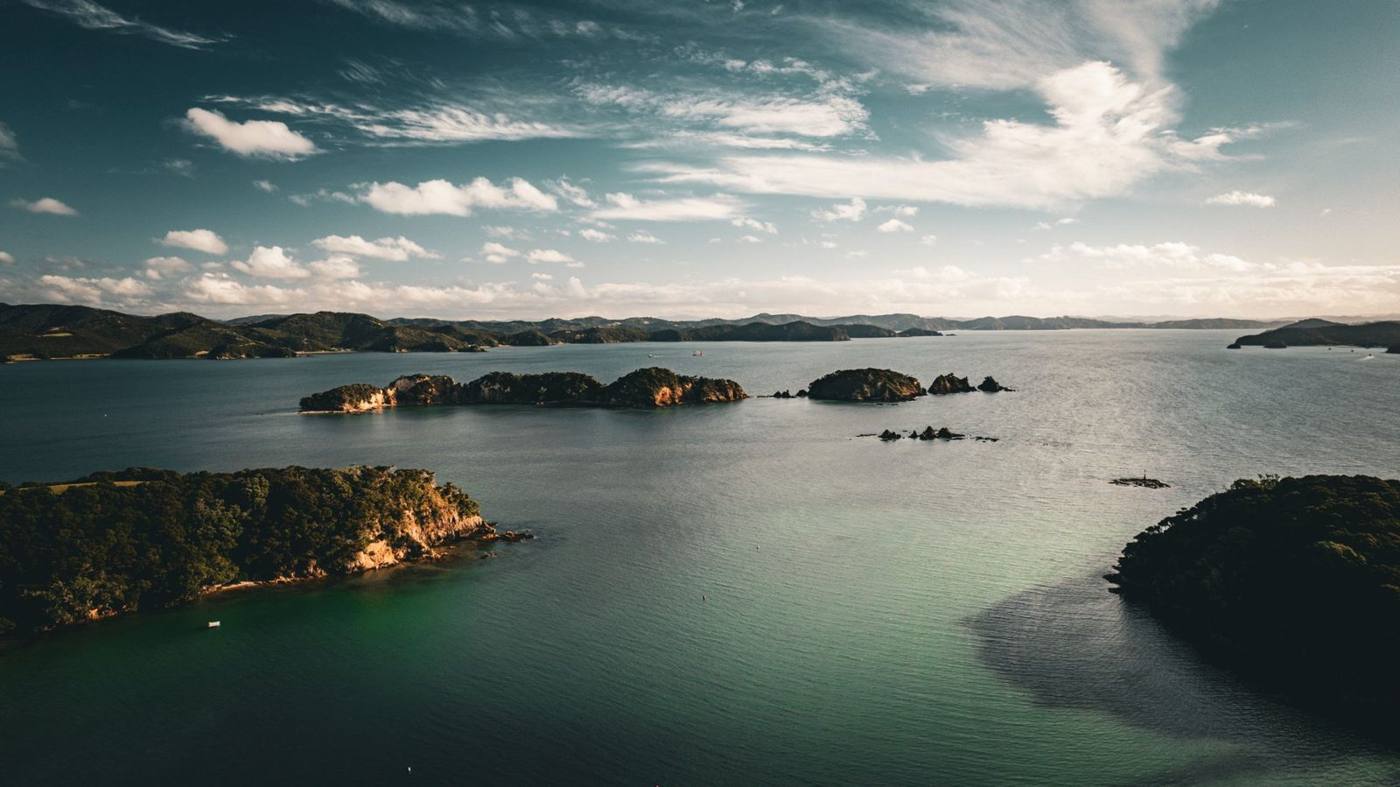
Waitangi, where modern New Zealand was born, the 144 islands of the bay, the forest of giant kauri trees and Cape Reinga.
 6 daysEasy
The Catlins and Stewart Island
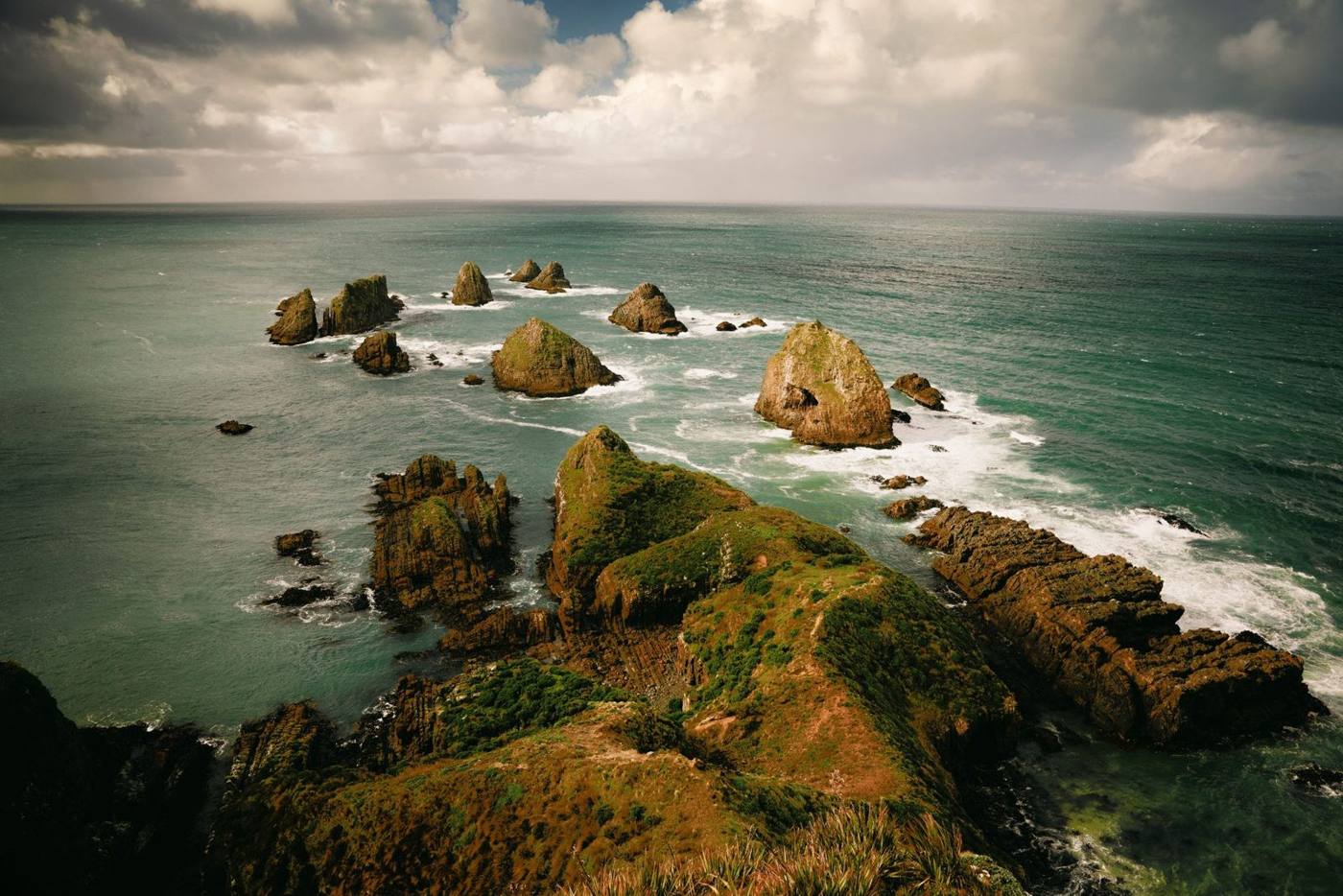
The deep south: Dunedin and the Otago Peninsula with albatrosses and yellow-eyed penguins, the Catlins waterfalls and the wild kiwi of Stewart Island.