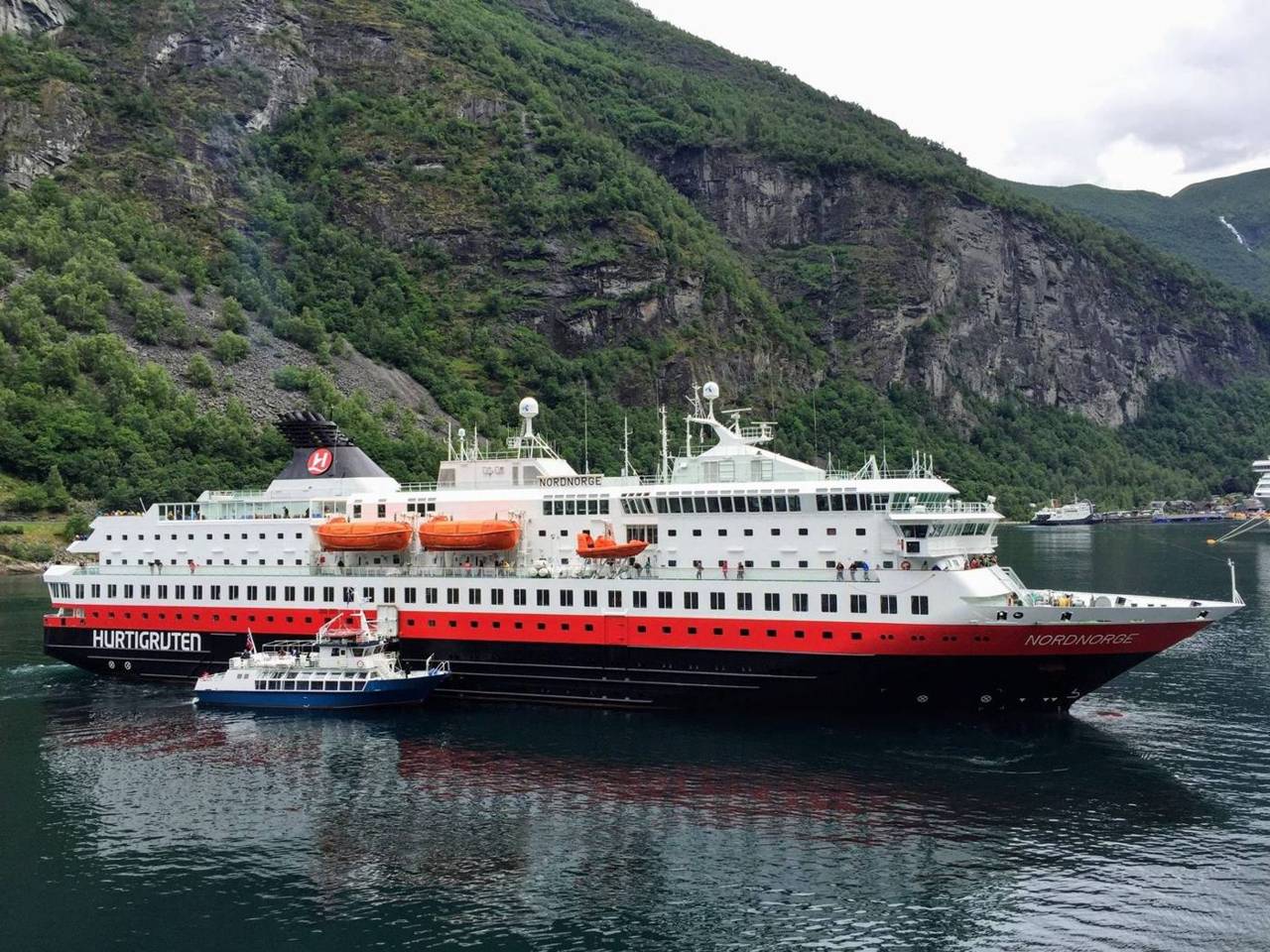
The Hurtigruten from Bergen to Kirkenes
Six days on the coastal ship along the whole coast, with 34 ports, the Trollfjord, Lofoten and North Cape, then three days in Kirkenes and Tromsø.
- Bergen
- Ålesund
- Trondheim
- Bodø
- Lofoten
- Tromsø
- Honningsvåg
- Kirkenes
Day by day
- Day 1
Arrival in Bergen
This trip follows the coast of Norway by ship from Bergen to Kirkenes near the Russian border, on the historic coastal route known as Hurtigruten, which began at the end of the nineteenth century as a mail and transport service between the ports of the north. The ships call every day at dozens of ports, by day and by night, and pass through fjords and islands, across the Arctic Circle, past the Lofoten and to the North Cape. Today the route is served by ships of more than one company, with different programmes and services: compare before you book.
Before you leave: Norway is part of the Schengen area. Italian citizens need a valid electronic identity card for travel abroad or a passport; the paper identity card has no longer been valid for travel abroad since 3 August 2026. Other nationalities should check their own rules. The currency is the Norwegian krone; cards are accepted almost everywhere.
You fly into Bergen airport, about half an hour from the centre by light rail.
In the afternoon walk around Bryggen, the old Hanseatic merchants' quarter on the harbour, a World Heritage Site, with narrow, crooked, colourful wooden houses and wooden alleys behind the façades. Then go to the fish market next to the harbour.
At sunset take the Fløyen funicular for the view over the city, the harbour and the fjords. Check times and prices.
In the evening have fish from the coast: salmon, cod or Bergen fish soup.
Sleep in Bergen.
Practical tip: Bergen is one of the rainiest cities in Europe. Bring a jacket and an umbrella.
- Day 2
Bergen and boarding in the evening
Today you stay in Bergen until the evening.
In the morning visit Bergenhus fortress at the entrance to the harbour, with Håkon's Hall, a large thirteenth century stone banqueting hall, and the Rosenkrantz Tower. Check opening hours and prices. Then visit the Hanseatic Museum, in a Bryggen house, which shows how the German merchants who controlled the dried cod trade lived. Some parts of the museums may be closed for restoration: check.
In the afternoon, if the weather is good, take the Ulriken cable car up the highest mountain around the city, or walk through the white wooden house neighbourhoods of Nordnes and Sandviken.
In the late afternoon go to the coastal ship terminal, a few minutes from the centre, and board. The ship usually sails in the evening. Before departure there is a safety briefing on board.
In the evening, as the ship leaves Bergen and slips between the islands, go up on deck to watch the city lights recede.
Have dinner on board, usually with produce from the Norwegian coast.
Sleep on board.
Practical tip: bring a small backpack for excursions ashore. Cabins are small and large suitcases take up a lot of space. Many ships offer luggage storage.
- Day 3
Ålesund and the Geiranger detour
Today the ship sails north among the islands and fjords of the west coast.
In the morning you reach Ålesund, a town on a group of islands linked by bridges, entirely rebuilt in Art Nouveau style after a great fire in 1904, with façades decorated with turrets, flowers and dragons. During the stop walk around the centre and climb Aksla hill on foot, more than four hundred steps, for the view over the town and the islands.
In summer, usually from spring to early autumn, the route makes a detour into the Geirangerfjord, a World Heritage Site and one of the most beautiful fjords in Norway, squeezed between rock walls over a thousand metres high, with waterfalls such as the Seven Sisters and the Suitor facing each other, and abandoned farms clinging to the slopes. Dates and excursions change every year: check.
In other seasons the ship may make different stops, such as the Hjørundfjord.
In the evening the ship heads north again, past Molde, the town of roses, with views of the Romsdal mountains.
Sleep on board.
Practical tip: port stops can be short, sometimes less than an hour. Check the departure time and be back on board on time: the ship does not wait.
- Day 4
Trondheim and Nidaros Cathedral
In the morning the ship arrives in Trondheim, Norway's ancient capital, founded by the Viking king Olav Tryggvason at the end of the tenth century at the mouth of the river Nidelva.
During the stop, usually a few hours, visit Nidaros Cathedral, the largest medieval church in Scandinavia, built over the tomb of Saint Olav, the king who brought Christianity to Norway. It is the final goal of the Saint Olav Ways, a medieval pilgrimage revived in recent years. The west front is decorated with dozens of statues of saints and kings. Norwegian kings are crowned here. Check opening hours and prices.
Next to it is the Archbishop's Palace, with a museum and the Norwegian crown jewels.
Then walk to the Old Town Bridge, Gamle Bybro, with the colourful warehouses on stilts along the river, and to the Bakklandet district, with wooden houses and cafés.
In the afternoon the ship sails north again, past islands and small fishing ports.
In the evening, if you are lucky and it is the right season, you may see the sun staying low on the horizon until late.
Sleep on board.
Practical tip: in the cathedral dress modestly and be quiet during services. Allow enough time to get back to the ship.
- Day 5
The Arctic Circle and Bodø
Today the ship crosses the Arctic Circle, the line beyond which, at least one day a year, the sun does not set in summer and does not rise in winter. The crossing is marked by a metal globe on an islet, Vikingen, and on board there is usually a small ceremony in which ice water is poured down the necks of volunteer passengers.
The Helgeland coast, south of the Circle, is one of the most beautiful on the route, with thousands of islands, islets and skerries, and mountains such as the Seven Sisters, a chain of seven peaks on the island of Alsten, and Torghatten, a mountain with a hole right through it.
In the afternoon you reach Bodø, a modern town rebuilt after bombing in the Second World War. If the stop is long enough, visit the Norwegian Aviation Museum or walk along the waterfront.
Near Bodø is Saltstraumen, one of the strongest tidal currents in the world, where water rushes through a narrow channel forming whirlpools. There is usually no time to see it during the stop: check the excursions.
In the evening the ship crosses the Vestfjord towards the Lofoten Islands, with the mountains rising from the sea like a wall.
Sleep on board.
Practical tip: the Vestfjord can be rough. If you get seasick, take something before the crossing.
- Day 6
The Lofoten and the Trollfjord
Today the ship crosses the Lofoten archipelago, islands of mountains dropping sheer into the sea, white beaches, fishing villages with red houses on stilts, the rorbu, and wooden racks where cod is dried in the air to make stockfish.
The ship calls at Stamsund and Svolvær, the main town in the Lofoten, at the foot of a mountain with two rock horns called the Goat. During the stop walk around the harbour and visit an art gallery or the war museum.
After Svolvær, when weather and season allow, the ship enters the Trollfjord, a very narrow fjord, barely a hundred metres wide at its mouth, with sheer walls hundreds of metres high. The ship goes in to the end, turns on the spot and comes back out: it is one of the most spectacular moments of the trip. Entry depends on the weather and the risk of rockfalls: it is not guaranteed.
In the late afternoon the ship crosses the Vesterålen islands north of the Lofoten, through the Raftsund strait.
In the evening you reach Stokmarknes, the town where the coastal route was born in 1893, with a museum and an old ship inside a glass building.
Sleep on board.
Practical tip: stay on deck in the Trollfjord. Bring a warm jacket: the wind is cold even in summer.
- Day 7
Tromsø
Today the ship arrives in Tromsø, the main city of northern Norway, on an island among the mountains, called the gateway to the Arctic, from which many polar expeditions set out.
During the stop, usually a few hours, visit the Arctic Cathedral, a modern church made of white triangles that recall icebergs, with a large stained glass window. Then take the cable car up Mount Storsteinen for the view over the city, the islands and the mountains. Check times and prices.
Alternatively visit Polaria, a centre devoted to the Arctic environment, with bearded seals, or the Polar Museum, which tells the story of the expeditions of Roald Amundsen and Fridtjof Nansen and of Arctic hunting. Check opening hours and prices.
In winter, from about late September to late March, Tromsø is one of the best places in the world to see the northern lights; some night stops of the ship allow excursions or concerts. In summer, from May to July, it is the season of the midnight sun, when the sun does not set.
In the evening the ship leaves Tromsø heading north towards Finnmark.
Sleep on board.
Practical tip: the northern lights are never guaranteed. They depend on solar activity and cloud cover.
- Day 8
Honningsvåg and the North Cape
Today the ship reaches Finnmark, Norway's northernmost region, a treeless landscape of bare hills, sea and fishing villages. It is also the land of the Sami, the indigenous people of the north.
The ship calls at Hammerfest, one of the northernmost towns in the world, then at Honningsvåg, a fishing village on the island of Magerøya.
From Honningsvåg you take the excursion to the North Cape, about half an hour by road, a headland with a cliff about three hundred metres high above the Barents Sea, considered the northernmost point in Europe reachable by car. At the top is a metal globe and a visitor centre with a cinema and a small chapel. In fact the northernmost point of the island is the nearby headland of Knivskjellodden, reachable only on foot. Entry to the North Cape centre is charged: check. In winter the road is driven only in convoy behind a snowplough and may close in bad weather.
Along the road you often see reindeer grazing and, in summer, the tents of Sami selling crafts.
In the evening the ship sails east along the Finnmark coast.
Sleep on board.
Practical tip: the wind at the North Cape is very strong and fog is frequent. Bring warm layers, a hat and gloves even in summer.
- Day 9
Arrival in Kirkenes
In the morning the ship sails along the easternmost coast of Finnmark, with stops at small ports such as Berlevåg, Båtsfjord and Vardø, where witch trials took place in the seventeenth century, remembered by a modern memorial by the sea.
Around midday the ship arrives in Kirkenes, the final port of the route, a small town a few kilometres from the Russian border, almost entirely destroyed in the Second World War. In town the street signs are also in Russian.
During the Second World War the population sheltered in an underground bunker dug into the rock, the Andersgrotta, which can be visited. Check opening hours and prices. The Borderland Museum tells the story of the region between Norway, Finland and Russia.
The border with Russia is guarded: do not go near it, do not photograph military installations and follow the advice of the Norwegian authorities. Do not cross the border, and do not throw anything across it.
In the afternoon settle into town and rest after a week at sea.
In the evening have king crab from the Barents Sea, a speciality of Kirkenes.
Sleep in Kirkenes.
Practical tip: services in Kirkenes are limited. Book excursions in advance, especially in winter.
- Day 10
Kirkenes: king crab and snow
Today you stay in Kirkenes and take one of the region's typical excursions.
The most famous is king crab fishing: a giant crab with legs spanning more than a metre, introduced by the Soviets into the Barents Sea in the 1960s and now spread along the Norwegian coast. You go out by boat on the fjord in summer, or by snowmobile on the ice in winter, haul up the pots and then cook and eat the crab in a hut on the shore. Choose licensed operators.
In winter, from about December to April, you can go dog sledding through birch woods and over frozen lakes, or by snowmobile, and look for the northern lights in the evening. Near the town there is a snow and ice hotel rebuilt every winter, with sculptures, an ice bar and rooms where you sleep in thermal sleeping bags; you can also just visit. Check dates, prices and bookings.
In summer you can take trips into the Pasvik valley, a forested valley reaching the Russian and Finnish borders, home to brown bears, elk and many birds.
In the evening look for the aurora or, in summer, the midnight sun.
Sleep in Kirkenes.
Practical tip: in winter Kirkenes can reach minus twenty degrees. Excursions usually provide thermal suits and boots.
- Day 11
Flight to Tromsø and a last day in the city
In the morning take the flight from Kirkenes to Tromsø, about an hour and a half, sometimes with a stop. Check the times: flights are few and can change in bad weather.
In Tromsø you have a whole day to get to know the city you saw only partly during the ship's stop.
Visit Tromsø Museum, run by the university, with rooms devoted to Sami culture and the northern lights. Check opening hours and prices. Then walk around the centre, with its nineteenth century wooden houses, shopping streets and harbour. Try a beer from one of the northernmost breweries in the world.
In the afternoon, if it is winter, book an evening trip to look for the northern lights away from the city lights, in a minibus that moves according to the cloud forecasts, sometimes as far as the Finnish border. If it is summer, take a mountain walk on Fløya above the cable car, or a kayak trip on the fjord.
In the evening have northern dishes: stockfish, reindeer, Arctic char, or Arctic berries such as cloudberries.
Sleep in Tromsø.
Practical tip: for winter aurora trips dress in layers. You stand still in the cold for hours. Bring hand warmers and a hot drink in a flask.
- Day 12
Departure
On the last day leave from Tromsø airport, about a quarter of an hour from the centre, usually with a connection in Oslo for Europe.
If your flight leaves in the afternoon, in the morning you can take a last walk along the waterfront or visit the Arctic Alpine Botanic Garden, the northernmost botanical garden in the world, open in summer. Check opening hours.
Before leaving buy something to take home: a Norwegian wool sweater, Sami crafts in leather, bone or silver bought from Sami artisans, Lofoten stockfish, packaged smoked salmon and Norwegian brown cheese, brunost.
This trip shows the full length of the Norwegian coast: the fjords of the west, the old capital of Trondheim, the Arctic Circle, the mountains of the Lofoten, the Trollfjord, the cities of the Arctic, the North Cape on the Barents Sea and a small border town at the far east of Europe, with light that changes every day, from the midnight sun to the northern lights.
Practical tip: on Norwegian domestic flights checked baggage may be limited. Check the rules of your fare before travelling. In winter allow margin for snow delays: flights may leave late while runways are cleared. If possible, avoid tight connections in Oslo.
The most comfortable way to see all of coastal Norway, suited to those who don't want to drive. Many ports are visited for a few minutes or at night, so you don't really see everything. The sea can be rough in winter. There are now two companies, Hurtigruten and Havila, with different prices and ships, so compare them.
Before you go
- Documents and visa
- EU citizens need only a valid identity card or passport: Norway is not in the European Union but is in the Schengen area.
- Health and vaccines
- No vaccines required. The European Health Insurance Card is valid in Norway; insurance covering mountain rescue is useful. Emergencies: 112 police, 113 ambulance, 110 fire.
- Money and payments
- Norwegian krone. Cards are accepted almost everywhere, even for small sums and on public transport; cash is hardly needed. Prices are among the highest in Europe.
- Power sockets
- Types C and F, 230 volts.
- Time zone
- UTC+1 in winter, UTC+2 in summer.
- Safety
- One of the safest countries in the world. Risks are natural: bad weather in the mountains, rockfalls, roads closed in winter. Official advice: GOV.UK.
Information checked in November 2026 for Italian and EU citizens. Rules change: always check before you travel.
Variations
In 7 days: the ship only from Bergen to Tromsø, flying home from Tromsø.
In 15 days: also take the ship back from Kirkenes to Bergen, calling by day at the ports passed at night on the way north.
Frequently asked questions
Which document do I need for Norway?
Norway is part of the Schengen area: Italian citizens need a valid electronic identity card for travel abroad or a passport. Other nationalities should check their own rules.
When can you see the northern lights?
Usually from late September to late March, when the nights are dark, with clear skies and an active sun. They are never guaranteed.
Does the ship always enter the Trollfjord and the Geirangerfjord?
No. The Geiranger detour is made only in some months, and entry into the Trollfjord depends on the weather and the risk of rockfalls. Check your ship's programme.
Indicative itinerary written by World Atlas. Before booking, check timetables, seasonal openings, documents and safety.
 7 daysChallenging
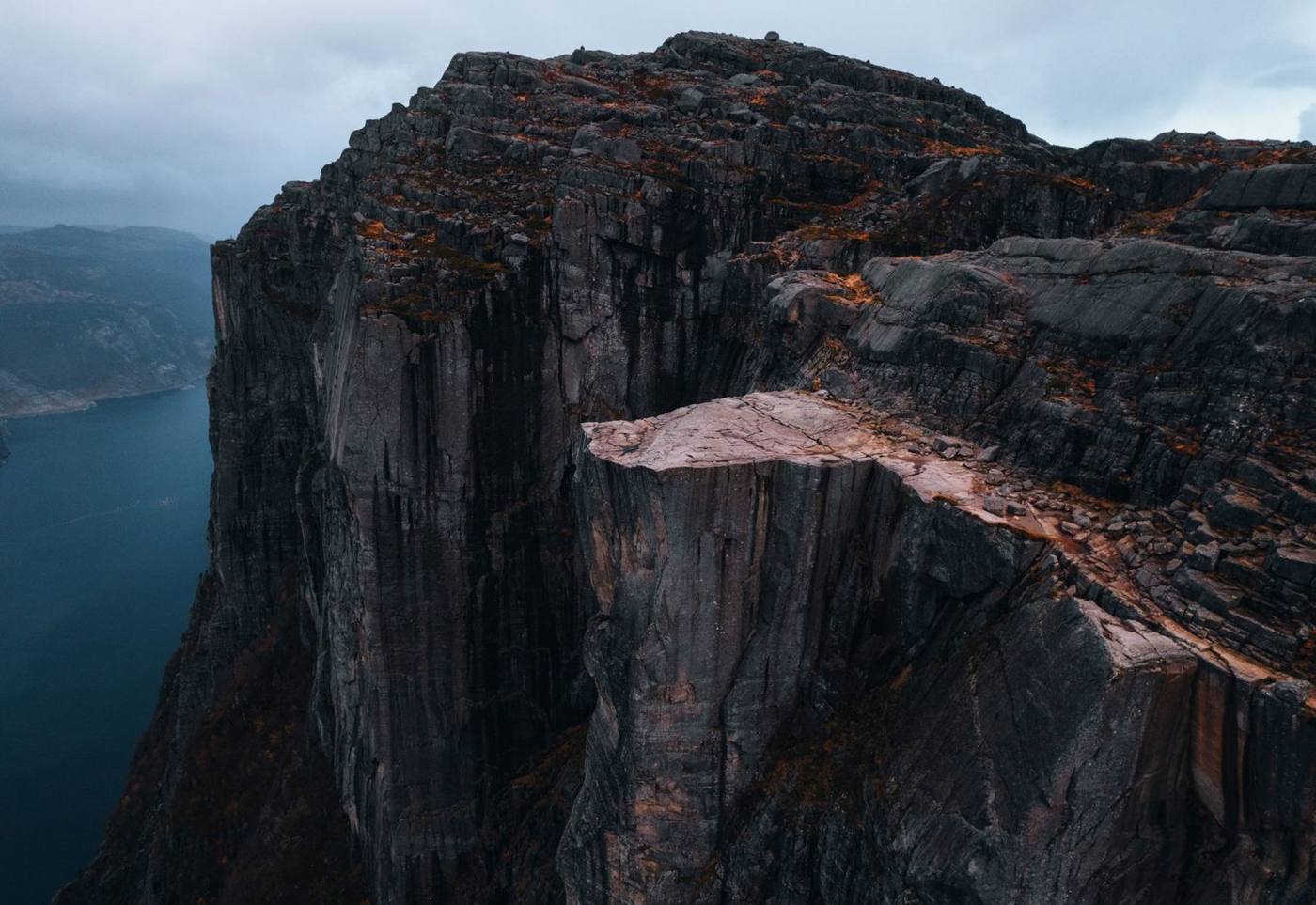
Trolltunga, Preikestolen and Kjerag
Norway's three most famous hikes: the troll's tongue above Lake Ringedalsvatnet, the pulpit above the Lysefjord and the wedged boulder of Kjerag.
 5 daysEasy
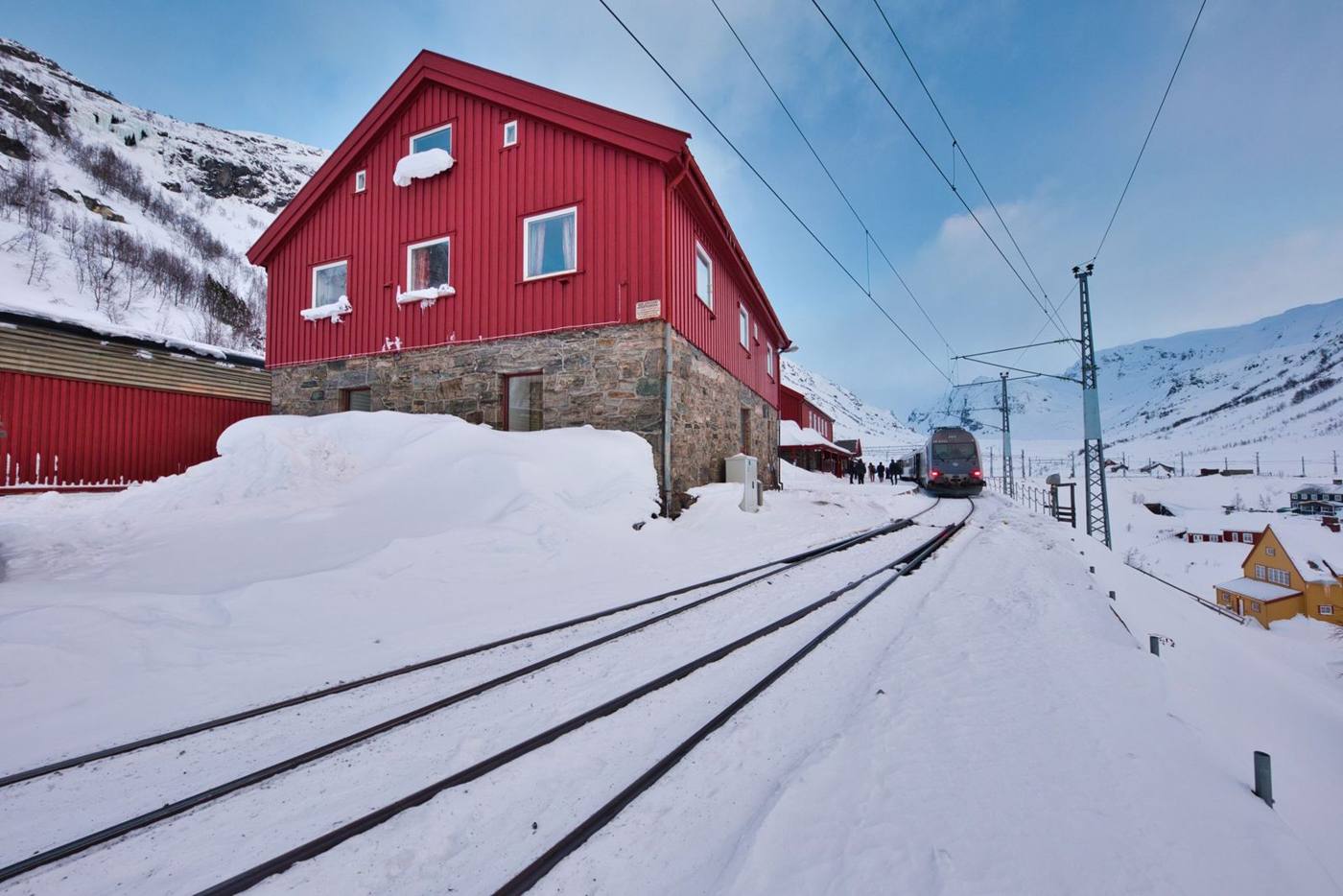
Oslo and Norway in a Nutshell
Two days in Oslo between the Opera, the Munch museum and the Viking ships, then the train, boat and bus route through the fjords to Bergen.
 6 daysModerate
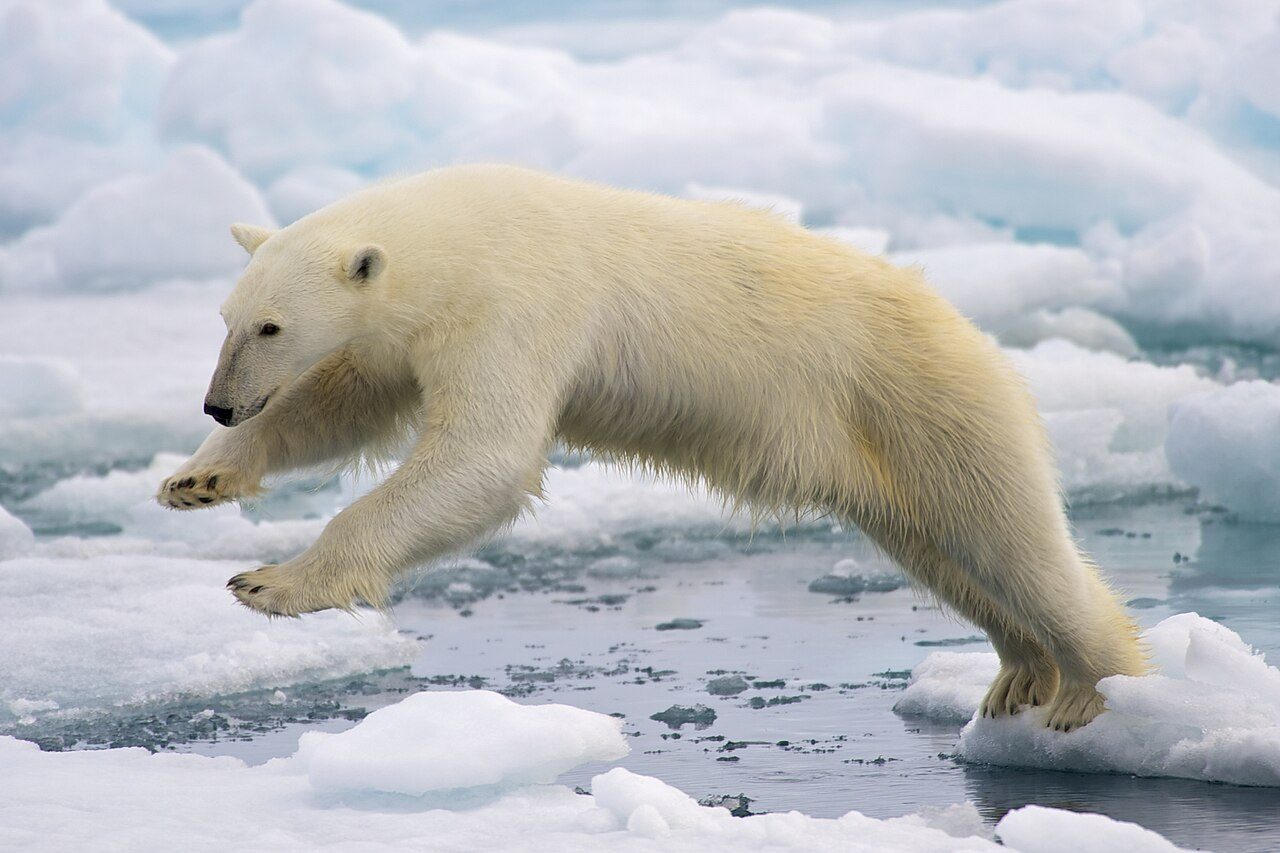
Svalbard: polar bears and ice
A thousand kilometres from the North Pole: Longyearbyen, glaciers by boat, the Russian mining town of Barentsburg, walruses and, with luck, polar bears.