Trondheim and Røros
From the city of the Viking kings to the mining town: Nidaros Cathedral, the old bridge and the colourful wharf houses on the Nidelva in Trondheim, then Røros, a UNESCO site, with the wooden houses of the copper miners, the slag heaps and the baroque church.
- Trondheim
- Røros
Day by day
- Day 1
Trondheim: Nidaros Cathedral and Bakklandet
Trondheim is Norway's third city and one of its oldest: founded at the end of the tenth century by the Viking king Olav Tryggvason under the name Nidaros, it was the country's first capital and its religious centre. It is a young, pleasant university city built at the mouth of the Nidelva river, with colourful wooden houses, bridges and the fjord in front. In four days you discover Trondheim and then Røros, the wooden mining town on the plateau, a UNESCO site.
You arrive at Værnes airport, about half an hour from the centre by train, or by train from Oslo, in about seven hours through the Dovre mountains.
In the morning visit Nidaros Cathedral, the largest medieval church in Scandinavia, built over the tomb of Saint Olav, the king who brought Christianity to Norway and died in battle in 1030. For centuries it was the most important pilgrimage destination in Northern Europe, and pilgrims still arrive on foot along the Saint Olav Ways. The west front is covered with dozens of statues of saints, kings and prophets; inside, light filters through the stained glass and the great rose window. In summer you can climb the tower. Next to it is the Archbishop's Palace, with a museum and the hall of the Norwegian crown jewels.
In the afternoon cross the Old Town Bridge, Gamle Bybro, with its red wooden gates, and stroll through Bakklandet, with the colourful wooden houses of former workers, now cafés and small shops. From the bridge look at the wooden warehouses on stilts along the river, the symbol of the city.
Practical tip: in Bakklandet there is Trampe, the world's first bicycle lift, which helps cyclists up the steep hill: give it a try.
- Day 2
Munkholmen island and the harbour
In the morning climb to Kristiansten fortress, built in the seventeenth century on the hill east of the centre after a great fire destroyed the city, to defend it against the Swedes. From the walls you see all of Trondheim, the cathedral, the river and the fjord. In the Second World War, during the German occupation, the fortress was used as an execution site for members of the Norwegian resistance: a memorial remembers them.
Then go down to the harbour and, from May to September, take the small boat to Munkholmen island, a few minutes across the fjord. The island has a long and strange history: in Viking times it was a place of execution, then it held one of the first Benedictine monasteries in Scandinavia, then a fortress, a prison and, in the Second World War, a German anti-aircraft position. Today it is a peaceful place with a small beach where people from Trondheim swim and sunbathe in summer. You can visit the old tower with a guide.
In the afternoon return to town and walk along the harbour and the Solsiden area, the old shipyards turned into a district of shops and bars on the water. If you are interested, also visit the national museum of music and instruments or the museum of decorative art.
In the evening Trondheim offers some of the best restaurants in Norway, with the cooking of the Trøndelag region, known for local produce: fjord fish, lamb, cheeses, berries. Practical tip: in Norway almost everything is paid by card; you will hardly need cash.
- Day 3
The train to Røros, the old town and the Olav mine
In the morning take the train to Røros, on the line that runs up the Gaula valley to the south-east and then climbs onto the plateau. The journey takes about two and a half hours, through pine and birch forests, farms and lakes.
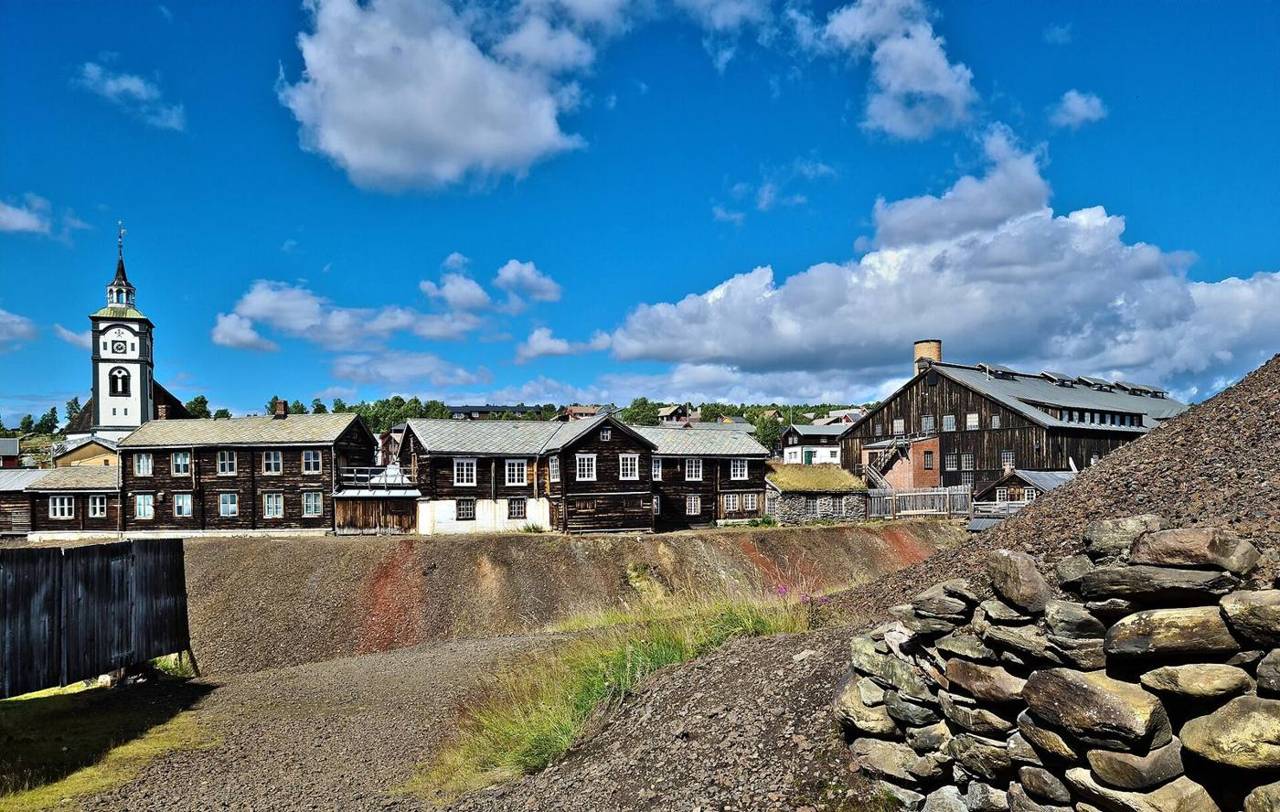
Røros lies at about 630 metres, in an area of plateaus and moorland, and is one of the coldest inhabited places in Norway, with winters that can reach forty degrees below zero. The town grew up in 1644 around a copper mine that stayed in operation for 333 years, until 1977. For its wooden architecture and the mining landscape around it, it has been a UNESCO site since 1980.
In the afternoon take a bus or car to Olavsgruva, the Olav mine, about thirteen kilometres from town. With a guide you go down into the tunnels, about fifty metres underground, and discover how the miners worked: in the dark and cold, with simple tools and candlelight, often including children. Inside the mine the temperature stays at around five degrees all year: bring a warm jacket and closed shoes even in summer.
Return to town and walk along the main street, with wooden houses painted red, yellow and ochre, inner courtyards with stables and barns, and the great white stone church from the eighteenth century, which dominates the town.
In the evening taste mountain dishes such as reindeer, lake trout and desserts with berries. Practical tip: mine tours run at set times with limited places; book ahead.
- Day 4
Røros on foot and the journey back
On the last morning explore Røros on foot at an easy pace. Start at the smelting house museum, Smelthytta, built on the ruins of the old copper smelter, which explains the whole process from mine to metal, with models of the water-powered machines that worked the furnace bellows.
Then climb the slag heaps, the great black and grey mounds of waste from copper smelting that surround the town: they are part of the landscape protected by UNESCO and from the top give a fine view over the wooden roofs, many still covered with grass and turf as in past centuries.
Walk through the side streets, Sleggveien and the lanes where the miners lived, with smaller, simpler houses very different from those of the owners and managers along the main street. Many courtyards hold craft workshops, such as weavers, blacksmiths and potters, and small shops of local produce, because Røros is also known in Norway for the food of the region.
Visit the church, inside with painted wooden galleries and a Baroque organ, and the small cemetery where many miners are buried.
In the early afternoon take the train back to Trondheim, or continue south to Oslo, in about five hours.
Practical tip: Røros is lovely in every season: in summer for walks around the lakes, in winter with snow, horse-drawn sleighs and, at the end of February, the great winter market, Rørosmartnan, held since 1854.
Røros is one of Norway's coldest places: in late February it hosts a big winter market with sleighs and horses. Trondheim is the end point of St Olav's Way pilgrimage. A valid identity card is enough for EU citizens. Norway is expensive: a credit card is accepted almost everywhere, even for small amounts.
Before you go
- Documents and visa
- EU citizens need only a valid identity card or passport: Norway is not in the European Union but is in the Schengen area.
- Health and vaccines
- No vaccines required. The European Health Insurance Card is valid in Norway; insurance covering mountain rescue is useful. Emergencies: 112 police, 113 ambulance, 110 fire.
- Money and payments
- Norwegian krone. Cards are accepted almost everywhere, even for small sums and on public transport; cash is hardly needed. Prices are among the highest in Europe.
- Power sockets
- Types C and F, 230 volts.
- Time zone
- UTC+1 in winter, UTC+2 in summer.
- Safety
- One of the safest countries in the world. Risks are natural: bad weather in the mountains, rockfalls, roads closed in winter. Official advice: GOV.UK.
Information checked in November 2026 for Italian and EU citizens. Rules change: always check before you travel.
Variations
In 2 days: Trondheim only, with the cathedral, Bakklandet and Munkholmen.
In 7 days: from Trondheim continue to the Atlantic coast with the Atlantic Road, Kristiansund and Molde, or fly to the Lofoten islands.
Frequently asked questions
When is the best time to go?
June to August for long days and the Munkholmen boat; February for snow and the Røros winter market. In winter Røros is very cold.
Do I need a car?
No: Trondheim is easy on foot and by bus, and Røros is reached by train. For the Olav mine there are buses during visiting periods, or taxis.
Do I need special documents?
Norway is in the Schengen area: European Union citizens need only an identity card valid for travel abroad or a passport.
Indicative itinerary written by World Atlas. Before booking, check timetables, seasonal openings, documents and safety.
 6 daysEasy
The Helgeland coast
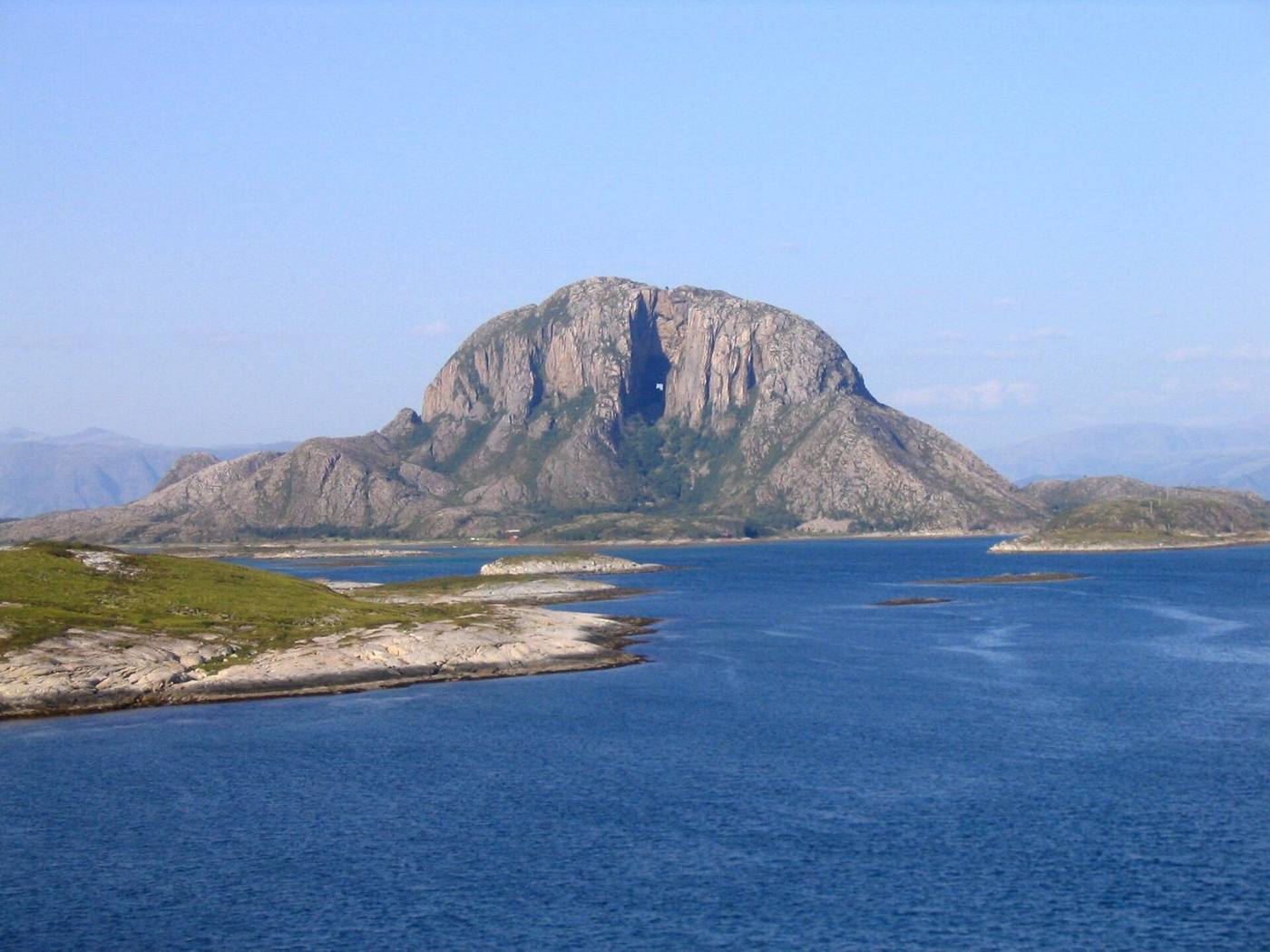
The Kystriksveien coastal route south of the Arctic Circle, made of ferries and bridges: the holed mountain of Torghatten, the Seven Sisters, the Vega archipelago (UNESCO) known for eiderdown gathering, the Svartisen glacier and the Saltstraumen tidal current.
 4 daysModerate
The Rallarvegen by bike
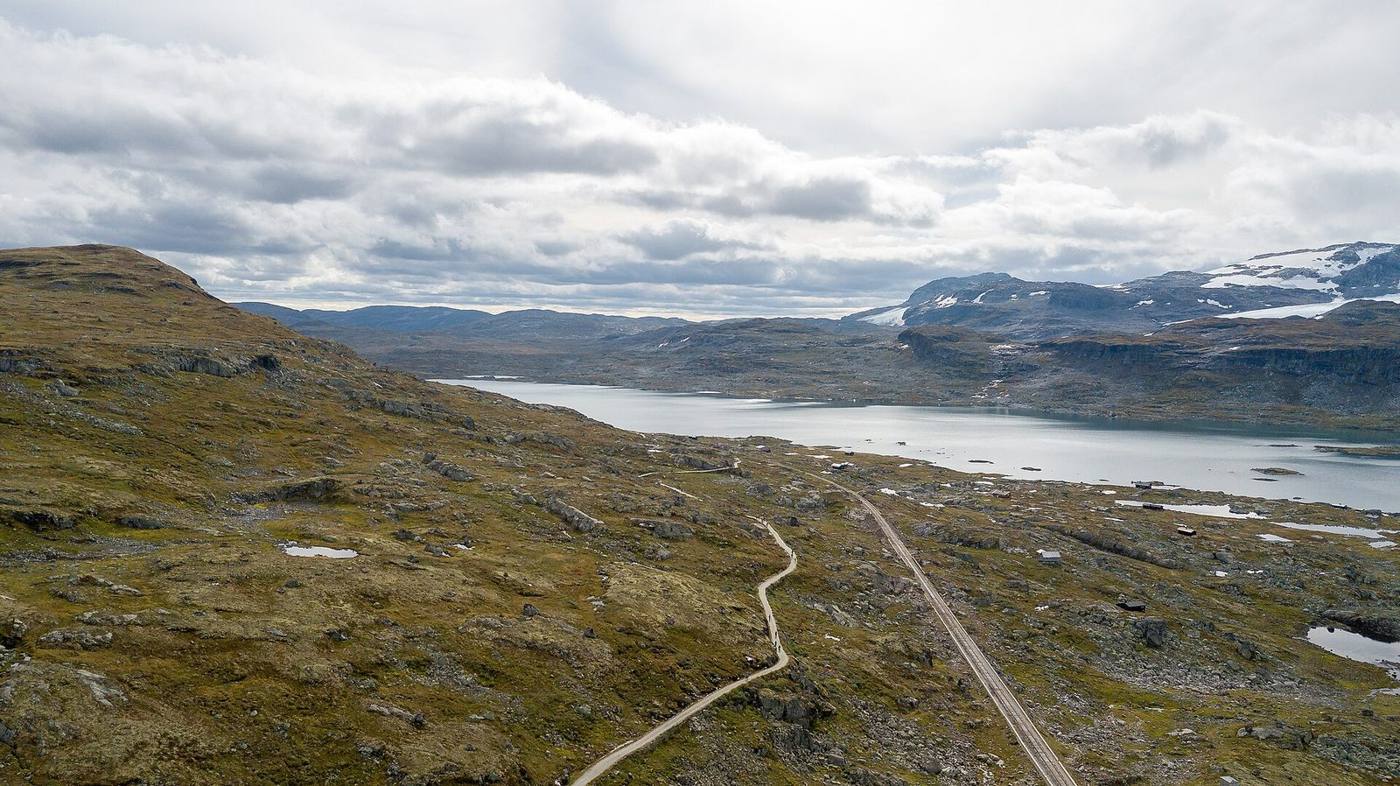
The road of the Bergen Railway builders, now the country's most famous cycle route: from the Hardangervidda plateau at Haugastøl, past lakes and snowfields even in summer, to Finse and Myrdal, then the hairpin descent down the Flåm valley to the fjord.
 4 daysEasy
Telemark: the canal and the stave churches
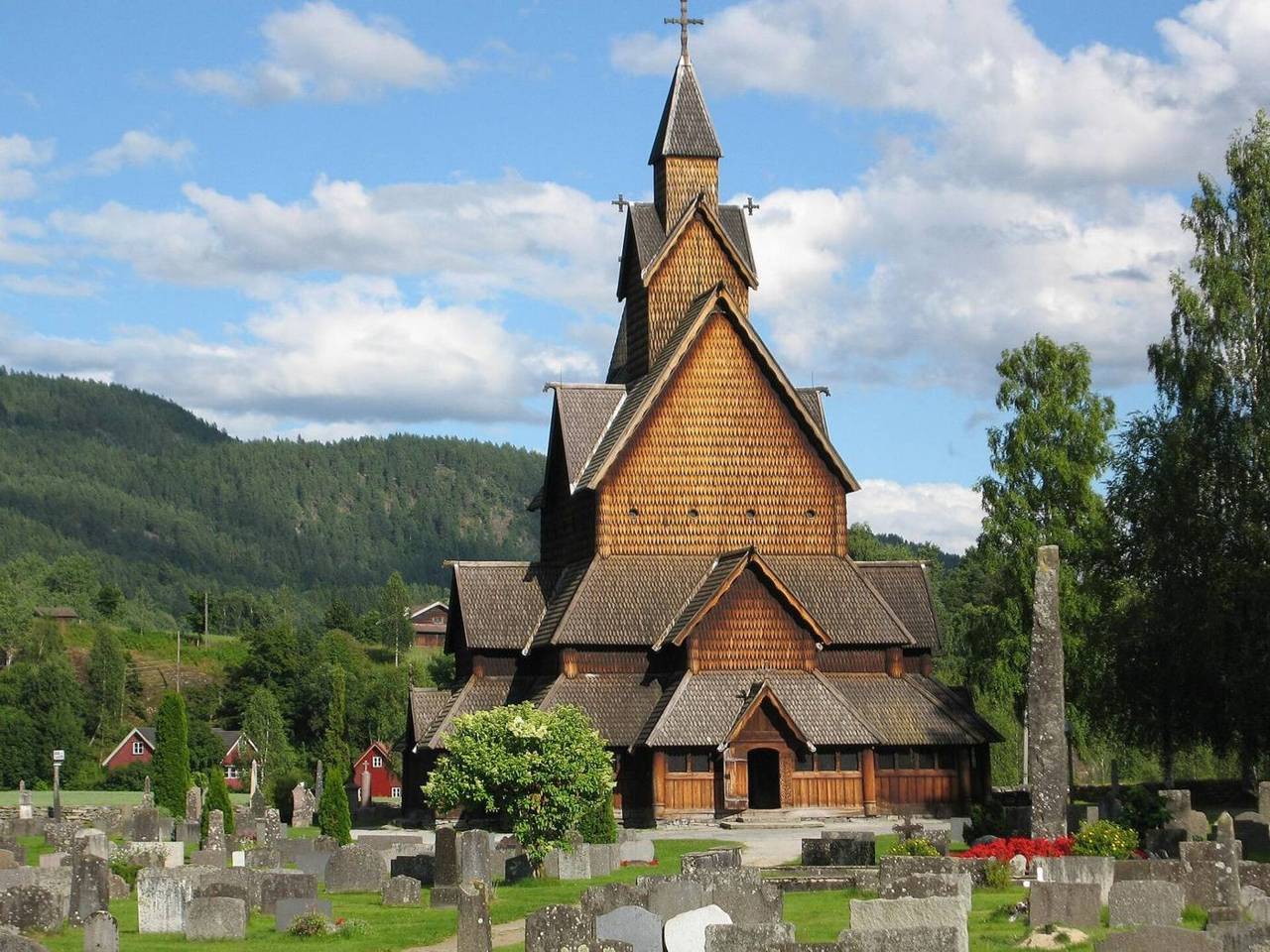
Rural inland Norway: a cruise on the Telemark Canal through its 19th-century locks to Dalen, Heddal stave church, the largest in the country, the Rjukan hydroelectric site (UNESCO) and the cable car built to bring winter sun to the valley.