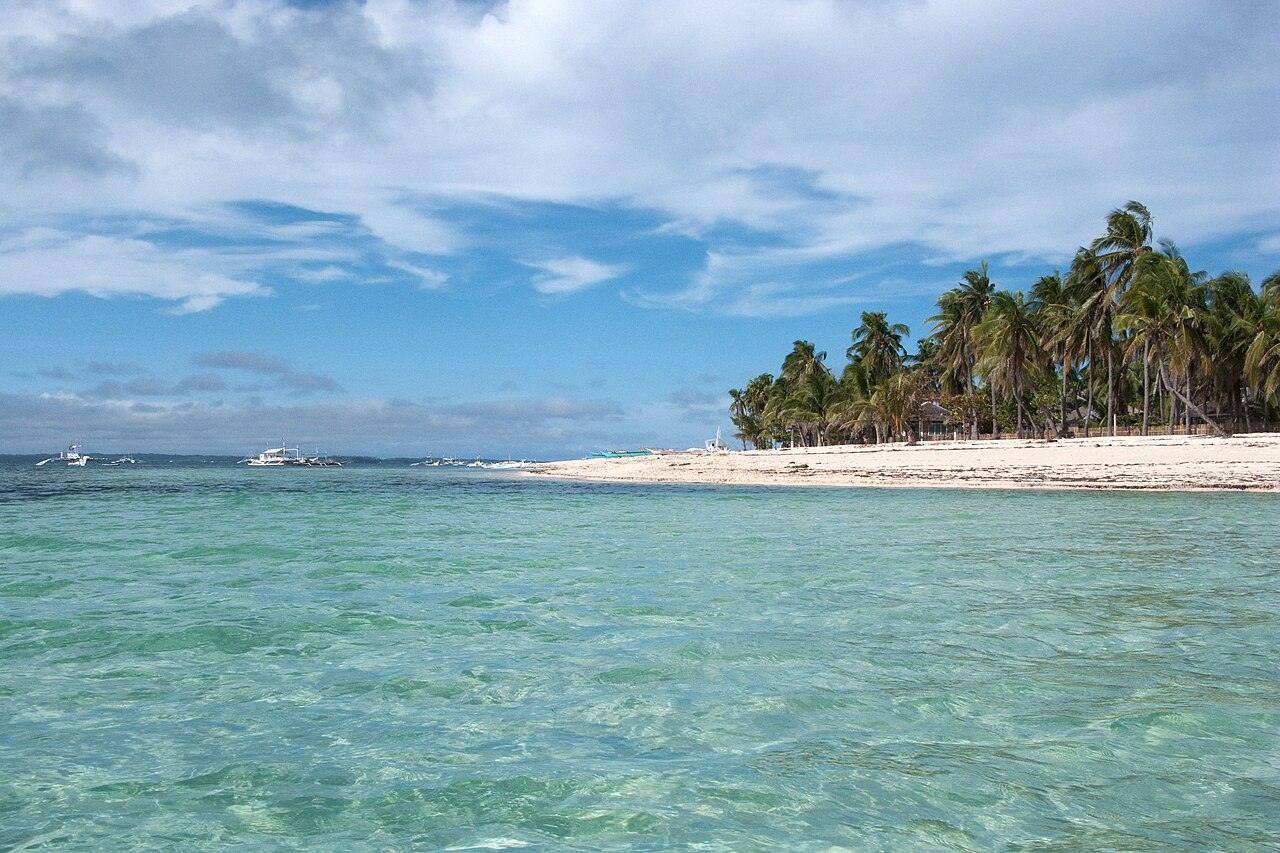
Diving around Cebu: Malapascua, Moalboal and Apo Island
The divers' triangle: thresher sharks at dawn off Malapascua, the sardines of Moalboal and the coral garden of Apo Island with its turtles.
- Cebu
- Malapascua
- Moalboal
- Dumaguete
- Apo Island
Day by day
- Day 1
Arrival in Cebu
This trip is designed for divers, or for those who want to learn, in the central Visayas, the heart of the Philippine archipelago: Malapascua with its thresher sharks, Moalboal with its shoal of millions of sardines and Apo Island, a marine sanctuary with turtles and corals. The Philippines lie in the Coral Triangle, the area with the greatest variety of marine life in the world.
To enter the Philippines, Italian and many other EU citizens can stay without a visa for up to 30 days and must complete the online eTravel registration within 72 hours before arrival. The US government rates the Philippines at level 2 of 4, with higher risk areas mainly in Mindanao and in the rural interior of some islands, such as Negros: check current advice.
You fly into Mactan Cebu international airport, usually with a stop in Asia.
On the first day, after the long journey, rest in Cebu, the second city of the Philippines and the oldest. If you have energy, visit the historic centre: Magellan's Cross, planted in 1521 by the Portuguese explorer sailing for Spain, who arrived here during the first voyage around the world; the Basilica of the Santo Niño, with a statue of the Child Jesus brought by Magellan, deeply venerated; and Fort San Pedro, the oldest Spanish fort in the Philippines.
In the evening have dinner with Filipino food: lechon, the roast suckling pig for which Cebu is famous, adobo, meat cooked in vinegar and soy, and seafood.
Spend the night in Cebu.
Practical tip: the best time is November to May. June to October is the rainy and typhoon season. After your last dive wait at least eighteen to twenty four hours before flying.
- Day 2
To Malapascua
Today go to Malapascua, a small island off the northern tip of Cebu island.
In the morning take a bus or car from Cebu to Maya, the port at the northern tip of the island, in about four hours, through countryside, sugar cane plantations and villages. From Maya an outrigger boat, the typical Filipino bangka, takes you to Malapascua in about half an hour.
Malapascua is a small island, about two and a half kilometres long, with no cars, sandy paths, fishing villages, palms, white sand beaches such as Bounty Beach and a few simple resorts and dive centres. It is one of the few places in the world where you can see thresher sharks every day.
In the afternoon, on arrival, settle in and go to the dive centre to check equipment and certifications and do a check dive to get comfortable in the water again.
At sunset walk on the beach or round the island on foot, through the villages and past the lighthouse.
In the evening have dinner with grilled fish on the beach.
Spend the night on Malapascua.
Practical tip: bring your certification card and logbook: dive centres ask for them. If you are not certified you can take a beginners' course here, but for the thresher sharks at Monad Shoal an advanced level or some experience is usually required: check with the centre.
- Day 3
Monad Shoal: thresher sharks at dawn
Today do Malapascua's most famous dive: the thresher sharks of Monad Shoal.
At dawn, around five, leave the dive centre by boat for Monad Shoal, a submerged island about half an hour away, with its top at about fifteen to twenty five metres, dropping into deep water.
Every morning thresher sharks rise from the depths to the cleaning stations on top of the shoal, where small cleaner fish rid them of parasites. Thresher sharks are shy sharks, up to three metres long or more, with a huge tail as long as their body, which they use to strike and stun schools of fish, and large eyes for seeing in dark water.
During the dive you kneel or stay still behind a rope, at a distance, without lights or flash, and watch the sharks circling slowly around the cleaning stations. Sometimes mantas and devil rays are also seen.
After the dive return to the island for breakfast.
In the afternoon do a second dive at a nearby site, such as Gato Island, a small marine reserve with a cave and an underwater tunnel where whitetip reef sharks rest, as well as seahorses and nudibranchs.
Spend the night on Malapascua.
Practical tip: at Monad Shoal there are strict rules to protect the sharks: no flash, minimum distance, no contact. Dives and the marine park fee are paid: check.
- Day 4
Malapascua: wrecks and seahorses
Today do more dives around Malapascua.
In the morning, if you like, return to Monad Shoal for another dive with the thresher sharks: every morning is different, and you may see more sharks or see them closer.
Then dive one of the area's wrecks, such as a Japanese ferry from the Second World War or a more recently sunk ship, covered in corals, sponges and fish, with lionfish, scorpionfish and schools of fish.
In the afternoon do a slow dive in one of the macro gardens, sites with sand and weed bottoms where divers look for small creatures: seahorses, pipefish, frogfish, colourful nudibranchs, mimic octopus and crabs. A good guide finds tiny animals you would never spot on your own.
If you do not dive, you can snorkel around the island, sunbathe on the beach, go kayaking or visit the villages.
At sunset, on Bounty Beach, watch the sun go down over the sea.
In the evening chat with other divers about the day's dives and write up your logbook, noting the animals you saw.
Spend the night on Malapascua.
Practical tip: do not touch corals or animals, and keep your buoyancy well under control on wrecks and sandy bottoms. Use reef safe sun cream.
- Day 5
To Moalboal and Pescador Island
Today leave Malapascua and go to Moalboal on the west coast of Cebu island.
In the morning take the boat to Maya and then a car or bus to Moalboal, crossing the island from north to south west: the journey takes about six or seven hours, with a stop in Cebu.
Moalboal is a fishing town on the west coast, with a long coral reef dropping steeply just a few metres from the shore along Panagsama beach. Here you dive and snorkel straight from the shore.
In the afternoon, on arrival, dive or snorkel at Pescador Island, a small islet about two and a half kilometres offshore, a marine reserve with a vertical wall full of soft corals, sea fans, tropical fish, turtles and sometimes a cave called the cathedral, with light streaming in from above.
At sunset sit on the shore at Panagsama, where people gather to watch the sun sink behind the island of Negros across the Tañon Strait.
In the evening have dinner with fresh fish at one of the seafront restaurants.
Spend the night in Moalboal.
Practical tip: the Pescador Island marine reserve has an entry fee: check. Boat trips depend on the sea: in rough conditions dive centres change sites.
- Day 6
Moalboal: the sardine run and the turtles
Today see Moalboal's most famous sight: the sardine run.
In the morning go into the water straight from Panagsama beach, with mask and fins or with tanks. A few metres from the shore, above the edge of the reef, an enormous shoal of millions of sardines lives all year round, moving like a single silver cloud, suddenly changing shape and direction when predators such as jacks and tuna arrive. Swimming in or beside the shoal is a unique experience, possible even when snorkelling, without tanks.
The sardine shoal has been resident here for many years, although in recent years it has sometimes moved or shrunk: ask the dive centres where it is.
In the afternoon do another dive or snorkel along the reef, where green turtles are often seen grazing on seagrass or resting on the bottom.
If you want a break from the sea, take a trip to Kawasan Falls, about half an hour south of Moalboal, with natural pools of turquoise water in the forest, where people go canyoneering, descending the river by jumping into pools, sliding down rocks and diving in.
At sunset return to the beach for your last evening in Moalboal.
Spend the night in Moalboal.
Practical tip: do not chase or touch the turtles, keep your distance. Kawasan Falls and canyoneering are paid and very busy: go early, and with a guide for canyoneering.
- Day 7
To Dumaguete
Today go to Dumaguete on the island of Negros, across the Tañon Strait.
In the morning take a car or bus to Liloan or Santander at the southern tip of Cebu island, about two hours, then the ferry across the strait to Sibulan near Dumaguete, in about half an hour. Alternatively, from the southern tip of Cebu you can detour to Oslob, but the practice of feeding whale sharks there to attract them is criticised by marine biologists: this trip does not recommend it.
Dumaguete is a quiet university town on the south east coast of Negros, called the city of gentle people, with a tree lined seafront, Rizal Boulevard, many students and a simple, pleasant way of life.
In the afternoon stroll along the seafront, see the eighteenth century Dumaguete bell tower, built to watch for pirates, and the campus of Silliman University, the oldest Protestant university in Asia, with gardens and colonial buildings.
In the evening have dinner at one of the seafront restaurants.
Spend the night in Dumaguete or Dauin, an area south of the town with dark sand beaches and many dive centres.
Practical tip: for Negros check current advice: the areas advised against are mainly in the rural interior, away from the coast. The ferry from Cebu to Negros may be cancelled in rough seas.
- Day 8
Apo Island, the turtle sanctuary
Today go to Apo Island, a small volcanic island about nine kilometres off the coast of Negros, reached by boat in about half an hour to forty five minutes from Dauin or Malatapay.
Apo Island is one of the most famous examples in the world of community managed marine protection. In the 1980s the island's fishermen, together with biologists from Silliman University, created a reserve where fishing was banned. Within a few years fish and corals returned, and fishing around the reserve improved too. Today the island is a protected marine reserve, and visitors pay a fee that funds its protection and the community.
In the morning dive or snorkel around the island: you see hard and soft corals in excellent condition, schools of jacks, parrotfish, butterflyfish and above all many green and hawksbill turtles, swimming calmly near the shore and used to visitors.
In the afternoon, on the island, walk up to the lighthouse and the viewpoint, from which you see the coast of Negros and Mount Talinis.
In the evening return to Dauin or Dumaguete.
Spend the night in Dauin or Dumaguete.
Practical tip: at Apo Island snorkelling is allowed only in designated areas, with limits on visitor numbers and strict rules: no gloves, no contact with the turtles. The reserve fee and dives are paid: check.
- Day 9
Departure from Dumaguete or Cebu
On the last day you leave the Visayas.
From Dumaguete airport there are flights to Manila and Cebu, where international flights depart. Alternatively you can return to Cebu by road and ferry, in about five or six hours.
If your flight is in the afternoon, in the morning you can take a last walk along Rizal Boulevard or visit Dumaguete market, with tropical fruit such as mango, papaya, rambutan and lanzones, and local sweets such as silvanas, cashew biscuits with buttercream, and budbud kabog, a millet sweet cooked in banana leaf.
Remember the most important rule for divers: before flying you must wait at least eighteen hours after a single dive, and twenty four hours or more after multiple dives over several days, to avoid decompression sickness. Plan your last dives accordingly and spend the last day on land.
Before leaving buy some souvenirs: dried mango, pearls, shell and wooden objects, Filipino fabrics.
From Cebu and Manila there are flights to Europe, usually with one stop in Asia or the Gulf.
If you have a few more days, you can add Siquijor, an island near Dumaguete with waterfalls and beaches, or Bohol, with the Chocolate Hills and tarsiers.
Practical tip: domestic flights may change times or be cancelled in bad weather: allow a day's margin before your international flight. Check baggage weight with your dive gear.
The Philippines are among the world's best-value diving destinations. Malapascua is the only place where thresher sharks are seen almost daily, but you dive at dawn and need an advanced licence. Right months: December-June.
Before you go
- Documents and visa
- Passport valid for at least six months and an onward ticket; no visa for tourism up to 30 days for EU citizens. In the 72 hours before the flight you fill in the no-cost eTravel form online.
- Health and vaccines
- No compulsory vaccines arriving from Europe. Protect yourself against mosquitoes because of dengue and keep away from dogs and monkeys because of rabies. Drink only bottled water. Emergencies: 911.
- Money and payments
- Philippine peso. On small islands cash machines are few and often empty: carry cash.
- Power sockets
- Types A, B and C, 220 volts: bring a universal adapter.
- Time zone
- UTC+8 all year.
- Safety
- The United States rates the Philippines level 2, with level 4 for the Sulu archipelago, the southern Sulu Sea and Marawi, and level 3 for much of Mindanao. Typhoons occur from June to November. Official advice: GOV.UK.
Information checked in November 2026 for Italian and EU citizens. Rules change: always check before you travel.
Variations
In 5 days: Moalboal and Apo Island only, starting from Cebu.
In 12 days: add Bohol and Siquijor, or a liveaboard to Tubbataha in season.
Frequently asked questions
Do I need a visa?
Italian and many other EU citizens can stay without a visa for up to 30 days and must complete the online eTravel within 72 hours before arrival. Check the current requirements.
Do I need a dive certification?
For diving, yes; you can also get certified here with a course. At Moalboal and Apo Island much can be seen while snorkelling, without tanks.
When is the best time to go?
November to May. June to October brings rain and typhoons, with possible cancellations of boats and flights.
Indicative itinerary written by World Atlas. Before booking, check timetables, seasonal openings, documents and safety.
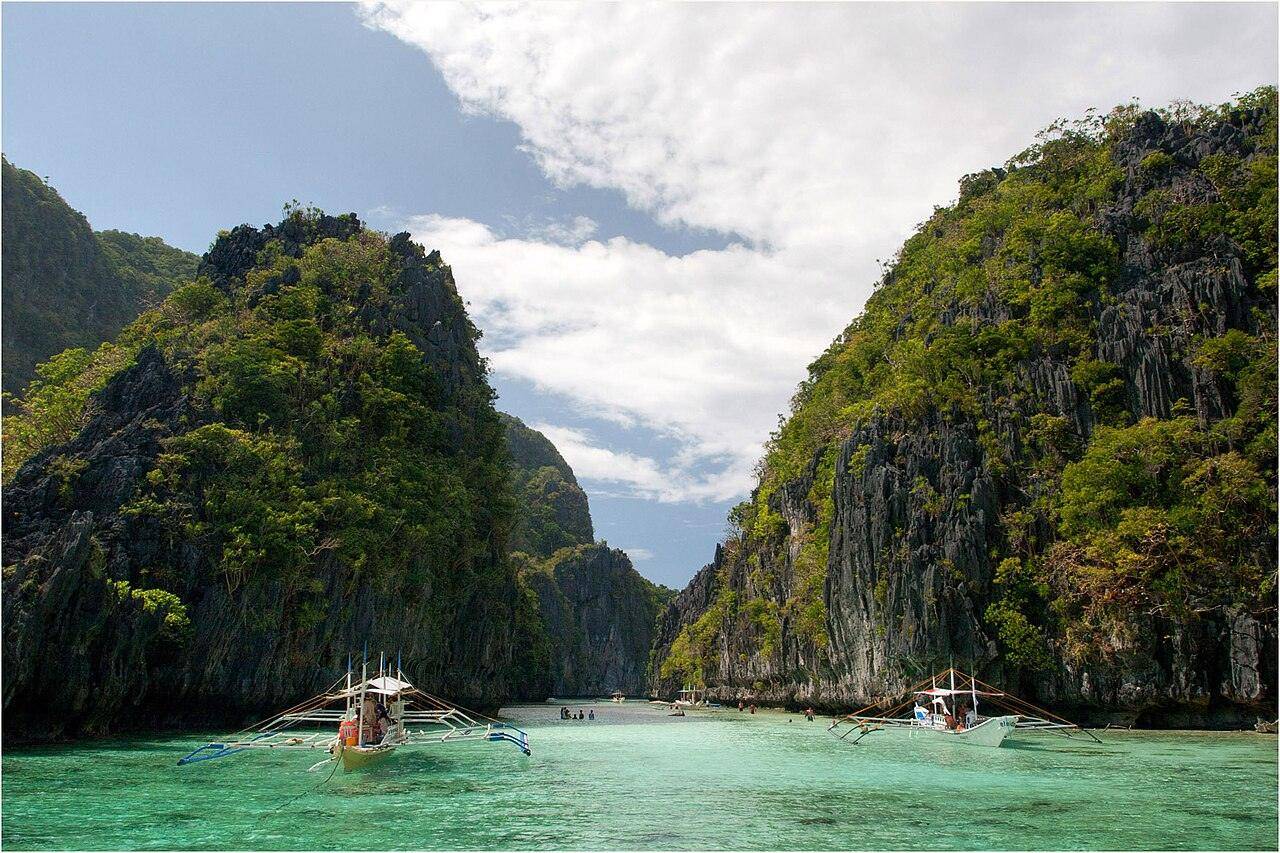 7 daysEasy
Palawan: El Nido and the lagoons
A week of islands, turquoise lagoons and snorkelling in the Bacuit archipelago, with a stop at the underground river.
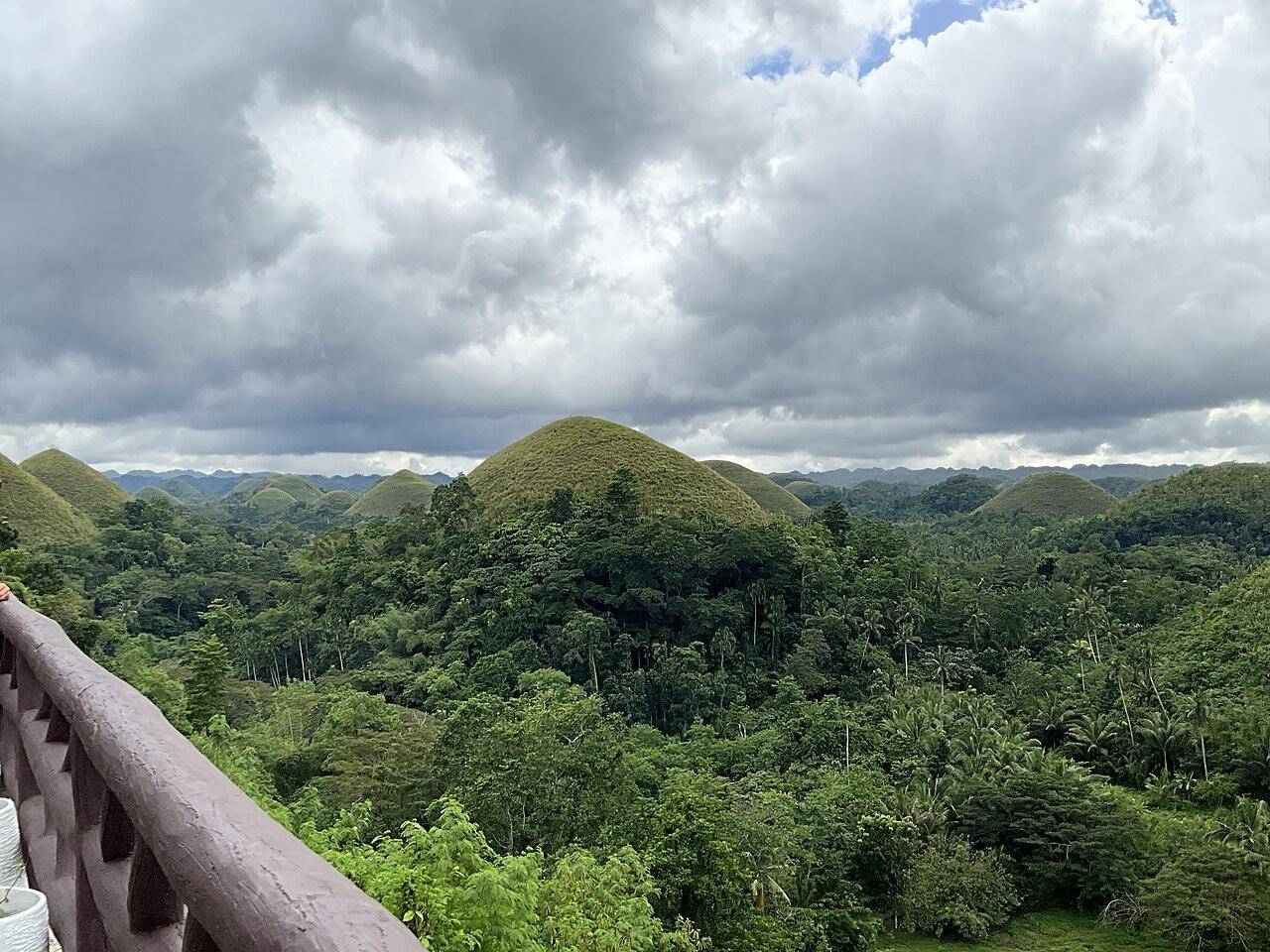 15 daysModerate
Palawan, Coron, Bohol and Cebu
The finest islands in two weeks: El Nido's lagoons, Coron's lakes and wrecks, Bohol's Chocolate Hills and tarsiers.
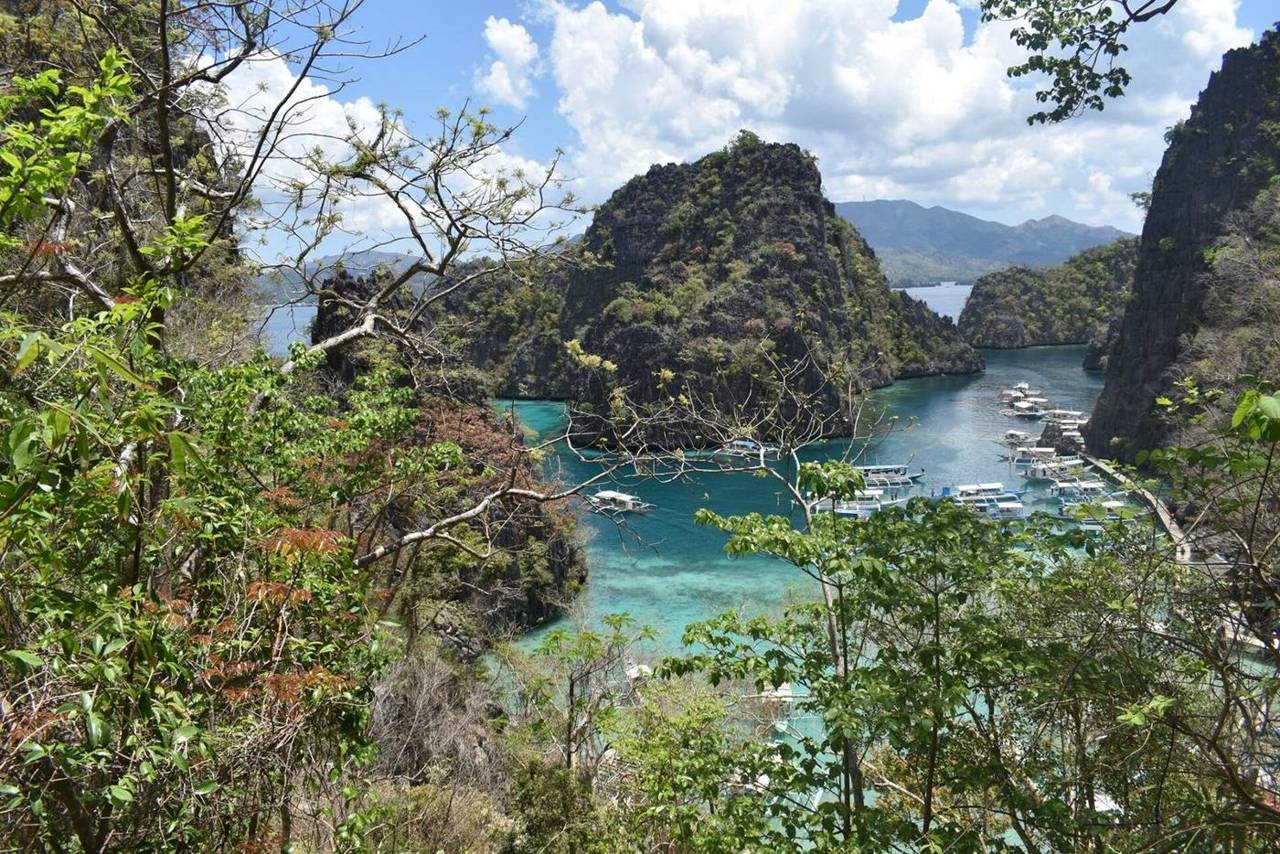 12 daysEasy
Philippines express: Palawan, El Nido and Coron
Puerto Princesa's underground river, the lagoons of El Nido among limestone cliffs, and Coron's lakes and wrecks.