Siquijor and Bohol: the island of witches and the chocolate hills
Little Siquijor, with traditional healers, waterfalls and quiet beaches, and neighbouring Bohol with its tarsiers and Chocolate Hills.
- Cebu
- Bohol
- Panglao
- Siquijor
- Cambugahay
Day by day
- Day 1
Arrival in Cebu and ferry to Bohol
EU citizens enter the Philippines without a visa for tourism for up to 30 days, with a passport valid for at least six months and an onward ticket. In the 72 hours before the flight you fill in the no-cost eTravel form online on the official government website.
Cebu, at the heart of the Visayas archipelago, has an international airport on Mactan Island, with flights from Asia and Manila. Ferdinand Magellan arrived here in 1521 and died soon after at the Battle of Mactan against the local chief Lapulapu, now a national hero.
From the airport you reach Cebu City port by taxi, about an hour in traffic, and take the fast ferry to Tagbilaran, Bohol's capital, in about two hours. If time allows, before the ferry visit Magellan's Cross, kept in a small pavilion, and the Basilica of the Santo Niño, the oldest church in the Philippines, with the statue of the Christ Child given by Magellan to the queen of Cebu.
Alternatively fly directly to Bohol-Panglao International Airport.
In the evening stay on Panglao, the island linked to Bohol by two bridges, with the best beaches.
Practical tip: ferries between the Visayas islands are frequent but are cancelled in rough seas and during typhoons; book online, arrive at the port an hour early and keep your passport to hand.
- Day 2
The Chocolate Hills, tarsiers and the Loboc River
Today is a tour of inland Bohol, by car with driver or on an organised tour, about eight hours.
The first stop is the tarsier sanctuary at Corella, run by a foundation for their protection. The Philippine tarsier is one of the smallest primates in the world, the size of a fist, with huge eyes and long fingers: it is nocturnal and very sensitive to stress, so in the sanctuary you walk in silence, without flash and without touching them. Avoid places that keep them in cages for photos.
Then the Loboc River, with a cruise on floating restaurants with a buffet lunch, through forest and palms, sometimes with songs and dances from the villages along the bank.
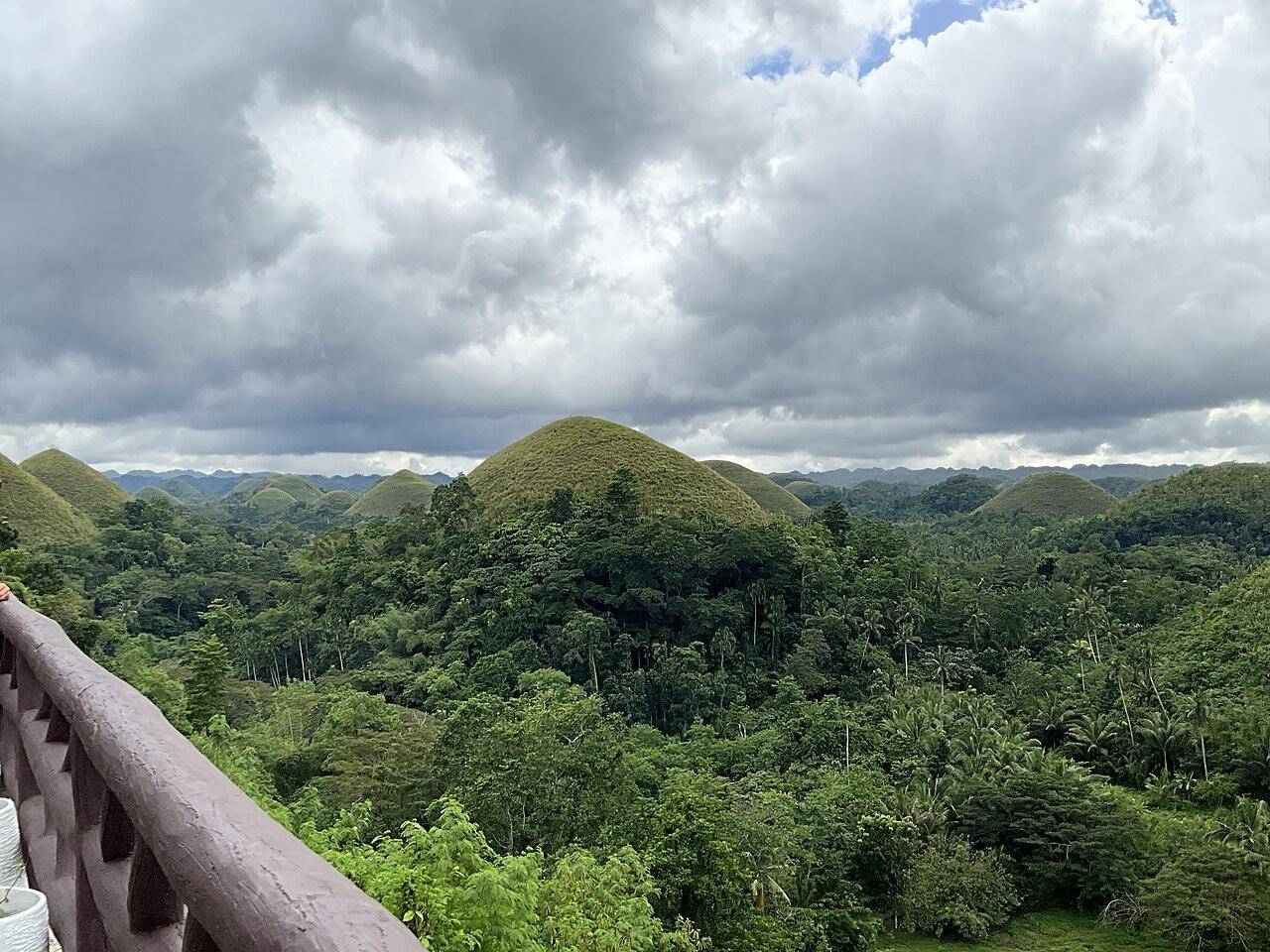
In the afternoon you reach the Chocolate Hills at Carmen, Bohol's symbol: more than a thousand cone-shaped limestone hills, almost all the same height, scattered over a vast plain. In the dry season the grass covering them turns brown, and the hills look like chocolates. A staircase of more than two hundred steps climbs to a viewpoint over the whole landscape.
On the way back stop at the man-made mahogany forest, with very tall trees over the road, and at Baclayon church, one of the oldest in the country, restored after the 2013 earthquake.
Practical tip: go to the Chocolate Hills in the late afternoon, with softer light and less heat.
- Day 3
Panglao and Alona Beach
Today is a beach day on Panglao. Early in the morning you can take a boat trip to Balicasag Island, about half an hour away, a protected marine sanctuary with a coral wall dropping into the blue: snorkelling, you see sea turtles, tropical fish and corals. Some trips leave at dawn to see dolphins in the Bohol Sea, but choose reputable operators who do not chase them.
On the way back many boats stop at Virgin Island, a white sandbar that emerges at low tide.
In the afternoon relax on Alona Beach, Panglao's best known, with white sand, palms and calm water, and many bars and dive centres. If you prefer a quieter beach, go to Dumaluan or San Isidro on the island's east coast.
Panglao is one of the best places in the Philippines for diving, with walls, caves and very rich marine life. Certified centres run courses for beginners.
In the evening dine on Alona Beach, with grilled fish and seafood chosen from the counter, and a fresh juice of calamansi, the small Philippine citrus.
Practical tip: at low tide the water in front of Alona is very shallow and full of urchins and seaweed; swim at high tide and wear reef shoes. Agree boat prices before leaving the beach.
- Day 4
Ferry to Siquijor
In the morning take the ferry from Tagbilaran to Siquijor, about two hours, or via Dumaguete depending on the day and season. Siquijor is a small island south of Bohol, with about a hundred thousand inhabitants, forests, waterfalls, quiet beaches and a coastal road of about seventy-five kilometres running all the way round.
The Spanish called it the island of fire, for the fireflies that lit up the trees at night. It is famous in the Philippines for magic and traditional healers, called mananambal, who prepare herbal potions: this is why many Filipinos are still a little wary of it. Today the island is very welcoming and peaceful.
In the afternoon, after checking in, rent a scooter or a tricycle with driver and visit the nineteenth-century church and convent of Lazi, built of coral stone and hardwood: the convent is one of the largest in Asia and its wooden floors are still the originals.
At sunset go to Paliton Beach, a small white sand beach with palms on the west coast, considered the best spot on the island for sunset.
In the evening stay in San Juan, on the south-west coast, where most of the accommodation is.
Practical tip: Siquijor has few cash machines and they sometimes do not work; bring enough cash from Bohol.
- Day 5
Cambugahay Falls, the balete tree and the healers
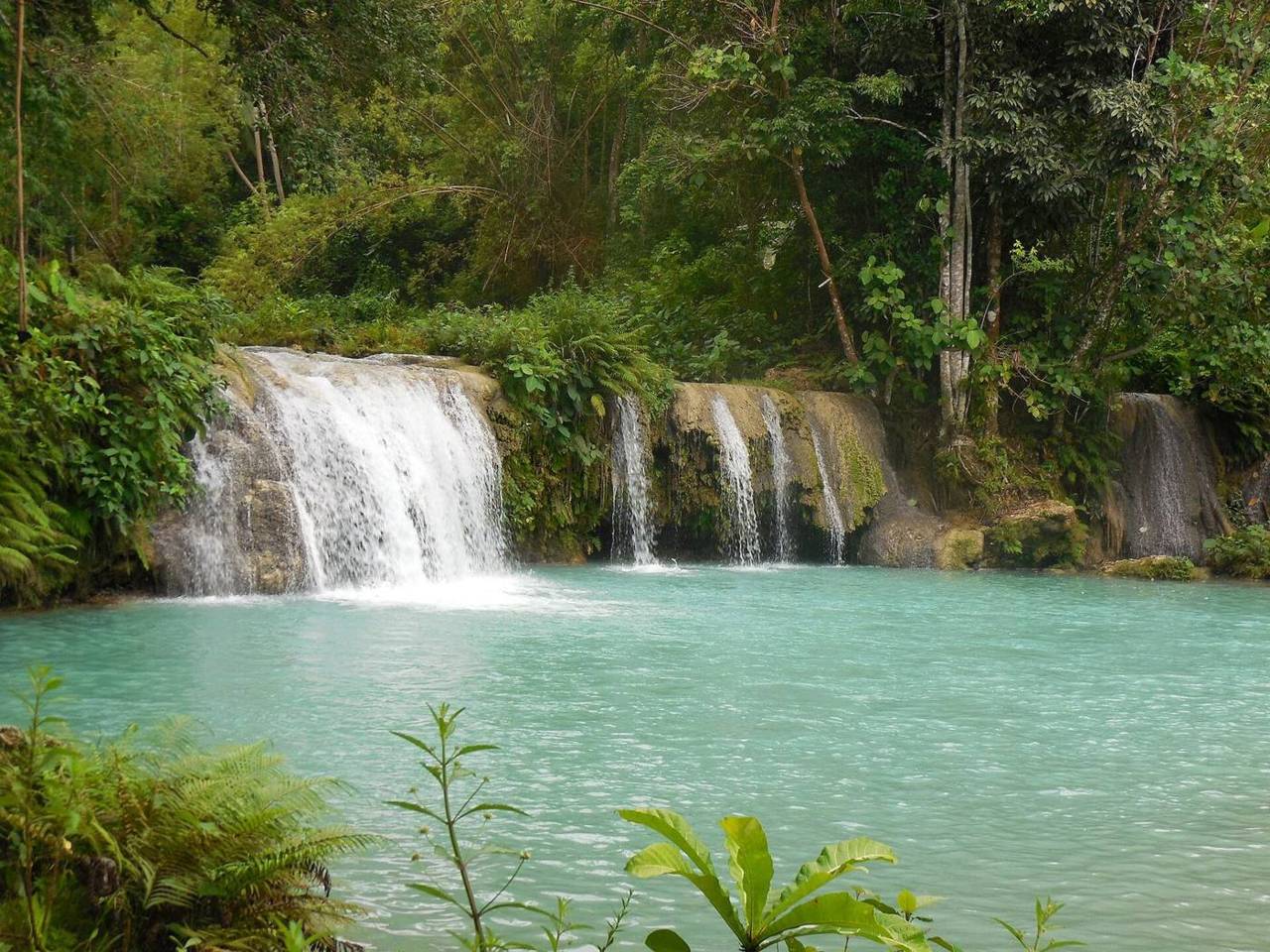
Early in the morning go to Cambugahay Falls near Lazi, before the groups arrive. A staircase of about a hundred and thirty steps descends through the forest to three tiers of waterfalls pouring into natural pools of turquoise water where you swim. There are also ropes for swinging into the water. A small fee is paid at the entrance, and a local guide is compulsory.
Then visit the old balete tree of San Juan, a huge strangler fig said to be over four hundred years old, with aerial roots forming a tangle. At its foot flows a spring, where you sit with your feet in the water while small fish nibble your skin.
In the afternoon, if you are interested, you can visit a traditional healer in the hills of San Antonio, accompanied by a local guide who knows the community. Some healers prepare oils and herbal potions, especially during Holy Week, when a gathering of healers from all over the country takes place in the hills. Respect their traditions and ask permission before taking photos.
In the evening return to San Juan for sunset.
Practical tip: the healers' remedies are part of local culture, but they do not replace medical care; for health problems go to the hospital in Siquijor or those in Dumaguete.
- Day 6
Round the island by scooter and Salagdoong
Today is a full loop of the island along the coastal road, about seventy-five kilometres, which with stops takes a whole day. Scooters are the most common way to travel, but you can also take a tricycle with driver.
Head east and stop at Salagdoong Beach in Maria, one of the island's finest, with white sand, turquoise sea and a planted mahogany forest nearby. From the rocks above the beach people jump from various heights, up to about ten metres: jump only where the water is deep and the sea is calm.
Along the north coast visit the capital, Siquijor, with the church of Saint Francis of Assisi and its separate bell tower, and Cantabon Cave inland, a limestone cave with stalactites and an underground stream, visited only with a local guide, helmet and torch, sometimes wading through water.
In the afternoon climb Mount Bandilaan, the island's highest point, with a small viewing tower and forest home to butterflies and birds.
In the evening return to San Juan.
Practical tip: riding a scooter requires a licence and a helmet; inland roads are steep and winding. Do not ride after sunset: many roads are unlit, and dogs, chickens and people are on the roadway.
- Day 7
Snorkelling at Tubod
A day of sea and calm. In the morning, with the sea calm, snorkel in the Tubod marine sanctuary at San Juan, one of the best-preserved protected areas on the island, reached straight from the beach. A few metres from shore the seabed drops away with coral gardens, clownfish in anemones, butterflyfish, starfish and, with luck, sea turtles. A small contribution is paid for the sanctuary's protection.
For divers, the Siquijor coast has coral walls and good visibility, with certified centres nearby. Not far away, Apo Island near Dumaguete is one of the most famous marine sanctuaries in the Philippines, protected by its community since the 1980s, with a great many turtles.
In the afternoon relax on the beach, read in the shade of the palms or have a massage with the island's herbal oils.
At sunset walk along San Juan beach, with fishermen coming home and colourful boats on the sand, and have dinner with fresh fish and tropical fruit: mango, papaya and local bananas.
Practical tip: in marine sanctuaries touch nothing, do not stand on corals and do not feed the fish. Use reef-safe sunscreen, or wear a swim shirt instead. Bring water and a snack, because there are few kiosks near the sanctuary.
- Day 8
Back to Cebu and departure
The last day is for the journey back. From Siquijor take the ferry to Dumaguete, about an hour, and from there fly to Cebu or Manila. Alternatively there are direct ferries to Tagbilaran and then to Cebu, but they take almost the whole day.
If you have a few hours in Dumaguete, walk along Rizal Boulevard, the tree-lined waterfront of this university city, with street food sellers and views of Negros Island. The Cathedral of Saint Catherine of Alexandria, with its stone bell tower, is close to the centre.
In Cebu, if you have time before your flight, visit Fort San Pedro, the oldest Spanish fortress in the Philippines, and the Colon district, the oldest street in the country.
Things to take home: dried Cebu mango, the Bohol caramel called calamay, served in a coconut shell, objects woven from palm and abaca fibres, and Siquijor herbal oils.
Practical tip: the US State Department rates the Philippines level 2, with level 4 for the Sulu archipelago, the southern Sulu Sea and Marawi, and level 3 for much of Mindanao and rural inland areas of Negros and other islands: Bohol, Siquijor and Cebu City are not in these zones. Check your government's travel advice before leaving. Leave a margin between ferry and flight, because the sea can change plans.
The Philippines at their quietest and cheapest, without Palawan's crowds. Siquijor is small and can be toured in a day: the right place to slow down. The Chocolate Hills are only brown in the dry season (February-May).
Before you go
- Documents and visa
- Passport valid for at least six months and an onward ticket; no visa for tourism up to 30 days for EU citizens. In the 72 hours before the flight you fill in the no-cost eTravel form online.
- Health and vaccines
- No compulsory vaccines arriving from Europe. Protect yourself against mosquitoes because of dengue and keep away from dogs and monkeys because of rabies. Drink only bottled water. Emergencies: 911.
- Money and payments
- Philippine peso. On small islands cash machines are few and often empty: carry cash.
- Power sockets
- Types A, B and C, 220 volts: bring a universal adapter.
- Time zone
- UTC+8 all year.
- Safety
- The United States rates the Philippines level 2, with level 4 for the Sulu archipelago, the southern Sulu Sea and Marawi, and level 3 for much of Mindanao. Typhoons occur from June to November. Official advice: GOV.UK.
Information checked in November 2026 for Italian and EU citizens. Rules change: always check before you travel.
Variations
In 6 days: two days on Bohol with the Chocolate Hills and Panglao, three days on Siquijor and the return via Dumaguete.
In 11 days: add Moalboal and its sardines, or Malapascua and the thresher sharks, on the Cebu coast.
Frequently asked questions
How do you travel between Bohol and Siquijor?
By ferry, in about two hours, sometimes via Dumaguete. In rough seas or typhoons sailings are cancelled: keep a spare day.
Can you touch the tarsiers?
No: they are nocturnal animals very sensitive to stress. At the Corella sanctuary you watch them in silence, without flash, and avoid places that keep them in cages.
Is Siquijor safe?
Yes, it is a calm and welcoming island. The main risks are dark roads at night and scooters: ride only by day and with a helmet.
Indicative itinerary written by World Atlas. Before booking, check timetables, seasonal openings, documents and safety.
 7 daysEasy
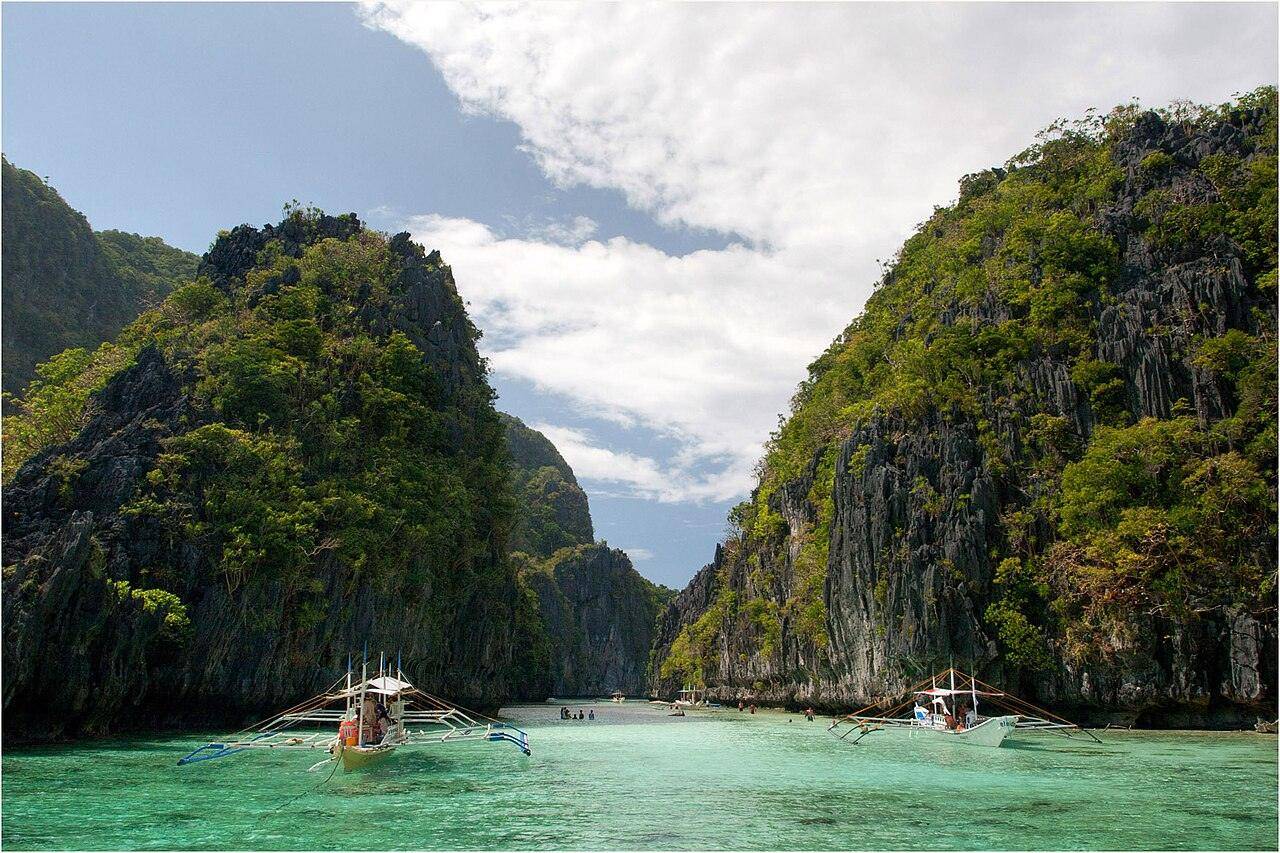
Palawan: El Nido and the lagoons
A week of islands, turquoise lagoons and snorkelling in the Bacuit archipelago, with a stop at the underground river.
 15 daysModerate
Palawan, Coron, Bohol and Cebu
The finest islands in two weeks: El Nido's lagoons, Coron's lakes and wrecks, Bohol's Chocolate Hills and tarsiers.
 12 daysEasy
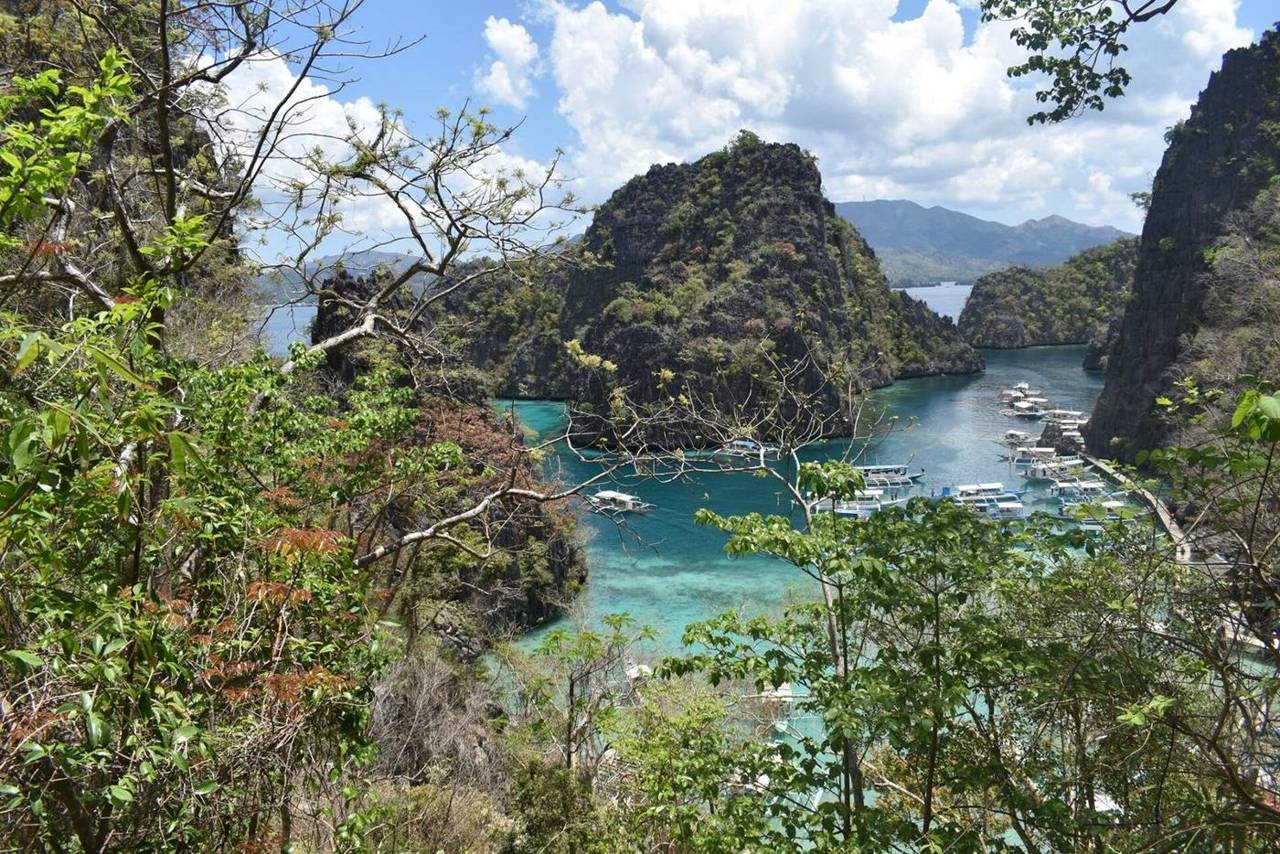
Philippines express: Palawan, El Nido and Coron
Puerto Princesa's underground river, the lagoons of El Nido among limestone cliffs, and Coron's lakes and wrecks.