Classic Poland
From Gdańsk to Kraków by train: the Teutonic castle of Malbork, Copernicus's Toruń, Warsaw, Kraków and the Wieliczka mine.
- Gdańsk
- Malbork
- Toruń
- Warszawa
- Kraków
- Wieliczka
Day by day
- Day 1
Gdańsk: the Royal Way and the river Motława
This ten-day trip crosses Poland from north to south by train: Gdańsk on the Baltic, the Teutonic castle of Malbork, Toruń, the city of Copernicus, the capital Warsaw, Kraków, the Auschwitz-Birkenau memorial and the Wieliczka Salt Mine.
Before you go: Poland is part of the European Union and the Schengen area, but uses the złoty, not the euro. Italian citizens only need an electronic identity card valid for travel abroad or a passport; the paper identity card has not been valid for travel abroad since 3 August 2026. Other nationalities should check their own rules. Crime is low, but Italian travel advice warns of pickpockets at airports, stations and tourist sites and recommends using only official taxis. When you pay by card, always choose to pay in złoty.
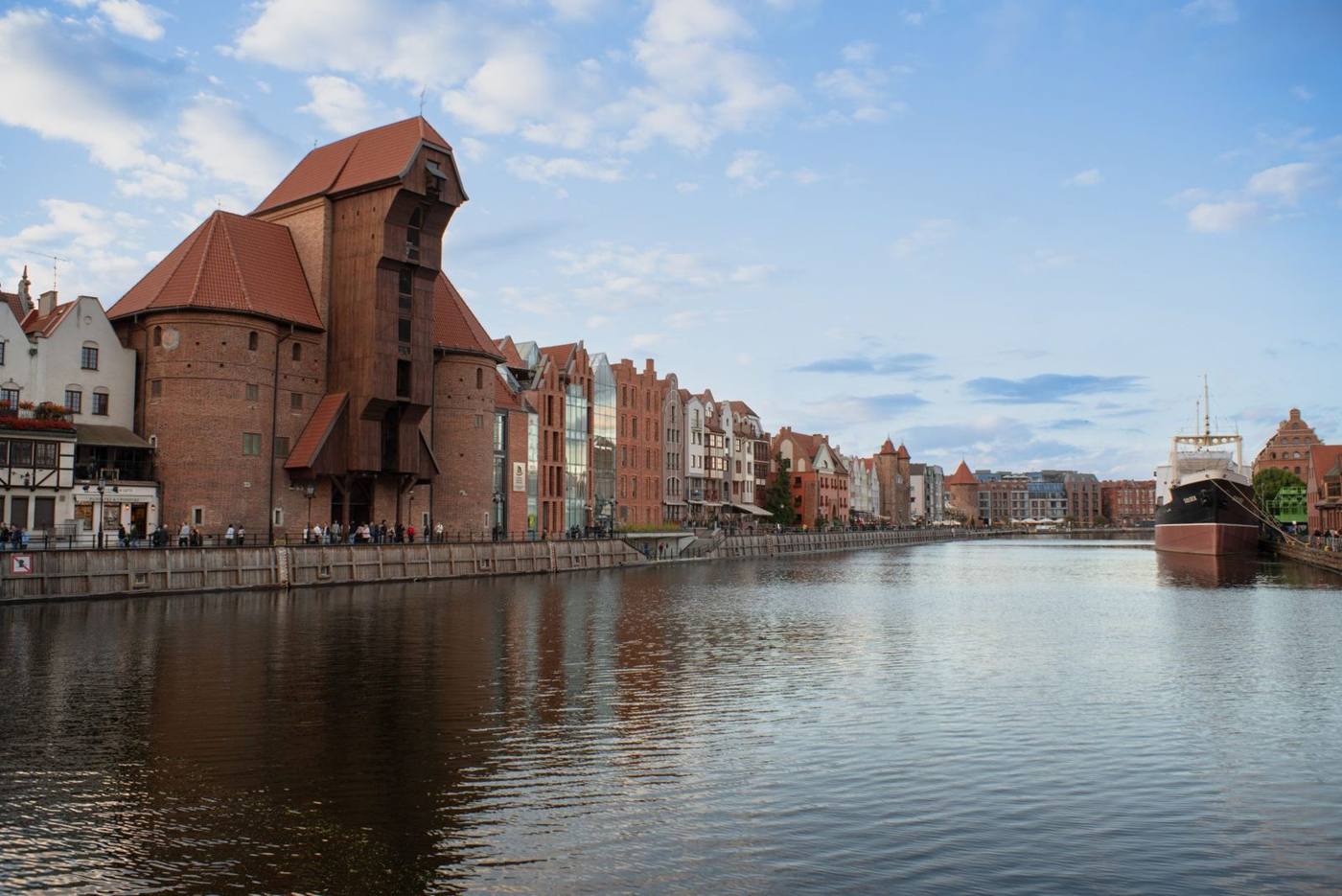
In Gdańsk, enter through the Golden Gate and follow the Royal Way, along Długa Street and the Long Market. The merchants' houses, tall and narrow, have painted and decorated façades; in the middle stand the Neptune Fountain and Artus Court. Almost everything was destroyed in 1945 and then rebuilt.
From the Green Gate walk out onto the river Motława and follow it to the great fifteenth-century wooden crane, now part of the National Maritime Museum. Check prices and times. Then walk along Mariacka Street, with the stone terraces in front of the houses, and go into St Mary's Basilica, huge and built of brick.
Sleep in Gdańsk, for two nights.
Practical tip: buy your tickets for the fast PKP Intercity trains a few weeks in advance, on the website or the app: the earlier you book, the less you pay.
- Day 2
The Museum of the Second World War and the Solidarity shipyards
On the second day you discover twentieth-century Gdańsk, where the Second World War began and Solidarity was born.
In the morning visit the Museum of the Second World War, opened in 2017 in a modern, leaning building near the river. It is one of the most important museums in Europe on this subject: it tells the story of the war above all through the lives of civilians, with objects, photographs and whole reconstructed streets. Allow at least three hours. Check prices and times.
In the afternoon walk to the shipyards. Here, in August 1980, the workers led by the electrician Lech Wałęsa went on strike and won the first independent trade union in the Soviet bloc, Solidarity. In front of the gate stands the monument to the workers killed during the 1970 protests, with three very tall steel crosses. Next to it, the European Solidarity Centre tells the movement's story clearly, up to the fall of communism in 1989. Check prices and times.
If you have time left, take the bus to Westerplatte, the peninsula at the entrance to the port where on 1 September 1939 a German warship opened fire on Polish soldiers. Today there are ruins, bunkers and a large monument. In summer you can also go back to the centre by boat, along the port, among the cranes and ships.
In the evening try Baltic fish, such as herring, and żurek, a sour soup sometimes served inside a loaf of bread.
Practical tip: the Museum of the Second World War is very busy; arrive at opening time or buy your ticket online.
- Day 3
Malbork, the largest brick castle in the world
Today you leave Gdańsk and start the train journey south, with a long stop in Malbork.
The train from Gdańsk to Malbork takes less than an hour. Leave your suitcase at the left luggage or bring it only if it is small, and walk from the station to the castle in a few minutes. Malbork Castle was the seat of the Teutonic Knights, a German religious and military order, from the early fourteenth century. It is the largest brick castle in the world and a UNESCO World Heritage Site.
The visit, with an audio guide also in Italian, takes you through the Low, Middle and High Castle: courtyards, kitchens, refectories with palm vaults, the Grand Master's residence and the church with the large statue of the Virgin. It was bombed in 1945 and carefully restored in the following years. Allow at least three hours. Check prices and times.
Before leaving, cross the footbridge over the river Nogat: from the other bank you see the whole castle reflected in the water, especially in the late afternoon.
Then take the train to Toruń, in about two hours, with a change depending on the time. If you arrive early, take a first walk in the centre and have dinner near the Old Market Square: in the evening the walls along the Vistula are lit up.
Sleep in Toruń, for two nights.
Practical tip: check train times between Malbork and Toruń before you set off, because they are not very frequent and sometimes you need to change.
- Day 4
Toruń, Copernicus and gingerbread
Today you visit Toruń, a medieval city on the Vistula, little damaged by the war. The historic centre, in red brick, is a UNESCO World Heritage Site.
Start from the Old Market Square, with the large Gothic town hall. Climb the tower to see the roofs, the churches and the river. Check prices and times. In front of the town hall stands the statue of Nicolaus Copernicus, born in Toruń in 1473: he was the one who argued that the Earth goes round the Sun. Also go into the Cathedral of St John, where according to tradition Copernicus was baptised. Then visit Copernicus's House, a museum in a Gothic house that tells the story of his life and of fifteenth-century Toruń. Check prices and times.
Then walk to the leaning tower, a tower of the old walls that leans by more than a metre, and to the ruins of the Teutonic Knights' castle, destroyed by the townspeople in 1454 during a revolt against the order.
In the afternoon discover gingerbread, piernik, the speciality of Toruń for centuries. At the gingerbread museum you can make your own biscuit with traditional wooden moulds. Check prices and times. Then buy some piernik to take home, chocolate-covered or filled.
In the evening stroll along the Vistula: from the bridge you see the city walls and churches lit up.
Practical tip: Toruń is easy to explore on foot; choose a place to stay inside or near the old town and forget the car.
- Day 5
Warsaw: the Old Town and the Rising Museum
In the morning take the train to Warsaw, in about two and a half hours.
Drop off your suitcase and go to the Old Town, a UNESCO World Heritage Site. In 1944 the Germans destroyed it almost completely; after the war it was carefully rebuilt, also using the eighteenth-century paintings of the Venetian painter Bernardo Bellotto. On the Market Square you see the colourful houses and the statue of the Mermaid, the symbol of the city. Then walk along the walls to the Barbican.
Visit the Royal Castle, on Castle Square, rebuilt between the 1970s and 1980s, with the royal apartments and the views of Warsaw painted by Bellotto. Check prices and times. On the square in front of the castle stands Sigismund's Column, honouring the king who moved the court from Kraków to Warsaw at the end of the sixteenth century.
In the afternoon go to the Warsaw Rising Museum, in the Wola district. It tells the story of the 63 days of the insurrection in the summer of 1944, when the Polish resistance fought the Germans, with photos, weapons, reconstructed sewers and witnesses' voices. Allow at least two hours; it is closed on Tuesdays. Check prices and times.
In the evening go up to the terrace of the Palace of Culture and Science, the skyscraper given by Stalin in the 1950s, to see the city lit up. Check prices and times.
Sleep in Warsaw, for one night.
Practical tip: public transport in Warsaw works very well; buy a day ticket and validate it on your first ride.
- Day 6
The POLIN Museum, Łazienki Park and the train to Kraków
On the sixth day you see Warsaw's Jewish memory and its most beautiful park, then leave for Kraków.
In the morning visit the POLIN Museum of the History of Polish Jews, in the district where the Nazis created the ghetto. The exhibition tells a thousand years of Jewish life in Poland, from the first medieval merchants to the Holocaust and the post-war years, with a large reconstructed wooden synagogue and its painted ceiling. Allow at least two or three hours. Check prices and times. In front of the museum stands the Monument to the Ghetto Heroes, which recalls the ghetto uprising of 1943. In the district, on the pavements, some lines and plaques mark where the ghetto wall ran.
In the afternoon go to Łazienki Park, the great eighteenth-century royal park, with ponds, peacocks, squirrels and the Palace on the Isle, the summer residence of the last king of Poland. Check prices and times. On summer Sundays, next to the Chopin monument, pianists play his music in the open air: check the concert calendar.
Walk back towards the centre along the Royal Route, Krakowskie Przedmieście, and stop at the Church of the Holy Cross, where a pillar holds Chopin's heart.
In the late afternoon take the fast train to Kraków, in about two and a half hours.
Sleep in Kraków, for four nights.
Practical tip: on Intercity trains seats are reserved; check the carriage number on your ticket and wait at the right spot on the platform.
- Day 7
Kraków: the Rynek and Wawel
Today you discover the centre of Kraków, the former capital of the kings of Poland, a UNESCO World Heritage Site.
Start from Rynek Główny, one of the largest medieval squares in Europe. In the middle stands the Cloth Hall, Sukiennice, the old textile market, with stalls of amber and crafts. Go into St Mary's Basilica for the wooden altarpiece carved by Veit Stoss at the end of the fifteenth century. Check prices and times. On the hour, listen to the hejnał, the tune a trumpeter plays from the taller tower and breaks off halfway, in memory of an old legend.
Then follow Grodzka Street to Wawel Hill. On the way stop in front of the Church of Saints Peter and Paul, with statues of the twelve apostles on the railings. The royal castle has several visiting routes, each with its own ticket: choose in advance, for example the State Rooms and the tapestries. Check prices and times. In the cathedral the kings were crowned and buried; from the tower you see the Sigismund Bell, one of the largest in Poland.
In the afternoon go down along the Vistula to the Dragon's Den, linked to the city's legend, and walk on the riverside lawns.
In the evening go back to the Rynek or find a place in the nearby streets and try pierogi and oscypek, the smoked mountain cheese, served grilled.
Practical tip: at Wawel tickets for the rooms are limited each day; buy them online the evening before or arrive at opening time.
- Day 8
Auschwitz-Birkenau
Today you spend the whole day at the Auschwitz-Birkenau Memorial and Museum, near Oświęcim, about an hour and a half from Kraków. It is the largest concentration and extermination camp built by Nazi Germany: about one million one hundred thousand people died here, the great majority of them Jews. It is a UNESCO World Heritage Site.
Entry is possible only with an online booking on the Memorial's official website, for a set time. At certain hours you can enter only with a guide, available also in Italian: it is the best way to understand the history of the place. Book well in advance. Check prices and times. Bring an identity document and a small backpack, because large bags are not allowed.
You get there by bus or train from Kraków. The visit starts at Auschwitz I, the first camp, where the victims' belongings are displayed in the brick blocks: suitcases, shoes, glasses. Then a shuttle takes you to Birkenau, about three kilometres away, with the railway ramp, the wooden and brick barracks and the ruins of the gas chambers, destroyed by the Nazis before they fled.
It is a heavy day: do not add other visits. Before you go, read something about the camp's history, because arriving prepared helps you understand, and during the visit speak quietly. In the evening go back to Kraków and walk slowly in the Planty, the park around the centre.
Practical tip: at Birkenau the spaces are huge and open; dress in layers, bring water and comfortable shoes, even in summer.
- Day 9
Kazimierz and the Wieliczka Salt Mine
On the ninth day you combine Kraków's Jewish quarter with a visit underground.
In the morning walk to Kazimierz, for centuries the centre of Jewish life in the city. Visit the Old Synagogue, now a museum, and the Remuh Synagogue, still in use, with its old cemetery. Men must cover their heads. Check prices and times; on Saturdays the active synagogues are closed to visitors. Stroll along Szeroka Street and around Plac Nowy, with its round market.
If you have time, cross the Vistula to Podgórze, where the ghetto was, for Ghetto Heroes Square and Oskar Schindler's Factory, now home to an exhibition of the Museum of Kraków on the city under Nazi occupation. Entry is by timed ticket: buy it in advance. Check prices and times.
In the afternoon take the regional train or the bus to Wieliczka, about fifteen kilometres away. The salt mine, a UNESCO World Heritage Site, is visited with a guide, going down hundreds of steps to more than a hundred metres underground, through corridors, salt lakes and statues carved by the miners. The finest hall is the Chapel of St Kinga, with chandeliers and reliefs all made of salt. A lift brings you back up. Check prices, times and tour languages.
In the evening go back to Kraków and have dinner in Kazimierz, where many streets come alive after sunset.
Practical tip: the mine is cool all year round; bring a jumper, even if it is hot outside.
- Day 10
The Planty and departure from Kraków
You spend the last day on a quiet walk before leaving.
In the morning walk through the Planty to the Barbican, the round brick fortress, and St Florian's Gate, where painters display their pictures on the walls. Then step into the courtyard of the Collegium Maius, the oldest building of the Jagiellonian University, where Copernicus also studied. Check prices and times. If you still have time, visit Kleparz market to buy cheese, cured meats or honey to take home.
Kraków airport is in Balice, about fifteen kilometres away, linked to the centre by the train from the main station.
Trip summary: in ten days you have seen Gdańsk, with the Royal Way, the Museum of the Second World War and the Solidarity shipyards; Malbork Castle; Toruń, the city of Copernicus and gingerbread; Warsaw, with the Old Town, the Royal Castle, the Rising Museum, the POLIN Museum and Łazienki Park; Kraków, with the Rynek, Wawel and Kazimierz; the Auschwitz-Birkenau memorial; and the Wieliczka Salt Mine.
When to go: from May to September, with long days and a mild climate. July and August are the busiest months, especially in Gdańsk and Kraków. In May and September there are fewer people. Winter is cold and dark, but the museums are quieter and in December there are Christmas markets.
Practical tip: Polish is a difficult language, but young people speak good English; learn at least dziękuję, thank you, and dzień dobry, good morning.
The complete trip to understand Poland, easy on PKP Intercity fast trains, which are cheap when booked early. The cities were carefully rebuilt after the war. Gdańsk's Museum of the Second World War is one of Europe's most important. The language is hard, but young people speak good English.
Before you go
- Documents and visa
- EU citizens need a valid identity card or passport: Poland is in the EU and the Schengen area. Carry a copy of your documents and keep the originals somewhere safe. Other nationalities should check the Schengen rules.
- Health and vaccines
- No compulsory vaccines. Healthcare is acceptable; Warsaw has clinics with English-speaking staff. EU citizens should bring their EHIC; take insurance covering medical costs and repatriation. Watch for ticks in the forests in summer and for ice in winter. Emergencies: 112.
- Money and payments
- Polish złoty (PLN), not the euro. Cards are accepted almost everywhere; when paying by card, choose to pay in złoty, not in your home currency.
- Power sockets
- Types C and E, 230 volts: you need an adapter for British plugs.
- Time zone
- Central European Time (UTC+1, summer UTC+2).
- Safety
- Crime is low, but watch out for pickpockets at airports, stations and tourist sites, for unofficial taxis and for scams in nightclubs. The areas near the borders with Belarus and Ukraine have restrictions and the situation changes often: do not go near the border and respect the no-entry signs. Official advice: GOV.UK.
Information checked in November 2026 for Italian and EU citizens. Rules change: always check before you travel.
Variations
In 7 days: Gdańsk, Malbork, Warsaw and Kraków, skipping Toruń and Wieliczka.
In 14 days: add Wrocław or Zakopane and the Tatra Mountains.
Frequently asked questions
Is it worth doing this trip by train?
Yes. The fast PKP Intercity trains link Gdańsk, Warsaw and Kraków well, and they are cheap if booked early. For Malbork and Toruń there are regional and Intercity trains.
How do I book Auschwitz-Birkenau?
Only online, on the Memorial's official website, for a set time. At certain hours you can enter only with a guide. Book well in advance and check prices and times.
Is English spoken in Poland?
In the cities and among young people, almost always. In small towns and among older people, less so: a translation app helps.
Indicative itinerary written by World Atlas. Before booking, check timetables, seasonal openings, documents and safety.
 5 daysEasy
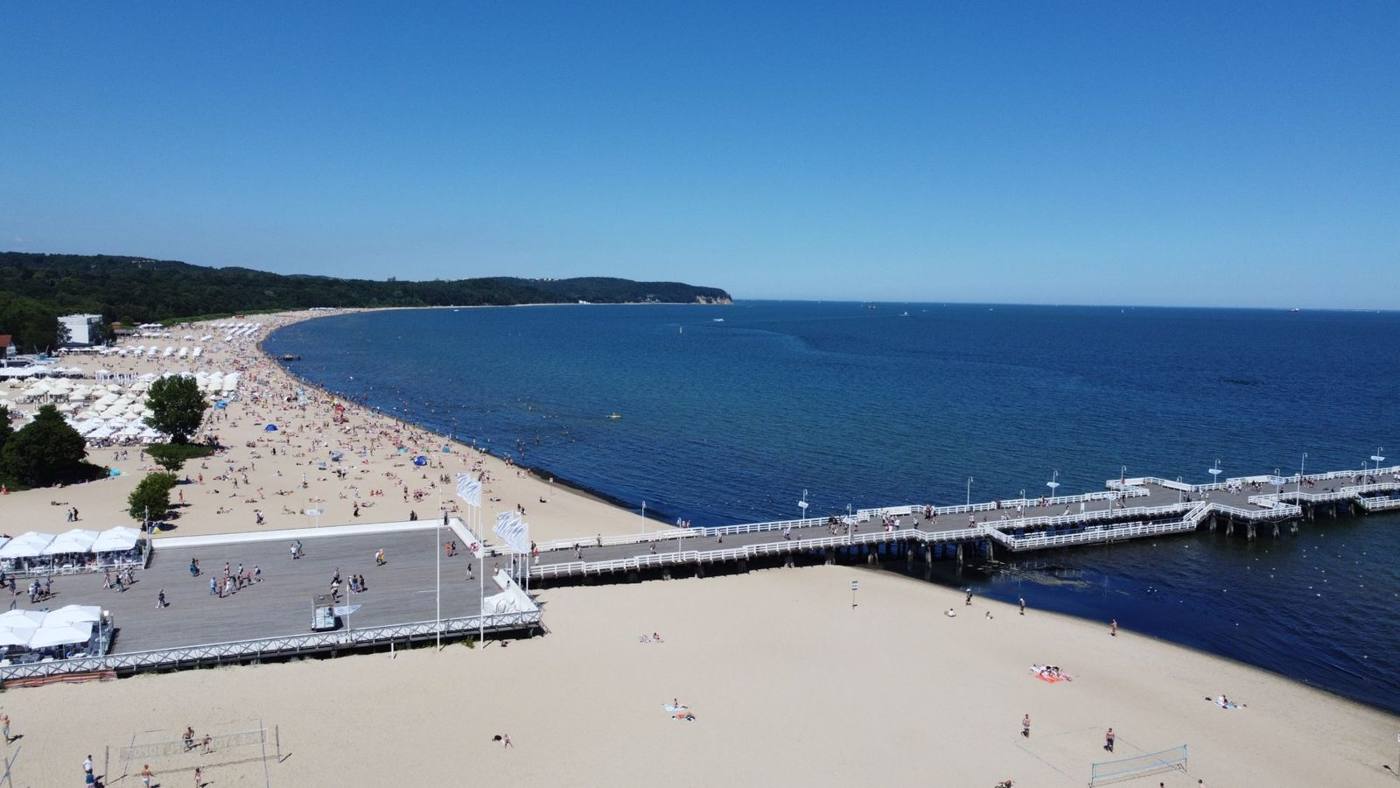
Gdańsk and the Baltic
The Tri-City of Gdańsk, Sopot and Gdynia, Malbork Castle, the Hel Peninsula and the shifting dunes of Słowiński park.
 5 daysModerate
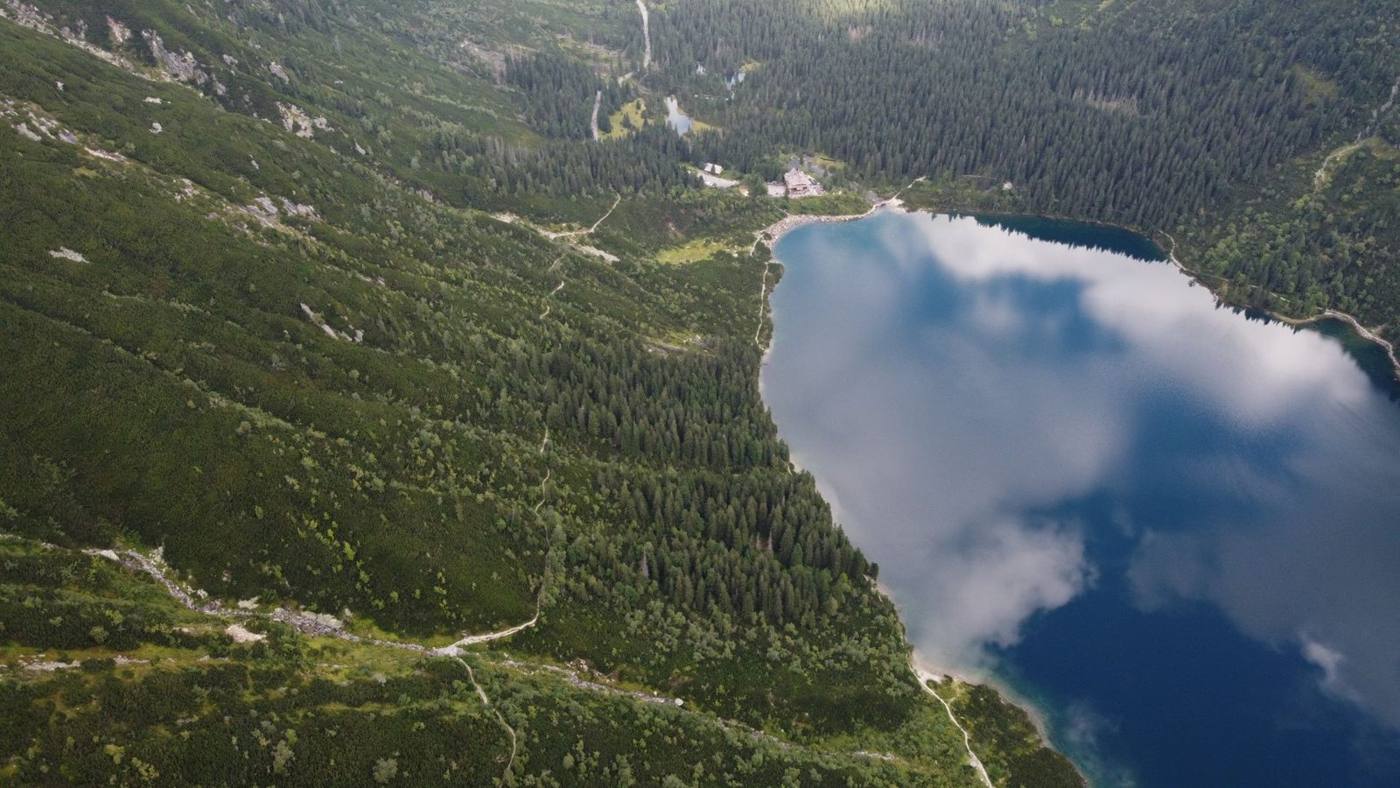
Zakopane and the Tatras
Poland's winter capital, the wooden houses of the Górale highlanders, Morskie Oko lake, Kasprowy Wierch and the Valley of Five Lakes.
 5 daysEasy
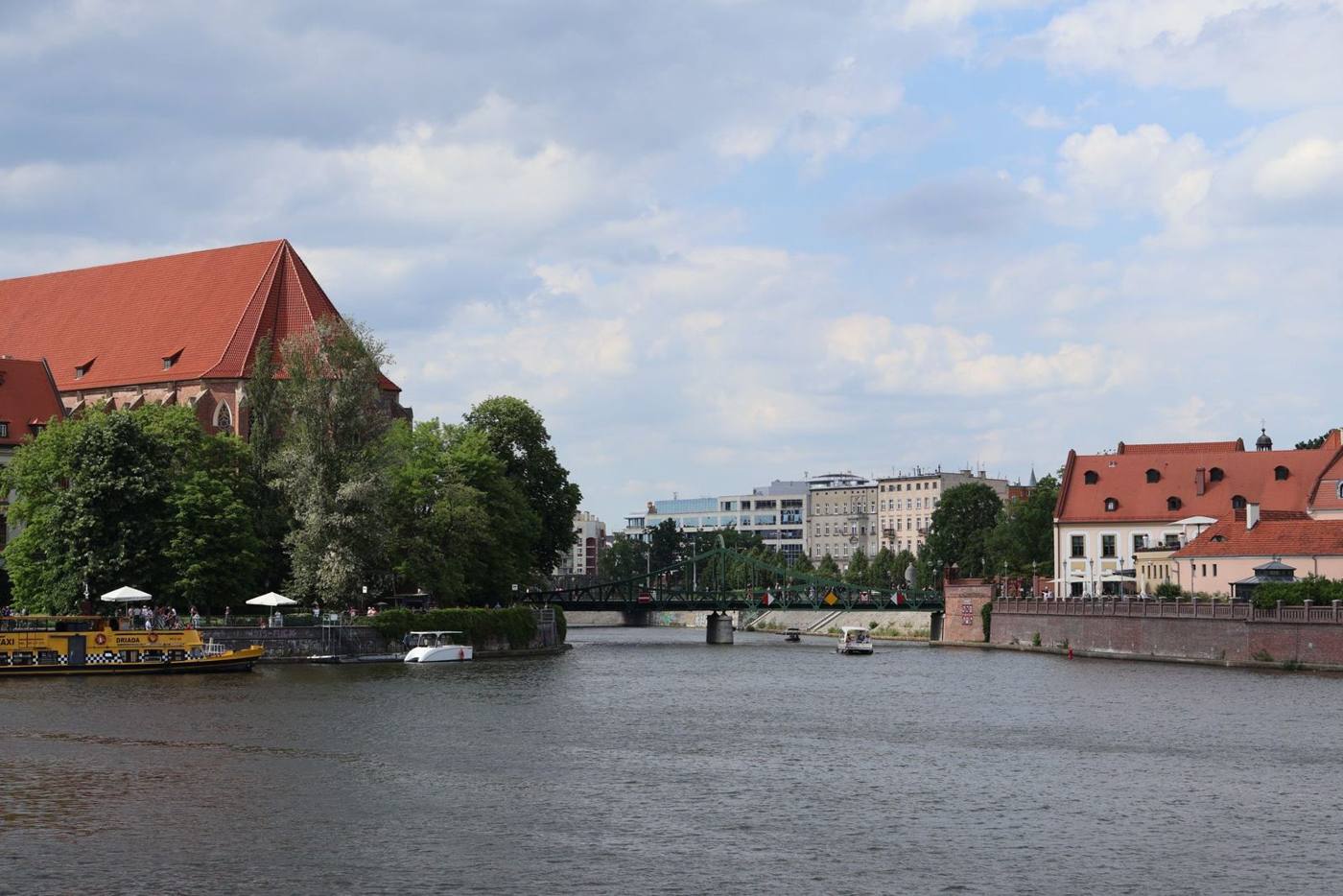
Wrocław and Lower Silesia
Wrocław and its bronze dwarfs, the UNESCO-listed wooden Churches of Peace, Książ Castle, the Chapel of Skulls and the rocks of the Table Mountains.