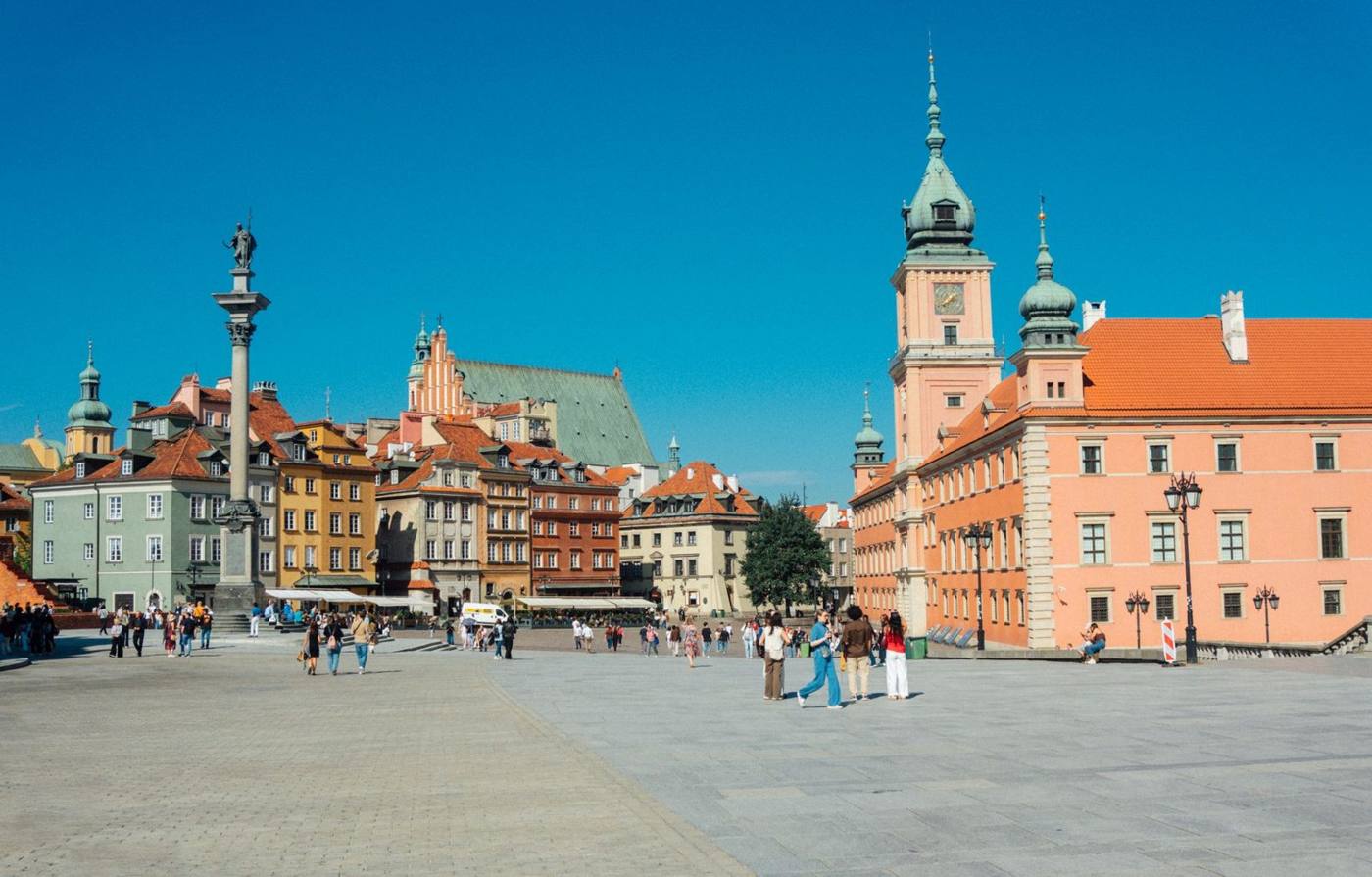
Warsaw
The old town rebuilt stone by stone, the Warsaw Uprising Museum, the POLIN Museum of the History of Polish Jews, Łazienki Park and the Vistula.
- Stare Miasto
- Muranów
- Łazienki
- Prague
Day by day
- Day 1
The Old Town, the Royal Castle and the Rising Museum
This three-day trip shows you Warsaw, the capital of Poland: the Old Town rebuilt after the war, some of the most powerful history museums in Europe, Łazienki Park with its Chopin concerts and the Praga district, on the other bank of the Vistula.
Before you go: Poland is part of the European Union and the Schengen area, but uses the złoty, not the euro. Italian citizens only need an electronic identity card valid for travel abroad or a passport; the paper identity card has not been valid for travel abroad since 3 August 2026. Other nationalities should check their own rules. Crime is low, but Italian travel advice warns of pickpockets at airports, stations and tourist sites and recommends using only official taxis. When you pay by card, always choose to pay in złoty.
In the morning walk into the Old Town, a UNESCO World Heritage Site. In 1944, after the Uprising, the Germans razed it to the ground; after the war the Poles rebuilt it stone by stone, also using the eighteenth century paintings of Bernardo Bellotto. Walk around the Market Square, with its colourful houses and the statue of the Mermaid, symbol of the city, and along the walls to the Barbican.
Then visit the Royal Castle, on Castle Square, rebuilt in the 1970s and 1980s, with the royal apartments and the room with the views of Warsaw painted by Bellotto. Check prices and times.
In the afternoon go to the Warsaw Rising Museum, in the Wola district. It tells the story of the 63 days of the insurrection in the summer of 1944 with photos, weapons, reconstructed sewers and witnesses' voices. Allow at least two or three hours; it is closed on Tuesdays. Check prices and times.
Sleep in Warsaw, for three nights.
Practical tip: on Warsaw's public transport always validate your ticket or tap your contactless card on the validators: inspections are frequent.
- Day 2
The POLIN Museum, the ghetto and the Palace of Culture
Today you follow the history of Warsaw's Jews and see the symbol of the communist era.
In the morning go into the POLIN Museum of the History of Polish Jews, in the Muranów district, in a modern building with a large entrance hall shaped like a cleft. The main exhibition tells a thousand years of Jewish life in Poland, from the first medieval merchants to towns full of synagogues, through to the Holocaust and the post-war years. Before the war Warsaw had one of the largest Jewish communities in the world. Allow at least three hours. Check prices, times and the closing day.
In front of the museum stands the Monument to the Ghetto Heroes, from 1948, dedicated to the ghetto uprising in the spring of 1943. A few minutes' walk away is the Umschlagplatz, the place from which trains left for the Treblinka camp, today a white memorial with the names of the victims.
In the afternoon look for the remains of the ghetto wall between Sienna and Złota streets, hidden in a courtyard.
Then reach the Palace of Culture and Science, the Stalinist-style skyscraper given by the Soviet Union and completed in 1955. Go up to the viewing terrace on the thirtieth floor to see the whole city. Check prices and times.
In the evening try pierogi, Polish dumplings filled with meat, potato and cheese or forest fruits.
Sleep in Warsaw.
Practical tip: POLIN and the Rising Museum are intense; do not put them on the same day.
- Day 3
Łazienki Park, Chopin and the Praga district
On the last day you combine greenery, music and the most authentic side of the city.
In the morning walk along the Royal Route, Krakowskie Przedmieście, with its palaces, the university and the Holy Cross Church, where a pillar holds the heart of Fryderyk Chopin. Continue south to Łazienki Park, the great eighteenth century royal park, with ponds, peacocks, squirrels and the Palace on the Isle, the summer residence of the last king of Poland. Check prices and times.
On summer Sundays, next to the Chopin monument, pianists play his music in the open air, at midday and in the afternoon. Sit on the grass and listen. Check the concert calendar, which changes every year.
In the afternoon cross the Vistula to Praga, the district on the right bank, less damaged by the war. Here you see pre-war buildings with courtyards and neighbourhood shrines, the Orthodox cathedral and Ząbkowska street. Visit the Museum of Warsaw Praga, a branch of the Museum of Warsaw, which tells the story of life in the district. Check prices and times.
Towards evening walk along the boulevards by the Vistula, full of people on summer evenings, and then leave.
In short: in three days you have seen the rebuilt Old Town, the Royal Castle, the Rising Museum, the POLIN Museum and the sites of the ghetto, the Palace of Culture, Łazienki Park with Chopin and the Praga district.
When to go: from May to September, with the Chopin concerts, long days and lively riverside boulevards. Winter is cold and dark, but the museums are less crowded.
Practical tip: in winter the pavements can be icy; bring shoes with a good grip.
A modern capital with some of Europe's most powerful history museums. The old town, razed in 1944, was carefully rebuilt and is UNESCO-listed precisely for that. The Uprising Museum needs at least three hours. Prices are still reasonable compared with western Europe.
Before you go
- Documents and visa
- EU citizens need a valid identity card or passport: Poland is in the EU and the Schengen area. Carry a copy of your documents and keep the originals somewhere safe. Other nationalities should check the Schengen rules.
- Health and vaccines
- No compulsory vaccines. Healthcare is acceptable; Warsaw has clinics with English-speaking staff. EU citizens should bring their EHIC; take insurance covering medical costs and repatriation. Watch for ticks in the forests in summer and for ice in winter. Emergencies: 112.
- Money and payments
- Polish złoty (PLN), not the euro. Cards are accepted almost everywhere; when paying by card, choose to pay in złoty, not in your home currency.
- Power sockets
- Types C and E, 230 volts: you need an adapter for British plugs.
- Time zone
- Central European Time (UTC+1, summer UTC+2).
- Safety
- Crime is low, but watch out for pickpockets at airports, stations and tourist sites, for unofficial taxis and for scams in nightclubs. The areas near the borders with Belarus and Ukraine have restrictions and the situation changes often: do not go near the border and respect the no-entry signs. Official advice: GOV.UK.
Information checked in November 2026 for Italian and EU citizens. Rules change: always check before you travel.
Variations
In 2 days: the Old Town and the Rising Museum on the first day, POLIN and Łazienki on the second.
In 5 days: add Kraków, just over two hours away by fast train.
Frequently asked questions
How long do you need for the Rising Museum?
Allow at least two or three hours: it is large and full of testimonies. It is closed on Tuesdays. Check prices and times.
Can you pay in euros in Warsaw?
No, the currency is the złoty. Cards are accepted almost everywhere: when you pay, always choose to pay in złoty, not in euros, to avoid poor exchange rates.
What document do I need for Poland?
Italian citizens only need an electronic identity card valid for travel abroad or a passport. Other nationalities should check their own rules.
Indicative itinerary written by World Atlas. Before booking, check timetables, seasonal openings, documents and safety.
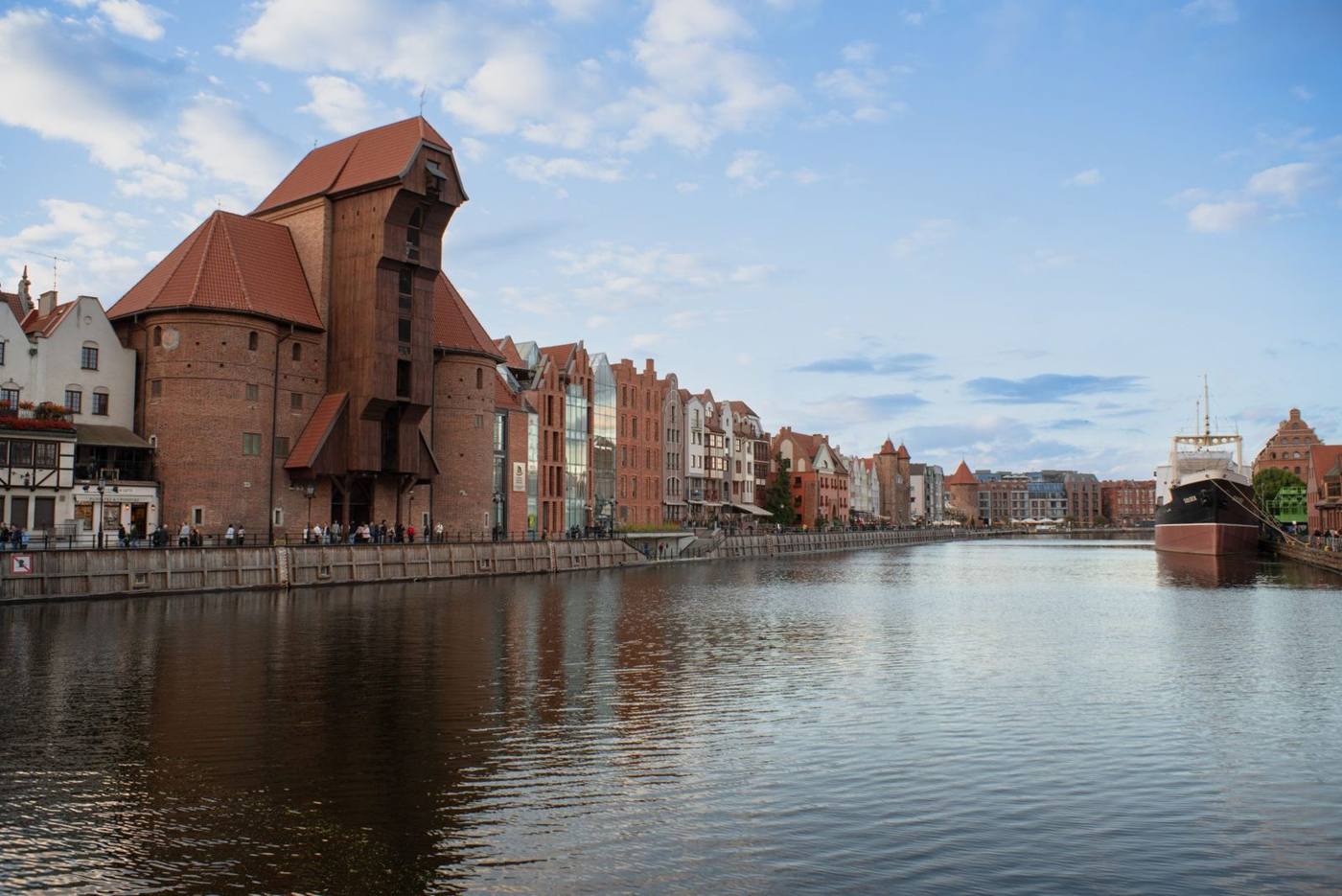 10 daysEasy
Classic Poland
From Gdańsk to Kraków by train: the Teutonic castle of Malbork, Copernicus's Toruń, Warsaw, Kraków and the Wieliczka mine.
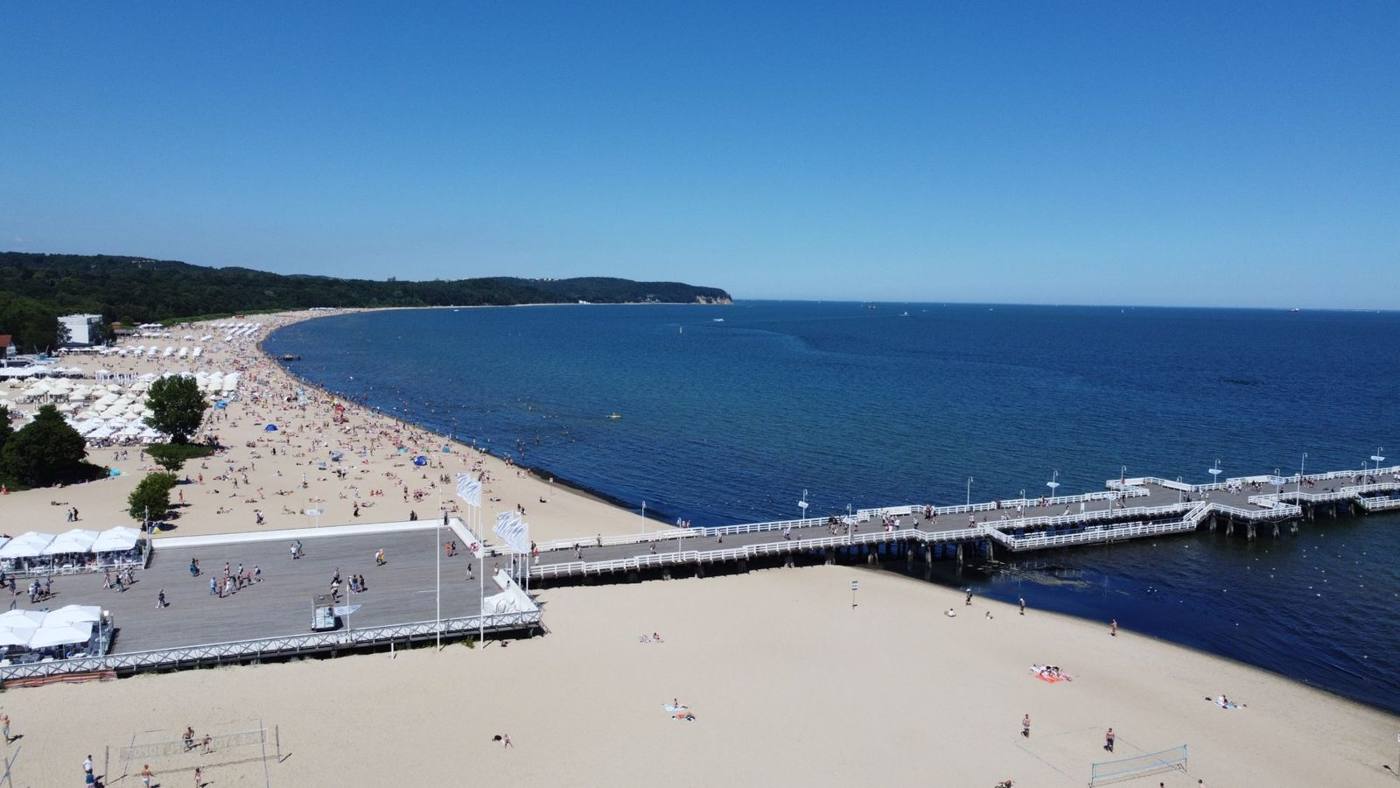 5 daysEasy
Gdańsk and the Baltic
The Tri-City of Gdańsk, Sopot and Gdynia, Malbork Castle, the Hel Peninsula and the shifting dunes of Słowiński park.
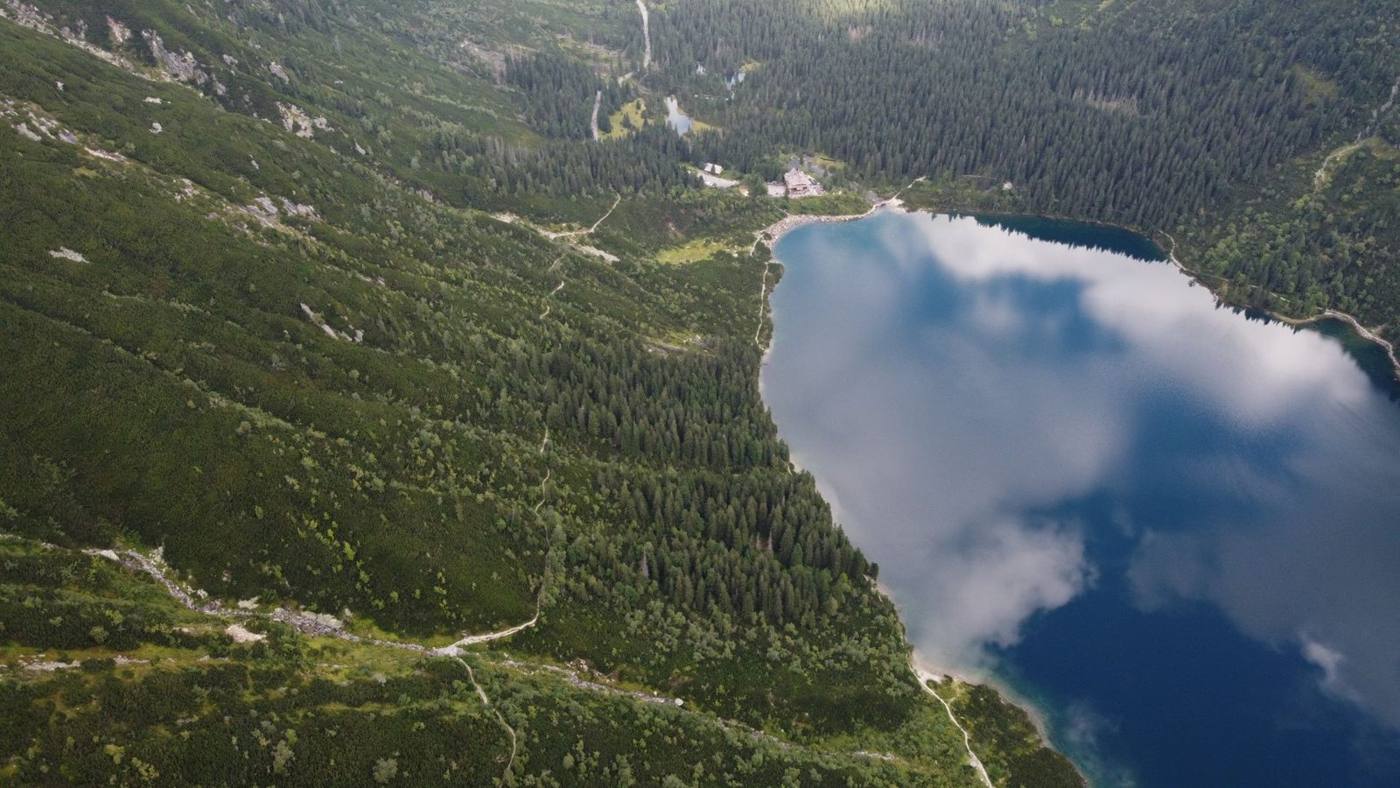 5 daysModerate
Zakopane and the Tatras
Poland's winter capital, the wooden houses of the Górale highlanders, Morskie Oko lake, Kasprowy Wierch and the Valley of Five Lakes.